A deeper analysis of ISPA’s latest study shows that despite record
KPIs, the US spa industry continues to face workforce shortages, as
Eloise Corner from PricewaterhouseCoopers Research reports
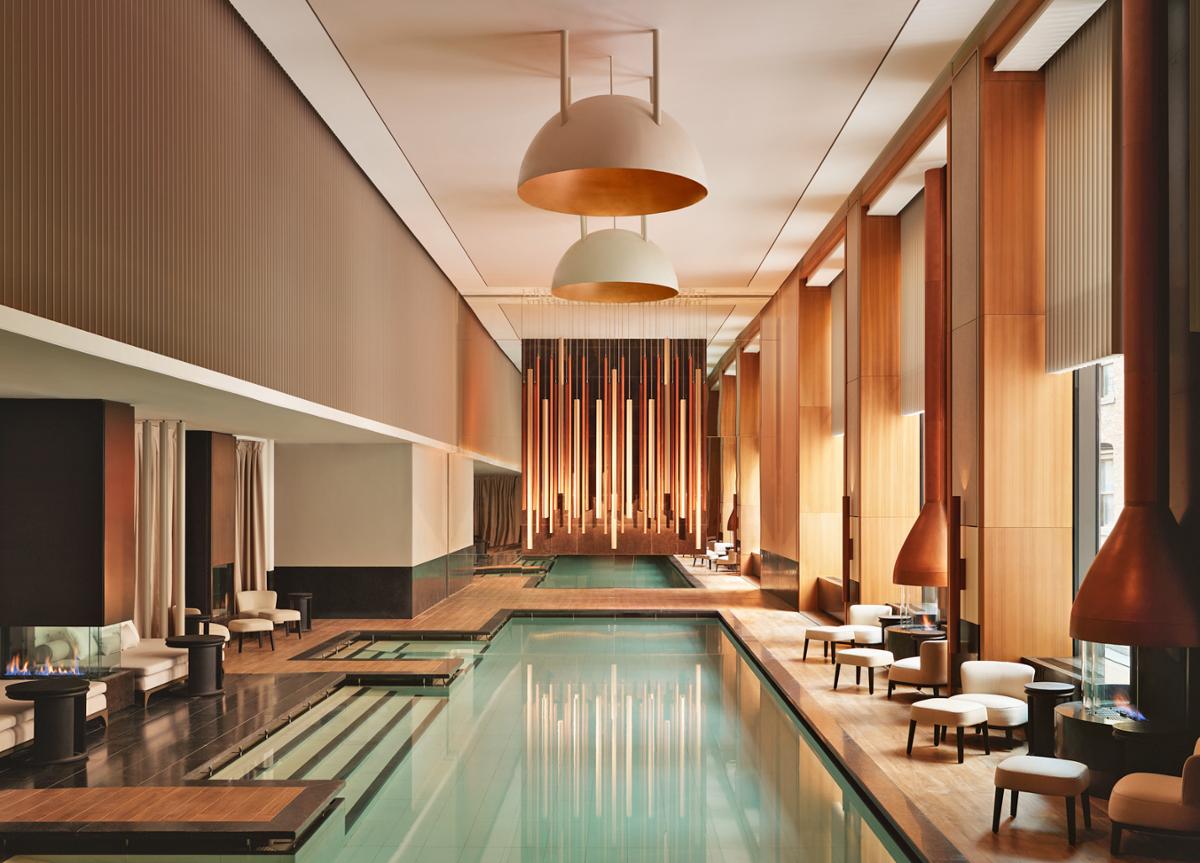
Spa openings have been steady. Aman New York is one of the newest arrivals / photo: Robert Rieger
Last year, the US economy continued to recover from the COVID-19 pandemic, however, simultaneously, the rate of inflation in consumer prices accelerated dramatically. From one crisis to the next, the spa industry has had a dynamic couple of years and has been able to showcase its resilience and adaptability. New research based on data from 2,829 spas in the US shows clear evidence of a swift bounceback in key metrics, but the persistent challenge of staffing continues.
Increase in spending Throughout 2022 the cost of living crisis continued to affect US consumers, leading to less disposable income. Many would have predicted that this would result in a decrease in demand for activities such as spa-going. Yet the 2023 US Spa Industry Study compiled by the country’s International Spa Association (ISPA) and undertaken by PwC Research, shows that industry revenues soared to a landmark US$20.1 billion (€18.3 billion, £15.7 billion), an 11 per cent increase from 2021.
Spa visits recovered by 4 per cent to 181 million, while this is still almost 20 million short of 2019’s record high, it’s encouraging that visits are climbing. To meet this demand, 22 per cent of spas are increasing their weekly hours of operation. This figure increased to 32 per cent when looking at resort/hotel spas, which hoped to increase spa availability to provide a much-improved guest stay.
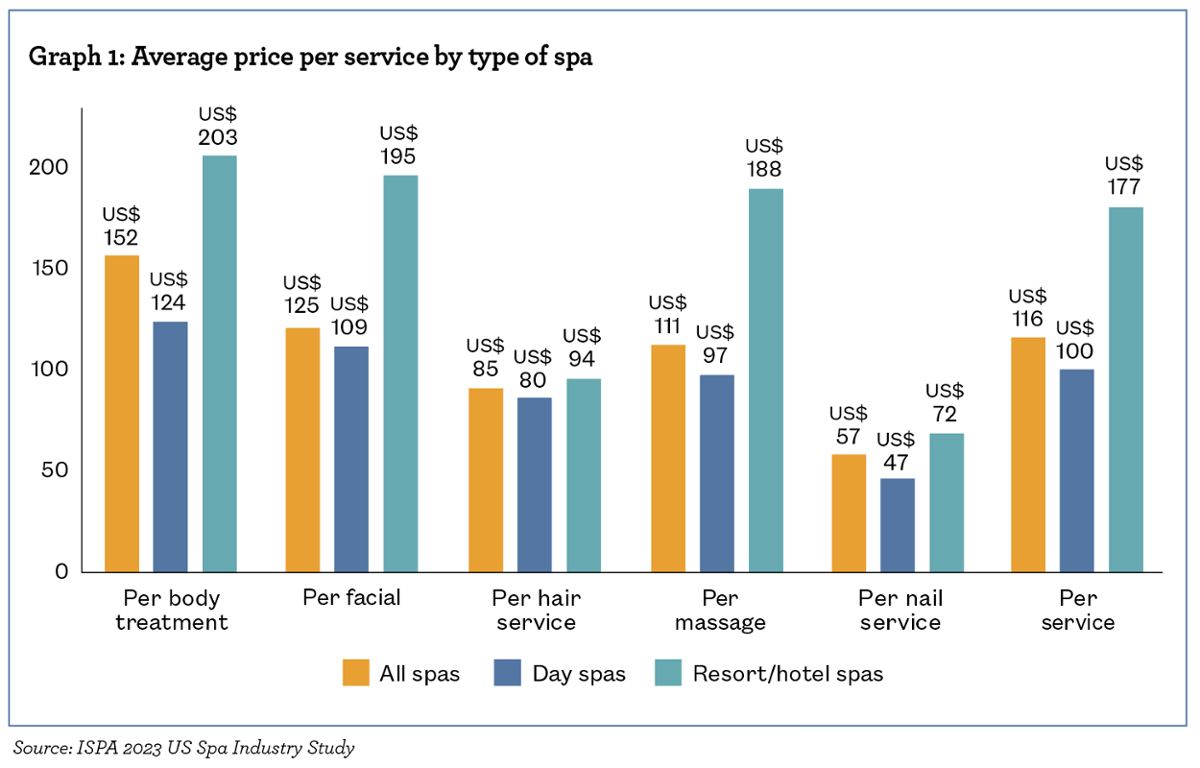
Bringing these two metrics together sees a sharp jump in the ever-important revenue-per-visit metric which, at US$111.50 (€101, £87), now sits at an all-time high. Put simply, those visiting spas in 2022 were spending more. Fifty-four per cent of spas confirmed this when comparing spring (March-May) 2023 figures with the same period a year ago. This increase in spending is no doubt linked to the rise in price per service which now stands at an estimated US$116 (€105, £91), compared to US$108 (€98, £84) last year (see Graph 1). The price for body treatments has gone up the most – from US$124 (€113, £97) in 2021 to US$152 (€138, £119) in 2022 – amounting to a 22 per cent hike.
The staffing challenge For the spa industry, where personal contact is core to its purpose, a highly infectious virus sweeping its way across the world could easily rank among its worst nightmares. Since then, it’s rebounded strongly. Despite the difficult environment, openings and closures appear to have been steady and the number of locations is above 21,750, an increase of 1.3 per cent compared to last year. Nonetheless, that’s still 3 per cent below the pre-pandemic level (22,430 locations in 2019), suggesting further scope for growth.
There’s currently an average of 16.5 workers per spa establishment, bringing the total number of employees in the overall industry to 360,700.
While this is a marginal increase compared to last year, staffing is an area that plagues the spa industry as a whole and is holding it back from reaching its full potential, with 67 per cent of spas stating they have openings that they’re actively trying to fill.
Almost a third (31 per cent) of spas had decreased their number of service provider/shifts per day and when focusing on resort/hotel spas, this figure increased to 46 per cent. The 2023 US Spa Industry Study data suggests the main reasons for this are staffing shortages and staff opting for a better work/life balance. As a reaction to these low levels of staff, 30 per cent of spas hide or adjust services available for booking based on availability.
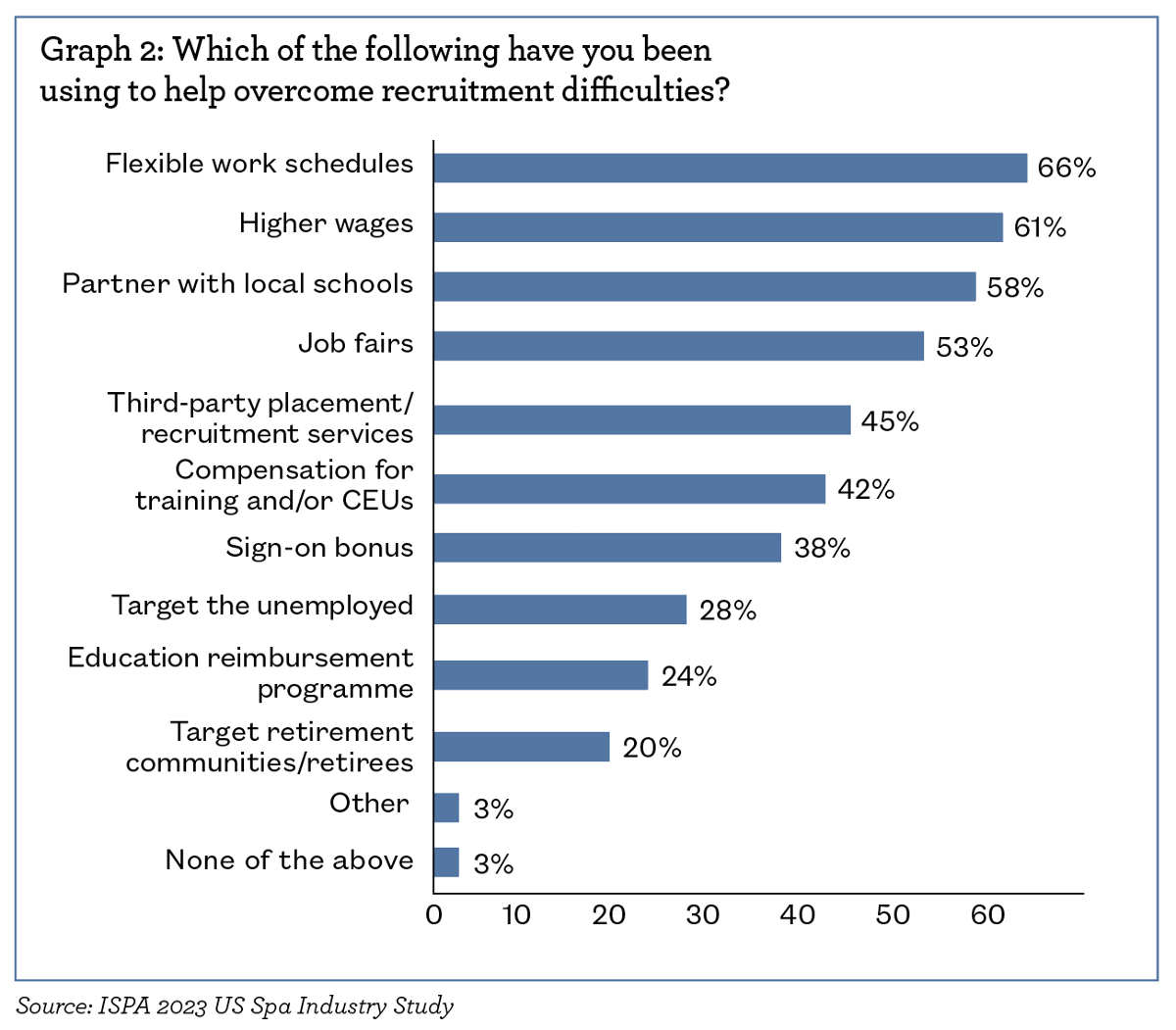
Operators adopted a range of methods to reduce recruitment difficulties, (Graph 2). The most popular being financial incentives, such as higher wages (61 per cent) and/or a signing-on bonus (38 per cent), along with flexible work schedules (66 per cent).
To enhance the supply of skills, some spas have offered ‘carrots’, such as compensation for training and continuing education (42 per cent) and education reimbursement programmes (24 per cent).
Looking ahead With consumers increasingly focused on wellness and the growing demand for experiences over possessions, spas can only benefit. However, the upturn in demand continues to shine a light on the industry’s staffing challenges. An exciting, prosperous, community-driven sector, spa can offer long, successful, enjoyable careers and operators must continue their efforts to counteract recruitment challenges.
Reflecting on this year, it’s fair to say the industry has returned to a strong position and emerged with real momentum to fuel its growth.
Read more from this issue of Attractions Management magazine
View contents of Attractions Management 2023 issue 3
Editor's letter: Reflection point
As Spa Business celebrates its 20th birthday, Katie Barnes pauses for thought and rejoices in the industry’s evolution
Spa People: 20th anniversary issue: Anna Bjurstam
The strategic senior advisor at Six Senses and Raison d'Etre on being initiated as a shaman, why psychedelics are here to stay and her bigger fear for the global spa industry
Promotion: Klafs: Relax into wellbeing
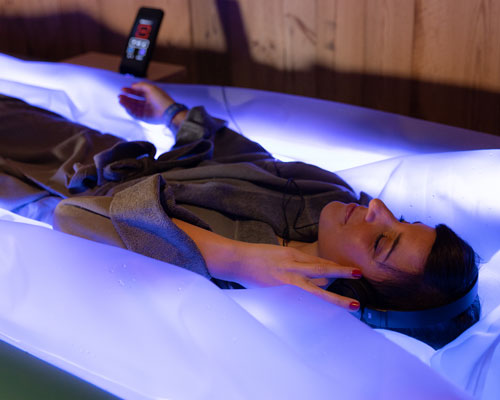
Klafs and Studio F. A. Porsche have combined their design and wellness expertise to create an oasis for total-body relaxation
News report: Eastern promise
Japan’s spa industry is valued at US$4.2 billion and is part of the world's third highest-performing wellness economy
Jeremy McCarthy: Theory of evolution
From spa to wellness and now leisure – Spa Business’ contributing editor looks at where hospitality experiences are heading
Promotion: Lemi: Built to last
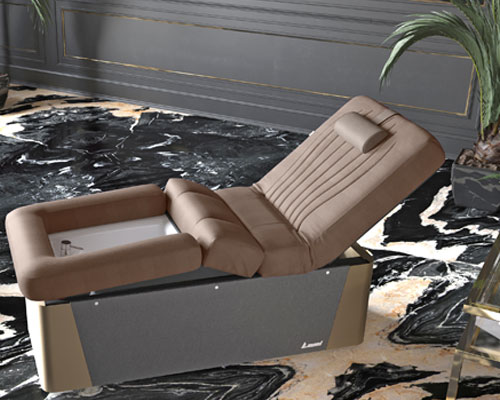
Lemi is committed to leading with innovation to create
cutting-edge treatment room solutions that excel
in terms of performance and eco-credentials
Promotion: G.M. COLLIN: Collagen pioneers
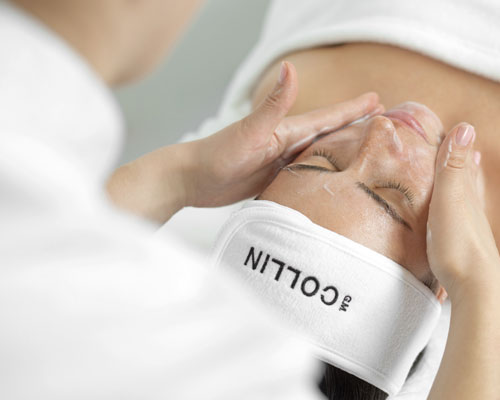
GM Collin’s expertise in collagen research and product formulation has resulted in the creation of a new serum that combats age-related skin degeneration
Promotion: Comfort Zone: A brighter future
Consumers are increasingly interested in reducing dark spots and hyperpigmentation and a new line from Comfort Zone has been launched to address this emerging need
Promotion: Art of Cryo: Life changing experience
Vikki and Robbie are often exhausted after work. A visit to the spa to experience
the Art of Cryo Tech-Spa Module is a chance to re-set and rejuvenate together
A deeper analysis of ISPA’s latest study shows that despite record
KPIs, the US spa industry continues to face workforce shortages, as
Eloise Corner from PricewaterhouseCoopers Research reports
Spa openings have been steady. Aman New York is one of the newest arrivals / photo: Robert Rieger
Last year, the US economy continued to recover from the COVID-19 pandemic, however, simultaneously, the rate of inflation in consumer prices accelerated dramatically. From one crisis to the next, the spa industry has had a dynamic couple of years and has been able to showcase its resilience and adaptability. New research based on data from 2,829 spas in the US shows clear evidence of a swift bounceback in key metrics, but the persistent challenge of staffing continues.
Increase in spending Throughout 2022 the cost of living crisis continued to affect US consumers, leading to less disposable income. Many would have predicted that this would result in a decrease in demand for activities such as spa-going. Yet the 2023 US Spa Industry Study compiled by the country’s International Spa Association (ISPA) and undertaken by PwC Research, shows that industry revenues soared to a landmark US$20.1 billion (€18.3 billion, £15.7 billion), an 11 per cent increase from 2021.
Spa visits recovered by 4 per cent to 181 million, while this is still almost 20 million short of 2019’s record high, it’s encouraging that visits are climbing. To meet this demand, 22 per cent of spas are increasing their weekly hours of operation. This figure increased to 32 per cent when looking at resort/hotel spas, which hoped to increase spa availability to provide a much-improved guest stay.
Bringing these two metrics together sees a sharp jump in the ever-important revenue-per-visit metric which, at US$111.50 (€101, £87), now sits at an all-time high. Put simply, those visiting spas in 2022 were spending more. Fifty-four per cent of spas confirmed this when comparing spring (March-May) 2023 figures with the same period a year ago. This increase in spending is no doubt linked to the rise in price per service which now stands at an estimated US$116 (€105, £91), compared to US$108 (€98, £84) last year (see Graph 1). The price for body treatments has gone up the most – from US$124 (€113, £97) in 2021 to US$152 (€138, £119) in 2022 – amounting to a 22 per cent hike.
The staffing challenge For the spa industry, where personal contact is core to its purpose, a highly infectious virus sweeping its way across the world could easily rank among its worst nightmares. Since then, it’s rebounded strongly. Despite the difficult environment, openings and closures appear to have been steady and the number of locations is above 21,750, an increase of 1.3 per cent compared to last year. Nonetheless, that’s still 3 per cent below the pre-pandemic level (22,430 locations in 2019), suggesting further scope for growth.
There’s currently an average of 16.5 workers per spa establishment, bringing the total number of employees in the overall industry to 360,700.
While this is a marginal increase compared to last year, staffing is an area that plagues the spa industry as a whole and is holding it back from reaching its full potential, with 67 per cent of spas stating they have openings that they’re actively trying to fill.
Almost a third (31 per cent) of spas had decreased their number of service provider/shifts per day and when focusing on resort/hotel spas, this figure increased to 46 per cent. The 2023 US Spa Industry Study data suggests the main reasons for this are staffing shortages and staff opting for a better work/life balance. As a reaction to these low levels of staff, 30 per cent of spas hide or adjust services available for booking based on availability.
Operators adopted a range of methods to reduce recruitment difficulties, (Graph 2). The most popular being financial incentives, such as higher wages (61 per cent) and/or a signing-on bonus (38 per cent), along with flexible work schedules (66 per cent).
To enhance the supply of skills, some spas have offered ‘carrots’, such as compensation for training and continuing education (42 per cent) and education reimbursement programmes (24 per cent).
Looking ahead With consumers increasingly focused on wellness and the growing demand for experiences over possessions, spas can only benefit. However, the upturn in demand continues to shine a light on the industry’s staffing challenges. An exciting, prosperous, community-driven sector, spa can offer long, successful, enjoyable careers and operators must continue their efforts to counteract recruitment challenges.
Reflecting on this year, it’s fair to say the industry has returned to a strong position and emerged with real momentum to fuel its growth.
Read more from this issue of Attractions Management magazine
View contents of Attractions Management 2023 issue 3
Editor's letter: Reflection point
As Spa Business celebrates its 20th birthday, Katie Barnes pauses for thought and rejoices in the industry’s evolution
Spa People: 20th anniversary issue: Anna Bjurstam
The strategic senior advisor at Six Senses and Raison d'Etre on being initiated as a shaman, why psychedelics are here to stay and her bigger fear for the global spa industry
Promotion: Klafs: Relax into wellbeing
Klafs and Studio F. A. Porsche have combined their design and wellness expertise to create an oasis for total-body relaxation
News report: Eastern promise
Japan’s spa industry is valued at US$4.2 billion and is part of the world's third highest-performing wellness economy
Jeremy McCarthy: Theory of evolution
From spa to wellness and now leisure – Spa Business’ contributing editor looks at where hospitality experiences are heading
Promotion: Lemi: Built to last
Lemi is committed to leading with innovation to create
cutting-edge treatment room solutions that excel
in terms of performance and eco-credentials
Promotion: G.M. COLLIN: Collagen pioneers
GM Collin’s expertise in collagen research and product formulation has resulted in the creation of a new serum that combats age-related skin degeneration
Promotion: Comfort Zone: A brighter future
Consumers are increasingly interested in reducing dark spots and hyperpigmentation and a new line from Comfort Zone has been launched to address this emerging need
Promotion: Art of Cryo: Life changing experience
Vikki and Robbie are often exhausted after work. A visit to the spa to experience
the Art of Cryo Tech-Spa Module is a chance to re-set and rejuvenate together
Abu Dhabi-based investment firm Mubadala Capital has made a binding, fully financed
€1 billion
offer to acquire Pierre and Vacances SA, the European holiday resort operator behind the
continental European Center Parcs business.
Disney has reaffirmed its commitment to investing US$30 billion in its US parks and cruise
business by 2033, using new America250 celebrations to underline the role its attractions play
in supporting jobs, tourism and economic growth.
Expo 2030 Riyadh is being planned as a permanent visitor destination, with organisers
confirming the six-million-square-metre site will become a Global Village after the event closes.
The owner of one of Australia's best-known waterparks has acquired a major competitor,
creating a new attractions business spanning two of the country's largest visitor destinations.
The Toverland theme park in the Netherlands has announced a €98m expansion programme
that will add a resort, new attractions and staff facilities as it pursues plans to become a multi-
day destination.
Hotel de France, located on the British Isle of Jersey, has created a wellness retreat package
that includes a hot yoga session that will take place in Jersey Zoo’s butterfly sanctuary.
A new immersive attraction designed to transport visitors into the final hours of ancient Pompeii
is preparing to open near the world-famous archaeological site in southern Italy.
Experience design company, BRC Imagination Arts, has completed a transition that sees founder
Bob Rogers pass ownership of the business to four long-serving senior executives, while
remaining actively involved with the company.
Movie Park Germany has opened a new Paramount Pictures-themed attraction as part of its 30th
anniversary celebrations, using immersive storytelling and adaptive reuse to reinforce the park’s
longstanding “Hollywood in Germany” positioning.
Therme Manchester’s 28-acre development, which will include interconnected glass pavilions
that measure 65,000sq m, will be the largest bathing and wellbeing attraction in the world once
complete, according to prof David Russell, CEO of Therme UK.
+ More news
COMPANY PROFILES
Simworx Ltd The company was initially established
in 1997. Terry Monkton and Andrew
Roberts are the key stakeh [more...]
Clip 'n Climb Clip ‘n Climb currently offers facility owners and
investors more than 40 colourful and unique
Cha [more...]
IAAPA EMEA IAAPA Expo Europe was established in 2006 and has grown to the largest international conference and [more...]
Holovis Holovis is a privately owned company
established in 2004 by CEO Stuart
Hetherington. [more...]