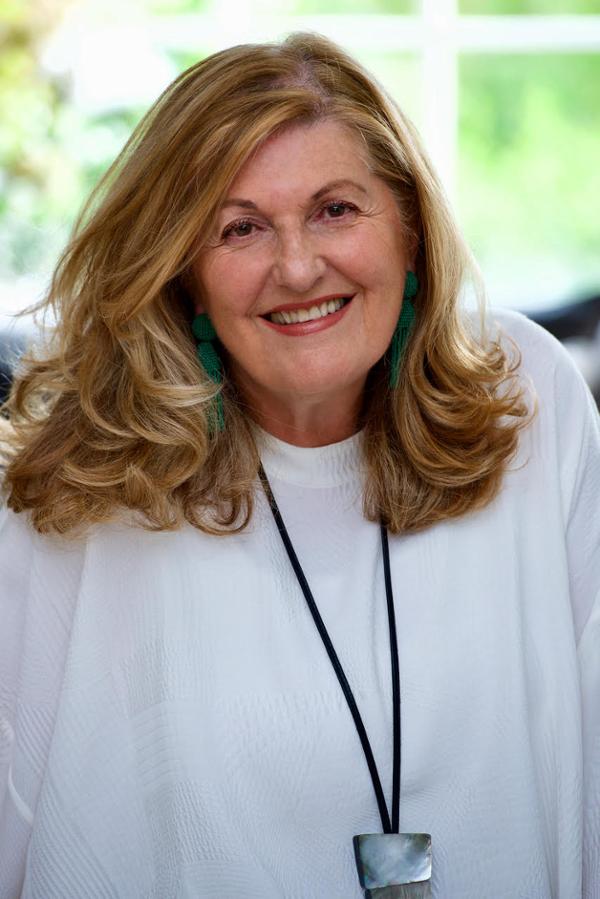
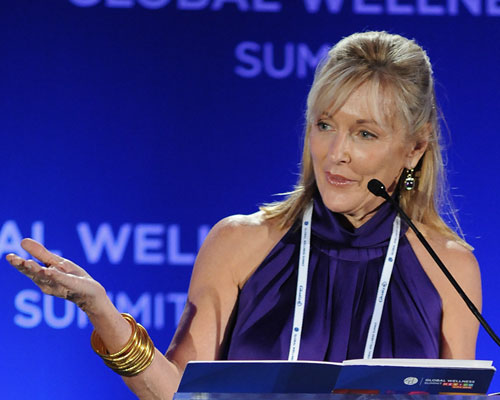
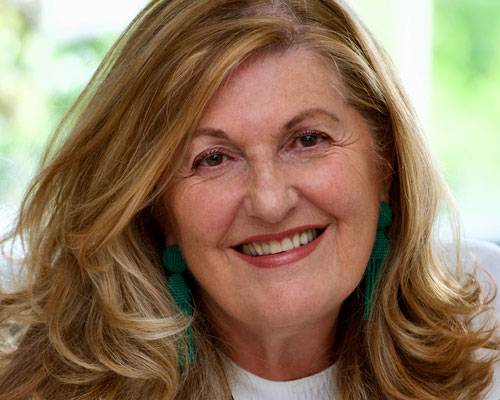
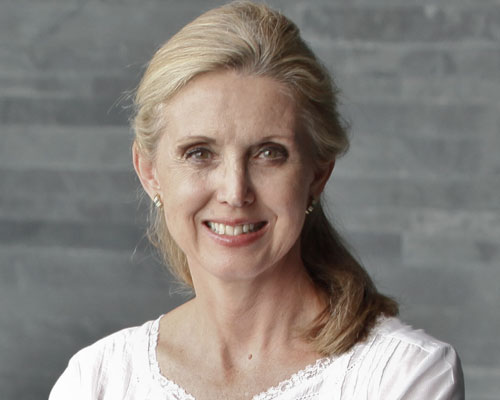
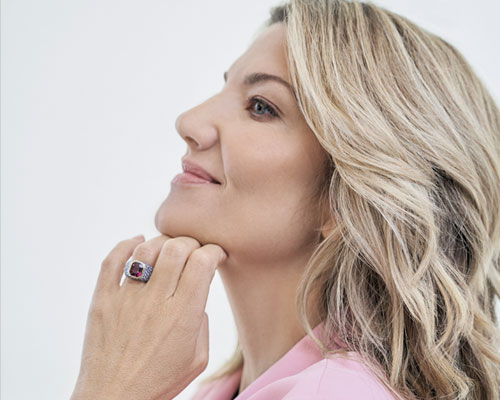
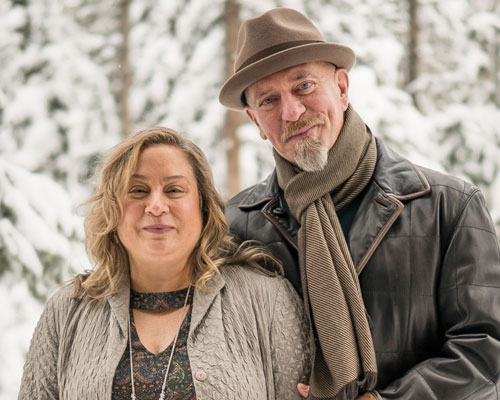
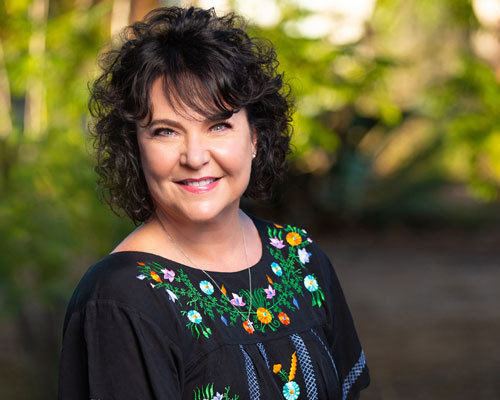
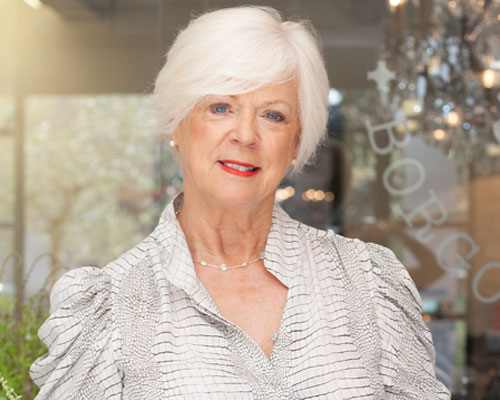
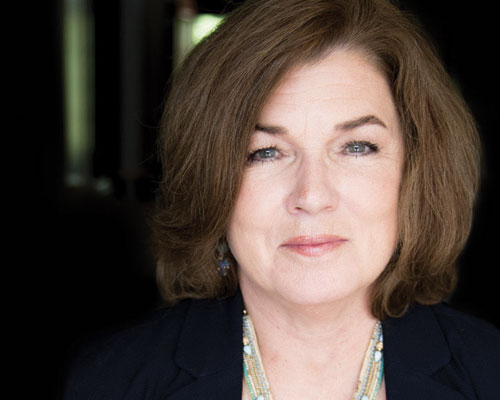
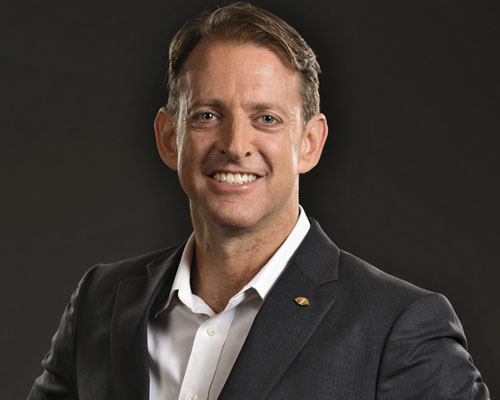
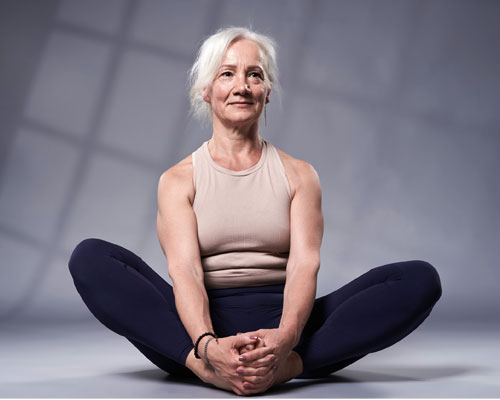
Sue Harmsworth, Integrative health, wellness and spa expert
/ photo: Sue Harmsworth
What are your career highlights? There are so many – I’ve been in the industry for over 50 years. Having built one of the first spa, hair and beauty businesses in North America in the 70s, I returned to the UK and my inaugural wake-up moment was working at Grayshott Hall in Surrey in the early 80s.
Spas didn’t exist. This was the era of ‘health farms’ and my first experience of the medical integrative approach. There were three doctors, 13 nurses, eight osteopaths and separate departments for beauty, fitness and nutrition. We ended up with 200 practitioners of various skills. We treated guests with issues ranging from weight, alcohol and drug addiction to cancer and lifestyle issues that the National Health Service wasn’t dealing with. It was eye-opening because I realised how even a week – it was a minimum seven-day stay – could change someone’s life.
In the late 80s, I started a consultancy and my inaugural project was creating the first proper five-star hotel spa for Turnberry in Scotland which had seasonality issues. Back then there were no hotel spas and I drew on my experience to create a facility to address stress which was the main concern of the time. This softer approach, focusing on relaxation and escapism, combined holistic treatments, fitness, beauty, hydrotherapy and thermal experiences. The supportive owners also invested heavily in training which made a huge difference to the quality and long-term reputation of that spa.
Any other pivotal moments? Getting my MBE from the Queen for services to the spa and beauty industry in 2010. Training thousands of therapists globally in post-graduate work. Designing over 500 award-winning spas!
The idea for ESPA was born at Turnberry. I’d done a short stint designing and managing over 100 spas on cruise liners and knew that the multi-brand approach – separate product houses for skin, body, hydrotherapy, aromatherapy etc – was too confusing for the customers and therapists and required too much stock and training. So I developed a range of products that covered all these key elements, naturally. The products flew off the shelves from day one and by 1993 ESPA had launched and the rest is history.
My next pivotal moment was launching ESPA Life at Corinthia London, one of the first integrative hotel spas in the world at a time when operators were focusing on massage, beauty and relaxation. That was 12 years ago. We had great success financially, however, it’s only now that the market is really ready for the integrative and more medical aspects that I had envisioned years previously.
What do you still hope to accomplish? I sold ESPA in 2017 and am now focusing on health, prevention, wellness and bringing the spa, beauty, medical, fitness and complementary worlds together.
I’ve also launched the Standards Authority for Touch in Cancer Care (SATCC), a charity to train qualified therapists to really help those touched by cancer and for the patients to find a trusted practitioner. There are now 400 spas with SATCC-certified staff in the UK.
What radical change do you predict? The future of the sector is going to be very different. By 2050 the term spa and possibly even wellness, won’t exist, as our industry merges with public health and other industries under a broad prevention umbrella. The best of traditional medicine will come together with complementary and preventative approaches in a new model. I foresee destinations that have a certain number of rooms set aside for recuperation, pre- and post-rehabilitation and diagnostics where guests will be able to go pre- and post-surgery and then transition into the integrative side for longer-term recovery. They will have all the facilities of modern-day wellness destinations, enabling guests to make lifestyle changes. These will be supplemented by city centre hubs for ongoing maintenance.
What’s holding the industry back? The lack of qualified staff. Especially at the advanced levels. Educational courses have got shorter – six months versus a minimum of two years – and many therapists and practitioners are younger, with few or no life skills.
As we morph from spa to wellness/wellbeing/integrative health and medical, we’ll need more advanced practitioners. We must go back to training and creating a career pathway that enables therapists to hone and advance their skills and to explore additional roles in the wellness arena, such as those in health coaching, nutrition, mental health and many more. We also need to reimburse them according to their skill set, experience and qualifications. This is the only way the industry will retain and grow its talent and continue to thrive and flourish.
In celebration of Spa Business’ 20th anniversary, industry leaders take a look at how far the sector has come since the magazine’s inception in 2003, share personal career highlights and reveal their plans and ideas for the future.
Read more from this issue of Attractions Management magazine
View contents of Attractions Management 2023 issue 3
Editor's letter: Reflection point
As Spa Business celebrates its 20th birthday, Katie Barnes pauses for thought and rejoices in the industry’s evolution
Spa People: 20th anniversary issue: Anna Bjurstam
The strategic senior advisor at Six Senses and Raison d'Etre on being initiated as a shaman, why psychedelics are here to stay and her bigger fear for the global spa industry
Promotion: Klafs: Relax into wellbeing
Klafs and Studio F. A. Porsche have combined their design and wellness expertise to create an oasis for total-body relaxation
News report: Eastern promise
Japan’s spa industry is valued at US$4.2 billion and is part of the world's third highest-performing wellness economy
Jeremy McCarthy: Theory of evolution
From spa to wellness and now leisure – Spa Business’ contributing editor looks at where hospitality experiences are heading
Promotion: Lemi: Built to last
Lemi is committed to leading with innovation to create
cutting-edge treatment room solutions that excel
in terms of performance and eco-credentials
Promotion: G.M. COLLIN: Collagen pioneers
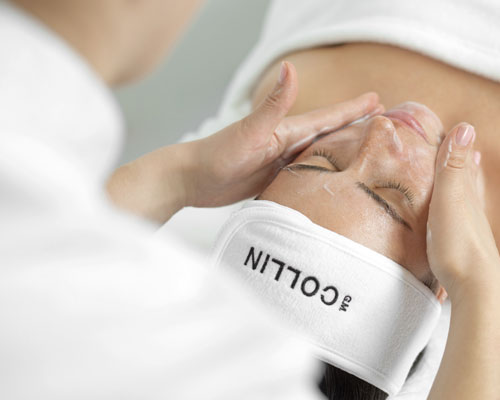
GM Collin’s expertise in collagen research and product formulation has resulted in the creation of a new serum that combats age-related skin degeneration
Promotion: Comfort Zone: A brighter future
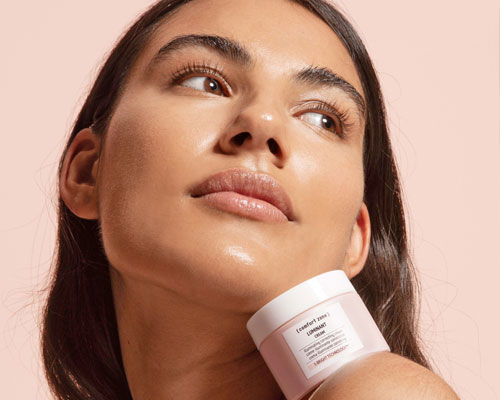
Consumers are increasingly interested in reducing dark spots and hyperpigmentation and a new line from Comfort Zone has been launched to address this emerging need
Promotion: Art of Cryo: Life changing experience
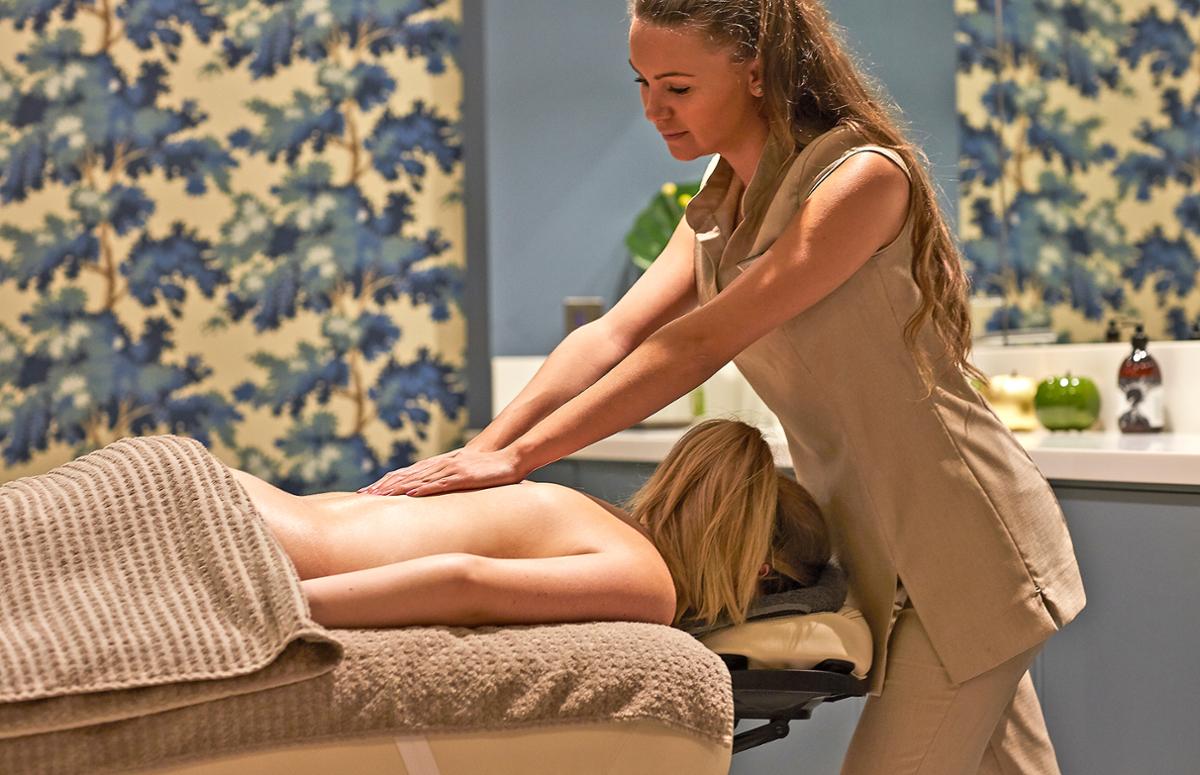
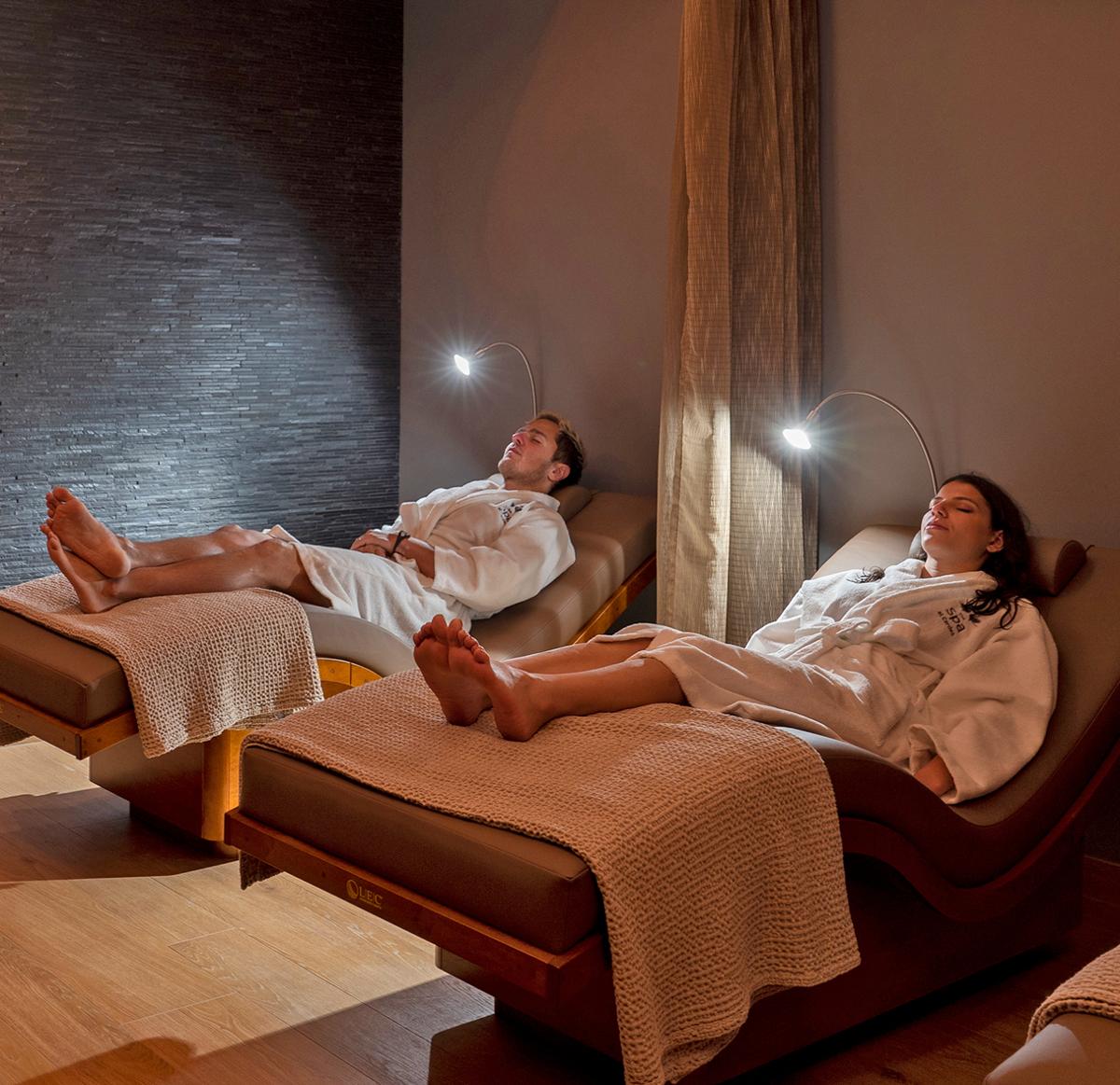
Vikki and Robbie are often exhausted after work. A visit to the spa to experience
the Art of Cryo Tech-Spa Module is a chance to re-set and rejuvenate together
Sue Harmsworth, Integrative health, wellness and spa expert
/ photo: Sue Harmsworth
What are your career highlights? There are so many – I’ve been in the industry for over 50 years. Having built one of the first spa, hair and beauty businesses in North America in the 70s, I returned to the UK and my inaugural wake-up moment was working at Grayshott Hall in Surrey in the early 80s.
Spas didn’t exist. This was the era of ‘health farms’ and my first experience of the medical integrative approach. There were three doctors, 13 nurses, eight osteopaths and separate departments for beauty, fitness and nutrition. We ended up with 200 practitioners of various skills. We treated guests with issues ranging from weight, alcohol and drug addiction to cancer and lifestyle issues that the National Health Service wasn’t dealing with. It was eye-opening because I realised how even a week – it was a minimum seven-day stay – could change someone’s life.
In the late 80s, I started a consultancy and my inaugural project was creating the first proper five-star hotel spa for Turnberry in Scotland which had seasonality issues. Back then there were no hotel spas and I drew on my experience to create a facility to address stress which was the main concern of the time. This softer approach, focusing on relaxation and escapism, combined holistic treatments, fitness, beauty, hydrotherapy and thermal experiences. The supportive owners also invested heavily in training which made a huge difference to the quality and long-term reputation of that spa.
Any other pivotal moments? Getting my MBE from the Queen for services to the spa and beauty industry in 2010. Training thousands of therapists globally in post-graduate work. Designing over 500 award-winning spas!
The idea for ESPA was born at Turnberry. I’d done a short stint designing and managing over 100 spas on cruise liners and knew that the multi-brand approach – separate product houses for skin, body, hydrotherapy, aromatherapy etc – was too confusing for the customers and therapists and required too much stock and training. So I developed a range of products that covered all these key elements, naturally. The products flew off the shelves from day one and by 1993 ESPA had launched and the rest is history.
My next pivotal moment was launching ESPA Life at Corinthia London, one of the first integrative hotel spas in the world at a time when operators were focusing on massage, beauty and relaxation. That was 12 years ago. We had great success financially, however, it’s only now that the market is really ready for the integrative and more medical aspects that I had envisioned years previously.
What do you still hope to accomplish? I sold ESPA in 2017 and am now focusing on health, prevention, wellness and bringing the spa, beauty, medical, fitness and complementary worlds together.
I’ve also launched the Standards Authority for Touch in Cancer Care (SATCC), a charity to train qualified therapists to really help those touched by cancer and for the patients to find a trusted practitioner. There are now 400 spas with SATCC-certified staff in the UK.
What radical change do you predict? The future of the sector is going to be very different. By 2050 the term spa and possibly even wellness, won’t exist, as our industry merges with public health and other industries under a broad prevention umbrella. The best of traditional medicine will come together with complementary and preventative approaches in a new model. I foresee destinations that have a certain number of rooms set aside for recuperation, pre- and post-rehabilitation and diagnostics where guests will be able to go pre- and post-surgery and then transition into the integrative side for longer-term recovery. They will have all the facilities of modern-day wellness destinations, enabling guests to make lifestyle changes. These will be supplemented by city centre hubs for ongoing maintenance.
What’s holding the industry back? The lack of qualified staff. Especially at the advanced levels. Educational courses have got shorter – six months versus a minimum of two years – and many therapists and practitioners are younger, with few or no life skills.
As we morph from spa to wellness/wellbeing/integrative health and medical, we’ll need more advanced practitioners. We must go back to training and creating a career pathway that enables therapists to hone and advance their skills and to explore additional roles in the wellness arena, such as those in health coaching, nutrition, mental health and many more. We also need to reimburse them according to their skill set, experience and qualifications. This is the only way the industry will retain and grow its talent and continue to thrive and flourish.
In celebration of Spa Business’ 20th anniversary, industry leaders take a look at how far the sector has come since the magazine’s inception in 2003, share personal career highlights and reveal their plans and ideas for the future.
Read more from this issue of Attractions Management magazine
View contents of Attractions Management 2023 issue 3
Editor's letter: Reflection point
As Spa Business celebrates its 20th birthday, Katie Barnes pauses for thought and rejoices in the industry’s evolution
Spa People: 20th anniversary issue: Anna Bjurstam
The strategic senior advisor at Six Senses and Raison d'Etre on being initiated as a shaman, why psychedelics are here to stay and her bigger fear for the global spa industry
Promotion: Klafs: Relax into wellbeing
Klafs and Studio F. A. Porsche have combined their design and wellness expertise to create an oasis for total-body relaxation
News report: Eastern promise
Japan’s spa industry is valued at US$4.2 billion and is part of the world's third highest-performing wellness economy
Jeremy McCarthy: Theory of evolution
From spa to wellness and now leisure – Spa Business’ contributing editor looks at where hospitality experiences are heading
Promotion: Lemi: Built to last
Lemi is committed to leading with innovation to create
cutting-edge treatment room solutions that excel
in terms of performance and eco-credentials
Promotion: G.M. COLLIN: Collagen pioneers
GM Collin’s expertise in collagen research and product formulation has resulted in the creation of a new serum that combats age-related skin degeneration
Promotion: Comfort Zone: A brighter future
Consumers are increasingly interested in reducing dark spots and hyperpigmentation and a new line from Comfort Zone has been launched to address this emerging need
Promotion: Art of Cryo: Life changing experience
Vikki and Robbie are often exhausted after work. A visit to the spa to experience
the Art of Cryo Tech-Spa Module is a chance to re-set and rejuvenate together
Abu Dhabi-based investment firm Mubadala Capital has made a binding, fully financed
€1 billion
offer to acquire Pierre and Vacances SA, the European holiday resort operator behind the
continental European Center Parcs business.
Disney has reaffirmed its commitment to investing US$30 billion in its US parks and cruise
business by 2033, using new America250 celebrations to underline the role its attractions play
in supporting jobs, tourism and economic growth.
Expo 2030 Riyadh is being planned as a permanent visitor destination, with organisers
confirming the six-million-square-metre site will become a Global Village after the event closes.
The owner of one of Australia's best-known waterparks has acquired a major competitor,
creating a new attractions business spanning two of the country's largest visitor destinations.
The Toverland theme park in the Netherlands has announced a €98m expansion programme
that will add a resort, new attractions and staff facilities as it pursues plans to become a multi-
day destination.
Hotel de France, located on the British Isle of Jersey, has created a wellness retreat package
that includes a hot yoga session that will take place in Jersey Zoo’s butterfly sanctuary.
A new immersive attraction designed to transport visitors into the final hours of ancient Pompeii
is preparing to open near the world-famous archaeological site in southern Italy.
Experience design company, BRC Imagination Arts, has completed a transition that sees founder
Bob Rogers pass ownership of the business to four long-serving senior executives, while
remaining actively involved with the company.
Movie Park Germany has opened a new Paramount Pictures-themed attraction as part of its 30th
anniversary celebrations, using immersive storytelling and adaptive reuse to reinforce the park’s
longstanding “Hollywood in Germany” positioning.
Therme Manchester’s 28-acre development, which will include interconnected glass pavilions
that measure 65,000sq m, will be the largest bathing and wellbeing attraction in the world once
complete, according to prof David Russell, CEO of Therme UK.
+ More news
COMPANY PROFILES
QubicaAMF UK QubicaAMF is the largest and most
innovative bowling equipment provider with
600 employees worldwi [more...]
TechnoAlpin Indoor TechnoAlpin is the world leader for snowmaking systems. With the Indoor snow division, TechnoAlpin c [more...]
RMA Ltd RMA Ltd is a one-stop global company
that can design, build and produce from a
greenfield site upw [more...]