Experiences in the hospitality industry have grown from spa, to wellness and to something far more powerful. Jeremy McCarthy explains what this means for the decades ahead
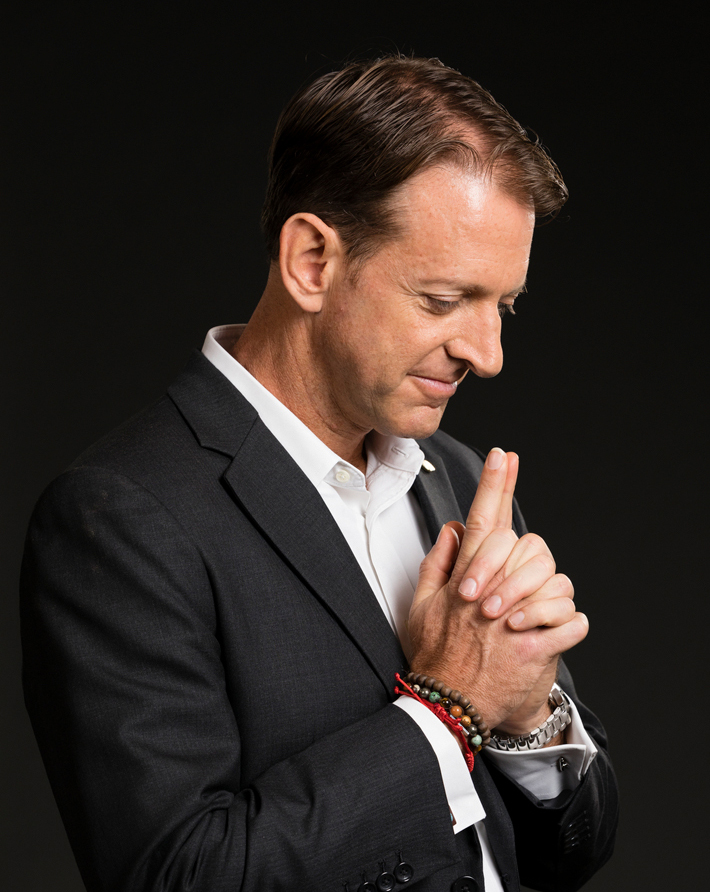
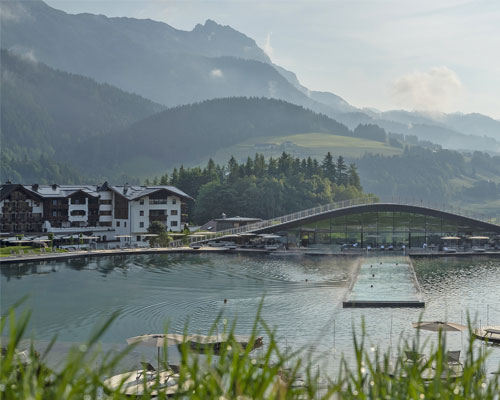
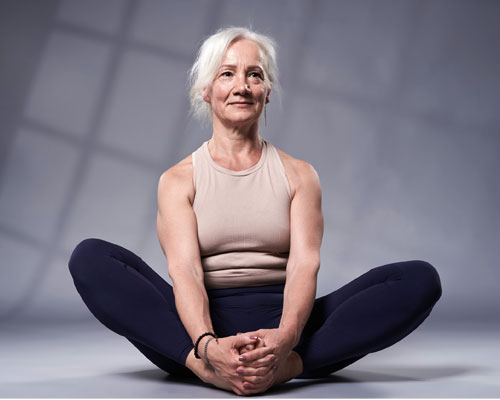
The mission is to convert guests’ time into memorable moments / photo: mandarin oriental hotel group
Having worked in hospitality for more than three decades, I’m in an interesting position to look at the evolution of its experiential offerings.
At the beginning of my career, there was a lot of debate about whether spa was important at all. Is it profitable? Is it necessary? Can it be outsourced? Should it be outsourced? The dialogue about spa was filled with uncertainty and scepticism for a long time.
Although there are still naysayers today, spa has become a de facto standard in any luxury or full-service hotel. It’s seen as a necessary component because it generates revenues (sometimes out of undesirable spaces), attracts affluent travellers, generates publicity, connects our hotels to the local community and builds loyalty, by providing guests with impactful and meaningful experiences that go far deeper than other typical hospitality interactions.
From wellness to leisure Once spa was accepted, the industry began to ask what else it could offer guests. “How can we generate more revenues? How can we impact our guests even more? How do we meet the growing demand from affluent customers to not just provide services, but also support their lifestyle?”
We’re living in the age of the #wellnesseverywhere consumer. These customers are not content to carve out limited time in their life for wellness, they want it everywhere they go. They want it at work, at home and when they travel. Hotels have had to adapt to help guests maintain their healthy lifestyle while on the road, with cutting-edge fitness offerings, flexible culinary plans that respect a broad range of dietary interests and sleep programmes to ensure guests are well rested. 'Directors of spa’ became ‘directors of spa and wellness’ and they moved beyond the spa and fitness areas having a hand in guestroom amenities, sleep rituals, healthy menus, employee wellbeing programmes, wellness retreats, meetings and events and more. I like to tell my team: “We're not here to take part, we're here to take over.”
Today hospitality experiences are evolving and expanding once again – from spa to wellness, to leisure. Because just as spa is only one component of wellness, so wellness is only one component of the kind of experiences that travellers are seeking. The hotel industry is no longer selling beds and meals, it’s selling experiences. Some of those might be spa and wellness-focused, but they can extend far beyond this into a plethora of other domains such as social, family, culture, shopping, history, art, adventure and more.
What’s next? The hotel of the future doesn’t just provide accommodations, it provides and facilitates experiences. The hospitality industry has to once again rethink how it does business in a way that transcends traditional department structures such as concierge, guest services, F&B, wellness, activities, etc. Guests don't care if the experience takes place in or outside the hotel. They don’t care if it’s offered by the hotel or by a third party. And they don’t care what department is in charge of the experience. The guest only cares about their time. “I’m here until Thursday, what should I do?”. Our ability to guide a guest to the best answer to that question will determine our success for the decade ahead.
What hospitality has learned from spa is that if it can convert our guests’ leisure time into something impactful, this will grow loyalty and drive revenues. The mission for the decade ahead is to convert more of our guests’ time into meaningful and memorable experiences.
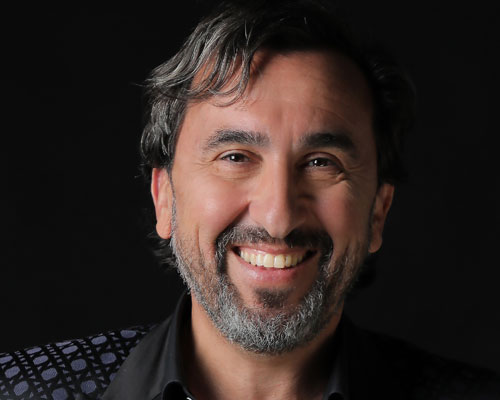
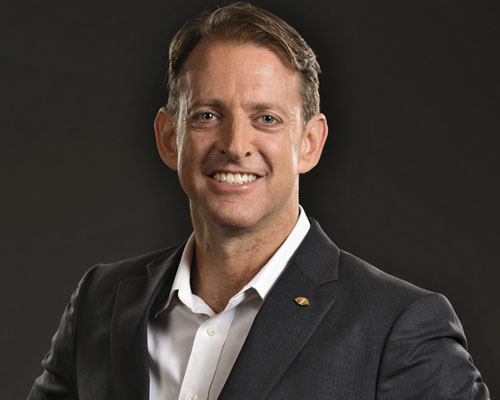
As group director of spa, wellness and leisure for Mandarin Oriental, Jeremy McCarthy works across 35 luxury hotels globally. Contact him with your views on Twitter @jeremymcc
Read more from this issue of Attractions Management magazine
View contents of Attractions Management 2023 issue 3
Editor's letter: Reflection point
As Spa Business celebrates its 20th birthday, Katie Barnes pauses for thought and rejoices in the industry’s evolution
Spa People: 20th anniversary issue: Anna Bjurstam
The strategic senior advisor at Six Senses and Raison d'Etre on being initiated as a shaman, why psychedelics are here to stay and her bigger fear for the global spa industry
Promotion: Klafs: Relax into wellbeing
Klafs and Studio F. A. Porsche have combined their design and wellness expertise to create an oasis for total-body relaxation
News report: Eastern promise
Japan’s spa industry is valued at US$4.2 billion and is part of the world's third highest-performing wellness economy
Jeremy McCarthy: Theory of evolution
From spa to wellness and now leisure – Spa Business’ contributing editor looks at where hospitality experiences are heading
Promotion: Lemi: Built to last
Lemi is committed to leading with innovation to create
cutting-edge treatment room solutions that excel
in terms of performance and eco-credentials
Promotion: G.M. COLLIN: Collagen pioneers
GM Collin’s expertise in collagen research and product formulation has resulted in the creation of a new serum that combats age-related skin degeneration
Promotion: Comfort Zone: A brighter future
Consumers are increasingly interested in reducing dark spots and hyperpigmentation and a new line from Comfort Zone has been launched to address this emerging need
Promotion: Art of Cryo: Life changing experience
Vikki and Robbie are often exhausted after work. A visit to the spa to experience
the Art of Cryo Tech-Spa Module is a chance to re-set and rejuvenate together
Experiences in the hospitality industry have grown from spa, to wellness and to something far more powerful. Jeremy McCarthy explains what this means for the decades ahead
The mission is to convert guests’ time into memorable moments / photo: mandarin oriental hotel group
Having worked in hospitality for more than three decades, I’m in an interesting position to look at the evolution of its experiential offerings.
At the beginning of my career, there was a lot of debate about whether spa was important at all. Is it profitable? Is it necessary? Can it be outsourced? Should it be outsourced? The dialogue about spa was filled with uncertainty and scepticism for a long time.
Although there are still naysayers today, spa has become a de facto standard in any luxury or full-service hotel. It’s seen as a necessary component because it generates revenues (sometimes out of undesirable spaces), attracts affluent travellers, generates publicity, connects our hotels to the local community and builds loyalty, by providing guests with impactful and meaningful experiences that go far deeper than other typical hospitality interactions.
From wellness to leisure Once spa was accepted, the industry began to ask what else it could offer guests. “How can we generate more revenues? How can we impact our guests even more? How do we meet the growing demand from affluent customers to not just provide services, but also support their lifestyle?”
We’re living in the age of the #wellnesseverywhere consumer. These customers are not content to carve out limited time in their life for wellness, they want it everywhere they go. They want it at work, at home and when they travel. Hotels have had to adapt to help guests maintain their healthy lifestyle while on the road, with cutting-edge fitness offerings, flexible culinary plans that respect a broad range of dietary interests and sleep programmes to ensure guests are well rested. 'Directors of spa’ became ‘directors of spa and wellness’ and they moved beyond the spa and fitness areas having a hand in guestroom amenities, sleep rituals, healthy menus, employee wellbeing programmes, wellness retreats, meetings and events and more. I like to tell my team: “We're not here to take part, we're here to take over.”
Today hospitality experiences are evolving and expanding once again – from spa to wellness, to leisure. Because just as spa is only one component of wellness, so wellness is only one component of the kind of experiences that travellers are seeking. The hotel industry is no longer selling beds and meals, it’s selling experiences. Some of those might be spa and wellness-focused, but they can extend far beyond this into a plethora of other domains such as social, family, culture, shopping, history, art, adventure and more.
What’s next? The hotel of the future doesn’t just provide accommodations, it provides and facilitates experiences. The hospitality industry has to once again rethink how it does business in a way that transcends traditional department structures such as concierge, guest services, F&B, wellness, activities, etc. Guests don't care if the experience takes place in or outside the hotel. They don’t care if it’s offered by the hotel or by a third party. And they don’t care what department is in charge of the experience. The guest only cares about their time. “I’m here until Thursday, what should I do?”. Our ability to guide a guest to the best answer to that question will determine our success for the decade ahead.
What hospitality has learned from spa is that if it can convert our guests’ leisure time into something impactful, this will grow loyalty and drive revenues. The mission for the decade ahead is to convert more of our guests’ time into meaningful and memorable experiences.
As group director of spa, wellness and leisure for Mandarin Oriental, Jeremy McCarthy works across 35 luxury hotels globally. Contact him with your views on Twitter @jeremymcc
Read more from this issue of Attractions Management magazine
View contents of Attractions Management 2023 issue 3
Editor's letter: Reflection point
As Spa Business celebrates its 20th birthday, Katie Barnes pauses for thought and rejoices in the industry’s evolution
Spa People: 20th anniversary issue: Anna Bjurstam
The strategic senior advisor at Six Senses and Raison d'Etre on being initiated as a shaman, why psychedelics are here to stay and her bigger fear for the global spa industry
Promotion: Klafs: Relax into wellbeing
Klafs and Studio F. A. Porsche have combined their design and wellness expertise to create an oasis for total-body relaxation
News report: Eastern promise
Japan’s spa industry is valued at US$4.2 billion and is part of the world's third highest-performing wellness economy
Jeremy McCarthy: Theory of evolution
From spa to wellness and now leisure – Spa Business’ contributing editor looks at where hospitality experiences are heading
Promotion: Lemi: Built to last
Lemi is committed to leading with innovation to create
cutting-edge treatment room solutions that excel
in terms of performance and eco-credentials
Promotion: G.M. COLLIN: Collagen pioneers
GM Collin’s expertise in collagen research and product formulation has resulted in the creation of a new serum that combats age-related skin degeneration
Promotion: Comfort Zone: A brighter future
Consumers are increasingly interested in reducing dark spots and hyperpigmentation and a new line from Comfort Zone has been launched to address this emerging need
Promotion: Art of Cryo: Life changing experience
Vikki and Robbie are often exhausted after work. A visit to the spa to experience
the Art of Cryo Tech-Spa Module is a chance to re-set and rejuvenate together
Abu Dhabi-based investment firm Mubadala Capital has made a binding, fully financed
€1 billion
offer to acquire Pierre and Vacances SA, the European holiday resort operator behind the
continental European Center Parcs business.
Disney has reaffirmed its commitment to investing US$30 billion in its US parks and cruise
business by 2033, using new America250 celebrations to underline the role its attractions play
in supporting jobs, tourism and economic growth.
Expo 2030 Riyadh is being planned as a permanent visitor destination, with organisers
confirming the six-million-square-metre site will become a Global Village after the event closes.
The owner of one of Australia's best-known waterparks has acquired a major competitor,
creating a new attractions business spanning two of the country's largest visitor destinations.
The Toverland theme park in the Netherlands has announced a €98m expansion programme
that will add a resort, new attractions and staff facilities as it pursues plans to become a multi-
day destination.
Hotel de France, located on the British Isle of Jersey, has created a wellness retreat package
that includes a hot yoga session that will take place in Jersey Zoo’s butterfly sanctuary.
A new immersive attraction designed to transport visitors into the final hours of ancient Pompeii
is preparing to open near the world-famous archaeological site in southern Italy.
Experience design company, BRC Imagination Arts, has completed a transition that sees founder
Bob Rogers pass ownership of the business to four long-serving senior executives, while
remaining actively involved with the company.
Movie Park Germany has opened a new Paramount Pictures-themed attraction as part of its 30th
anniversary celebrations, using immersive storytelling and adaptive reuse to reinforce the park’s
longstanding “Hollywood in Germany” positioning.
Therme Manchester’s 28-acre development, which will include interconnected glass pavilions
that measure 65,000sq m, will be the largest bathing and wellbeing attraction in the world once
complete, according to prof David Russell, CEO of Therme UK.
+ More news
COMPANY PROFILES
Holovis Holovis is a privately owned company
established in 2004 by CEO Stuart
Hetherington. [more...]
Simworx Ltd The company was initially established
in 1997. Terry Monkton and Andrew
Roberts are the key stakeh [more...]