With global IPs opening rides and attractions at an increasing rate, is there still room for theme parks to develop and establish their own unique story worlds? We asked the experts
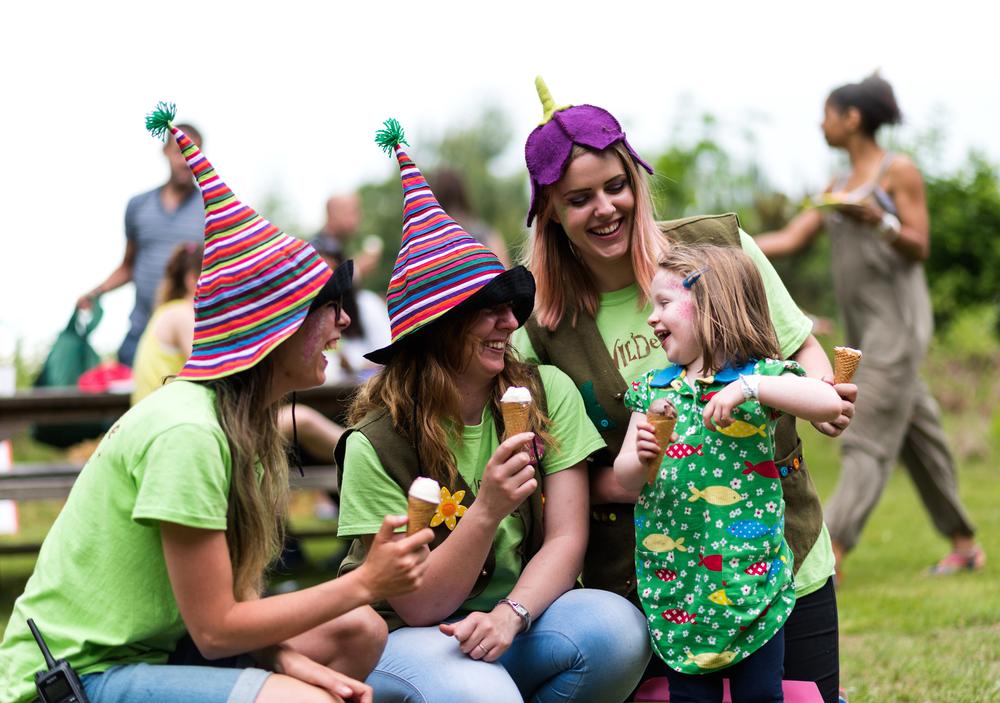
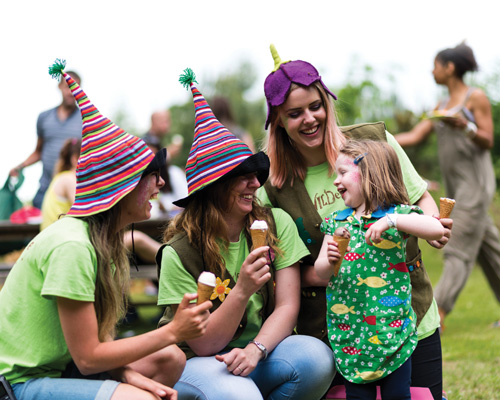
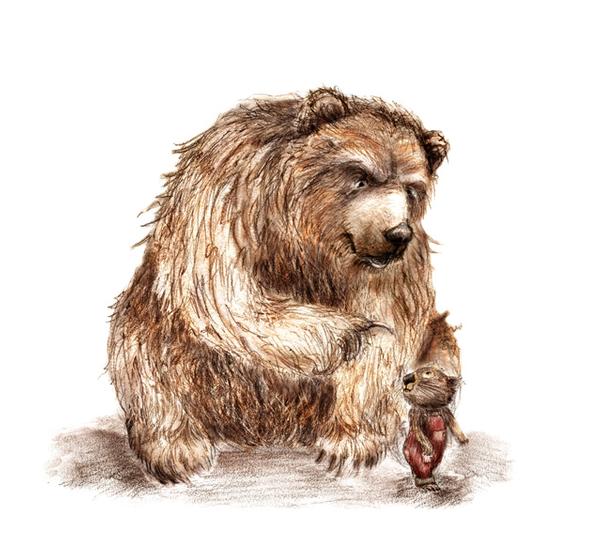
Outdoor adventure parks like BeWILDerwood have had success creating their own detailed story worlds
When done well, investing in an IP license partnership for an attraction can increase visitor numbers and boost revenues.
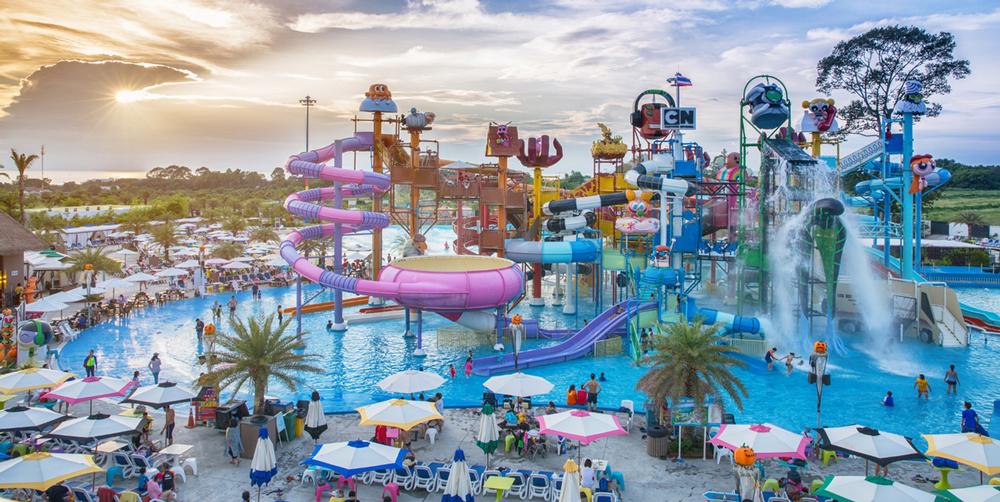
It can be a ride, like the popular Justice League: Battle for Metropolis rides that Six Flags has been introducing to its US parks (DC Comics/DC Entertainment/Warner Bros. Entertainment); or a zone inside a family leisure park, like Peppa Pig World at Paulton’s in the UK (Astley Baker Davies/Entertainment One); or a whole facility licensing agreement, like Cartoon Network Amazone Waterpark in Thailand (Turner Broadcasting/Time Warner). There are many ways to work with established and often globally recognised IPs.
Yet investing in such a partnership comes with costs and risks; for example, the costs of licensing the product and building the attraction, and the risk that the IP may not do as well as expected, or may suffer a dip in popularity or go out of fashion. Cedar Fair may have just extended its license agreement with DHX Media for exclusive use of Charles M. Schulz’s Peanuts characters – a relationship that dates back to 1983 – but not all IP partnerships are necessarily guaranteed the success and longevity of this one.
So, is it possible to develop your own attraction with a narrative world that has the same charm and pulling power of a big-name IP? How do you go about developing a fresh and exciting experience that is unique to your own operation? How would your customers react to and engage with something original? We asked the experts.
Read more from this issue of Attractions Management magazine
View contents of Attractions Management 2017 issue 4
Interview: Jane Cooper
We talked to Jane Cooper, COO
and president of Herschend Family
Entertainment, about the company
portfolio and all things Dollywood
The addition of IPs can bring many benefits to attractions, including creating a closer emotional connection with their visitors, supporting awareness building, attracting growth in new and existing audiences, helping shift perceptions of the attraction, building loyalty, and supporting income growth through higher ticket prices and incremental retail spend.
However, increasingly this is achieved by attractions using existing, external, IPs. The best results come when the attraction defines its key objectives and researches which external IPs would best support the achievement of those objectives and, crucially, allow the attraction to return a profit on the development (when any incremental development and operating costs and license fees are considered against incremental income potential).
Establishing a mutually successful relationship with an existing IP, which has a proven audience outside the attraction, allows the attraction to benefit from years of investment by the IP owner. By contrast, creating your own IP requires time and investment to establish it and, unless you have a production studio associated with your attraction (for example, Studio 100 and the Plopsa Group), the IP will only live within your sites. That’s likely to limit its appeal to something that will add to guests’ enjoyment during their visit, rather than motivating their visit in the first place.
Having said that, there are many examples of attractions successfully creating their own IPs, mainly park mascots and ride IPs. The latter have had some success in driving associated retail spend, but typically much lower spend than could be achieved by a well-chosen external IP, even when allowing for the associated license fees.
A sector where developing an internal IP has been particularly successful is local or regional outdoor attractions, such as adventure parks and farm parks. One of the best examples of this is BeWILDerwood, where establishing a backstory and carrying it through in the theming of the park has allowed the attraction to cost-effectively differentiate itself from similar attractions and build loyalty by strengthening its emotional connection with its visitors.
In conclusion, there is no single solution which works for all. Creating successful IP-led developments, using both internal and external IPs, depends on a clear understanding of your objectives and a sound assessment of the associated financial opportunities.
"Developing an internal IP has been particularly successful in regional outdoor attractions, such as adventure parks"
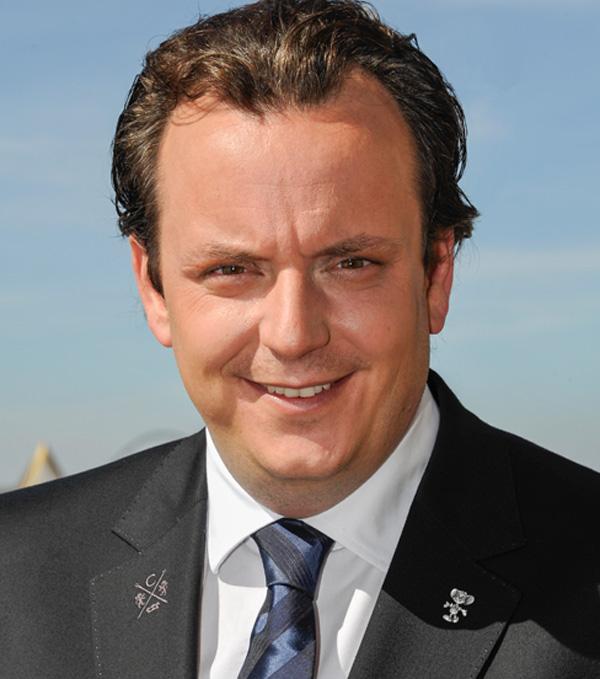
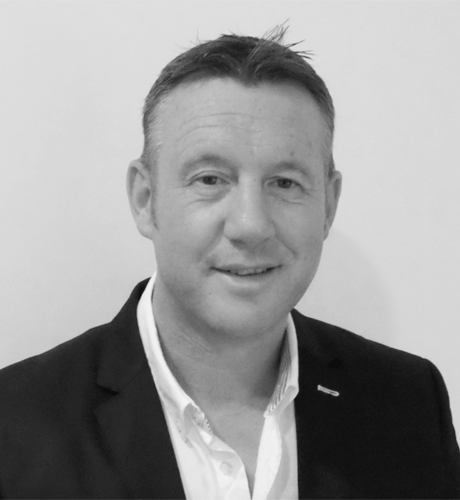
Benoit CornetCEO and founderAlterface
Benoit Cornet
In today’s highly mediatised world, media-based attractions are gaining traction. Visitors are craving more emotionally engaging moments and more experiences they can share. An interactive dark ride is a perfect way to answer this desire.
In the past, a cute, park-branded mascot was often used as a character in attractions. Some parks stretched it further by developing an entire family of characters with dedicated stories and branding. Nowadays, expectations are much higher, with technology allowing for more sophisticated and dynamic attractions with professional storytelling.
This brings with it new considerations. The character must have enough dimension to ‘act’ during the ride and connect with the players. On the other hand, it has to be simple enough to be animated at a reasonable cost.
Even with the plummeting costs of media production, creating a quality, enduring character and story can cost a fortune. As a result, characters and their vocabulary don’t often get beyond a very basic stage.
As the development of a dedicated IP has quite a few limitations, it is tempting to use existing characters, maybe from the movie or gaming industries. Though this route works well for large parks that can spend a significant budget, it is less straightforward for smaller parks, who may often face demanding IP owners and extremely stringent rules for the IP deployment at their park.
Gaming IPs offer a great opportunity for the on-site entertainment industry, yet it has to be different enough from what is experienced at home and it should address the needs of the entire family. Even when all this is achieved, the challenge remains to meet the IP owner’s profit expectations.
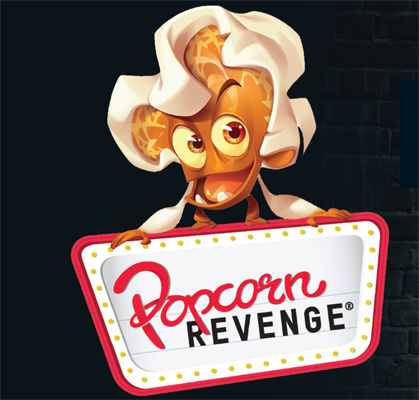
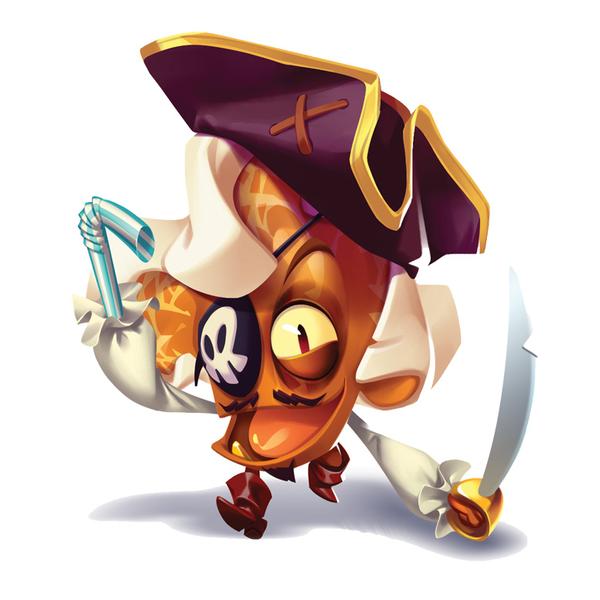
At Alterface, we have taken a different approach to the IP challenge by creating a series of proprietary characters that can be tailored to reflect the specific requirements of the client. We invested heavily in Popcorn Revenge, an evergreen story with universal appeal that offers parks the opportunity to customise the experience and add their own flavour.
"Creating a character can cost a fortune. They don’t often get beyond a basic stage"
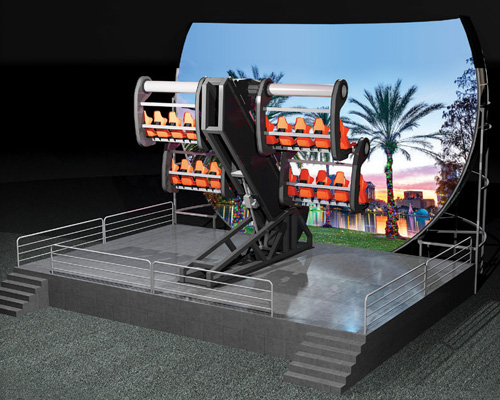
Popcorn Revenge is an
original IP from Alterface
Michael MackCEO / Managing partnerMackMedia / Europa-Park
Michael Mack
There are several reasons why creating our own IPs has become more of a priority in recent years. Full ownership is definitely one of the most important advantages, which leads to total decision-making power when creating content around your IP. As I grew up in a theme park, I was always dreaming of creating stories and evoking emotions that would stay with people beyond the boundaries of our park. They can’t take a rollercoaster home, but they can take home a character as their new friend.
There is no better example of original content than Europa-Park. We create story worlds, around a ride for example, and extend the experience by adding multimedia aspects such as a mobile game or a film. We develop IPs and enable guests to take these experiences home with them.
We are a family business and we are all involved in the company. That means we are on-site on a daily basis, so when we want to create somthing new, we observe, speak to our guests and find out what they like. You have to be aware of industry trends as well. It’s a combination of industry knowledge, a keen interest in your visitors and, in our case, the experience of 235 years being a family business.
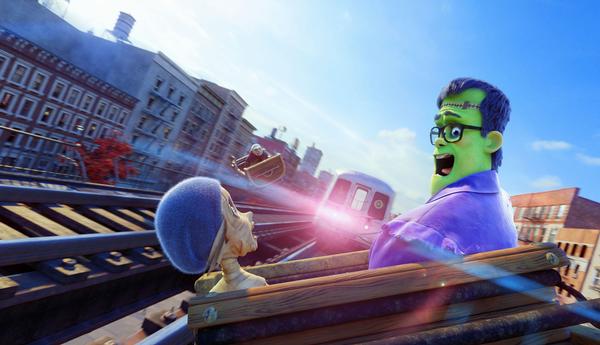
Before we came up with our newest IP, Happy Family, a family-friendly spooky adventure, we realised that there was a lack of Halloween content and characters that were suitable for family theme parks. We created a 4D movie, a VR experience and a character show for Europa-Park. As people liked the new content we had created, we were soon able to licence the IP to other parks around the world.
To further establish Happy Family as an IP, we have just released our first feature film. Having masterplanning and design competences in-house with our company division Mack Solutions, we have also developed a turnkey Happy Family Land concept, which can be scaled for the specific requests of parks and FECs.
Some content is not only relevant to theme parks, but also to cruise ships or other leisure facilities. We are always trying to see the whole market as an opportunity and identify different revenue streams.
At the start, investment is a lot higher when developing your own IP. Not everybody will be able to do it. For us, it was also a strategic decision to expand into the media industry. There are many things to learn when entering a new field, but in the long run, we definitely see the benefits of creating our own IPs.
"Decision-making power is one of the most important advantages"
Happy Family is an in-house IP that is now licensed to other parks
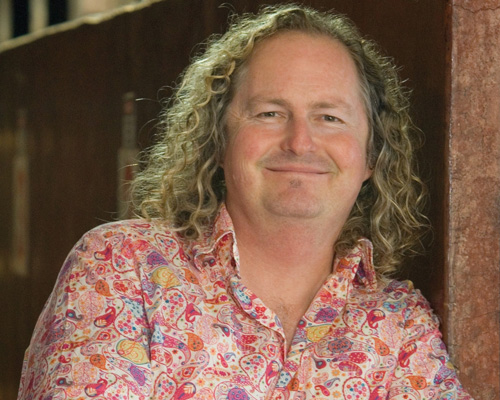
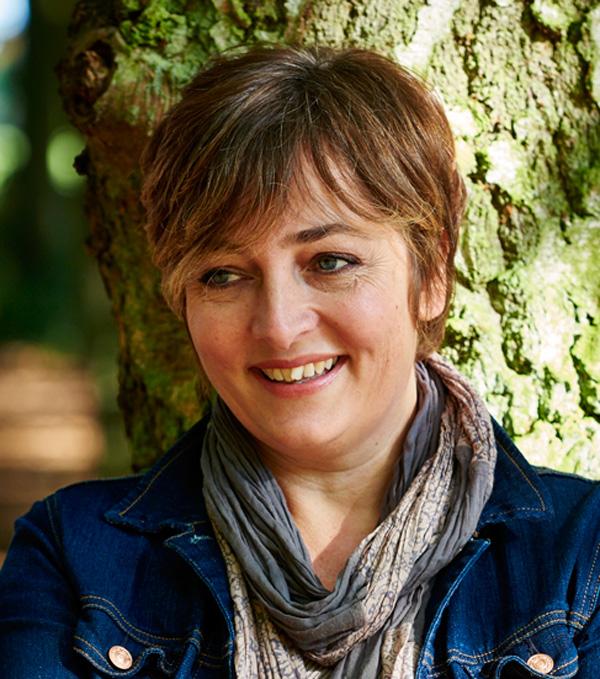
Rosalind JohnsonGuardian of wishesTimbalaya
Rosalind Johnson
People ask us why we created an original IP, why we didn’t buy the rights of something off the shelf. Arguably, that would be the easy route, but it was never something we seriously considered. We’re a creative bunch and the allure of a blank sheet of paper and the promise of a magical land yet to be created was too much to resist.
The founders of Timbalaya – Nick Farmer, Sylvia Matiko, Simon Egan and me – have a great deal in common, not least a love of creating and operating wondrous attractions and companies. I think we have all, in our own way, sprinkled a little pixie dust across people’s lives – and Timbalaya is made from pixie dust!
The appeal to operators is also the way we’re set up. We’ve had the chance, right from the start, to think about the longevity of the IP. In practice, that means a creative engine room at the heart of the company that reacts to how children want to play. It means a stream of content and co-creation with children, helping keep Timbalaya relevant. We involve children to see what they do with the story and the characters, and that keeps us from wandering off into an adult’s perception of the magical Timbalaya world.
We’re investing in ongoing market research to help keep the brand relevant and alert us to ‘what’s next’. For our franchisees, this is critical, as it enables them to see new opportunities for growth and determine where a refresh of the offer should be focused.
I’d say we’ve given as much attention to the franchise model as we have to the creative side of the IP and I think this will be both important and encouraging for operators. Matiko, Guardian of the Locket, was VP of franchise operations with Ripley Entertainment and so brings an incredible amount of franchise knowledge to Timbalaya. As a result, operators can expect a modern and imaginative approach to the support we offer.
"We’ve thought about the longevity of the IP and we have a stream of content and co-creation with children"
Timbalaya is a story-driven outdoor play attraction IP
Cartoon Network provides the IPs for this waterpark
COMPANY PROFILES
Simworx Ltd
The company was initially established
in 1997. Terry Monkton and Andrew
Roberts are the key stakeh [more...]
RMA Ltd
RMA Ltd is a one-stop global company
that can design, build and produce from a
greenfield site upw [more...]
With global IPs opening rides and attractions at an increasing rate, is there still room for theme parks to develop and establish their own unique story worlds? We asked the experts
Outdoor adventure parks like BeWILDerwood have had success creating their own detailed story worlds
When done well, investing in an IP license partnership for an attraction can increase visitor numbers and boost revenues.
It can be a ride, like the popular Justice League: Battle for Metropolis rides that Six Flags has been introducing to its US parks (DC Comics/DC Entertainment/Warner Bros. Entertainment); or a zone inside a family leisure park, like Peppa Pig World at Paulton’s in the UK (Astley Baker Davies/Entertainment One); or a whole facility licensing agreement, like Cartoon Network Amazone Waterpark in Thailand (Turner Broadcasting/Time Warner). There are many ways to work with established and often globally recognised IPs.
Yet investing in such a partnership comes with costs and risks; for example, the costs of licensing the product and building the attraction, and the risk that the IP may not do as well as expected, or may suffer a dip in popularity or go out of fashion. Cedar Fair may have just extended its license agreement with DHX Media for exclusive use of Charles M. Schulz’s Peanuts characters – a relationship that dates back to 1983 – but not all IP partnerships are necessarily guaranteed the success and longevity of this one.
So, is it possible to develop your own attraction with a narrative world that has the same charm and pulling power of a big-name IP? How do you go about developing a fresh and exciting experience that is unique to your own operation? How would your customers react to and engage with something original? We asked the experts.
Read more from this issue of Attractions Management magazine
View contents of Attractions Management 2017 issue 4
Interview: Jane Cooper
We talked to Jane Cooper, COO
and president of Herschend Family
Entertainment, about the company
portfolio and all things Dollywood
The addition of IPs can bring many benefits to attractions, including creating a closer emotional connection with their visitors, supporting awareness building, attracting growth in new and existing audiences, helping shift perceptions of the attraction, building loyalty, and supporting income growth through higher ticket prices and incremental retail spend.
However, increasingly this is achieved by attractions using existing, external, IPs. The best results come when the attraction defines its key objectives and researches which external IPs would best support the achievement of those objectives and, crucially, allow the attraction to return a profit on the development (when any incremental development and operating costs and license fees are considered against incremental income potential).
Establishing a mutually successful relationship with an existing IP, which has a proven audience outside the attraction, allows the attraction to benefit from years of investment by the IP owner. By contrast, creating your own IP requires time and investment to establish it and, unless you have a production studio associated with your attraction (for example, Studio 100 and the Plopsa Group), the IP will only live within your sites. That’s likely to limit its appeal to something that will add to guests’ enjoyment during their visit, rather than motivating their visit in the first place.
Having said that, there are many examples of attractions successfully creating their own IPs, mainly park mascots and ride IPs. The latter have had some success in driving associated retail spend, but typically much lower spend than could be achieved by a well-chosen external IP, even when allowing for the associated license fees.
A sector where developing an internal IP has been particularly successful is local or regional outdoor attractions, such as adventure parks and farm parks. One of the best examples of this is BeWILDerwood, where establishing a backstory and carrying it through in the theming of the park has allowed the attraction to cost-effectively differentiate itself from similar attractions and build loyalty by strengthening its emotional connection with its visitors.
In conclusion, there is no single solution which works for all. Creating successful IP-led developments, using both internal and external IPs, depends on a clear understanding of your objectives and a sound assessment of the associated financial opportunities.
"Developing an internal IP has been particularly successful in regional outdoor attractions, such as adventure parks"
Benoit CornetCEO and founderAlterface
Benoit Cornet
In today’s highly mediatised world, media-based attractions are gaining traction. Visitors are craving more emotionally engaging moments and more experiences they can share. An interactive dark ride is a perfect way to answer this desire.
In the past, a cute, park-branded mascot was often used as a character in attractions. Some parks stretched it further by developing an entire family of characters with dedicated stories and branding. Nowadays, expectations are much higher, with technology allowing for more sophisticated and dynamic attractions with professional storytelling.
This brings with it new considerations. The character must have enough dimension to ‘act’ during the ride and connect with the players. On the other hand, it has to be simple enough to be animated at a reasonable cost.
Even with the plummeting costs of media production, creating a quality, enduring character and story can cost a fortune. As a result, characters and their vocabulary don’t often get beyond a very basic stage.
As the development of a dedicated IP has quite a few limitations, it is tempting to use existing characters, maybe from the movie or gaming industries. Though this route works well for large parks that can spend a significant budget, it is less straightforward for smaller parks, who may often face demanding IP owners and extremely stringent rules for the IP deployment at their park.
Gaming IPs offer a great opportunity for the on-site entertainment industry, yet it has to be different enough from what is experienced at home and it should address the needs of the entire family. Even when all this is achieved, the challenge remains to meet the IP owner’s profit expectations.
At Alterface, we have taken a different approach to the IP challenge by creating a series of proprietary characters that can be tailored to reflect the specific requirements of the client. We invested heavily in Popcorn Revenge, an evergreen story with universal appeal that offers parks the opportunity to customise the experience and add their own flavour.
"Creating a character can cost a fortune. They don’t often get beyond a basic stage"
Popcorn Revenge is an
original IP from Alterface
Michael MackCEO / Managing partnerMackMedia / Europa-Park
Michael Mack
There are several reasons why creating our own IPs has become more of a priority in recent years. Full ownership is definitely one of the most important advantages, which leads to total decision-making power when creating content around your IP. As I grew up in a theme park, I was always dreaming of creating stories and evoking emotions that would stay with people beyond the boundaries of our park. They can’t take a rollercoaster home, but they can take home a character as their new friend.
There is no better example of original content than Europa-Park. We create story worlds, around a ride for example, and extend the experience by adding multimedia aspects such as a mobile game or a film. We develop IPs and enable guests to take these experiences home with them.
We are a family business and we are all involved in the company. That means we are on-site on a daily basis, so when we want to create somthing new, we observe, speak to our guests and find out what they like. You have to be aware of industry trends as well. It’s a combination of industry knowledge, a keen interest in your visitors and, in our case, the experience of 235 years being a family business.
Before we came up with our newest IP, Happy Family, a family-friendly spooky adventure, we realised that there was a lack of Halloween content and characters that were suitable for family theme parks. We created a 4D movie, a VR experience and a character show for Europa-Park. As people liked the new content we had created, we were soon able to licence the IP to other parks around the world.
To further establish Happy Family as an IP, we have just released our first feature film. Having masterplanning and design competences in-house with our company division Mack Solutions, we have also developed a turnkey Happy Family Land concept, which can be scaled for the specific requests of parks and FECs.
Some content is not only relevant to theme parks, but also to cruise ships or other leisure facilities. We are always trying to see the whole market as an opportunity and identify different revenue streams.
At the start, investment is a lot higher when developing your own IP. Not everybody will be able to do it. For us, it was also a strategic decision to expand into the media industry. There are many things to learn when entering a new field, but in the long run, we definitely see the benefits of creating our own IPs.
"Decision-making power is one of the most important advantages"
Happy Family is an in-house IP that is now licensed to other parks
Rosalind JohnsonGuardian of wishesTimbalaya
Rosalind Johnson
People ask us why we created an original IP, why we didn’t buy the rights of something off the shelf. Arguably, that would be the easy route, but it was never something we seriously considered. We’re a creative bunch and the allure of a blank sheet of paper and the promise of a magical land yet to be created was too much to resist.
The founders of Timbalaya – Nick Farmer, Sylvia Matiko, Simon Egan and me – have a great deal in common, not least a love of creating and operating wondrous attractions and companies. I think we have all, in our own way, sprinkled a little pixie dust across people’s lives – and Timbalaya is made from pixie dust!
The appeal to operators is also the way we’re set up. We’ve had the chance, right from the start, to think about the longevity of the IP. In practice, that means a creative engine room at the heart of the company that reacts to how children want to play. It means a stream of content and co-creation with children, helping keep Timbalaya relevant. We involve children to see what they do with the story and the characters, and that keeps us from wandering off into an adult’s perception of the magical Timbalaya world.
We’re investing in ongoing market research to help keep the brand relevant and alert us to ‘what’s next’. For our franchisees, this is critical, as it enables them to see new opportunities for growth and determine where a refresh of the offer should be focused.
I’d say we’ve given as much attention to the franchise model as we have to the creative side of the IP and I think this will be both important and encouraging for operators. Matiko, Guardian of the Locket, was VP of franchise operations with Ripley Entertainment and so brings an incredible amount of franchise knowledge to Timbalaya. As a result, operators can expect a modern and imaginative approach to the support we offer.
"We’ve thought about the longevity of the IP and we have a stream of content and co-creation with children"
Timbalaya is a story-driven outdoor play attraction IP
Cartoon Network provides the IPs for this waterpark
London Museum will open four new food and drink destinations when it launches its new home
at Smithfield on 28 November, making hospitality a central part of the visitor experience at one
of the capital's biggest cultural openings of the year.
OMA has completed a major transformation of New York's New Museum, creating a larger
cultural campus that combines expanded exhibition spaces with learning, performance,
hospitality and public programming.
A US$50 million (£44.2 million, €51.2 million) transformation of Chicago's historic McCormick
Mansion has created a new destination that combines live magic, immersive theatre, dining and
private membership under one roof.
The Montana Historical Society has officially celebrated the opening of its new Montana
Heritage
Center, a US$107 million (£79 million, €92 million) destination that combines immersive
storytelling with cutting-edge audiovisual technology to bring the sta
San Antonio Zoo has reported a US$283 million economic impact for 2025, following a decade-
long transformation programme that has seen almost US$200 million invested into the Texas
attraction.
Plans for the AU$180 million redevelopment of Reef HQ Aquarium in Townsville, Australia, are
progressing, with the project set to transform the attraction into a global centre for reef
education and conservation.
Abu Dhabi-based investment firm Mubadala Capital has made a binding, fully financed
€1 billion
offer to acquire Pierre and Vacances SA, the European holiday resort operator behind the
continental European Center Parcs business.
Disney has reaffirmed its commitment to investing US$30 billion in its US parks and cruise
business by 2033, using new America250 celebrations to underline the role its attractions play
in supporting jobs, tourism and economic growth.
Expo 2030 Riyadh is being planned as a permanent visitor destination, with organisers
confirming the six-million-square-metre site will become a Global Village after the event closes.
The owner of one of Australia's best-known waterparks has acquired a major competitor,
creating a new attractions business spanning two of the country's largest visitor destinations.