Professor and researcher Dr Kathryn Woodcock shares her thoughts on the role of guests in amusement ride safety and human factors in attractions design
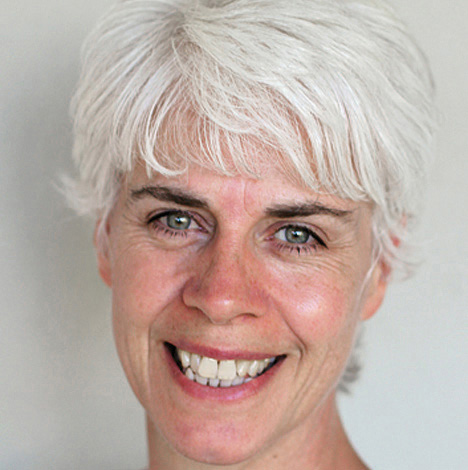
Woodcock is an engineer and ergonomist with a special interest in theme parks and amusement rides
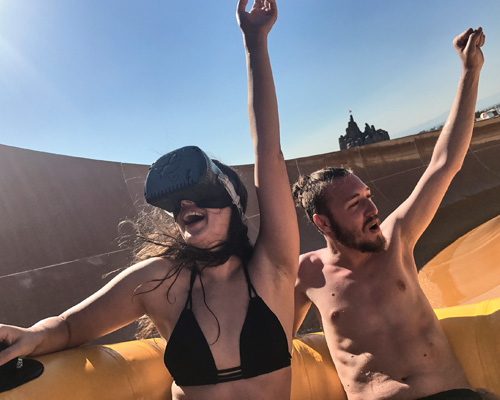
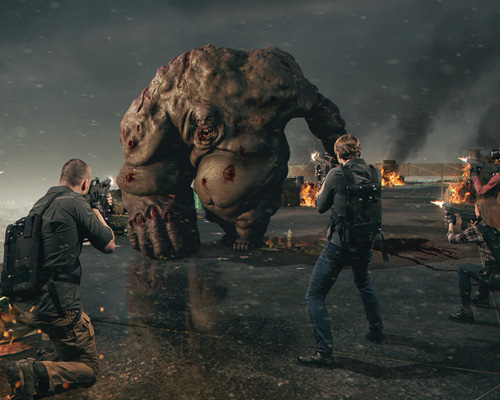
Piloting a rocket! Riding a unicorn! Fighting giant bugs! Attractions present the guest with an opportunity to experience a fantasy. Guests are in on the pretence – and operators admit to it – but the fantasy narrative is the reason the guests want to play.
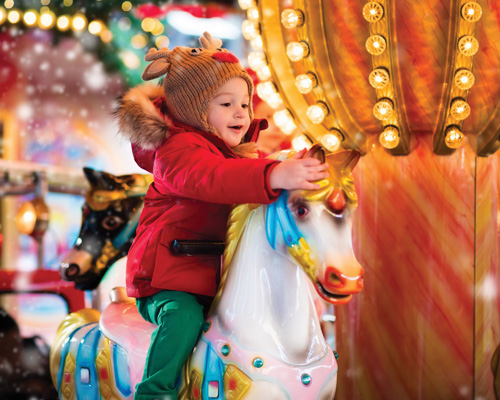
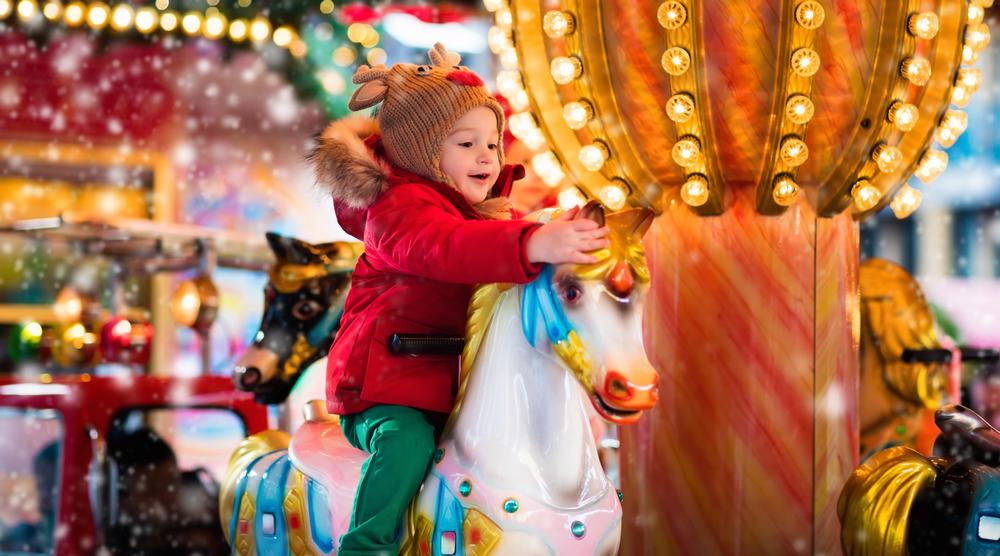
The narrative fantasy is quite obviously a part of major themed dark rides, but even a small umbrella ride at a carnival holds the promise of riding a “real motorcycle”, if you are two years old.
However, every once in a while, the experience does not unfold as intended. Guests can feel motion sick, physically uncomfortable or sensitive to the attraction’s media, special effects or props.
Less often, guests reposition in the ride vehicle in a way that compromises the restraint and containment devices and they fall out, or intentionally self-extract from the ride, exposing them to serious harm from moving machinery and structures not intended for pedestrian access.
Situation awareness The proportion of rider injuries traced to the rider’s own characteristics or behaviours has typically been cited at 80 per cent or higher – though we should be aware that this causal attribution is affected by investigators’ interpretations of the event. The common impression is that injured riders are risk-takers caught in a miscalculation.
Using the language of human factors, the errors are attributed to a lack or loss of “situation awareness”. In response, remedies focus on correcting situation awareness: reiterating hazards and promoting responsibility to avoid them.
Unfortunately, the concept of situation awareness comes from domains where the person is participating in a single situation.
There is no doubt that a machine operator should be aware that their machine is powered on and ready to move with the nudge of a lever. Situation awareness deficits can result from situation complexity that overloads and distracts: the machine operator may also need to be aware of whether the machine has a workpiece in position, the guard in place, space in the scrap bin, exhaust ventilation powered on, no co-workers in the path of moving equipment, and many other things.
However, situation awareness is not achieved solely by operator diligence. It is promoted by designing information to enhance the person’s situation awareness. And, most importantly of all, there is one single objectively correct situation.
Consciousness contradicts In contrast, the entire point of an attraction is to experience an illusory situation, either the abstraction of sensory “thrill” or a specific narrative that takes place within an objective world that they are supposed to ignore. People cannot simultaneously give themselves over to the illusory situation and also maintain accurate awareness of the real situation and all its physical properties that could give rise to hazards. The paradigm of situation awareness fails.
Consciousness of the real world situation compromises user experience. This compromise might be worthwhile if it was reliably effective. However, when guests are overwhelmed by the urge to escape intolerable physical or emotional discomfort, the instinctive reaction to reposition or self-extract is not a decision based on situation assessment.
While some guests might feel compelled to escape, other guests might find a ride’s sensations not intense enough. Guests know the purpose of an attraction is “fun”, whether “fun” is thrilling, pleasant or social in nature. When they find the attraction short of the expected level and type of fun, the guests may “complete the design” with adjustments like leaning out, twisting around or rising up in the seat. These actions seem to enhance fun, but unknown to them, may actually increase risk of ejection or another injury event.
Advising guests of situational hazards may have little effect in either case. People trust their own perception of a situation more than a contradictory description presented to them, even if they still remember it amidst the hyper-stimulation of the attraction. There is also some evidence that guests give little credit to warnings because they believe them to exaggerate actual hazards to avoid liability. If an action is physically possible, it is likely to occur eventually, if it appears to solve a problem, or if brought about by unconscious reaction.
This bias to improvisation is far from perverse. Throughout our lives, we acquire new skills and experiences of all kinds through the process of trial and error. People are also conditioned to interact actively with attractions: many experiences at the same park may involve, and even reward, their active participation and interaction.
No room for error In addition, because attractions have so few serious accidents, and the environment is deliberately reassuring, they feel safe. The “error” part of trial and error is feedback that teaches us not to repeat a particular action. Unfortunately, in a fast-paced activity, the results of some actions can be unforgiving.
Because awareness of real-world boundaries spoils the illusion of the attraction, and because persuasion is an unreliable means to achieve it, it is most promising to provide boundaries within the illusion that will shape intuitive reactions and improvisation.
Some boundaries can be created by physical barriers, such as ride restraints, sidewalls and doors. Ensuring the ride’s restraint and containment system prevents successful repositioning is a strategy that does not require controlling the guest’s state of mind. A disadvantage is that barriers may not fully eliminate all undesirable positions for people with exceptional size, body shape or agility.
Forcing functions are another physical strategy to limit actions. Adding a step to performing an action can allow time for the person’s conscious second thought to intercept the action or distract them from one action by engaging them in another. If a person cannot rise up in the seat without unbuckling a seat belt, the act of unbuckling the seat belt will slow down the action and force consciousness of the disabling of a safety measure. The forcing function can also make the unsafe action detectable by automation and more visible to operators, providing other options for interception.
Prompts and cues Barriers and forcing functions can obstruct or deter actions, but what we often want to know is how to discourage guests from even forming the idea for a particular action.
Actions or spaces that are dangerous should seem every bit as dangerous as they are, or just a little more dangerous. Sensory illusions that accentuate speed, acceleration and elevation can prompt authentically conservative behaviour, and could use cues authentic to the narrative.
There should be payoff in the narrative for safe actions that exclude unsafe actions. Access to vehicle steering or target shooting is a more compelling reward for proper hand position than an admonishment to keep hands inside and hold on.
Foreshadow through design Design can interfere with the inspiration to escape through disorientation and concealment of escape routes. Design may also provide options to self-manage anxiety and discomfort. Sometimes the action we need to shape is the action of choosing an attraction. Attractions offer something for everybody, but every experience isn’t for everyone. It is preferable for everyone that a guest chooses self-exclusion rather than having an employee reject them.
Susceptible guests are not always obvious by their appearance or behaviour. Guests may perceive a posted description of an attraction as an exaggeration or overestimate their ability to tolerate specific discomfort in order to go on an attraction that “everyone” is talking about or share an experience with their companions.
Descriptions cannot always convey what the experience will feel like to a guest, and avoiding “spoilers” in general advisories can result in vague information. Guests should receive the information they ask for to anticipate their tolerance for a ride, even if the information includes a spoiler.
In case guests do not ask, design of the pre-attraction experience could foreshadow specific features including known phobia triggers and demanding physical sensations. An attraction that features darkness, for instance, could foreshadow the dark atmosphere with enough dark elements in the preshow and queue spaces that a person with discomfort in the dark would be more likely to choose to abstain from the attraction. A dark queue would not give the right implicit warning for an attraction where the main challenges are speed, motion or simulator induced nausea, or creepy crawlies. Designers would be challenged to craft specific foreshadowing into the pre-attraction experience, which would likely further enhance the immersion of the attraction.
Guest behaviour and guest restriction is often seen as a risk-increasing dilemma, but of all the risks in themed entertainment, guests are a necessary risk. With no guests, there would be no injuries – but, there would also be no attractions.
The most creative designers produce attractions that enlighten, engage and amaze ladies, gentlemen and children of all ages with thrilling, terrifying and fantastic experiences. The same powerful design that tells compelling stories may also hold the key to shaping safer guest participation.
Read more from this issue of Attractions Management magazine
View contents of Attractions Management 2017 issue 4
Interview: Jane Cooper
We talked to Jane Cooper, COO
and president of Herschend Family
Entertainment, about the company
portfolio and all things Dollywood
Dr Kathryn Woodcock, CCPE, ICAE, PEng, is a professor at Ryerson University in Toronto, Canada, and director of the THRILL lab where she studies and develops applications of human factors engineering with a particular interest in amusement rides and attractions.
Attractions and rides allow park visitors to take part in a fantasy, but they must know how to act safely within that illusory situation / photo: shutterstock/famveld
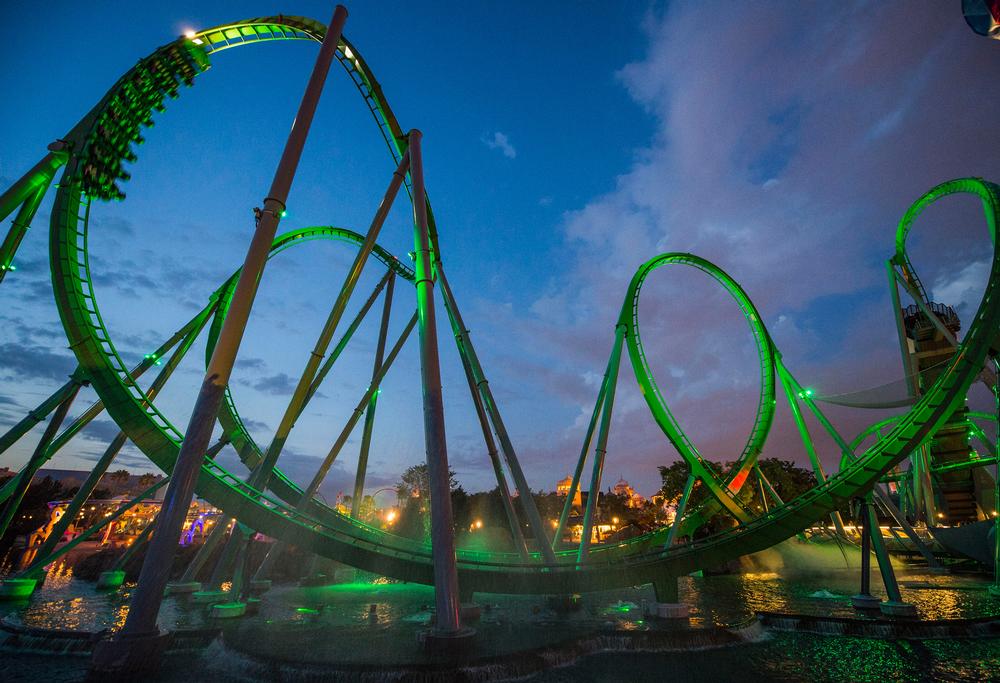
Intense rides like The Incredible Hulk are designed to look daunting, and many people self-exclude
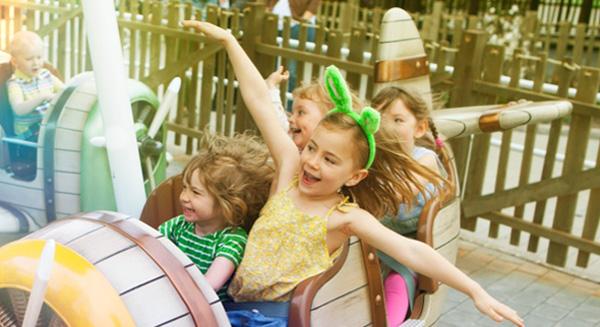
guests may twist or lean out of their seats
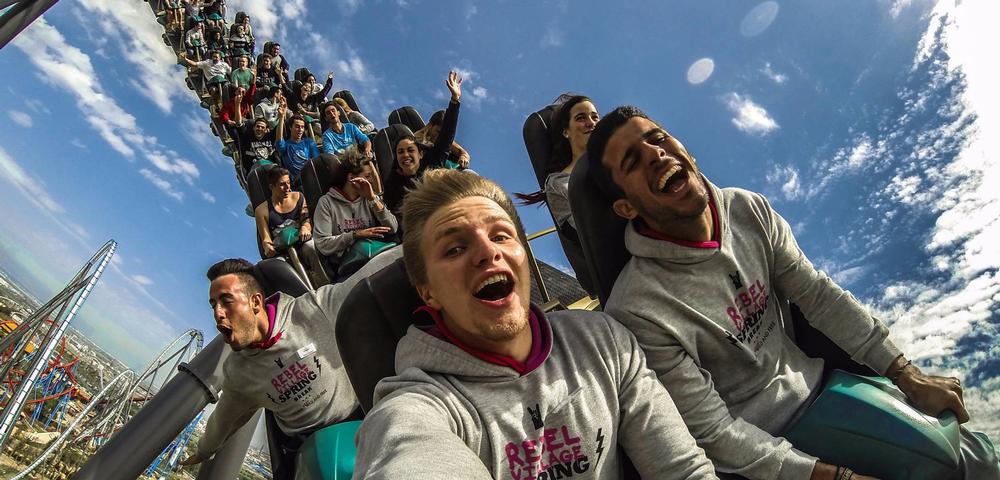
Selfie sticks may not be perceived as a hazard by guests, but many parks have banned their use
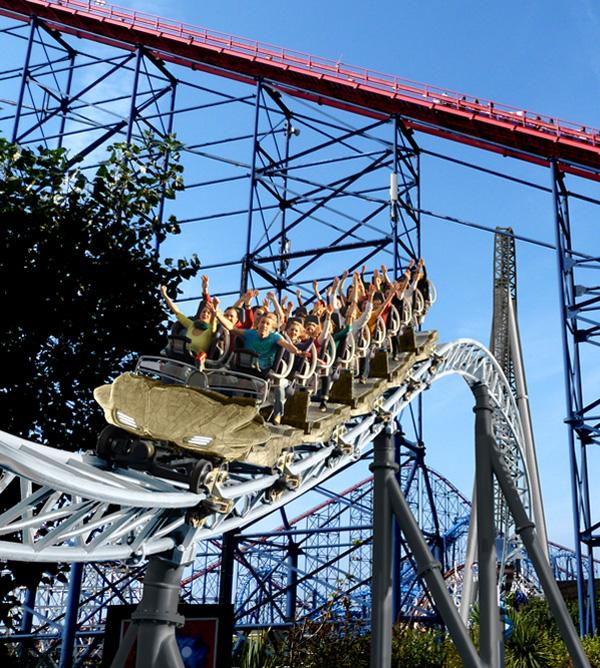
new coasters, like ICON, target the most daring thrillseekers
A seat belt can help prevent unsafe actions
Early design cues help visitors decide if they will be able to tolerate an experience
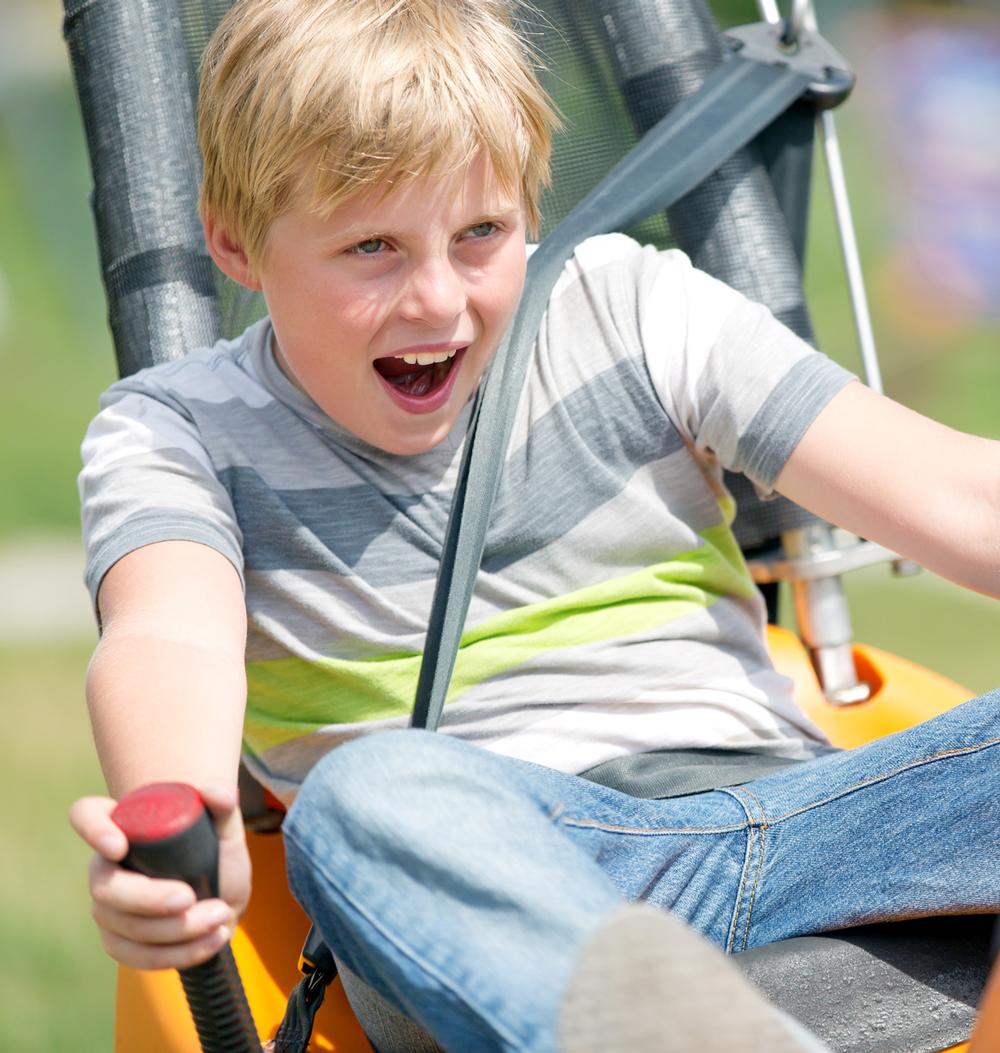
proper positioning can be elicited by steering or target shooting
COMPANY PROFILES
DJW
David & Lynn Willrich started the Company
over thirty years ago, from the Audio Visual
Department [more...]
Taylor Made Designs
Founded in 1993, Taylor Made
Designs supply corporate clothing
and brand-enhancing merchandise
to [more...]
Holovis
Holovis is a privately owned company
established in 2004 by CEO Stuart
Hetherington. [more...]
instantprint
We’re a Yorkshire-based online printer, founded
in 2009 by Adam Carnell and James Kinsella. [more...]
Professor and researcher Dr Kathryn Woodcock shares her thoughts on the role of guests in amusement ride safety and human factors in attractions design
Woodcock is an engineer and ergonomist with a special interest in theme parks and amusement rides
Piloting a rocket! Riding a unicorn! Fighting giant bugs! Attractions present the guest with an opportunity to experience a fantasy. Guests are in on the pretence – and operators admit to it – but the fantasy narrative is the reason the guests want to play.
The narrative fantasy is quite obviously a part of major themed dark rides, but even a small umbrella ride at a carnival holds the promise of riding a “real motorcycle”, if you are two years old.
However, every once in a while, the experience does not unfold as intended. Guests can feel motion sick, physically uncomfortable or sensitive to the attraction’s media, special effects or props.
Less often, guests reposition in the ride vehicle in a way that compromises the restraint and containment devices and they fall out, or intentionally self-extract from the ride, exposing them to serious harm from moving machinery and structures not intended for pedestrian access.
Situation awareness The proportion of rider injuries traced to the rider’s own characteristics or behaviours has typically been cited at 80 per cent or higher – though we should be aware that this causal attribution is affected by investigators’ interpretations of the event. The common impression is that injured riders are risk-takers caught in a miscalculation.
Using the language of human factors, the errors are attributed to a lack or loss of “situation awareness”. In response, remedies focus on correcting situation awareness: reiterating hazards and promoting responsibility to avoid them.
Unfortunately, the concept of situation awareness comes from domains where the person is participating in a single situation.
There is no doubt that a machine operator should be aware that their machine is powered on and ready to move with the nudge of a lever. Situation awareness deficits can result from situation complexity that overloads and distracts: the machine operator may also need to be aware of whether the machine has a workpiece in position, the guard in place, space in the scrap bin, exhaust ventilation powered on, no co-workers in the path of moving equipment, and many other things.
However, situation awareness is not achieved solely by operator diligence. It is promoted by designing information to enhance the person’s situation awareness. And, most importantly of all, there is one single objectively correct situation.
Consciousness contradicts In contrast, the entire point of an attraction is to experience an illusory situation, either the abstraction of sensory “thrill” or a specific narrative that takes place within an objective world that they are supposed to ignore. People cannot simultaneously give themselves over to the illusory situation and also maintain accurate awareness of the real situation and all its physical properties that could give rise to hazards. The paradigm of situation awareness fails.
Consciousness of the real world situation compromises user experience. This compromise might be worthwhile if it was reliably effective. However, when guests are overwhelmed by the urge to escape intolerable physical or emotional discomfort, the instinctive reaction to reposition or self-extract is not a decision based on situation assessment.
While some guests might feel compelled to escape, other guests might find a ride’s sensations not intense enough. Guests know the purpose of an attraction is “fun”, whether “fun” is thrilling, pleasant or social in nature. When they find the attraction short of the expected level and type of fun, the guests may “complete the design” with adjustments like leaning out, twisting around or rising up in the seat. These actions seem to enhance fun, but unknown to them, may actually increase risk of ejection or another injury event.
Advising guests of situational hazards may have little effect in either case. People trust their own perception of a situation more than a contradictory description presented to them, even if they still remember it amidst the hyper-stimulation of the attraction. There is also some evidence that guests give little credit to warnings because they believe them to exaggerate actual hazards to avoid liability. If an action is physically possible, it is likely to occur eventually, if it appears to solve a problem, or if brought about by unconscious reaction.
This bias to improvisation is far from perverse. Throughout our lives, we acquire new skills and experiences of all kinds through the process of trial and error. People are also conditioned to interact actively with attractions: many experiences at the same park may involve, and even reward, their active participation and interaction.
No room for error In addition, because attractions have so few serious accidents, and the environment is deliberately reassuring, they feel safe. The “error” part of trial and error is feedback that teaches us not to repeat a particular action. Unfortunately, in a fast-paced activity, the results of some actions can be unforgiving.
Because awareness of real-world boundaries spoils the illusion of the attraction, and because persuasion is an unreliable means to achieve it, it is most promising to provide boundaries within the illusion that will shape intuitive reactions and improvisation.
Some boundaries can be created by physical barriers, such as ride restraints, sidewalls and doors. Ensuring the ride’s restraint and containment system prevents successful repositioning is a strategy that does not require controlling the guest’s state of mind. A disadvantage is that barriers may not fully eliminate all undesirable positions for people with exceptional size, body shape or agility.
Forcing functions are another physical strategy to limit actions. Adding a step to performing an action can allow time for the person’s conscious second thought to intercept the action or distract them from one action by engaging them in another. If a person cannot rise up in the seat without unbuckling a seat belt, the act of unbuckling the seat belt will slow down the action and force consciousness of the disabling of a safety measure. The forcing function can also make the unsafe action detectable by automation and more visible to operators, providing other options for interception.
Prompts and cues Barriers and forcing functions can obstruct or deter actions, but what we often want to know is how to discourage guests from even forming the idea for a particular action.
Actions or spaces that are dangerous should seem every bit as dangerous as they are, or just a little more dangerous. Sensory illusions that accentuate speed, acceleration and elevation can prompt authentically conservative behaviour, and could use cues authentic to the narrative.
There should be payoff in the narrative for safe actions that exclude unsafe actions. Access to vehicle steering or target shooting is a more compelling reward for proper hand position than an admonishment to keep hands inside and hold on.
Foreshadow through design Design can interfere with the inspiration to escape through disorientation and concealment of escape routes. Design may also provide options to self-manage anxiety and discomfort. Sometimes the action we need to shape is the action of choosing an attraction. Attractions offer something for everybody, but every experience isn’t for everyone. It is preferable for everyone that a guest chooses self-exclusion rather than having an employee reject them.
Susceptible guests are not always obvious by their appearance or behaviour. Guests may perceive a posted description of an attraction as an exaggeration or overestimate their ability to tolerate specific discomfort in order to go on an attraction that “everyone” is talking about or share an experience with their companions.
Descriptions cannot always convey what the experience will feel like to a guest, and avoiding “spoilers” in general advisories can result in vague information. Guests should receive the information they ask for to anticipate their tolerance for a ride, even if the information includes a spoiler.
In case guests do not ask, design of the pre-attraction experience could foreshadow specific features including known phobia triggers and demanding physical sensations. An attraction that features darkness, for instance, could foreshadow the dark atmosphere with enough dark elements in the preshow and queue spaces that a person with discomfort in the dark would be more likely to choose to abstain from the attraction. A dark queue would not give the right implicit warning for an attraction where the main challenges are speed, motion or simulator induced nausea, or creepy crawlies. Designers would be challenged to craft specific foreshadowing into the pre-attraction experience, which would likely further enhance the immersion of the attraction.
Guest behaviour and guest restriction is often seen as a risk-increasing dilemma, but of all the risks in themed entertainment, guests are a necessary risk. With no guests, there would be no injuries – but, there would also be no attractions.
The most creative designers produce attractions that enlighten, engage and amaze ladies, gentlemen and children of all ages with thrilling, terrifying and fantastic experiences. The same powerful design that tells compelling stories may also hold the key to shaping safer guest participation.
Read more from this issue of Attractions Management magazine
View contents of Attractions Management 2017 issue 4
Interview: Jane Cooper
We talked to Jane Cooper, COO
and president of Herschend Family
Entertainment, about the company
portfolio and all things Dollywood
Dr Kathryn Woodcock, CCPE, ICAE, PEng, is a professor at Ryerson University in Toronto, Canada, and director of the THRILL lab where she studies and develops applications of human factors engineering with a particular interest in amusement rides and attractions.
Attractions and rides allow park visitors to take part in a fantasy, but they must know how to act safely within that illusory situation / photo: shutterstock/famveld
Intense rides like The Incredible Hulk are designed to look daunting, and many people self-exclude
guests may twist or lean out of their seats
Selfie sticks may not be perceived as a hazard by guests, but many parks have banned their use
new coasters, like ICON, target the most daring thrillseekers
A seat belt can help prevent unsafe actions
Early design cues help visitors decide if they will be able to tolerate an experience
proper positioning can be elicited by steering or target shooting
London Museum will open four new food and drink destinations when it launches its new home
at Smithfield on 28 November, making hospitality a central part of the visitor experience at one
of the capital's biggest cultural openings of the year.
OMA has completed a major transformation of New York's New Museum, creating a larger
cultural campus that combines expanded exhibition spaces with learning, performance,
hospitality and public programming.
A US$50 million (£44.2 million, €51.2 million) transformation of Chicago's historic McCormick
Mansion has created a new destination that combines live magic, immersive theatre, dining and
private membership under one roof.
The Montana Historical Society has officially celebrated the opening of its new Montana
Heritage
Center, a US$107 million (£79 million, €92 million) destination that combines immersive
storytelling with cutting-edge audiovisual technology to bring the sta
San Antonio Zoo has reported a US$283 million economic impact for 2025, following a decade-
long transformation programme that has seen almost US$200 million invested into the Texas
attraction.
Plans for the AU$180 million redevelopment of Reef HQ Aquarium in Townsville, Australia, are
progressing, with the project set to transform the attraction into a global centre for reef
education and conservation.
Abu Dhabi-based investment firm Mubadala Capital has made a binding, fully financed
€1 billion
offer to acquire Pierre and Vacances SA, the European holiday resort operator behind the
continental European Center Parcs business.
Disney has reaffirmed its commitment to investing US$30 billion in its US parks and cruise
business by 2033, using new America250 celebrations to underline the role its attractions play
in supporting jobs, tourism and economic growth.
Expo 2030 Riyadh is being planned as a permanent visitor destination, with organisers
confirming the six-million-square-metre site will become a Global Village after the event closes.
The owner of one of Australia's best-known waterparks has acquired a major competitor,
creating a new attractions business spanning two of the country's largest visitor destinations.