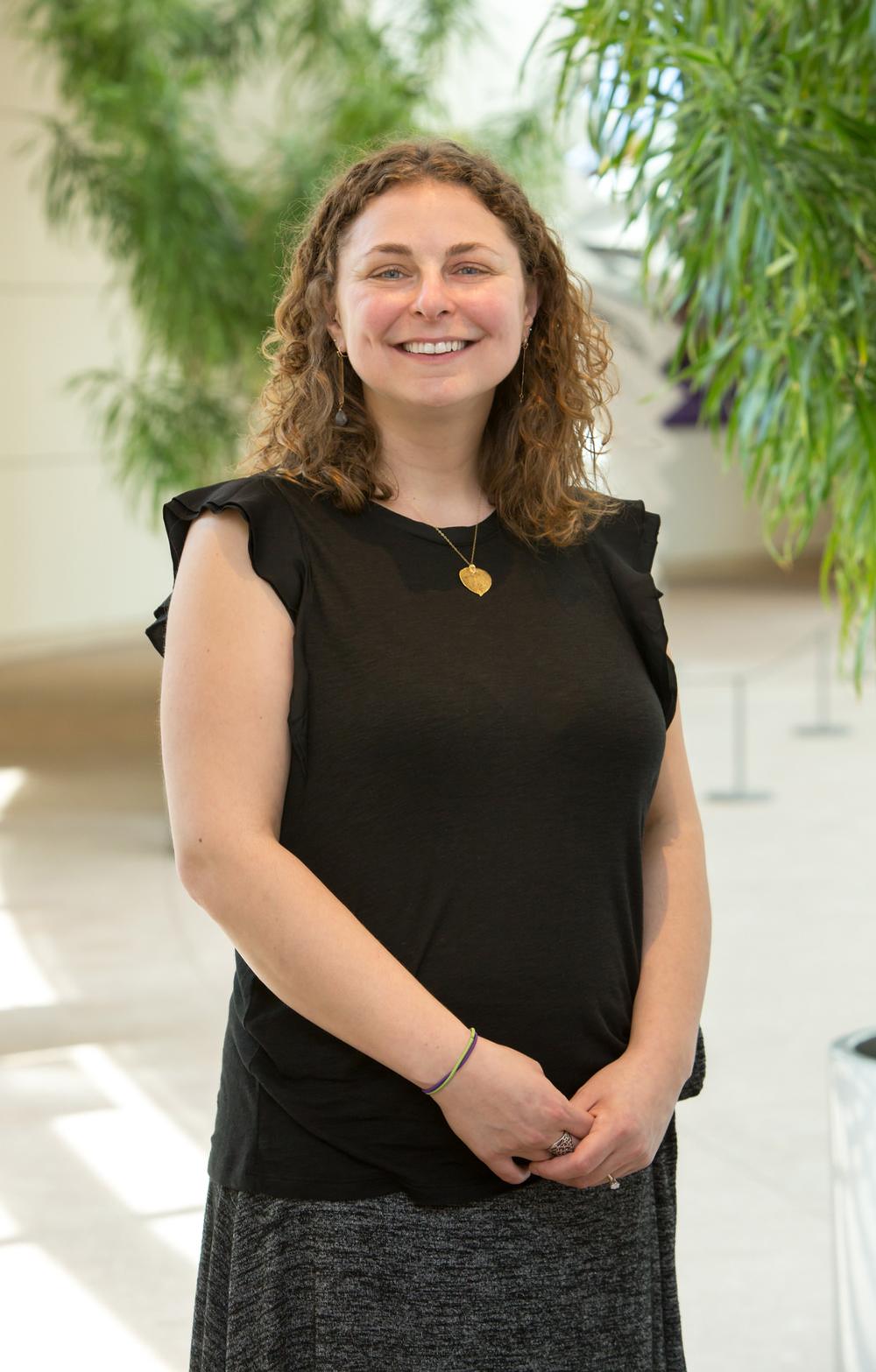
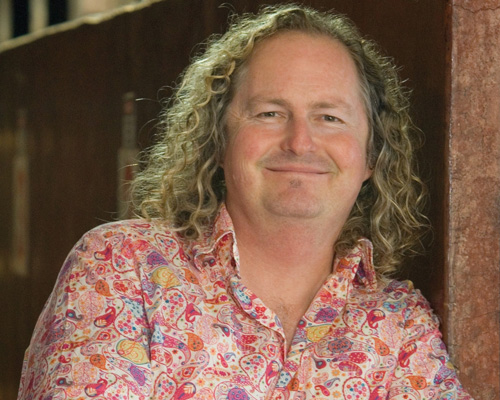
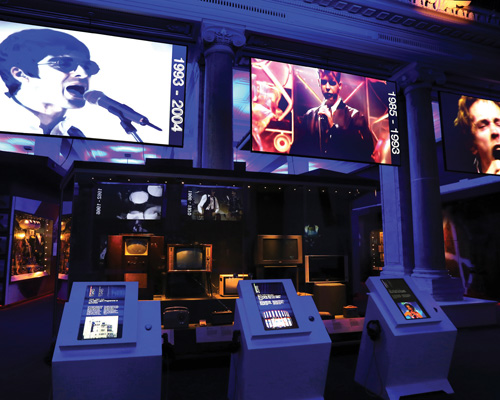
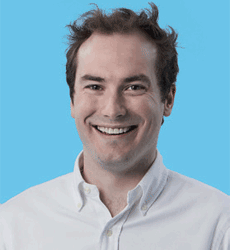
Tedi Asher will apply neuroscience research findings to enhance the visitor experience at the Peabody Essex Museum / PHOTOS: Courtesy OF Peabody Essex Museum
When a visitor walks into an art gallery, they expect to see paintings hanging alongside one another on every wall, and the rooms categorised by era or movement or artist.
Sometimes, galleries adopt different methods – displaying a single artwork in a room on its own or making use of flexible design techniques that enable them to rearrange the layout of the space.
Experts now believe displaying many works side-by-side and top-to-tail on a gallery wall is not the best way for the visitor to appreciate the art. It makes sense – doesn’t it? – that seeing maybe one hundred works in a room altogether might overwhelm the visitor’s brain?
At Peabody Essex Museum (PEM), in Salem, Massachusetts, Dr Tedi Asher has joined the team to advise on exactly this conundrum – what is, neurologically speaking, the best gallery experience?
Asher takes the role of neuroscience researcher, part of a PEM neuroscience initiative made possible through $130,000 (£100,000, €110,000) funding from the Barr Foundation, a Boston-based private institute that works to “elevate the arts and creative expression”. PEM’s neuroscience initiative aims to find strategies to display art in a way that complements the way the brain functions.
“PEM’s cross-disciplinary approach is exciting and comes at a time when neuroscience findings are beginning to be more widely embraced outside of the scientific community,” says Asher.
Applying the latest neuroscientific research and neuroaesthetic theory to enhance visitor experiences across the museum’s permanent collection, Asher will document her work and work with PEM to write and publish her findings, which will be shared with art museums worldwide.
“We’re all familiar with the idea that a satisfying experience has this delicate balance of meeting and violating our expectations,” the Harvard-educated Asher, who has a special interest in neuroscience and psychology, told Artsy magazine. “In the context of exhibition design, how can we surprise people in a way that won’t be jarring, but will help viewers make sense of what they have seen? Something that is unexpected takes longer to detect – but it also makes a more lasting imprint.”
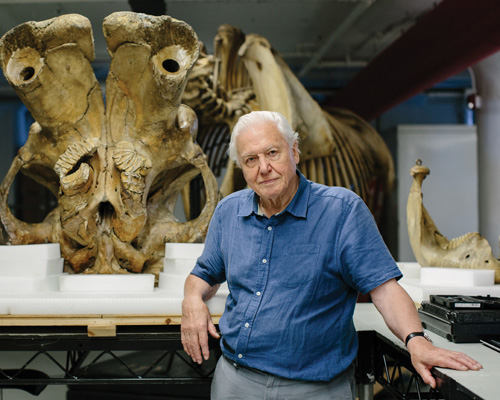
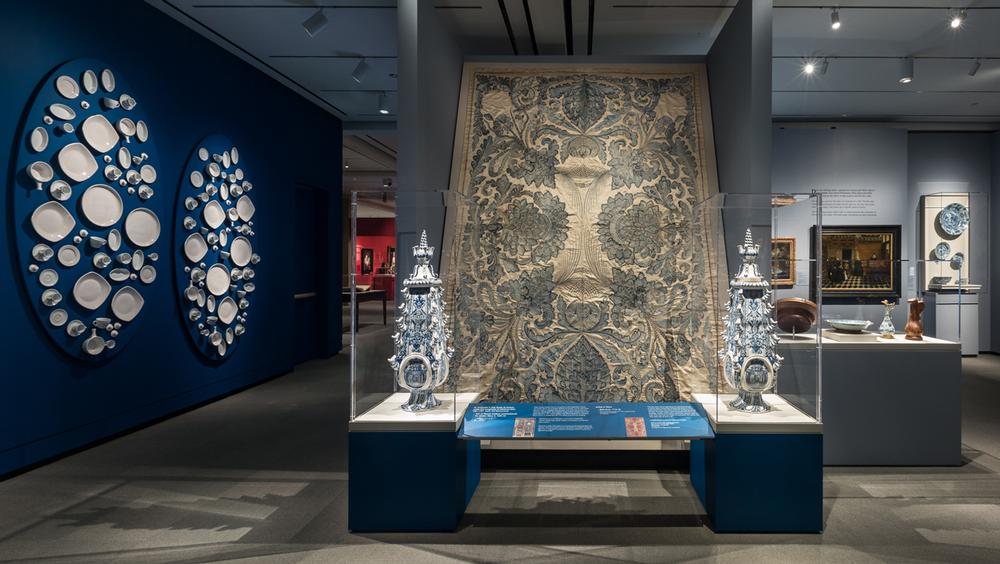
Museum head Dan Monroe has been introducing neuroscience to PEM over the past couple of years, experimenting with less cluttered exhibition spaces, more manageable and engaging descriptions for the art and some multi-sensory elements. The appointment of Asher will help him take this work to previously unexplored levels.
“We’re excited to be the first art museum to employ a full-time neuroscientist to help develop new ways of designing experiences that are highly meaningful and relevant to visitors,” says Monroe. “Dr Asher’s unique perspective and deep insight will make the process of art exploration and discovery especially rewarding, stimulating and fun.
“We believe there are new ways to present and interpret art that will enliven and enrich the art and art museum experience. We also believe the collaboration may benefit the art museum community at large,” Monroe says.
Read more from this issue of Attractions Management magazine
View contents of Attractions Management 2017 issue 4
Interview: Jane Cooper
We talked to Jane Cooper, COO
and president of Herschend Family
Entertainment, about the company
portfolio and all things Dollywood
Tedi Asher will apply neuroscience research findings to enhance the visitor experience at the Peabody Essex Museum / PHOTOS: Courtesy OF Peabody Essex Museum
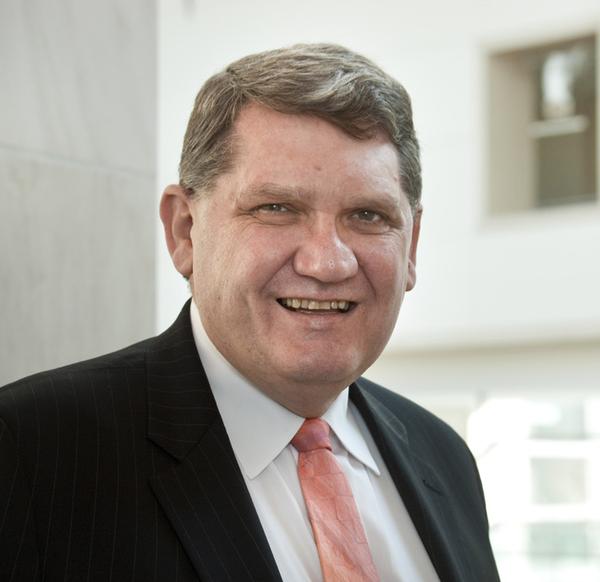
Peabody Essex Museum head Dan Monroe; / PHOTOS: Courtesy OF Peabody Essex Museum
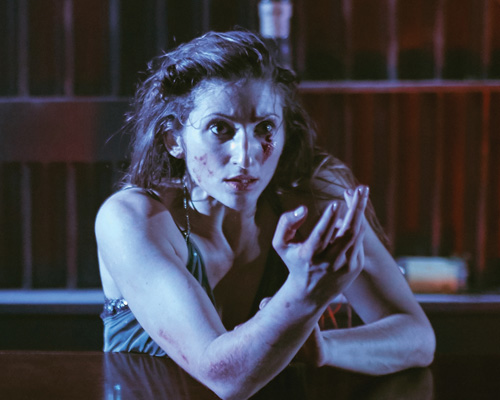
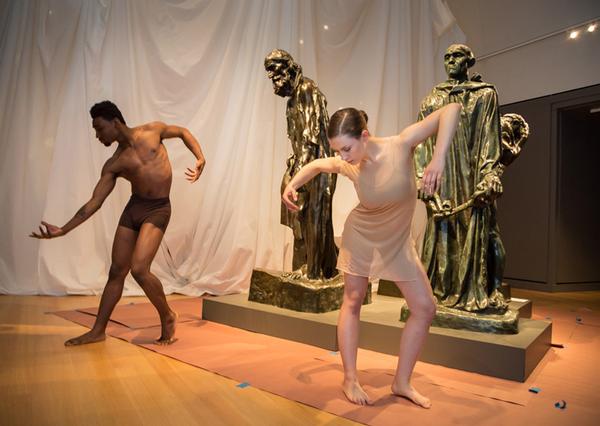
In Rodin: Transforming Sculpture, dancers encourage visitors to think about art in new ways / PHOTOS: Courtesy OF Peabody Essex Museum
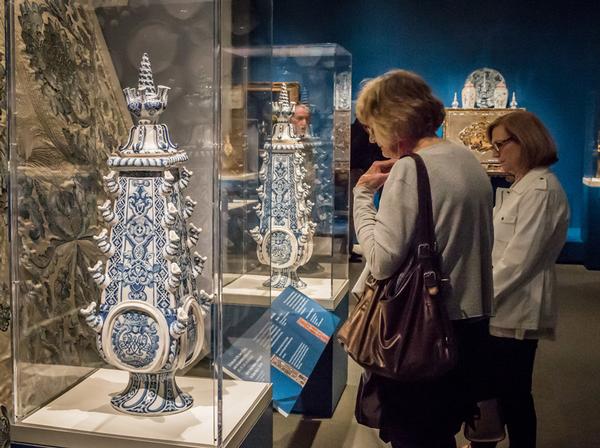
The Asia in Amsterdam exhibit uses jars filled with spices to elicit multi-sensory reactions in guests / PHOTOS: Courtesy OF Peabody
COMPANY PROFILES
QubicaAMF UK
QubicaAMF is the largest and most
innovative bowling equipment provider with
600 employees worldwi [more...]
IDEATTACK
IDEATTACK is a full-service planning and
design company with headquarters in
Los Angeles. [more...]
instantprint
We’re a Yorkshire-based online printer, founded
in 2009 by Adam Carnell and James Kinsella. [more...]
Painting With Light
By combining lighting, video, scenic and architectural elements, sound and special effects we tell s [more...]
Tedi Asher will apply neuroscience research findings to enhance the visitor experience at the Peabody Essex Museum / PHOTOS: Courtesy OF Peabody Essex Museum
When a visitor walks into an art gallery, they expect to see paintings hanging alongside one another on every wall, and the rooms categorised by era or movement or artist.
Sometimes, galleries adopt different methods – displaying a single artwork in a room on its own or making use of flexible design techniques that enable them to rearrange the layout of the space.
Experts now believe displaying many works side-by-side and top-to-tail on a gallery wall is not the best way for the visitor to appreciate the art. It makes sense – doesn’t it? – that seeing maybe one hundred works in a room altogether might overwhelm the visitor’s brain?
At Peabody Essex Museum (PEM), in Salem, Massachusetts, Dr Tedi Asher has joined the team to advise on exactly this conundrum – what is, neurologically speaking, the best gallery experience?
Asher takes the role of neuroscience researcher, part of a PEM neuroscience initiative made possible through $130,000 (£100,000, €110,000) funding from the Barr Foundation, a Boston-based private institute that works to “elevate the arts and creative expression”. PEM’s neuroscience initiative aims to find strategies to display art in a way that complements the way the brain functions.
“PEM’s cross-disciplinary approach is exciting and comes at a time when neuroscience findings are beginning to be more widely embraced outside of the scientific community,” says Asher.
Applying the latest neuroscientific research and neuroaesthetic theory to enhance visitor experiences across the museum’s permanent collection, Asher will document her work and work with PEM to write and publish her findings, which will be shared with art museums worldwide.
“We’re all familiar with the idea that a satisfying experience has this delicate balance of meeting and violating our expectations,” the Harvard-educated Asher, who has a special interest in neuroscience and psychology, told Artsy magazine. “In the context of exhibition design, how can we surprise people in a way that won’t be jarring, but will help viewers make sense of what they have seen? Something that is unexpected takes longer to detect – but it also makes a more lasting imprint.”
Museum head Dan Monroe has been introducing neuroscience to PEM over the past couple of years, experimenting with less cluttered exhibition spaces, more manageable and engaging descriptions for the art and some multi-sensory elements. The appointment of Asher will help him take this work to previously unexplored levels.
“We’re excited to be the first art museum to employ a full-time neuroscientist to help develop new ways of designing experiences that are highly meaningful and relevant to visitors,” says Monroe. “Dr Asher’s unique perspective and deep insight will make the process of art exploration and discovery especially rewarding, stimulating and fun.
“We believe there are new ways to present and interpret art that will enliven and enrich the art and art museum experience. We also believe the collaboration may benefit the art museum community at large,” Monroe says.
Read more from this issue of Attractions Management magazine
View contents of Attractions Management 2017 issue 4
Interview: Jane Cooper
We talked to Jane Cooper, COO
and president of Herschend Family
Entertainment, about the company
portfolio and all things Dollywood
Tedi Asher will apply neuroscience research findings to enhance the visitor experience at the Peabody Essex Museum / PHOTOS: Courtesy OF Peabody Essex Museum
Peabody Essex Museum head Dan Monroe; / PHOTOS: Courtesy OF Peabody Essex Museum
In Rodin: Transforming Sculpture, dancers encourage visitors to think about art in new ways / PHOTOS: Courtesy OF Peabody Essex Museum
The Asia in Amsterdam exhibit uses jars filled with spices to elicit multi-sensory reactions in guests / PHOTOS: Courtesy OF Peabody
London Museum will open four new food and drink destinations when it launches its new home
at Smithfield on 28 November, making hospitality a central part of the visitor experience at one
of the capital's biggest cultural openings of the year.
OMA has completed a major transformation of New York's New Museum, creating a larger
cultural campus that combines expanded exhibition spaces with learning, performance,
hospitality and public programming.
A US$50 million (£44.2 million, €51.2 million) transformation of Chicago's historic McCormick
Mansion has created a new destination that combines live magic, immersive theatre, dining and
private membership under one roof.
The Montana Historical Society has officially celebrated the opening of its new Montana
Heritage
Center, a US$107 million (£79 million, €92 million) destination that combines immersive
storytelling with cutting-edge audiovisual technology to bring the sta
San Antonio Zoo has reported a US$283 million economic impact for 2025, following a decade-
long transformation programme that has seen almost US$200 million invested into the Texas
attraction.
Plans for the AU$180 million redevelopment of Reef HQ Aquarium in Townsville, Australia, are
progressing, with the project set to transform the attraction into a global centre for reef
education and conservation.
Abu Dhabi-based investment firm Mubadala Capital has made a binding, fully financed
€1 billion
offer to acquire Pierre and Vacances SA, the European holiday resort operator behind the
continental European Center Parcs business.
Disney has reaffirmed its commitment to investing US$30 billion in its US parks and cruise
business by 2033, using new America250 celebrations to underline the role its attractions play
in supporting jobs, tourism and economic growth.
Expo 2030 Riyadh is being planned as a permanent visitor destination, with organisers
confirming the six-million-square-metre site will become a Global Village after the event closes.
The owner of one of Australia's best-known waterparks has acquired a major competitor,
creating a new attractions business spanning two of the country's largest visitor destinations.