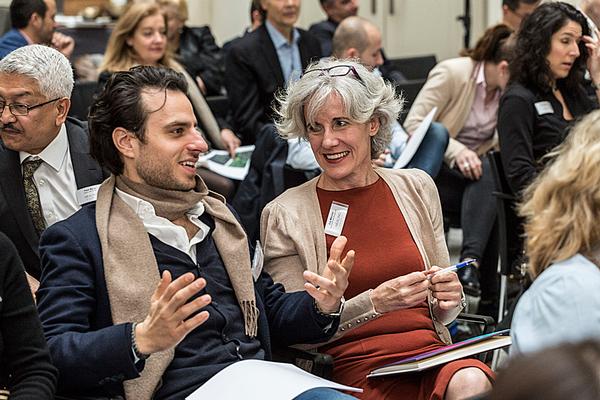
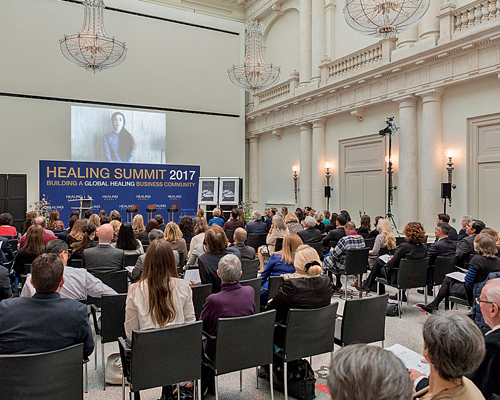
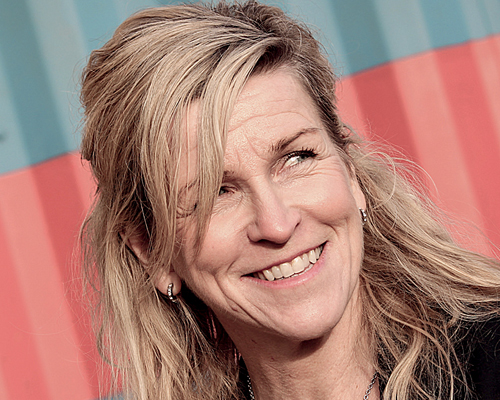
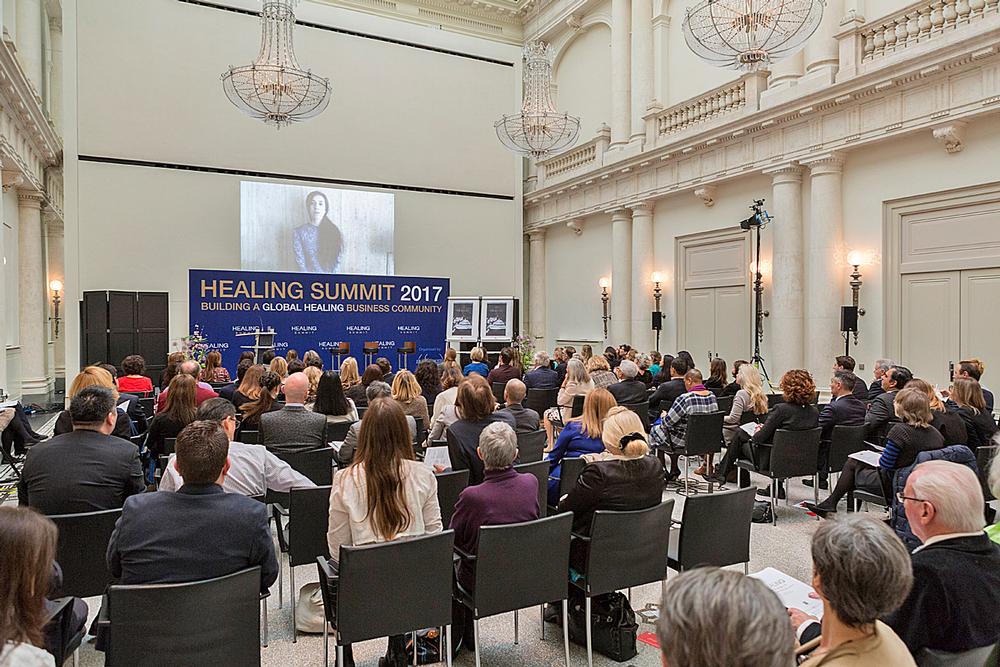
Just over 100 people from 23 countries gathered in Berlin in March for the 2017 Healing Summit. Jane Kitchen reports on CSR, emotional healing and more
By Jane Kitchen | Published in Spa Business 2017 issue 2
Delegates heard that socially responsible investing is the fastest growing segment of the investor community
Organised by the Healing Hotels of the World, the Healing Summit’s mission is to provide content and inspiration to help build a global healing business community.
The event looks at what role businesses can play in finding new awareness, understanding and tools that can help benefit humanity. Speakers from across the spa and wellness industry, and beyond, looked at ways in which we can help create not just healing spaces, but healing environments, from the top down.
“The world has changed in ways we didn’t think possible, but there’s still work for all of us to do,” said Anne Biging, founder and CEO of Healing Hotels of the World, as she opened the conference. “Business and doing good can actually live side-by-side – it’s not either/or.”
Standing out Samantha Foster, director at Bangkok-based Destination Spa Management, highlighted ways that spa and wellness centres can stand out in the healing sector. “You can be better, be different, or change the playing field,” she explained. Foster said spas can be better by providing exemplary service, such as a wellness advisory team, which can offer support on the whole spectrum of wellness, or through offering personalisation of services, including diagnostic testing. “From the inside out or the outside in, technology is helping us produce better results for our guests,” said Foster. “It’s happening whether we like it or not, so we have to decide to what extent we engage.”
Being different might include offering the same services, but in a new way or location, such as ‘heli-yoga’ on a remote mountain top, or entertainment-based group exercise, such as drumming, said Foster. “Look at the culture of where you are and how you can package that for wellness,” she suggested.
Corporate social responsibility Asa Siegel, holistic health counselor and founder of US-based Stamba Superfoods, which produces nutritional supplements, spoke about successfully integrating doing good into a business model.
“When you learn something positive about what a company is doing, and you have the opportunity to give your business to that company or to a competitor, which one do you choose?” Siegel asked. “The easiest way of understanding this shift in paradigm is to think about how simple that decision is.”
Siegel also said that socially responsible investing is now the fastest growing segment of the investor community, and that companies such as How Good, a New York-based organisation that monitors and rates food on the grounds of its sustainability – and makes that information available to consumers through an app – are “set up to grow, expand and completely change the way the business world works.”
Rupert Schmid, president of skincare brand Biologique Recherche, said that having a corporate social responsibility report is crucial for a company. “State what you’ve done and what you will do,” he said. “We have to link what we’re doing here with the real world. If you invest in CSR, if you take care of the stakeholders, if you invest in the long-term, then you’ll be more profitable in the long run.”
A shifting sense of connection Neuroscientist Dr Marjorie Woollacott looked at how meditation increases a sense of connection with the world around us. “We’re moving from individualism to a sense of interconnectedness, which fosters compassion,” she explained. “Activity-dependent neuroplasticity means that our brain is constantly being shaped by what we’re doing and what we think, and much of the time this happens unwittingly. We need to make a conscious shift in what’s coming into our brains.”
Consumers are feeling that change as well, and are increasingly looking for ways to connect and learn, said Stella Photi, founder and MD of Wellbeing Escapes, a travel company specialising in healthy holidays. “In 2007, people were looking for something that would make them look good,” she said. “Now, people are asking, ‘How can I be better and feel better?’”
Trends popular with her wellness clients include therapeutic rest, digital detox, tailor-made fitness and emotional healing. “People want to mend their hearts,” Photi said. “There are emotional traumas that happen and they manifest in our bodies – and finally people are realising this.”
Dr Mariela Silveira, co-owner and medical director at Kurotel Longevity Medical Center and Spa in Brazil, spoke about the science of wellness and the role spas can play in emotional healing. “Even adults who have been through childhood trauma can be positively stimulated through different opportunities and feelings,” she said. “The human brain has the amazing ability to change throughout life, regardless of the age people are.”
Dr Silveira looked at how a search for happiness has changed us culturally and biologically, with dopamine training us to look for the easy reward pathway of pleasure, distracting us from other, deeper emotions. “Happiness does not exist in the way our community and culture have tried to define it,” she explained. “We have this pressure to be happy all the time – we’ve never had this issue before. We’re searching for happiness, and we get distracted with pleasures.”
Read more from this issue of Attractions Management magazine
View contents of Attractions Management 2017 issue 2
Wellness communities: Europe
Part 2 of our series explores some of
the most exciting European wellness
communities in development
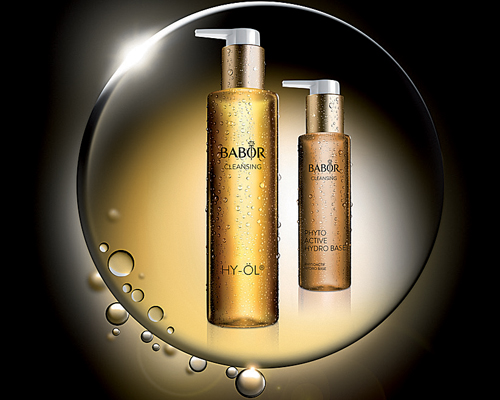
Promotional feature: Babor
CEO Michael Schummert explains how the
company’s expertise in results-driven treatments makes its precision
‘Made in Germany’ products more relevant than ever before
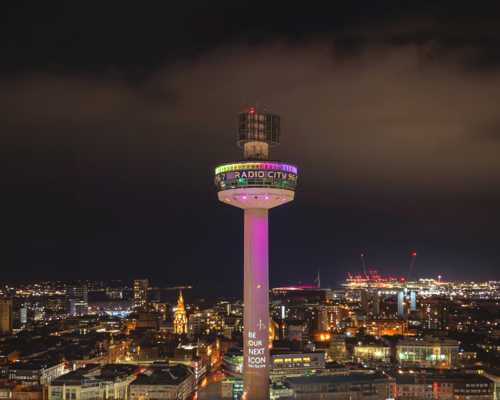
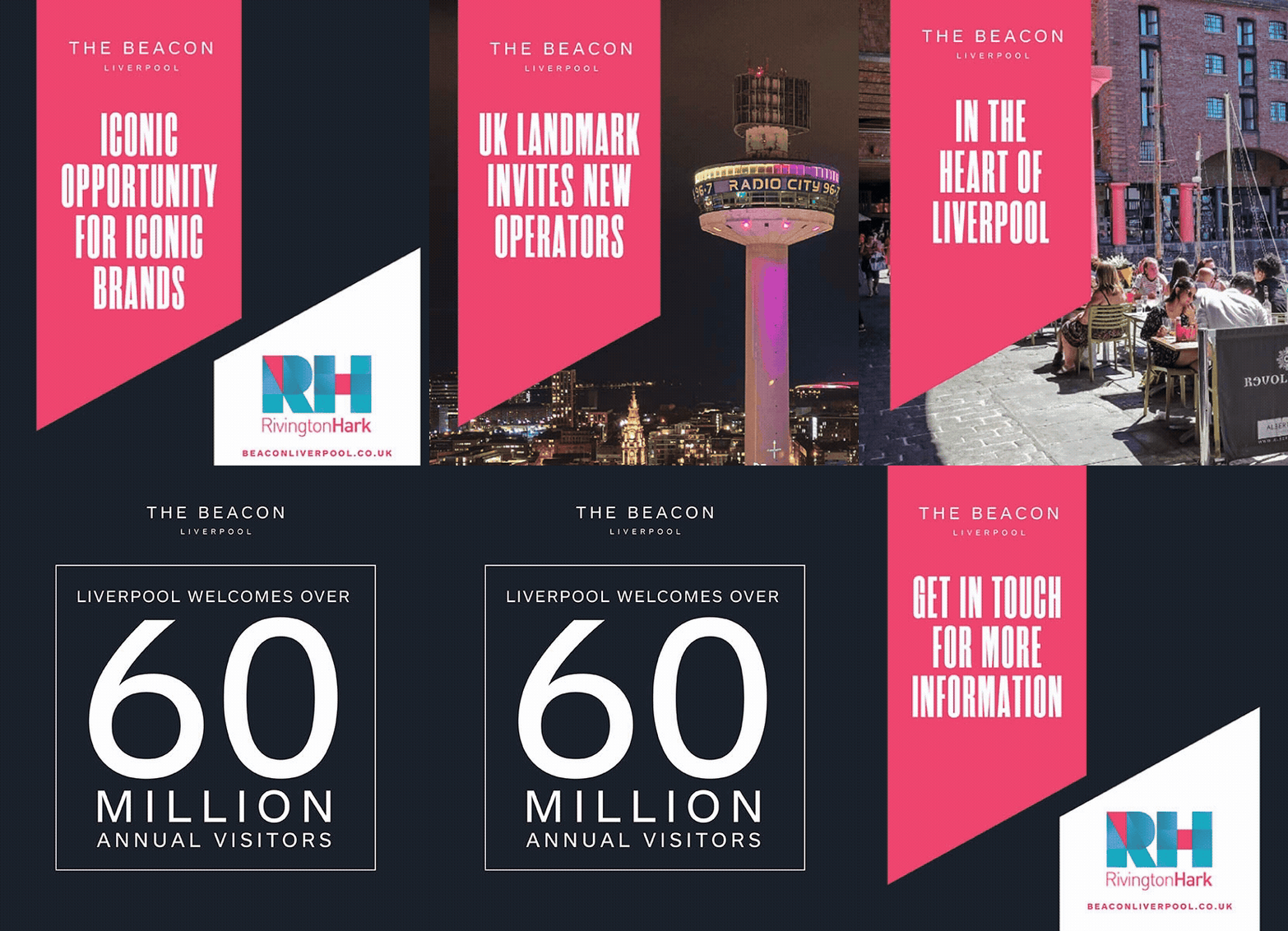
An opportunity to reimagine one of the UK’s most recognisable towers has been formally
opened by Rivington Hark, as St Johns Beacon invites operators and partners to shape its
next phase. [more...]
Just over 100 people from 23 countries gathered in Berlin in March for the 2017 Healing Summit. Jane Kitchen reports on CSR, emotional healing and more
By Jane Kitchen | Published in Spa Business 2017 issue 2
Delegates heard that socially responsible investing is the fastest growing segment of the investor community
Organised by the Healing Hotels of the World, the Healing Summit’s mission is to provide content and inspiration to help build a global healing business community.
The event looks at what role businesses can play in finding new awareness, understanding and tools that can help benefit humanity. Speakers from across the spa and wellness industry, and beyond, looked at ways in which we can help create not just healing spaces, but healing environments, from the top down.
“The world has changed in ways we didn’t think possible, but there’s still work for all of us to do,” said Anne Biging, founder and CEO of Healing Hotels of the World, as she opened the conference. “Business and doing good can actually live side-by-side – it’s not either/or.”
Standing out Samantha Foster, director at Bangkok-based Destination Spa Management, highlighted ways that spa and wellness centres can stand out in the healing sector. “You can be better, be different, or change the playing field,” she explained. Foster said spas can be better by providing exemplary service, such as a wellness advisory team, which can offer support on the whole spectrum of wellness, or through offering personalisation of services, including diagnostic testing. “From the inside out or the outside in, technology is helping us produce better results for our guests,” said Foster. “It’s happening whether we like it or not, so we have to decide to what extent we engage.”
Being different might include offering the same services, but in a new way or location, such as ‘heli-yoga’ on a remote mountain top, or entertainment-based group exercise, such as drumming, said Foster. “Look at the culture of where you are and how you can package that for wellness,” she suggested.
Corporate social responsibility Asa Siegel, holistic health counselor and founder of US-based Stamba Superfoods, which produces nutritional supplements, spoke about successfully integrating doing good into a business model.
“When you learn something positive about what a company is doing, and you have the opportunity to give your business to that company or to a competitor, which one do you choose?” Siegel asked. “The easiest way of understanding this shift in paradigm is to think about how simple that decision is.”
Siegel also said that socially responsible investing is now the fastest growing segment of the investor community, and that companies such as How Good, a New York-based organisation that monitors and rates food on the grounds of its sustainability – and makes that information available to consumers through an app – are “set up to grow, expand and completely change the way the business world works.”
Rupert Schmid, president of skincare brand Biologique Recherche, said that having a corporate social responsibility report is crucial for a company. “State what you’ve done and what you will do,” he said. “We have to link what we’re doing here with the real world. If you invest in CSR, if you take care of the stakeholders, if you invest in the long-term, then you’ll be more profitable in the long run.”
A shifting sense of connection Neuroscientist Dr Marjorie Woollacott looked at how meditation increases a sense of connection with the world around us. “We’re moving from individualism to a sense of interconnectedness, which fosters compassion,” she explained. “Activity-dependent neuroplasticity means that our brain is constantly being shaped by what we’re doing and what we think, and much of the time this happens unwittingly. We need to make a conscious shift in what’s coming into our brains.”
Consumers are feeling that change as well, and are increasingly looking for ways to connect and learn, said Stella Photi, founder and MD of Wellbeing Escapes, a travel company specialising in healthy holidays. “In 2007, people were looking for something that would make them look good,” she said. “Now, people are asking, ‘How can I be better and feel better?’”
Trends popular with her wellness clients include therapeutic rest, digital detox, tailor-made fitness and emotional healing. “People want to mend their hearts,” Photi said. “There are emotional traumas that happen and they manifest in our bodies – and finally people are realising this.”
Dr Mariela Silveira, co-owner and medical director at Kurotel Longevity Medical Center and Spa in Brazil, spoke about the science of wellness and the role spas can play in emotional healing. “Even adults who have been through childhood trauma can be positively stimulated through different opportunities and feelings,” she said. “The human brain has the amazing ability to change throughout life, regardless of the age people are.”
Dr Silveira looked at how a search for happiness has changed us culturally and biologically, with dopamine training us to look for the easy reward pathway of pleasure, distracting us from other, deeper emotions. “Happiness does not exist in the way our community and culture have tried to define it,” she explained. “We have this pressure to be happy all the time – we’ve never had this issue before. We’re searching for happiness, and we get distracted with pleasures.”
Read more from this issue of Attractions Management magazine
View contents of Attractions Management 2017 issue 2
Wellness communities: Europe
Part 2 of our series explores some of
the most exciting European wellness
communities in development
Promotional feature: Babor
CEO Michael Schummert explains how the
company’s expertise in results-driven treatments makes its precision
‘Made in Germany’ products more relevant than ever before
Hotel de France, located on the British Isle of Jersey, has created a wellness retreat package
that includes a hot yoga session that will take place in Jersey Zoo’s butterfly sanctuary.
A new immersive attraction designed to transport visitors into the final hours of ancient Pompeii
is preparing to open near the world-famous archaeological site in southern Italy.
Experience design company, BRC Imagination Arts, has completed a transition that sees founder
Bob Rogers pass ownership of the business to four long-serving senior executives, while
remaining actively involved with the company.
Movie Park Germany has opened a new Paramount Pictures-themed attraction as part of its 30th
anniversary celebrations, using immersive storytelling and adaptive reuse to reinforce the park’s
longstanding “Hollywood in Germany” positioning.
Therme Manchester’s 28-acre development, which will include interconnected glass pavilions
that measure 65,000sq m, will be the largest bathing and wellbeing attraction in the world once
complete, according to prof David Russell, CEO of Therme UK.
Efteling has opened Hooghmoed, a new family drop tower designed to broaden the appeal of its
recently launched Sirene Island themed area and introduce younger visitors to thrill attractions.
A proposed Puy du Fou development near Bicester and Universal Destinations and Experiences’
planned resort in Bedford are emerging as part of a wider transformation of the Oxford–
Cambridge Growth Corridor into a major centre for UK leisure and tourism inv
Shedd Aquarium has opened the Immersion Theater developed in partnership with SimEx-
Iwerks, as part of a wider strategy to enhance the guest experience and create additional
revenue opportunities.
The UK government has announced a temporary reduction in VAT on visitor attractions and
children’s meals as part of a summer cost-of-living support package designed to stimulate the
visitor economy and encourage family days out.
As designer Yinka Ilori prepares for his first solo gallery show in London, he speaks exclusively
to CLADmag about his mission to spread joy, the power of play, and his bold approach to using
colour (including the colours you won’t see in his work).
The government of Thailand is exploring plans for a THB300bn (£6.3bn, US$8.3bn)
entertainment complex in the country’s Eastern Economic Corridor (EEC), with officials
proposing a large-scale theme park and sports destination as part of a broader tourism and
economic development strategy.
+ More news
COMPANY PROFILES
IDEATTACK IDEATTACK is a full-service planning and
design company with headquarters in
Los Angeles. [more...]
instantprint We’re a Yorkshire-based online printer, founded
in 2009 by Adam Carnell and James Kinsella. [more...]
Holovis Holovis is a privately owned company
established in 2004 by CEO Stuart
Hetherington. [more...]
Polin Waterparks Polin was founded in Istanbul in 1976. Polin
has since grown into a leading company in
the waterpa [more...]
An opportunity to reimagine one of the UK’s most recognisable towers has been formally
opened by Rivington Hark, as St Johns Beacon invites operators and partners to shape its
next phase. [more...]