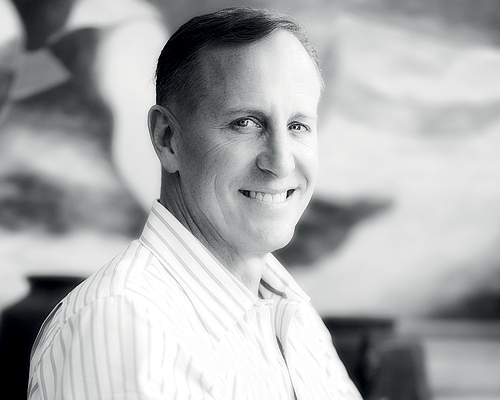
Steve Spiro, founder and managing partner at Global Halotherapy Solutions (GHS), wants to clarify the differences between halotherapy and Himalayan salt usage.
Halotherapy is the use of salt vapour to treat respiratory problems, skin complaints and stress, using a halogenerator – a machine that crushes large particles of pure pharmaceutical salt and disperses them as a dry salt aerosol. This allows the salt to be inhaled into the lungs, where it can deliver a number of different health benefits.
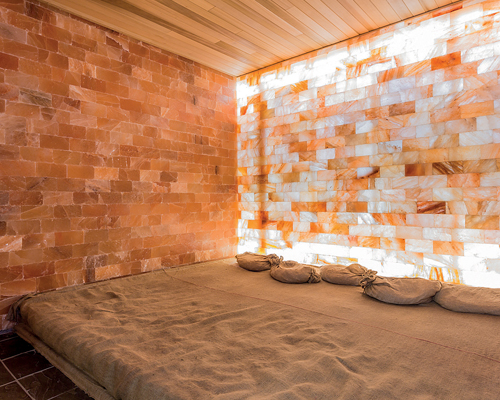
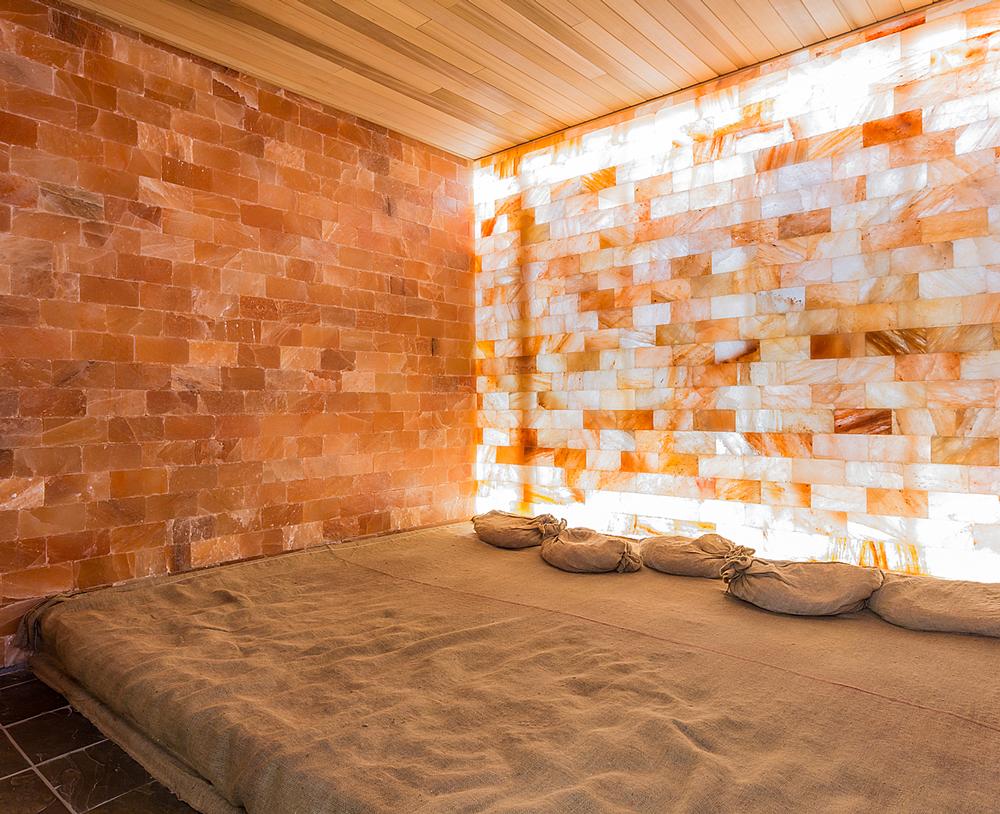
Himalayan salt treatments, on the other hand, may involve spending time in a room with salt-covered walls or salt crystals, but Spiro says without the halogenerator dispersing the crystals as an aerosol, the treatment is not as effective.
“Halogenerators produce halotherapy by crushing pure pharmaceutical salt into micro-particles that go deep into the lungs and on the skin,” explains Spiro. “That’s what halotherapy is – without a halogenerator it is just not halo therapy.”
When salt particles are inhaled into the lungs in aerosolized form, they have a number of health benefits for those suffering from asthma, chronic bronchitis, sinusitis, chronic obstructive pulmonary disease, cystic fibrosis, hayfever and other airborne allergies. Salt inhalation can also ease symptoms for those suffering with acute/chronic respiratory diseases, viral infections and chronic ear-nose-and-throat illnesses.
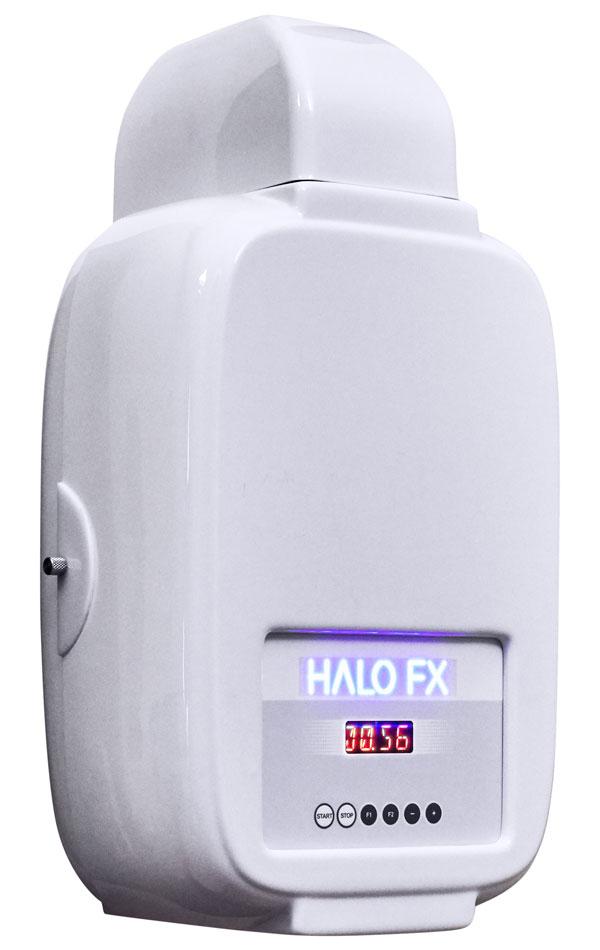
Global Halotherapy Solutions’ Halo FX halogenerator is designed to deliver a powerful and reliable halotherapy experience. It features a sleek, lightweight design that makes it easy to install, and has a number of settings that can be adapted to suit the customer’s needs.
It has recently been certified by Underwriter Laboratories (UL), an American company that ensures safety standards in electronics across the US.
Amy McDonald, spa and wellness advisor at GHS, says: “The Halo FX can be put into massage rooms or lounge areas, but it can also be put into movement studios. This allows operators to utilise the space available to earn revenue, and offer classes in a room that has the added health benefits of halotherapy. The Halo FX is also available on GHS’ pre-built equipment including salt beds, booths and cabins. ”
Spa-kit keywords: Global Halotherapy Solutions
Read more from this issue of Attractions Management magazine
View contents of Attractions Management 2017 issue 2
Wellness communities: Europe
Part 2 of our series explores some of
the most exciting European wellness
communities in development
Promotional feature: Babor
CEO Michael Schummert explains how the
company’s expertise in results-driven treatments makes its precision
‘Made in Germany’ products more relevant than ever before
Steve Spiro, founder and managing partner at Global Halotherapy Solutions (GHS), wants to clarify the differences between halotherapy and Himalayan salt usage.
Halotherapy is the use of salt vapour to treat respiratory problems, skin complaints and stress, using a halogenerator – a machine that crushes large particles of pure pharmaceutical salt and disperses them as a dry salt aerosol. This allows the salt to be inhaled into the lungs, where it can deliver a number of different health benefits.
Himalayan salt treatments, on the other hand, may involve spending time in a room with salt-covered walls or salt crystals, but Spiro says without the halogenerator dispersing the crystals as an aerosol, the treatment is not as effective.
“Halogenerators produce halotherapy by crushing pure pharmaceutical salt into micro-particles that go deep into the lungs and on the skin,” explains Spiro. “That’s what halotherapy is – without a halogenerator it is just not halo therapy.”
When salt particles are inhaled into the lungs in aerosolized form, they have a number of health benefits for those suffering from asthma, chronic bronchitis, sinusitis, chronic obstructive pulmonary disease, cystic fibrosis, hayfever and other airborne allergies. Salt inhalation can also ease symptoms for those suffering with acute/chronic respiratory diseases, viral infections and chronic ear-nose-and-throat illnesses.
Global Halotherapy Solutions’ Halo FX halogenerator is designed to deliver a powerful and reliable halotherapy experience. It features a sleek, lightweight design that makes it easy to install, and has a number of settings that can be adapted to suit the customer’s needs.
It has recently been certified by Underwriter Laboratories (UL), an American company that ensures safety standards in electronics across the US.
Amy McDonald, spa and wellness advisor at GHS, says: “The Halo FX can be put into massage rooms or lounge areas, but it can also be put into movement studios. This allows operators to utilise the space available to earn revenue, and offer classes in a room that has the added health benefits of halotherapy. The Halo FX is also available on GHS’ pre-built equipment including salt beds, booths and cabins. ”
Spa-kit keywords: Global Halotherapy Solutions
Read more from this issue of Attractions Management magazine
View contents of Attractions Management 2017 issue 2
Wellness communities: Europe
Part 2 of our series explores some of
the most exciting European wellness
communities in development
Promotional feature: Babor
CEO Michael Schummert explains how the
company’s expertise in results-driven treatments makes its precision
‘Made in Germany’ products more relevant than ever before
London Museum will open four new food and drink destinations when it launches its new home
at Smithfield on 28 November, making hospitality a central part of the visitor experience at one
of the capital's biggest cultural openings of the year.
OMA has completed a major transformation of New York's New Museum, creating a larger
cultural campus that combines expanded exhibition spaces with learning, performance,
hospitality and public programming.
A US$50 million (£44.2 million, €51.2 million) transformation of Chicago's historic McCormick
Mansion has created a new destination that combines live magic, immersive theatre, dining and
private membership under one roof.
The Montana Historical Society has officially celebrated the opening of its new Montana
Heritage
Center, a US$107 million (£79 million, €92 million) destination that combines immersive
storytelling with cutting-edge audiovisual technology to bring the sta
San Antonio Zoo has reported a US$283 million economic impact for 2025, following a decade-
long transformation programme that has seen almost US$200 million invested into the Texas
attraction.
Plans for the AU$180 million redevelopment of Reef HQ Aquarium in Townsville, Australia, are
progressing, with the project set to transform the attraction into a global centre for reef
education and conservation.
Abu Dhabi-based investment firm Mubadala Capital has made a binding, fully financed
€1 billion
offer to acquire Pierre and Vacances SA, the European holiday resort operator behind the
continental European Center Parcs business.
Disney has reaffirmed its commitment to investing US$30 billion in its US parks and cruise
business by 2033, using new America250 celebrations to underline the role its attractions play
in supporting jobs, tourism and economic growth.
Expo 2030 Riyadh is being planned as a permanent visitor destination, with organisers
confirming the six-million-square-metre site will become a Global Village after the event closes.
The owner of one of Australia's best-known waterparks has acquired a major competitor,
creating a new attractions business spanning two of the country's largest visitor destinations.