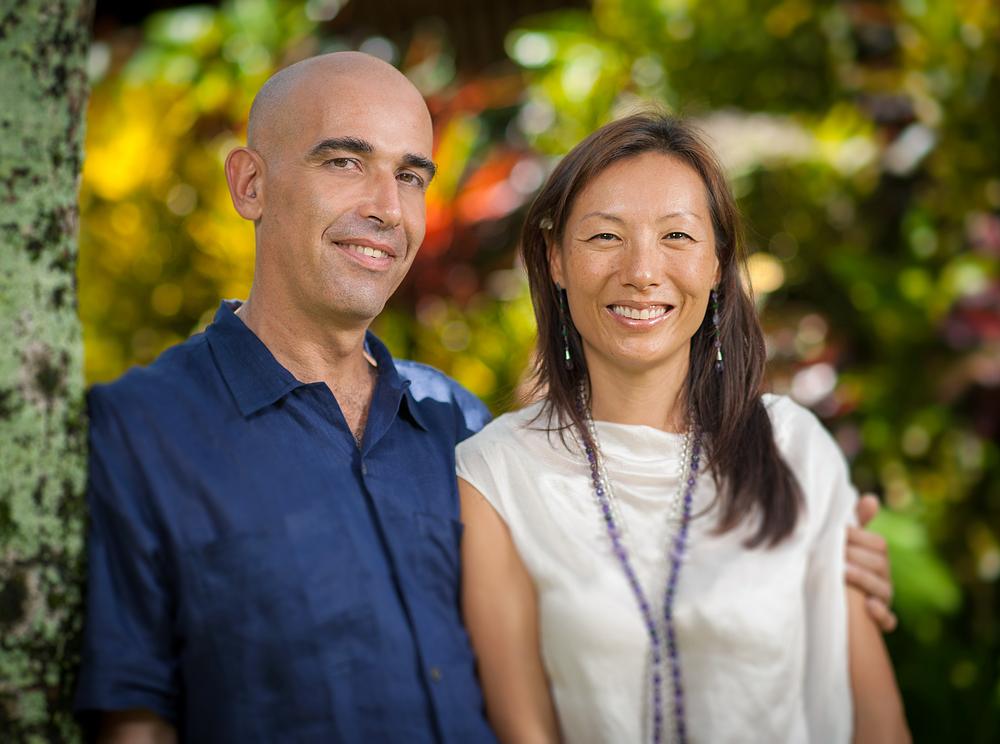
Lahra and Chicco Tatriele, the driving forces behind Bali’s Fivelements, have brought their integrated wellness lifestyle concept to Hong Kong. Neena Dhillon paid them a visit
By Neena Dhillon | Published in Spa Business 2017 issue 2
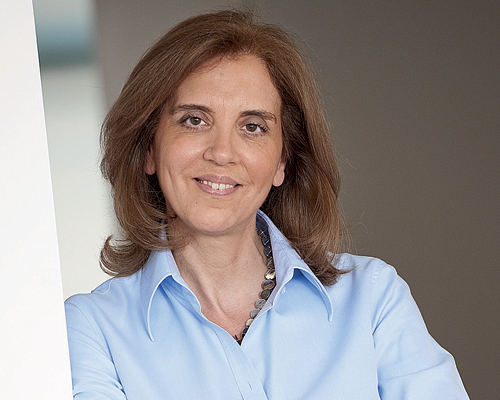
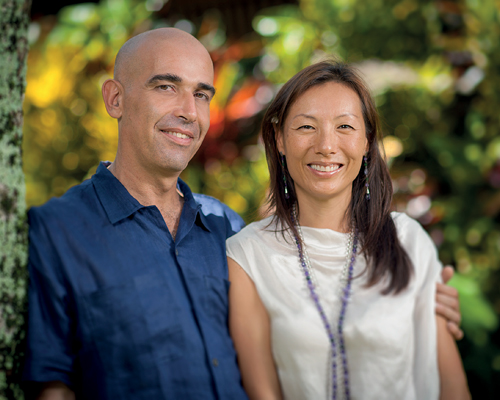
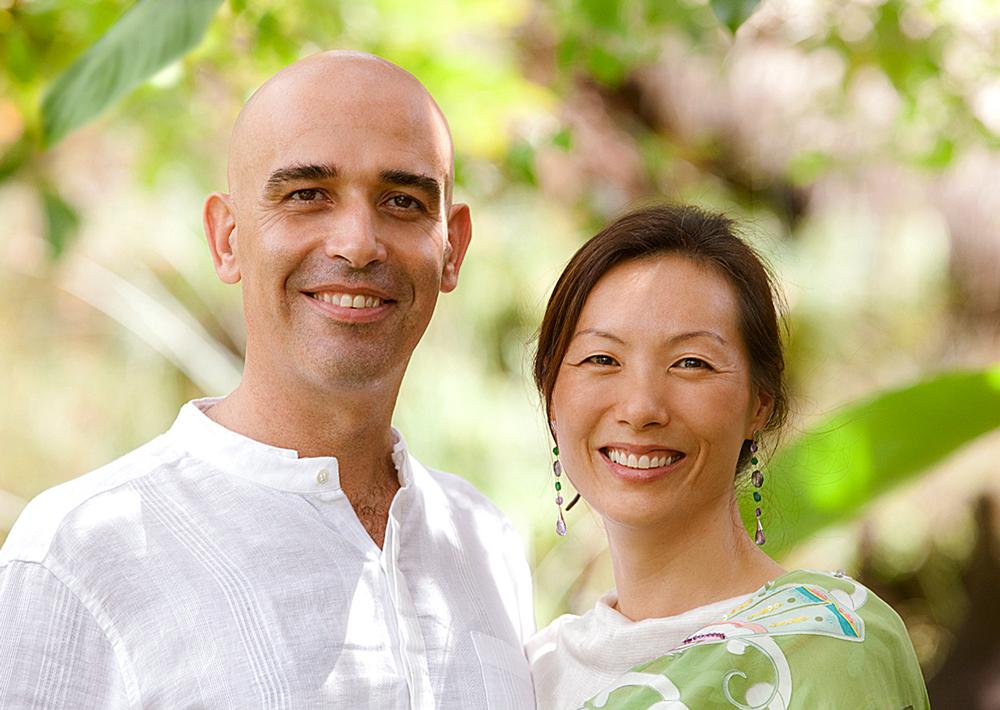
Founders Chicco and Lahra Tatriele have opened a Fivelements destination in Hong Kong
Having collected more than 30 awards recognising the spa, wellness, environmental, design and culinary aspects of its flagship Bali destination, Fivelements has launched its second location – an urban retreat in the hillside setting of Hong Kong’s Sai Kung district.
Those who are familiar with the company might have expected expansion to another Bali-like location – somewhere spiritual like Bhutan, where the harmonious connection to nature is fully respected. But it was always the intention of the founders to develop a model that would facilitate the company’s evolution into different environments: retreat destinations in culturally rich places, standalone urban retreats, wellness hubs in mixed-use developments, or culinary academies and restaurants serving their innovative plant-based cuisine. Talks are underway with developers in various countries, but for now, Hong Kong is a major step, as the Fivelements team introduces its wellness concept to a financial city centre.
“People want wellness where they live,” says co-founder and vision director Lahra Tatriele. “We see the strategic opportunity to bring wellness services close to people who need and demand them the most. This urban model allows us to continue supporting guests over time, versus one- or two-week immersions in a destination retreat. The financial potential is great given the density of population.”
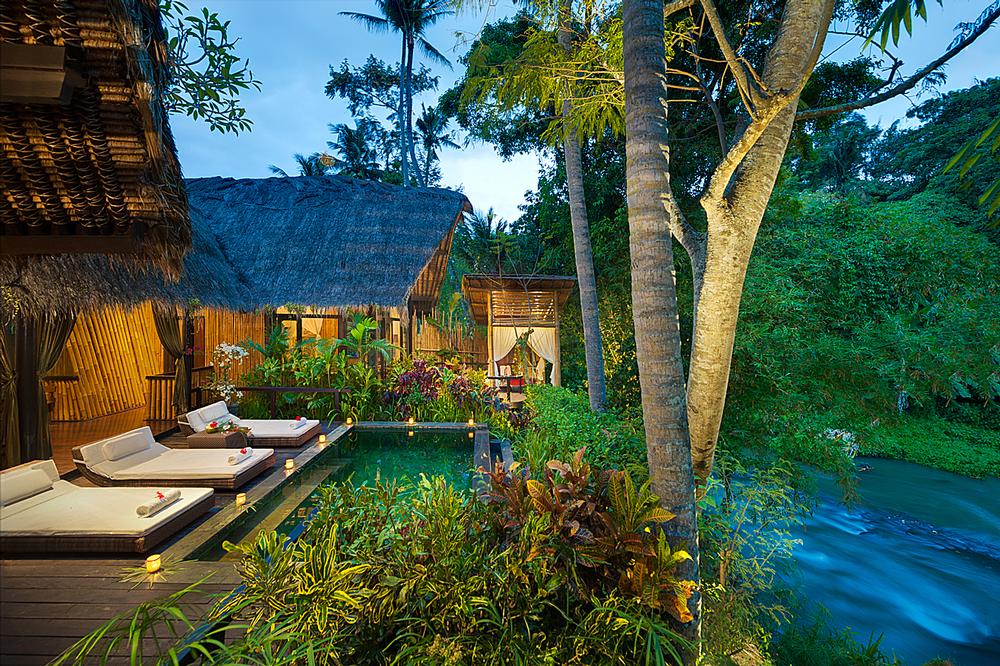
Making an impact Founded by six people – including four unnamed investors – hailing from Italy and the US, the first Fivelements opened in late 2010 near Ubud, along Bali’s Ayung River, through an investment of US$3.5m. With a combined background of strategic planning, brand development, production, creative entrepreneurship and hospitality, Lahra and her husband Chicco met over their deeply ingrained love of Bali; Lahra had wanted to make a bigger impact on the world, and Chicco was interested in opening a healing centre and eco resort. Their visions were merged, resulting in a mission to integrate traditional healing wisdoms and philosophies with innovative wellness concepts. Drawing on the ancient culture of Bali, the philosophy of Tri Hita Karana guides everything they do, calling as it does for a harmonious connection between humans, the physical environment and the divine.
“We don’t offer clinical-oriented wellness,” points out co-founder and managing director Chicco Tatriele. “What we decided to do in Bali was to create spaces for people seeking some type of life transformation, enabling that journey. You can access our Bali retreat in a number of ways, from a delicious lunch to dropping in for a beauty ritual, but where we measure our real success is the feedback from our retreaters. One of our guests refers to us as the ‘change angels.’”
Retreats vary from three to 21 nights. The signature rejuvenation retreat entails a body ritual upon check-in, followed by a consultation with a Wellness Liaison so the team can identify the physical and mental areas of the guest’s life needing attention. During seven days, a guest might experience a Balinese blessing ceremony, energetic healing sessions, water healing, massages, yoga, meditation, beauty rituals, a sacred art such as expressive movement – and advice on how to continue embracing change at home. Just as importantly, the epicurean plant-based cuisine – with a focus on raw food nutrition to improve the body’s physiological state – plays a role, as does the design of the destination, which is embedded in nature. The seven-night Panca Mahabuta Retreat costs IDR70,930,000 (US$5,289, €5,000, £4349), plus taxes based on single occupancy.
“Our Bali clients are high-flyers in stressful jobs,” says Chicco. “As early adopters of the wellness lifestyle, they are well-travelled, but seek something deeper – a reconnection to nature and to themselves. The longer the stay, the bigger the transformation – although we’ve seen people come for a long lunch and noticed a change in energy levels.”
The Bali location works on a boutique level, with just nine hotel suites and 13 treatment rooms. Chicco points out that the Bali model is not typical: “In a destination resort, you might have a spa make a maximum of 10 per cent of revenue. We have more treatment rooms than suites to cater for day visits and retreats, which are popular in Bali. This means 45 per cent of our revenue comes from wellness, 30 per cent from rooms and 25 per cent from F&B.”
When asked to quantify success, Chicco underlines that their concept is about human experience, and refers to impressive testimonials online. The destination retreat became profitable in its fourth year, with an average occupancy of 85 per cent. Fivelements aims to add 12 more suites and a professional culinary training kitchen to accommodate food-based retreats. “We have the capacity to add rooms without making too many changes because we already employ a high number of staff – 75 in Bali,” he says.
Sustainable style The new Hong Kong venture varies in a few key ways. As the territory’s first holistic sports wellness destination, the Hong Kong Golf & Tennis Academy is owned by New World Development, with Fivelements one of three operators alongside the Jack Nicklaus Academy of Golf and Bruguera Tennis Academy. Access to the eight-hectare site is through an annual admission payment, which is available to individuals, families and corporations. Located in a cul-de-sac, Fivelements Hong Kong occupies a 2,000sq m (21,528sq ft) wellness centre with 2,000sq m of landscaping.
Lahra sets the scene: “Applying our guiding principle of Tri Hita Karana, we have designed north and south gardens with a palpable energy distinct from the rest of the academy, cultivating a tropical sanctuary feel, with landscaping handpicked in China and Indonesia for an integrative Fivelements style.
“Our Royal Tea Lounge overlooks a terraced garden of tropical foliage, fruit trees, flora and medicinal plants.”
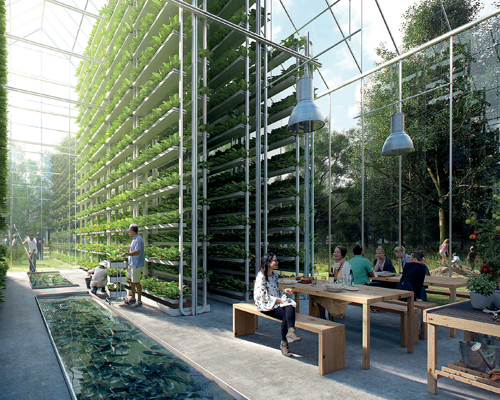
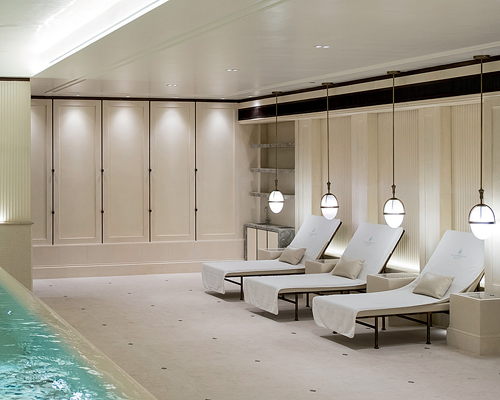
The 12 wellness suites with private ensuite facilities, along with the food and beverage outlets, provide a connection to nature in the interiors through stone waterfall features, natural curved walls and fittings made from unprocessed materials, renewable bamboo, recycled timbers, rattan and reclaimed wood furnishings. Most of the suites include Fivelements’ signature hand-carved volcanic stone bathtub, and the team is now applying for the local sustainability certificate, Beam Plus Interiors. In addition to renewable materials, other environmentally-friendly practices include the use of low-flow water fixtures, energy-efficient lighting, and attention to indoor air quality.
Because of the academy’s patrons, Fivelements Hong Kong expects to support athlete training and family wellness, mostly through non-residential visits, although the academy does offer accommodation, so short wellness stays are possible. But does this model have its limitations in terms of client base?
“Yes – however, the patrons are part of our target market, so we have the opportunity to cater to those already interested in health, sports and wellbeing for themselves and their families,” Lahra says. “The academy is making a big effort to bring in MICE business, so we’re able to offer executive wellness programmes too.”
From a financial perspective, the model allows Fivelements to expand with low capital investment and limited risk.
Drawing on tradition Whenever Fivelements expands, the intention is to draw from the destination in terms of shaping the healing approach. New World Development didn’t want traditional Chinese Medicine because it is widely available across Hong Kong, so Lahra instead worked with her team and consultant Professor Gerry Bodeker to study the centuries-old trade and tributary relations between Bali and Imperial China.
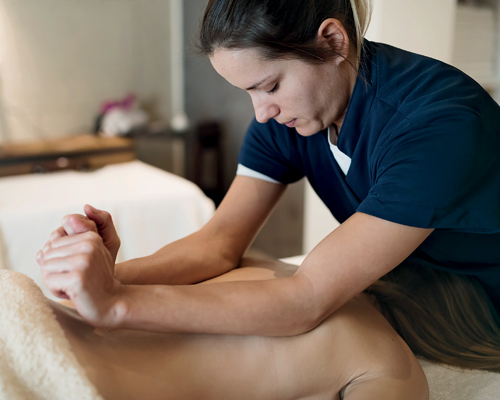
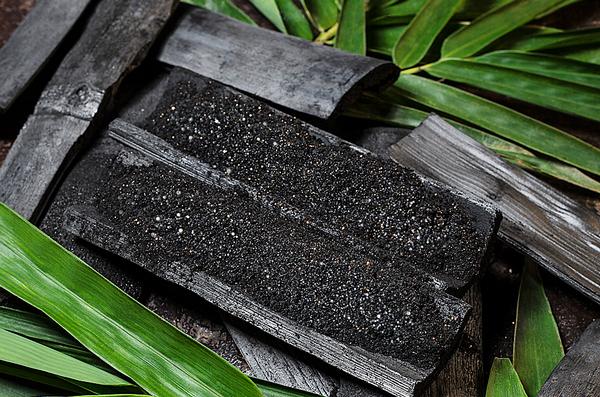
Breaking this down to a second round of research, the team looked at the traditions used by Balinese royal families, midwives and healers. “Hair ash was a common ingredient in ancient rituals, but it isn’t plant-sourced, so we modified our search for an ingredient with the same intention,” says Lahra. “Having found toxin-absorbing, mineral-rich carbonised black bamboo powder, we are now using this in our Signature Black Diamond Detox that combines deep body exfoliation with a back, neck and shoulder massage to enhance circulatory movement, which is ideal for golf and tennis players.”
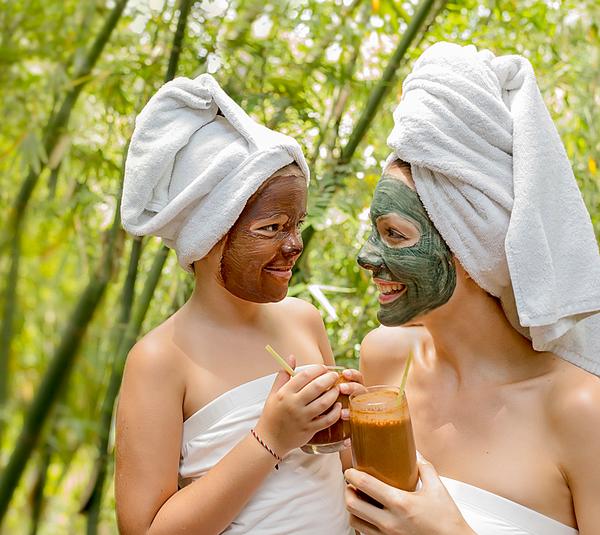
Intriguing ingredients feature heavily on the 80-page treatment menu, including a Balinese medicinal spice mix in a body scrub; white kaolin clay and green tea powder in a skin-rejuvenating therapy; cacao butter in a child-friendly treatment for those aged between five and 11; and live vegan ingredients ranging from turmeric, centella asiatica, neem, honey and coconut milk in a superfood facial.
Children and teens are well catered for. There is even a massage for babies, where therapists show parents how to perform a simple massage on the baby post-bathing, just as the Balinese have done for years.
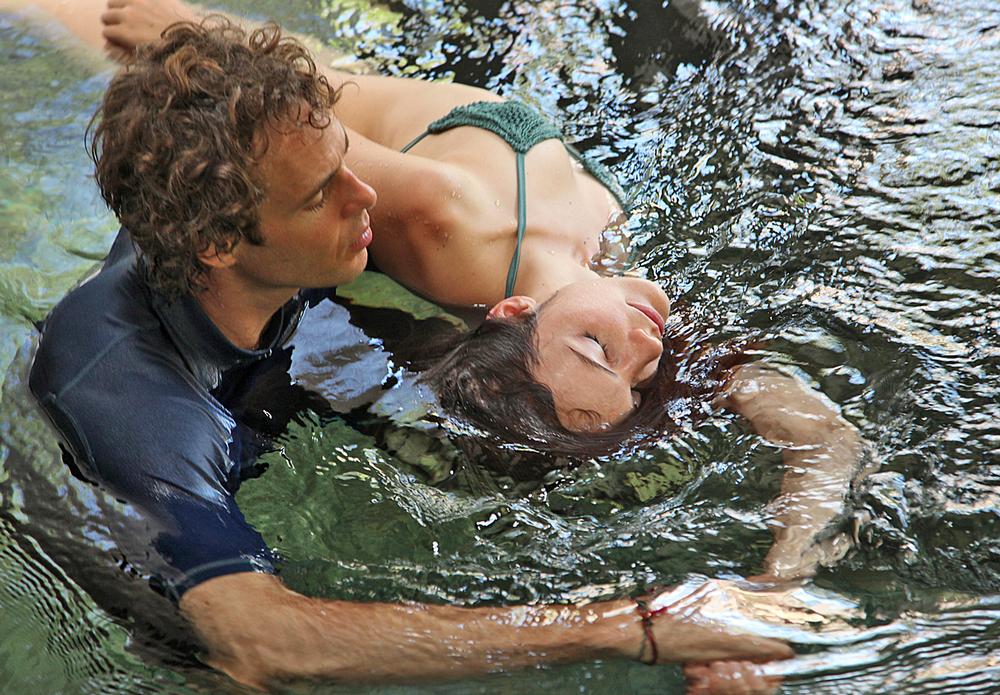
Fivelements has not cut back on its signature spiritual and intuitive treatments, offering energetic healing, including a tea ceremony meditation, a meditative journey to the sounds of a gong, and water healing in a watsu hydrotherapy pool. Michael Hallock, a professional with more than 20 years of experience, leads these water-based sessions, guiding the body through an unfolding rhythmic dance in the pool.
Fivelements has not adopted a cookie-cutter copy of its Bali menu in Hong Kong, choosing instead to research new rituals and therapies for its target audience in Sai Kung. Taking the time-starved, urban clientele into account, the offer ranges from 45-minute therapies to three-night retreats. Yet the guiding philosophy and integrated approach to design, sustainability, wellness and nutrition remain intact, anchoring the Fivelements concept in its new Hong Kong home.
Read more from this issue of Attractions Management magazine
View contents of Attractions Management 2017 issue 2
Wellness communities: Europe
Part 2 of our series explores some of
the most exciting European wellness
communities in development
Promotional feature: Babor
CEO Michael Schummert explains how the
company’s expertise in results-driven treatments makes its precision
‘Made in Germany’ products more relevant than ever before
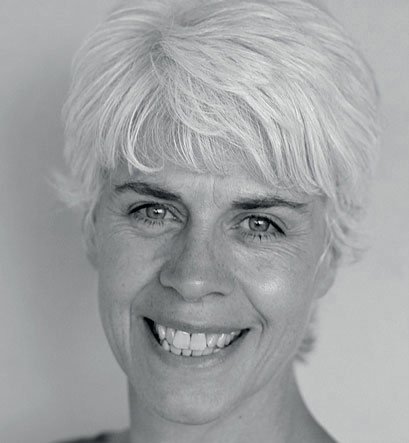
In July 2016, Sharon Codner joined Fivelements Hong Kong as wellness operations director, after nine years with The Peninsula Hotels. The move came at a time when she was seeking personal and professional growth. “I was lucky enough to be invited to Bali,” she recalls. “One of the first things I noticed was how tasty the plant-based cuisine was, its purity, and the commitment to sourcing locally. I was taken on a healing journey around Nusa Penida island, something I’ve never done before and wouldn’t choose normally. But I was mind-blown by the experience, and felt it was indicative of the attention Lahra and Chicco give to their people.”
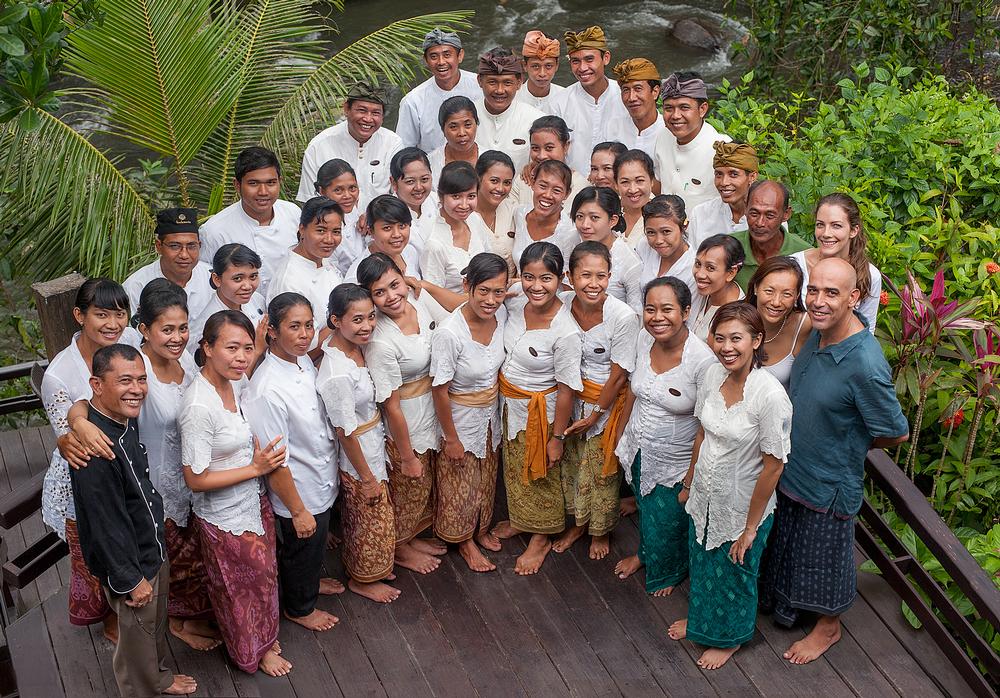
The Fivelements team adopt a service philosophy called ‘Love in Action’ and for the co-founders, this means starting with their team. Staff members begin their day with yoga or meditation and are taken on healing journeys around pilgrimage, cultural and natural sites. Codner says this approach struck a chord.
“What I saw in Bali was an integration of all different aspects of wellness that is authentic, real, and filters from top down. I think the industry has forgotten this heart-based aspect of what we do, about caring for staff and guests, rather than just thinking about numbers, and paying attention to the environments they are in.”
Aside from setting up the 40-strong Hong Kong team, Codner has sourced vegan and biodegradable products, including unbleached cotton, linens, cruelty-free products and pure essential oils from one of Australia’s leading aromatherapy producers, and organic bath products from Thailand. Eschewing bottled water on site, aiming for an operation that is zero waste to landfill this year and contributing to local conservation projects are some of the ways in which the Hong Kong team is working to take care of its environment.
"What I saw in Bali was an integration of all different aspects of wellness that is authentic, real, and filters from the top down" - Sharon Codner
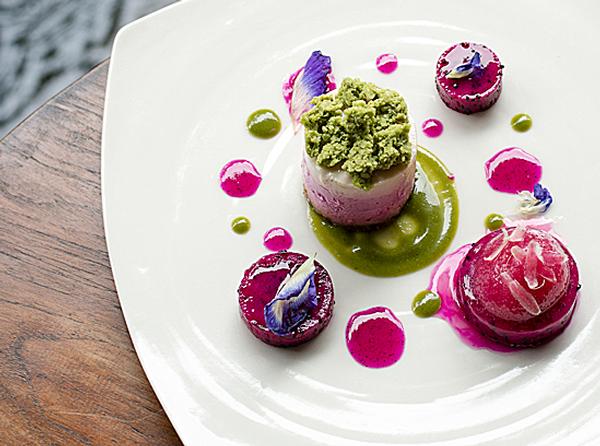
The epicurean plant-based cuisine is important in the concept
The first Fivelements opened in 2010 in Bali, and offers retreats from three to 21 nights
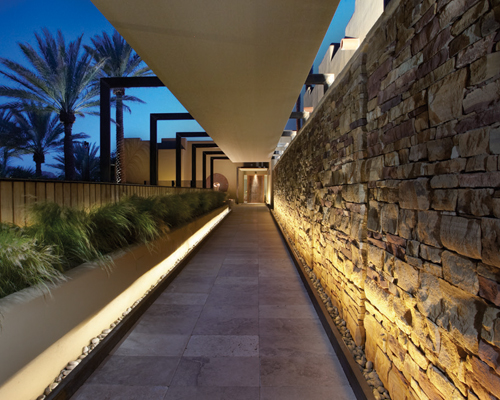
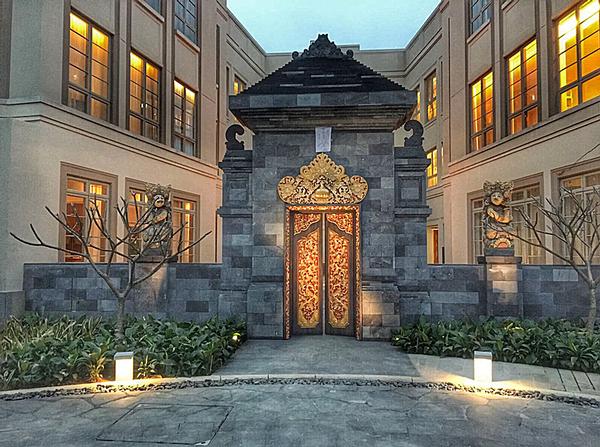
The entrance to Fivelements Hong Kong, which is part of the Hong Kong Golf & Tennis Academy
Fivelements Hong Kong
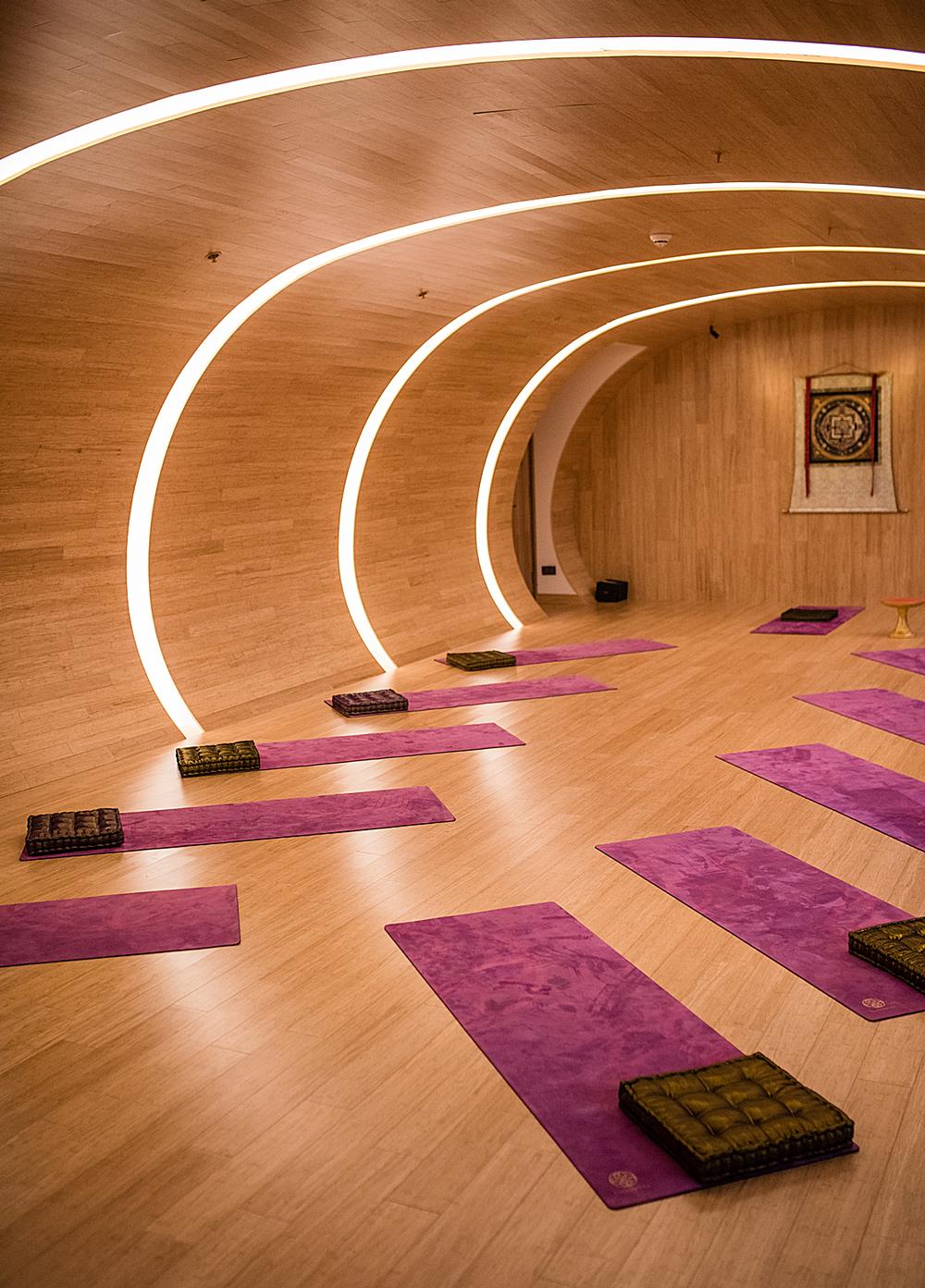
aims to provide a connection to nature through its interiors
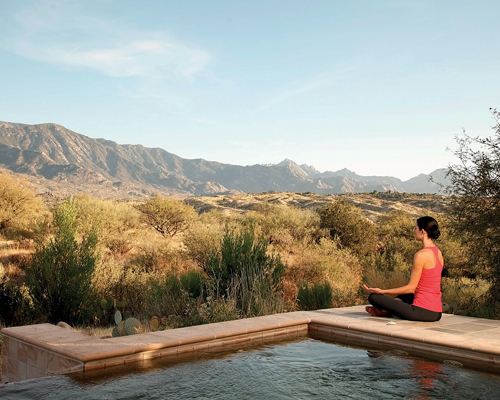
The natural setting of Fivelements’ Bali location
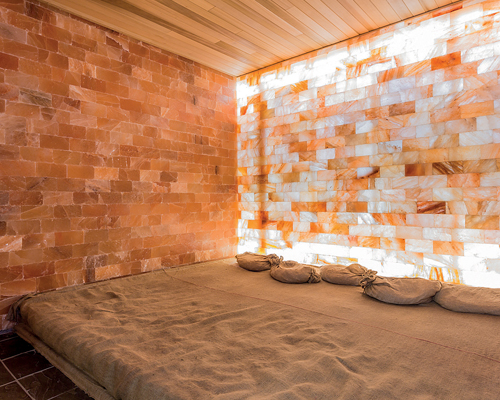
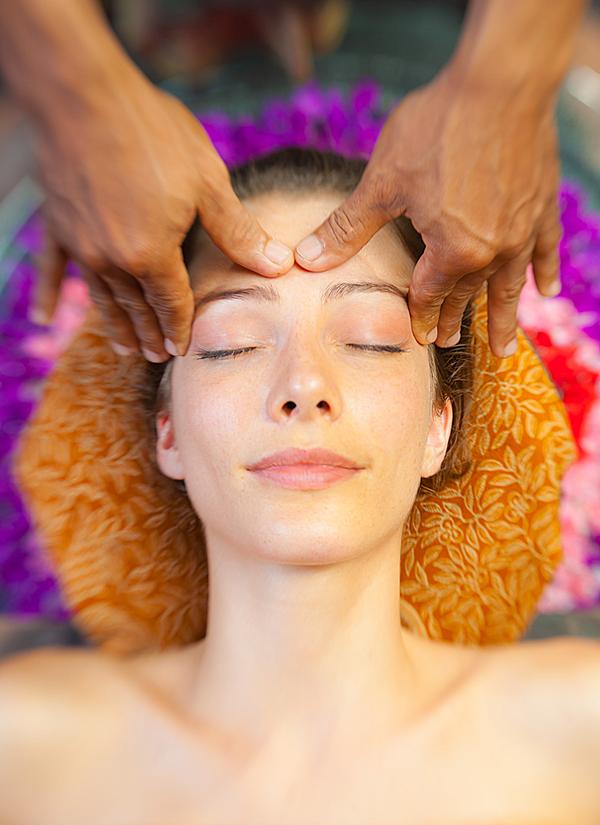
New rituals and therapies were specially designed for Fivelements’ first urban spa
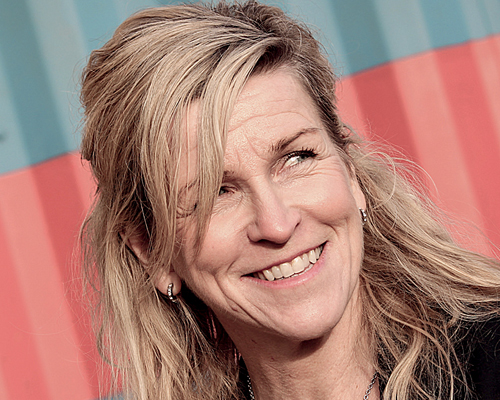
The philosophy of Tri Hita Karana guides everything Chicco and Lahra Tatriele do
Mineral-rich carbonised black bamboo powder is a plant-based alternative to traditional hair ash, and is used in signature treatments
Therapies for children at Fivelements Hong Kong
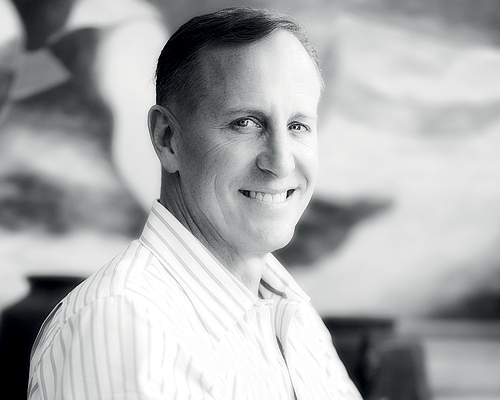
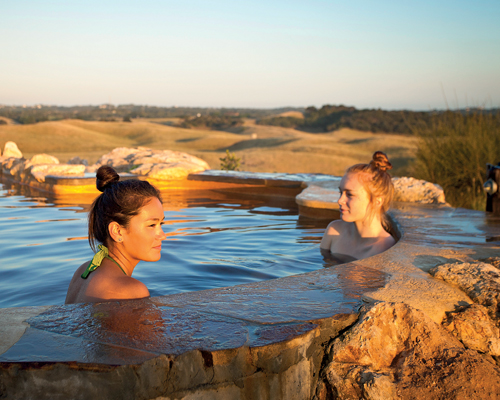
Michael Hallock leads water-based sessions
COMPANY PROFILES
Clip 'n Climb
Clip ‘n Climb currently offers facility owners and
investors more than 40 colourful and unique
Cha [more...]
Sally Corporation
Our services include: Dark ride design & build; Redevelopment of existing attractions; High-quality [more...]
IDEATTACK
IDEATTACK is a full-service planning and
design company with headquarters in
Los Angeles. [more...]
RMA Ltd
RMA Ltd is a one-stop global company
that can design, build and produce from a
greenfield site upw [more...]
Lahra and Chicco Tatriele, the driving forces behind Bali’s Fivelements, have brought their integrated wellness lifestyle concept to Hong Kong. Neena Dhillon paid them a visit
By Neena Dhillon | Published in Spa Business 2017 issue 2
Founders Chicco and Lahra Tatriele have opened a Fivelements destination in Hong Kong
Having collected more than 30 awards recognising the spa, wellness, environmental, design and culinary aspects of its flagship Bali destination, Fivelements has launched its second location – an urban retreat in the hillside setting of Hong Kong’s Sai Kung district.
Those who are familiar with the company might have expected expansion to another Bali-like location – somewhere spiritual like Bhutan, where the harmonious connection to nature is fully respected. But it was always the intention of the founders to develop a model that would facilitate the company’s evolution into different environments: retreat destinations in culturally rich places, standalone urban retreats, wellness hubs in mixed-use developments, or culinary academies and restaurants serving their innovative plant-based cuisine. Talks are underway with developers in various countries, but for now, Hong Kong is a major step, as the Fivelements team introduces its wellness concept to a financial city centre.
“People want wellness where they live,” says co-founder and vision director Lahra Tatriele. “We see the strategic opportunity to bring wellness services close to people who need and demand them the most. This urban model allows us to continue supporting guests over time, versus one- or two-week immersions in a destination retreat. The financial potential is great given the density of population.”
Making an impact Founded by six people – including four unnamed investors – hailing from Italy and the US, the first Fivelements opened in late 2010 near Ubud, along Bali’s Ayung River, through an investment of US$3.5m. With a combined background of strategic planning, brand development, production, creative entrepreneurship and hospitality, Lahra and her husband Chicco met over their deeply ingrained love of Bali; Lahra had wanted to make a bigger impact on the world, and Chicco was interested in opening a healing centre and eco resort. Their visions were merged, resulting in a mission to integrate traditional healing wisdoms and philosophies with innovative wellness concepts. Drawing on the ancient culture of Bali, the philosophy of Tri Hita Karana guides everything they do, calling as it does for a harmonious connection between humans, the physical environment and the divine.
“We don’t offer clinical-oriented wellness,” points out co-founder and managing director Chicco Tatriele. “What we decided to do in Bali was to create spaces for people seeking some type of life transformation, enabling that journey. You can access our Bali retreat in a number of ways, from a delicious lunch to dropping in for a beauty ritual, but where we measure our real success is the feedback from our retreaters. One of our guests refers to us as the ‘change angels.’”
Retreats vary from three to 21 nights. The signature rejuvenation retreat entails a body ritual upon check-in, followed by a consultation with a Wellness Liaison so the team can identify the physical and mental areas of the guest’s life needing attention. During seven days, a guest might experience a Balinese blessing ceremony, energetic healing sessions, water healing, massages, yoga, meditation, beauty rituals, a sacred art such as expressive movement – and advice on how to continue embracing change at home. Just as importantly, the epicurean plant-based cuisine – with a focus on raw food nutrition to improve the body’s physiological state – plays a role, as does the design of the destination, which is embedded in nature. The seven-night Panca Mahabuta Retreat costs IDR70,930,000 (US$5,289, €5,000, £4349), plus taxes based on single occupancy.
“Our Bali clients are high-flyers in stressful jobs,” says Chicco. “As early adopters of the wellness lifestyle, they are well-travelled, but seek something deeper – a reconnection to nature and to themselves. The longer the stay, the bigger the transformation – although we’ve seen people come for a long lunch and noticed a change in energy levels.”
The Bali location works on a boutique level, with just nine hotel suites and 13 treatment rooms. Chicco points out that the Bali model is not typical: “In a destination resort, you might have a spa make a maximum of 10 per cent of revenue. We have more treatment rooms than suites to cater for day visits and retreats, which are popular in Bali. This means 45 per cent of our revenue comes from wellness, 30 per cent from rooms and 25 per cent from F&B.”
When asked to quantify success, Chicco underlines that their concept is about human experience, and refers to impressive testimonials online. The destination retreat became profitable in its fourth year, with an average occupancy of 85 per cent. Fivelements aims to add 12 more suites and a professional culinary training kitchen to accommodate food-based retreats. “We have the capacity to add rooms without making too many changes because we already employ a high number of staff – 75 in Bali,” he says.
Sustainable style The new Hong Kong venture varies in a few key ways. As the territory’s first holistic sports wellness destination, the Hong Kong Golf & Tennis Academy is owned by New World Development, with Fivelements one of three operators alongside the Jack Nicklaus Academy of Golf and Bruguera Tennis Academy. Access to the eight-hectare site is through an annual admission payment, which is available to individuals, families and corporations. Located in a cul-de-sac, Fivelements Hong Kong occupies a 2,000sq m (21,528sq ft) wellness centre with 2,000sq m of landscaping.
Lahra sets the scene: “Applying our guiding principle of Tri Hita Karana, we have designed north and south gardens with a palpable energy distinct from the rest of the academy, cultivating a tropical sanctuary feel, with landscaping handpicked in China and Indonesia for an integrative Fivelements style.
“Our Royal Tea Lounge overlooks a terraced garden of tropical foliage, fruit trees, flora and medicinal plants.”
The 12 wellness suites with private ensuite facilities, along with the food and beverage outlets, provide a connection to nature in the interiors through stone waterfall features, natural curved walls and fittings made from unprocessed materials, renewable bamboo, recycled timbers, rattan and reclaimed wood furnishings. Most of the suites include Fivelements’ signature hand-carved volcanic stone bathtub, and the team is now applying for the local sustainability certificate, Beam Plus Interiors. In addition to renewable materials, other environmentally-friendly practices include the use of low-flow water fixtures, energy-efficient lighting, and attention to indoor air quality.
Because of the academy’s patrons, Fivelements Hong Kong expects to support athlete training and family wellness, mostly through non-residential visits, although the academy does offer accommodation, so short wellness stays are possible. But does this model have its limitations in terms of client base?
“Yes – however, the patrons are part of our target market, so we have the opportunity to cater to those already interested in health, sports and wellbeing for themselves and their families,” Lahra says. “The academy is making a big effort to bring in MICE business, so we’re able to offer executive wellness programmes too.”
From a financial perspective, the model allows Fivelements to expand with low capital investment and limited risk.
Drawing on tradition Whenever Fivelements expands, the intention is to draw from the destination in terms of shaping the healing approach. New World Development didn’t want traditional Chinese Medicine because it is widely available across Hong Kong, so Lahra instead worked with her team and consultant Professor Gerry Bodeker to study the centuries-old trade and tributary relations between Bali and Imperial China.
Breaking this down to a second round of research, the team looked at the traditions used by Balinese royal families, midwives and healers. “Hair ash was a common ingredient in ancient rituals, but it isn’t plant-sourced, so we modified our search for an ingredient with the same intention,” says Lahra. “Having found toxin-absorbing, mineral-rich carbonised black bamboo powder, we are now using this in our Signature Black Diamond Detox that combines deep body exfoliation with a back, neck and shoulder massage to enhance circulatory movement, which is ideal for golf and tennis players.”
Intriguing ingredients feature heavily on the 80-page treatment menu, including a Balinese medicinal spice mix in a body scrub; white kaolin clay and green tea powder in a skin-rejuvenating therapy; cacao butter in a child-friendly treatment for those aged between five and 11; and live vegan ingredients ranging from turmeric, centella asiatica, neem, honey and coconut milk in a superfood facial.
Children and teens are well catered for. There is even a massage for babies, where therapists show parents how to perform a simple massage on the baby post-bathing, just as the Balinese have done for years.
Fivelements has not cut back on its signature spiritual and intuitive treatments, offering energetic healing, including a tea ceremony meditation, a meditative journey to the sounds of a gong, and water healing in a watsu hydrotherapy pool. Michael Hallock, a professional with more than 20 years of experience, leads these water-based sessions, guiding the body through an unfolding rhythmic dance in the pool.
Fivelements has not adopted a cookie-cutter copy of its Bali menu in Hong Kong, choosing instead to research new rituals and therapies for its target audience in Sai Kung. Taking the time-starved, urban clientele into account, the offer ranges from 45-minute therapies to three-night retreats. Yet the guiding philosophy and integrated approach to design, sustainability, wellness and nutrition remain intact, anchoring the Fivelements concept in its new Hong Kong home.
Read more from this issue of Attractions Management magazine
View contents of Attractions Management 2017 issue 2
Wellness communities: Europe
Part 2 of our series explores some of
the most exciting European wellness
communities in development
Promotional feature: Babor
CEO Michael Schummert explains how the
company’s expertise in results-driven treatments makes its precision
‘Made in Germany’ products more relevant than ever before
In July 2016, Sharon Codner joined Fivelements Hong Kong as wellness operations director, after nine years with The Peninsula Hotels. The move came at a time when she was seeking personal and professional growth. “I was lucky enough to be invited to Bali,” she recalls. “One of the first things I noticed was how tasty the plant-based cuisine was, its purity, and the commitment to sourcing locally. I was taken on a healing journey around Nusa Penida island, something I’ve never done before and wouldn’t choose normally. But I was mind-blown by the experience, and felt it was indicative of the attention Lahra and Chicco give to their people.”
The Fivelements team adopt a service philosophy called ‘Love in Action’ and for the co-founders, this means starting with their team. Staff members begin their day with yoga or meditation and are taken on healing journeys around pilgrimage, cultural and natural sites. Codner says this approach struck a chord.
“What I saw in Bali was an integration of all different aspects of wellness that is authentic, real, and filters from top down. I think the industry has forgotten this heart-based aspect of what we do, about caring for staff and guests, rather than just thinking about numbers, and paying attention to the environments they are in.”
Aside from setting up the 40-strong Hong Kong team, Codner has sourced vegan and biodegradable products, including unbleached cotton, linens, cruelty-free products and pure essential oils from one of Australia’s leading aromatherapy producers, and organic bath products from Thailand. Eschewing bottled water on site, aiming for an operation that is zero waste to landfill this year and contributing to local conservation projects are some of the ways in which the Hong Kong team is working to take care of its environment.
"What I saw in Bali was an integration of all different aspects of wellness that is authentic, real, and filters from the top down" - Sharon Codner
The epicurean plant-based cuisine is important in the concept
The first Fivelements opened in 2010 in Bali, and offers retreats from three to 21 nights
The entrance to Fivelements Hong Kong, which is part of the Hong Kong Golf & Tennis Academy
Fivelements Hong Kong
aims to provide a connection to nature through its interiors
The natural setting of Fivelements’ Bali location
New rituals and therapies were specially designed for Fivelements’ first urban spa
The philosophy of Tri Hita Karana guides everything Chicco and Lahra Tatriele do
Mineral-rich carbonised black bamboo powder is a plant-based alternative to traditional hair ash, and is used in signature treatments
London Museum will open four new food and drink destinations when it launches its new home
at Smithfield on 28 November, making hospitality a central part of the visitor experience at one
of the capital's biggest cultural openings of the year.
OMA has completed a major transformation of New York's New Museum, creating a larger
cultural campus that combines expanded exhibition spaces with learning, performance,
hospitality and public programming.
A US$50 million (£44.2 million, €51.2 million) transformation of Chicago's historic McCormick
Mansion has created a new destination that combines live magic, immersive theatre, dining and
private membership under one roof.
The Montana Historical Society has officially celebrated the opening of its new Montana
Heritage
Center, a US$107 million (£79 million, €92 million) destination that combines immersive
storytelling with cutting-edge audiovisual technology to bring the sta
San Antonio Zoo has reported a US$283 million economic impact for 2025, following a decade-
long transformation programme that has seen almost US$200 million invested into the Texas
attraction.
Plans for the AU$180 million redevelopment of Reef HQ Aquarium in Townsville, Australia, are
progressing, with the project set to transform the attraction into a global centre for reef
education and conservation.
Abu Dhabi-based investment firm Mubadala Capital has made a binding, fully financed
€1 billion
offer to acquire Pierre and Vacances SA, the European holiday resort operator behind the
continental European Center Parcs business.
Disney has reaffirmed its commitment to investing US$30 billion in its US parks and cruise
business by 2033, using new America250 celebrations to underline the role its attractions play
in supporting jobs, tourism and economic growth.
Expo 2030 Riyadh is being planned as a permanent visitor destination, with organisers
confirming the six-million-square-metre site will become a Global Village after the event closes.
The owner of one of Australia's best-known waterparks has acquired a major competitor,
creating a new attractions business spanning two of the country's largest visitor destinations.