Spas that offer medical testing services to guests are at the top of their game, but there are many reasons people come to get tested and then for follow-up treatment at a spa – and some of them may not be quite as obvious as we imagine
By Liz Terry | Published in Spa Business 2017 issue 2
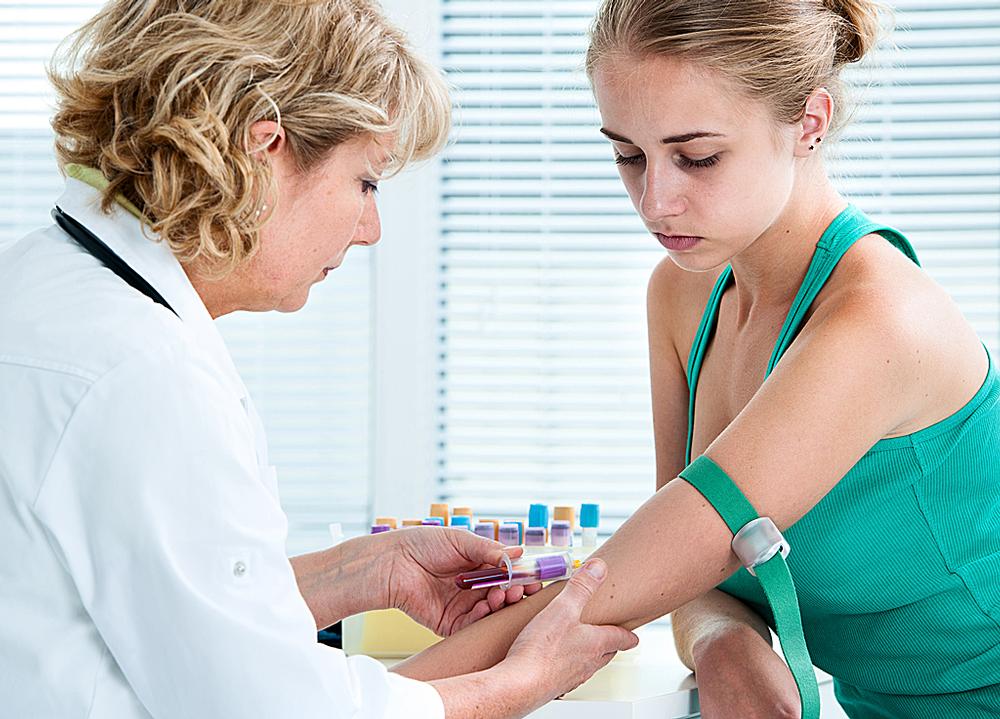
Some have health checks done in spas to keep ownership of results / shutterstock/Alexander Raths
To test, or not to test? That is the question. As more spas begin to tackle the opportunities presented by the move to wellness and wellbeing, one of the main decisions to be made is whether to offer medical testing.
In this issue, we examine the pros and cons of offering testing services in our Ask an Expert feature on page 52.
Test results – in the right hands – enable the prescription of more effective, customised treatments, superior outcomes for the guest and increased revenue for the spa.
However, there are pitfalls when it comes to offering medical testing and the process is not without risk for both operator and guest, especially if the spa doesn’t have full-time medical staff on-site, so the balance must be weighed.
Spas that introduce testing will find an uptake from guests who want to enhance their visit and leave in better shape, but there’s a bigger picture when it comes to motivation. Why do some choose to have tests done in a spa rather than in a medical facility? My strong inkling is that the decision may be related to insurance premiums.
Get tests done within the mainstream medical universe and your results will be kept on your medical records and, as a result, will be accessible by health insurers.
However, have your medical testing done in a private spa and the results are kept off the grid, meaning any adverse findings will not impact your ability to buy health or life insurances, or the premiums you pay for it.
In my stays at spas that offer medical testing, I’ve been intrigued to find large numbers of wealthy people who visit regularly for health tests. While the insurance aspect of the transaction is never articulated, it doesn’t take a genius to figure out that’s one of the reasons this is happening.
So if your clientele extends to the wealthy, and you’re not yet offering testing, you may find there’s an appetite for these services, should you decide to introduce them.
Of course not everyone’s hiding their test results from the insurers; many guests rely on their spa break to give them a life-saving reboot. Testing can be a vital part of the process, because it leads to accurate treatment which gets results more quickly, enabling them to optimise their visit.
Whatever the motivation, if customers need it and you’re able to provide it, then testing can add a valuable and valued service which will elevate your business to another level, enabling you to offer a more rounded wellness service.
Liz Terry, editorial director @elizterry
Read more from this issue of Attractions Management magazine
View contents of Attractions Management 2017 issue 2
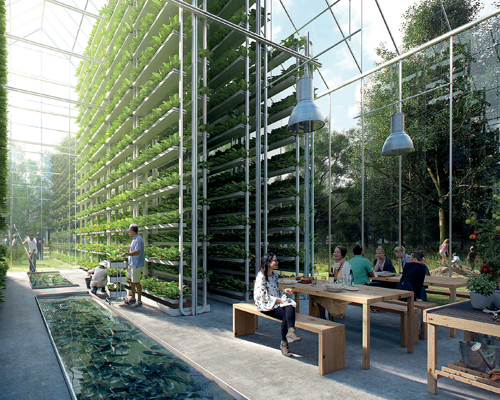
Wellness communities: Europe
Part 2 of our series explores some of
the most exciting European wellness
communities in development
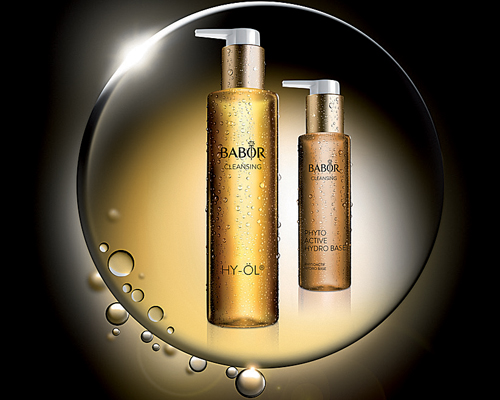
Promotional feature: Babor
CEO Michael Schummert explains how the
company’s expertise in results-driven treatments makes its precision
‘Made in Germany’ products more relevant than ever before
Spas that offer medical testing services to guests are at the top of their game, but there are many reasons people come to get tested and then for follow-up treatment at a spa – and some of them may not be quite as obvious as we imagine
By Liz Terry | Published in Spa Business 2017 issue 2
Some have health checks done in spas to keep ownership of results / shutterstock/Alexander Raths
To test, or not to test? That is the question. As more spas begin to tackle the opportunities presented by the move to wellness and wellbeing, one of the main decisions to be made is whether to offer medical testing.
In this issue, we examine the pros and cons of offering testing services in our Ask an Expert feature on page 52.
Test results – in the right hands – enable the prescription of more effective, customised treatments, superior outcomes for the guest and increased revenue for the spa.
However, there are pitfalls when it comes to offering medical testing and the process is not without risk for both operator and guest, especially if the spa doesn’t have full-time medical staff on-site, so the balance must be weighed.
Spas that introduce testing will find an uptake from guests who want to enhance their visit and leave in better shape, but there’s a bigger picture when it comes to motivation. Why do some choose to have tests done in a spa rather than in a medical facility? My strong inkling is that the decision may be related to insurance premiums.
Get tests done within the mainstream medical universe and your results will be kept on your medical records and, as a result, will be accessible by health insurers.
However, have your medical testing done in a private spa and the results are kept off the grid, meaning any adverse findings will not impact your ability to buy health or life insurances, or the premiums you pay for it.
In my stays at spas that offer medical testing, I’ve been intrigued to find large numbers of wealthy people who visit regularly for health tests. While the insurance aspect of the transaction is never articulated, it doesn’t take a genius to figure out that’s one of the reasons this is happening.
So if your clientele extends to the wealthy, and you’re not yet offering testing, you may find there’s an appetite for these services, should you decide to introduce them.
Of course not everyone’s hiding their test results from the insurers; many guests rely on their spa break to give them a life-saving reboot. Testing can be a vital part of the process, because it leads to accurate treatment which gets results more quickly, enabling them to optimise their visit.
Whatever the motivation, if customers need it and you’re able to provide it, then testing can add a valuable and valued service which will elevate your business to another level, enabling you to offer a more rounded wellness service.
Liz Terry, editorial director @elizterry
Read more from this issue of Attractions Management magazine
View contents of Attractions Management 2017 issue 2
Wellness communities: Europe
Part 2 of our series explores some of
the most exciting European wellness
communities in development
Promotional feature: Babor
CEO Michael Schummert explains how the
company’s expertise in results-driven treatments makes its precision
‘Made in Germany’ products more relevant than ever before
London Museum will open four new food and drink destinations when it launches its new home
at Smithfield on 28 November, making hospitality a central part of the visitor experience at one
of the capital's biggest cultural openings of the year.
OMA has completed a major transformation of New York's New Museum, creating a larger
cultural campus that combines expanded exhibition spaces with learning, performance,
hospitality and public programming.
A US$50 million (£44.2 million, €51.2 million) transformation of Chicago's historic McCormick
Mansion has created a new destination that combines live magic, immersive theatre, dining and
private membership under one roof.
The Montana Historical Society has officially celebrated the opening of its new Montana
Heritage
Center, a US$107 million (£79 million, €92 million) destination that combines immersive
storytelling with cutting-edge audiovisual technology to bring the sta
San Antonio Zoo has reported a US$283 million economic impact for 2025, following a decade-
long transformation programme that has seen almost US$200 million invested into the Texas
attraction.
Plans for the AU$180 million redevelopment of Reef HQ Aquarium in Townsville, Australia, are
progressing, with the project set to transform the attraction into a global centre for reef
education and conservation.
Abu Dhabi-based investment firm Mubadala Capital has made a binding, fully financed
€1 billion
offer to acquire Pierre and Vacances SA, the European holiday resort operator behind the
continental European Center Parcs business.
Disney has reaffirmed its commitment to investing US$30 billion in its US parks and cruise
business by 2033, using new America250 celebrations to underline the role its attractions play
in supporting jobs, tourism and economic growth.
Expo 2030 Riyadh is being planned as a permanent visitor destination, with organisers
confirming the six-million-square-metre site will become a Global Village after the event closes.
The owner of one of Australia's best-known waterparks has acquired a major competitor,
creating a new attractions business spanning two of the country's largest visitor destinations.