Spa therapists and assistants are the engine room of the industry, driving huge profits for operators. However, some of them are living in a shadow world of exploitation and misery as modern slaves. It’s time for the industry to tackle this poisonous practice
By Liz Terry | Published in Spa Business 2017 issue 3
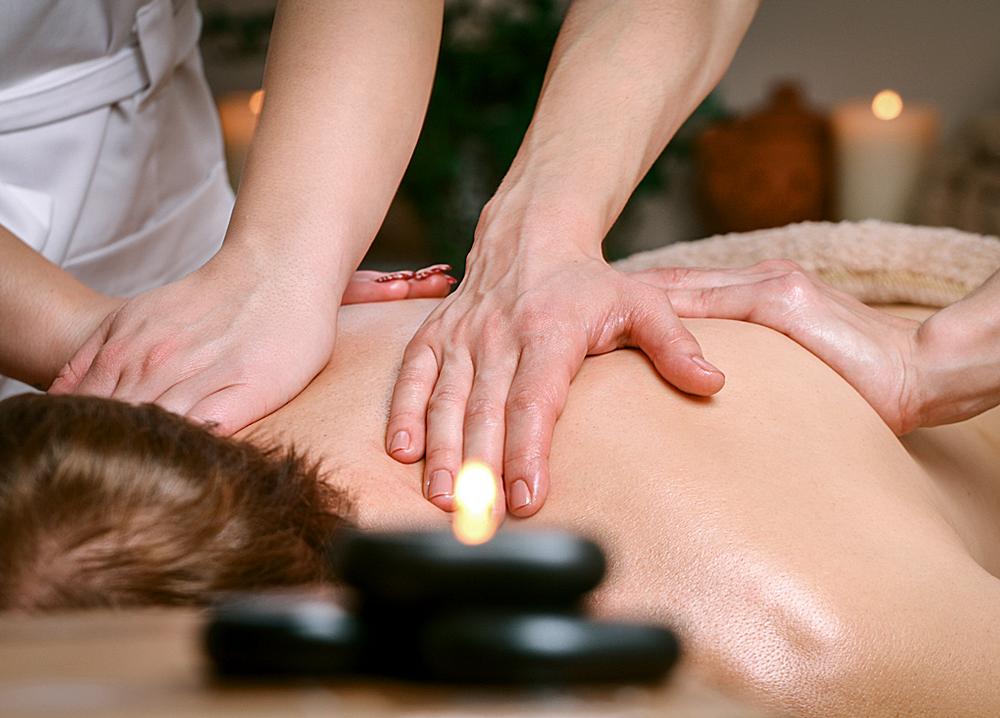
Therapists’ pay and working conditions need closer scrutiny / shutterstock/tcsaba
News is reaching Spa Business from a number of highly reputable sources about employment practices in parts of the spa and resorts industry which amount to modern slavery and human trafficking.
Spa therapists, mainly women, are being recruited from third world countries by agents who charge them a huge fee to secure jobs in high-end hotels and resorts as therapists.
In exchange, the agents then take away their passports and take a cut of their earnings until such time as their ‘debt’ has been discharged. We are hearing of ‘fees’ for placements of up to US$10,000 against earnings of US$400/month, meaning these women are being tied in to years of being ‘farmed’ for cash while being unable to escape, due to the confiscation of their passports.
We understand that hotel and spa operators are not directly involved in the transactions by which these people are procured, but that they take the staff from the agents for free without question – effectively turning a blind eye.
The spa industry has grappled with many reputational challenges over the years, such as the link to prostitution and the sex trade, and it appears that this horrible link to modern slavery is the next frontier on which we must fight the forces that would undermine us.
We already know the industry has a tendency to exploit women, particularly those who are from less well educated backgrounds and who do not have the power to control their own destinies. They are often worked too hard and paid too little by operators in pursuit of profits.
This unfairness is not confined to the developing world. We know of operators in Europe, the UK and the US who routinely overwork and massively underpay therapists, while generating huge returns for shareholders.
This is a continuum, with overworked therapists at one end and modern slavery at the other, and until something is done to rid the industry of this exploitation, our reputation as a sector from both a corporate standpoint and as an employer will continue to suffer.
Hotel, spa and resort operators must step up and take responsibility for this situation. If staff are being offered by an agent for free, then someone is paying and questions need to be asked about who that is.
We need to build an industry on firm and fair foundations and not on human misery and exploitation.
Read more from this issue of Attractions Management magazine
View contents of Attractions Management 2017 issue 3
Promotional feature: Elemis - Deep Benefits
With its market-leading Pro-Collagen skincare products already
a worldwide success, Elemis has further expanded its premium
anti-ageing range with a potent new seaweed-based Marine Oil
Promotional feature: RKF - a touch of luxury
As a global leader in the field of luxury
fabrics for spas and hospitality, RKF
is known for pushing the boundaries
of design and function. We find out
about the company's latest work
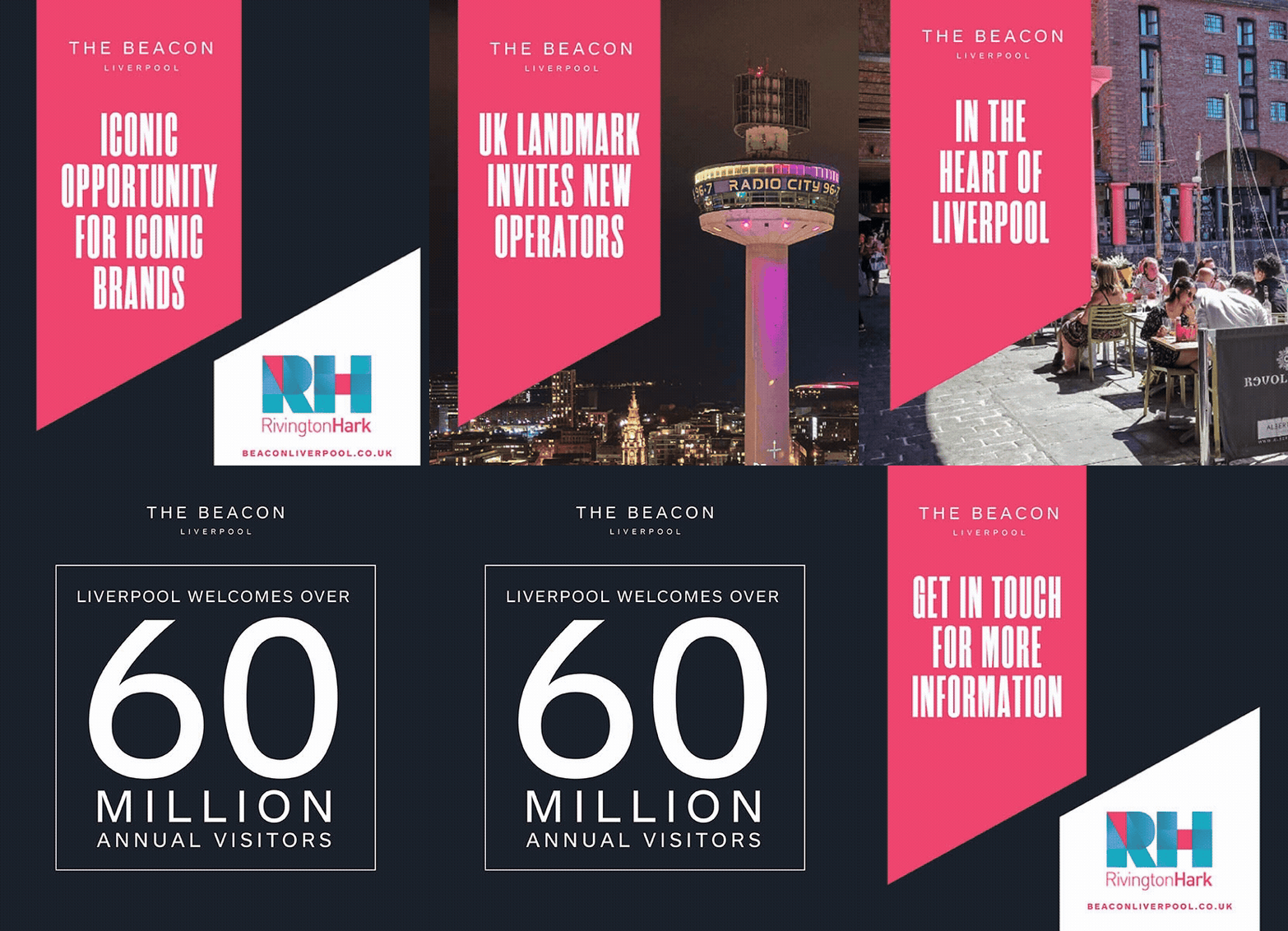
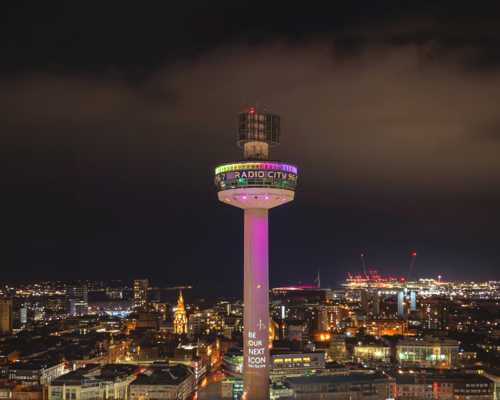
An opportunity to reimagine one of the UK’s most recognisable towers has been formally
opened by Rivington Hark, as St Johns Beacon invites operators and partners to shape its
next phase. [more...]
Spa therapists and assistants are the engine room of the industry, driving huge profits for operators. However, some of them are living in a shadow world of exploitation and misery as modern slaves. It’s time for the industry to tackle this poisonous practice
By Liz Terry | Published in Spa Business 2017 issue 3
Therapists’ pay and working conditions need closer scrutiny / shutterstock/tcsaba
News is reaching Spa Business from a number of highly reputable sources about employment practices in parts of the spa and resorts industry which amount to modern slavery and human trafficking.
Spa therapists, mainly women, are being recruited from third world countries by agents who charge them a huge fee to secure jobs in high-end hotels and resorts as therapists.
In exchange, the agents then take away their passports and take a cut of their earnings until such time as their ‘debt’ has been discharged. We are hearing of ‘fees’ for placements of up to US$10,000 against earnings of US$400/month, meaning these women are being tied in to years of being ‘farmed’ for cash while being unable to escape, due to the confiscation of their passports.
We understand that hotel and spa operators are not directly involved in the transactions by which these people are procured, but that they take the staff from the agents for free without question – effectively turning a blind eye.
The spa industry has grappled with many reputational challenges over the years, such as the link to prostitution and the sex trade, and it appears that this horrible link to modern slavery is the next frontier on which we must fight the forces that would undermine us.
We already know the industry has a tendency to exploit women, particularly those who are from less well educated backgrounds and who do not have the power to control their own destinies. They are often worked too hard and paid too little by operators in pursuit of profits.
This unfairness is not confined to the developing world. We know of operators in Europe, the UK and the US who routinely overwork and massively underpay therapists, while generating huge returns for shareholders.
This is a continuum, with overworked therapists at one end and modern slavery at the other, and until something is done to rid the industry of this exploitation, our reputation as a sector from both a corporate standpoint and as an employer will continue to suffer.
Hotel, spa and resort operators must step up and take responsibility for this situation. If staff are being offered by an agent for free, then someone is paying and questions need to be asked about who that is.
We need to build an industry on firm and fair foundations and not on human misery and exploitation.
Read more from this issue of Attractions Management magazine
View contents of Attractions Management 2017 issue 3
Promotional feature: Elemis - Deep Benefits
With its market-leading Pro-Collagen skincare products already
a worldwide success, Elemis has further expanded its premium
anti-ageing range with a potent new seaweed-based Marine Oil
Promotional feature: RKF - a touch of luxury
As a global leader in the field of luxury
fabrics for spas and hospitality, RKF
is known for pushing the boundaries
of design and function. We find out
about the company's latest work
Hotel de France, located on the British Isle of Jersey, has created a wellness retreat package
that includes a hot yoga session that will take place in Jersey Zoo’s butterfly sanctuary.
A new immersive attraction designed to transport visitors into the final hours of ancient Pompeii
is preparing to open near the world-famous archaeological site in southern Italy.
Experience design company, BRC Imagination Arts, has completed a transition that sees founder
Bob Rogers pass ownership of the business to four long-serving senior executives, while
remaining actively involved with the company.
Movie Park Germany has opened a new Paramount Pictures-themed attraction as part of its 30th
anniversary celebrations, using immersive storytelling and adaptive reuse to reinforce the park’s
longstanding “Hollywood in Germany” positioning.
Therme Manchester’s 28-acre development, which will include interconnected glass pavilions
that measure 65,000sq m, will be the largest bathing and wellbeing attraction in the world once
complete, according to prof David Russell, CEO of Therme UK.
Efteling has opened Hooghmoed, a new family drop tower designed to broaden the appeal of its
recently launched Sirene Island themed area and introduce younger visitors to thrill attractions.
A proposed Puy du Fou development near Bicester and Universal Destinations and Experiences’
planned resort in Bedford are emerging as part of a wider transformation of the Oxford–
Cambridge Growth Corridor into a major centre for UK leisure and tourism inv
Shedd Aquarium has opened the Immersion Theater developed in partnership with SimEx-
Iwerks, as part of a wider strategy to enhance the guest experience and create additional
revenue opportunities.
The UK government has announced a temporary reduction in VAT on visitor attractions and
children’s meals as part of a summer cost-of-living support package designed to stimulate the
visitor economy and encourage family days out.
As designer Yinka Ilori prepares for his first solo gallery show in London, he speaks exclusively
to CLADmag about his mission to spread joy, the power of play, and his bold approach to using
colour (including the colours you won’t see in his work).
The government of Thailand is exploring plans for a THB300bn (£6.3bn, US$8.3bn)
entertainment complex in the country’s Eastern Economic Corridor (EEC), with officials
proposing a large-scale theme park and sports destination as part of a broader tourism and
economic development strategy.
+ More news
COMPANY PROFILES
Holovis Holovis is a privately owned company
established in 2004 by CEO Stuart
Hetherington. [more...]
An opportunity to reimagine one of the UK’s most recognisable towers has been formally
opened by Rivington Hark, as St Johns Beacon invites operators and partners to shape its
next phase. [more...]