Spa retail is critical not only to profitability, but also to a spa’s overall brand values and vision. Nancy Griffin highlights some of the findings from Contento Marketing’s in-depth retail survey
By Nancy Griffin | Published in Spa Business 2017 issue 3
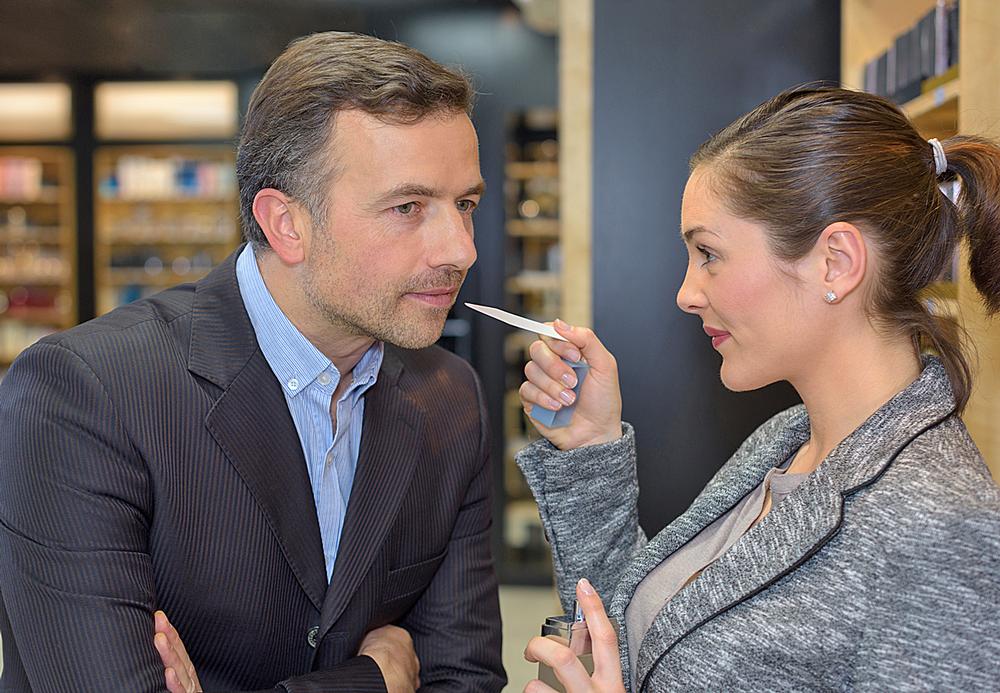
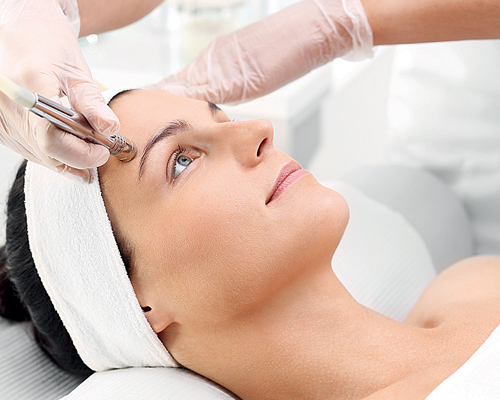
More engaging spa retail concepts can help boost sales / shutterstock
Retail sales are an important component of any spa’s profitability, but many spa directors struggle with how to create a meaningful retail concept – and how to engage their therapists with selling. A new survey conducted by Contento Marketing found that only about half of spas are satisfied with their retail concept – and more than half acknowledge their retail area could benefit from improvement. While this may sound discouraging, it actually can be seen as an incredible opportunity for skincare brands and consultants to help create more engaging, dynamic retail concepts – and to shape the future of spa retail.
Contento Marketing’s survey was undertaken in March 2017 with a sample of 400 US-based spa directors, owners and operators. Contento collaborated on the survey design with Ann Patton, principal of Savvy Spas and instructor of the spa retail course at the University of California Irvine Spa & Hospitality Management Programme. Participating properties included Destination Hotels, ESPA, Fairmont, Four Seasons, Hilton, Hyatt, Langham Hotels, Mandarin Oriental, Marriott, Montage, Omni, Ritz-Carlton, Rosewood, Sheraton, St. Regis and Westin. Nearly half (48 per cent) of the respondents were resort spas; hotel spas represented 19 per cent and day spas 18 per cent. And while the properties are in the US, the insights are useful for anyone seeking baseline metrics and strategies to improve spa retail sales.
Satisfaction with retail operations Slightly more than half (52 per cent) of spas surveyed responded that they have a strong retail concept and presentation, but only a quarter of the respondents were satisfied with visual appeal. Overall sales volumes and inventory ‘turn rates’ showed a similar trend: only 20 per cent were completely satisfied, and 55 per cent conceded they could use improvement. The results also showed that 37 per cent of those surveyed were highly satisfied with their margins, while half said retail profits in their spa could be improved.
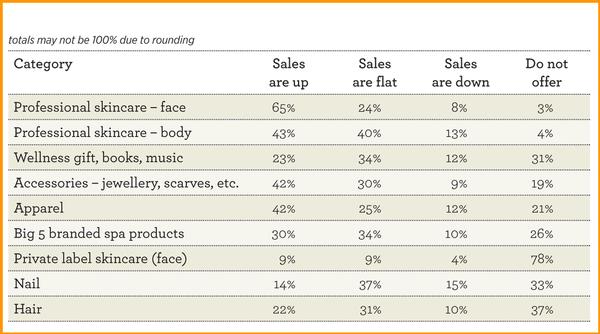
Retail trends by category Sixty-five per cent of respondents reported an increase in revenues year-over-year in professional skincare for the face, with sales down for only 8 per cent. Sales for body products were mixed, up over the last year for 43 per cent, flat for 40 per cent, and down for 13 per cent. Slightly less than one-third of respondents do not offer gifts, books or music, and one-fifth do not offer accessories or apparel – suggesting an area for potential new sales.
Challenges Staff resistance to selling is the main retail-sales blocker, with three-quarters of respondents citing it as the biggest spa retail challenge. It’s also becoming increasingly challenging to retain employees, as many therapists are looking at other spa models that don’t require sales as part of the job. “One of the reasons massage therapists are attracted to on-demand employers is because they aren’t expected to sell product,” explains Michael Tompkins, executive recruiter with Hutchinson Consulting.
More than half (55 per cent) of respondents felt pressure from online sites like Amazon and eBay – which often offer quick home delivery and attractive pricing – yet only a quarter of respondents said that other spas in the immediate areas carrying the same lines created a significant challenge. “Spas are typically in direct competition for a certain market segment,” says Patton. “It’s essential that spa directors and retail managers at a minimum keep abreast of the retail offerings of their direct competitors.”
Sales channels Spa directors report losing sales to websites like Amazon and eBay, yet 70 per cent still don’t offer guests the ability to purchase online from the spa. Day spas are leading the pack when it comes to e-commerce sales; more than three times more day spas than hotel and resort spas offer e-commerce – 56 per cent of day spas versus only 11 per cent of hotel spas and 14 per cent of resort spas. Less than a third of spas work with their vendors to drop-ship, but Patton sees that changing, which will help spas become more competitive with retail sales. “Vendor drop-shipping will become a must for retail sales from the spa in the future,” she explains. Only 10 per cent of respondents sell spa retail outside the four walls of the spa, representing a significant opportunity to increase revenues with the right strategies; things like kiosks, pop-up displays and portable rolling retail cases can generate interest in the spa while providing an additional revenue centre.
Compensation strategies Ninety-eight per cent of respondents offer some sort of commission structure to either therapists and/or front desk staff, and sixty-four per cent offer both commission and incentives. In terms of the structure of commission payouts, 70 per cent offer a flat percentage payout, 34 per cent offer some type of sliding scale percentage, and 16 per cent offer “pooled” or shared commission.
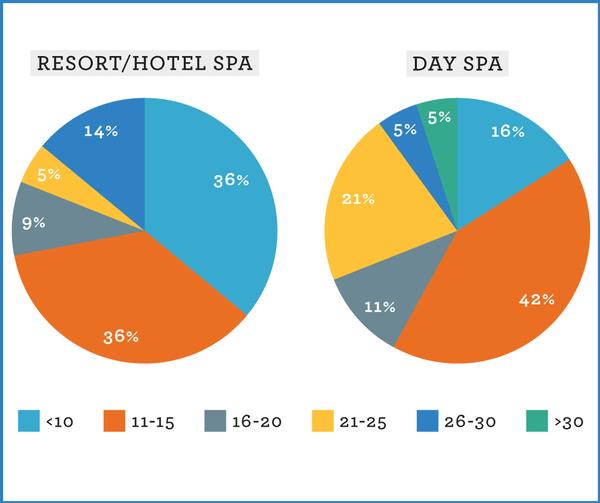
Key performance indicators When respondents were asked to benchmark retail sales against total spa revenue, the results revealed that nearly a third of all respondents reported that retail made up less than 10 per cent of total sales. The highest number of respondents (38 per cent) reported a range of 11 to 15 per cent retail to total sales, and only 2 per cent reported retail to service sales of more than 30 per cent.
By obtaining retail revenues and the square footage allotted to retail space, Contento calculated average retail per square foot — the standard performance metrics for retail outlets. According to Patton, industry benchmarks suggest that a good goal for total annual retail sales per square foot is US$1,000 per square foot (€896, £789). Our survey results indicate day spas are proving to come very close to that overall benchmark at US$898 (€765, £572) per square foot, while hotel and resort spas are averaging around US$750 (€639, £572) per square foot.
Read more from this issue of Attractions Management magazine
View contents of Attractions Management 2017 issue 3
Promotional feature: Elemis - Deep Benefits
With its market-leading Pro-Collagen skincare products already
a worldwide success, Elemis has further expanded its premium
anti-ageing range with a potent new seaweed-based Marine Oil
Promotional feature: RKF - a touch of luxury
As a global leader in the field of luxury
fabrics for spas and hospitality, RKF
is known for pushing the boundaries
of design and function. We find out
about the company's latest work
2. Not enough space to carry all the lines we want 61%
3. Merchandising does not compel guests to purchase 56%
4. Too much competition from online sources (Amazon, eBay) 55%
5. High cost of shipping 44%
6. Lack of vendor support - merchandising 40%
7. Inventory control 38%
8. Lack of vendor support - training 36%
9. Vendor stocking issues (product out of stock) 33%
10. Guest theft 32%
Next steps Make retail a priority Spas with successful retail sales work hard. Make a plan to review your visual merchandising, product mix and compensation strategy. Work closely with your vendors to create shelf-talkers, countertop displays, special promotions and guest-appreciation events.
Measure retail per service Professional products used in treatments are the driver of retail in the majority of spas. Savvy spa operators are measuring the amount of retail sold per service, in addition to retail sales as a percentage of overall spa revenues. Aestheticians and massage therapists have the client’s ear — it makes sense for them to initiate the sale.
Train and incentivise all frontline staff Hire front-desk staff with sales acumen — then pave the way for their success by providing the right tools. Training front-desk and retail staff in selling techniques and skincare lines in conjunction with licensed staff will become a necessity.
Develop multiple retail touchpoints Resorts will benefit from telling a continuous product story not only through the spa, but also through the entire property. Think complimentary in-room gift sets, spa products as gifts and pop-up spa events in the lobby, poolside or meeting space.
Don’t lose the sale Selling spa products on your website increases profitability by providing a convenient method of re-purchase. If e-commerce is not practical, ask your vendors to drop-ship.
Learn from day spas Key indicators show that day spas outperform resorts and hotels in retail sales, generating a higher retail-to-service ratio and higher average retail-per-square-foot. Resort and hotel operators can learn how to grow retail sales – as well as the facial services that drive retail sales.
Consider hiring a designated retail associate “Consider creating a role for a personal skincare shopper to gear product-specific, results-oriented skincare regimes tailored to each guest’s needs. ‘Personal skincare stylist’ could be a retail job role of the future,” says Tompkins.
antoniodiaz /shutterstock
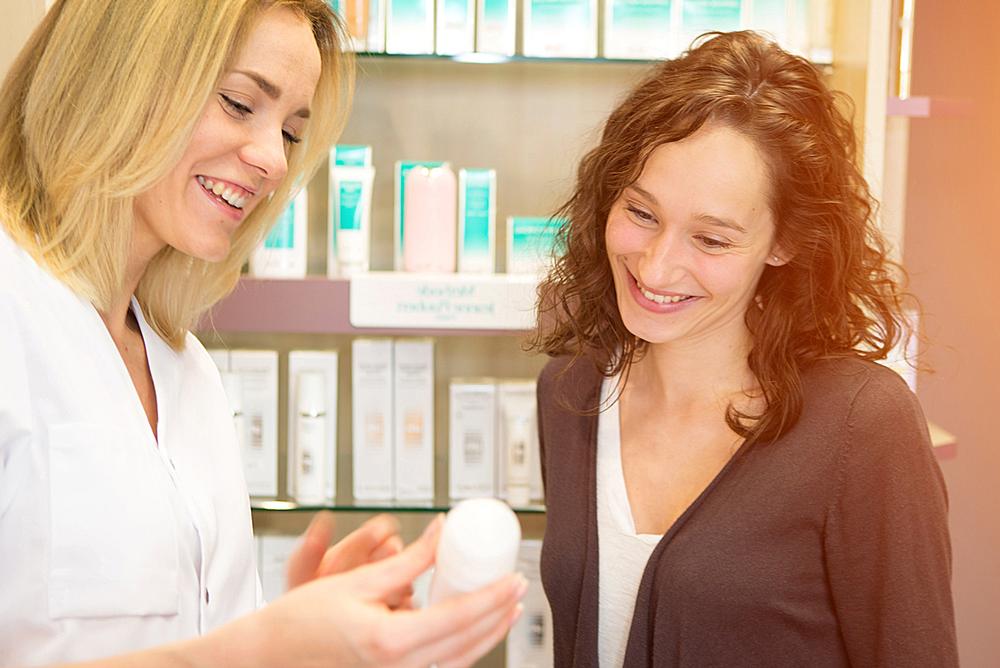
Training front-desk staff in selling techniques will become a necessity
Nancy Griffin
Nancy Griffin is principal of Contento Marketing, a strategic marketing firm for spas and wellness brands. She is a founding advisory board member of the University of California Irvine Spa & Hospitality Management Programme, and member of the Global Wellness Institute’s Career Initiative.
Many therapists consider themselves healers rather than sellers, and so are seeking jobs that don’t require sales
98 per cent of respondents offer a commission structure
COMPANY PROFILES
Taylor Made Designs
Founded in 1993, Taylor Made
Designs supply corporate clothing
and brand-enhancing merchandise
to [more...]
IAAPA EMEA
IAAPA Expo Europe was established in 2006 and has grown to the largest international conference and [more...]
QubicaAMF UK
QubicaAMF is the largest and most
innovative bowling equipment provider with
600 employees worldwi [more...]
Alterface
Alterface’s Creative Division team is
seasoned in concept and ride development,
as well as storyte [more...]
An opportunity to reimagine one of the UK’s most recognisable towers has been formally
opened by Rivington Hark, as St Johns Beacon invites operators and partners to shape its
next phase. [more...]
Spa retail is critical not only to profitability, but also to a spa’s overall brand values and vision. Nancy Griffin highlights some of the findings from Contento Marketing’s in-depth retail survey
By Nancy Griffin | Published in Spa Business 2017 issue 3
More engaging spa retail concepts can help boost sales / shutterstock
Retail sales are an important component of any spa’s profitability, but many spa directors struggle with how to create a meaningful retail concept – and how to engage their therapists with selling. A new survey conducted by Contento Marketing found that only about half of spas are satisfied with their retail concept – and more than half acknowledge their retail area could benefit from improvement. While this may sound discouraging, it actually can be seen as an incredible opportunity for skincare brands and consultants to help create more engaging, dynamic retail concepts – and to shape the future of spa retail.
Contento Marketing’s survey was undertaken in March 2017 with a sample of 400 US-based spa directors, owners and operators. Contento collaborated on the survey design with Ann Patton, principal of Savvy Spas and instructor of the spa retail course at the University of California Irvine Spa & Hospitality Management Programme. Participating properties included Destination Hotels, ESPA, Fairmont, Four Seasons, Hilton, Hyatt, Langham Hotels, Mandarin Oriental, Marriott, Montage, Omni, Ritz-Carlton, Rosewood, Sheraton, St. Regis and Westin. Nearly half (48 per cent) of the respondents were resort spas; hotel spas represented 19 per cent and day spas 18 per cent. And while the properties are in the US, the insights are useful for anyone seeking baseline metrics and strategies to improve spa retail sales.
Satisfaction with retail operations Slightly more than half (52 per cent) of spas surveyed responded that they have a strong retail concept and presentation, but only a quarter of the respondents were satisfied with visual appeal. Overall sales volumes and inventory ‘turn rates’ showed a similar trend: only 20 per cent were completely satisfied, and 55 per cent conceded they could use improvement. The results also showed that 37 per cent of those surveyed were highly satisfied with their margins, while half said retail profits in their spa could be improved.
Retail trends by category Sixty-five per cent of respondents reported an increase in revenues year-over-year in professional skincare for the face, with sales down for only 8 per cent. Sales for body products were mixed, up over the last year for 43 per cent, flat for 40 per cent, and down for 13 per cent. Slightly less than one-third of respondents do not offer gifts, books or music, and one-fifth do not offer accessories or apparel – suggesting an area for potential new sales.
Challenges Staff resistance to selling is the main retail-sales blocker, with three-quarters of respondents citing it as the biggest spa retail challenge. It’s also becoming increasingly challenging to retain employees, as many therapists are looking at other spa models that don’t require sales as part of the job. “One of the reasons massage therapists are attracted to on-demand employers is because they aren’t expected to sell product,” explains Michael Tompkins, executive recruiter with Hutchinson Consulting.
More than half (55 per cent) of respondents felt pressure from online sites like Amazon and eBay – which often offer quick home delivery and attractive pricing – yet only a quarter of respondents said that other spas in the immediate areas carrying the same lines created a significant challenge. “Spas are typically in direct competition for a certain market segment,” says Patton. “It’s essential that spa directors and retail managers at a minimum keep abreast of the retail offerings of their direct competitors.”
Sales channels Spa directors report losing sales to websites like Amazon and eBay, yet 70 per cent still don’t offer guests the ability to purchase online from the spa. Day spas are leading the pack when it comes to e-commerce sales; more than three times more day spas than hotel and resort spas offer e-commerce – 56 per cent of day spas versus only 11 per cent of hotel spas and 14 per cent of resort spas. Less than a third of spas work with their vendors to drop-ship, but Patton sees that changing, which will help spas become more competitive with retail sales. “Vendor drop-shipping will become a must for retail sales from the spa in the future,” she explains. Only 10 per cent of respondents sell spa retail outside the four walls of the spa, representing a significant opportunity to increase revenues with the right strategies; things like kiosks, pop-up displays and portable rolling retail cases can generate interest in the spa while providing an additional revenue centre.
Compensation strategies Ninety-eight per cent of respondents offer some sort of commission structure to either therapists and/or front desk staff, and sixty-four per cent offer both commission and incentives. In terms of the structure of commission payouts, 70 per cent offer a flat percentage payout, 34 per cent offer some type of sliding scale percentage, and 16 per cent offer “pooled” or shared commission.
Key performance indicators When respondents were asked to benchmark retail sales against total spa revenue, the results revealed that nearly a third of all respondents reported that retail made up less than 10 per cent of total sales. The highest number of respondents (38 per cent) reported a range of 11 to 15 per cent retail to total sales, and only 2 per cent reported retail to service sales of more than 30 per cent.
By obtaining retail revenues and the square footage allotted to retail space, Contento calculated average retail per square foot — the standard performance metrics for retail outlets. According to Patton, industry benchmarks suggest that a good goal for total annual retail sales per square foot is US$1,000 per square foot (€896, £789). Our survey results indicate day spas are proving to come very close to that overall benchmark at US$898 (€765, £572) per square foot, while hotel and resort spas are averaging around US$750 (€639, £572) per square foot.
Read more from this issue of Attractions Management magazine
View contents of Attractions Management 2017 issue 3
Promotional feature: Elemis - Deep Benefits
With its market-leading Pro-Collagen skincare products already
a worldwide success, Elemis has further expanded its premium
anti-ageing range with a potent new seaweed-based Marine Oil
Promotional feature: RKF - a touch of luxury
As a global leader in the field of luxury
fabrics for spas and hospitality, RKF
is known for pushing the boundaries
of design and function. We find out
about the company's latest work
2. Not enough space to carry all the lines we want 61%
3. Merchandising does not compel guests to purchase 56%
4. Too much competition from online sources (Amazon, eBay) 55%
5. High cost of shipping 44%
6. Lack of vendor support - merchandising 40%
7. Inventory control 38%
8. Lack of vendor support - training 36%
9. Vendor stocking issues (product out of stock) 33%
10. Guest theft 32%
Next steps Make retail a priority Spas with successful retail sales work hard. Make a plan to review your visual merchandising, product mix and compensation strategy. Work closely with your vendors to create shelf-talkers, countertop displays, special promotions and guest-appreciation events.
Measure retail per service Professional products used in treatments are the driver of retail in the majority of spas. Savvy spa operators are measuring the amount of retail sold per service, in addition to retail sales as a percentage of overall spa revenues. Aestheticians and massage therapists have the client’s ear — it makes sense for them to initiate the sale.
Train and incentivise all frontline staff Hire front-desk staff with sales acumen — then pave the way for their success by providing the right tools. Training front-desk and retail staff in selling techniques and skincare lines in conjunction with licensed staff will become a necessity.
Develop multiple retail touchpoints Resorts will benefit from telling a continuous product story not only through the spa, but also through the entire property. Think complimentary in-room gift sets, spa products as gifts and pop-up spa events in the lobby, poolside or meeting space.
Don’t lose the sale Selling spa products on your website increases profitability by providing a convenient method of re-purchase. If e-commerce is not practical, ask your vendors to drop-ship.
Learn from day spas Key indicators show that day spas outperform resorts and hotels in retail sales, generating a higher retail-to-service ratio and higher average retail-per-square-foot. Resort and hotel operators can learn how to grow retail sales – as well as the facial services that drive retail sales.
Consider hiring a designated retail associate “Consider creating a role for a personal skincare shopper to gear product-specific, results-oriented skincare regimes tailored to each guest’s needs. ‘Personal skincare stylist’ could be a retail job role of the future,” says Tompkins.
antoniodiaz /shutterstock
Training front-desk staff in selling techniques will become a necessity
Nancy Griffin
Nancy Griffin is principal of Contento Marketing, a strategic marketing firm for spas and wellness brands. She is a founding advisory board member of the University of California Irvine Spa & Hospitality Management Programme, and member of the Global Wellness Institute’s Career Initiative.
Many therapists consider themselves healers rather than sellers, and so are seeking jobs that don’t require sales
98 per cent of respondents offer a commission structure
A new immersive attraction designed to transport visitors into the final hours of ancient Pompeii
is preparing to open near the world-famous archaeological site in southern Italy.
Experience design company, BRC Imagination Arts, has completed a transition that sees founder
Bob Rogers pass ownership of the business to four long-serving senior executives, while
remaining actively involved with the company.
Movie Park Germany has opened a new Paramount Pictures-themed attraction as part of its 30th
anniversary celebrations, using immersive storytelling and adaptive reuse to reinforce the park’s
longstanding “Hollywood in Germany” positioning.
Therme Manchester’s 28-acre development, which will include interconnected glass pavilions
that measure 65,000sq m, will be the largest bathing and wellbeing attraction in the world once
complete, according to prof David Russell, CEO of Therme UK.
Efteling has opened Hooghmoed, a new family drop tower designed to broaden the appeal of its
recently launched Sirene Island themed area and introduce younger visitors to thrill attractions.
A proposed Puy du Fou development near Bicester and Universal Destinations and Experiences’
planned resort in Bedford are emerging as part of a wider transformation of the Oxford–
Cambridge Growth Corridor into a major centre for UK leisure and tourism inv
Shedd Aquarium has opened the Immersion Theater developed in partnership with SimEx-
Iwerks, as part of a wider strategy to enhance the guest experience and create additional
revenue opportunities.
The UK government has announced a temporary reduction in VAT on visitor attractions and
children’s meals as part of a summer cost-of-living support package designed to stimulate the
visitor economy and encourage family days out.
As designer Yinka Ilori prepares for his first solo gallery show in London, he speaks exclusively
to CLADmag about his mission to spread joy, the power of play, and his bold approach to using
colour (including the colours you won’t see in his work).
The government of Thailand is exploring plans for a THB300bn (£6.3bn, US$8.3bn)
entertainment complex in the country’s Eastern Economic Corridor (EEC), with officials
proposing a large-scale theme park and sports destination as part of a broader tourism and
economic development strategy.
An opportunity to reimagine one of the UK’s most recognisable towers has been formally
opened by Rivington Hark, as St Johns Beacon invites operators and partners to shape its
next phase. [more...]