A new study reveals how treatments ranging from vitamin infusions, oxygen therapy and immune boosters to energy and cosmeceutical services is creating opportunities for spa operators. Fabian Modena and Matthew Brennan outline the findings
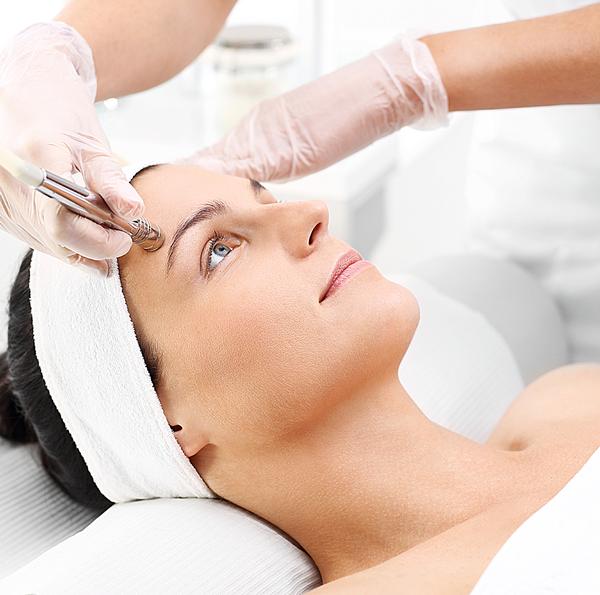
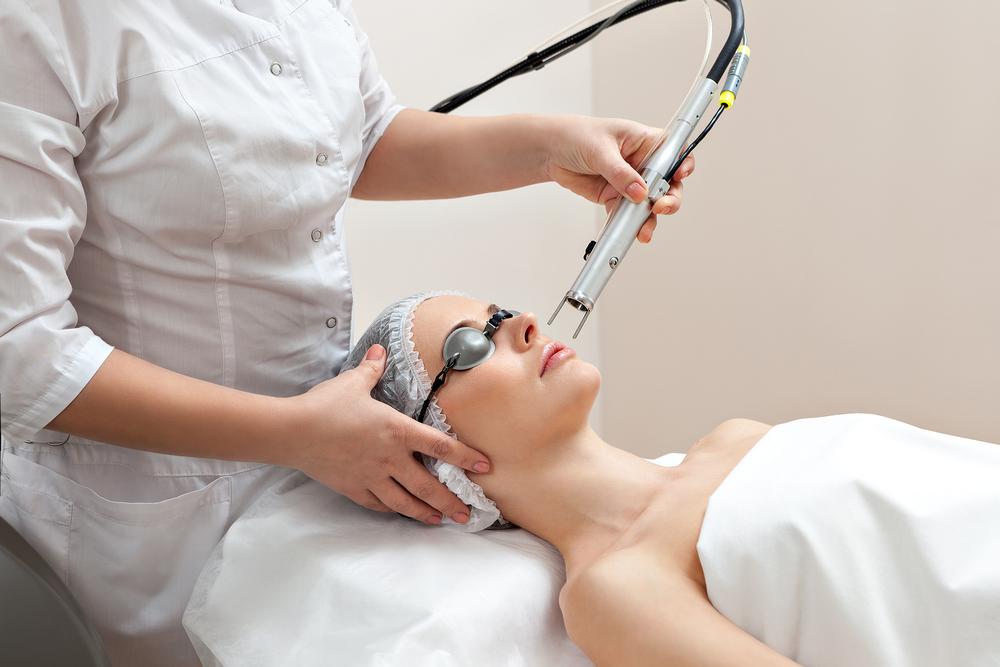
The US is the largest market in
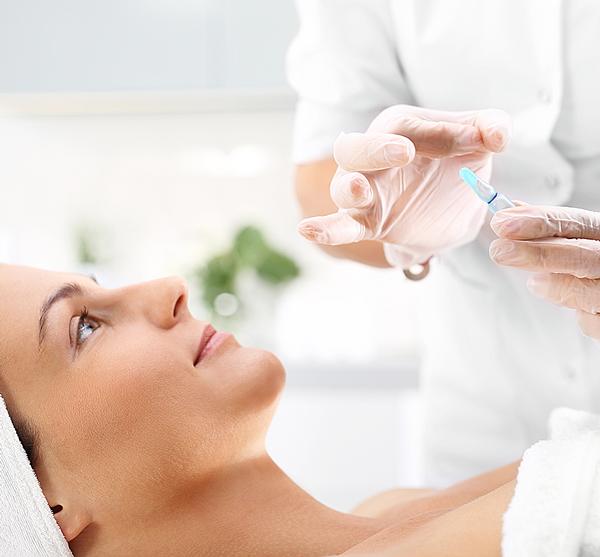
non-surgical cosmetic treatments / Shutterstock
The global wellness economy is growing at an unprecedented rate. It was valued at more than US$3.7tn in 2015. Making up the largest share of this valuation is the beauty and anti-ageing market, which was valued at US$999bn – nearly twice the size of the wellness tourism market (US$563bn).
Within the beauty and anti-ageing market is the subsection of cosmetic beauty services. In today’s market, the word ‘cosmetic’ is normally used to explain the enhancing or augmenting of external beauty for perceived physical improvement – and this subsection is growing quickly. Upscale hotels have an opportunity to capitalise on this by adding revenue with low-cost/high-margin treatments, including longevity, aesthetic and detoxification treatments.
Invasive, non-invasive and minimally invasive The cosmetic beauty services industry is commonly divided into three distinct subsections: non-invasive, minimally invasive and invasive treatment or surgery. Beyond that, minimally invasive procedures are usually further subdivided into injectables, energy-based services and cosmeceutical services.
Invasive treatments are surgical procedures that penetrate the skin by either cutting or piercing, such as liposuction, breast augmentation, eyelid surgery, tummy tucks or nose surgery. These are often against the ethos of the spa market. Non-invasive treatments do not require any penetration into the skin, and also cover a number of diagnostic and therapeutic procedures, including chiropractic manipulation, physical therapy and heat therapy, and are more in tune with the holistic spa approach.
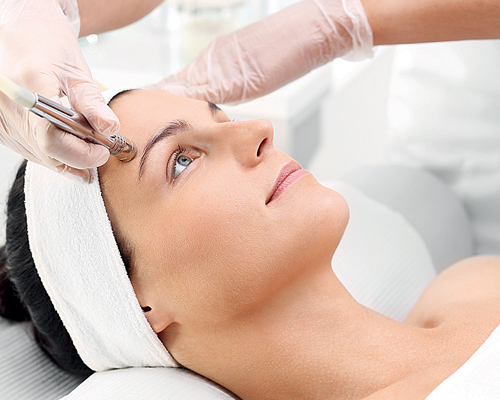
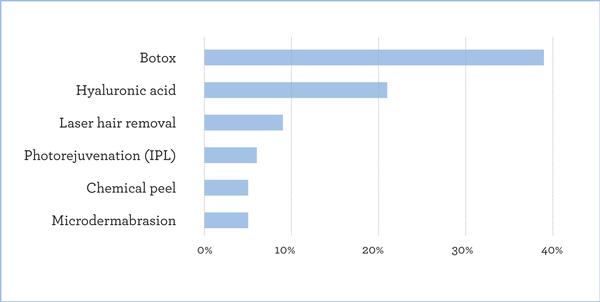
Minimally invasive treatments are a combination of medical and beauty services, where the treatments may incorporate high-tech skincare and result in noticeable cosmetic changes. This includes injections such as Botox, dermal fillers, lipofilling and microdermabrasion, as well as lasers, chemical peels and cosmeceuticals (which are a combination of cosmetics and pharmaceuticals).
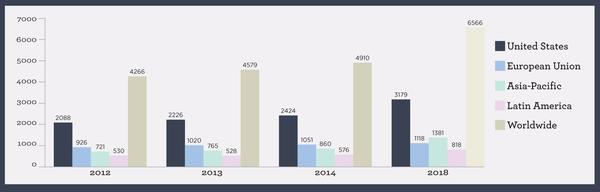
Medical aesthetic treatments The international medical aesthetic treatment market is expected to rise to US$6.56bn by 2018, led by minimally invasive treatments such as Botox, but also a variation of energy-based services such as radio frequency and laser treatments, driving the demand globally. The US represents the largest market in non-surgical cosmetic treatments, followed by Asia and Europe; however, the highest growth rates are being seen in Asia.
Minimally invasive treatments are gaining in popularity, as they require little to no downtime, often deliver immediate results, and require very small incision or injection sites, resulting in less pain and very few post-procedure complications.
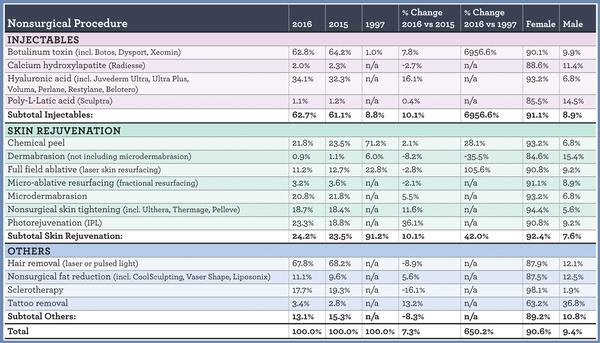
The facial aesthetic market specifically is expected to grow at a rate of 9.82 per cent until 2020, and a shift from invasive to non-invasive treatments is already evident. Between 2015 and 2016, the most significant growth rate was for photo-rejuvenation – a skin treatment that uses lasers to treat wrinkles or age spots – which grew 36 per cent and accounted for over 650,000 procedures in the US. This was followed by hyaluronic acid treatments, which grew 16 per cent.
Opportunities for hotels There are opportunities for upscale hotels to convert a cost centre into a revenue centre by implementing some medical and aesthetic services, depending on the subject location and access to supplies.
Aesthetic and longevity treatments will cater towards both male and female consumers. However, our research has shown that aesthetic treatments are more popular with women and the longevity services are more popular with men – especially high-net-worth individuals. The longevity treatment service is a low-cost high-margin opportunity – with margins above 2,200 per cent. Offering this type of specialised facility within the common spa environment creates a niche for hotels to capitalise on this high-margin industry.
Detoxification treatments, such as chelation, liver detox and lymphatic drainage, are intravenous therapies and are in high demand with consumers over the age of 36. The demand for energy boosters, such as Myers’ cocktails, megadose vitamins (MPVs) and ozone IV therapy, as well as for immune boosters, is booming for consumers over 65; both segments can be an additional revenue centre for spa facilities.
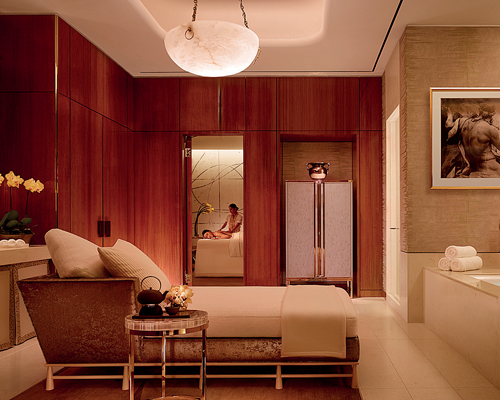
There are still unexplored opportunities to implement high-yielding cosmetic treatments within the hotel spa sector, using less than 150sq m (1,615sq ft) of space. A total investment of US$47,000 serves as a standard investment for the creation of a medical aesthetic spa room.
Partnering with a third-party provider with a track record in aesthetic treatments is another path to introducing services, and will guarantee expertise, trained specialists and longstanding supplier and industry relations.
Most hotel spas do not capitalise on this ever-growing industry. An efficient implementation with a specifically tailored selection of services will not only elevate the spa facility’s reputation, but also open doors to a new customer segment with high disposable income.
Read more from this issue of Attractions Management magazine
View contents of Attractions Management 2017 issue 3
Promotional feature: Elemis - Deep Benefits
With its market-leading Pro-Collagen skincare products already
a worldwide success, Elemis has further expanded its premium
anti-ageing range with a potent new seaweed-based Marine Oil
Promotional feature: RKF - a touch of luxury
As a global leader in the field of luxury
fabrics for spas and hospitality, RKF
is known for pushing the boundaries
of design and function. We find out
about the company's latest work
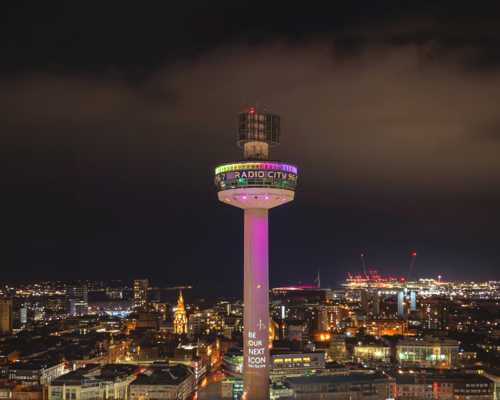
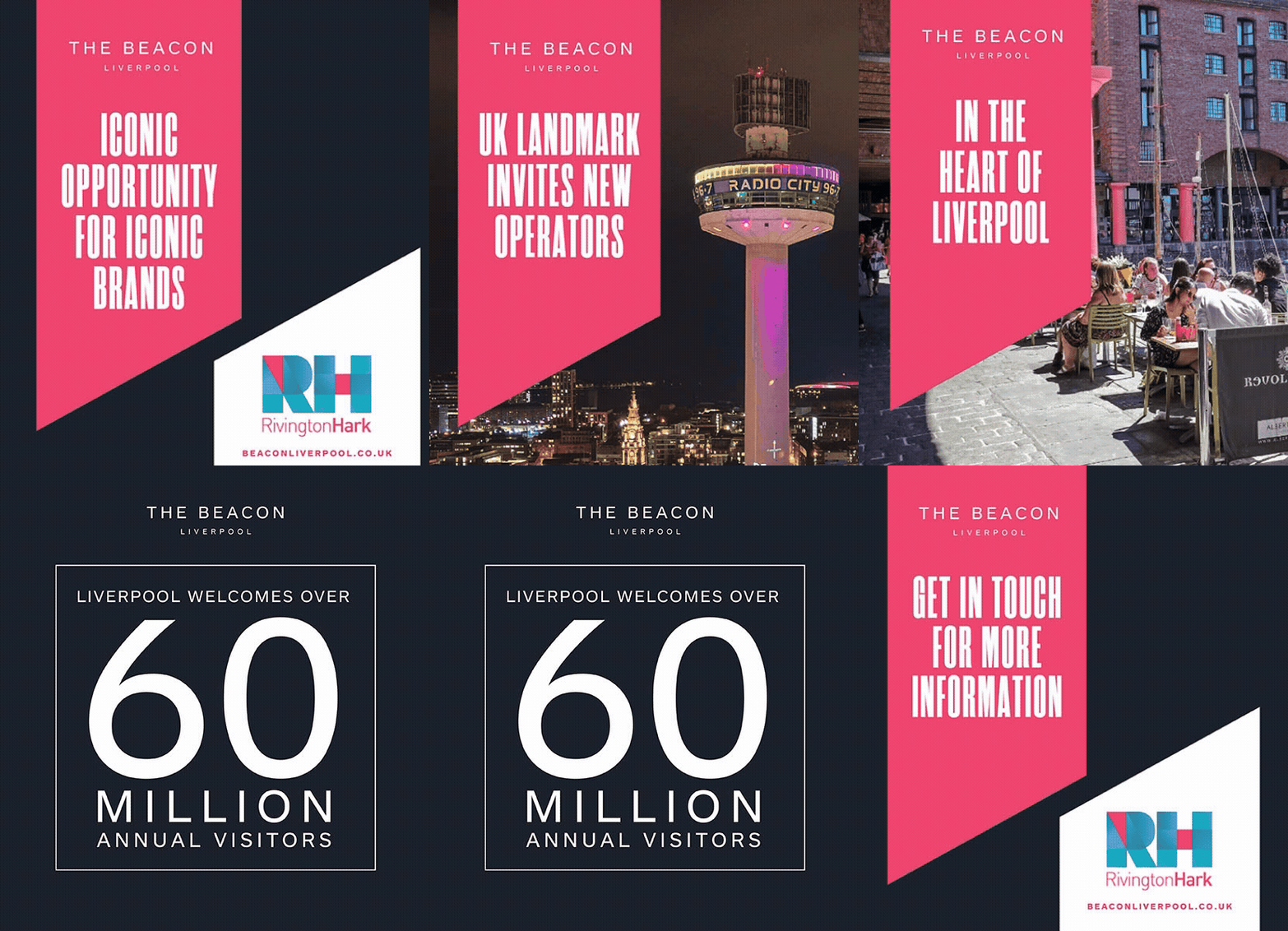
An opportunity to reimagine one of the UK’s most recognisable towers has been formally
opened by Rivington Hark, as St Johns Beacon invites operators and partners to shape its
next phase. [more...]
A new study reveals how treatments ranging from vitamin infusions, oxygen therapy and immune boosters to energy and cosmeceutical services is creating opportunities for spa operators. Fabian Modena and Matthew Brennan outline the findings
The US is the largest market in
non-surgical cosmetic treatments / Shutterstock
The global wellness economy is growing at an unprecedented rate. It was valued at more than US$3.7tn in 2015. Making up the largest share of this valuation is the beauty and anti-ageing market, which was valued at US$999bn – nearly twice the size of the wellness tourism market (US$563bn).
Within the beauty and anti-ageing market is the subsection of cosmetic beauty services. In today’s market, the word ‘cosmetic’ is normally used to explain the enhancing or augmenting of external beauty for perceived physical improvement – and this subsection is growing quickly. Upscale hotels have an opportunity to capitalise on this by adding revenue with low-cost/high-margin treatments, including longevity, aesthetic and detoxification treatments.
Invasive, non-invasive and minimally invasive The cosmetic beauty services industry is commonly divided into three distinct subsections: non-invasive, minimally invasive and invasive treatment or surgery. Beyond that, minimally invasive procedures are usually further subdivided into injectables, energy-based services and cosmeceutical services.
Invasive treatments are surgical procedures that penetrate the skin by either cutting or piercing, such as liposuction, breast augmentation, eyelid surgery, tummy tucks or nose surgery. These are often against the ethos of the spa market. Non-invasive treatments do not require any penetration into the skin, and also cover a number of diagnostic and therapeutic procedures, including chiropractic manipulation, physical therapy and heat therapy, and are more in tune with the holistic spa approach.
Minimally invasive treatments are a combination of medical and beauty services, where the treatments may incorporate high-tech skincare and result in noticeable cosmetic changes. This includes injections such as Botox, dermal fillers, lipofilling and microdermabrasion, as well as lasers, chemical peels and cosmeceuticals (which are a combination of cosmetics and pharmaceuticals).
Medical aesthetic treatments The international medical aesthetic treatment market is expected to rise to US$6.56bn by 2018, led by minimally invasive treatments such as Botox, but also a variation of energy-based services such as radio frequency and laser treatments, driving the demand globally. The US represents the largest market in non-surgical cosmetic treatments, followed by Asia and Europe; however, the highest growth rates are being seen in Asia.
Minimally invasive treatments are gaining in popularity, as they require little to no downtime, often deliver immediate results, and require very small incision or injection sites, resulting in less pain and very few post-procedure complications.
The facial aesthetic market specifically is expected to grow at a rate of 9.82 per cent until 2020, and a shift from invasive to non-invasive treatments is already evident. Between 2015 and 2016, the most significant growth rate was for photo-rejuvenation – a skin treatment that uses lasers to treat wrinkles or age spots – which grew 36 per cent and accounted for over 650,000 procedures in the US. This was followed by hyaluronic acid treatments, which grew 16 per cent.
Opportunities for hotels There are opportunities for upscale hotels to convert a cost centre into a revenue centre by implementing some medical and aesthetic services, depending on the subject location and access to supplies.
Aesthetic and longevity treatments will cater towards both male and female consumers. However, our research has shown that aesthetic treatments are more popular with women and the longevity services are more popular with men – especially high-net-worth individuals. The longevity treatment service is a low-cost high-margin opportunity – with margins above 2,200 per cent. Offering this type of specialised facility within the common spa environment creates a niche for hotels to capitalise on this high-margin industry.
Detoxification treatments, such as chelation, liver detox and lymphatic drainage, are intravenous therapies and are in high demand with consumers over the age of 36. The demand for energy boosters, such as Myers’ cocktails, megadose vitamins (MPVs) and ozone IV therapy, as well as for immune boosters, is booming for consumers over 65; both segments can be an additional revenue centre for spa facilities.
There are still unexplored opportunities to implement high-yielding cosmetic treatments within the hotel spa sector, using less than 150sq m (1,615sq ft) of space. A total investment of US$47,000 serves as a standard investment for the creation of a medical aesthetic spa room.
Partnering with a third-party provider with a track record in aesthetic treatments is another path to introducing services, and will guarantee expertise, trained specialists and longstanding supplier and industry relations.
Most hotel spas do not capitalise on this ever-growing industry. An efficient implementation with a specifically tailored selection of services will not only elevate the spa facility’s reputation, but also open doors to a new customer segment with high disposable income.
Read more from this issue of Attractions Management magazine
View contents of Attractions Management 2017 issue 3
Promotional feature: Elemis - Deep Benefits
With its market-leading Pro-Collagen skincare products already
a worldwide success, Elemis has further expanded its premium
anti-ageing range with a potent new seaweed-based Marine Oil
Promotional feature: RKF - a touch of luxury
As a global leader in the field of luxury
fabrics for spas and hospitality, RKF
is known for pushing the boundaries
of design and function. We find out
about the company's latest work
A new immersive attraction designed to transport visitors into the final hours of ancient Pompeii
is preparing to open near the world-famous archaeological site in southern Italy.
Experience design company, BRC Imagination Arts, has completed a transition that sees founder
Bob Rogers pass ownership of the business to four long-serving senior executives, while
remaining actively involved with the company.
Movie Park Germany has opened a new Paramount Pictures-themed attraction as part of its 30th
anniversary celebrations, using immersive storytelling and adaptive reuse to reinforce the park’s
longstanding “Hollywood in Germany” positioning.
Therme Manchester’s 28-acre development, which will include interconnected glass pavilions
that measure 65,000sq m, will be the largest bathing and wellbeing attraction in the world once
complete, according to prof David Russell, CEO of Therme UK.
Efteling has opened Hooghmoed, a new family drop tower designed to broaden the appeal of its
recently launched Sirene Island themed area and introduce younger visitors to thrill attractions.
A proposed Puy du Fou development near Bicester and Universal Destinations and Experiences’
planned resort in Bedford are emerging as part of a wider transformation of the Oxford–
Cambridge Growth Corridor into a major centre for UK leisure and tourism inv
Shedd Aquarium has opened the Immersion Theater developed in partnership with SimEx-
Iwerks, as part of a wider strategy to enhance the guest experience and create additional
revenue opportunities.
The UK government has announced a temporary reduction in VAT on visitor attractions and
children’s meals as part of a summer cost-of-living support package designed to stimulate the
visitor economy and encourage family days out.
As designer Yinka Ilori prepares for his first solo gallery show in London, he speaks exclusively
to CLADmag about his mission to spread joy, the power of play, and his bold approach to using
colour (including the colours you won’t see in his work).
The government of Thailand is exploring plans for a THB300bn (£6.3bn, US$8.3bn)
entertainment complex in the country’s Eastern Economic Corridor (EEC), with officials
proposing a large-scale theme park and sports destination as part of a broader tourism and
economic development strategy.
An opportunity to reimagine one of the UK’s most recognisable towers has been formally
opened by Rivington Hark, as St Johns Beacon invites operators and partners to shape its
next phase. [more...]