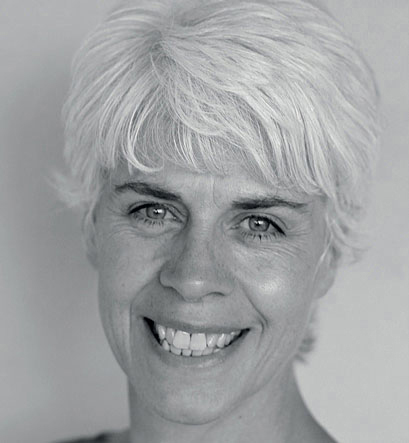
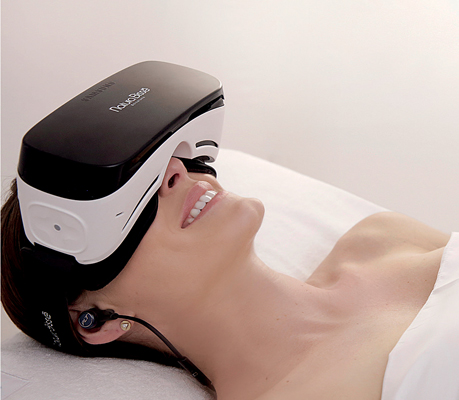
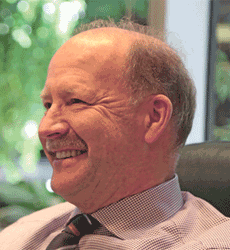
Cohen says the study shows acupuncture can be a viable alternative to drugs / Leonardo da/SHUTTERSTOCK
Professor Marc Cohen of RMIT University in Melbourne, Australia – a familiar face in the spa industry – has led a large study on the use of acupuncture for treating acute pain, finding the practice provides relief equivalent to the use of drugs in an emergency room setting.
The randomised, controlled trial involved 528 patients with acute lower back pain, migraine or ankle sprains who presented at the emergency departments of four leading Melbourne hospitals between January 2010 and December 2011.
“While acupuncture is widely used by practitioners in community settings for treating pain, it is rarely used in hospital emergency departments,” says Cohen.
Patients who identified their level of pain as at least four on a 10-point scale randomly received one of three types of treatment: acupuncture alone, acupuncture plus pharmacotherapy, or pharmacotherapy alone.
One hour after treatment, less than 40 per cent of patients across all three groups felt any significant pain reduction (two or more points), but 48 hours later, the vast majority found their treatment acceptable, with 82.8 per cent of acupuncture-only patients saying they would probably or definitely repeat their treatment. This is compared with 80.8 per cent in the combined group, and 78.2 per cent in the pharmacotherapy-only group.
Cohen says the study shows acupuncture is a viable alternative and would be especially beneficial for patients who are unable to take standard pain-relieving drugs.
And while the emergency room setting is a far cry from the relaxed vibes of a destination spa, Cohen says that beyond providing further evidence of acupuncture’s efficacy, there are takeaways for our industry.
“Acupuncture stimulates the body’s immune system,” he explains. “You’re not applying a drug, you’re just manipulating the body’s own healing mechanisms. The study also speaks to the integration of ancient and modern technology – which is often what we do in spas. They’re not incompatible.”
Cohen is currently working on several other wellness-related studies, including the Global Sauna Survey, which seeks to gain insight into people’s sauna habits and experiences (saunasurvey.org); and a study on users of the Wim Hof method – which uses cold therapy, breathing exercises and a committed mindset – to ascertain its health and resilience benefits (WHMsurvey.org).
Read more from this issue of Attractions Management magazine
View contents of Attractions Management 2017 issue 3
Promotional feature: Elemis - Deep Benefits
With its market-leading Pro-Collagen skincare products already
a worldwide success, Elemis has further expanded its premium
anti-ageing range with a potent new seaweed-based Marine Oil
Promotional feature: RKF - a touch of luxury
As a global leader in the field of luxury
fabrics for spas and hospitality, RKF
is known for pushing the boundaries
of design and function. We find out
about the company's latest work
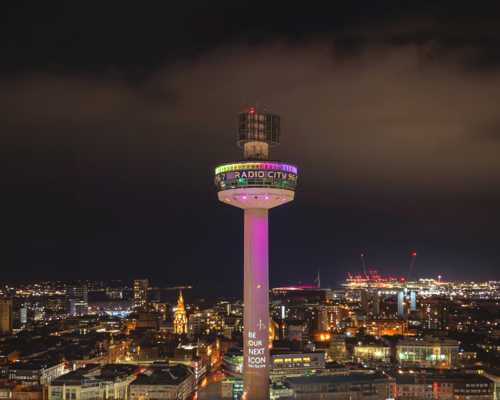
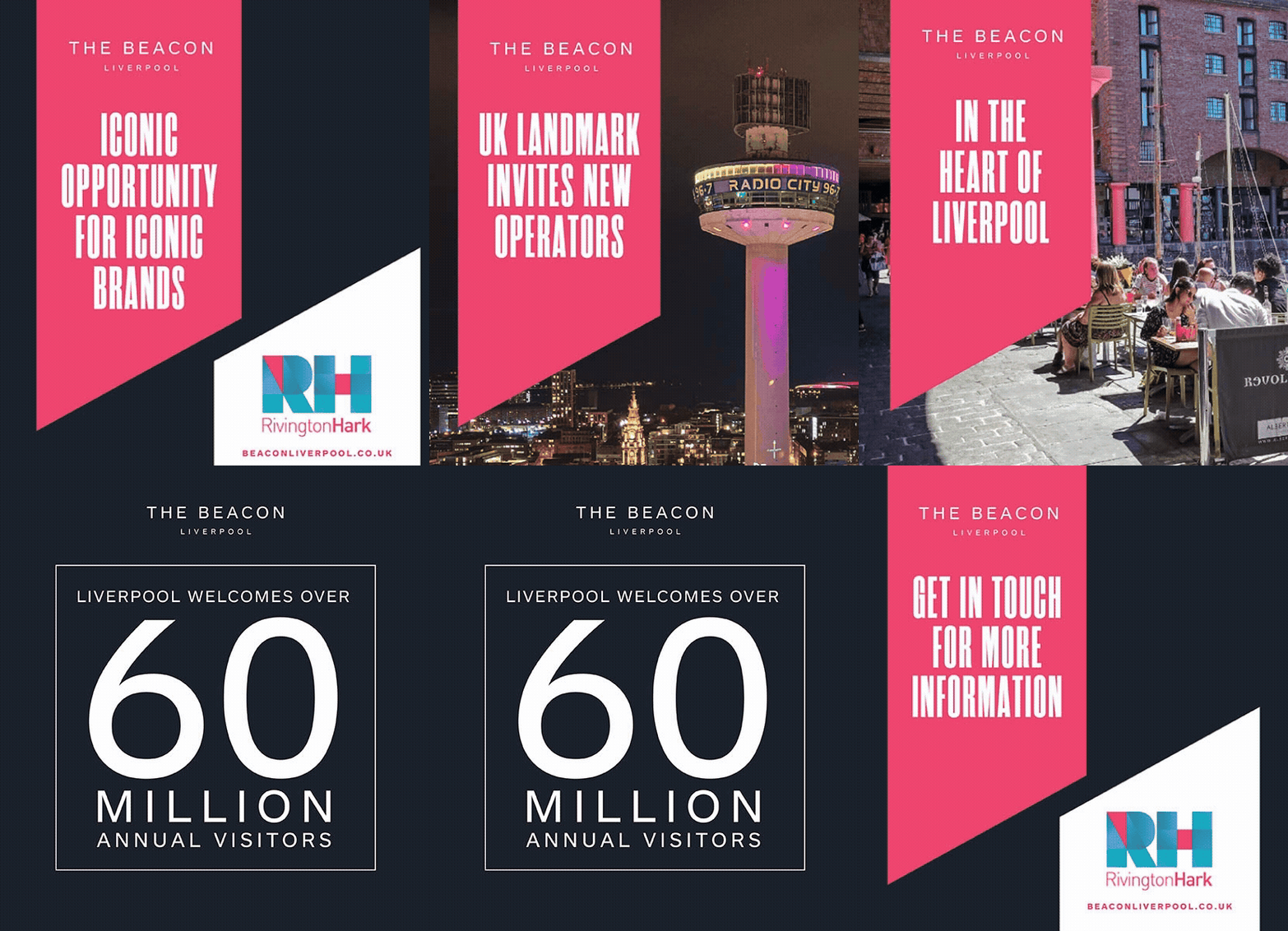
An opportunity to reimagine one of the UK’s most recognisable towers has been formally
opened by Rivington Hark, as St Johns Beacon invites operators and partners to shape its
next phase. [more...]
Cohen says the study shows acupuncture can be a viable alternative to drugs / Leonardo da/SHUTTERSTOCK
Professor Marc Cohen of RMIT University in Melbourne, Australia – a familiar face in the spa industry – has led a large study on the use of acupuncture for treating acute pain, finding the practice provides relief equivalent to the use of drugs in an emergency room setting.
The randomised, controlled trial involved 528 patients with acute lower back pain, migraine or ankle sprains who presented at the emergency departments of four leading Melbourne hospitals between January 2010 and December 2011.
“While acupuncture is widely used by practitioners in community settings for treating pain, it is rarely used in hospital emergency departments,” says Cohen.
Patients who identified their level of pain as at least four on a 10-point scale randomly received one of three types of treatment: acupuncture alone, acupuncture plus pharmacotherapy, or pharmacotherapy alone.
One hour after treatment, less than 40 per cent of patients across all three groups felt any significant pain reduction (two or more points), but 48 hours later, the vast majority found their treatment acceptable, with 82.8 per cent of acupuncture-only patients saying they would probably or definitely repeat their treatment. This is compared with 80.8 per cent in the combined group, and 78.2 per cent in the pharmacotherapy-only group.
Cohen says the study shows acupuncture is a viable alternative and would be especially beneficial for patients who are unable to take standard pain-relieving drugs.
And while the emergency room setting is a far cry from the relaxed vibes of a destination spa, Cohen says that beyond providing further evidence of acupuncture’s efficacy, there are takeaways for our industry.
“Acupuncture stimulates the body’s immune system,” he explains. “You’re not applying a drug, you’re just manipulating the body’s own healing mechanisms. The study also speaks to the integration of ancient and modern technology – which is often what we do in spas. They’re not incompatible.”
Cohen is currently working on several other wellness-related studies, including the Global Sauna Survey, which seeks to gain insight into people’s sauna habits and experiences (saunasurvey.org); and a study on users of the Wim Hof method – which uses cold therapy, breathing exercises and a committed mindset – to ascertain its health and resilience benefits (WHMsurvey.org).
Read more from this issue of Attractions Management magazine
View contents of Attractions Management 2017 issue 3
Promotional feature: Elemis - Deep Benefits
With its market-leading Pro-Collagen skincare products already
a worldwide success, Elemis has further expanded its premium
anti-ageing range with a potent new seaweed-based Marine Oil
Promotional feature: RKF - a touch of luxury
As a global leader in the field of luxury
fabrics for spas and hospitality, RKF
is known for pushing the boundaries
of design and function. We find out
about the company's latest work
A new immersive attraction designed to transport visitors into the final hours of ancient Pompeii
is preparing to open near the world-famous archaeological site in southern Italy.
Experience design company, BRC Imagination Arts, has completed a transition that sees founder
Bob Rogers pass ownership of the business to four long-serving senior executives, while
remaining actively involved with the company.
Movie Park Germany has opened a new Paramount Pictures-themed attraction as part of its 30th
anniversary celebrations, using immersive storytelling and adaptive reuse to reinforce the park’s
longstanding “Hollywood in Germany” positioning.
Therme Manchester’s 28-acre development, which will include interconnected glass pavilions
that measure 65,000sq m, will be the largest bathing and wellbeing attraction in the world once
complete, according to prof David Russell, CEO of Therme UK.
Efteling has opened Hooghmoed, a new family drop tower designed to broaden the appeal of its
recently launched Sirene Island themed area and introduce younger visitors to thrill attractions.
A proposed Puy du Fou development near Bicester and Universal Destinations and Experiences’
planned resort in Bedford are emerging as part of a wider transformation of the Oxford–
Cambridge Growth Corridor into a major centre for UK leisure and tourism inv
Shedd Aquarium has opened the Immersion Theater developed in partnership with SimEx-
Iwerks, as part of a wider strategy to enhance the guest experience and create additional
revenue opportunities.
The UK government has announced a temporary reduction in VAT on visitor attractions and
children’s meals as part of a summer cost-of-living support package designed to stimulate the
visitor economy and encourage family days out.
As designer Yinka Ilori prepares for his first solo gallery show in London, he speaks exclusively
to CLADmag about his mission to spread joy, the power of play, and his bold approach to using
colour (including the colours you won’t see in his work).
The government of Thailand is exploring plans for a THB300bn (£6.3bn, US$8.3bn)
entertainment complex in the country’s Eastern Economic Corridor (EEC), with officials
proposing a large-scale theme park and sports destination as part of a broader tourism and
economic development strategy.
An opportunity to reimagine one of the UK’s most recognisable towers has been formally
opened by Rivington Hark, as St Johns Beacon invites operators and partners to shape its
next phase. [more...]