One of the world’s oldest zoos has closed its door for
the final time after 186 years. What happens next?
Magali Robathan speaks to Bristol Zoological Society’s director of conservation and science
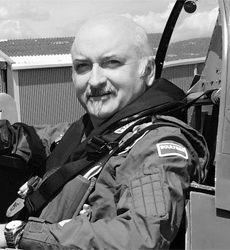
Zimmerman has been director of conservation and science at BZS since 2020 / Photo: Bristol Zoological Society
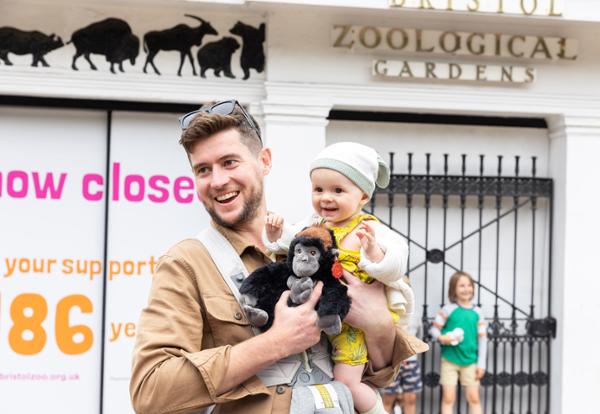
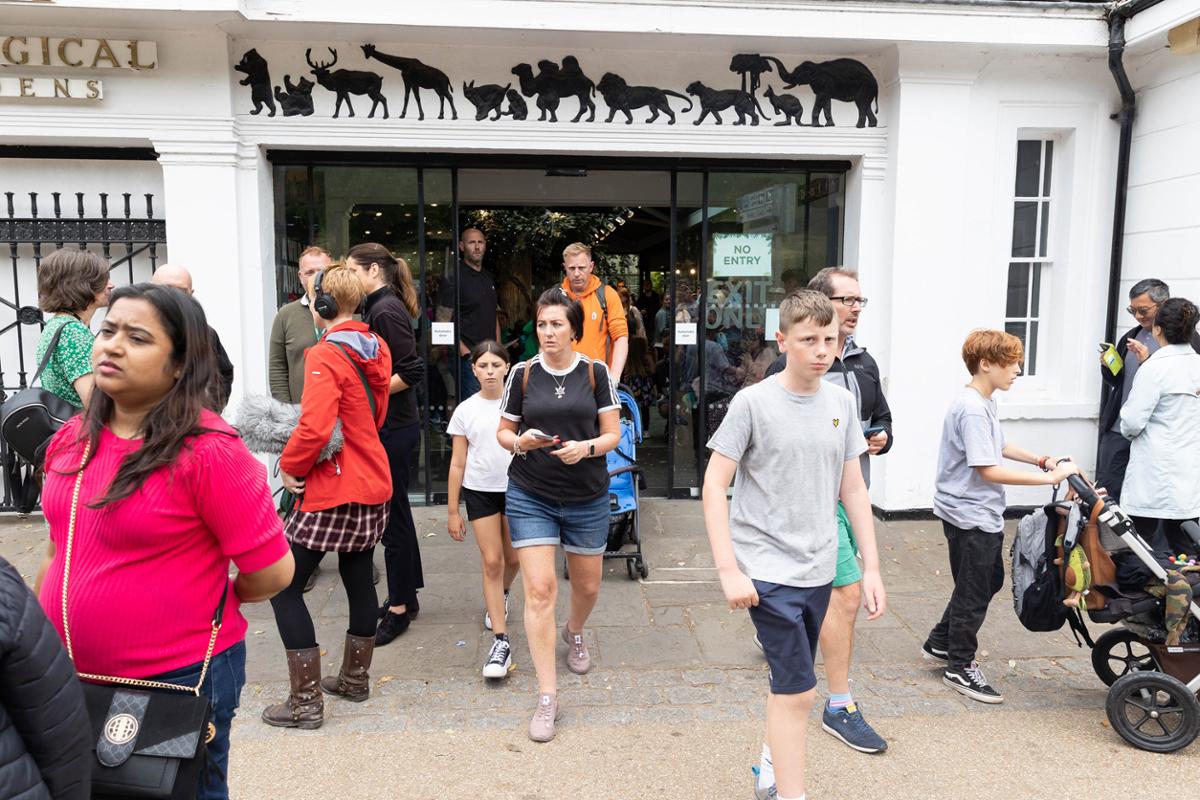
There were emotional scenes as Bristol Zoo Gardens closed its doors for the final time in September 2022. Opened in 1836, it was the world’s fifth oldest zoo, and it has been a special place for generations of families.
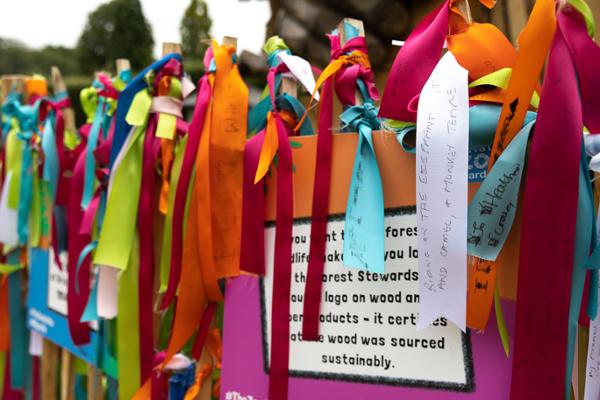
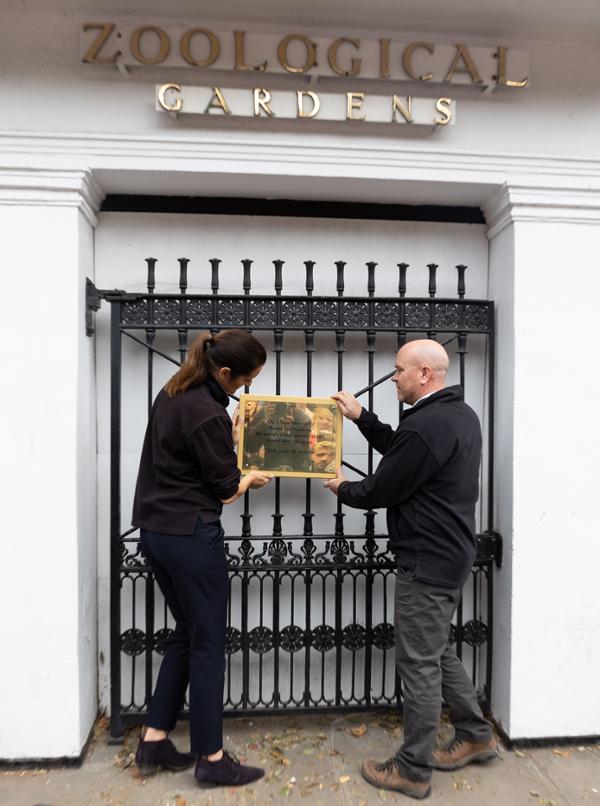
In the lead up to the closure, a series of events took place to celebrate the zoo’s history and allow visitors to share their recollections. On the final day, crowds gathered outside to applaud tearful staff members as they left for the final time, and a plaque was hung on the gates reading, ‘Thank you for the memories.’
“It was an emotional day,” admits Brian Zimmerman, director of Conservation and Science at Bristol Zoological Society. “But I knew why we were doing it. From my point of view, it was the best way for us to increase our commitment to the conservation of some of the most threatened species.
“It was such a small site and we really wanted to make improvements to the welfare of our animals – we needed more space to do that. We were fortunate to have another zoo – the Wild Place Project – just up the road.”
The decision was made to close Bristol Zoo Gardens (BZG) in late 2020, with the Bristol Zoological Society (BZS) – the conservation charity that runs BZG and the Wild Place Project – announcing plans to sell the 12 acre site in order to raise money to develop a new zoo on the 136 acre Wild Place Project site just outside Bristol.
“It’s part of an evolution in terms of improving animal welfare and doing more conservation work,” says Zimmerman, “so it was sad, but also exciting to have an opportunity to commit more resources to wildlife conservation.”
“A big part of the reason we closed was to safeguard our future,” he says. “We had an old site which was incredibly expensive to operate.
“In addition to developing the new zoo, we also want to further our conservation aims, increasing the amount we give to our projects in the field up to and over £1m a year ultimately. The move allows the zoo to focus on its conservation work and gives visitors the chance to see animals in conditions closer to what they’d experience in the wild.”
A NEW FOCUS Of the 300 plus species that lived at Bristol Zoo Gardens, around 80 are moving across to the new site, with the remainder being rehomed – the focus of the new zoo will be on conservation, and all the animals housed there will be either threatened or linked to BZS’s conservation projects in the UK and around the world.
“It’s all down to resources,” says Zimmerman. “We need our teams to focus on caring for threatened species and to be actively working to combat the biodiversity crisis we’re facing. One of the things I had to say to my teams is that we’re going to be the first meerkat-less zoo in the UK. That’s because meerkats, as cute as they might be, are not threatened – there’s no conservation need for us to have them.
“Some of the commercial teams were initially disappointed – because meerkats are popular with visitors – but they take resource to look after. I’d much rather that the teams look after species that are threatened, so we can have a bigger impact.”
So what’s the overarching vision for the new zoo, I ask Zimmerman.
“Authenticity is at the heart of it,” he says. “The new site is bigger, with ancient woodland on it and a whole mosaic of different ecosystems and habitats. With most urban zoos – and Bristol Zoo Gardens was a classic example – they have to build artificial environments for the animals to live in. We want to bring them into a much more naturalistic setting. Bear Wood [at Wild Place Project] is a good example of how we mean to carry on. You walk through there and you’ve got bears, wolves, wolverines and lynx all in a natural woodland setting. It really gives you the feeling that the animals are in the wild and the behaviour of the animals also reflects the more natural surroundings.”
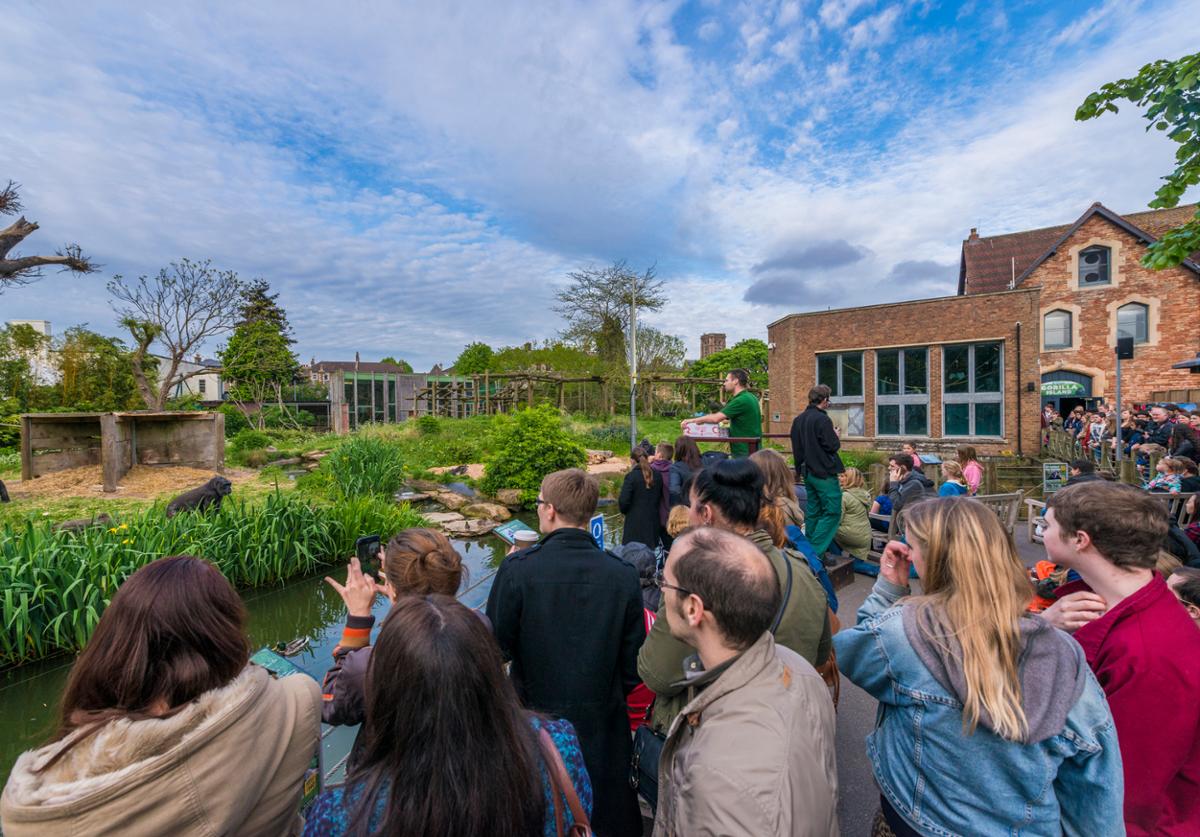
Bristol Zoo’s troop of western lowland gorillas will move across to the new zoo, where they’ll live in a new enclosure set in approximately two acres of woodland alongside endangered cherry-crowned mangabey monkeys.
“Most gorilla enclosures have artificial climbing structures and fake rocks,” says Zimmerman. “The new enclosure will be built in the forest – I can’t wait to see a gorilla climbing a giant tree, to see how they would behave in the wild.
“We want to prioritise the space for the animals, and give the humans the feeling of looking into the natural environment.”
The new zoo will also feature critically endangered black rhinos, which will live in an exhibit with scrubby vegetation and mixed trees, designed to resemble their natural habitat, as well as endangered African grey parrots and critically endangered slender-snouted crocodiles. A new underwater viewing area will allow visitors to get up close to threatened species of West African fish.
The zoo will also feature a new conservation campus including a breeding centre, which will house some of the world’s most threatened species of reptiles, amphibians, invertebrates and fish, including rare tortoises and turtles, frogs, freshwater fish from Madagascar and land snails from Polynesia and Madeira. Aviaries will contain breeding populations of threatened birds including tarictic hornbills, bleeding heart doves and Socorro doves – which are extinct in the wild.
A new entrance area is planned with a red panda exhibit, and the zoo will feature a conservation learning centre and a conservation medicine centre, as part of the campus.
REHOMING THE ANIMALS Although animals move from zoo to zoo routinely as part of breeding programmes, finding new homes for several thousand animals at once has been a serious logistical challenge.
“As soon as we closed the doors to BZG, we had to mobilise and get the animals that were not moving to the new site to their new homes,” says Zimmerman.
The project to rehome the 220 species that are not relocating to the new zoo started much earlier than that though – since the closure was announced, zoo officials have been using their contacts to try and find the right places for the right animals.
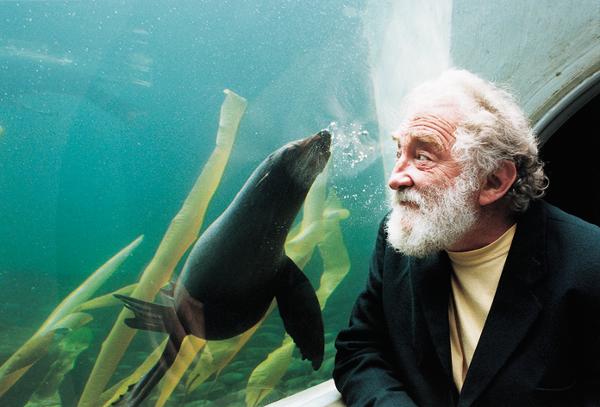
Some are easier to find homes for than others, of course. The three South American fur seals proved particularly tricky. “Pinnipeds are expensive to look after and not a lot of places have them. Finding a home for them was always going to be a challenge,” says Zimmerman.
“It’s been a bit of a shuffle – one zoo agreed to take them, but it had Californian sea lions that needed to move first. It’s a bit like a chess game – we helped them find homes for the sea lions to make room for the fur seals.”
And of course the process of actually moving the animals can be complicated – on the day I meet Zimmerman, BZG’s big fish, including three paddlefish, are being moved to their new homes at Bioparc Zoo de Doué la Fontaine in France and Oceanogràfic in Valencia, Spain.
“They’re big and some of them are very sensitive,” says Zimmerman. “They’re moving by road and ferry, they have to be kept warm, the water needs to be kept oxygenated and filtered en route. We have a very experienced company from Portugal called Flying Sharks helping us with the logistics and the actual move, but it’s an unbelievable amount of work.”
It’s not just the large animals that can be tricky to transport. When the zookeepers went to move the red-legged millipedes to their new home at Marwell Zoo in the UK, they found that they had bred so well that instead of the 2,500 they were expecting, there were actually 9,327, necessitating huge containers and a much larger transport vehicle than had been planned for.
FINANCIAL CHALLENGES Bristol Zoological Gardens has struggled financially for some time, with declining visitor numbers, a very old site that was expensive to operate, while Brexit contributed to increases in operating costs. The pandemic proved to be the final nail in the coffin, and in 2020, the society announced plans to sell the site with planning permission to develop sustainable housing on part of the site. The remaining grounds will be open to the public free of charge for the first time in history.
“We wanted to get planning permission ourselves – that was important for our legacy. This will help us meet the criteria of sustainability we want and ensure the site continues to provide a home for native wildlife,” says Zimmerman.
Two planning applications have been submitted – the first for a residential-led scheme to redevelop the BZG site, with ‘eco-friendly, low-carbon homes’ built largely in areas where structures already exist.
The second application is for a residential development of the brownfield ‘West Car Park’ site owned by BZS.
“At the moment, one of our biggest challenges is getting the properties sold to free up the capital to allow us to progress with the plans,” Zimmerman says.
“Everyone is chomping at the bit to get going – until we’ve got the planning applications submitted, approved, no challenges to them and we’ve actually got the funding, we can’t progress with our ambition of contributing more to conservation.”
LOOKING AHEAD While he acknowledges there are some serious challenges ahead, Zimmerman says he’s excited about the opportunities presented by this new chapter in Bristol Zoological Society’s history.
“One of the biggest opportunities of the move is the chance to realise our ambition of doing more conservation for species,” he says. “What makes us unique is that we have ambitions in our species plan that 80 per cent of them are part of our targeted conservation efforts – that’s more than any other zoo.
“Some people don’t agree with zoos, but if you look at the IUCN Red List, there are up to 40 species – probably more – extinct in the wild. If it wasn’t for zoos and aquariums, they’d be gone.
“We need to understand, recognise and capitalise on the value of zoos and aquariums for saving species like that from extinction. A big proportion of the animals we’ll have at our conservation breeding centre are extinct in the wild or critically endangered, and species that wouldn’t have a hope of surviving were it not for us.
“For me, that’s the most important thing.”
THE DESIGN TEAM FOR THE NEW ZOO
• A team of architects, designers, engineers and environmental experts are working with Bristol Zoological Society to make the new Bristol Zoo a reality.
• Grant Associates have been appointed as lead designers and landscape architects, along with award-winning architects and urban design practice Feilden Clegg Bradley Studios (FCBStudios).
• Momentum structural and civil engineers have also been appointed, along with E3 Consulting Engineers and Avison Young town planning advisors.
• Specialists have also been appointed to provide additional expertise, including arboriculturists Wotton Tree Consultancy; ecology consultant Clarkson and Woods, and transport and sustainability infrastructure consultant Hydrock.
THE NEW BRISTOL ZOO PLANNED EXHIBITS
New experiences expected to feature at the new site include:
Central African forests
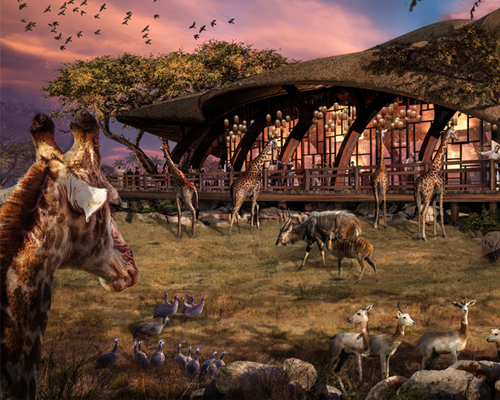
A Central African Forests area is planned for the gorilla troop from Bristol Zoo Gardens to live with a new group of endangered cherry-crowned mangabey monkeys. It will also include endangered African grey parrots, critically endangered slender-snouted crocodiles and extremely threatened species of West African fish which visitors will be able to see in a new underwater viewing area.
This exhibit will showcase Bristol Zoological Society’s existing conservation projects in Equatorial Guinea, Central Africa. It will be an immersive exhibit where visitors can learn about Bristol Zoological Society’s conservation work across central Africa and the species that are found there.
Conservation breeding centre
A newly-created conservation breeding centre will house some of the world’s most threatened species of reptiles, amphibians, invertebrates, and fish, as well as aviaries with highly threatened bird species including tarictic hornbills, bleeding heart doves, Sumatran laughing thrushes and Socorro doves – which are extinct in the wild. Almost all the species there are categorised as critically endangered’ or extinct in the wild.
The Conservation Breeding Centre is part of the Conservation Campus and will include rare tortoises and turtles, blue spotted tree monitors, Henkel’s leaf-tailed geckos, Madeiran land snails, Desertas wolf spiders, rainbow goodeid fish, and much more.
The species in the conservation breeding centre will each have an associated project plan identifying the conservation role that Bristol Zoological Society is playing in securing its future.
Read more from this issue of Attractions Management magazine
View contents of Attractions Management 2023 issue 1
Editor's letter: The power of stories
We think we understand the value of storytelling, but do we really? It’s important to be clear on what it contributes to our industry, says Magali Robathan
People: Simon Daniels
The director of the Handel & Hendrix in London attraction on the £3m revamp aiming to bring visitors closer to the musicians
People: Jacqueline Stewart
The president of the Academy Museum of Motion Pictures on honouring the stars of Black cinema
Interview: Tom Lochtefeld
The ‘father of artificial surf parks’ changed the industry with his pioneering sheet waves. Now he’s back to shake things up again with new deep water wave technology
Talking point: Storytime
How can we use the power of story to connect to guests and create better attractions? We ask the experts
Interview: Brian Zimmerman
The world’s fifth biggest zoo closed its doors in September 2022. We go behind the scenes of the Bristol Zoological Society to find out what happens next
Sponsored: No matter the venue aquatic play delivers
Aquatic play helps keep kids happy,
resulting in higher spend from families.
WhiteWater’s Cassidy Newman shares some
of the attractions using aquatic play to
bring in more visitors and increase spend
Science centre: Eureka!
How the new science centre consulted with young people and industry to bring a quirky sense of fun to STEAM
Museums: New museums
From a Bangalore photography and art museum to the Grand Egyptian Museum in Cairo, we review some exciting openings for 2023
Marketing: Screaming for screening
With its edgy brand and young visitor base, Merlin’s London Dungeon was a natural choice for an innovative marketing campaign aiming to take the stigma out of STI testing
Research: On the right track
After a rollercoaster ride, US theme parks are bouncing back, with opportunities for growth driven by gaming IPs, says Mintel
Visitor centre: Fish tale
A floating visitor attraction in Norway has been designed to promote fish farming, as Magali Robathan discovered
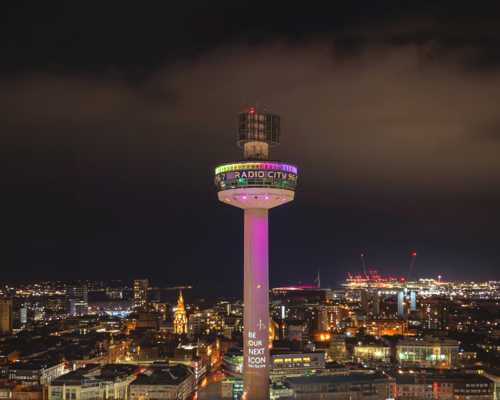
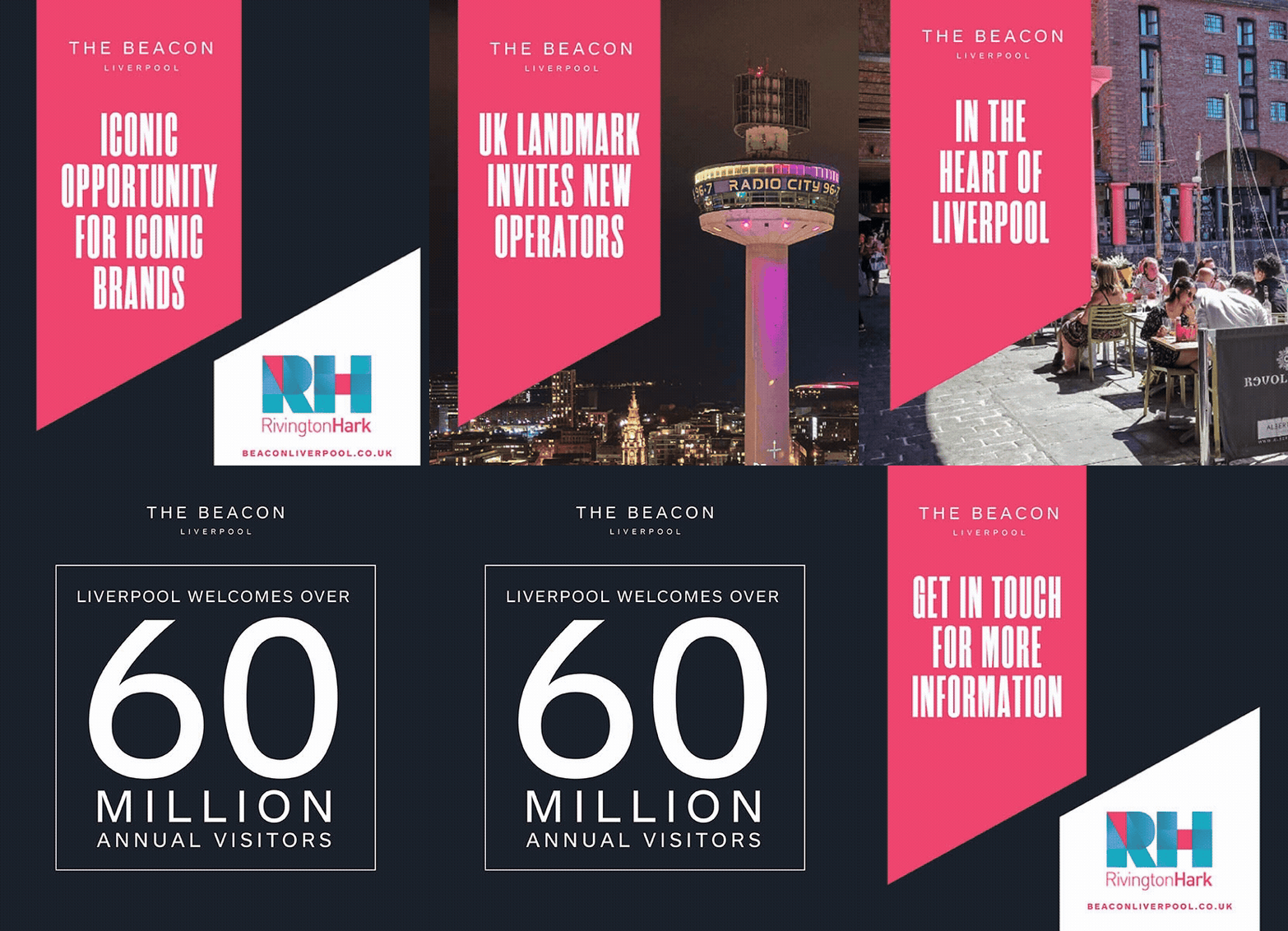
An opportunity to reimagine one of the UK’s most recognisable towers has been formally
opened by Rivington Hark, as St Johns Beacon invites operators and partners to shape its
next phase. [more...]
One of the world’s oldest zoos has closed its door for
the final time after 186 years. What happens next?
Magali Robathan speaks to Bristol Zoological Society’s director of conservation and science
Zimmerman has been director of conservation and science at BZS since 2020 / Photo: Bristol Zoological Society
There were emotional scenes as Bristol Zoo Gardens closed its doors for the final time in September 2022. Opened in 1836, it was the world’s fifth oldest zoo, and it has been a special place for generations of families.
In the lead up to the closure, a series of events took place to celebrate the zoo’s history and allow visitors to share their recollections. On the final day, crowds gathered outside to applaud tearful staff members as they left for the final time, and a plaque was hung on the gates reading, ‘Thank you for the memories.’
“It was an emotional day,” admits Brian Zimmerman, director of Conservation and Science at Bristol Zoological Society. “But I knew why we were doing it. From my point of view, it was the best way for us to increase our commitment to the conservation of some of the most threatened species.
“It was such a small site and we really wanted to make improvements to the welfare of our animals – we needed more space to do that. We were fortunate to have another zoo – the Wild Place Project – just up the road.”
The decision was made to close Bristol Zoo Gardens (BZG) in late 2020, with the Bristol Zoological Society (BZS) – the conservation charity that runs BZG and the Wild Place Project – announcing plans to sell the 12 acre site in order to raise money to develop a new zoo on the 136 acre Wild Place Project site just outside Bristol.
“It’s part of an evolution in terms of improving animal welfare and doing more conservation work,” says Zimmerman, “so it was sad, but also exciting to have an opportunity to commit more resources to wildlife conservation.”
“A big part of the reason we closed was to safeguard our future,” he says. “We had an old site which was incredibly expensive to operate.
“In addition to developing the new zoo, we also want to further our conservation aims, increasing the amount we give to our projects in the field up to and over £1m a year ultimately. The move allows the zoo to focus on its conservation work and gives visitors the chance to see animals in conditions closer to what they’d experience in the wild.”
A NEW FOCUS Of the 300 plus species that lived at Bristol Zoo Gardens, around 80 are moving across to the new site, with the remainder being rehomed – the focus of the new zoo will be on conservation, and all the animals housed there will be either threatened or linked to BZS’s conservation projects in the UK and around the world.
“It’s all down to resources,” says Zimmerman. “We need our teams to focus on caring for threatened species and to be actively working to combat the biodiversity crisis we’re facing. One of the things I had to say to my teams is that we’re going to be the first meerkat-less zoo in the UK. That’s because meerkats, as cute as they might be, are not threatened – there’s no conservation need for us to have them.
“Some of the commercial teams were initially disappointed – because meerkats are popular with visitors – but they take resource to look after. I’d much rather that the teams look after species that are threatened, so we can have a bigger impact.”
So what’s the overarching vision for the new zoo, I ask Zimmerman.
“Authenticity is at the heart of it,” he says. “The new site is bigger, with ancient woodland on it and a whole mosaic of different ecosystems and habitats. With most urban zoos – and Bristol Zoo Gardens was a classic example – they have to build artificial environments for the animals to live in. We want to bring them into a much more naturalistic setting. Bear Wood [at Wild Place Project] is a good example of how we mean to carry on. You walk through there and you’ve got bears, wolves, wolverines and lynx all in a natural woodland setting. It really gives you the feeling that the animals are in the wild and the behaviour of the animals also reflects the more natural surroundings.”
Bristol Zoo’s troop of western lowland gorillas will move across to the new zoo, where they’ll live in a new enclosure set in approximately two acres of woodland alongside endangered cherry-crowned mangabey monkeys.
“Most gorilla enclosures have artificial climbing structures and fake rocks,” says Zimmerman. “The new enclosure will be built in the forest – I can’t wait to see a gorilla climbing a giant tree, to see how they would behave in the wild.
“We want to prioritise the space for the animals, and give the humans the feeling of looking into the natural environment.”
The new zoo will also feature critically endangered black rhinos, which will live in an exhibit with scrubby vegetation and mixed trees, designed to resemble their natural habitat, as well as endangered African grey parrots and critically endangered slender-snouted crocodiles. A new underwater viewing area will allow visitors to get up close to threatened species of West African fish.
The zoo will also feature a new conservation campus including a breeding centre, which will house some of the world’s most threatened species of reptiles, amphibians, invertebrates and fish, including rare tortoises and turtles, frogs, freshwater fish from Madagascar and land snails from Polynesia and Madeira. Aviaries will contain breeding populations of threatened birds including tarictic hornbills, bleeding heart doves and Socorro doves – which are extinct in the wild.
A new entrance area is planned with a red panda exhibit, and the zoo will feature a conservation learning centre and a conservation medicine centre, as part of the campus.
REHOMING THE ANIMALS Although animals move from zoo to zoo routinely as part of breeding programmes, finding new homes for several thousand animals at once has been a serious logistical challenge.
“As soon as we closed the doors to BZG, we had to mobilise and get the animals that were not moving to the new site to their new homes,” says Zimmerman.
The project to rehome the 220 species that are not relocating to the new zoo started much earlier than that though – since the closure was announced, zoo officials have been using their contacts to try and find the right places for the right animals.
Some are easier to find homes for than others, of course. The three South American fur seals proved particularly tricky. “Pinnipeds are expensive to look after and not a lot of places have them. Finding a home for them was always going to be a challenge,” says Zimmerman.
“It’s been a bit of a shuffle – one zoo agreed to take them, but it had Californian sea lions that needed to move first. It’s a bit like a chess game – we helped them find homes for the sea lions to make room for the fur seals.”
And of course the process of actually moving the animals can be complicated – on the day I meet Zimmerman, BZG’s big fish, including three paddlefish, are being moved to their new homes at Bioparc Zoo de Doué la Fontaine in France and Oceanogràfic in Valencia, Spain.
“They’re big and some of them are very sensitive,” says Zimmerman. “They’re moving by road and ferry, they have to be kept warm, the water needs to be kept oxygenated and filtered en route. We have a very experienced company from Portugal called Flying Sharks helping us with the logistics and the actual move, but it’s an unbelievable amount of work.”
It’s not just the large animals that can be tricky to transport. When the zookeepers went to move the red-legged millipedes to their new home at Marwell Zoo in the UK, they found that they had bred so well that instead of the 2,500 they were expecting, there were actually 9,327, necessitating huge containers and a much larger transport vehicle than had been planned for.
FINANCIAL CHALLENGES Bristol Zoological Gardens has struggled financially for some time, with declining visitor numbers, a very old site that was expensive to operate, while Brexit contributed to increases in operating costs. The pandemic proved to be the final nail in the coffin, and in 2020, the society announced plans to sell the site with planning permission to develop sustainable housing on part of the site. The remaining grounds will be open to the public free of charge for the first time in history.
“We wanted to get planning permission ourselves – that was important for our legacy. This will help us meet the criteria of sustainability we want and ensure the site continues to provide a home for native wildlife,” says Zimmerman.
Two planning applications have been submitted – the first for a residential-led scheme to redevelop the BZG site, with ‘eco-friendly, low-carbon homes’ built largely in areas where structures already exist.
The second application is for a residential development of the brownfield ‘West Car Park’ site owned by BZS.
“At the moment, one of our biggest challenges is getting the properties sold to free up the capital to allow us to progress with the plans,” Zimmerman says.
“Everyone is chomping at the bit to get going – until we’ve got the planning applications submitted, approved, no challenges to them and we’ve actually got the funding, we can’t progress with our ambition of contributing more to conservation.”
LOOKING AHEAD While he acknowledges there are some serious challenges ahead, Zimmerman says he’s excited about the opportunities presented by this new chapter in Bristol Zoological Society’s history.
“One of the biggest opportunities of the move is the chance to realise our ambition of doing more conservation for species,” he says. “What makes us unique is that we have ambitions in our species plan that 80 per cent of them are part of our targeted conservation efforts – that’s more than any other zoo.
“Some people don’t agree with zoos, but if you look at the IUCN Red List, there are up to 40 species – probably more – extinct in the wild. If it wasn’t for zoos and aquariums, they’d be gone.
“We need to understand, recognise and capitalise on the value of zoos and aquariums for saving species like that from extinction. A big proportion of the animals we’ll have at our conservation breeding centre are extinct in the wild or critically endangered, and species that wouldn’t have a hope of surviving were it not for us.
“For me, that’s the most important thing.”
THE DESIGN TEAM FOR THE NEW ZOO
• A team of architects, designers, engineers and environmental experts are working with Bristol Zoological Society to make the new Bristol Zoo a reality.
• Grant Associates have been appointed as lead designers and landscape architects, along with award-winning architects and urban design practice Feilden Clegg Bradley Studios (FCBStudios).
• Momentum structural and civil engineers have also been appointed, along with E3 Consulting Engineers and Avison Young town planning advisors.
• Specialists have also been appointed to provide additional expertise, including arboriculturists Wotton Tree Consultancy; ecology consultant Clarkson and Woods, and transport and sustainability infrastructure consultant Hydrock.
THE NEW BRISTOL ZOO PLANNED EXHIBITS
New experiences expected to feature at the new site include:
Central African forests
A Central African Forests area is planned for the gorilla troop from Bristol Zoo Gardens to live with a new group of endangered cherry-crowned mangabey monkeys. It will also include endangered African grey parrots, critically endangered slender-snouted crocodiles and extremely threatened species of West African fish which visitors will be able to see in a new underwater viewing area.
This exhibit will showcase Bristol Zoological Society’s existing conservation projects in Equatorial Guinea, Central Africa. It will be an immersive exhibit where visitors can learn about Bristol Zoological Society’s conservation work across central Africa and the species that are found there.
Conservation breeding centre
A newly-created conservation breeding centre will house some of the world’s most threatened species of reptiles, amphibians, invertebrates, and fish, as well as aviaries with highly threatened bird species including tarictic hornbills, bleeding heart doves, Sumatran laughing thrushes and Socorro doves – which are extinct in the wild. Almost all the species there are categorised as critically endangered’ or extinct in the wild.
The Conservation Breeding Centre is part of the Conservation Campus and will include rare tortoises and turtles, blue spotted tree monitors, Henkel’s leaf-tailed geckos, Madeiran land snails, Desertas wolf spiders, rainbow goodeid fish, and much more.
The species in the conservation breeding centre will each have an associated project plan identifying the conservation role that Bristol Zoological Society is playing in securing its future.
Read more from this issue of Attractions Management magazine
View contents of Attractions Management 2023 issue 1
Editor's letter: The power of stories
We think we understand the value of storytelling, but do we really? It’s important to be clear on what it contributes to our industry, says Magali Robathan
People: Simon Daniels
The director of the Handel & Hendrix in London attraction on the £3m revamp aiming to bring visitors closer to the musicians
People: Jacqueline Stewart
The president of the Academy Museum of Motion Pictures on honouring the stars of Black cinema
Interview: Tom Lochtefeld
The ‘father of artificial surf parks’ changed the industry with his pioneering sheet waves. Now he’s back to shake things up again with new deep water wave technology
Talking point: Storytime
How can we use the power of story to connect to guests and create better attractions? We ask the experts
Interview: Brian Zimmerman
The world’s fifth biggest zoo closed its doors in September 2022. We go behind the scenes of the Bristol Zoological Society to find out what happens next
Sponsored: No matter the venue aquatic play delivers
Aquatic play helps keep kids happy,
resulting in higher spend from families.
WhiteWater’s Cassidy Newman shares some
of the attractions using aquatic play to
bring in more visitors and increase spend
Science centre: Eureka!
How the new science centre consulted with young people and industry to bring a quirky sense of fun to STEAM
Museums: New museums
From a Bangalore photography and art museum to the Grand Egyptian Museum in Cairo, we review some exciting openings for 2023
Marketing: Screaming for screening
With its edgy brand and young visitor base, Merlin’s London Dungeon was a natural choice for an innovative marketing campaign aiming to take the stigma out of STI testing
Research: On the right track
After a rollercoaster ride, US theme parks are bouncing back, with opportunities for growth driven by gaming IPs, says Mintel
Visitor centre: Fish tale
A floating visitor attraction in Norway has been designed to promote fish farming, as Magali Robathan discovered
A new immersive attraction designed to transport visitors into the final hours of ancient Pompeii
is preparing to open near the world-famous archaeological site in southern Italy.
Experience design company, BRC Imagination Arts, has completed a transition that sees founder
Bob Rogers pass ownership of the business to four long-serving senior executives, while
remaining actively involved with the company.
Movie Park Germany has opened a new Paramount Pictures-themed attraction as part of its 30th
anniversary celebrations, using immersive storytelling and adaptive reuse to reinforce the park’s
longstanding “Hollywood in Germany” positioning.
Therme Manchester’s 28-acre development, which will include interconnected glass pavilions
that measure 65,000sq m, will be the largest bathing and wellbeing attraction in the world once
complete, according to prof David Russell, CEO of Therme UK.
Efteling has opened Hooghmoed, a new family drop tower designed to broaden the appeal of its
recently launched Sirene Island themed area and introduce younger visitors to thrill attractions.
A proposed Puy du Fou development near Bicester and Universal Destinations and Experiences’
planned resort in Bedford are emerging as part of a wider transformation of the Oxford–
Cambridge Growth Corridor into a major centre for UK leisure and tourism inv
Shedd Aquarium has opened the Immersion Theater developed in partnership with SimEx-
Iwerks, as part of a wider strategy to enhance the guest experience and create additional
revenue opportunities.
The UK government has announced a temporary reduction in VAT on visitor attractions and
children’s meals as part of a summer cost-of-living support package designed to stimulate the
visitor economy and encourage family days out.
As designer Yinka Ilori prepares for his first solo gallery show in London, he speaks exclusively
to CLADmag about his mission to spread joy, the power of play, and his bold approach to using
colour (including the colours you won’t see in his work).
The government of Thailand is exploring plans for a THB300bn (£6.3bn, US$8.3bn)
entertainment complex in the country’s Eastern Economic Corridor (EEC), with officials
proposing a large-scale theme park and sports destination as part of a broader tourism and
economic development strategy.
An opportunity to reimagine one of the UK’s most recognisable towers has been formally
opened by Rivington Hark, as St Johns Beacon invites operators and partners to shape its
next phase. [more...]