Advances in AI are bringing enhanced personalisation to the online visitor experience. Andy Povey explains how you can use audience-based engagement tools to increase conversion rates and create better experiences for guests
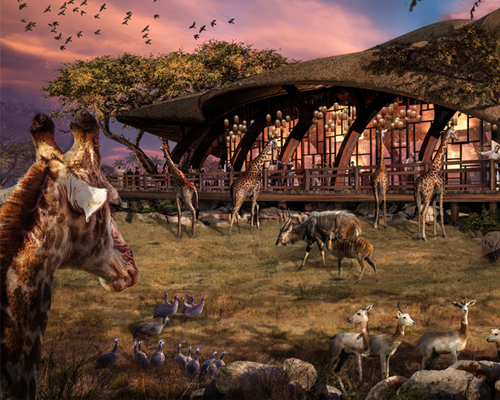
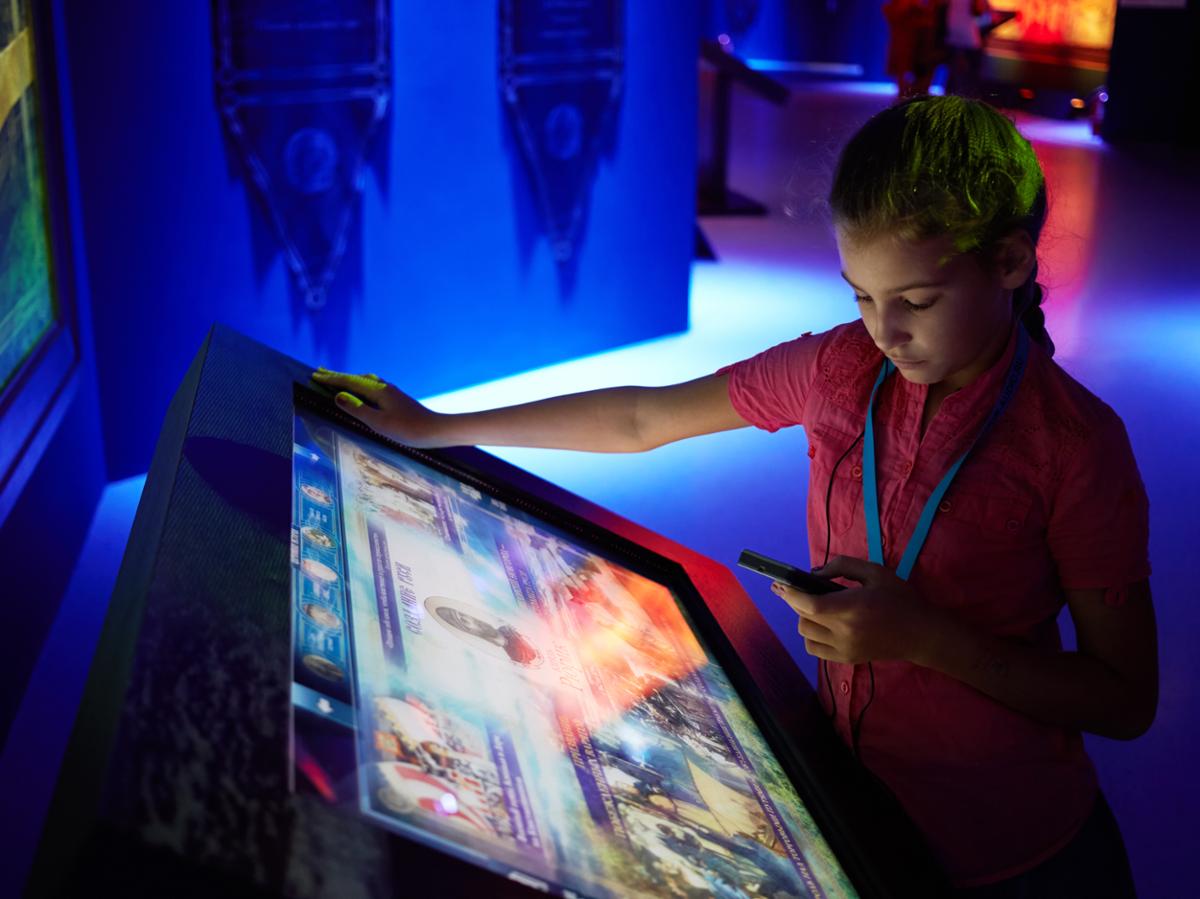
AI and apps can be used to alert visitors to special events, such as feeding times / Photo: Shutterstock/Olga Pink
Today, the visitor’s journey begins online, often long before they visit their destination. This makes it vital your Google searchability, website usability/UX and representation by partners is carefully implemented.
One key difference between offline and online is the ability to offer a personalised experience. In person, it’s easy to recognise someone, make them feel valued and flow to the next stage of an interaction accordingly.
Online however, this presents a challenge. A visitor to your website could be encountering your operation for the first time, they could be a returning visitor, someone who previously abandoned a cart or who already has tickets and is checking final details for their visit. This presents an obvious need for the information they see to be tailored accordingly.
Identifying buyer personas Personalisation is a game-changer for attractions, especially given the industry is all about delivering peak experiences. This hinges around providing relevant experiences to visitors at all times, bridging the gap between unfiltered exposure to your business and their needs.
Research has shown that 76 per cent of customers are tired of generic experiences and are more engaged when content speaks directly to them, quickly meeting their needs at that given moment.
Today’s online customer is smart, well-informed, empowered and time-conscious. Statistics show that people are likely to leave a web page within 10 – 20 seconds if they don’t see what they’re looking for, leaving you very little time to capture their attention.
To help with this targeting, we need to create and understand our ‘buyer personas’. When creating these, you’re picturing your ‘best customer’ in the target segment and working to gain more insight into their habits, attitudes, behaviours and challenges – not to manipulate them, but to provide them with higher value.
Data-Driven Personalisation It’s essential to understand how your specific users behave, what they expect, their buying habits and how you make them feel, to improve the user experience.
You can achieve this using AI and predictive analytics to recognise where a customer is on their buying journey so you can deliver a clear and targeted value proposition.
For example, if a customer has abandoned their cart, the AI will recognise it’s the same person and start from that stage of the messaging cycle, rather than beginning the process again at the start.
Destinations can use this knowledge to create profiles that group visitors into different audiences. This can include first time visitors, repeat visitors and those who pre-booked tickets and are revisiting the website to check details such as opening times or parking.
Customer Journey However, obtaining good data is only half the story. The key is understanding it, segmenting it and knowing how to use it.
The first step is to collect, sort and analyse visitor data. From here, templates can be created for predefined audiences, based on where they are in their personal purchasing journey.
Customised calls to action and a system that adjusts to the customer’s way of buy-in – rather than expecting them to adapt to your way of selling – mean they’re more likely to make desired decisions. This creates win-win outcomes for visitors and attractions and is a proven method of optimising booking conversion rates.
To make the messaging more effective and keep repetitive manual work to a minimum, have templates styled for your brand, make them available in multiple languages.
From Digital to Physical Once at the destination, it’s important to ensure that this level of personalisation and seamless customer experience continues, with a smooth transition from online to the physical space.
The most effective way to do this is by connecting the journey through an app that guests can access on their personal devices. This needs to have the ability to store purchased tickets and reservations in an e-ticket wallet for a seamless entrance.
Data similar to that obtained during their online journey can now be applied to the physical space, with destinations targeting guests based on GPS locations to share personalised and automated push notifications for upsells and offers, with easy purchasing and ordering within the app. Guests can use these geo location features to plan their day, find quieter areas of the attraction and locate key services.
To finish the personalisation cycle, it’s important to find out what individuals think, so that you can finish the conversation you’ve been having with them throughout their visitor experience. It’s also a great opportunity to turn someone into a repeat visitor.
Operator Benefits In an increasingly digitised world, these tools for getting to know your online audience are essential. Personalisation across the visitor cycle gives operators the chance to connect with their guests from that very first interaction.
This allows you to enhance guest experiences by organising your marketing efforts and give them the exact information they need. By streamlining the process and better identifying customers’ pain points, needs and wants, conversion rates increase. By learning from the data and your customer personas, you can improve your products and services by offering personalised upsells, helping to curate the customer experience even further.
"Research shows 76% of customers are tired of generic experiences and are more engaged when web content meets their needs" – Andy Povey
Read more from this issue of Attractions Management magazine
View contents of Attractions Management 2023 issue 1
Editor's letter: The power of stories
We think we understand the value of storytelling, but do we really? It’s important to be clear on what it contributes to our industry, says Magali Robathan
People: Simon Daniels
The director of the Handel & Hendrix in London attraction on the £3m revamp aiming to bring visitors closer to the musicians
People: Jacqueline Stewart
The president of the Academy Museum of Motion Pictures on honouring the stars of Black cinema
Interview: Tom Lochtefeld
The ‘father of artificial surf parks’ changed the industry with his pioneering sheet waves. Now he’s back to shake things up again with new deep water wave technology
Talking point: Storytime
How can we use the power of story to connect to guests and create better attractions? We ask the experts
Interview: Brian Zimmerman
The world’s fifth biggest zoo closed its doors in September 2022. We go behind the scenes of the Bristol Zoological Society to find out what happens next
Sponsored: No matter the venue aquatic play delivers
Aquatic play helps keep kids happy,
resulting in higher spend from families.
WhiteWater’s Cassidy Newman shares some
of the attractions using aquatic play to
bring in more visitors and increase spend
Science centre: Eureka!
How the new science centre consulted with young people and industry to bring a quirky sense of fun to STEAM
Museums: New museums
From a Bangalore photography and art museum to the Grand Egyptian Museum in Cairo, we review some exciting openings for 2023
Marketing: Screaming for screening
With its edgy brand and young visitor base, Merlin’s London Dungeon was a natural choice for an innovative marketing campaign aiming to take the stigma out of STI testing
Research: On the right track
After a rollercoaster ride, US theme parks are bouncing back, with opportunities for growth driven by gaming IPs, says Mintel
Visitor centre: Fish tale
A floating visitor attraction in Norway has been designed to promote fish farming, as Magali Robathan discovered
Advances in AI are bringing enhanced personalisation to the online visitor experience. Andy Povey explains how you can use audience-based engagement tools to increase conversion rates and create better experiences for guests
AI and apps can be used to alert visitors to special events, such as feeding times / Photo: Shutterstock/Olga Pink
Today, the visitor’s journey begins online, often long before they visit their destination. This makes it vital your Google searchability, website usability/UX and representation by partners is carefully implemented.
One key difference between offline and online is the ability to offer a personalised experience. In person, it’s easy to recognise someone, make them feel valued and flow to the next stage of an interaction accordingly.
Online however, this presents a challenge. A visitor to your website could be encountering your operation for the first time, they could be a returning visitor, someone who previously abandoned a cart or who already has tickets and is checking final details for their visit. This presents an obvious need for the information they see to be tailored accordingly.
Identifying buyer personas Personalisation is a game-changer for attractions, especially given the industry is all about delivering peak experiences. This hinges around providing relevant experiences to visitors at all times, bridging the gap between unfiltered exposure to your business and their needs.
Research has shown that 76 per cent of customers are tired of generic experiences and are more engaged when content speaks directly to them, quickly meeting their needs at that given moment.
Today’s online customer is smart, well-informed, empowered and time-conscious. Statistics show that people are likely to leave a web page within 10 – 20 seconds if they don’t see what they’re looking for, leaving you very little time to capture their attention.
To help with this targeting, we need to create and understand our ‘buyer personas’. When creating these, you’re picturing your ‘best customer’ in the target segment and working to gain more insight into their habits, attitudes, behaviours and challenges – not to manipulate them, but to provide them with higher value.
Data-Driven Personalisation It’s essential to understand how your specific users behave, what they expect, their buying habits and how you make them feel, to improve the user experience.
You can achieve this using AI and predictive analytics to recognise where a customer is on their buying journey so you can deliver a clear and targeted value proposition.
For example, if a customer has abandoned their cart, the AI will recognise it’s the same person and start from that stage of the messaging cycle, rather than beginning the process again at the start.
Destinations can use this knowledge to create profiles that group visitors into different audiences. This can include first time visitors, repeat visitors and those who pre-booked tickets and are revisiting the website to check details such as opening times or parking.
Customer Journey However, obtaining good data is only half the story. The key is understanding it, segmenting it and knowing how to use it.
The first step is to collect, sort and analyse visitor data. From here, templates can be created for predefined audiences, based on where they are in their personal purchasing journey.
Customised calls to action and a system that adjusts to the customer’s way of buy-in – rather than expecting them to adapt to your way of selling – mean they’re more likely to make desired decisions. This creates win-win outcomes for visitors and attractions and is a proven method of optimising booking conversion rates.
To make the messaging more effective and keep repetitive manual work to a minimum, have templates styled for your brand, make them available in multiple languages.
From Digital to Physical Once at the destination, it’s important to ensure that this level of personalisation and seamless customer experience continues, with a smooth transition from online to the physical space.
The most effective way to do this is by connecting the journey through an app that guests can access on their personal devices. This needs to have the ability to store purchased tickets and reservations in an e-ticket wallet for a seamless entrance.
Data similar to that obtained during their online journey can now be applied to the physical space, with destinations targeting guests based on GPS locations to share personalised and automated push notifications for upsells and offers, with easy purchasing and ordering within the app. Guests can use these geo location features to plan their day, find quieter areas of the attraction and locate key services.
To finish the personalisation cycle, it’s important to find out what individuals think, so that you can finish the conversation you’ve been having with them throughout their visitor experience. It’s also a great opportunity to turn someone into a repeat visitor.
Operator Benefits In an increasingly digitised world, these tools for getting to know your online audience are essential. Personalisation across the visitor cycle gives operators the chance to connect with their guests from that very first interaction.
This allows you to enhance guest experiences by organising your marketing efforts and give them the exact information they need. By streamlining the process and better identifying customers’ pain points, needs and wants, conversion rates increase. By learning from the data and your customer personas, you can improve your products and services by offering personalised upsells, helping to curate the customer experience even further.
"Research shows 76% of customers are tired of generic experiences and are more engaged when web content meets their needs" – Andy Povey
Read more from this issue of Attractions Management magazine
View contents of Attractions Management 2023 issue 1
Editor's letter: The power of stories
We think we understand the value of storytelling, but do we really? It’s important to be clear on what it contributes to our industry, says Magali Robathan
People: Simon Daniels
The director of the Handel & Hendrix in London attraction on the £3m revamp aiming to bring visitors closer to the musicians
People: Jacqueline Stewart
The president of the Academy Museum of Motion Pictures on honouring the stars of Black cinema
Interview: Tom Lochtefeld
The ‘father of artificial surf parks’ changed the industry with his pioneering sheet waves. Now he’s back to shake things up again with new deep water wave technology
Talking point: Storytime
How can we use the power of story to connect to guests and create better attractions? We ask the experts
Interview: Brian Zimmerman
The world’s fifth biggest zoo closed its doors in September 2022. We go behind the scenes of the Bristol Zoological Society to find out what happens next
Sponsored: No matter the venue aquatic play delivers
Aquatic play helps keep kids happy,
resulting in higher spend from families.
WhiteWater’s Cassidy Newman shares some
of the attractions using aquatic play to
bring in more visitors and increase spend
Science centre: Eureka!
How the new science centre consulted with young people and industry to bring a quirky sense of fun to STEAM
Museums: New museums
From a Bangalore photography and art museum to the Grand Egyptian Museum in Cairo, we review some exciting openings for 2023
Marketing: Screaming for screening
With its edgy brand and young visitor base, Merlin’s London Dungeon was a natural choice for an innovative marketing campaign aiming to take the stigma out of STI testing
Research: On the right track
After a rollercoaster ride, US theme parks are bouncing back, with opportunities for growth driven by gaming IPs, says Mintel
Visitor centre: Fish tale
A floating visitor attraction in Norway has been designed to promote fish farming, as Magali Robathan discovered
London Museum will open four new food and drink destinations when it launches its new home
at Smithfield on 28 November, making hospitality a central part of the visitor experience at one
of the capital's biggest cultural openings of the year.
OMA has completed a major transformation of New York's New Museum, creating a larger
cultural campus that combines expanded exhibition spaces with learning, performance,
hospitality and public programming.
A US$50 million (£44.2 million, €51.2 million) transformation of Chicago's historic McCormick
Mansion has created a new destination that combines live magic, immersive theatre, dining and
private membership under one roof.
The Montana Historical Society has officially celebrated the opening of its new Montana
Heritage
Center, a US$107 million (£79 million, €92 million) destination that combines immersive
storytelling with cutting-edge audiovisual technology to bring the sta
San Antonio Zoo has reported a US$283 million economic impact for 2025, following a decade-
long transformation programme that has seen almost US$200 million invested into the Texas
attraction.
Plans for the AU$180 million redevelopment of Reef HQ Aquarium in Townsville, Australia, are
progressing, with the project set to transform the attraction into a global centre for reef
education and conservation.
Abu Dhabi-based investment firm Mubadala Capital has made a binding, fully financed
€1 billion
offer to acquire Pierre and Vacances SA, the European holiday resort operator behind the
continental European Center Parcs business.
Disney has reaffirmed its commitment to investing US$30 billion in its US parks and cruise
business by 2033, using new America250 celebrations to underline the role its attractions play
in supporting jobs, tourism and economic growth.
Expo 2030 Riyadh is being planned as a permanent visitor destination, with organisers
confirming the six-million-square-metre site will become a Global Village after the event closes.
The owner of one of Australia's best-known waterparks has acquired a major competitor,
creating a new attractions business spanning two of the country's largest visitor destinations.