Hot spring owners and stakeholders gathered in China and Japan for the latest
Global Thermal Think Tank events. Lisa Starr shares her highlights from Asia
By Lisa Starr | Published in Spa Business 2020 issue 1
There was a time, not that long ago, when treatments utilising water were considered essential to a spa experience. In the last decade, with the advent of the wellness movement and the advances in technology and equipment, it’s no longer a central component. There are, however, locations where water still plays a starring and pivotal role – the thermal/mineral springs spa.
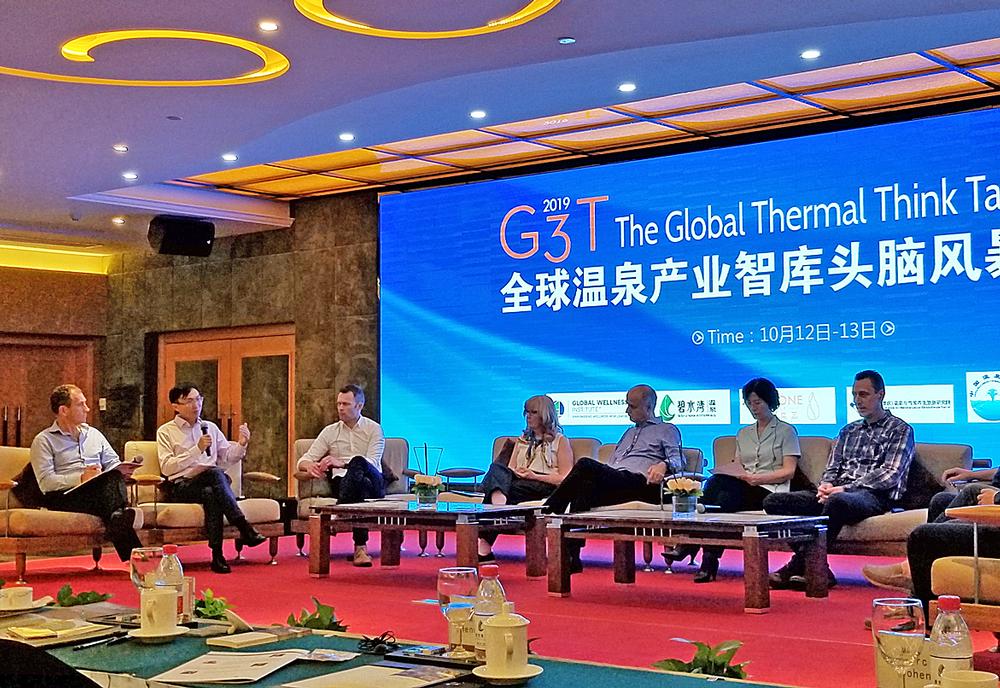
These businesses, which can seem few and far between in certain parts of the world, actually number approximately 35,000 globally according to the most recent Global Wellness Institute (GWI) research. Thermal and mineral spring spas are the keepers of time-honored bathing and communal traditions in their regions, attracting locals and tourists alike. In the last few years, as spa conferences move into the wellness realm, representatives of this specialised group have begun to gather annually in an event that has come to be known as G3T, or Global Thermal Think Tank.
“The primary impetus for starting the group was a desire to learn from bathing cultures of the world, and to do it together with other people who share a passion for hot springs,” says Charles Davidson, founder of Australia’s Peninsula Hot Springs, who originally set up the group with wellness professor Marc Cohen. Davidson himself has allowed his passion to carry him to 51 countries since 1998 on what he calls ‘hot springs research missions’. This year for the first time, the G3T group offered conferences before and after October’s Global Wellness Summit in Singapore – one in China, the other in Japan.
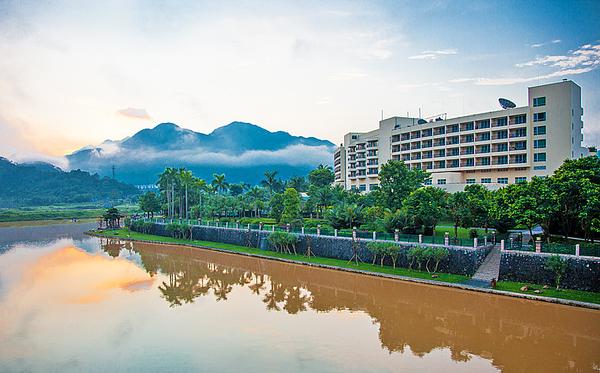
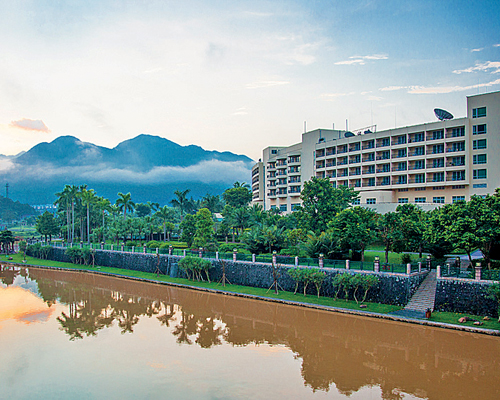
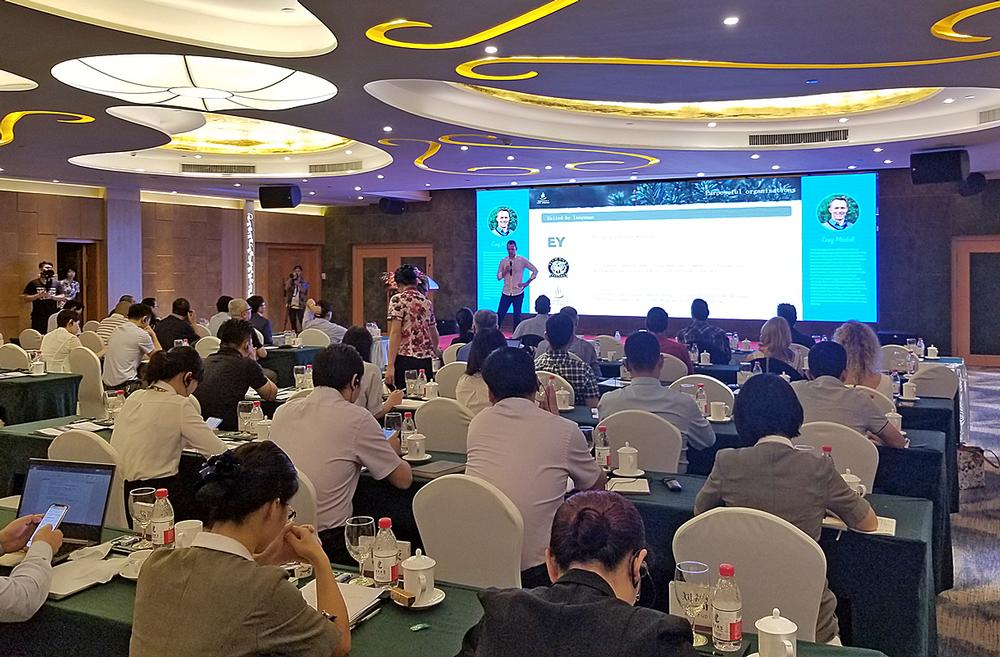
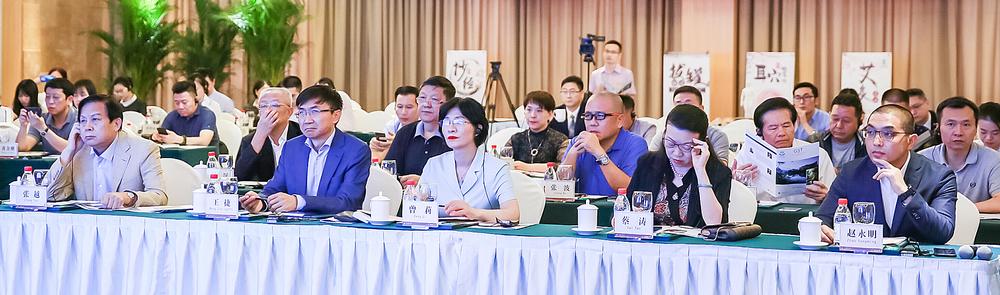
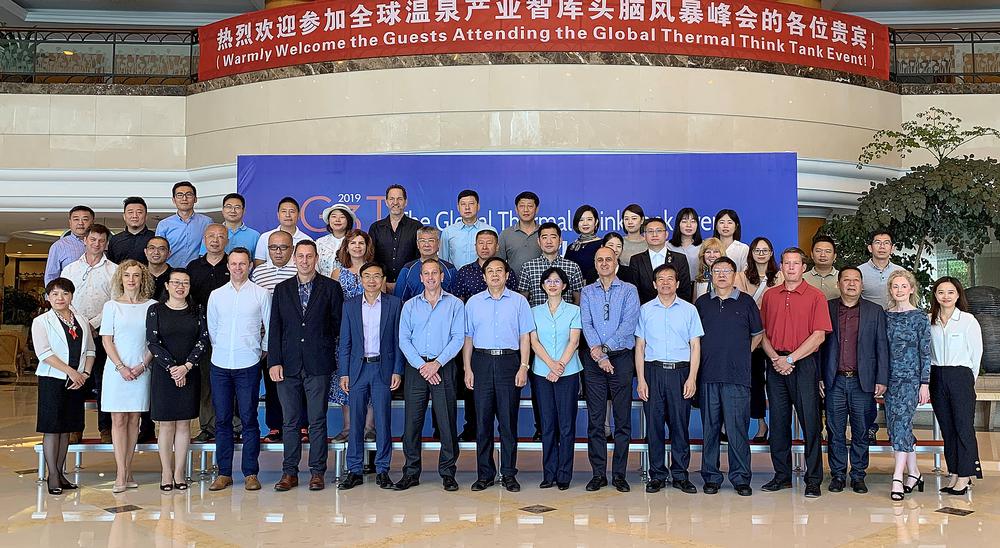
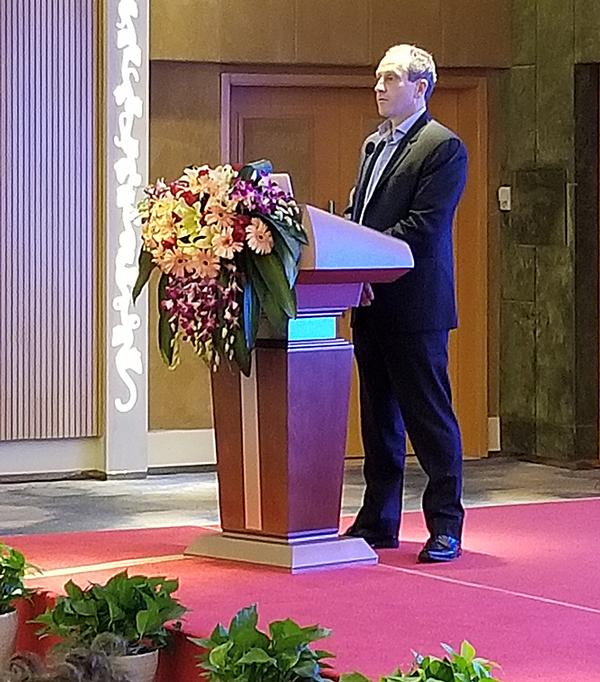
Chinese whispers At the pre-summit event in Guangzhou, China, the host hotel Bishuiwan Hot Springs rolled out the red carpet for more than 40 attendees of the two-day conference. Simultaneous translation was offered for the presentations from government officials, scientists, doctors, and thermal spa operators on a variety of relevant subjects.
Zhang Yue, secretary general of the China Hot Spring Tourism Association, gave some insights into the hot springs market in the country. He says that much effort, and expense from the government – almost CNY71bn (US$10.1bn, €9.1bn, £7.7bn) – has been put into the development of hot springs tourism, with impressive results. One location in Chongqing had 40,000 visitors in a day! China has approximately 2,500 hot springs locations, many of which target the luxury market and some that are also able to host conferences and provide entertainment.
However, Zhang says there’s a gap in the market to develop locations with middle and lower-end pricing as well, so that locals can also participate – one facility even has a price of CNY20 (US$2.90, €2.60, £2.20) a day.
Some hot springs operators in China are working with local hospitals, and others are piloting the inclusion of Chinese medicine practices alongside thermal bathing. However, Zhang remarks that these efforts are in the early stages, and they recognise the challenges in combining recreation with true therapy.
Economic focus Mark Hennebry, CEO of Ensana Hospitality, a brand of Danubius which operates 26 thermal/mineral hotels and spas across Europe, shared some economic data reflecting the health of the industry. This included an exciting project in the UK spa town of Buxton, a development that’s costing nearly £70m (US$91.7m, €82.4m) and creating 100 jobs.
In Bath, England, the refurbished Thermae Spa attracts 260,000 visitors a year, while YTL’s Gainsborough Hotel, which also taps into natural thermal waters, created 120 jobs. Hennebry also shared that Davidson’s Peninsula Hot Springs has created 330 direct jobs, sees 440,000 guests per year, and has spurred AU$50m (US$33.7m, €30.7m, £30m) in development. Hennebry commented that these improvements bring additional benefits beyond economic to a region: “Modern days see the isolation of individuals, but hot springs bring them back together, and bring new life to old buildings.”
Ingo Schweder, CEO of GOCO Hospitality, discussed the complicated topic of valuation of hot springs resorts, using his own company’s acquisition of Glen Ivy Hot Springs in the US as an example. Glen Ivy has been operating since 1860 and has more than 200,000 annual visitors. Operating revenues from 2019 were predicted to reach US$31m (€27.9m, £23.7m), with a 35 per cent margin. But Schweder says investors want more added value, so Glen Ivy is adding 50 hotel rooms, and 245 housing units. But it’s only been able to do this because it’s got strong financials – 80 per cent of visitors are repeat guests and this has created a stable business model, allowing Glen Ivy the financial opportunity to also be part of the burgeoning wellness real estate industry.
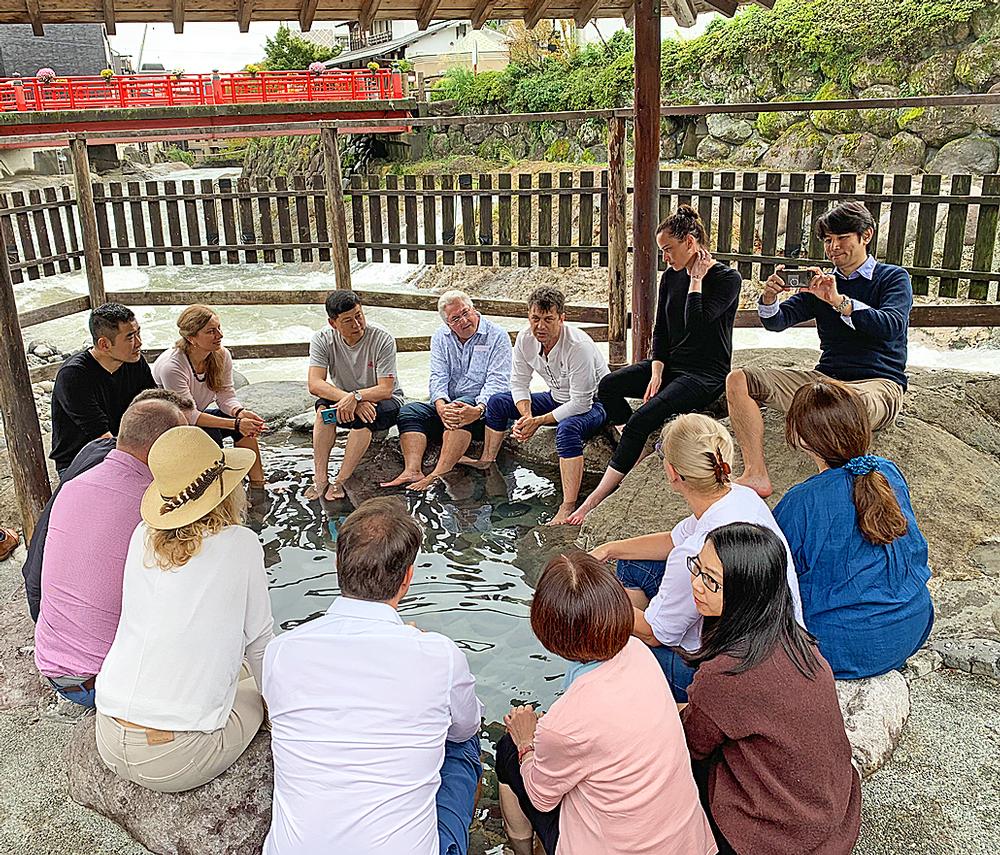
Shin-Toji scheme Days before the post-summit gathering in Japan, the venue was forced to move to Shuzenji on the Izu Peninsula due to a typhoon threat. Unfortunately, that meant many government and association representatives were unable to attend.
However, industry leaders managed to make it and held lively discussions on the development of hot springs communities globally, as well as hearing about the latest research covering everything from balneology and exercise packages to the importance of nature therapy. There was also a call for industry and academia to work more closely together to create an evidence-based explanation on the benefits of bathing and water properties that Japanese onsen facilities can use to educate bathers.
Elsewhere, in the 2019 Spa Business Handbook, Japanese researcher Tomonori Maruyama pointed out the hot spring potential in his country which boasts 12,860 thermal springs providing accommodation for more than 130 million guests.
He says: “An emerging opportunity for the spa and wellness industry in Japan is Shin-Toji, a scheme for encouraging a wellness lifestyle by spending time in hot spring regions while at the same time enjoying local foods, cultural experiences, natural environments, picturesque scenery, beauty treatments and communication with local people.
“The Japanese Ministry of Environment launched Shin-Toji in April 2018, and 39 cities, 55 companies, 38 resort hotels, 26 tourism associations and 46 other organisations have already been participating as members now.”
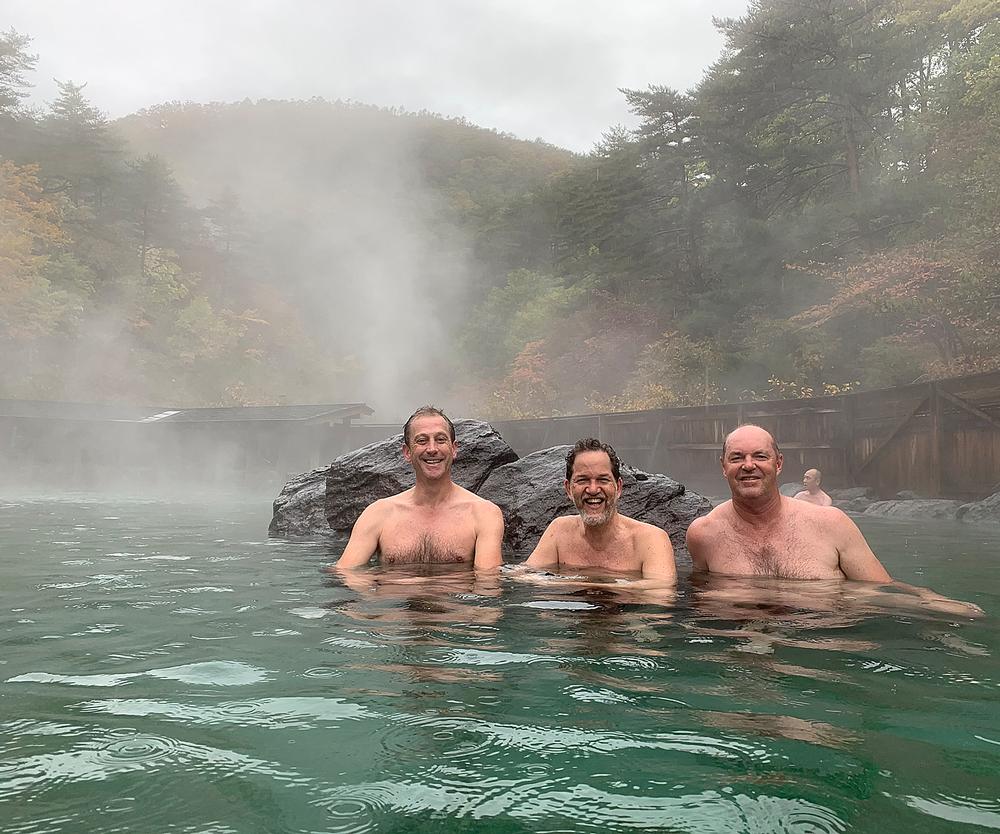
Lighthouses for communities While the thermal/mineral springs segment of wellness, valued by GWI at US$56bn (€50.4bn, £42.8bn), is one of the oldest wellness traditions, this market is continuing to grow and flourish, as operators realise the potential of this model, in a digital age, to provide connections between people and also communities. Davidson concludes: “Hot springs are like lighthouses for regions. They attract people who, once at a destination, spend money on other activities. The more we can encourage people to engage in conscious travel that is driven by the health and wellbeing association of hot springs, the greater the social, environmental and economic flow on benefits to communities.”
Read more from this issue of Attractions Management magazine
View contents of Attractions Management 2020 issue 1
Editor's letter: Time to shine
As spas reach peak revenues, now’s the time for our industry to act as a catalyst in working out how we measure the impact of an experience and the ‘return on wellness’ says Spa Business' editor Katie Barnes
Promotional feature: TechnoAlpin
If you want to deliver a hot and cold experience as part of your wellness programme, adding a snowroom will introduce a delightful and more gentle form of cold therapy, as Sara Brenninger explains
Trends: Spa Foresight™
Climate emergency, gen alpha and brain optimisation are among Spa Business’ latest trend predictions
Promotional feature: The Wellness
Investing in children’s facilities gives a spa and wellness offering a competitive edge, as well as helping the next generation achieve their potential, explains Mohammed Ibrahim, CEO of industry design and consultancy practice, The Wellness
Promotional feature: RKF Luxury Linen
As a symbol of luxury, innovation and quality in the world of spa and hospitality, much of RKF Luxury Linen’s success comes from its highly client-centric design process, says CEO Riadh Bouaziz
Design: Heat of the moment
From giant golden eggs and converted ski lifts to rustic, hand-crafted huts, we showcase the latest in heat experience design and innovations
Hot spring owners and stakeholders gathered in China and Japan for the latest
Global Thermal Think Tank events. Lisa Starr shares her highlights from Asia
By Lisa Starr | Published in Spa Business 2020 issue 1
There was a time, not that long ago, when treatments utilising water were considered essential to a spa experience. In the last decade, with the advent of the wellness movement and the advances in technology and equipment, it’s no longer a central component. There are, however, locations where water still plays a starring and pivotal role – the thermal/mineral springs spa.
These businesses, which can seem few and far between in certain parts of the world, actually number approximately 35,000 globally according to the most recent Global Wellness Institute (GWI) research. Thermal and mineral spring spas are the keepers of time-honored bathing and communal traditions in their regions, attracting locals and tourists alike. In the last few years, as spa conferences move into the wellness realm, representatives of this specialised group have begun to gather annually in an event that has come to be known as G3T, or Global Thermal Think Tank.
“The primary impetus for starting the group was a desire to learn from bathing cultures of the world, and to do it together with other people who share a passion for hot springs,” says Charles Davidson, founder of Australia’s Peninsula Hot Springs, who originally set up the group with wellness professor Marc Cohen. Davidson himself has allowed his passion to carry him to 51 countries since 1998 on what he calls ‘hot springs research missions’. This year for the first time, the G3T group offered conferences before and after October’s Global Wellness Summit in Singapore – one in China, the other in Japan.
Chinese whispers At the pre-summit event in Guangzhou, China, the host hotel Bishuiwan Hot Springs rolled out the red carpet for more than 40 attendees of the two-day conference. Simultaneous translation was offered for the presentations from government officials, scientists, doctors, and thermal spa operators on a variety of relevant subjects.
Zhang Yue, secretary general of the China Hot Spring Tourism Association, gave some insights into the hot springs market in the country. He says that much effort, and expense from the government – almost CNY71bn (US$10.1bn, €9.1bn, £7.7bn) – has been put into the development of hot springs tourism, with impressive results. One location in Chongqing had 40,000 visitors in a day! China has approximately 2,500 hot springs locations, many of which target the luxury market and some that are also able to host conferences and provide entertainment.
However, Zhang says there’s a gap in the market to develop locations with middle and lower-end pricing as well, so that locals can also participate – one facility even has a price of CNY20 (US$2.90, €2.60, £2.20) a day.
Some hot springs operators in China are working with local hospitals, and others are piloting the inclusion of Chinese medicine practices alongside thermal bathing. However, Zhang remarks that these efforts are in the early stages, and they recognise the challenges in combining recreation with true therapy.
Economic focus Mark Hennebry, CEO of Ensana Hospitality, a brand of Danubius which operates 26 thermal/mineral hotels and spas across Europe, shared some economic data reflecting the health of the industry. This included an exciting project in the UK spa town of Buxton, a development that’s costing nearly £70m (US$91.7m, €82.4m) and creating 100 jobs.
In Bath, England, the refurbished Thermae Spa attracts 260,000 visitors a year, while YTL’s Gainsborough Hotel, which also taps into natural thermal waters, created 120 jobs. Hennebry also shared that Davidson’s Peninsula Hot Springs has created 330 direct jobs, sees 440,000 guests per year, and has spurred AU$50m (US$33.7m, €30.7m, £30m) in development. Hennebry commented that these improvements bring additional benefits beyond economic to a region: “Modern days see the isolation of individuals, but hot springs bring them back together, and bring new life to old buildings.”
Ingo Schweder, CEO of GOCO Hospitality, discussed the complicated topic of valuation of hot springs resorts, using his own company’s acquisition of Glen Ivy Hot Springs in the US as an example. Glen Ivy has been operating since 1860 and has more than 200,000 annual visitors. Operating revenues from 2019 were predicted to reach US$31m (€27.9m, £23.7m), with a 35 per cent margin. But Schweder says investors want more added value, so Glen Ivy is adding 50 hotel rooms, and 245 housing units. But it’s only been able to do this because it’s got strong financials – 80 per cent of visitors are repeat guests and this has created a stable business model, allowing Glen Ivy the financial opportunity to also be part of the burgeoning wellness real estate industry.
Shin-Toji scheme Days before the post-summit gathering in Japan, the venue was forced to move to Shuzenji on the Izu Peninsula due to a typhoon threat. Unfortunately, that meant many government and association representatives were unable to attend.
However, industry leaders managed to make it and held lively discussions on the development of hot springs communities globally, as well as hearing about the latest research covering everything from balneology and exercise packages to the importance of nature therapy. There was also a call for industry and academia to work more closely together to create an evidence-based explanation on the benefits of bathing and water properties that Japanese onsen facilities can use to educate bathers.
Elsewhere, in the 2019 Spa Business Handbook, Japanese researcher Tomonori Maruyama pointed out the hot spring potential in his country which boasts 12,860 thermal springs providing accommodation for more than 130 million guests.
He says: “An emerging opportunity for the spa and wellness industry in Japan is Shin-Toji, a scheme for encouraging a wellness lifestyle by spending time in hot spring regions while at the same time enjoying local foods, cultural experiences, natural environments, picturesque scenery, beauty treatments and communication with local people.
“The Japanese Ministry of Environment launched Shin-Toji in April 2018, and 39 cities, 55 companies, 38 resort hotels, 26 tourism associations and 46 other organisations have already been participating as members now.”
Lighthouses for communities While the thermal/mineral springs segment of wellness, valued by GWI at US$56bn (€50.4bn, £42.8bn), is one of the oldest wellness traditions, this market is continuing to grow and flourish, as operators realise the potential of this model, in a digital age, to provide connections between people and also communities. Davidson concludes: “Hot springs are like lighthouses for regions. They attract people who, once at a destination, spend money on other activities. The more we can encourage people to engage in conscious travel that is driven by the health and wellbeing association of hot springs, the greater the social, environmental and economic flow on benefits to communities.”
Read more from this issue of Attractions Management magazine
View contents of Attractions Management 2020 issue 1
Editor's letter: Time to shine
As spas reach peak revenues, now’s the time for our industry to act as a catalyst in working out how we measure the impact of an experience and the ‘return on wellness’ says Spa Business' editor Katie Barnes
Promotional feature: TechnoAlpin
If you want to deliver a hot and cold experience as part of your wellness programme, adding a snowroom will introduce a delightful and more gentle form of cold therapy, as Sara Brenninger explains
Trends: Spa Foresight™
Climate emergency, gen alpha and brain optimisation are among Spa Business’ latest trend predictions
Promotional feature: The Wellness
Investing in children’s facilities gives a spa and wellness offering a competitive edge, as well as helping the next generation achieve their potential, explains Mohammed Ibrahim, CEO of industry design and consultancy practice, The Wellness
Promotional feature: RKF Luxury Linen
As a symbol of luxury, innovation and quality in the world of spa and hospitality, much of RKF Luxury Linen’s success comes from its highly client-centric design process, says CEO Riadh Bouaziz
Design: Heat of the moment
From giant golden eggs and converted ski lifts to rustic, hand-crafted huts, we showcase the latest in heat experience design and innovations
Abu Dhabi-based investment firm Mubadala Capital has made a binding, fully financed
€1 billion
offer to acquire Pierre and Vacances SA, the European holiday resort operator behind the
continental European Center Parcs business.
Disney has reaffirmed its commitment to investing US$30 billion in its US parks and cruise
business by 2033, using new America250 celebrations to underline the role its attractions play
in supporting jobs, tourism and economic growth.
Expo 2030 Riyadh is being planned as a permanent visitor destination, with organisers
confirming the six-million-square-metre site will become a Global Village after the event closes.
The owner of one of Australia's best-known waterparks has acquired a major competitor,
creating a new attractions business spanning two of the country's largest visitor destinations.
The Toverland theme park in the Netherlands has announced a €98m expansion programme
that will add a resort, new attractions and staff facilities as it pursues plans to become a multi-
day destination.
Hotel de France, located on the British Isle of Jersey, has created a wellness retreat package
that includes a hot yoga session that will take place in Jersey Zoo’s butterfly sanctuary.
A new immersive attraction designed to transport visitors into the final hours of ancient Pompeii
is preparing to open near the world-famous archaeological site in southern Italy.
Experience design company, BRC Imagination Arts, has completed a transition that sees founder
Bob Rogers pass ownership of the business to four long-serving senior executives, while
remaining actively involved with the company.
Movie Park Germany has opened a new Paramount Pictures-themed attraction as part of its 30th
anniversary celebrations, using immersive storytelling and adaptive reuse to reinforce the park’s
longstanding “Hollywood in Germany” positioning.
Therme Manchester’s 28-acre development, which will include interconnected glass pavilions
that measure 65,000sq m, will be the largest bathing and wellbeing attraction in the world once
complete, according to prof David Russell, CEO of Therme UK.