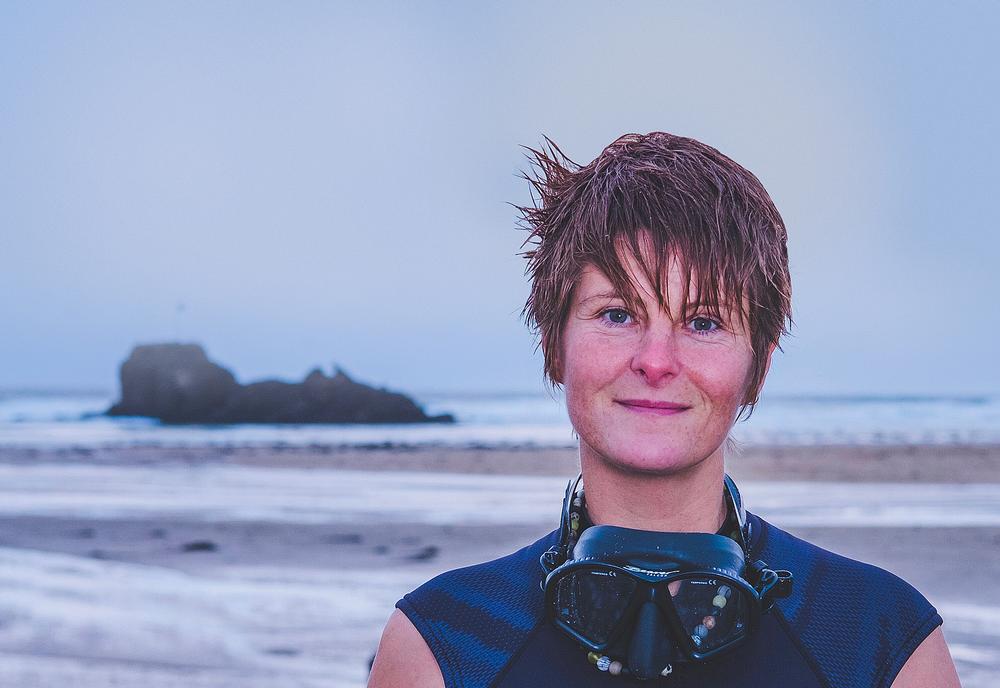
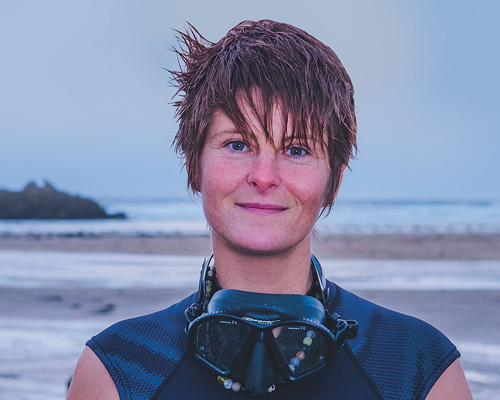
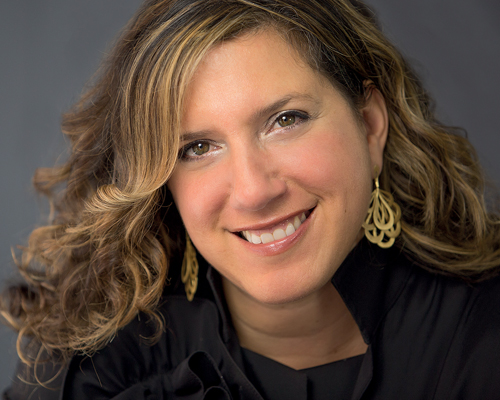
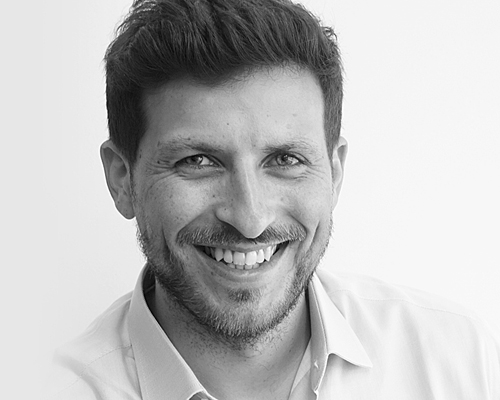
Water is medicine. We are more liquid than solid and it’s even possible that one of the reasons we evolved onto two legs was to make it easier to find water sources,” says Lizzi Larbalestier who’s built her business around the therapeutic benefits of water.
Larbalestier specialises in Blue Health Coaching, offering business and lifestyle coaching by the sea and based on the idea that a connection with water promotes mental, physical, spiritual, psychological and social health.
“Lots of people suffer from fatigue and information overload. When you bring people to the sea you can see their shoulders drop and they breathe more deeply,” she says. “The space lends itself to deep conversations and a big horizon allows their eyes to relax, bringing in peripheral vision and a soft fascination which expands thought.”
Although there’s now abundant scientific research to show how effective bodies of water are for mental wellness, Larbalestier argues the medicinal effects of water are still underutilised and undervalued – even in resort and destination spas which have their origins in salus per aquum (health through water).
She advocates stripping out chlorine and using salt water for pools, as well as looking at the whole system of water use and designing in ways to capture and recycle grey water.
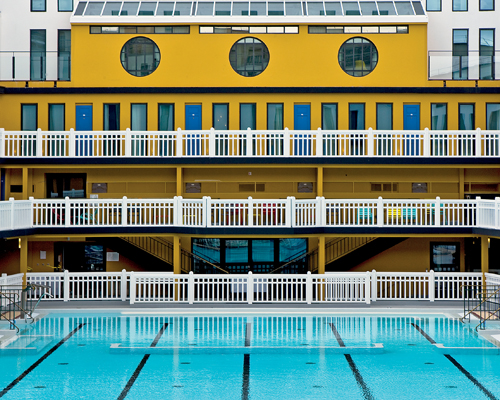
“Water should be part of the décor: it’s restorative and the light reflects well off it,” she says. “But also look for other ways to bring in water content – artwork, music and even the language used. I like to use words like flow, ripple effect and buoyancy in my work.”
In addition, they could simply offer more experiences and packages by bodies of water, employ blue health coaches or put therapists through the coaching course she’s just about to launch.
“Although I wouldn’t always advocate initiating a conversation, it would be great to train therapists to be able to respond appropriately if people do volunteer information,” she says. “Massage is all about moving liquid – lymphatic fluid – around the body and putting people into flow state, so language tools could support the process of letting go.”
Overall, Larbalestier argues that spa operators need to be mindful of water ecosystems too and the impact of not just microbeads and plastics but fats and oils which go down the drain.
Read more from this issue of Attractions Management magazine
View contents of Attractions Management 2020 issue 1
Editor's letter: Time to shine
As spas reach peak revenues, now’s the time for our industry to act as a catalyst in working out how we measure the impact of an experience and the ‘return on wellness’ says Spa Business' editor Katie Barnes
Promotional feature: TechnoAlpin
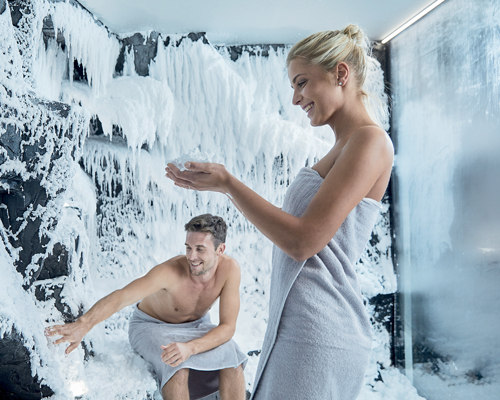
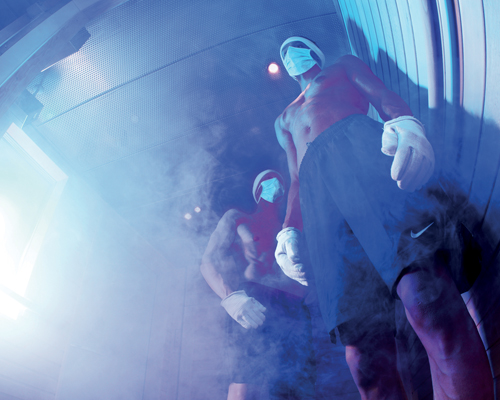
If you want to deliver a hot and cold experience as part of your wellness programme, adding a snowroom will introduce a delightful and more gentle form of cold therapy, as Sara Brenninger explains
Trends: Spa Foresight™
Climate emergency, gen alpha and brain optimisation are among Spa Business’ latest trend predictions
Promotional feature: The Wellness
Investing in children’s facilities gives a spa and wellness offering a competitive edge, as well as helping the next generation achieve their potential, explains Mohammed Ibrahim, CEO of industry design and consultancy practice, The Wellness
Promotional feature: RKF Luxury Linen
As a symbol of luxury, innovation and quality in the world of spa and hospitality, much of RKF Luxury Linen’s success comes from its highly client-centric design process, says CEO Riadh Bouaziz
Design: Heat of the moment
From giant golden eggs and converted ski lifts to rustic, hand-crafted huts, we showcase the latest in heat experience design and innovations
Water is medicine. We are more liquid than solid and it’s even possible that one of the reasons we evolved onto two legs was to make it easier to find water sources,” says Lizzi Larbalestier who’s built her business around the therapeutic benefits of water.
Larbalestier specialises in Blue Health Coaching, offering business and lifestyle coaching by the sea and based on the idea that a connection with water promotes mental, physical, spiritual, psychological and social health.
“Lots of people suffer from fatigue and information overload. When you bring people to the sea you can see their shoulders drop and they breathe more deeply,” she says. “The space lends itself to deep conversations and a big horizon allows their eyes to relax, bringing in peripheral vision and a soft fascination which expands thought.”
Although there’s now abundant scientific research to show how effective bodies of water are for mental wellness, Larbalestier argues the medicinal effects of water are still underutilised and undervalued – even in resort and destination spas which have their origins in salus per aquum (health through water).
She advocates stripping out chlorine and using salt water for pools, as well as looking at the whole system of water use and designing in ways to capture and recycle grey water.
“Water should be part of the décor: it’s restorative and the light reflects well off it,” she says. “But also look for other ways to bring in water content – artwork, music and even the language used. I like to use words like flow, ripple effect and buoyancy in my work.”
In addition, they could simply offer more experiences and packages by bodies of water, employ blue health coaches or put therapists through the coaching course she’s just about to launch.
“Although I wouldn’t always advocate initiating a conversation, it would be great to train therapists to be able to respond appropriately if people do volunteer information,” she says. “Massage is all about moving liquid – lymphatic fluid – around the body and putting people into flow state, so language tools could support the process of letting go.”
Overall, Larbalestier argues that spa operators need to be mindful of water ecosystems too and the impact of not just microbeads and plastics but fats and oils which go down the drain.
Read more from this issue of Attractions Management magazine
View contents of Attractions Management 2020 issue 1
Editor's letter: Time to shine
As spas reach peak revenues, now’s the time for our industry to act as a catalyst in working out how we measure the impact of an experience and the ‘return on wellness’ says Spa Business' editor Katie Barnes
Promotional feature: TechnoAlpin
If you want to deliver a hot and cold experience as part of your wellness programme, adding a snowroom will introduce a delightful and more gentle form of cold therapy, as Sara Brenninger explains
Trends: Spa Foresight™
Climate emergency, gen alpha and brain optimisation are among Spa Business’ latest trend predictions
Promotional feature: The Wellness
Investing in children’s facilities gives a spa and wellness offering a competitive edge, as well as helping the next generation achieve their potential, explains Mohammed Ibrahim, CEO of industry design and consultancy practice, The Wellness
Promotional feature: RKF Luxury Linen
As a symbol of luxury, innovation and quality in the world of spa and hospitality, much of RKF Luxury Linen’s success comes from its highly client-centric design process, says CEO Riadh Bouaziz
Design: Heat of the moment
From giant golden eggs and converted ski lifts to rustic, hand-crafted huts, we showcase the latest in heat experience design and innovations
Abu Dhabi-based investment firm Mubadala Capital has made a binding, fully financed
€1 billion
offer to acquire Pierre and Vacances SA, the European holiday resort operator behind the
continental European Center Parcs business.
Disney has reaffirmed its commitment to investing US$30 billion in its US parks and cruise
business by 2033, using new America250 celebrations to underline the role its attractions play
in supporting jobs, tourism and economic growth.
Expo 2030 Riyadh is being planned as a permanent visitor destination, with organisers
confirming the six-million-square-metre site will become a Global Village after the event closes.
The owner of one of Australia's best-known waterparks has acquired a major competitor,
creating a new attractions business spanning two of the country's largest visitor destinations.
The Toverland theme park in the Netherlands has announced a €98m expansion programme
that will add a resort, new attractions and staff facilities as it pursues plans to become a multi-
day destination.
Hotel de France, located on the British Isle of Jersey, has created a wellness retreat package
that includes a hot yoga session that will take place in Jersey Zoo’s butterfly sanctuary.
A new immersive attraction designed to transport visitors into the final hours of ancient Pompeii
is preparing to open near the world-famous archaeological site in southern Italy.
Experience design company, BRC Imagination Arts, has completed a transition that sees founder
Bob Rogers pass ownership of the business to four long-serving senior executives, while
remaining actively involved with the company.
Movie Park Germany has opened a new Paramount Pictures-themed attraction as part of its 30th
anniversary celebrations, using immersive storytelling and adaptive reuse to reinforce the park’s
longstanding “Hollywood in Germany” positioning.
Therme Manchester’s 28-acre development, which will include interconnected glass pavilions
that measure 65,000sq m, will be the largest bathing and wellbeing attraction in the world once
complete, according to prof David Russell, CEO of Therme UK.
+ More news
COMPANY PROFILES
QubicaAMF UK QubicaAMF is the largest and most
innovative bowling equipment provider with
600 employees worldwi [more...]
DJW David & Lynn Willrich started the Company
over thirty years ago, from the Audio Visual
Department [more...]
Holovis Holovis is a privately owned company
established in 2004 by CEO Stuart
Hetherington. [more...]
RMA Ltd RMA Ltd is a one-stop global company
that can design, build and produce from a
greenfield site upw [more...]