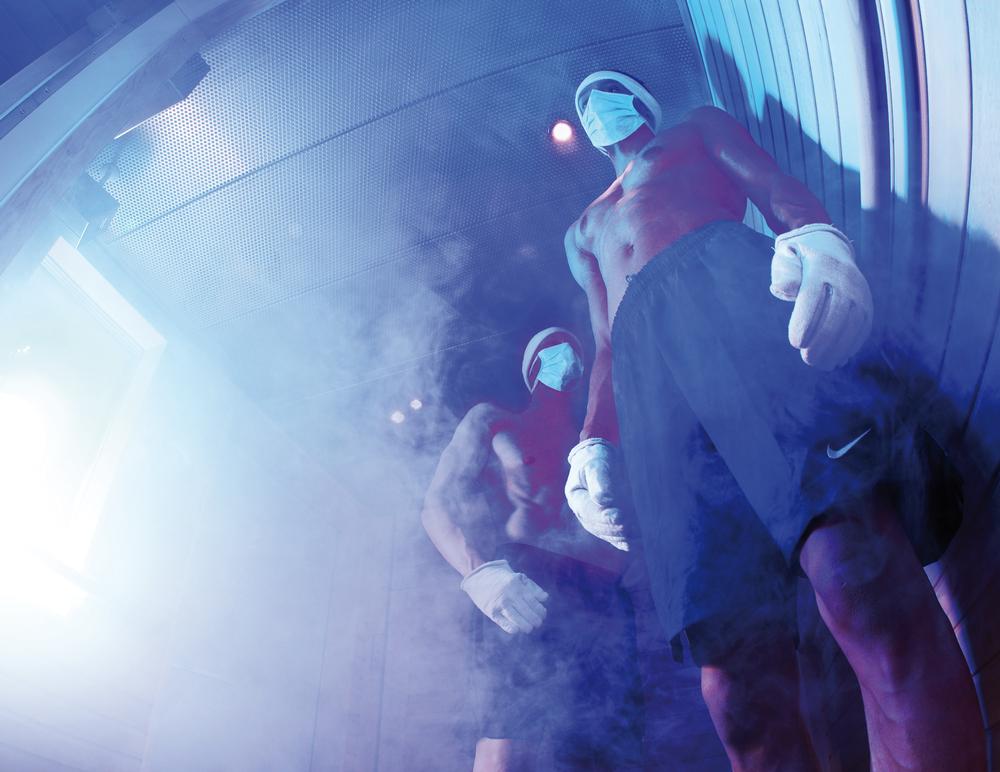
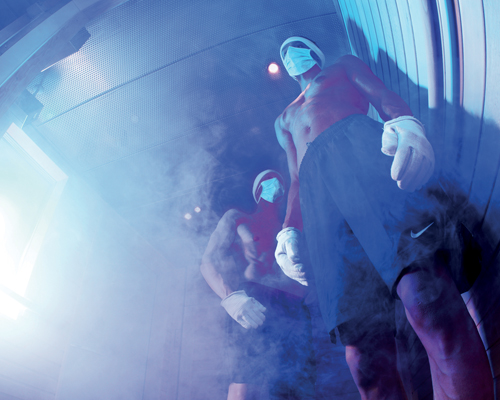
Spas can choose from a variety of experiences and concepts to offer guests, but the reliability of Cold Sauna icelab -110˚C is what differentiates it as a wellness proposition, says sales manager Benjamin Bäurle.
Over the last 24 years, not a single icelab -110˚C has been reported faulty due to technical reasons. The whole body cryostimulation cabin uses unique software for telemaintenance, and state-of-the-art product set-up assures the utmost consistency. Plus its electric system fulfills the highest German engineering standards. Even the very first icelabs installed in 1996, and the CryoVIP introduced nine years ago, are still in operation.
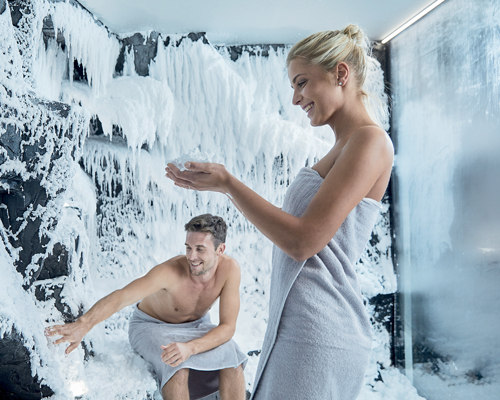
It’s rare that whole body cryostimulation solutions reach the temperatures they claim to, says Bäurle, meaning that the full benefits are not delivered. But icelab does just that, using an electric triple cold cascade which also produces a comfortable, dry, cold air environment for guests where they don’t come into contact with refrigerants, nitrogen, liquid air or other gases.
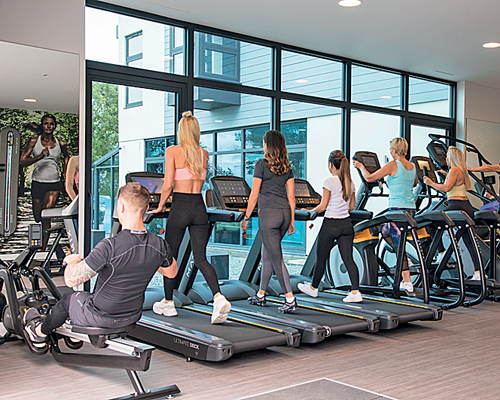
What’s more, Bäurle says the icelab -110 can be very profitable – the sessions, for up to groups of four, only last three minutes so you can fit in more than 100 a day. The versatile treatment can either be offered on its own, combined in spa menu packages, within fitness, sports and leisure packages, and even be part of medical spa offerings.
At the same time, the chamber has low electricity consumption and its Heatback Recovery System means all the heat extracted from it can be ‘recycled’ and used to support the heating of a swimming pool. Bäurle adds that a return on investment can be seen in the first few years.
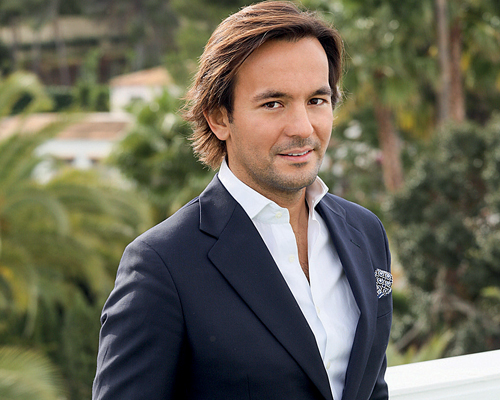
Benjamin Bäurle
"It’s icelab’s reliability and profitability that makes it
stand out in the market, says sales manager Benjamin Bäurle"
Multitude of innovations
Cold Sauna icelab -110˚C is made by Germany’s Zimmer MedizinSysteme and is distributed worldwide to spa and wellness centres, sport and fitness clubs and medical facilities.
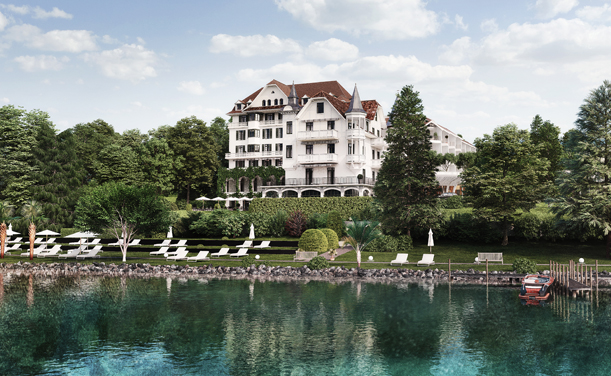
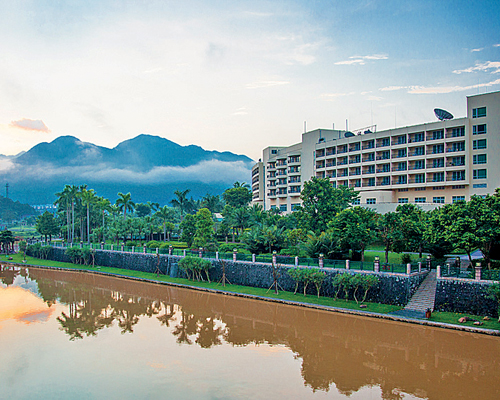
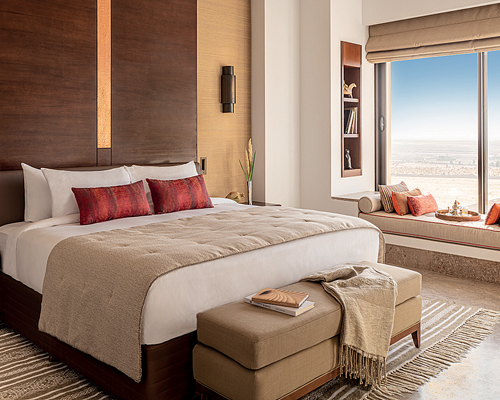
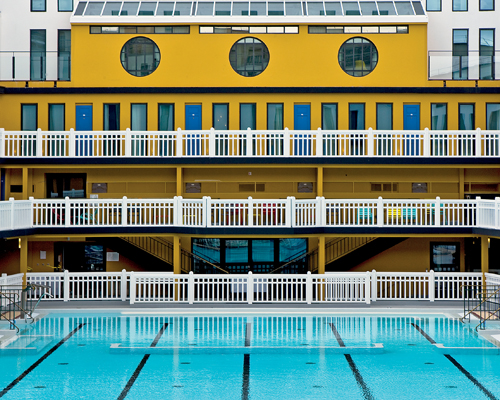
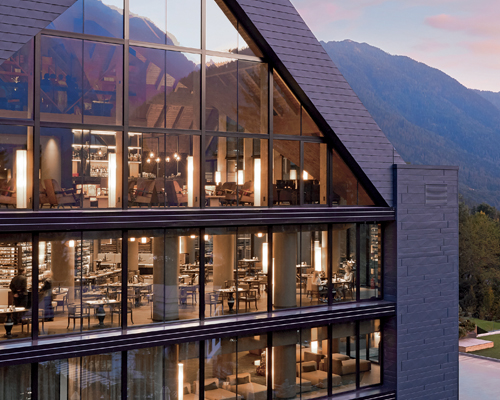
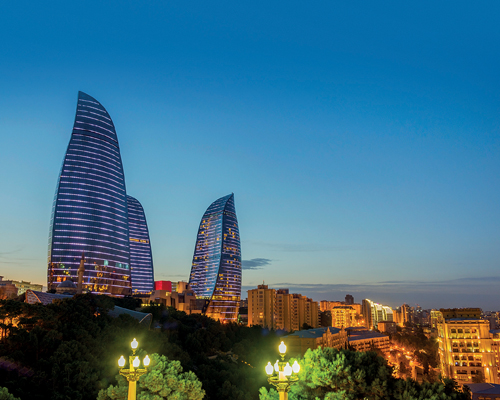
It supplies some of the top spas in the world including those at the new Chenot Palace Gabala, Azerbaijan and Palace Weggis, Switzerland; Waldhotel at the Bürgenstock Resort, Switzerland; Jumeirah Al Wathba Desert Resort, Abu Dhabi; The Istana in Uluwatu, Bali; Thermes Marins, Monte Carlo; and Sparkling Hill Resort, Canada.
Read more from this issue of Attractions Management magazine
View contents of Attractions Management 2020 issue 1
Editor's letter: Time to shine
As spas reach peak revenues, now’s the time for our industry to act as a catalyst in working out how we measure the impact of an experience and the ‘return on wellness’ says Spa Business' editor Katie Barnes
Promotional feature: TechnoAlpin
If you want to deliver a hot and cold experience as part of your wellness programme, adding a snowroom will introduce a delightful and more gentle form of cold therapy, as Sara Brenninger explains
Trends: Spa Foresight™
Climate emergency, gen alpha and brain optimisation are among Spa Business’ latest trend predictions
Promotional feature: The Wellness
Investing in children’s facilities gives a spa and wellness offering a competitive edge, as well as helping the next generation achieve their potential, explains Mohammed Ibrahim, CEO of industry design and consultancy practice, The Wellness
Promotional feature: RKF Luxury Linen
As a symbol of luxury, innovation and quality in the world of spa and hospitality, much of RKF Luxury Linen’s success comes from its highly client-centric design process, says CEO Riadh Bouaziz
Design: Heat of the moment
From giant golden eggs and converted ski lifts to rustic, hand-crafted huts, we showcase the latest in heat experience design and innovations
Spas can choose from a variety of experiences and concepts to offer guests, but the reliability of Cold Sauna icelab -110˚C is what differentiates it as a wellness proposition, says sales manager Benjamin Bäurle.
Over the last 24 years, not a single icelab -110˚C has been reported faulty due to technical reasons. The whole body cryostimulation cabin uses unique software for telemaintenance, and state-of-the-art product set-up assures the utmost consistency. Plus its electric system fulfills the highest German engineering standards. Even the very first icelabs installed in 1996, and the CryoVIP introduced nine years ago, are still in operation.
It’s rare that whole body cryostimulation solutions reach the temperatures they claim to, says Bäurle, meaning that the full benefits are not delivered. But icelab does just that, using an electric triple cold cascade which also produces a comfortable, dry, cold air environment for guests where they don’t come into contact with refrigerants, nitrogen, liquid air or other gases.
What’s more, Bäurle says the icelab -110 can be very profitable – the sessions, for up to groups of four, only last three minutes so you can fit in more than 100 a day. The versatile treatment can either be offered on its own, combined in spa menu packages, within fitness, sports and leisure packages, and even be part of medical spa offerings.
At the same time, the chamber has low electricity consumption and its Heatback Recovery System means all the heat extracted from it can be ‘recycled’ and used to support the heating of a swimming pool. Bäurle adds that a return on investment can be seen in the first few years.
Benjamin Bäurle
"It’s icelab’s reliability and profitability that makes it
stand out in the market, says sales manager Benjamin Bäurle"
Multitude of innovations
Cold Sauna icelab -110˚C is made by Germany’s Zimmer MedizinSysteme and is distributed worldwide to spa and wellness centres, sport and fitness clubs and medical facilities.
It supplies some of the top spas in the world including those at the new Chenot Palace Gabala, Azerbaijan and Palace Weggis, Switzerland; Waldhotel at the Bürgenstock Resort, Switzerland; Jumeirah Al Wathba Desert Resort, Abu Dhabi; The Istana in Uluwatu, Bali; Thermes Marins, Monte Carlo; and Sparkling Hill Resort, Canada.
Read more from this issue of Attractions Management magazine
View contents of Attractions Management 2020 issue 1
Editor's letter: Time to shine
As spas reach peak revenues, now’s the time for our industry to act as a catalyst in working out how we measure the impact of an experience and the ‘return on wellness’ says Spa Business' editor Katie Barnes
Promotional feature: TechnoAlpin
If you want to deliver a hot and cold experience as part of your wellness programme, adding a snowroom will introduce a delightful and more gentle form of cold therapy, as Sara Brenninger explains
Trends: Spa Foresight™
Climate emergency, gen alpha and brain optimisation are among Spa Business’ latest trend predictions
Promotional feature: The Wellness
Investing in children’s facilities gives a spa and wellness offering a competitive edge, as well as helping the next generation achieve their potential, explains Mohammed Ibrahim, CEO of industry design and consultancy practice, The Wellness
Promotional feature: RKF Luxury Linen
As a symbol of luxury, innovation and quality in the world of spa and hospitality, much of RKF Luxury Linen’s success comes from its highly client-centric design process, says CEO Riadh Bouaziz
Design: Heat of the moment
From giant golden eggs and converted ski lifts to rustic, hand-crafted huts, we showcase the latest in heat experience design and innovations
Abu Dhabi-based investment firm Mubadala Capital has made a binding, fully financed
€1 billion
offer to acquire Pierre and Vacances SA, the European holiday resort operator behind the
continental European Center Parcs business.
Disney has reaffirmed its commitment to investing US$30 billion in its US parks and cruise
business by 2033, using new America250 celebrations to underline the role its attractions play
in supporting jobs, tourism and economic growth.
Expo 2030 Riyadh is being planned as a permanent visitor destination, with organisers
confirming the six-million-square-metre site will become a Global Village after the event closes.
The owner of one of Australia's best-known waterparks has acquired a major competitor,
creating a new attractions business spanning two of the country's largest visitor destinations.
The Toverland theme park in the Netherlands has announced a €98m expansion programme
that will add a resort, new attractions and staff facilities as it pursues plans to become a multi-
day destination.
Hotel de France, located on the British Isle of Jersey, has created a wellness retreat package
that includes a hot yoga session that will take place in Jersey Zoo’s butterfly sanctuary.
A new immersive attraction designed to transport visitors into the final hours of ancient Pompeii
is preparing to open near the world-famous archaeological site in southern Italy.
Experience design company, BRC Imagination Arts, has completed a transition that sees founder
Bob Rogers pass ownership of the business to four long-serving senior executives, while
remaining actively involved with the company.
Movie Park Germany has opened a new Paramount Pictures-themed attraction as part of its 30th
anniversary celebrations, using immersive storytelling and adaptive reuse to reinforce the park’s
longstanding “Hollywood in Germany” positioning.
Therme Manchester’s 28-acre development, which will include interconnected glass pavilions
that measure 65,000sq m, will be the largest bathing and wellbeing attraction in the world once
complete, according to prof David Russell, CEO of Therme UK.
+ More news
COMPANY PROFILES
Clip 'n Climb Clip ‘n Climb currently offers facility owners and
investors more than 40 colourful and unique
Cha [more...]