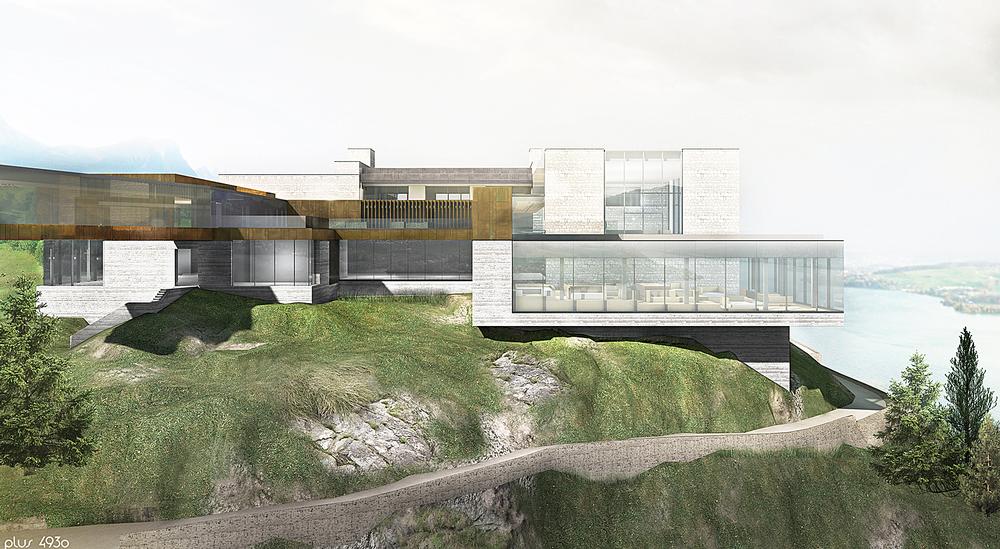
This summer, the historic Bürgenstock Resort Hotel overlooking Lake Lucerne, Switzerland, will be transformed from its historic roots to include three hotels, a medical hotel and a vast 10,000sq m (108,000sq ft) glass-walled Alpine Spa.
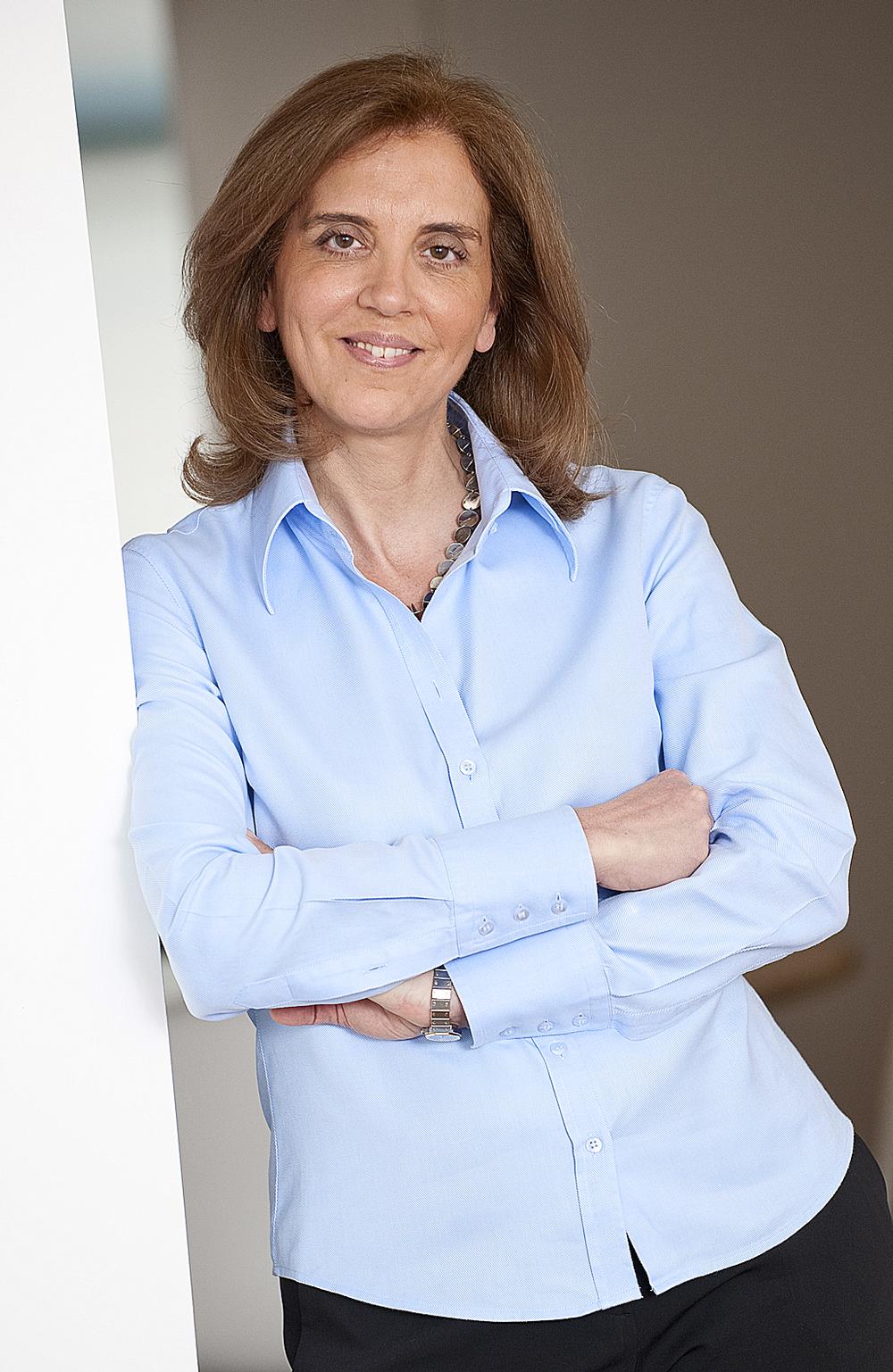
Several architects have been recruited to transform each of the hotels, but interior designer Maria Vafiadis, founder of MKV Design, is charged with connecting the interiors of the three hotels and the spa, imbuing a sense of continuity between properties.
“We make things click together nicely, like little pieces of a puzzle,” says Vafiadis. “You cannot ignore the individuality of the properties, and you cannot ignore the totality of the project. At the end, everything works together.”
Vafiadis began working on the Bürgenstock project – which includes both modern, new-build architecture and historic renovations – six years ago, and has taken inspiration from the most striking aspects of the resort: its colourful 150-year history, and its breathtaking mountaintop views across Lake Lucerne.
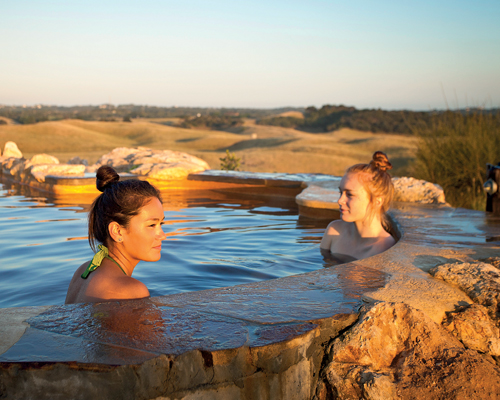
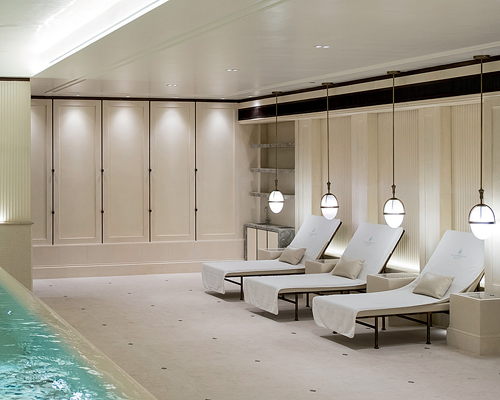
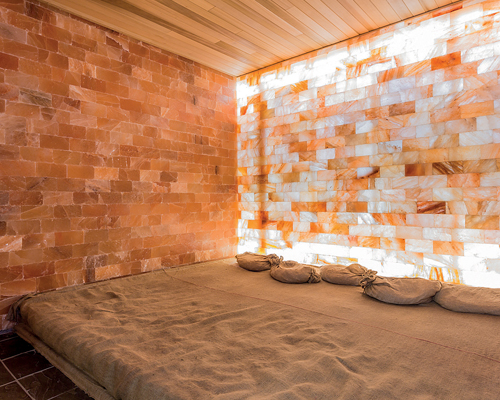
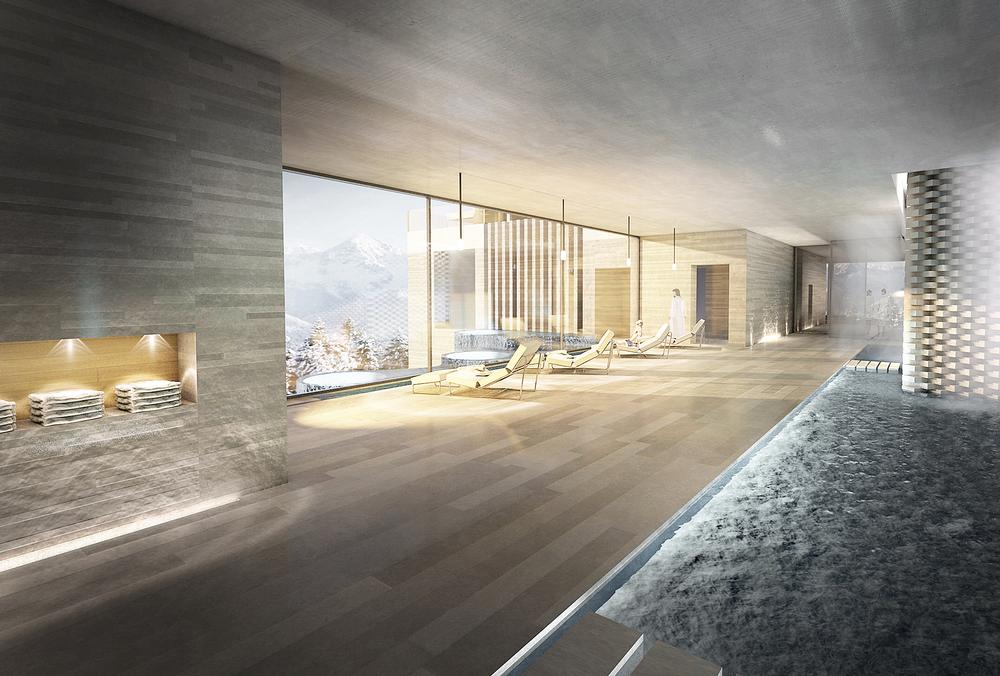
The Alpine Spa is perched on a cliff top, 450m (1,476ft) above the lake, and is enclosed in floor-to-ceiling glass walls designed to create an atmosphere of tranquility. It will include a Kneipp bath, private bath chambers, an Arabian rasul made with local Bürgenstock rock, Turkish steamroom, panoramic sauna and tranquility room, whirlpools hidden within a cave, and 15 treatment rooms and three private spa rooms – all with views out over the lake – a dramatic departure from the typical windowless spa treatment room.
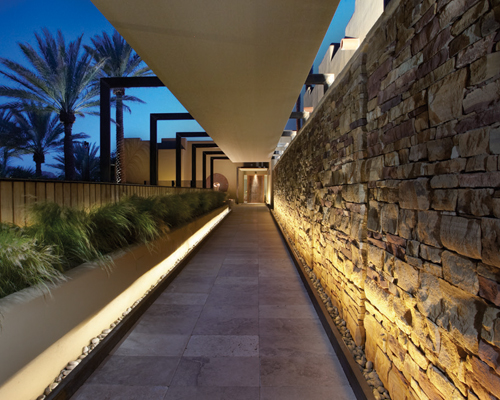
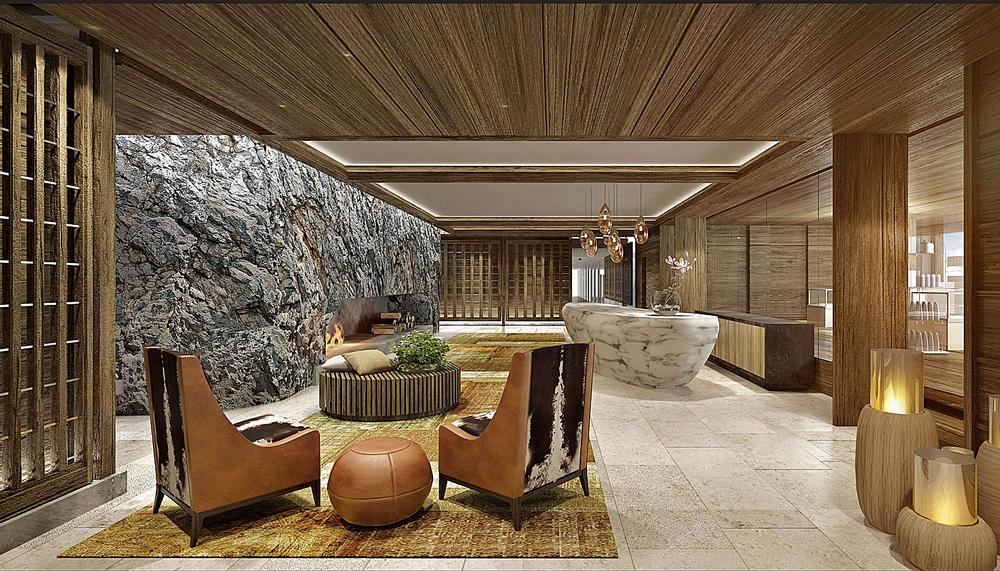
“Here, everything is about the view – you don’t want to distract from that,” says Vafiadis. “It has to be quite neutral, and quite modern.” She used a simple palette, with natural materials of stone and timber that play with texture, and elements of fire interspersed throughout.
Guests enter the spa either directly from the hotels, or from a subterranean entrance three floors below, in the belly of the mountain. The spa journey is designed to take guests from this very internal, cocooned space to a continued cosiness in the thermal areas, and finally to an outward-facing resolution in the L-shaped relaxation room – with panoramic glass walls – or in the individual treatment rooms, which also make full use of their stunning views.
“This is where you celebrate the location – you celebrate the fact that you’re on top of Lake Lucerne, and you overlook not one, but ten lakes,” says Vafiadis. “You overlook the mountains, you overlook nature, and you are in Switzerland.”
This is not the first large spa and resort Vafiadis has worked on; she is also responsible for Greece’s Costa Navarino resort, which includes two hotels and a 4,500sq m (48,000sq ft) spa; the 1,200sq m (12,900sq ft) spa at the Royal Savoy Lausanne and the 1,500sq m (16,000sq ft) spa at The Metropol in Belgrade.
“A spa needs to feel intimate, so the bigger it is, the challenge is to not lose the intimacy and the warmth and cosiness that you expect,” says Vafiadis. “What we try to do, even in very big spas, is to break the areas into smaller groups, so instead of going to a sauna or steamroom, you go through a series of them. So although it’s big, you create more interesting journeys for the guest, and it doesn’t lose its sense of intimacy.”
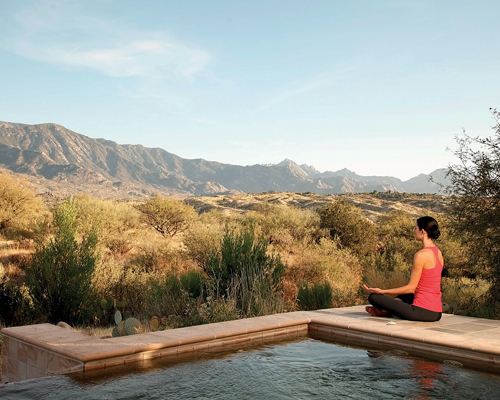
The resort had an existing spa, first opened in the 1950s, and Vafiadis kept some of the details from that, including an organic-shaped outdoor swimming pool, the protected modernist changing rooms, and a bar with glass port holes that look underneath the water of the swimming pool. Vafiadis describes these bits as having a “James Bond-like atmosphere” – some parts of GoldenEye were even filmed here – with unusual details that are still relevant today.
In preparation for the job, she poured over historical documents and early photos. In its heyday, the resort was filled with members of the aristocracy, politicians and Hollywood stars such as Sofia Loren and Audrey Hepburn – who was married in the little Bürgenstock chapel next to the Palace Hotel.
“We don’t want to recreate the past, but we want the guest to feel this history,” explains Vafiadis. “We want them to sense that where they are meant something before, and that this is taking it to another level, and continuing the story.”
Read more from this issue of Attractions Management magazine
View contents of Attractions Management 2017 issue 2
Wellness communities: Europe
Part 2 of our series explores some of
the most exciting European wellness
communities in development
Promotional feature: Babor
CEO Michael Schummert explains how the
company’s expertise in results-driven treatments makes its precision
‘Made in Germany’ products more relevant than ever before
This summer, the historic Bürgenstock Resort Hotel overlooking Lake Lucerne, Switzerland, will be transformed from its historic roots to include three hotels, a medical hotel and a vast 10,000sq m (108,000sq ft) glass-walled Alpine Spa.
Several architects have been recruited to transform each of the hotels, but interior designer Maria Vafiadis, founder of MKV Design, is charged with connecting the interiors of the three hotels and the spa, imbuing a sense of continuity between properties.
“We make things click together nicely, like little pieces of a puzzle,” says Vafiadis. “You cannot ignore the individuality of the properties, and you cannot ignore the totality of the project. At the end, everything works together.”
Vafiadis began working on the Bürgenstock project – which includes both modern, new-build architecture and historic renovations – six years ago, and has taken inspiration from the most striking aspects of the resort: its colourful 150-year history, and its breathtaking mountaintop views across Lake Lucerne.
The Alpine Spa is perched on a cliff top, 450m (1,476ft) above the lake, and is enclosed in floor-to-ceiling glass walls designed to create an atmosphere of tranquility. It will include a Kneipp bath, private bath chambers, an Arabian rasul made with local Bürgenstock rock, Turkish steamroom, panoramic sauna and tranquility room, whirlpools hidden within a cave, and 15 treatment rooms and three private spa rooms – all with views out over the lake – a dramatic departure from the typical windowless spa treatment room.
“Here, everything is about the view – you don’t want to distract from that,” says Vafiadis. “It has to be quite neutral, and quite modern.” She used a simple palette, with natural materials of stone and timber that play with texture, and elements of fire interspersed throughout.
Guests enter the spa either directly from the hotels, or from a subterranean entrance three floors below, in the belly of the mountain. The spa journey is designed to take guests from this very internal, cocooned space to a continued cosiness in the thermal areas, and finally to an outward-facing resolution in the L-shaped relaxation room – with panoramic glass walls – or in the individual treatment rooms, which also make full use of their stunning views.
“This is where you celebrate the location – you celebrate the fact that you’re on top of Lake Lucerne, and you overlook not one, but ten lakes,” says Vafiadis. “You overlook the mountains, you overlook nature, and you are in Switzerland.”
This is not the first large spa and resort Vafiadis has worked on; she is also responsible for Greece’s Costa Navarino resort, which includes two hotels and a 4,500sq m (48,000sq ft) spa; the 1,200sq m (12,900sq ft) spa at the Royal Savoy Lausanne and the 1,500sq m (16,000sq ft) spa at The Metropol in Belgrade.
“A spa needs to feel intimate, so the bigger it is, the challenge is to not lose the intimacy and the warmth and cosiness that you expect,” says Vafiadis. “What we try to do, even in very big spas, is to break the areas into smaller groups, so instead of going to a sauna or steamroom, you go through a series of them. So although it’s big, you create more interesting journeys for the guest, and it doesn’t lose its sense of intimacy.”
The resort had an existing spa, first opened in the 1950s, and Vafiadis kept some of the details from that, including an organic-shaped outdoor swimming pool, the protected modernist changing rooms, and a bar with glass port holes that look underneath the water of the swimming pool. Vafiadis describes these bits as having a “James Bond-like atmosphere” – some parts of GoldenEye were even filmed here – with unusual details that are still relevant today.
In preparation for the job, she poured over historical documents and early photos. In its heyday, the resort was filled with members of the aristocracy, politicians and Hollywood stars such as Sofia Loren and Audrey Hepburn – who was married in the little Bürgenstock chapel next to the Palace Hotel.
“We don’t want to recreate the past, but we want the guest to feel this history,” explains Vafiadis. “We want them to sense that where they are meant something before, and that this is taking it to another level, and continuing the story.”
Read more from this issue of Attractions Management magazine
View contents of Attractions Management 2017 issue 2
Wellness communities: Europe
Part 2 of our series explores some of
the most exciting European wellness
communities in development
Promotional feature: Babor
CEO Michael Schummert explains how the
company’s expertise in results-driven treatments makes its precision
‘Made in Germany’ products more relevant than ever before
London Museum will open four new food and drink destinations when it launches its new home
at Smithfield on 28 November, making hospitality a central part of the visitor experience at one
of the capital's biggest cultural openings of the year.
OMA has completed a major transformation of New York's New Museum, creating a larger
cultural campus that combines expanded exhibition spaces with learning, performance,
hospitality and public programming.
A US$50 million (£44.2 million, €51.2 million) transformation of Chicago's historic McCormick
Mansion has created a new destination that combines live magic, immersive theatre, dining and
private membership under one roof.
The Montana Historical Society has officially celebrated the opening of its new Montana
Heritage
Center, a US$107 million (£79 million, €92 million) destination that combines immersive
storytelling with cutting-edge audiovisual technology to bring the sta
San Antonio Zoo has reported a US$283 million economic impact for 2025, following a decade-
long transformation programme that has seen almost US$200 million invested into the Texas
attraction.
Plans for the AU$180 million redevelopment of Reef HQ Aquarium in Townsville, Australia, are
progressing, with the project set to transform the attraction into a global centre for reef
education and conservation.
Abu Dhabi-based investment firm Mubadala Capital has made a binding, fully financed
€1 billion
offer to acquire Pierre and Vacances SA, the European holiday resort operator behind the
continental European Center Parcs business.
Disney has reaffirmed its commitment to investing US$30 billion in its US parks and cruise
business by 2033, using new America250 celebrations to underline the role its attractions play
in supporting jobs, tourism and economic growth.
Expo 2030 Riyadh is being planned as a permanent visitor destination, with organisers
confirming the six-million-square-metre site will become a Global Village after the event closes.
The owner of one of Australia's best-known waterparks has acquired a major competitor,
creating a new attractions business spanning two of the country's largest visitor destinations.