GWI’s new study defines ‘wellness policy’ for the
first time ever, providing a framework for businesses and
governments to make healthy lifestyles fully accessible
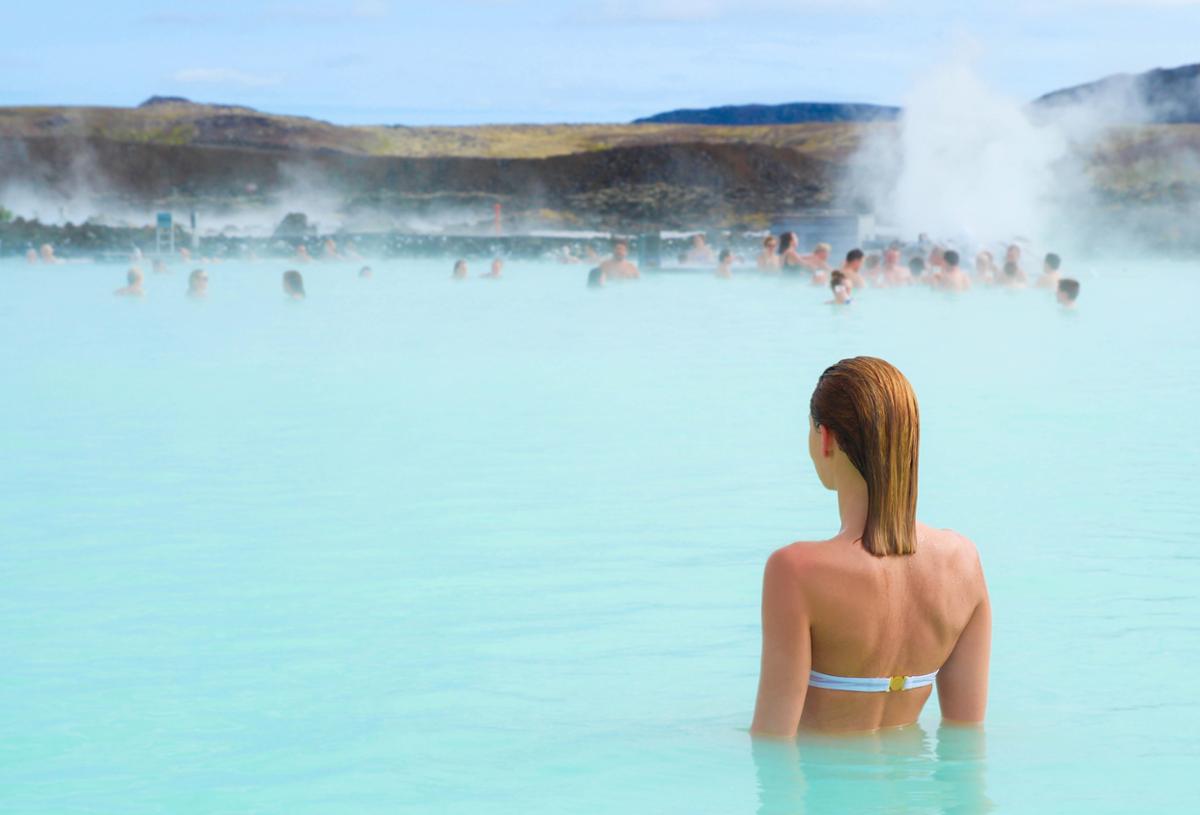
Prime example: New Zealand’s government has reshaped its policies through a wellness lens / Photo: Shutterstock/Daniel Huebner
If we’re to address the global health crisis, it’s essential that wellness – preventative approaches and healthy lifestyles – is accessible to everyone.
We regularly highlight how the global wellness economy is valued at US$4.4tn (€4.42tn, £3.84tn), according to the Global Wellness Institute (GWI). Yet not everyone has the resources, motivation, knowledge or enabling environment to actively pursue wellness. Arguably the spa industry, which has wellbeing at its core but mostly targets high net worth individuals, struggles with this as much as any other sector. Public policy is essential to fill this gap.
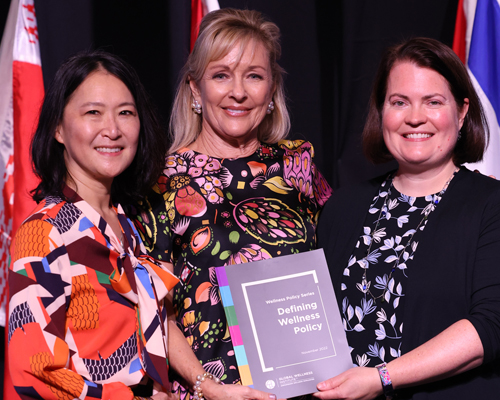
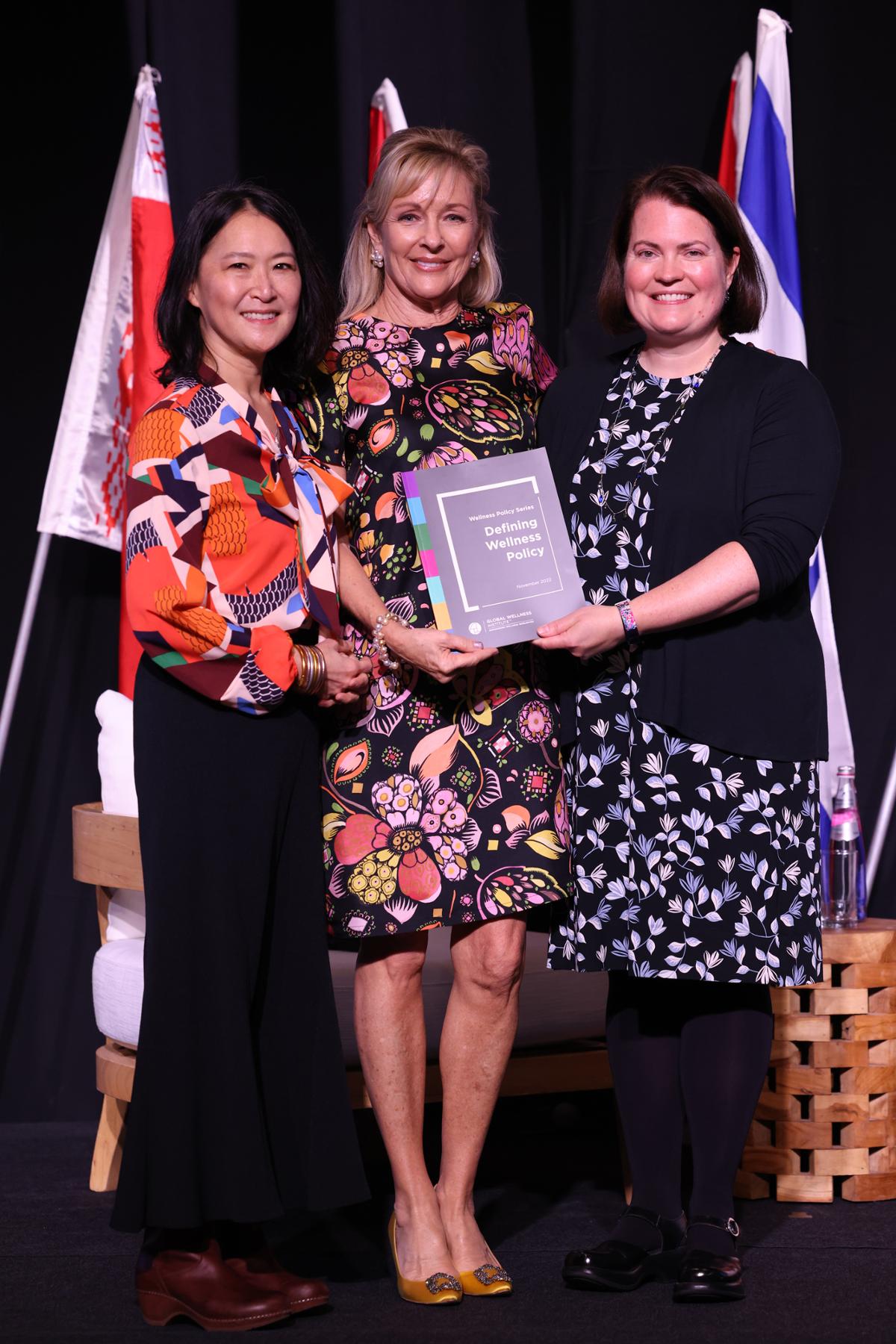
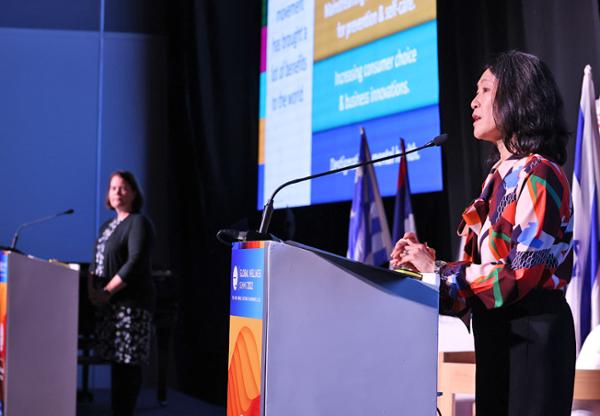
With this in mind, the GWI released its Defining Wellness Policy report at the Global Wellness Summit in Tel Aviv in early November (see p94). In the 40-plus pages, GWI researchers Katherine Johnston and Ophelia Yeung give an analysis of the relationship between wellness spending, happiness and health outcomes across countries for the first time ever. They also provide a framework and a compelling case for business and governments to make healthy lifestyles a priority for everyone, not just an elite few who can afford it.
“Wellness should not be a luxury,” says Johnston, “it’s a critical resource we all need and can benefit from no matter what our life circumstances are.”
Who’s it for? Spas are already highly aware of the benefits of wellness and offer it to customers in many forms – whether that’s something as simple as a massage to release stress or a full-blown approach to helping them achieve optimum health. But this report shows why operators should care about ‘wellness policy’, become an advocate of it and partner with governments and communities to make a real difference.
Public policies are important because they can increase consumer confidence in wellness that, in turn, protects the integrity of our sector and its modalities. Yeung says: “Unfortunately, a lot of our industry remains unregulated, which is why good policy is needed.”
Policies also determine what governments spend money on – from infrastructure in developing regions, training and education, research or as an overspill from healthcare for instance. All of which impacts the growth of the spa industry.
For government leaders, the study details why wellness policy is essential for public health and wellbeing. For policy makers or civil servants, the report gives ideas on how to work within existing policy siloes, departments and funding structures to advance the cause of wellness. The framework and evidence about the impact of wellness in the study can also be used by any other member of the public or a community seeking to champion healthy lifestyles.
Why is it important? The key takeaway from the report is that for every US$844 (€848, £736) increase in wellness spending per person, the average happiness level increases by nearly 7 per cent. In addition, an increase of US$769 (€773, £670) in wellness spending per person, is associated with 1.26 years of extra life. These are valuable statistics.
“We do have to remind you that this is correlation analysis,” says Johnston. “We can’t say that spending money on wellness ‘causes’ happiness or life expectancy levels to increase. But what we can say is that there is a close and positive relationship.”
GWI collaborated with a key author and statistician of the World Happiness Report for this and also used data from its own Wellness Economy Monitor as well as from Gallup and the World Bank.
Despite this indication of the positive impact of wellness expenditure, there’s acknowledgement that “unfortunately, there’s still a large gap to fill before there’s universal access to it”. The belief is that public policy can address that, but until now wellness has not been officially mapped out in this arena.
What’s in it? Wellness policy, as defined by the GWI, is a “set of cross-cutting actions that encourage healthy lifestyles and create supportive environments for human health and wellbeing,” says Johnston.
At a top-down macro level, this means governments reshaping all policies relating to wider society and the economy with a view to improving human health and wellbeing. It cites New Zealand, Iceland and Scotland as prime examples of making this happen, but says only a handful of countries have attempted such a high-level feat. While having the biggest impact on society, macro level policies take a very long time to implement. Johnston says: “We can’t just sit back and wait for governments to wake up and decide to take action on wellness.”
So GWI focuses on wellness policy at meso- and micro-levels as it’s more achievable for spas and it can complement national-level actions but with more immediate effect. Johnston says: “There are so many things all of us can do to have an impact on health, wellness and wellbeing right away, without waiting for those big macro issues to be solved.
“Every single one of us, as individuals, communities, non-profits and businesses, we can advocate for wellness policy and we can be partners in implementing them.”
On a meso-level, the aim is for policies to home in on “creating living environments that support and encourage healthy behaviours and lifestyles”. Examples include investing in green spaces to improve mental wellbeing and help us exercise outdoors.
Policies on a micro-level “encourage individuals to proactively make healthy choices, establish healthy habits and live healthy lifestyles” – some of this is down to our individual choices, says Johnston, but others can nudge us into good behaviour such as health warnings on cigarette packets or the sugar tax.
The report makes a case for how wellness can be used as a lens through which we can view and reshape – but not replace – existing health, happiness and wellbeing policies.
Defining Wellness Policy identifies seven specific domains in which to do this at meso- and macro-levels.
At a meso-level the domains focus on supporting environments and include:
• Wellness in the built environment
• Wellness at work
• Wellness in tourism
While the macro-level domains are based on those which affect individual behaviour, namely:
• Healthy eating
• Physical activity
• Mental wellness
• Traditional and complementary medicine
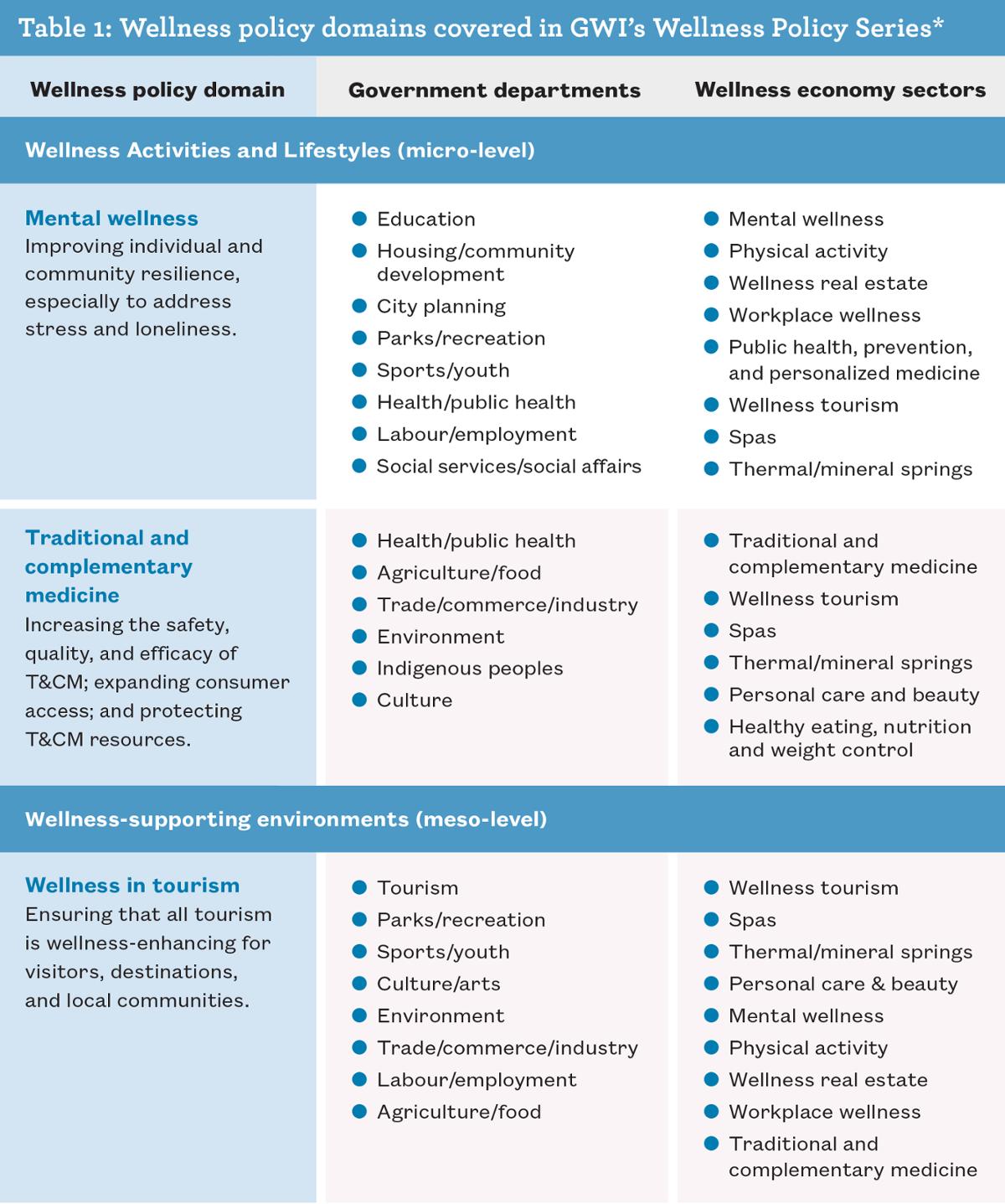
The wellness domains are not independent of each other and there are many crossovers between them – but the ones which are most applicable for the spa industry are traditional and complementary medicine, mental wellness and wellness in tourism. Similarly, the domains cut across many different government departments and depend on many different businesses and sectors. Table 1 on p107 gives an example of how the three wellness domains most relevant to spas might do this, while the full study details all seven.
Plans for 2023 GWI’s vision does not just stop at defining wellness policy. It’s planning to use the seven wellness domains identified to set the stage for the year ahead. In 2023 GWI will release a series of Wellness Policy Toolkits addressing the ‘why’ and ‘how’ in each domain. Why is there a need for wellness policy action in each area? How can stakeholders take action to address the issues and gaps?
“This report and the toolkits are intended to be just the beginning of a cross-cutting, global conversation,” say Yeung and Johnston. “We hope they spark a wellness policy movement that can be championed by any interested stakeholder groups.”
They conclude that with COVID-19, climate change and global conflicts triggering a cascading crisis in physical and mental health now is the time to act. “It’s urgent that we act immediately to reorientate public policy and our public and private resources toward health, wellness and wellbeing.”
As a backdrop to the report, GWI draws on its previous research which defines wellness as “the active pursuit of activities, choices and lifestyles that lead to a state of holistic health”. It’s not passive, people intentionally seek it. It’s also holistic and incorporates physical, mental, emotional, spiritual, social and environmental dimensions.
Read more from this issue of Attractions Management magazine
View contents of Attractions Management 2022 issue 4
Spa People: Marc Cohen
Leading medical, research, science and educational activities are all part of the new medical director’s role at the Peninsula Hot Springs Group in Australia
Menu engineering: At your service
Get inspired by the latest wellness services including a high-tech diagnostic circuit at SHA and a Zita West fertility programme at Bürgenstock
Interview: Stephan Wagner
As Saudi Arabia taps into tourism, the man heading up wellness at Amaala talks to Spa Business about what the major development is looking to bring to a previously undiscovered part of the Kingdom
Interview: Aradhana Khowala
The chair of the advisory board of the Red Sea – a Saudi development the size of Belgium – shares her passion for regenerative tourism with Spa Business
Sponsored: RKF: Dressed to impress
Following exciting new launches at Equip Hotel in Paris, including the new DresSoft line, RKF Luxury Linen is gearing up for an eco-friendly and fashion-conscious 2023
Everyone’s talking about...: Cold water immersion
A new scientific paper warns of the significant risk of cold water therapies. Spa Business investigates how operators can protect those taking part in extreme bathing programmes
Event report: Healing summit
Self-help and self-love were the key messages from this wellness event in Portugal, says Spa Business’ Lisa Starr
Sponsored: Comfort Zone: Effective by nature
Comfort Zone has revealed three new
products, including a new neck and
décolleté fluid, leveraging the power of
botanical bioactive extracts
Interview: Alex & Sue Glasscock
Editor-at-large, Jane Kitchen is put through her paces at The Ranch's new outpost in Palazzo Fiuggi, Italy and catches up with the owners
Event Report: Global Wellness Summit
The 16th annual GWS, held in Tel Aviv, Israel, homed in on the sector’s biggest issues following the pandemic. Spa Business reports on the highlights
Research: Wellness for all
A new study by the Global Wellness Institute provides a framework for businesses and governments to make healthy lifestyles accessible to all
Sponsored: TechnoAlpin Snowroom
The TechnoAlpin Snowroom made our Grand Aufguss Masters event extra special, says Robert Heinevetter
Finishing Touch: Cold call
Tumor suppression and boosting ‘good fat’ are two potential benefits of exposure to cool temperatures and swimming in icy waters, scientists reveal
GWI’s new study defines ‘wellness policy’ for the
first time ever, providing a framework for businesses and
governments to make healthy lifestyles fully accessible
Prime example: New Zealand’s government has reshaped its policies through a wellness lens / Photo: Shutterstock/Daniel Huebner
If we’re to address the global health crisis, it’s essential that wellness – preventative approaches and healthy lifestyles – is accessible to everyone.
We regularly highlight how the global wellness economy is valued at US$4.4tn (€4.42tn, £3.84tn), according to the Global Wellness Institute (GWI). Yet not everyone has the resources, motivation, knowledge or enabling environment to actively pursue wellness. Arguably the spa industry, which has wellbeing at its core but mostly targets high net worth individuals, struggles with this as much as any other sector. Public policy is essential to fill this gap.
With this in mind, the GWI released its Defining Wellness Policy report at the Global Wellness Summit in Tel Aviv in early November (see p94). In the 40-plus pages, GWI researchers Katherine Johnston and Ophelia Yeung give an analysis of the relationship between wellness spending, happiness and health outcomes across countries for the first time ever. They also provide a framework and a compelling case for business and governments to make healthy lifestyles a priority for everyone, not just an elite few who can afford it.
“Wellness should not be a luxury,” says Johnston, “it’s a critical resource we all need and can benefit from no matter what our life circumstances are.”
Who’s it for? Spas are already highly aware of the benefits of wellness and offer it to customers in many forms – whether that’s something as simple as a massage to release stress or a full-blown approach to helping them achieve optimum health. But this report shows why operators should care about ‘wellness policy’, become an advocate of it and partner with governments and communities to make a real difference.
Public policies are important because they can increase consumer confidence in wellness that, in turn, protects the integrity of our sector and its modalities. Yeung says: “Unfortunately, a lot of our industry remains unregulated, which is why good policy is needed.”
Policies also determine what governments spend money on – from infrastructure in developing regions, training and education, research or as an overspill from healthcare for instance. All of which impacts the growth of the spa industry.
For government leaders, the study details why wellness policy is essential for public health and wellbeing. For policy makers or civil servants, the report gives ideas on how to work within existing policy siloes, departments and funding structures to advance the cause of wellness. The framework and evidence about the impact of wellness in the study can also be used by any other member of the public or a community seeking to champion healthy lifestyles.
Why is it important? The key takeaway from the report is that for every US$844 (€848, £736) increase in wellness spending per person, the average happiness level increases by nearly 7 per cent. In addition, an increase of US$769 (€773, £670) in wellness spending per person, is associated with 1.26 years of extra life. These are valuable statistics.
“We do have to remind you that this is correlation analysis,” says Johnston. “We can’t say that spending money on wellness ‘causes’ happiness or life expectancy levels to increase. But what we can say is that there is a close and positive relationship.”
GWI collaborated with a key author and statistician of the World Happiness Report for this and also used data from its own Wellness Economy Monitor as well as from Gallup and the World Bank.
Despite this indication of the positive impact of wellness expenditure, there’s acknowledgement that “unfortunately, there’s still a large gap to fill before there’s universal access to it”. The belief is that public policy can address that, but until now wellness has not been officially mapped out in this arena.
What’s in it? Wellness policy, as defined by the GWI, is a “set of cross-cutting actions that encourage healthy lifestyles and create supportive environments for human health and wellbeing,” says Johnston.
At a top-down macro level, this means governments reshaping all policies relating to wider society and the economy with a view to improving human health and wellbeing. It cites New Zealand, Iceland and Scotland as prime examples of making this happen, but says only a handful of countries have attempted such a high-level feat. While having the biggest impact on society, macro level policies take a very long time to implement. Johnston says: “We can’t just sit back and wait for governments to wake up and decide to take action on wellness.”
So GWI focuses on wellness policy at meso- and micro-levels as it’s more achievable for spas and it can complement national-level actions but with more immediate effect. Johnston says: “There are so many things all of us can do to have an impact on health, wellness and wellbeing right away, without waiting for those big macro issues to be solved.
“Every single one of us, as individuals, communities, non-profits and businesses, we can advocate for wellness policy and we can be partners in implementing them.”
On a meso-level, the aim is for policies to home in on “creating living environments that support and encourage healthy behaviours and lifestyles”. Examples include investing in green spaces to improve mental wellbeing and help us exercise outdoors.
Policies on a micro-level “encourage individuals to proactively make healthy choices, establish healthy habits and live healthy lifestyles” – some of this is down to our individual choices, says Johnston, but others can nudge us into good behaviour such as health warnings on cigarette packets or the sugar tax.
The report makes a case for how wellness can be used as a lens through which we can view and reshape – but not replace – existing health, happiness and wellbeing policies.
Defining Wellness Policy identifies seven specific domains in which to do this at meso- and macro-levels.
At a meso-level the domains focus on supporting environments and include:
• Wellness in the built environment
• Wellness at work
• Wellness in tourism
While the macro-level domains are based on those which affect individual behaviour, namely:
• Healthy eating
• Physical activity
• Mental wellness
• Traditional and complementary medicine
The wellness domains are not independent of each other and there are many crossovers between them – but the ones which are most applicable for the spa industry are traditional and complementary medicine, mental wellness and wellness in tourism. Similarly, the domains cut across many different government departments and depend on many different businesses and sectors. Table 1 on p107 gives an example of how the three wellness domains most relevant to spas might do this, while the full study details all seven.
Plans for 2023 GWI’s vision does not just stop at defining wellness policy. It’s planning to use the seven wellness domains identified to set the stage for the year ahead. In 2023 GWI will release a series of Wellness Policy Toolkits addressing the ‘why’ and ‘how’ in each domain. Why is there a need for wellness policy action in each area? How can stakeholders take action to address the issues and gaps?
“This report and the toolkits are intended to be just the beginning of a cross-cutting, global conversation,” say Yeung and Johnston. “We hope they spark a wellness policy movement that can be championed by any interested stakeholder groups.”
They conclude that with COVID-19, climate change and global conflicts triggering a cascading crisis in physical and mental health now is the time to act. “It’s urgent that we act immediately to reorientate public policy and our public and private resources toward health, wellness and wellbeing.”
As a backdrop to the report, GWI draws on its previous research which defines wellness as “the active pursuit of activities, choices and lifestyles that lead to a state of holistic health”. It’s not passive, people intentionally seek it. It’s also holistic and incorporates physical, mental, emotional, spiritual, social and environmental dimensions.
Read more from this issue of Attractions Management magazine
View contents of Attractions Management 2022 issue 4
Spa People: Marc Cohen
Leading medical, research, science and educational activities are all part of the new medical director’s role at the Peninsula Hot Springs Group in Australia
Menu engineering: At your service
Get inspired by the latest wellness services including a high-tech diagnostic circuit at SHA and a Zita West fertility programme at Bürgenstock
Interview: Stephan Wagner
As Saudi Arabia taps into tourism, the man heading up wellness at Amaala talks to Spa Business about what the major development is looking to bring to a previously undiscovered part of the Kingdom
Interview: Aradhana Khowala
The chair of the advisory board of the Red Sea – a Saudi development the size of Belgium – shares her passion for regenerative tourism with Spa Business
Sponsored: RKF: Dressed to impress
Following exciting new launches at Equip Hotel in Paris, including the new DresSoft line, RKF Luxury Linen is gearing up for an eco-friendly and fashion-conscious 2023
Everyone’s talking about...: Cold water immersion
A new scientific paper warns of the significant risk of cold water therapies. Spa Business investigates how operators can protect those taking part in extreme bathing programmes
Event report: Healing summit
Self-help and self-love were the key messages from this wellness event in Portugal, says Spa Business’ Lisa Starr
Sponsored: Comfort Zone: Effective by nature
Comfort Zone has revealed three new
products, including a new neck and
décolleté fluid, leveraging the power of
botanical bioactive extracts
Interview: Alex & Sue Glasscock
Editor-at-large, Jane Kitchen is put through her paces at The Ranch's new outpost in Palazzo Fiuggi, Italy and catches up with the owners
Event Report: Global Wellness Summit
The 16th annual GWS, held in Tel Aviv, Israel, homed in on the sector’s biggest issues following the pandemic. Spa Business reports on the highlights
Research: Wellness for all
A new study by the Global Wellness Institute provides a framework for businesses and governments to make healthy lifestyles accessible to all
Sponsored: TechnoAlpin Snowroom
The TechnoAlpin Snowroom made our Grand Aufguss Masters event extra special, says Robert Heinevetter
Finishing Touch: Cold call
Tumor suppression and boosting ‘good fat’ are two potential benefits of exposure to cool temperatures and swimming in icy waters, scientists reveal
London Museum will open four new food and drink destinations when it launches its new home
at Smithfield on 28 November, making hospitality a central part of the visitor experience at one
of the capital's biggest cultural openings of the year.
OMA has completed a major transformation of New York's New Museum, creating a larger
cultural campus that combines expanded exhibition spaces with learning, performance,
hospitality and public programming.
A US$50 million (£44.2 million, €51.2 million) transformation of Chicago's historic McCormick
Mansion has created a new destination that combines live magic, immersive theatre, dining and
private membership under one roof.
The Montana Historical Society has officially celebrated the opening of its new Montana
Heritage
Center, a US$107 million (£79 million, €92 million) destination that combines immersive
storytelling with cutting-edge audiovisual technology to bring the sta
San Antonio Zoo has reported a US$283 million economic impact for 2025, following a decade-
long transformation programme that has seen almost US$200 million invested into the Texas
attraction.
Plans for the AU$180 million redevelopment of Reef HQ Aquarium in Townsville, Australia, are
progressing, with the project set to transform the attraction into a global centre for reef
education and conservation.
Abu Dhabi-based investment firm Mubadala Capital has made a binding, fully financed
€1 billion
offer to acquire Pierre and Vacances SA, the European holiday resort operator behind the
continental European Center Parcs business.
Disney has reaffirmed its commitment to investing US$30 billion in its US parks and cruise
business by 2033, using new America250 celebrations to underline the role its attractions play
in supporting jobs, tourism and economic growth.
Expo 2030 Riyadh is being planned as a permanent visitor destination, with organisers
confirming the six-million-square-metre site will become a Global Village after the event closes.
The owner of one of Australia's best-known waterparks has acquired a major competitor,
creating a new attractions business spanning two of the country's largest visitor destinations.