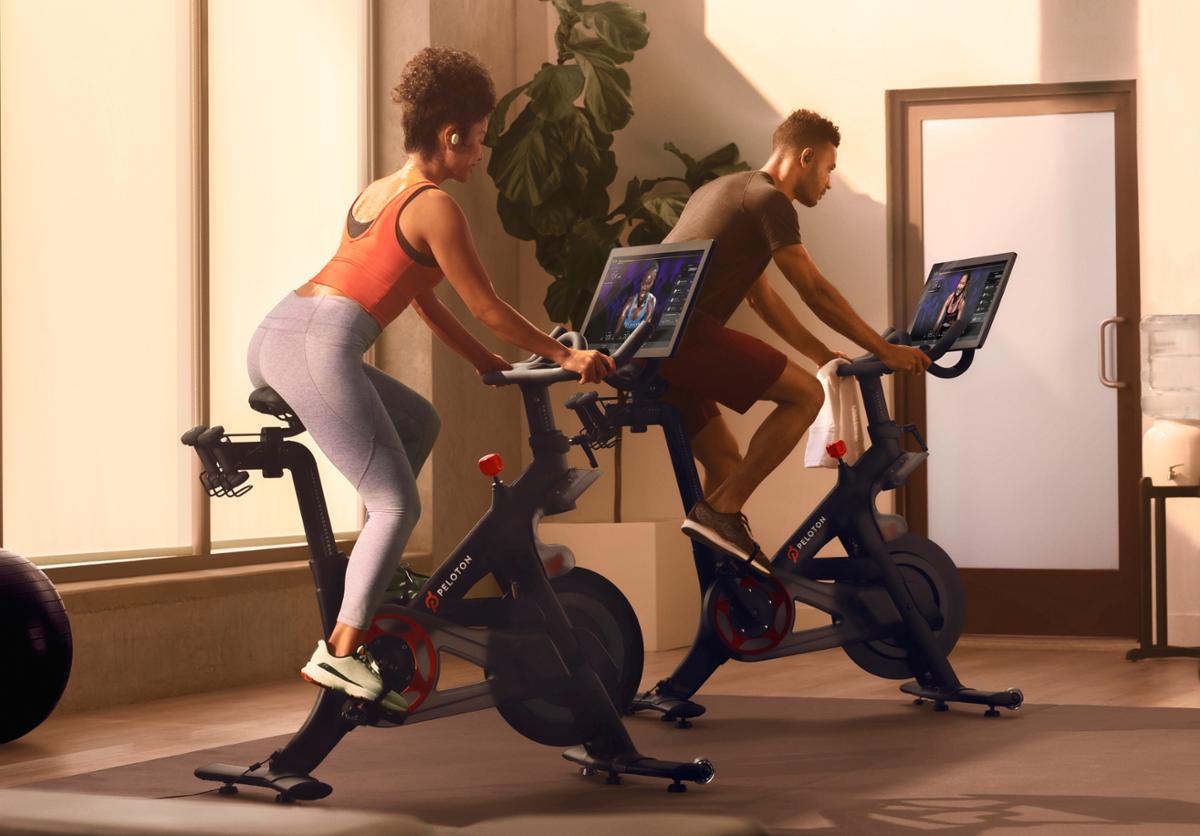
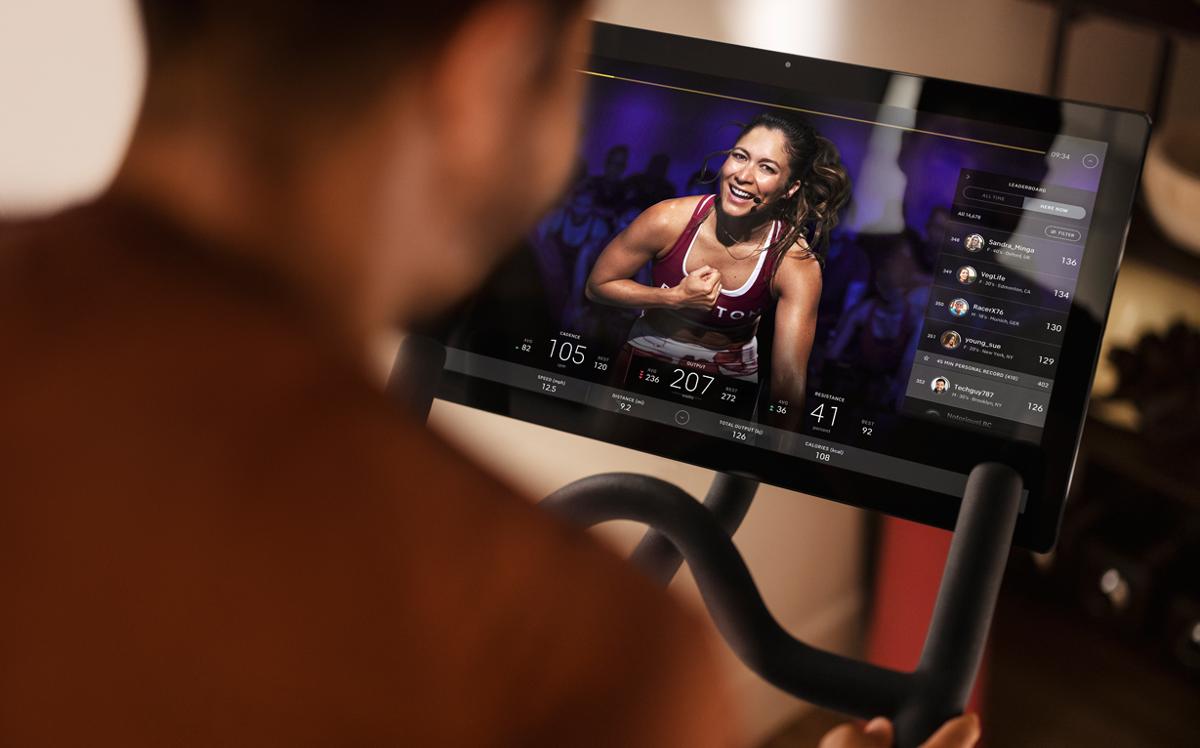
In-room fitness can be hyperpersonalised / photo: peloton
Hyperpersonalisation became a trendy word several years ago – now it’s fundamental to success.
Populations are changing and it’s predicted by 2030 the bulk of the population in the West will be between 55- and 64-years-of-age whereas, traditionally, the majority were young and productive.
In less than a decade, the hospitality and spa sectors will be catering to five decades of consumers, from guests in their 20s to those in their 70s, all contributing to the global economy and with the purchasing power to actively consume.
Each of these consumers comes with very different needs, consumption patterns, lifestyles, aspirations and wellbeing goals and the way to meet such a vast swathe of requirements successfully and sustainably is with meaningful, thoughtfully integrated and hyperpersonalised wellness.
Wellness vs wellbeing It’s important to highlight the subtle yet important difference between wellness and wellbeing. Wellness is the tool and wellbeing the goal. Confuse these terms and you’ll end up with very short-term strategies.
Some operators still treat wellness as an amenity to support the core business of selling rooms and fail to see the value in investing in wellness concepts, however, to be successful – and profitable – wellness must become an integral part of the asset ecosystem of the business.
If you design or pivot your wellness offerings around new tools – the latest restorative therapy sensation, for example – instead of your goals, you’re setting yourself up to struggle.
Whether it’s a hotel gym or standalone spa, the offer needs to provide guests with the tools to access greater wellbeing – physical, mental, emotional and spiritual.
Transformational experiences The pandemic has caused a seismic shift in value systems and wellness offers now need to be fluid and adaptable, always ready for the next consumer trend.
However state-of-the-art they are, spa or fitness spaces can never be personalised for every guest’s needs, however, take an in-room wellness concept – an exercise bike and/or app, for example – and suddenly a business can offer every guest a hyperpersonalised wellness experience, any time.
This might be the chance to work up a sweat on the bike or to use the app to do a yoga class, stretch or meditation session – each can be done exactly how and when they want but still with a sense of community.
This kind of set-up – which is now available from a number of suppliers, such as Technogym, Peloton Commercial, Les Mills/Stages and Body Bike, creates an affordable wellness offer that delivers those transformational experiences in a simple, yet effective way.
Additionally, offering wellness accessories in guest rooms allows the hotel or spa to increase ADR, guest satisfaction and employee satisfaction to boot.
Hilton sees the value in it. This October, it announced a deal that will see nearly all of its 5,400 hotels in the US feature at least one Peloton bike by the end of the year. This follows partnerships with Westin and Kempinski for in-room and/or fitness centre provision.
Offering an in-room wellness solution also creates the opportunity to upgrade room rates, stand out as an innovator, create a draw for repeat business and tap into a brand’s existing tribe, as well as offering guests the chance to access wellness their own way and in their own space, for minimal additional outlay.
There are other benefits to working with consumer brands, as Peloton Commercial’s Dean Wood explains, saying: “Our Hotel Finder, which allows people to search for hotels equipped with our bikes across the globe, receives 44,000 hits per month and directs users to the hotels’ own booking engines, driving hotel bookings.”
Focus on the how This is just one example of how operators can focus not on their what, but on their how. How can you solve guests’ real wellbeing problems? What toolkit can you offer to all the guests walking through the door and aspiring to experience wellbeing during their stay?
You can treat wellness as just another operating department, choose to ignore this new era, or you can take it to another level. Every brand must embrace wellbeing in some way, shape or form to thrive well into the future.
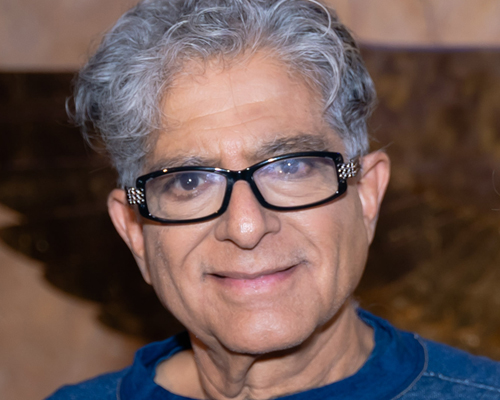
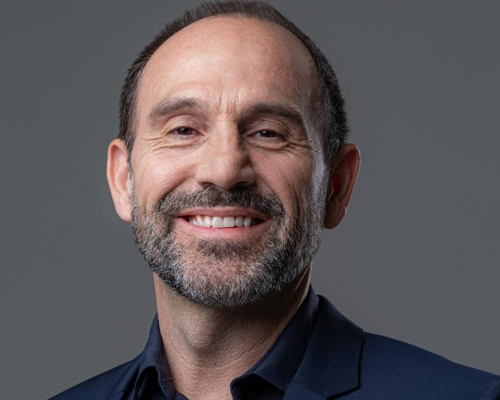
photo: Sonal Uberoi
"Spas will soon be catering to five
decades of consumers... each with
very different needs, consumption
patterns and wellbeing goals" – Sonal Uberoi
Read more from this issue of Attractions Management magazine
View contents of Attractions Management 2022 issue 4
Spa People: Marc Cohen
Leading medical, research, science and educational activities are all part of the new medical director’s role at the Peninsula Hot Springs Group in Australia
Menu engineering: At your service
Get inspired by the latest wellness services including a high-tech diagnostic circuit at SHA and a Zita West fertility programme at Bürgenstock
Interview: Stephan Wagner
As Saudi Arabia taps into tourism, the man heading up wellness at Amaala talks to Spa Business about what the major development is looking to bring to a previously undiscovered part of the Kingdom
Interview: Aradhana Khowala
The chair of the advisory board of the Red Sea – a Saudi development the size of Belgium – shares her passion for regenerative tourism with Spa Business
Sponsored: RKF: Dressed to impress
Following exciting new launches at Equip Hotel in Paris, including the new DresSoft line, RKF Luxury Linen is gearing up for an eco-friendly and fashion-conscious 2023
Everyone’s talking about...: Cold water immersion
A new scientific paper warns of the significant risk of cold water therapies. Spa Business investigates how operators can protect those taking part in extreme bathing programmes
Event report: Healing summit
Self-help and self-love were the key messages from this wellness event in Portugal, says Spa Business’ Lisa Starr
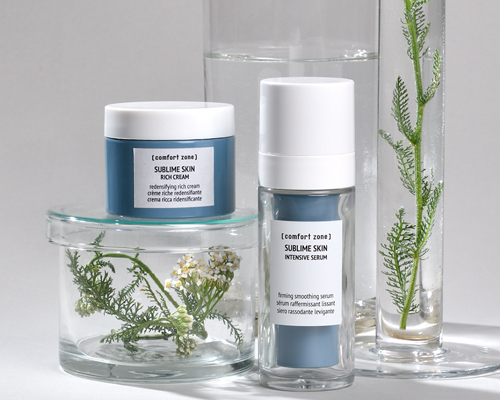
Sponsored: Comfort Zone: Effective by nature
Comfort Zone has revealed three new
products, including a new neck and
décolleté fluid, leveraging the power of
botanical bioactive extracts
Interview: Alex & Sue Glasscock
Editor-at-large, Jane Kitchen is put through her paces at The Ranch's new outpost in Palazzo Fiuggi, Italy and catches up with the owners
Event Report: Global Wellness Summit
The 16th annual GWS, held in Tel Aviv, Israel, homed in on the sector’s biggest issues following the pandemic. Spa Business reports on the highlights
Research: Wellness for all
A new study by the Global Wellness Institute provides a framework for businesses and governments to make healthy lifestyles accessible to all
Sponsored: TechnoAlpin Snowroom
The TechnoAlpin Snowroom made our Grand Aufguss Masters event extra special, says Robert Heinevetter
Finishing Touch: Cold call
Tumor suppression and boosting ‘good fat’ are two potential benefits of exposure to cool temperatures and swimming in icy waters, scientists reveal
In-room fitness can be hyperpersonalised / photo: peloton
Hyperpersonalisation became a trendy word several years ago – now it’s fundamental to success.
Populations are changing and it’s predicted by 2030 the bulk of the population in the West will be between 55- and 64-years-of-age whereas, traditionally, the majority were young and productive.
In less than a decade, the hospitality and spa sectors will be catering to five decades of consumers, from guests in their 20s to those in their 70s, all contributing to the global economy and with the purchasing power to actively consume.
Each of these consumers comes with very different needs, consumption patterns, lifestyles, aspirations and wellbeing goals and the way to meet such a vast swathe of requirements successfully and sustainably is with meaningful, thoughtfully integrated and hyperpersonalised wellness.
Wellness vs wellbeing It’s important to highlight the subtle yet important difference between wellness and wellbeing. Wellness is the tool and wellbeing the goal. Confuse these terms and you’ll end up with very short-term strategies.
Some operators still treat wellness as an amenity to support the core business of selling rooms and fail to see the value in investing in wellness concepts, however, to be successful – and profitable – wellness must become an integral part of the asset ecosystem of the business.
If you design or pivot your wellness offerings around new tools – the latest restorative therapy sensation, for example – instead of your goals, you’re setting yourself up to struggle.
Whether it’s a hotel gym or standalone spa, the offer needs to provide guests with the tools to access greater wellbeing – physical, mental, emotional and spiritual.
Transformational experiences The pandemic has caused a seismic shift in value systems and wellness offers now need to be fluid and adaptable, always ready for the next consumer trend.
However state-of-the-art they are, spa or fitness spaces can never be personalised for every guest’s needs, however, take an in-room wellness concept – an exercise bike and/or app, for example – and suddenly a business can offer every guest a hyperpersonalised wellness experience, any time.
This might be the chance to work up a sweat on the bike or to use the app to do a yoga class, stretch or meditation session – each can be done exactly how and when they want but still with a sense of community.
This kind of set-up – which is now available from a number of suppliers, such as Technogym, Peloton Commercial, Les Mills/Stages and Body Bike, creates an affordable wellness offer that delivers those transformational experiences in a simple, yet effective way.
Additionally, offering wellness accessories in guest rooms allows the hotel or spa to increase ADR, guest satisfaction and employee satisfaction to boot.
Hilton sees the value in it. This October, it announced a deal that will see nearly all of its 5,400 hotels in the US feature at least one Peloton bike by the end of the year. This follows partnerships with Westin and Kempinski for in-room and/or fitness centre provision.
Offering an in-room wellness solution also creates the opportunity to upgrade room rates, stand out as an innovator, create a draw for repeat business and tap into a brand’s existing tribe, as well as offering guests the chance to access wellness their own way and in their own space, for minimal additional outlay.
There are other benefits to working with consumer brands, as Peloton Commercial’s Dean Wood explains, saying: “Our Hotel Finder, which allows people to search for hotels equipped with our bikes across the globe, receives 44,000 hits per month and directs users to the hotels’ own booking engines, driving hotel bookings.”
Focus on the how This is just one example of how operators can focus not on their what, but on their how. How can you solve guests’ real wellbeing problems? What toolkit can you offer to all the guests walking through the door and aspiring to experience wellbeing during their stay?
You can treat wellness as just another operating department, choose to ignore this new era, or you can take it to another level. Every brand must embrace wellbeing in some way, shape or form to thrive well into the future.
photo: Sonal Uberoi
"Spas will soon be catering to five
decades of consumers... each with
very different needs, consumption
patterns and wellbeing goals" – Sonal Uberoi
Read more from this issue of Attractions Management magazine
View contents of Attractions Management 2022 issue 4
Spa People: Marc Cohen
Leading medical, research, science and educational activities are all part of the new medical director’s role at the Peninsula Hot Springs Group in Australia
Menu engineering: At your service
Get inspired by the latest wellness services including a high-tech diagnostic circuit at SHA and a Zita West fertility programme at Bürgenstock
Interview: Stephan Wagner
As Saudi Arabia taps into tourism, the man heading up wellness at Amaala talks to Spa Business about what the major development is looking to bring to a previously undiscovered part of the Kingdom
Interview: Aradhana Khowala
The chair of the advisory board of the Red Sea – a Saudi development the size of Belgium – shares her passion for regenerative tourism with Spa Business
Sponsored: RKF: Dressed to impress
Following exciting new launches at Equip Hotel in Paris, including the new DresSoft line, RKF Luxury Linen is gearing up for an eco-friendly and fashion-conscious 2023
Everyone’s talking about...: Cold water immersion
A new scientific paper warns of the significant risk of cold water therapies. Spa Business investigates how operators can protect those taking part in extreme bathing programmes
Event report: Healing summit
Self-help and self-love were the key messages from this wellness event in Portugal, says Spa Business’ Lisa Starr
Sponsored: Comfort Zone: Effective by nature
Comfort Zone has revealed three new
products, including a new neck and
décolleté fluid, leveraging the power of
botanical bioactive extracts
Interview: Alex & Sue Glasscock
Editor-at-large, Jane Kitchen is put through her paces at The Ranch's new outpost in Palazzo Fiuggi, Italy and catches up with the owners
Event Report: Global Wellness Summit
The 16th annual GWS, held in Tel Aviv, Israel, homed in on the sector’s biggest issues following the pandemic. Spa Business reports on the highlights
Research: Wellness for all
A new study by the Global Wellness Institute provides a framework for businesses and governments to make healthy lifestyles accessible to all
Sponsored: TechnoAlpin Snowroom
The TechnoAlpin Snowroom made our Grand Aufguss Masters event extra special, says Robert Heinevetter
Finishing Touch: Cold call
Tumor suppression and boosting ‘good fat’ are two potential benefits of exposure to cool temperatures and swimming in icy waters, scientists reveal
London Museum will open four new food and drink destinations when it launches its new home
at Smithfield on 28 November, making hospitality a central part of the visitor experience at one
of the capital's biggest cultural openings of the year.
OMA has completed a major transformation of New York's New Museum, creating a larger
cultural campus that combines expanded exhibition spaces with learning, performance,
hospitality and public programming.
A US$50 million (£44.2 million, €51.2 million) transformation of Chicago's historic McCormick
Mansion has created a new destination that combines live magic, immersive theatre, dining and
private membership under one roof.
The Montana Historical Society has officially celebrated the opening of its new Montana
Heritage
Center, a US$107 million (£79 million, €92 million) destination that combines immersive
storytelling with cutting-edge audiovisual technology to bring the sta
San Antonio Zoo has reported a US$283 million economic impact for 2025, following a decade-
long transformation programme that has seen almost US$200 million invested into the Texas
attraction.
Plans for the AU$180 million redevelopment of Reef HQ Aquarium in Townsville, Australia, are
progressing, with the project set to transform the attraction into a global centre for reef
education and conservation.
Abu Dhabi-based investment firm Mubadala Capital has made a binding, fully financed
€1 billion
offer to acquire Pierre and Vacances SA, the European holiday resort operator behind the
continental European Center Parcs business.
Disney has reaffirmed its commitment to investing US$30 billion in its US parks and cruise
business by 2033, using new America250 celebrations to underline the role its attractions play
in supporting jobs, tourism and economic growth.
Expo 2030 Riyadh is being planned as a permanent visitor destination, with organisers
confirming the six-million-square-metre site will become a Global Village after the event closes.
The owner of one of Australia's best-known waterparks has acquired a major competitor,
creating a new attractions business spanning two of the country's largest visitor destinations.