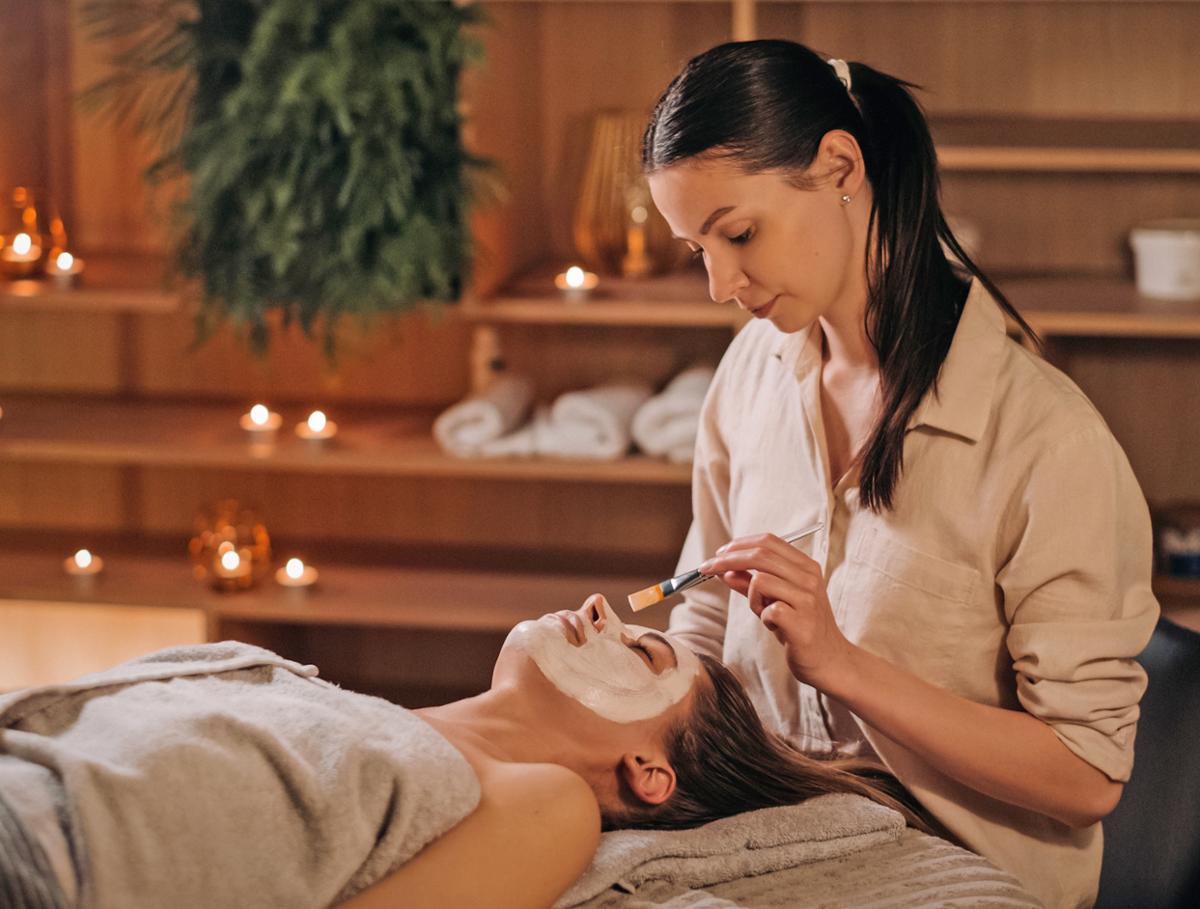
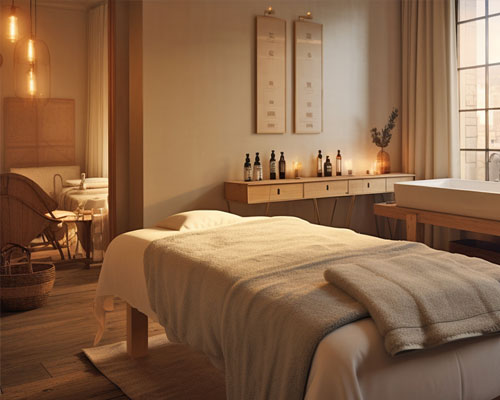
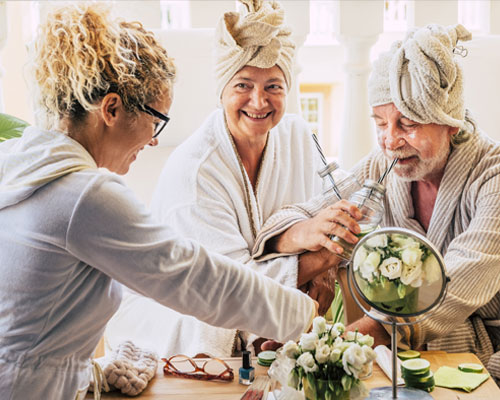
Do a few key services really well to reduce complexity, says McCarthy / photo: shutterstock/Lobachad
You’ve probably heard the joke...
Q: What’s the easiest way to make a million dollars in the spa industry?
A: Start with 2 million! It’s not easy to be successful in our sector for two reasons.
Firstly, these are complex businesses which require a lot of knowledge in diverse areas including leadership, customer service, wellness therapies, products and retail, finance, sales and marketing, software systems and more.
Secondly, they are low-margin operations which require large numbers of highly paid and well-trained employees. Most spas simply don’t make enough money to pay for the calibre of talent necessary.
This relationship between complexity and profitability is the greatest challenge spa owners and operators face. However, many have still found ways to create successful businesses. So how do they do it? Here are some strategies they use:
1 Partner Many successful spas can be found within hotel premises, where they can offload some of the complexity – relying on the property’s expertise and support in areas such as housekeeping, maintenance, marketing and food and beverage. In this synergistic relationship, the hotel also benefits from offering a great experience that builds loyalty and goodwill.
2 Size A larger spa with more treatment rooms has greater revenue-generating potential, leading to higher margins and supporting more experienced leaders. This can create an upward spiral resulting in increased success. Unfortunately, because spa margins are not high, there’s often pressure from investors to reduce size and smaller facilities struggle to make enough money to offset the fixed costs and turn a profit.
3 Scale Having multiple locations can allow a spa business to draw enough income from across its operations to fund an experienced central leadership team who can share their support and expertise in each business unit.
4 Specialise Spas can reduce complexity by streamlining their offering down to a few key services and building a reputation for doing those services very well. Many spas try too hard to keep up with all of the latest wellness trends and continually expand their menu to offer so much that it confuses customers and costs more in terms of stock and training.
5 Passion Much of the success of the spa industry is fuelled by the passion of our people. People who have foregone other, potentially more lucrative career opportunities, in favour of working in a more meaningful industry that gives them a deep sense of purpose. The spa industry would simply not be what it is today without these hard-working individuals who have a passion for wellness and for helping people feel at their best. One of the best ways for a spa operator to be successful is to create a working environment that attracts the best people and enables them to do their best work.
6 Experience Give your guests a great experience that they’ll want to have again and again and will want to tell all their friends about. The winning spas are those who really know their guests and give them exactly what they need.
7 Storytelling Give your guests a story to tell. The best spa is not necessarily the one with the most products or treatments. It’s the one that has a compelling story. And simple stories are easier to tell and to remember. Essentially, most strategies for successful spa operations work by virtue of their ability to reduce or offset the complexity of the operation. The key to success is the focus on quality, caring and above all, simplicity.
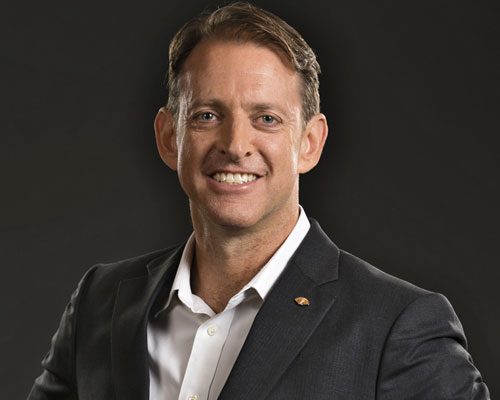
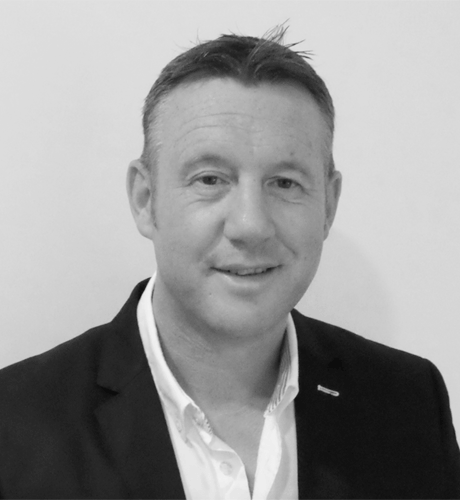
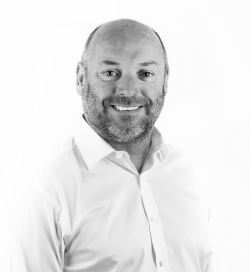
Jeremy McCarthy has worked in the spa industry for 34 years. As group director of spa and wellness for Mandarin Oriental, he oversees spa, wellness and leisure operations at 35 luxury hotels globally. Contact him with your views on Twitter @jeremymcc
Read more from this issue of Attractions Management magazine
View contents of Attractions Management 2023 issue 4
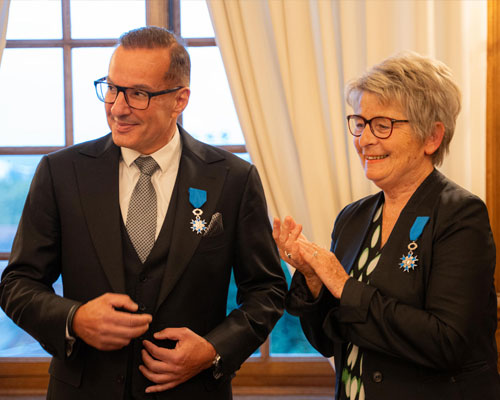
Sponsored: Highest French distinction for RKF's CEO
After receiving the highest civilian award for services to the French nation, Riadh Bouaziz, CEO of RKF Luxury Linen, reflects on his company’s many achievements and considers what lies ahead
Association focus: Thermal Heritage
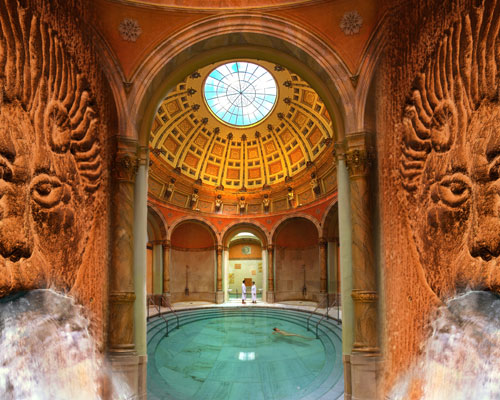
Jane Kitchen finds out how two key associations – the European Historic Thermal Towns Association and the Great Spa Towns of Europe – are protecting and promoting the unique cultural relevances of Europe’s spa towns
Interview: Paul Simons
As he retires from the Great Spa Towns of Europe, the industry leader reflects on his long and esteemed career
Sponsored: New ways with water
Working globally with architects and interior designers allows Myrtha Wellness to embrace the latest trends in the international hospitality sector, as director Stefano Cattaneo explains
Sponsored: Cutting edge
Ara Patterson from Equinox Hotels talks about a partnership with
Gharieni that’s delivering ROI and innovative treatments for guests
Interview: Niamh O'Connell
What does Jumeirah’s first vice president of wellbeing have planned for the Middle East-based hospitality group?
Sponsored: Lasse Eriksen on contrast therapy
Contrast therapy is gaining attention for its healing effects. We ask aufguss and sauna expert Lasse Eriksen to share his views on the perfect experience
Nature spas: Tree of life
Lisa Starr discovers two retreats in Austria and Italy which base their wellbeing concepts on forests
Sponsored: Spirit of Excellence
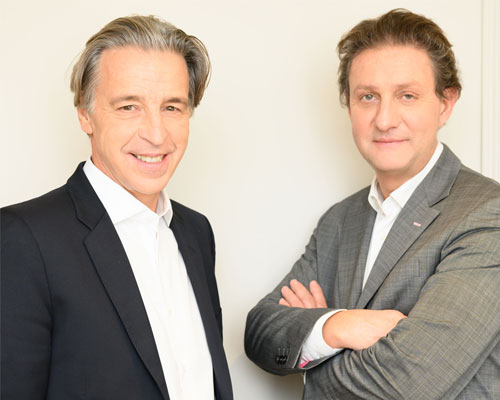
Rupert Schmid and Pierre-Louis Delapalme, owners of Biologique Recherche, discuss the global rollout of its ‘Ambassade’ flagship spas
Sponsored: Outstanding performance
Bicester Hotel & Spa is working with Matrix Fitness to enable wellness guests to train like athletes with a unique offering
Do a few key services really well to reduce complexity, says McCarthy / photo: shutterstock/Lobachad
You’ve probably heard the joke...
Q: What’s the easiest way to make a million dollars in the spa industry?
A: Start with 2 million! It’s not easy to be successful in our sector for two reasons.
Firstly, these are complex businesses which require a lot of knowledge in diverse areas including leadership, customer service, wellness therapies, products and retail, finance, sales and marketing, software systems and more.
Secondly, they are low-margin operations which require large numbers of highly paid and well-trained employees. Most spas simply don’t make enough money to pay for the calibre of talent necessary.
This relationship between complexity and profitability is the greatest challenge spa owners and operators face. However, many have still found ways to create successful businesses. So how do they do it? Here are some strategies they use:
1 Partner Many successful spas can be found within hotel premises, where they can offload some of the complexity – relying on the property’s expertise and support in areas such as housekeeping, maintenance, marketing and food and beverage. In this synergistic relationship, the hotel also benefits from offering a great experience that builds loyalty and goodwill.
2 Size A larger spa with more treatment rooms has greater revenue-generating potential, leading to higher margins and supporting more experienced leaders. This can create an upward spiral resulting in increased success. Unfortunately, because spa margins are not high, there’s often pressure from investors to reduce size and smaller facilities struggle to make enough money to offset the fixed costs and turn a profit.
3 Scale Having multiple locations can allow a spa business to draw enough income from across its operations to fund an experienced central leadership team who can share their support and expertise in each business unit.
4 Specialise Spas can reduce complexity by streamlining their offering down to a few key services and building a reputation for doing those services very well. Many spas try too hard to keep up with all of the latest wellness trends and continually expand their menu to offer so much that it confuses customers and costs more in terms of stock and training.
5 Passion Much of the success of the spa industry is fuelled by the passion of our people. People who have foregone other, potentially more lucrative career opportunities, in favour of working in a more meaningful industry that gives them a deep sense of purpose. The spa industry would simply not be what it is today without these hard-working individuals who have a passion for wellness and for helping people feel at their best. One of the best ways for a spa operator to be successful is to create a working environment that attracts the best people and enables them to do their best work.
6 Experience Give your guests a great experience that they’ll want to have again and again and will want to tell all their friends about. The winning spas are those who really know their guests and give them exactly what they need.
7 Storytelling Give your guests a story to tell. The best spa is not necessarily the one with the most products or treatments. It’s the one that has a compelling story. And simple stories are easier to tell and to remember. Essentially, most strategies for successful spa operations work by virtue of their ability to reduce or offset the complexity of the operation. The key to success is the focus on quality, caring and above all, simplicity.
Jeremy McCarthy has worked in the spa industry for 34 years. As group director of spa and wellness for Mandarin Oriental, he oversees spa, wellness and leisure operations at 35 luxury hotels globally. Contact him with your views on Twitter @jeremymcc
Read more from this issue of Attractions Management magazine
View contents of Attractions Management 2023 issue 4
Sponsored: Highest French distinction for RKF's CEO
After receiving the highest civilian award for services to the French nation, Riadh Bouaziz, CEO of RKF Luxury Linen, reflects on his company’s many achievements and considers what lies ahead
Association focus: Thermal Heritage
Jane Kitchen finds out how two key associations – the European Historic Thermal Towns Association and the Great Spa Towns of Europe – are protecting and promoting the unique cultural relevances of Europe’s spa towns
Interview: Paul Simons
As he retires from the Great Spa Towns of Europe, the industry leader reflects on his long and esteemed career
Sponsored: New ways with water
Working globally with architects and interior designers allows Myrtha Wellness to embrace the latest trends in the international hospitality sector, as director Stefano Cattaneo explains
Sponsored: Cutting edge
Ara Patterson from Equinox Hotels talks about a partnership with
Gharieni that’s delivering ROI and innovative treatments for guests
Interview: Niamh O'Connell
What does Jumeirah’s first vice president of wellbeing have planned for the Middle East-based hospitality group?
Sponsored: Lasse Eriksen on contrast therapy
Contrast therapy is gaining attention for its healing effects. We ask aufguss and sauna expert Lasse Eriksen to share his views on the perfect experience
Nature spas: Tree of life
Lisa Starr discovers two retreats in Austria and Italy which base their wellbeing concepts on forests
Sponsored: Spirit of Excellence
Rupert Schmid and Pierre-Louis Delapalme, owners of Biologique Recherche, discuss the global rollout of its ‘Ambassade’ flagship spas
Sponsored: Outstanding performance
Bicester Hotel & Spa is working with Matrix Fitness to enable wellness guests to train like athletes with a unique offering
A US$50 million (£44.2 million, €51.2 million) transformation of Chicago's historic McCormick
Mansion has created a new destination that combines live magic, immersive theatre, dining and
private membership under one roof.
The Montana Historical Society has officially celebrated the opening of its new Montana
Heritage
Center, a US$107 million (£79 million, €92 million) destination that combines immersive
storytelling with cutting-edge audiovisual technology to bring the sta
San Antonio Zoo has reported a US$283 million economic impact for 2025, following a decade-
long transformation programme that has seen almost US$200 million invested into the Texas
attraction.
Plans for the AU$180 million redevelopment of Reef HQ Aquarium in Townsville, Australia, are
progressing, with the project set to transform the attraction into a global centre for reef
education and conservation.
Abu Dhabi-based investment firm Mubadala Capital has made a binding, fully financed
€1 billion
offer to acquire Pierre and Vacances SA, the European holiday resort operator behind the
continental European Center Parcs business.
Disney has reaffirmed its commitment to investing US$30 billion in its US parks and cruise
business by 2033, using new America250 celebrations to underline the role its attractions play
in supporting jobs, tourism and economic growth.
Expo 2030 Riyadh is being planned as a permanent visitor destination, with organisers
confirming the six-million-square-metre site will become a Global Village after the event closes.
The owner of one of Australia's best-known waterparks has acquired a major competitor,
creating a new attractions business spanning two of the country's largest visitor destinations.
The Toverland theme park in the Netherlands has announced a €98m expansion programme
that will add a resort, new attractions and staff facilities as it pursues plans to become a multi-
day destination.
Hotel de France, located on the British Isle of Jersey, has created a wellness retreat package
that includes a hot yoga session that will take place in Jersey Zoo’s butterfly sanctuary.
+ More news
COMPANY PROFILES
Simworx Ltd The company was initially established
in 1997. Terry Monkton and Andrew
Roberts are the key stakeh [more...]