The cost of living crisis is already having an impact on
leisure spend, but BVA BDRC’s travel and culture director
Jon Young is confident that with careful targeting,
attractions can continue to draw in guests
In the current climate you’d be forgiven for thinking that attractions visitors would favour venues that are warm and inside as they try to offset the chill of inflation and rising interest rates.
Despite the cost of living crisis however, there are opportunities for attractions to continue to attract visitors and counterbalance the economic challenges faced by the public. There can be no doubt that the increased cost of living will have an impact on leisure spend.
At consumer and business insight consultancy BVA BDRC, we’ve carried out research that shows three quarters of the UK public are either ‘already hit hard’ or ‘cautious’ and having to be ‘very careful’. Around 80 per cent think the worst is still to come, meaning that they’re likely to hold back even if they built up savings during the pandemic.
It’s important to remember that the public won’t cut back on all of their disposable spending in equal measure though. There will be a hierarchy of non-essential to essential leisure spending and some types of attractions are much better insulated from cost-of-living pressures than others.
We asked consumers which types of activities they were most likely to cut back on over the coming six months. Out of a list of 25 different leisure activities, ‘museums, art galleries and historic houses’ and ‘gardens and country parks’ were very low down in the list – coming 20th and 22nd in the list respectively. Trips to coffee shops, pubs, restaurants, the cinema and streaming services are a few examples of activities respondents said they would cut back on first. Less positively, ‘theme parks, zoos and farm attractions’ were more vulnerable – ranked fourth in the list of activities consumers would choose to cut back on, behind restaurant visits, holidays, shopping and visits to pubs and bars.
The clear implication, perhaps unsurprisingly, is that more expensive attractions will suffer first.
However, cost is not the only driver. If we look at the cut-backs ranked ahead of some of the cultural attractions, many of these are fairly inexpensive; visits to cafés or coffee shops and streaming services are relatively cheap.
A key difference is the value consumers place on these activities in boosting their physical and mental health. The main planned cut-backs are to indulgent activities. Those seen to boost physical and mental wellbeing are least likely to be cut and most visitor attractions fall into the latter category. If theme parks, zoos and farm attractions can communicate their educational benefits and their role in improving mental health, that’s likely to help them as people choose where to make cuts to their spending.
Attractions operators may also want to actively promote membership packages – although ‘attraction memberships’ were mid-table in terms of cut-backs, their value during difficult financial times means they could act as a kind of leisure safety net for some members of the public.
While most people will be negatively impacted by the cost of living crisis, we should remember that around a quarter of the UK population are unlikely to be affected. This is relatively consistent across life stages which suggests there’s still a place for exclusive, premium experiences. These could go some way towards off-setting rising costs and a reduction in spending by the cash-strapped majority.
The conversation around lost admissions can be a little too inward-looking. Rather than worrying about the visitors we might lose, we might also want to think about the ones we can gain. Our research shows that a large majority of the UK public haven’t visited a visitor attraction in the last two years.
Moreover, according to our brand health research, even some of the most iconic attractions in the UK have never been visited by a large proportion of the UK public.
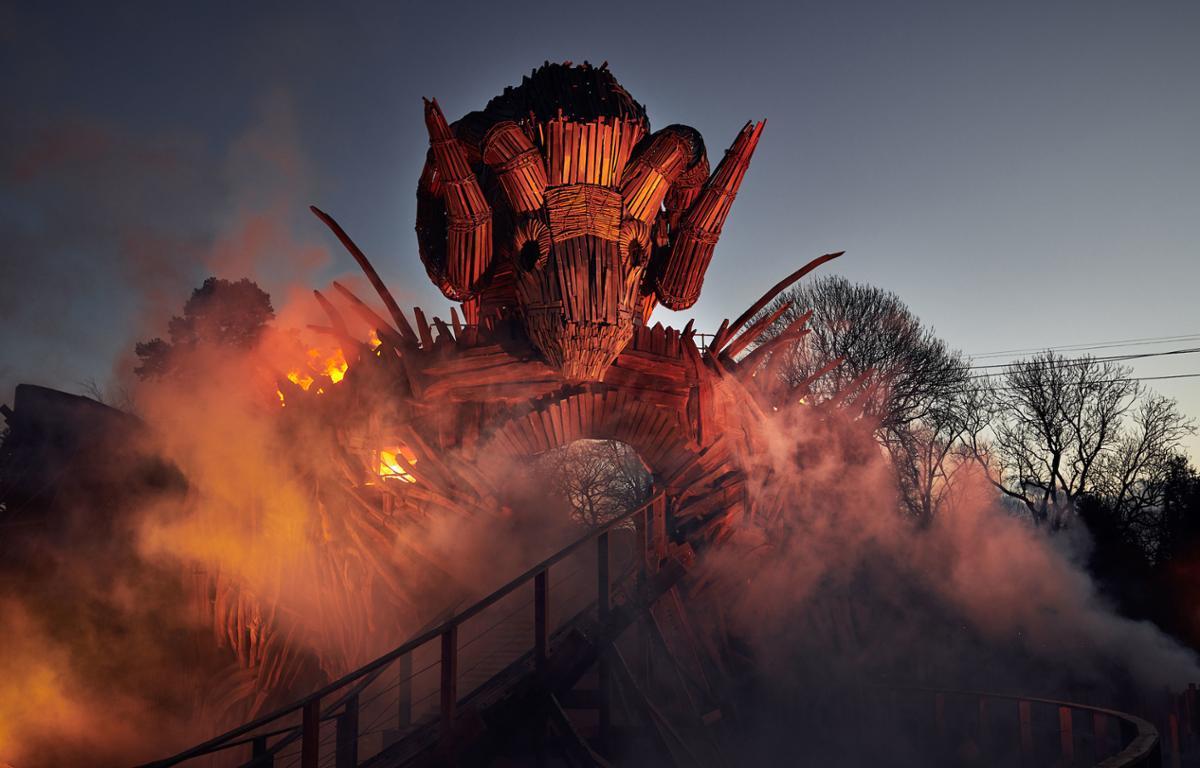
Of the top 10 most-visited attractions ever – only 37 per cent of people had visited the most popular attraction, Alton Towers (45 per cent of people who live in the Midlands) and only 35 per cent of people have visited Madame Tussauds.
There’s also an opportunity to increase the public’s understanding of what attractions offer. Some household names boast very high awareness but very low understanding of what a visit actually involves. A lack of understanding of what happens when you walk through the door is a big issue when trying to attract people who may already have internal barriers around visiting. Heritage sites in particular need to communicate their offer more clearly.
A further area for development is communicating the fact that an attraction is family-friendly. Our findings revealed a number of family-friendly venues that people stated they were familiar with, but didn’t think they had a family offer. This will be driven by perceptions rather than product and some perceptions are driven by the type of venue rather than the venue itself.
Cutting past sector perceptions – as National Trust and English Heritage have done in the Heritage sector – is important. One attraction that has done this well is Eden Project – overcoming traditional perceptions of botanic gardens to be ranked in the top 12 most perceived family friendly attractions – Top 5 amongst residents of the South West.
In summary, people are concerned about their finances and the sector will inevitably be hit, but some attractions will be insulated and there are opportunities there – not just to protect your market, but to grow it too.
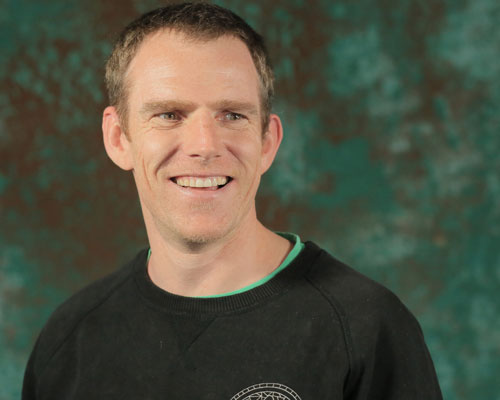
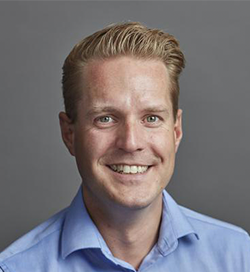
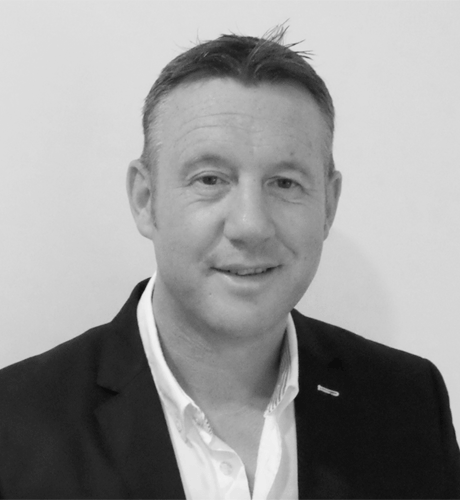
Photo: BVA BDRC
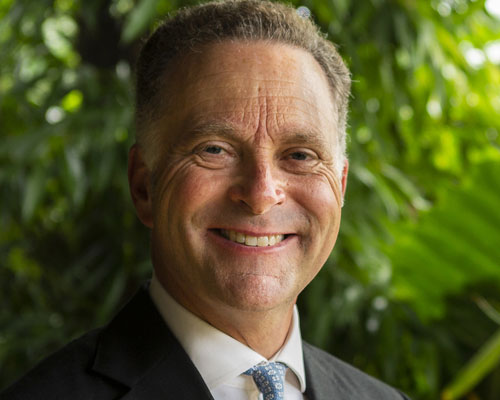
"If theme parks, zoos and farm attractions can communicate their role in boosting mental health, that’s likely to help as people choose where to make cuts to their spending" – BVA BDRC’s travel and culture director,
Jon Young
Read more from this issue of Attractions Management magazine
View contents of Attractions Management 2022 issue 4
Letters: Write to reply
Gordon Hartman, dad and founder of Morgan’s Wonderland on inclusion-centric thinking and action and Merlin Entertainments' Fiona Eastwood on inclusion and diversity...
People: Es Devlin
Known for her large scale public art installations, the designer and stage director has been awarded a CBE
People: Evert Poor
On what the Canadian Prime Minister’s visit meant for the Indigenous Peoples Experience
Interview: Ramona Bass
Half way thought a $130m masterplan and with conservation projects in 30 countries, Fort Worth Zoo is thinking big, its co-chair tells Magali Robathan
Research: Tough times
The cost of living crisis is already seeing the public cut its leisure spend, but these steps will help attractions keep visitors coming, says Jon Young
Innovation: Ars Electronica
Linz in Austria has reinvented itself as a city of innovation, with the future facing Ars Electronica Center at its heart
Tech: Emotional reward
Scientists have found a way to tweak video game difficulty according to player emotion, and it has huge potential for visitor attractions
Profile: Margaret Kerrison
The former Disney Imagineer is determined to share what she’s learned about creating absorbing worlds for visitors
Preview: Bird Paradise
Singapore is bringing its nature attractions together to help drive conservation and improve the visitor experience
Interview: Graham MacVoy
How the team behind Boomtown Festival harnessed their brand of creativity to build a unique permanent attraction
Scientific research: Under the sea
A new Red Sea scientific research centre and marine life attraction will offer visitors AR experiences, underwater walks, submarine dives and more
Tech: Getting personal
These operators are getting clever with technology, using digital companions to personalise the guest experience, creating opportunities for deeper connections
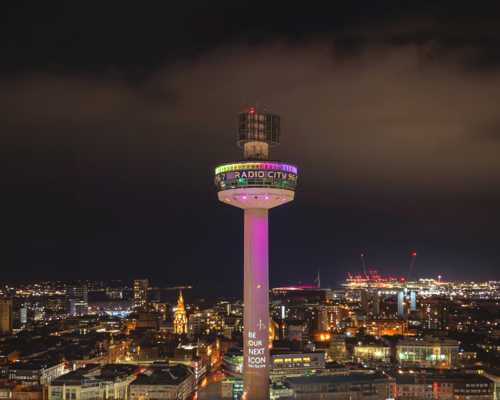
An opportunity to reimagine one of the UK’s most recognisable towers has been formally
opened by Rivington Hark, as St Johns Beacon invites operators and partners to shape its
next phase. [more...]
The cost of living crisis is already having an impact on
leisure spend, but BVA BDRC’s travel and culture director
Jon Young is confident that with careful targeting,
attractions can continue to draw in guests
In the current climate you’d be forgiven for thinking that attractions visitors would favour venues that are warm and inside as they try to offset the chill of inflation and rising interest rates.
Despite the cost of living crisis however, there are opportunities for attractions to continue to attract visitors and counterbalance the economic challenges faced by the public. There can be no doubt that the increased cost of living will have an impact on leisure spend.
At consumer and business insight consultancy BVA BDRC, we’ve carried out research that shows three quarters of the UK public are either ‘already hit hard’ or ‘cautious’ and having to be ‘very careful’. Around 80 per cent think the worst is still to come, meaning that they’re likely to hold back even if they built up savings during the pandemic.
It’s important to remember that the public won’t cut back on all of their disposable spending in equal measure though. There will be a hierarchy of non-essential to essential leisure spending and some types of attractions are much better insulated from cost-of-living pressures than others.
We asked consumers which types of activities they were most likely to cut back on over the coming six months. Out of a list of 25 different leisure activities, ‘museums, art galleries and historic houses’ and ‘gardens and country parks’ were very low down in the list – coming 20th and 22nd in the list respectively. Trips to coffee shops, pubs, restaurants, the cinema and streaming services are a few examples of activities respondents said they would cut back on first. Less positively, ‘theme parks, zoos and farm attractions’ were more vulnerable – ranked fourth in the list of activities consumers would choose to cut back on, behind restaurant visits, holidays, shopping and visits to pubs and bars.
The clear implication, perhaps unsurprisingly, is that more expensive attractions will suffer first.
However, cost is not the only driver. If we look at the cut-backs ranked ahead of some of the cultural attractions, many of these are fairly inexpensive; visits to cafés or coffee shops and streaming services are relatively cheap.
A key difference is the value consumers place on these activities in boosting their physical and mental health. The main planned cut-backs are to indulgent activities. Those seen to boost physical and mental wellbeing are least likely to be cut and most visitor attractions fall into the latter category. If theme parks, zoos and farm attractions can communicate their educational benefits and their role in improving mental health, that’s likely to help them as people choose where to make cuts to their spending.
Attractions operators may also want to actively promote membership packages – although ‘attraction memberships’ were mid-table in terms of cut-backs, their value during difficult financial times means they could act as a kind of leisure safety net for some members of the public.
While most people will be negatively impacted by the cost of living crisis, we should remember that around a quarter of the UK population are unlikely to be affected. This is relatively consistent across life stages which suggests there’s still a place for exclusive, premium experiences. These could go some way towards off-setting rising costs and a reduction in spending by the cash-strapped majority.
The conversation around lost admissions can be a little too inward-looking. Rather than worrying about the visitors we might lose, we might also want to think about the ones we can gain. Our research shows that a large majority of the UK public haven’t visited a visitor attraction in the last two years.
Moreover, according to our brand health research, even some of the most iconic attractions in the UK have never been visited by a large proportion of the UK public.
Of the top 10 most-visited attractions ever – only 37 per cent of people had visited the most popular attraction, Alton Towers (45 per cent of people who live in the Midlands) and only 35 per cent of people have visited Madame Tussauds.
There’s also an opportunity to increase the public’s understanding of what attractions offer. Some household names boast very high awareness but very low understanding of what a visit actually involves. A lack of understanding of what happens when you walk through the door is a big issue when trying to attract people who may already have internal barriers around visiting. Heritage sites in particular need to communicate their offer more clearly.
A further area for development is communicating the fact that an attraction is family-friendly. Our findings revealed a number of family-friendly venues that people stated they were familiar with, but didn’t think they had a family offer. This will be driven by perceptions rather than product and some perceptions are driven by the type of venue rather than the venue itself.
Cutting past sector perceptions – as National Trust and English Heritage have done in the Heritage sector – is important. One attraction that has done this well is Eden Project – overcoming traditional perceptions of botanic gardens to be ranked in the top 12 most perceived family friendly attractions – Top 5 amongst residents of the South West.
In summary, people are concerned about their finances and the sector will inevitably be hit, but some attractions will be insulated and there are opportunities there – not just to protect your market, but to grow it too.
Photo: BVA BDRC
"If theme parks, zoos and farm attractions can communicate their role in boosting mental health, that’s likely to help as people choose where to make cuts to their spending" – BVA BDRC’s travel and culture director,
Jon Young
Read more from this issue of Attractions Management magazine
View contents of Attractions Management 2022 issue 4
Letters: Write to reply
Gordon Hartman, dad and founder of Morgan’s Wonderland on inclusion-centric thinking and action and Merlin Entertainments' Fiona Eastwood on inclusion and diversity...
People: Es Devlin
Known for her large scale public art installations, the designer and stage director has been awarded a CBE
People: Evert Poor
On what the Canadian Prime Minister’s visit meant for the Indigenous Peoples Experience
Interview: Ramona Bass
Half way thought a $130m masterplan and with conservation projects in 30 countries, Fort Worth Zoo is thinking big, its co-chair tells Magali Robathan
Research: Tough times
The cost of living crisis is already seeing the public cut its leisure spend, but these steps will help attractions keep visitors coming, says Jon Young
Innovation: Ars Electronica
Linz in Austria has reinvented itself as a city of innovation, with the future facing Ars Electronica Center at its heart
Tech: Emotional reward
Scientists have found a way to tweak video game difficulty according to player emotion, and it has huge potential for visitor attractions
Profile: Margaret Kerrison
The former Disney Imagineer is determined to share what she’s learned about creating absorbing worlds for visitors
Preview: Bird Paradise
Singapore is bringing its nature attractions together to help drive conservation and improve the visitor experience
Interview: Graham MacVoy
How the team behind Boomtown Festival harnessed their brand of creativity to build a unique permanent attraction
Scientific research: Under the sea
A new Red Sea scientific research centre and marine life attraction will offer visitors AR experiences, underwater walks, submarine dives and more
Tech: Getting personal
These operators are getting clever with technology, using digital companions to personalise the guest experience, creating opportunities for deeper connections
A new immersive attraction designed to transport visitors into the final hours of ancient Pompeii
is preparing to open near the world-famous archaeological site in southern Italy.
Experience design company, BRC Imagination Arts, has completed a transition that sees founder
Bob Rogers pass ownership of the business to four long-serving senior executives, while
remaining actively involved with the company.
Movie Park Germany has opened a new Paramount Pictures-themed attraction as part of its 30th
anniversary celebrations, using immersive storytelling and adaptive reuse to reinforce the park’s
longstanding “Hollywood in Germany” positioning.
Therme Manchester’s 28-acre development, which will include interconnected glass pavilions
that measure 65,000sq m, will be the largest bathing and wellbeing attraction in the world once
complete, according to prof David Russell, CEO of Therme UK.
Efteling has opened Hooghmoed, a new family drop tower designed to broaden the appeal of its
recently launched Sirene Island themed area and introduce younger visitors to thrill attractions.
A proposed Puy du Fou development near Bicester and Universal Destinations and Experiences’
planned resort in Bedford are emerging as part of a wider transformation of the Oxford–
Cambridge Growth Corridor into a major centre for UK leisure and tourism inv
Shedd Aquarium has opened the Immersion Theater developed in partnership with SimEx-
Iwerks, as part of a wider strategy to enhance the guest experience and create additional
revenue opportunities.
The UK government has announced a temporary reduction in VAT on visitor attractions and
children’s meals as part of a summer cost-of-living support package designed to stimulate the
visitor economy and encourage family days out.
As designer Yinka Ilori prepares for his first solo gallery show in London, he speaks exclusively
to CLADmag about his mission to spread joy, the power of play, and his bold approach to using
colour (including the colours you won’t see in his work).
The government of Thailand is exploring plans for a THB300bn (£6.3bn, US$8.3bn)
entertainment complex in the country’s Eastern Economic Corridor (EEC), with officials
proposing a large-scale theme park and sports destination as part of a broader tourism and
economic development strategy.
An opportunity to reimagine one of the UK’s most recognisable towers has been formally
opened by Rivington Hark, as St Johns Beacon invites operators and partners to shape its
next phase. [more...]