Digital companions are driving
deeper connections and helping to
personalise the experience at visitor
attractions, says Daniel Burzlaff,
head of Attractions by UNIT9
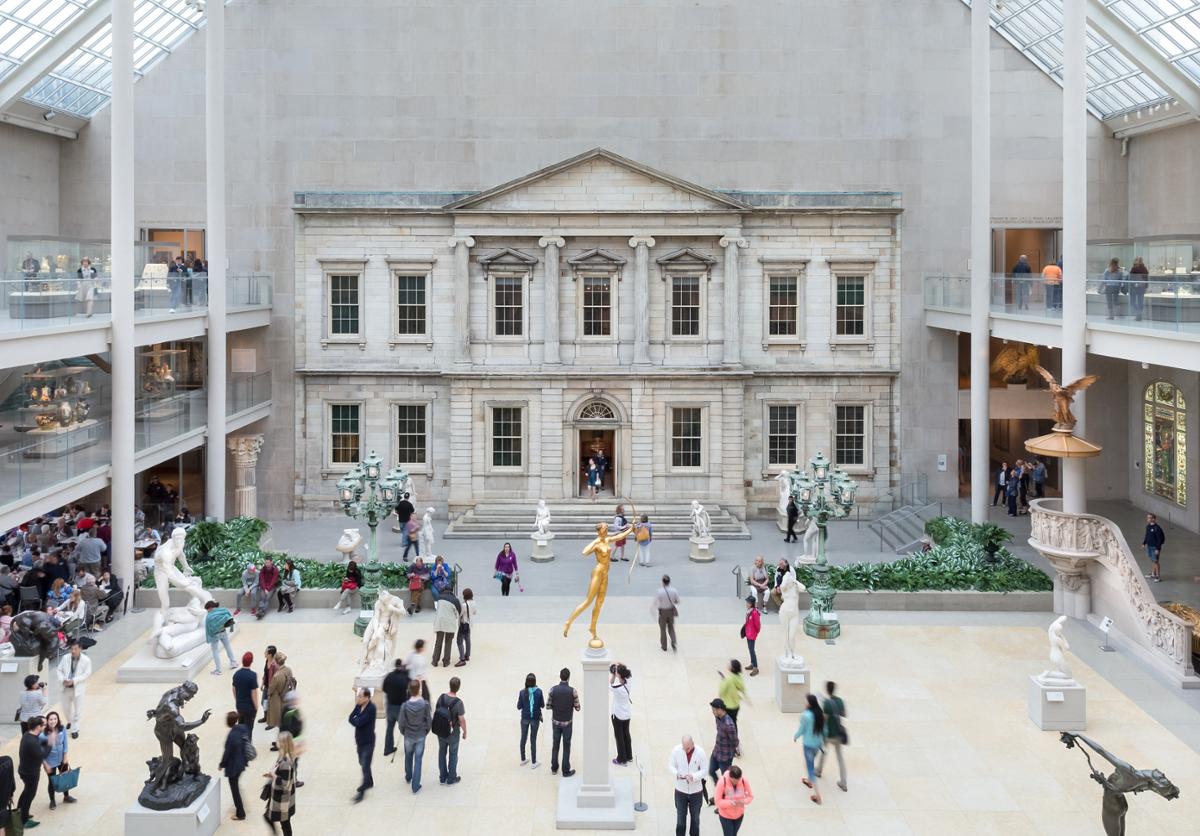
The Met in New York used a mobile app during lockdown to allow access to its art / Photo: Brett Beyer / The Met
Options for tech-led personalised convenience now surround us in our day-to-day lives – from recommended shows on Netflix, to Alexa helping out with recipes in the kitchen. Audiences have come to expect that same level of tailored guidance and careful curation in every experience they have – and all the more so when they’re a guest. With 83 per cent willing to share their data to create a more personalised experience, visitor attractions are presented with a clear opportunity to track, analyse and tailor the guest experience at every touchpoint, utilising augmented reality, artificial intelligence and other digital technologies to create bespoke 1:1 connections with their guests and keep them coming back time and again.
Mobile companion apps are emerging as the perfect addition to any guest experience. From bringing visitors closer to collections, facilities, or rides, to providing the ability to book special events, enter competitions, pre-order add-ons or receive reminder notifications, digital apps put more control directly into guests’ palms to help them get the most out of their visit.
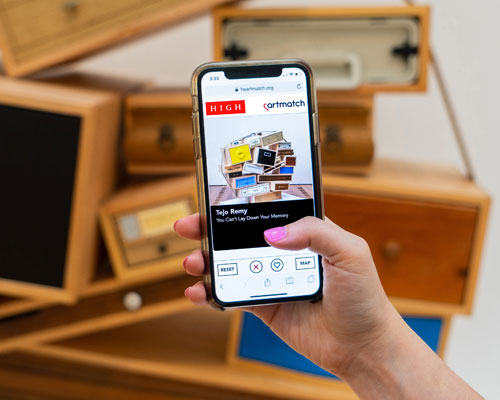
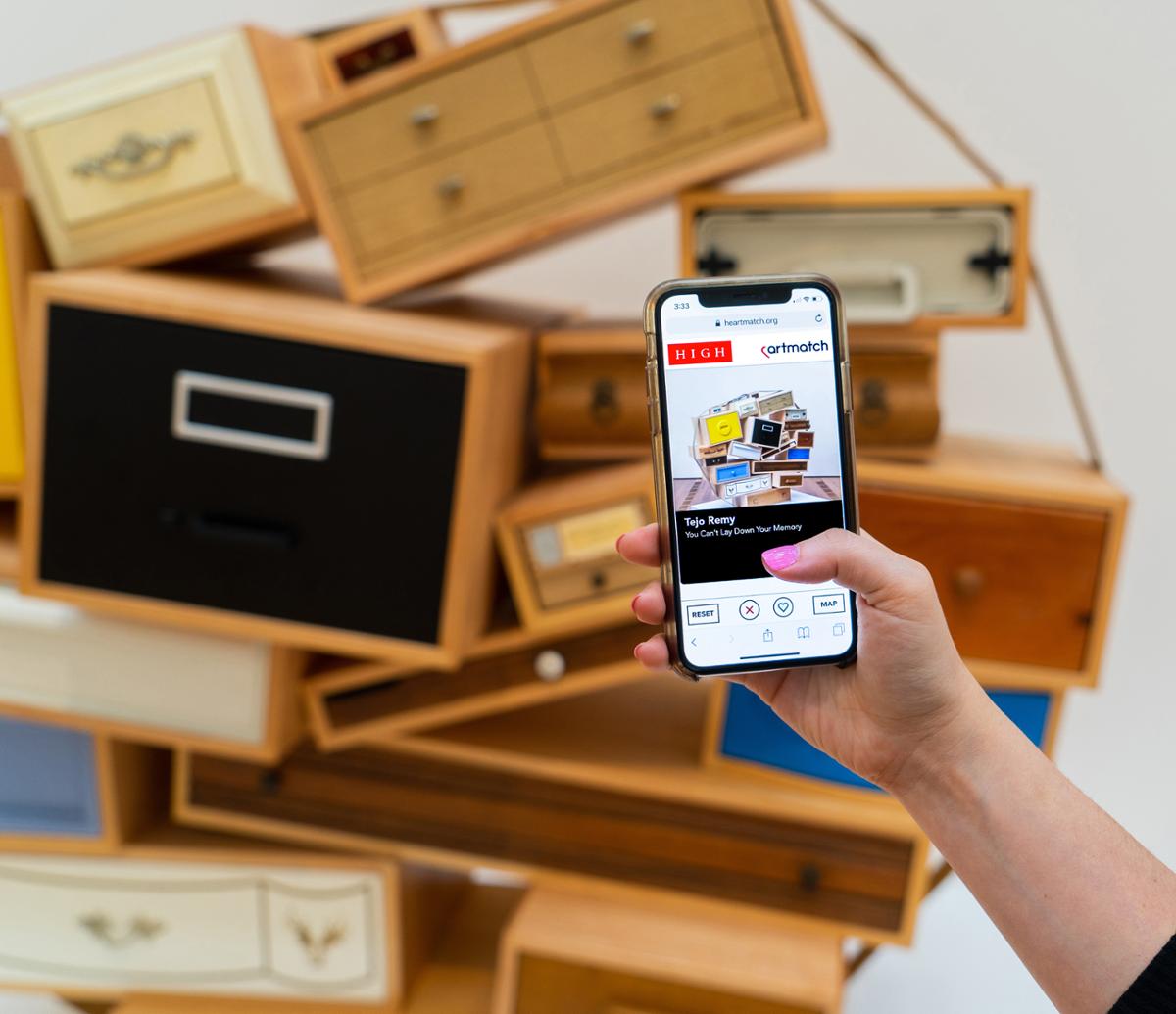
During the pandemic, the virtual doors of the Metropolitan Museum of Art were flung open thanks to a mobile app that gave access to immersive digital galleries, art history trivia, games and AR masterpieces. Although designed for use at home, a similar principle would work fantastically in the museum itself, enabling visitors to learn more about each painting, test their knowledge and interact with the artwork by scanning with their phones to uncover hidden details. Combine this with a preference selector like the High Museum of Art’s Tinder-style Heartmatch app – which allows guests to create a customised map for their visit by swiping right for their favourite artworks – and you can start to see how a fully-rounded omniscient digital companion can be formed.
Taking this one step further, we can introduce location-based technology to create an even more functional and engaging guide that also reinforces a venue’s IP or narrative. AR apps that use positional Cloud Anchors to connect real world locations with digital content can now provide an elevated service to visitors, making the sometimes tricky task of navigation not only easy, but enjoyable. This is wayfinding of the future.
Changdeok Palace in Seoul used a digitally-mapped AR experience to introduce visitors to Haechi, a mythical animal tour guide who leads them through the palace grounds while telling stories of the Joseon dynasty. Added accessibility features such as step-free route options and an at-home edition for those not visiting the palace in person effectively extended this experience to an even wider audience.
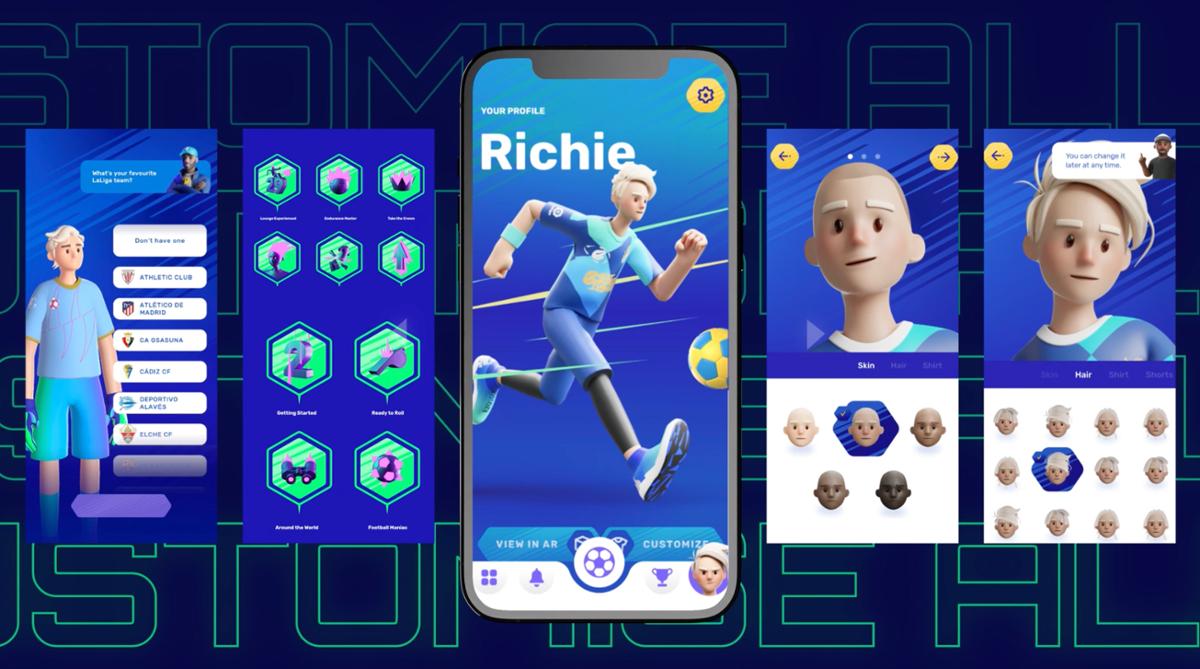
As well as wayfinding, location-based AR can also enhance the visitor experience through gamification. PortAventura World’s football-themed app The Beat Challenge invited users to create their own digital avatar before choosing a custom path through the park, unlocking exclusive games and content in each zone – including AR football challenges against super-size La Liga players. Earning rewards the more they explore, apps like this can bring the physical park to life for visitors, encouraging repeat visits to discover a different experience each time.
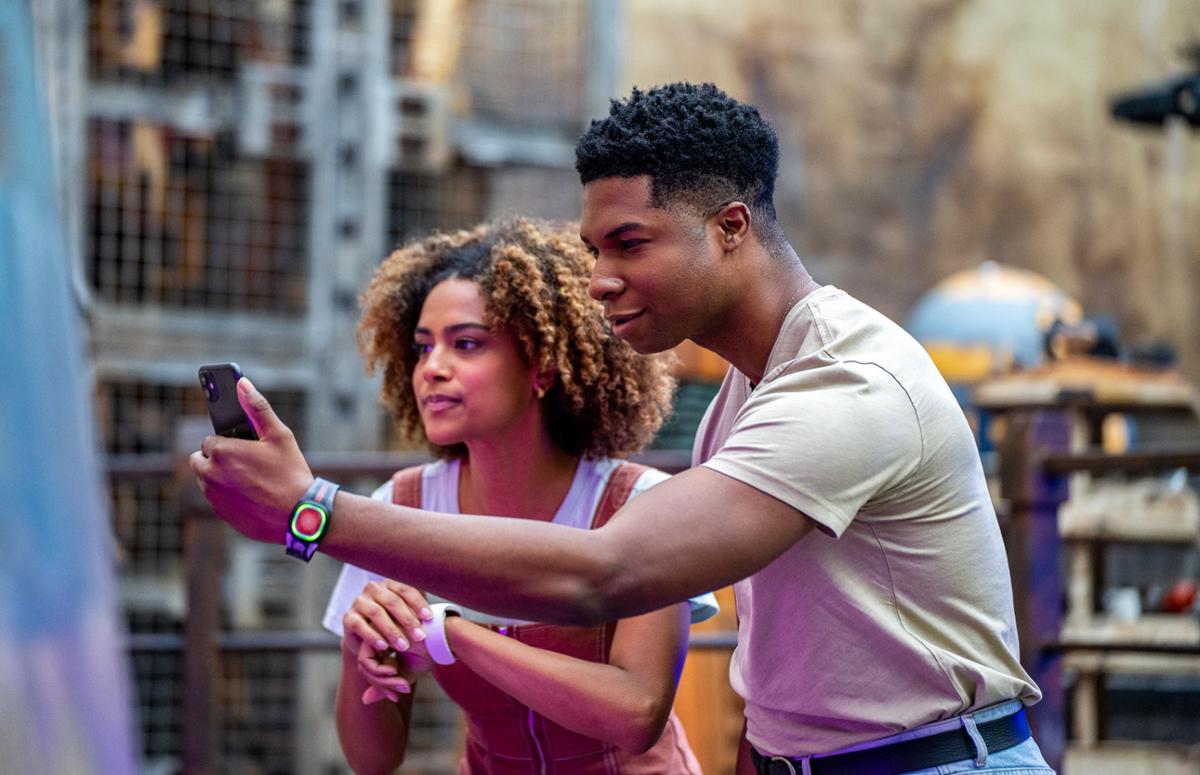
Along with smartphone-based apps, wearable technology can also offer the chance to differentiate the visitor experience. Disney’s latest Magic Band+ update, recently launched at Disneyland, sees further integration between the digital wearables and the physical park. As well as facilitating seamless admission, photo access, cashless payments and personalised lighting and vibrations, the wristwear gives guests the power to bring Disney statues to life and enjoy extra interaction with experiences such as the Star Wars: Batuu Bounty Hunters quest.
It will be interesting to see if the Magic Band+ will also make use of any technology to decipher visitor behaviour and sentiment. Theoretically, every interaction could be tracked, recorded and used by Disney to build a unique personal profile of each visitor, used to make tailored recommendations both during and after the visit. This would allow the franchise to deliver highly personalised future experiences to guests while also collecting valuable learnings for their business.
Manchester City Football Club have recently trialled a similar technology in collaboration with Cisco, introducing a Connected Scarf that allows the team to understand the emotions of their supporters. Analysing this biometric data using artificial intelligence can identify factors affecting audience behaviour and enable venues to leverage them to their advantage – an effective way to determine which rides need an extra dash of scare factor, or which exhibits need livening up.
Data-driven digital tools are offering guests more relevant and accessible experiences that are perfectly tailored to them, plus giving venues that all-important overview on behaviour and preferences for more meaningful long-term connection. Premium, holistic hospitality experiences are now available in the palm of visitors’ hands.
"Sensor-integrated wearables can also help venues
to track visitor sentiment, measuring key emotions
such as joy, nervousness and boredom to see
what part of the experience makes them tick" – Daniel Burzlaff,
head of Attractions by UNIT9
Read more from this issue of Attractions Management magazine
View contents of Attractions Management 2022 issue 4
Letters: Write to reply
Gordon Hartman, dad and founder of Morgan’s Wonderland on inclusion-centric thinking and action and Merlin Entertainments' Fiona Eastwood on inclusion and diversity...
People: Es Devlin
Known for her large scale public art installations, the designer and stage director has been awarded a CBE
People: Evert Poor
On what the Canadian Prime Minister’s visit meant for the Indigenous Peoples Experience
Interview: Ramona Bass
Half way thought a $130m masterplan and with conservation projects in 30 countries, Fort Worth Zoo is thinking big, its co-chair tells Magali Robathan
Research: Tough times
The cost of living crisis is already seeing the public cut its leisure spend, but these steps will help attractions keep visitors coming, says Jon Young
Innovation: Ars Electronica
Linz in Austria has reinvented itself as a city of innovation, with the future facing Ars Electronica Center at its heart
Tech: Emotional reward
Scientists have found a way to tweak video game difficulty according to player emotion, and it has huge potential for visitor attractions
Profile: Margaret Kerrison
The former Disney Imagineer is determined to share what she’s learned about creating absorbing worlds for visitors
Preview: Bird Paradise
Singapore is bringing its nature attractions together to help drive conservation and improve the visitor experience
Interview: Graham MacVoy
How the team behind Boomtown Festival harnessed their brand of creativity to build a unique permanent attraction
Scientific research: Under the sea
A new Red Sea scientific research centre and marine life attraction will offer visitors AR experiences, underwater walks, submarine dives and more
Tech: Getting personal
These operators are getting clever with technology, using digital companions to personalise the guest experience, creating opportunities for deeper connections
Digital companions are driving
deeper connections and helping to
personalise the experience at visitor
attractions, says Daniel Burzlaff,
head of Attractions by UNIT9
The Met in New York used a mobile app during lockdown to allow access to its art / Photo: Brett Beyer / The Met
Options for tech-led personalised convenience now surround us in our day-to-day lives – from recommended shows on Netflix, to Alexa helping out with recipes in the kitchen. Audiences have come to expect that same level of tailored guidance and careful curation in every experience they have – and all the more so when they’re a guest. With 83 per cent willing to share their data to create a more personalised experience, visitor attractions are presented with a clear opportunity to track, analyse and tailor the guest experience at every touchpoint, utilising augmented reality, artificial intelligence and other digital technologies to create bespoke 1:1 connections with their guests and keep them coming back time and again.
Mobile companion apps are emerging as the perfect addition to any guest experience. From bringing visitors closer to collections, facilities, or rides, to providing the ability to book special events, enter competitions, pre-order add-ons or receive reminder notifications, digital apps put more control directly into guests’ palms to help them get the most out of their visit.
During the pandemic, the virtual doors of the Metropolitan Museum of Art were flung open thanks to a mobile app that gave access to immersive digital galleries, art history trivia, games and AR masterpieces. Although designed for use at home, a similar principle would work fantastically in the museum itself, enabling visitors to learn more about each painting, test their knowledge and interact with the artwork by scanning with their phones to uncover hidden details. Combine this with a preference selector like the High Museum of Art’s Tinder-style Heartmatch app – which allows guests to create a customised map for their visit by swiping right for their favourite artworks – and you can start to see how a fully-rounded omniscient digital companion can be formed.
Taking this one step further, we can introduce location-based technology to create an even more functional and engaging guide that also reinforces a venue’s IP or narrative. AR apps that use positional Cloud Anchors to connect real world locations with digital content can now provide an elevated service to visitors, making the sometimes tricky task of navigation not only easy, but enjoyable. This is wayfinding of the future.
Changdeok Palace in Seoul used a digitally-mapped AR experience to introduce visitors to Haechi, a mythical animal tour guide who leads them through the palace grounds while telling stories of the Joseon dynasty. Added accessibility features such as step-free route options and an at-home edition for those not visiting the palace in person effectively extended this experience to an even wider audience.
As well as wayfinding, location-based AR can also enhance the visitor experience through gamification. PortAventura World’s football-themed app The Beat Challenge invited users to create their own digital avatar before choosing a custom path through the park, unlocking exclusive games and content in each zone – including AR football challenges against super-size La Liga players. Earning rewards the more they explore, apps like this can bring the physical park to life for visitors, encouraging repeat visits to discover a different experience each time.
Along with smartphone-based apps, wearable technology can also offer the chance to differentiate the visitor experience. Disney’s latest Magic Band+ update, recently launched at Disneyland, sees further integration between the digital wearables and the physical park. As well as facilitating seamless admission, photo access, cashless payments and personalised lighting and vibrations, the wristwear gives guests the power to bring Disney statues to life and enjoy extra interaction with experiences such as the Star Wars: Batuu Bounty Hunters quest.
It will be interesting to see if the Magic Band+ will also make use of any technology to decipher visitor behaviour and sentiment. Theoretically, every interaction could be tracked, recorded and used by Disney to build a unique personal profile of each visitor, used to make tailored recommendations both during and after the visit. This would allow the franchise to deliver highly personalised future experiences to guests while also collecting valuable learnings for their business.
Manchester City Football Club have recently trialled a similar technology in collaboration with Cisco, introducing a Connected Scarf that allows the team to understand the emotions of their supporters. Analysing this biometric data using artificial intelligence can identify factors affecting audience behaviour and enable venues to leverage them to their advantage – an effective way to determine which rides need an extra dash of scare factor, or which exhibits need livening up.
Data-driven digital tools are offering guests more relevant and accessible experiences that are perfectly tailored to them, plus giving venues that all-important overview on behaviour and preferences for more meaningful long-term connection. Premium, holistic hospitality experiences are now available in the palm of visitors’ hands.
"Sensor-integrated wearables can also help venues
to track visitor sentiment, measuring key emotions
such as joy, nervousness and boredom to see
what part of the experience makes them tick" – Daniel Burzlaff,
head of Attractions by UNIT9
Read more from this issue of Attractions Management magazine
View contents of Attractions Management 2022 issue 4
Letters: Write to reply
Gordon Hartman, dad and founder of Morgan’s Wonderland on inclusion-centric thinking and action and Merlin Entertainments' Fiona Eastwood on inclusion and diversity...
People: Es Devlin
Known for her large scale public art installations, the designer and stage director has been awarded a CBE
People: Evert Poor
On what the Canadian Prime Minister’s visit meant for the Indigenous Peoples Experience
Interview: Ramona Bass
Half way thought a $130m masterplan and with conservation projects in 30 countries, Fort Worth Zoo is thinking big, its co-chair tells Magali Robathan
Research: Tough times
The cost of living crisis is already seeing the public cut its leisure spend, but these steps will help attractions keep visitors coming, says Jon Young
Innovation: Ars Electronica
Linz in Austria has reinvented itself as a city of innovation, with the future facing Ars Electronica Center at its heart
Tech: Emotional reward
Scientists have found a way to tweak video game difficulty according to player emotion, and it has huge potential for visitor attractions
Profile: Margaret Kerrison
The former Disney Imagineer is determined to share what she’s learned about creating absorbing worlds for visitors
Preview: Bird Paradise
Singapore is bringing its nature attractions together to help drive conservation and improve the visitor experience
Interview: Graham MacVoy
How the team behind Boomtown Festival harnessed their brand of creativity to build a unique permanent attraction
Scientific research: Under the sea
A new Red Sea scientific research centre and marine life attraction will offer visitors AR experiences, underwater walks, submarine dives and more
Tech: Getting personal
These operators are getting clever with technology, using digital companions to personalise the guest experience, creating opportunities for deeper connections
London Museum will open four new food and drink destinations when it launches its new home
at Smithfield on 28 November, making hospitality a central part of the visitor experience at one
of the capital's biggest cultural openings of the year.
OMA has completed a major transformation of New York's New Museum, creating a larger
cultural campus that combines expanded exhibition spaces with learning, performance,
hospitality and public programming.
A US$50 million (£44.2 million, €51.2 million) transformation of Chicago's historic McCormick
Mansion has created a new destination that combines live magic, immersive theatre, dining and
private membership under one roof.
The Montana Historical Society has officially celebrated the opening of its new Montana
Heritage
Center, a US$107 million (£79 million, €92 million) destination that combines immersive
storytelling with cutting-edge audiovisual technology to bring the sta
San Antonio Zoo has reported a US$283 million economic impact for 2025, following a decade-
long transformation programme that has seen almost US$200 million invested into the Texas
attraction.
Plans for the AU$180 million redevelopment of Reef HQ Aquarium in Townsville, Australia, are
progressing, with the project set to transform the attraction into a global centre for reef
education and conservation.
Abu Dhabi-based investment firm Mubadala Capital has made a binding, fully financed
€1 billion
offer to acquire Pierre and Vacances SA, the European holiday resort operator behind the
continental European Center Parcs business.
Disney has reaffirmed its commitment to investing US$30 billion in its US parks and cruise
business by 2033, using new America250 celebrations to underline the role its attractions play
in supporting jobs, tourism and economic growth.
Expo 2030 Riyadh is being planned as a permanent visitor destination, with organisers
confirming the six-million-square-metre site will become a Global Village after the event closes.
The owner of one of Australia's best-known waterparks has acquired a major competitor,
creating a new attractions business spanning two of the country's largest visitor destinations.