The award-winning storyteller learned about creating
absorbing worlds while at BRC Imagination Arts and Disney
Imagineering. Now she’s written a book to share her expertise
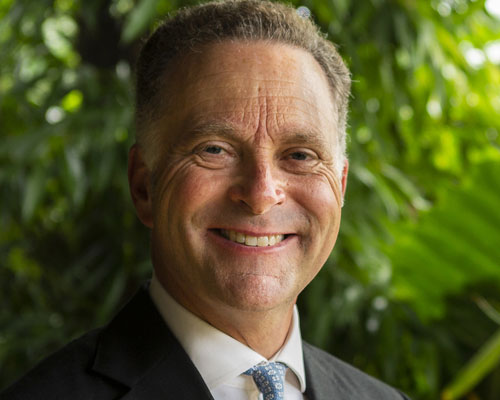
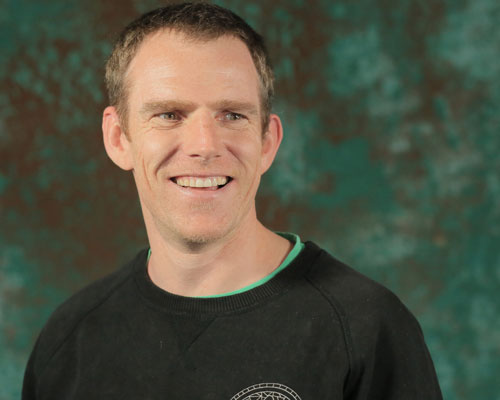
Kerrison worked for BRC Imagination Arts and Disney Imagineering before joining Airbnb / Photo: Foster Kerrison
In 2020 when the world was in lockdown, I set a personal challenge. If I were to pen a book about writing for themed entertainment and immersive storytelling, what would be the best way to teach it?
Writers hold the power and responsibility to share stories that get into the hearts and minds of every single guest. How to even begin to explain this craft? Is it more of a science or an art? What to include? How to use my experience to share some of the collective wisdom gained? How to tell a story about storytelling?
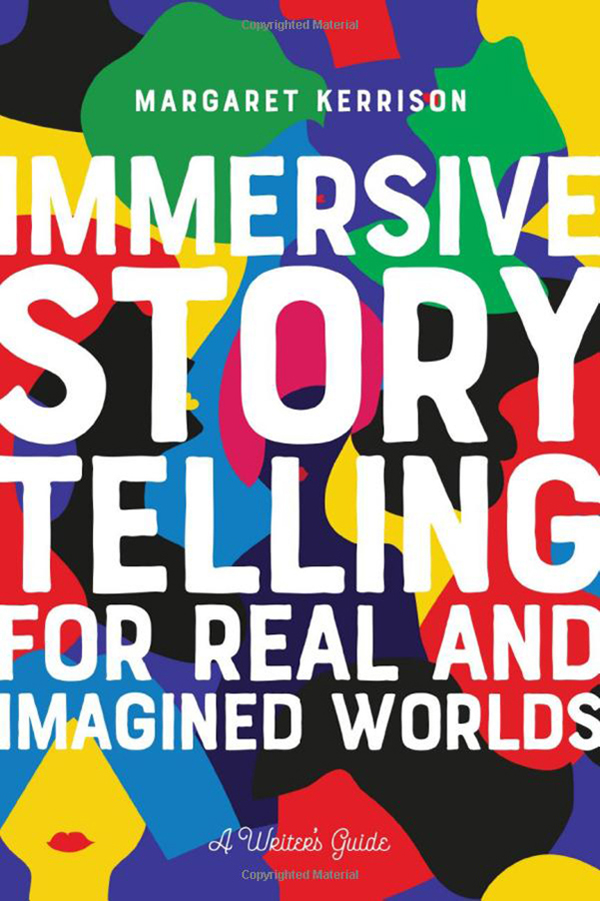
For the next year, I wrote from 6am to 8am each morning before starting my ‘real job’ as a Disney Imagineer. We’d just opened Star Wars: Galaxy’s Edge, which took five years to complete and I was looking for my next great endeavour – ideally a new challenge – and this book was the answer. I called it Immersive storytelling for real and imagined worlds.
I had no idea whether anyone would be interested in reading it, but was determined to explain the important role of writers as champions of the story and the many responsibilities they have when working on complex, multi-disciplinary projects.
Creating a guide and roadmap The aim was to write a guide, rather than a textbook, by breaking down the process and using examples of great storytelling. By using these tools and techniques, the book becomes a roadmap rather than a step-by-step instructional manual. After all, the field of immersive storytelling is changing by the day. What’s relevant today may not be relevant tomorrow and that’s what makes it such an exciting field.
There isn’t one way to tell a story – in fact, there shouldn’t be. There’s space for all of us to share our unique stories in differing and compelling formats.
While studying screenwriting at the University of Southern California School of Cinematic Arts, I’d never seen a book specifically written for immersive storytellers and writers – we’d only read scripts and books about writing for screen and TV. I had no idea the world of themed entertainment existed; I discovered it when our professor asked us to consider extending our work to other industries. It was the perfect storytelling niche for me, as stories are not limited by screens or pages, meaning they can be shaped in multi-sensory, multi-dimensional worlds.
Writing for immersive storytelling is an art form which combines talent, instinct and craft. Talent and instinct are something we’re born with, but craft can be taught. Even a naturally-gifted writer must continue to practice their craft to improve their skill. Writers must write. There’s no way around it.
This is a very rewarding industry in which to work as a writer. Those of us who are fortunate enough to create experiences that connect people often feel this isn’t work at all in the conventional sense.
Immersing the guest in the story The key to bringing a narrative to life for the guest and moving from telling a story to creating a world lies in their emotional journey. In considering how to draw out the guest’s emotion, you have to put them at the heart of the action. How can they be the hero of your story? How can you make them feel as though they belong in the story rather than being a mere observer?
In immersive storytelling versus other traditional storytelling formats, you have to consider how the experience can be personal to the guest, as well as being multi-sensory, and social. In creating an experience that makes them the protagonist, the world around them must react to their presence. Immersive storytelling for real and imagined worlds describes how this can be done by asking questions that get to the right answers.
The social aspect of immersive storytelling is also considered. In modern society, we’re witnessing a breakdown of community and this has been exacerbated by the pandemic. Social media is incredible in that it connects people all over the world, but there’s also a very strong urge for us to meet in-person and in communities of like-minded people.
We can’t exist individually – our stories start, end and continue with one another and only by understanding our unique role in our community and wider society can we fully appreciate how important we are to each other.
Since the release of Immersive storytelling for real and imagined worlds, many people – from students and professors to working professionals in design, engineering, arts, music, live entertainment, technology and management – have reached out to say how useful they found it and to suggest collaborations. The most surprising thing is that non-writers have loved it as much as writers.
Ultimately, I believe we can all be storytellers and it’s up to us individually to decide how we use our discipline to share stories with the world.
Creating change in the guest The most important aspect of designing an immersive experience is the change you create in your guest.
A great story changes the world, one person at a time. Think about the last exceptional book you read or film you watched, they stay with you, lingering and making you think and ponder. That’s the power of a good story. It makes you reflect on the human condition and feel less alone.
There are four ways you can increase your audience’s likelihood of feeling moved and transformed.
Firstly, tell an emotional story that embraces universal truths, secondly, make it personal, thirdly meet your audience ‘where they are’ to maintain the status quo and fourthly, focus on community – create a world where they can connect with others.
The future of immersive storytelling should involve blurring the lines between digital/virtual and physical, reducing friction for guests when they attend your experience, creating jumping-off points for further stories and developing opportunities for more meaningful connections. The immersive storytelling landscape is ripe with possibilities and it’s up to each one of us to create stories that are meaningful to the world and transformational for each guest.
My goal is to have every guest walking out of an experience believing they’re stepping into a better world. After all, isn’t a great story one that creates empathy and compassion for other people?
My hope is that every guest can take their emotional transformation and carry it with them for the rest of their lives.
Immersive storytelling for Real and Imagined Worlds – A Writer’s Guide by Margaret Kerrison is out now
Excerpt
Immersive Storytelling for Real and Imagined Worlds
“We’re given an incredible opportunity to create stories and spaces for people to play together. As storytellers, we strive to create experiences that are moving, compelling, and meaningful. We design spaces so visitors can escape and leave their ordinary lives behind. We make places where the audience can see themselves and feel a sense of connection and belonging. We make experiences full of magic so that we are reminded that our lives are magical in themselves.”
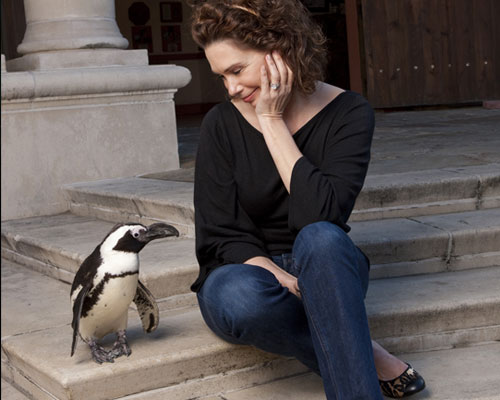
Kerrison set herself a challenge to write a guide to immersive storytelling /Photo: Foster Kerrison
Following time at BRC Imagination Arts and Disney Imagineering, Kerrison joined Airbnb’s experiential creative product team in 2021, working under former Imagineer, Bruce Vaughn.
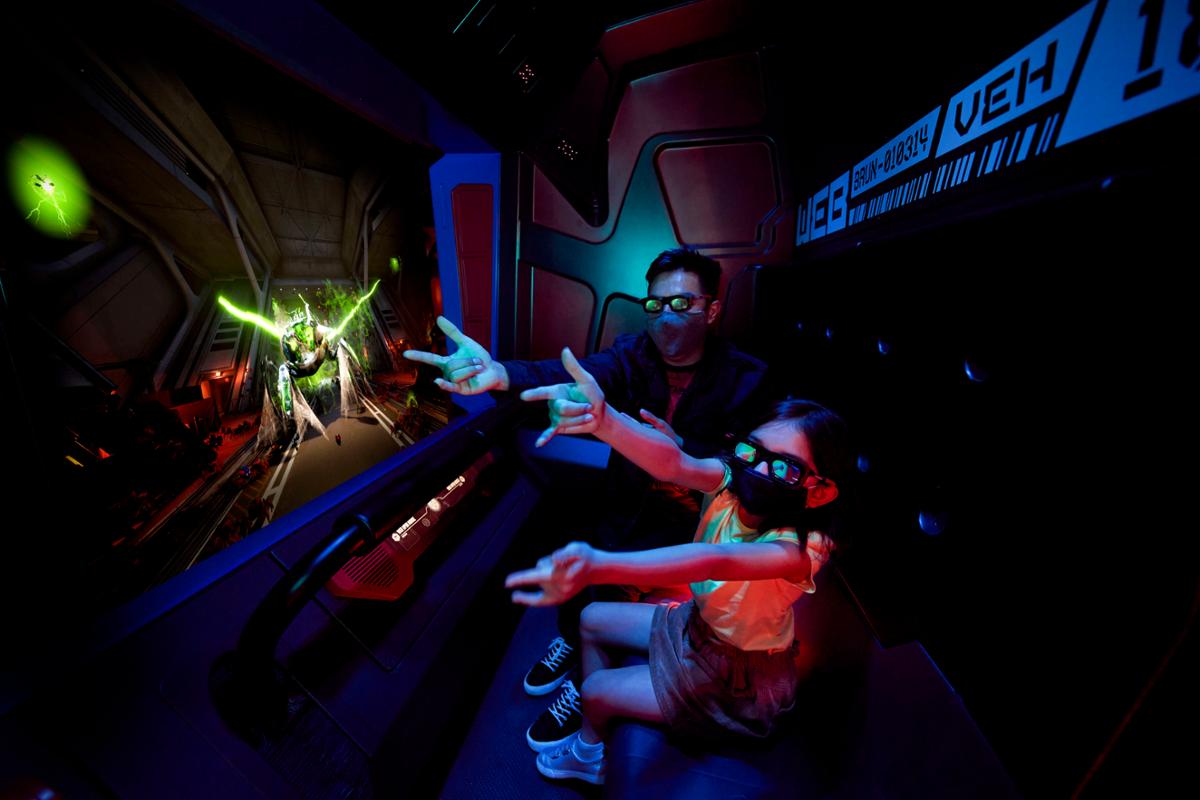
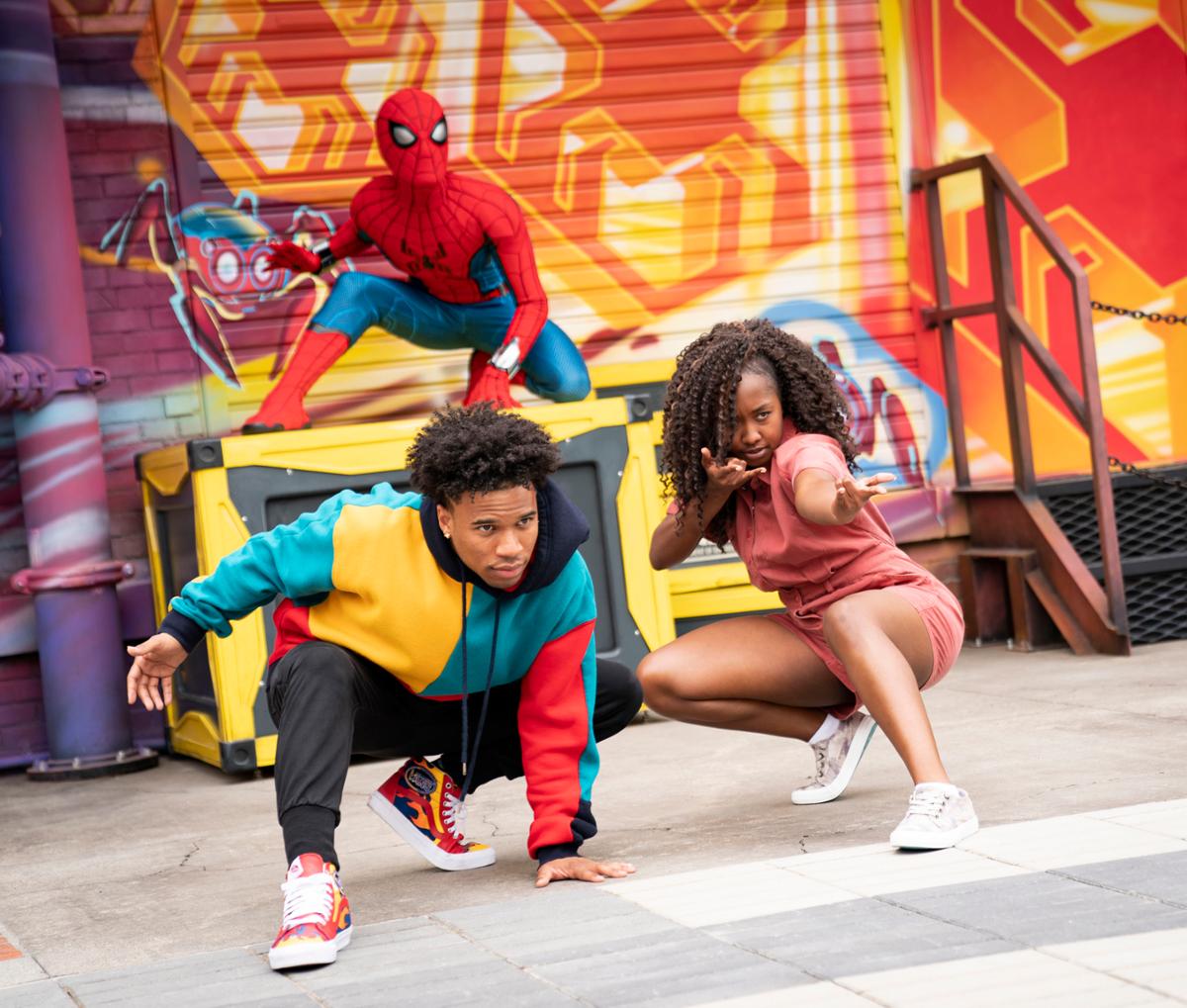
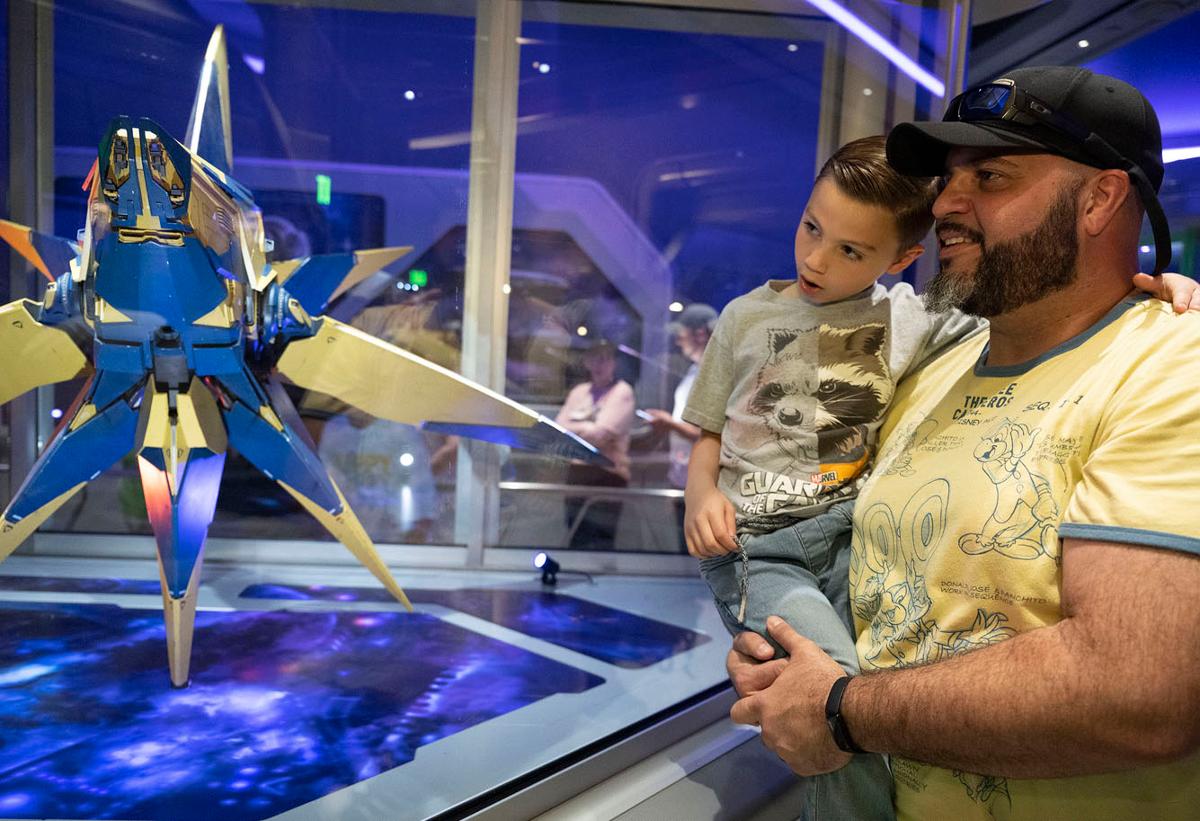
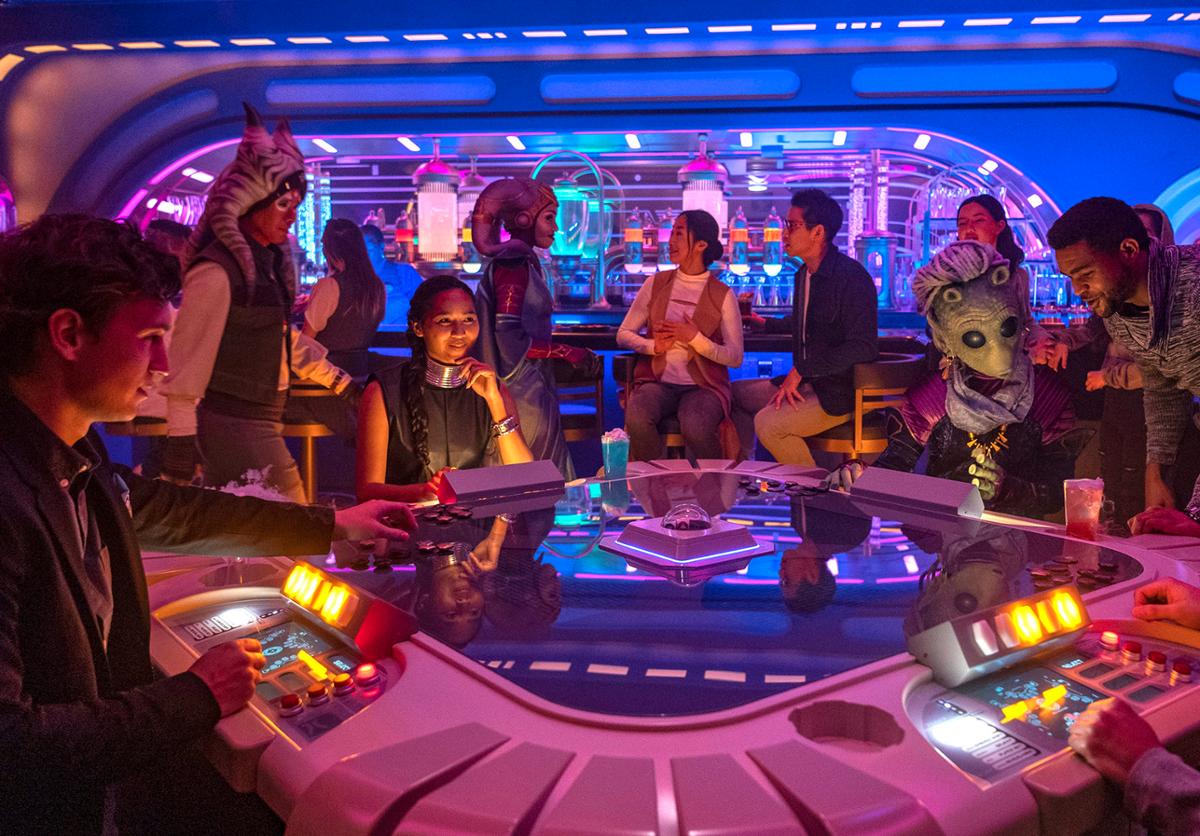
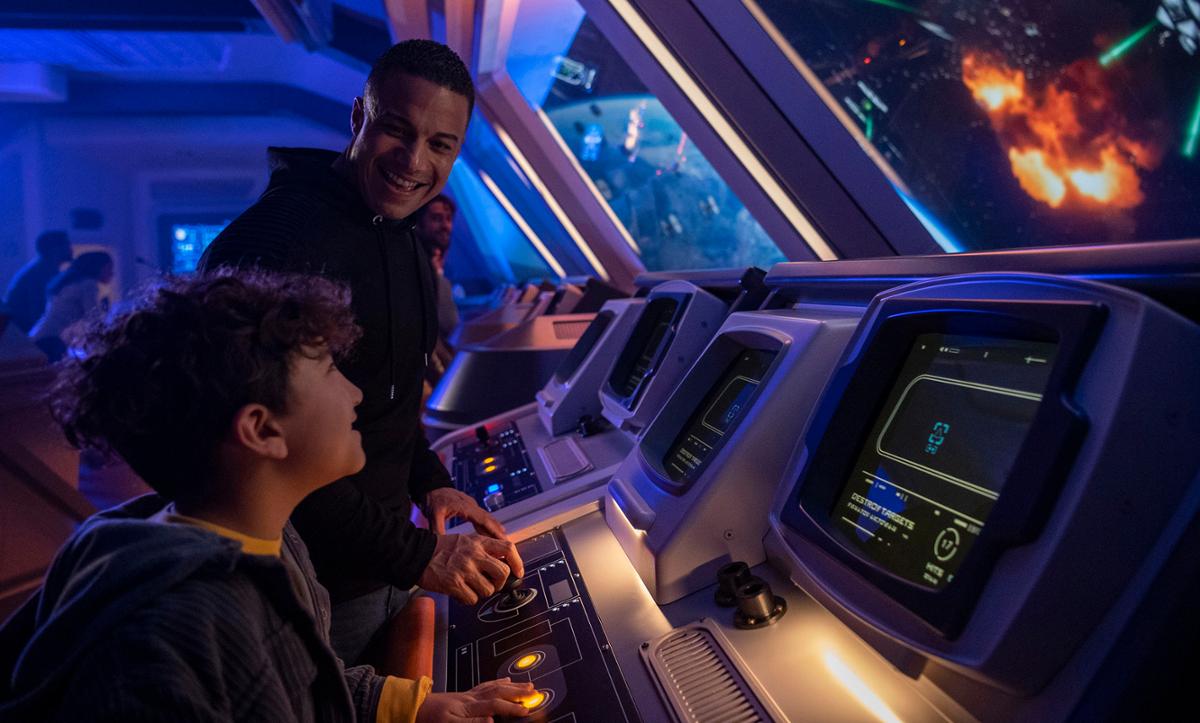
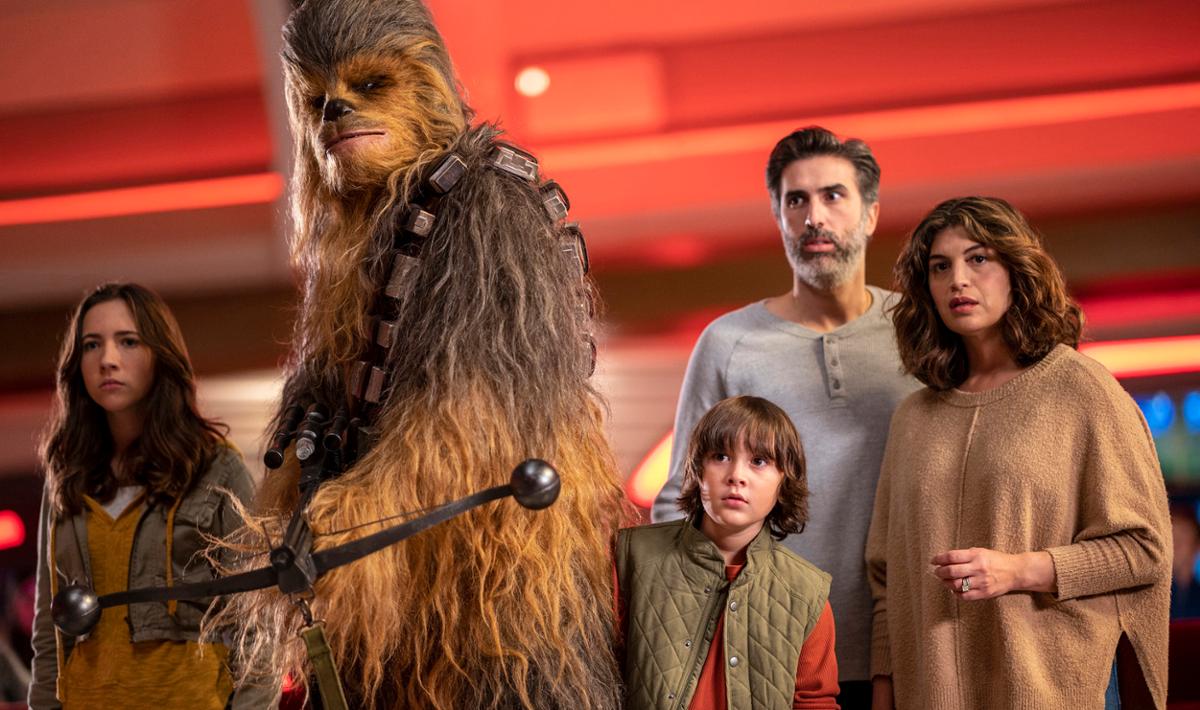
While at Imagineering, Kerrison worked on projects including Avengers Campus at Disney parks in California and Paris; National Geographic HQ; Guardians of the Galaxy: Cosmic Rewind; Storyliving by Disney; and Star Wars: Galactic Starcruiser.
Read more from this issue of Attractions Management magazine
View contents of Attractions Management 2022 issue 4
Letters: Write to reply
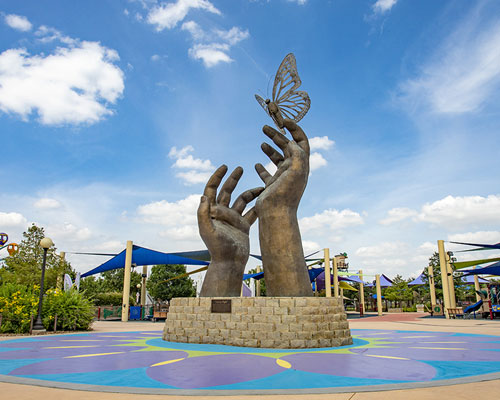
Gordon Hartman, dad and founder of Morgan’s Wonderland on inclusion-centric thinking and action and Merlin Entertainments' Fiona Eastwood on inclusion and diversity...
People: Es Devlin
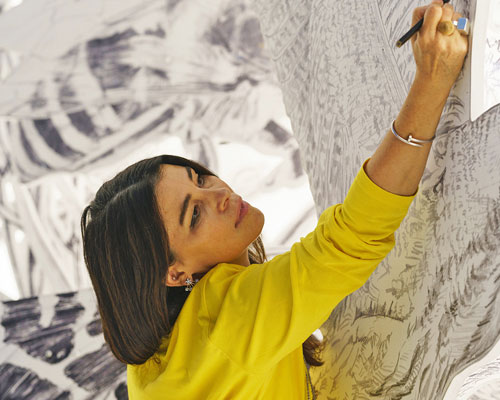
Known for her large scale public art installations, the designer and stage director has been awarded a CBE
People: Evert Poor
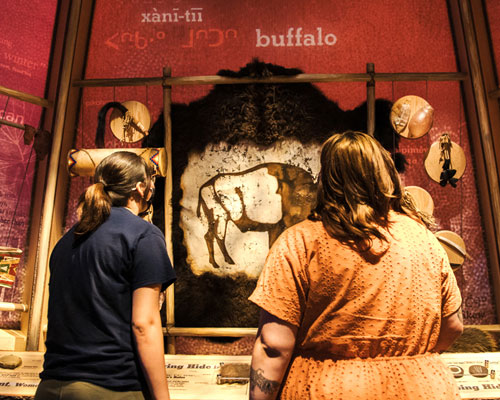
On what the Canadian Prime Minister’s visit meant for the Indigenous Peoples Experience
Interview: Ramona Bass
Half way thought a $130m masterplan and with conservation projects in 30 countries, Fort Worth Zoo is thinking big, its co-chair tells Magali Robathan
Research: Tough times
The cost of living crisis is already seeing the public cut its leisure spend, but these steps will help attractions keep visitors coming, says Jon Young
Innovation: Ars Electronica
Linz in Austria has reinvented itself as a city of innovation, with the future facing Ars Electronica Center at its heart
Tech: Emotional reward
Scientists have found a way to tweak video game difficulty according to player emotion, and it has huge potential for visitor attractions
Profile: Margaret Kerrison
The former Disney Imagineer is determined to share what she’s learned about creating absorbing worlds for visitors
Preview: Bird Paradise
Singapore is bringing its nature attractions together to help drive conservation and improve the visitor experience
Interview: Graham MacVoy
How the team behind Boomtown Festival harnessed their brand of creativity to build a unique permanent attraction
Scientific research: Under the sea
A new Red Sea scientific research centre and marine life attraction will offer visitors AR experiences, underwater walks, submarine dives and more
Tech: Getting personal
These operators are getting clever with technology, using digital companions to personalise the guest experience, creating opportunities for deeper connections
The award-winning storyteller learned about creating
absorbing worlds while at BRC Imagination Arts and Disney
Imagineering. Now she’s written a book to share her expertise
Kerrison worked for BRC Imagination Arts and Disney Imagineering before joining Airbnb / Photo: Foster Kerrison
In 2020 when the world was in lockdown, I set a personal challenge. If I were to pen a book about writing for themed entertainment and immersive storytelling, what would be the best way to teach it?
Writers hold the power and responsibility to share stories that get into the hearts and minds of every single guest. How to even begin to explain this craft? Is it more of a science or an art? What to include? How to use my experience to share some of the collective wisdom gained? How to tell a story about storytelling?
For the next year, I wrote from 6am to 8am each morning before starting my ‘real job’ as a Disney Imagineer. We’d just opened Star Wars: Galaxy’s Edge, which took five years to complete and I was looking for my next great endeavour – ideally a new challenge – and this book was the answer. I called it Immersive storytelling for real and imagined worlds.
I had no idea whether anyone would be interested in reading it, but was determined to explain the important role of writers as champions of the story and the many responsibilities they have when working on complex, multi-disciplinary projects.
Creating a guide and roadmap The aim was to write a guide, rather than a textbook, by breaking down the process and using examples of great storytelling. By using these tools and techniques, the book becomes a roadmap rather than a step-by-step instructional manual. After all, the field of immersive storytelling is changing by the day. What’s relevant today may not be relevant tomorrow and that’s what makes it such an exciting field.
There isn’t one way to tell a story – in fact, there shouldn’t be. There’s space for all of us to share our unique stories in differing and compelling formats.
While studying screenwriting at the University of Southern California School of Cinematic Arts, I’d never seen a book specifically written for immersive storytellers and writers – we’d only read scripts and books about writing for screen and TV. I had no idea the world of themed entertainment existed; I discovered it when our professor asked us to consider extending our work to other industries. It was the perfect storytelling niche for me, as stories are not limited by screens or pages, meaning they can be shaped in multi-sensory, multi-dimensional worlds.
Writing for immersive storytelling is an art form which combines talent, instinct and craft. Talent and instinct are something we’re born with, but craft can be taught. Even a naturally-gifted writer must continue to practice their craft to improve their skill. Writers must write. There’s no way around it.
This is a very rewarding industry in which to work as a writer. Those of us who are fortunate enough to create experiences that connect people often feel this isn’t work at all in the conventional sense.
Immersing the guest in the story The key to bringing a narrative to life for the guest and moving from telling a story to creating a world lies in their emotional journey. In considering how to draw out the guest’s emotion, you have to put them at the heart of the action. How can they be the hero of your story? How can you make them feel as though they belong in the story rather than being a mere observer?
In immersive storytelling versus other traditional storytelling formats, you have to consider how the experience can be personal to the guest, as well as being multi-sensory, and social. In creating an experience that makes them the protagonist, the world around them must react to their presence. Immersive storytelling for real and imagined worlds describes how this can be done by asking questions that get to the right answers.
The social aspect of immersive storytelling is also considered. In modern society, we’re witnessing a breakdown of community and this has been exacerbated by the pandemic. Social media is incredible in that it connects people all over the world, but there’s also a very strong urge for us to meet in-person and in communities of like-minded people.
We can’t exist individually – our stories start, end and continue with one another and only by understanding our unique role in our community and wider society can we fully appreciate how important we are to each other.
Since the release of Immersive storytelling for real and imagined worlds, many people – from students and professors to working professionals in design, engineering, arts, music, live entertainment, technology and management – have reached out to say how useful they found it and to suggest collaborations. The most surprising thing is that non-writers have loved it as much as writers.
Ultimately, I believe we can all be storytellers and it’s up to us individually to decide how we use our discipline to share stories with the world.
Creating change in the guest The most important aspect of designing an immersive experience is the change you create in your guest.
A great story changes the world, one person at a time. Think about the last exceptional book you read or film you watched, they stay with you, lingering and making you think and ponder. That’s the power of a good story. It makes you reflect on the human condition and feel less alone.
There are four ways you can increase your audience’s likelihood of feeling moved and transformed.
Firstly, tell an emotional story that embraces universal truths, secondly, make it personal, thirdly meet your audience ‘where they are’ to maintain the status quo and fourthly, focus on community – create a world where they can connect with others.
The future of immersive storytelling should involve blurring the lines between digital/virtual and physical, reducing friction for guests when they attend your experience, creating jumping-off points for further stories and developing opportunities for more meaningful connections. The immersive storytelling landscape is ripe with possibilities and it’s up to each one of us to create stories that are meaningful to the world and transformational for each guest.
My goal is to have every guest walking out of an experience believing they’re stepping into a better world. After all, isn’t a great story one that creates empathy and compassion for other people?
My hope is that every guest can take their emotional transformation and carry it with them for the rest of their lives.
Immersive storytelling for Real and Imagined Worlds – A Writer’s Guide by Margaret Kerrison is out now
Excerpt
Immersive Storytelling for Real and Imagined Worlds
“We’re given an incredible opportunity to create stories and spaces for people to play together. As storytellers, we strive to create experiences that are moving, compelling, and meaningful. We design spaces so visitors can escape and leave their ordinary lives behind. We make places where the audience can see themselves and feel a sense of connection and belonging. We make experiences full of magic so that we are reminded that our lives are magical in themselves.”
Kerrison set herself a challenge to write a guide to immersive storytelling /Photo: Foster Kerrison
Following time at BRC Imagination Arts and Disney Imagineering, Kerrison joined Airbnb’s experiential creative product team in 2021, working under former Imagineer, Bruce Vaughn.
While at Imagineering, Kerrison worked on projects including Avengers Campus at Disney parks in California and Paris; National Geographic HQ; Guardians of the Galaxy: Cosmic Rewind; Storyliving by Disney; and Star Wars: Galactic Starcruiser.
Read more from this issue of Attractions Management magazine
View contents of Attractions Management 2022 issue 4
Letters: Write to reply
Gordon Hartman, dad and founder of Morgan’s Wonderland on inclusion-centric thinking and action and Merlin Entertainments' Fiona Eastwood on inclusion and diversity...
People: Es Devlin
Known for her large scale public art installations, the designer and stage director has been awarded a CBE
People: Evert Poor
On what the Canadian Prime Minister’s visit meant for the Indigenous Peoples Experience
Interview: Ramona Bass
Half way thought a $130m masterplan and with conservation projects in 30 countries, Fort Worth Zoo is thinking big, its co-chair tells Magali Robathan
Research: Tough times
The cost of living crisis is already seeing the public cut its leisure spend, but these steps will help attractions keep visitors coming, says Jon Young
Innovation: Ars Electronica
Linz in Austria has reinvented itself as a city of innovation, with the future facing Ars Electronica Center at its heart
Tech: Emotional reward
Scientists have found a way to tweak video game difficulty according to player emotion, and it has huge potential for visitor attractions
Profile: Margaret Kerrison
The former Disney Imagineer is determined to share what she’s learned about creating absorbing worlds for visitors
Preview: Bird Paradise
Singapore is bringing its nature attractions together to help drive conservation and improve the visitor experience
Interview: Graham MacVoy
How the team behind Boomtown Festival harnessed their brand of creativity to build a unique permanent attraction
Scientific research: Under the sea
A new Red Sea scientific research centre and marine life attraction will offer visitors AR experiences, underwater walks, submarine dives and more
Tech: Getting personal
These operators are getting clever with technology, using digital companions to personalise the guest experience, creating opportunities for deeper connections
London Museum will open four new food and drink destinations when it launches its new home
at Smithfield on 28 November, making hospitality a central part of the visitor experience at one
of the capital's biggest cultural openings of the year.
OMA has completed a major transformation of New York's New Museum, creating a larger
cultural campus that combines expanded exhibition spaces with learning, performance,
hospitality and public programming.
A US$50 million (£44.2 million, €51.2 million) transformation of Chicago's historic McCormick
Mansion has created a new destination that combines live magic, immersive theatre, dining and
private membership under one roof.
The Montana Historical Society has officially celebrated the opening of its new Montana
Heritage
Center, a US$107 million (£79 million, €92 million) destination that combines immersive
storytelling with cutting-edge audiovisual technology to bring the sta
San Antonio Zoo has reported a US$283 million economic impact for 2025, following a decade-
long transformation programme that has seen almost US$200 million invested into the Texas
attraction.
Plans for the AU$180 million redevelopment of Reef HQ Aquarium in Townsville, Australia, are
progressing, with the project set to transform the attraction into a global centre for reef
education and conservation.
Abu Dhabi-based investment firm Mubadala Capital has made a binding, fully financed
€1 billion
offer to acquire Pierre and Vacances SA, the European holiday resort operator behind the
continental European Center Parcs business.
Disney has reaffirmed its commitment to investing US$30 billion in its US parks and cruise
business by 2033, using new America250 celebrations to underline the role its attractions play
in supporting jobs, tourism and economic growth.
Expo 2030 Riyadh is being planned as a permanent visitor destination, with organisers
confirming the six-million-square-metre site will become a Global Village after the event closes.
The owner of one of Australia's best-known waterparks has acquired a major competitor,
creating a new attractions business spanning two of the country's largest visitor destinations.