As spas reach peak revenues, now’s the time for our industry to act as a catalyst in working out how we measure the impact of an experience and the ‘return on wellness’
By Katie Barnes | Published in Spa Business 2020 issue 1
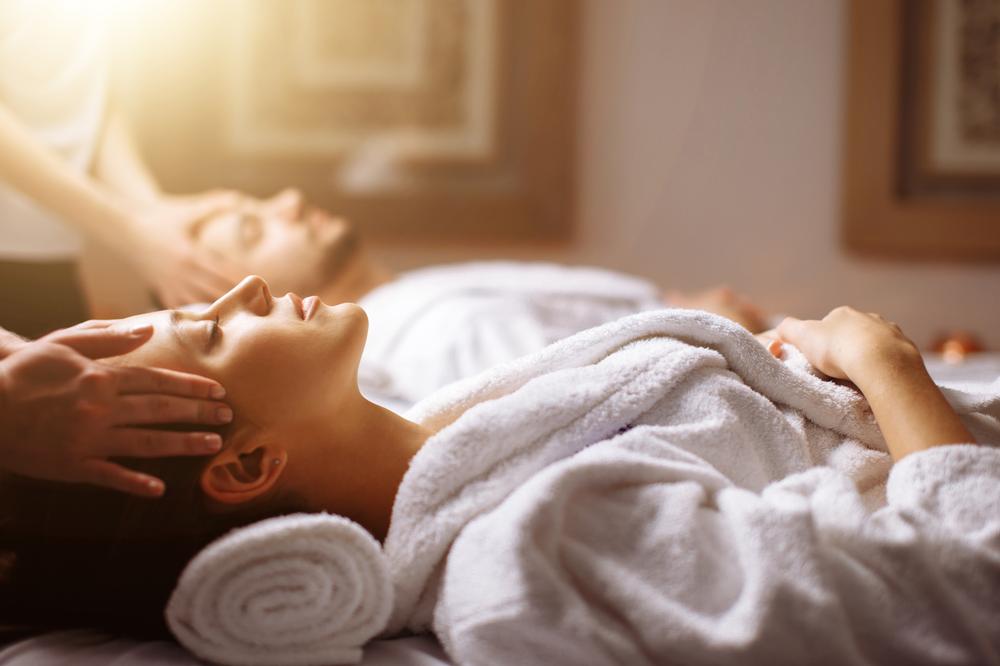
Spa is now one of the top performing departments in hotels / shutterstock
It’s positive and encouraging to see a number of studies reporting strong performance indicators in hotel spas recently, with some types posting record revenues.
The latest research from hotel advisory firm CBRE shows that spa is now one of the top performing departments in US hotels (see p32). Its 2019 Trends in the Hotel Spa Industry found that while total hotel revenue in its sample of 159 hotels increased by 3.8 per cent, spa departments grew by 4.8 per cent. The greatest rise occurred in hotels with less than 200 rooms which had a revenue jump of 13.3 per cent.
At the same time, HVS consulting has revealed that in the US, on average, “spa and wellness departments run profitably and can contribute significantly to a hotel’s bottom line”. In its second annual 2019 HVS Performance Report: Spa Department, it found that treatment rooms in luxury hotels generate US$257k in revenue a year – more than double the average for upper-upscale hotels (see p28).
Both of these reports follow the 20th edition of ISPA’s US Spa Industry Study which shows that facilities across the US generate US$18.3bn in revenue and that all key financial indicators in spas have risen steadily over the last nine years.
After years of having to justify their viability, now is the time for spas to shine. And their position can be further elevated by proving their worth when it comes to a new, as yet unmeasured, KPI – ‘return on wellness’.
With the booming trend of wellness extending beyond spas into all hotel departments, global corporations are grappling with putting a value on what wellness adds to the bottom line. What is an individual’s wellness level before and after a stay/experience and how does this impact on customer loyalty, for example, or other spending patterns?
No one has cracked the code for this yet and spas – a linchpin of wellbeing in hotels – are the perfect testbed for first defining and then measuring the return on wellness for the wider hotel business.
Read more from this issue of Attractions Management magazine
View contents of Attractions Management 2020 issue 1
Editor's letter: Time to shine
As spas reach peak revenues, now’s the time for our industry to act as a catalyst in working out how we measure the impact of an experience and the ‘return on wellness’ says Spa Business' editor Katie Barnes
Promotional feature: TechnoAlpin
If you want to deliver a hot and cold experience as part of your wellness programme, adding a snowroom will introduce a delightful and more gentle form of cold therapy, as Sara Brenninger explains
Trends: Spa Foresight™
Climate emergency, gen alpha and brain optimisation are among Spa Business’ latest trend predictions
Promotional feature: The Wellness
Investing in children’s facilities gives a spa and wellness offering a competitive edge, as well as helping the next generation achieve their potential, explains Mohammed Ibrahim, CEO of industry design and consultancy practice, The Wellness
Promotional feature: RKF Luxury Linen
As a symbol of luxury, innovation and quality in the world of spa and hospitality, much of RKF Luxury Linen’s success comes from its highly client-centric design process, says CEO Riadh Bouaziz
Design: Heat of the moment
From giant golden eggs and converted ski lifts to rustic, hand-crafted huts, we showcase the latest in heat experience design and innovations
As spas reach peak revenues, now’s the time for our industry to act as a catalyst in working out how we measure the impact of an experience and the ‘return on wellness’
By Katie Barnes | Published in Spa Business 2020 issue 1
Spa is now one of the top performing departments in hotels / shutterstock
It’s positive and encouraging to see a number of studies reporting strong performance indicators in hotel spas recently, with some types posting record revenues.
The latest research from hotel advisory firm CBRE shows that spa is now one of the top performing departments in US hotels (see p32). Its 2019 Trends in the Hotel Spa Industry found that while total hotel revenue in its sample of 159 hotels increased by 3.8 per cent, spa departments grew by 4.8 per cent. The greatest rise occurred in hotels with less than 200 rooms which had a revenue jump of 13.3 per cent.
At the same time, HVS consulting has revealed that in the US, on average, “spa and wellness departments run profitably and can contribute significantly to a hotel’s bottom line”. In its second annual 2019 HVS Performance Report: Spa Department, it found that treatment rooms in luxury hotels generate US$257k in revenue a year – more than double the average for upper-upscale hotels (see p28).
Both of these reports follow the 20th edition of ISPA’s US Spa Industry Study which shows that facilities across the US generate US$18.3bn in revenue and that all key financial indicators in spas have risen steadily over the last nine years.
After years of having to justify their viability, now is the time for spas to shine. And their position can be further elevated by proving their worth when it comes to a new, as yet unmeasured, KPI – ‘return on wellness’.
With the booming trend of wellness extending beyond spas into all hotel departments, global corporations are grappling with putting a value on what wellness adds to the bottom line. What is an individual’s wellness level before and after a stay/experience and how does this impact on customer loyalty, for example, or other spending patterns?
No one has cracked the code for this yet and spas – a linchpin of wellbeing in hotels – are the perfect testbed for first defining and then measuring the return on wellness for the wider hotel business.
Read more from this issue of Attractions Management magazine
View contents of Attractions Management 2020 issue 1
Editor's letter: Time to shine
As spas reach peak revenues, now’s the time for our industry to act as a catalyst in working out how we measure the impact of an experience and the ‘return on wellness’ says Spa Business' editor Katie Barnes
Promotional feature: TechnoAlpin
If you want to deliver a hot and cold experience as part of your wellness programme, adding a snowroom will introduce a delightful and more gentle form of cold therapy, as Sara Brenninger explains
Trends: Spa Foresight™
Climate emergency, gen alpha and brain optimisation are among Spa Business’ latest trend predictions
Promotional feature: The Wellness
Investing in children’s facilities gives a spa and wellness offering a competitive edge, as well as helping the next generation achieve their potential, explains Mohammed Ibrahim, CEO of industry design and consultancy practice, The Wellness
Promotional feature: RKF Luxury Linen
As a symbol of luxury, innovation and quality in the world of spa and hospitality, much of RKF Luxury Linen’s success comes from its highly client-centric design process, says CEO Riadh Bouaziz
Design: Heat of the moment
From giant golden eggs and converted ski lifts to rustic, hand-crafted huts, we showcase the latest in heat experience design and innovations
Abu Dhabi-based investment firm Mubadala Capital has made a binding, fully financed
€1 billion
offer to acquire Pierre and Vacances SA, the European holiday resort operator behind the
continental European Center Parcs business.
Disney has reaffirmed its commitment to investing US$30 billion in its US parks and cruise
business by 2033, using new America250 celebrations to underline the role its attractions play
in supporting jobs, tourism and economic growth.
Expo 2030 Riyadh is being planned as a permanent visitor destination, with organisers
confirming the six-million-square-metre site will become a Global Village after the event closes.
The owner of one of Australia's best-known waterparks has acquired a major competitor,
creating a new attractions business spanning two of the country's largest visitor destinations.
The Toverland theme park in the Netherlands has announced a €98m expansion programme
that will add a resort, new attractions and staff facilities as it pursues plans to become a multi-
day destination.
Hotel de France, located on the British Isle of Jersey, has created a wellness retreat package
that includes a hot yoga session that will take place in Jersey Zoo’s butterfly sanctuary.
A new immersive attraction designed to transport visitors into the final hours of ancient Pompeii
is preparing to open near the world-famous archaeological site in southern Italy.
Experience design company, BRC Imagination Arts, has completed a transition that sees founder
Bob Rogers pass ownership of the business to four long-serving senior executives, while
remaining actively involved with the company.
Movie Park Germany has opened a new Paramount Pictures-themed attraction as part of its 30th
anniversary celebrations, using immersive storytelling and adaptive reuse to reinforce the park’s
longstanding “Hollywood in Germany” positioning.
Therme Manchester’s 28-acre development, which will include interconnected glass pavilions
that measure 65,000sq m, will be the largest bathing and wellbeing attraction in the world once
complete, according to prof David Russell, CEO of Therme UK.
+ More news
COMPANY PROFILES
Painting With Light By combining lighting, video, scenic and architectural elements, sound and special effects we tell s [more...]
QubicaAMF UK QubicaAMF is the largest and most
innovative bowling equipment provider with
600 employees worldwi [more...]
Alterface Alterface’s Creative Division team is
seasoned in concept and ride development,
as well as storyte [more...]
RMA Ltd RMA Ltd is a one-stop global company
that can design, build and produce from a
greenfield site upw [more...]