ESPA has been a leader in the field of therapeutic skincare and luxury spa design and management for 25 years. Here, founder Susan Harmsworth explains how the company’s recent brand evolution will make ESPA even more relevant to the future of wellness
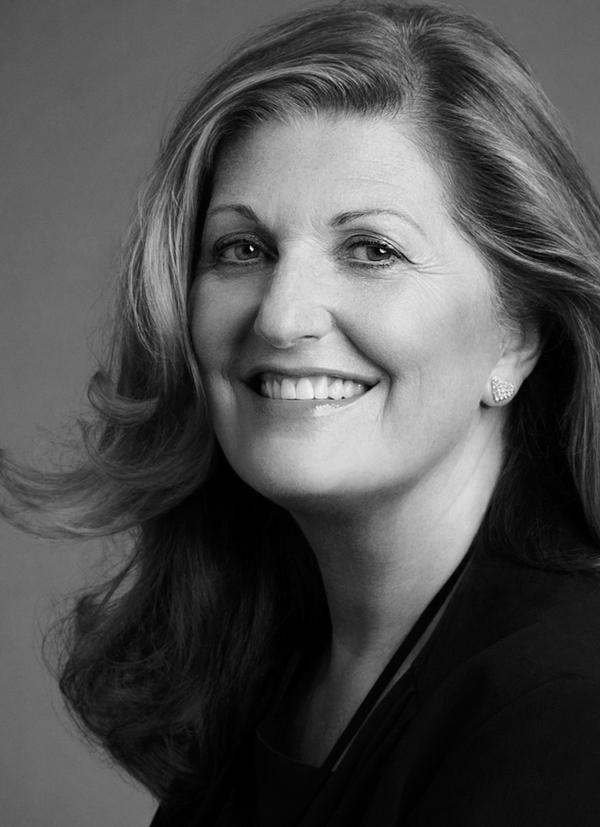
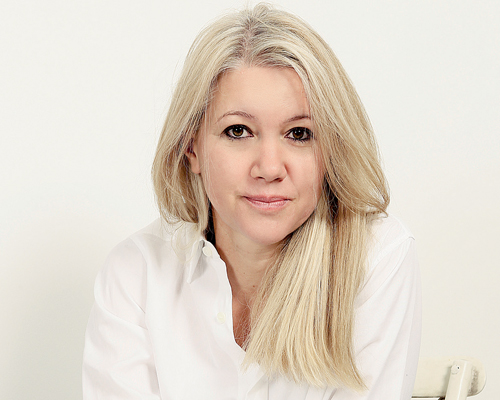
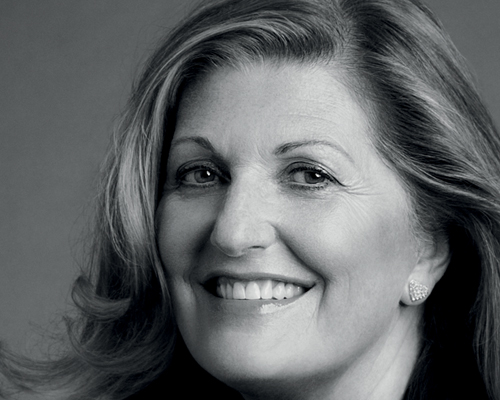
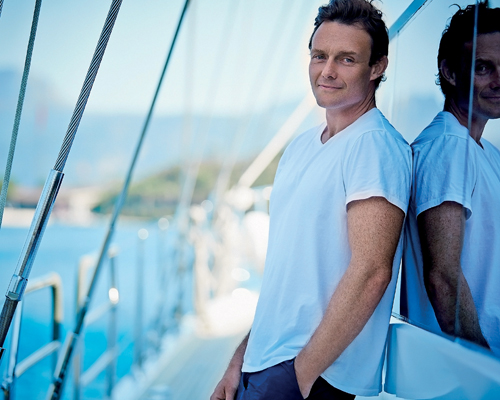
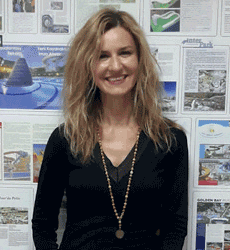
Founder Susan Harmsworth has been an industry pioneer for more than 40 years
This year ESPA celebrates its 25th anniversary. How do you feel the spa and wellness industry has evolved and changed over this time? When I launched ESPA back in the early 90s, the concept of spas didn’t really exist. There were beauty salons, there were hotels with swimming pools and gyms, and then there were health farms, which were often clinical and austere in their approach, and mainly focused on weight loss.
Also, skincare products at that time came mostly from department stores and were only addressing the skin in a superficial way, rather than also working beneath the skin’s surface. Nobody was looking at skincare from a therapeutic point of view, as they hadn’t realised the impact of health and wellness on beauty – until we launched ESPA.
We were the first company to incorporate all-natural products, using ingredients such as seaweed and aromatherapy oils. And while most products in the 80s and 90s were in unattractive packaging, we gave ESPA products a very sophisticated look with glass bottles and natural packaging.
Was the market back then ready for ESPA’s products? As I frequently say, ESPA was way ahead of its time, and even now it’s at least five years ahead of the market in terms of many of its concepts and treatments.
We were the first company to incorporate head and foot massages to body treatments, to add scalp massages to facial treatments, and to create rituals. No-one else was taking a holistic approach at that time – it was the era of diets, weight loss and cosmetic machines.
Nevertheless, I could see a real need for what we were offering. Negative stress in the 80s became a huge factor – technology was starting to take over, air travel was increasing, women were back in the workplace and having to juggle families with careers – and nobody was addressing this.
Why have you chosen this time for brand evolution? Evolving the brand, and the clarification of our message as we go forward with our brand evolution, is simply about coming full circle. We’re touching base with our roots and core principles of holistic beauty and wellness, while preparing for the next exciting phase of our development.
What we did in the 90s is every bit as relevant today and much of it is now industry standard. What ESPA is working on today will almost certainly shape the spa and wellness market of the future.
For example, our mindfulness massages, sleep treatments and our cancer support programmes will be emulated and adopted by operators industry-wide.
We’re also one of the few major skincare brands to manufacture our products exclusively in the UK, from our factory in the West Country. That’s quite an achievement considering that we now export to 60 countries worldwide. We’re also committed to keeping our products at least 98 to 99 per cent natural.
We’ve refocused on our original philosophy and taken cues from the simplicity and purity of the brand when it first started. We’ve clarified, decluttered and restructured our brand communication, making it clearer, more confident and more engaging. We’ve distilled it from the vast amount of knowledge we have of the market and industry – and we’re using that to move the brand forward.
What messages have you brought to the fore? There’s been a huge explosion in the discovery of natural ingredients, and the technology in harnessing their potency, and we continue to research the best ones and combine them in our formulas – so it was very important we highlighted this.
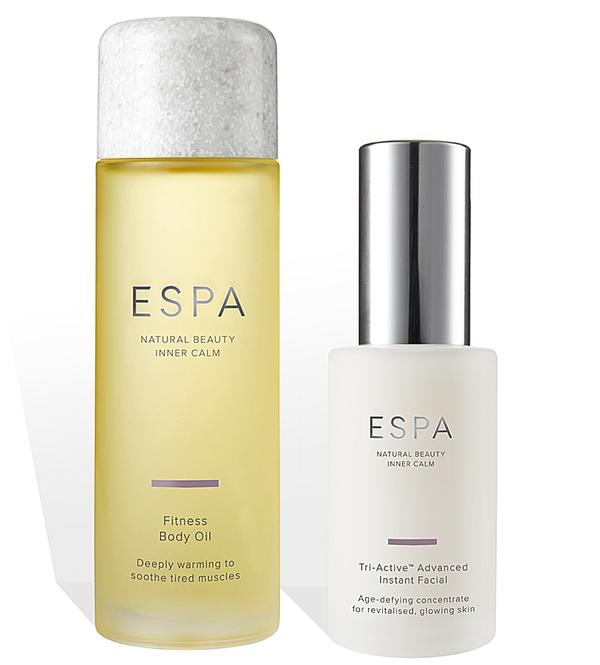
For example our newest product – Tri-Active™ Advanced Instant Facial – contains a number of ingredient ‘firsts,’ such as extracts of white truffle and microalgae cell.
But these ingredients aren’t just there because they make a good marketing story. Our team of biochemists, dermatologists and aromatherapists create our unique blends and add in these ingredients at their most potent level, so that they not only deliver immediate topical results, but improve skin health and appearance over the longer term.
Another core quality of ESPA products is the sensory, olfactory experience they deliver. The power of smell is very grounding and its benefits are often overlooked. It’s something I’ve always known, but now we have the research data to prove it – smell can positively impact a person’s health and wellbeing.
We’ve also refreshed and modernised our product packaging, broadening the appeal and making it cleaner and easier to navigate, select and buy.
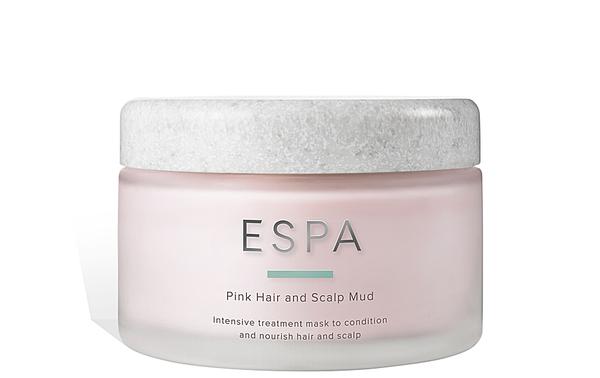
We’ve kept our beautiful glass bottles with textured caps that reflect the high-quality ingredients they contain. For example, for our face treatment oils, we’ve introduced dropper bottles to really emphasise how precious these oils are and to help and improve the ease of use.
What do you see as ESPA’s core strengths? I see three main areas. First, our holistic approach to spa and wellness that’s been there right from the beginning; second, our naturally active formulas that just keep getting better and better as our science advances; and finally, our immense expertise in the area of skills and training.
Each year, we deliver more than 5 million treatments and train up to 5,000 therapists worldwide. We really empower those therapists to be the absolute best they can be, and equip them with very advanced techniques that make a real difference to their clients.
When they progress to advanced status, they can deliver highly personalised experiences – for instance, they know about pressure points, lymphatic draining, manual lifting techniques, clinical aromatherapy, breath work, and more.
As a result, we have a huge and loyal team around the world who move with us and grow with us year-on-year. In our senior team, many of our employees have been with us for 15 to 20 years. That’s a great accomplishment in an industry where there’s traditionally a quick turnover of staff. The expertise we can offer our spas and clients is phenomenal, and I’m hugely proud of that.
What trends in wellness and skincare are you seeing at the moment? When I started ESPA, the face was the focus of treatments, but over the years the body took over, and massage still represents 50 to 60 per cent of the market. But I see facials and holistic techniques now coming back in a big way.
It’s not that offerings like fillers, Botox and other cosmetic procedures will diminish, but I do believe many will become disillusioned with them and start to seek more natural alternatives.
How can ESPA products help women? Our products are designed to help women be the best they can be at all stages of their life – from when they’re younger and in the maintenance phase, moving into the prevention phase in their 30s and 40s, and going on to address the specific ageing challenges of their skin post-menopause.
We’ve done a lot of work in recent years – and this is another key message of our rebranding – to make our product ranges complementary and interchangeable, so skincare becomes highly personal.
We’re enabling clients to become their own mixologists, if you like. We don’t have a specific fragrance linked to a certain skin-type range, so they all work harmoniously together and can be layered accordingly. Because of this personalised approach, one 40-year-old ESPA client’s cosmetic bag could look completely different to another’s.
In recent years, we’ve been pioneering our concept of Tri-Active™ ingredients – plants and marine actives combined with essential oils. Our products are not just natural, but highly complex in a way that many organic or natural brands aren’t. They also feel very light and luxurious on the skin – which often surprises clients who may be trying one of our serums for the first time.
How do you see the ESPA brand going forward? We’ll continue to develop pioneering products, launch new spa collaborations worldwide and we’re also developing some new wellness-specific destinations that will be announced later this year.
But it’s also important to note that the industry as a whole should not be devalued by this current preoccupation with wellbeing. Wellbeing, alternative therapies and integrative medicine are exciting areas – and areas I’ve been involved with for many decades – but I don’t think they’re ready or able to go mainstream.
The industry can train therapists to a very high standard, but wellness requires whole different skill sets – such as osteopathy, hypnotherapy and clinical nutrition, for example.
As an industry, we must be able to deliver what we say we’re going to deliver – otherwise we risk disappointing clients and casting the industry in a negative light. It will take time, hard work and investment for the industry to deliver wellbeing in the way that it needs to.
That said, there are so many amazing therapies on offer at today’s spas. When I first started, the industry was very exclusive and only available to the rich. Now there are all different price points, enabling everyone to experience the wonderful benefits of a spa.
In the same way the ESPA brand is able to touch the lives of all women, at all stages of their life – and through our potent skincare and protocols, they can enjoy life-enhancing benefits, tangible results and inner calm.
Read more from this issue of Attractions Management magazine
View contents of Attractions Management 2017 issue 1
Interview: Jeremy McCarthy
Mandarin Oriental’s group director
of spa and wellness discusses mental
wellness, spas and technology
Promotional feature: Beautyworld Middle East
Set to take place May 14-16, 2017 in Dubai, Beautyworld Middle East is billed as “three days to rediscover wellness and shake up the industry.”
Promotional feature: ESPA
ESPA has been a leader in the field of therapeutic skincare and luxury spa design and management for 25 years. Founder Susan Harmsworth explains how the company’s recent brand evolution will make ESPA even more relevant to the future of wellness
Promotional feature: Riceforce
Rice Force is set to make further inroads into the spa market in 2017 with the
launch of its new aromatic oils and treatment protocol
Promotional feature: Oakworks
Oakworks’ new Masters’ Collection range, which will consist of over 15 models by the end of 2017, has been designed to offer spa operators the ultimate in modern styling, with solutions and functionality that address each spa’s practical needs
An opportunity to reimagine one of the UK’s most recognisable towers has been formally
opened by Rivington Hark, as St Johns Beacon invites operators and partners to shape its
next phase. [more...]
ESPA has been a leader in the field of therapeutic skincare and luxury spa design and management for 25 years. Here, founder Susan Harmsworth explains how the company’s recent brand evolution will make ESPA even more relevant to the future of wellness
Founder Susan Harmsworth has been an industry pioneer for more than 40 years
This year ESPA celebrates its 25th anniversary. How do you feel the spa and wellness industry has evolved and changed over this time? When I launched ESPA back in the early 90s, the concept of spas didn’t really exist. There were beauty salons, there were hotels with swimming pools and gyms, and then there were health farms, which were often clinical and austere in their approach, and mainly focused on weight loss.
Also, skincare products at that time came mostly from department stores and were only addressing the skin in a superficial way, rather than also working beneath the skin’s surface. Nobody was looking at skincare from a therapeutic point of view, as they hadn’t realised the impact of health and wellness on beauty – until we launched ESPA.
We were the first company to incorporate all-natural products, using ingredients such as seaweed and aromatherapy oils. And while most products in the 80s and 90s were in unattractive packaging, we gave ESPA products a very sophisticated look with glass bottles and natural packaging.
Was the market back then ready for ESPA’s products? As I frequently say, ESPA was way ahead of its time, and even now it’s at least five years ahead of the market in terms of many of its concepts and treatments.
We were the first company to incorporate head and foot massages to body treatments, to add scalp massages to facial treatments, and to create rituals. No-one else was taking a holistic approach at that time – it was the era of diets, weight loss and cosmetic machines.
Nevertheless, I could see a real need for what we were offering. Negative stress in the 80s became a huge factor – technology was starting to take over, air travel was increasing, women were back in the workplace and having to juggle families with careers – and nobody was addressing this.
Why have you chosen this time for brand evolution? Evolving the brand, and the clarification of our message as we go forward with our brand evolution, is simply about coming full circle. We’re touching base with our roots and core principles of holistic beauty and wellness, while preparing for the next exciting phase of our development.
What we did in the 90s is every bit as relevant today and much of it is now industry standard. What ESPA is working on today will almost certainly shape the spa and wellness market of the future.
For example, our mindfulness massages, sleep treatments and our cancer support programmes will be emulated and adopted by operators industry-wide.
We’re also one of the few major skincare brands to manufacture our products exclusively in the UK, from our factory in the West Country. That’s quite an achievement considering that we now export to 60 countries worldwide. We’re also committed to keeping our products at least 98 to 99 per cent natural.
We’ve refocused on our original philosophy and taken cues from the simplicity and purity of the brand when it first started. We’ve clarified, decluttered and restructured our brand communication, making it clearer, more confident and more engaging. We’ve distilled it from the vast amount of knowledge we have of the market and industry – and we’re using that to move the brand forward.
What messages have you brought to the fore? There’s been a huge explosion in the discovery of natural ingredients, and the technology in harnessing their potency, and we continue to research the best ones and combine them in our formulas – so it was very important we highlighted this.
For example our newest product – Tri-Active™ Advanced Instant Facial – contains a number of ingredient ‘firsts,’ such as extracts of white truffle and microalgae cell.
But these ingredients aren’t just there because they make a good marketing story. Our team of biochemists, dermatologists and aromatherapists create our unique blends and add in these ingredients at their most potent level, so that they not only deliver immediate topical results, but improve skin health and appearance over the longer term.
Another core quality of ESPA products is the sensory, olfactory experience they deliver. The power of smell is very grounding and its benefits are often overlooked. It’s something I’ve always known, but now we have the research data to prove it – smell can positively impact a person’s health and wellbeing.
We’ve also refreshed and modernised our product packaging, broadening the appeal and making it cleaner and easier to navigate, select and buy.
We’ve kept our beautiful glass bottles with textured caps that reflect the high-quality ingredients they contain. For example, for our face treatment oils, we’ve introduced dropper bottles to really emphasise how precious these oils are and to help and improve the ease of use.
What do you see as ESPA’s core strengths? I see three main areas. First, our holistic approach to spa and wellness that’s been there right from the beginning; second, our naturally active formulas that just keep getting better and better as our science advances; and finally, our immense expertise in the area of skills and training.
Each year, we deliver more than 5 million treatments and train up to 5,000 therapists worldwide. We really empower those therapists to be the absolute best they can be, and equip them with very advanced techniques that make a real difference to their clients.
When they progress to advanced status, they can deliver highly personalised experiences – for instance, they know about pressure points, lymphatic draining, manual lifting techniques, clinical aromatherapy, breath work, and more.
As a result, we have a huge and loyal team around the world who move with us and grow with us year-on-year. In our senior team, many of our employees have been with us for 15 to 20 years. That’s a great accomplishment in an industry where there’s traditionally a quick turnover of staff. The expertise we can offer our spas and clients is phenomenal, and I’m hugely proud of that.
What trends in wellness and skincare are you seeing at the moment? When I started ESPA, the face was the focus of treatments, but over the years the body took over, and massage still represents 50 to 60 per cent of the market. But I see facials and holistic techniques now coming back in a big way.
It’s not that offerings like fillers, Botox and other cosmetic procedures will diminish, but I do believe many will become disillusioned with them and start to seek more natural alternatives.
How can ESPA products help women? Our products are designed to help women be the best they can be at all stages of their life – from when they’re younger and in the maintenance phase, moving into the prevention phase in their 30s and 40s, and going on to address the specific ageing challenges of their skin post-menopause.
We’ve done a lot of work in recent years – and this is another key message of our rebranding – to make our product ranges complementary and interchangeable, so skincare becomes highly personal.
We’re enabling clients to become their own mixologists, if you like. We don’t have a specific fragrance linked to a certain skin-type range, so they all work harmoniously together and can be layered accordingly. Because of this personalised approach, one 40-year-old ESPA client’s cosmetic bag could look completely different to another’s.
In recent years, we’ve been pioneering our concept of Tri-Active™ ingredients – plants and marine actives combined with essential oils. Our products are not just natural, but highly complex in a way that many organic or natural brands aren’t. They also feel very light and luxurious on the skin – which often surprises clients who may be trying one of our serums for the first time.
How do you see the ESPA brand going forward? We’ll continue to develop pioneering products, launch new spa collaborations worldwide and we’re also developing some new wellness-specific destinations that will be announced later this year.
But it’s also important to note that the industry as a whole should not be devalued by this current preoccupation with wellbeing. Wellbeing, alternative therapies and integrative medicine are exciting areas – and areas I’ve been involved with for many decades – but I don’t think they’re ready or able to go mainstream.
The industry can train therapists to a very high standard, but wellness requires whole different skill sets – such as osteopathy, hypnotherapy and clinical nutrition, for example.
As an industry, we must be able to deliver what we say we’re going to deliver – otherwise we risk disappointing clients and casting the industry in a negative light. It will take time, hard work and investment for the industry to deliver wellbeing in the way that it needs to.
That said, there are so many amazing therapies on offer at today’s spas. When I first started, the industry was very exclusive and only available to the rich. Now there are all different price points, enabling everyone to experience the wonderful benefits of a spa.
In the same way the ESPA brand is able to touch the lives of all women, at all stages of their life – and through our potent skincare and protocols, they can enjoy life-enhancing benefits, tangible results and inner calm.
Read more from this issue of Attractions Management magazine
View contents of Attractions Management 2017 issue 1
Interview: Jeremy McCarthy
Mandarin Oriental’s group director
of spa and wellness discusses mental
wellness, spas and technology
Promotional feature: Beautyworld Middle East
Set to take place May 14-16, 2017 in Dubai, Beautyworld Middle East is billed as “three days to rediscover wellness and shake up the industry.”
Promotional feature: ESPA
ESPA has been a leader in the field of therapeutic skincare and luxury spa design and management for 25 years. Founder Susan Harmsworth explains how the company’s recent brand evolution will make ESPA even more relevant to the future of wellness
Promotional feature: Riceforce
Rice Force is set to make further inroads into the spa market in 2017 with the
launch of its new aromatic oils and treatment protocol
Promotional feature: Oakworks
Oakworks’ new Masters’ Collection range, which will consist of over 15 models by the end of 2017, has been designed to offer spa operators the ultimate in modern styling, with solutions and functionality that address each spa’s practical needs
Hotel de France, located on the British Isle of Jersey, has created a wellness retreat package
that includes a hot yoga session that will take place in Jersey Zoo’s butterfly sanctuary.
A new immersive attraction designed to transport visitors into the final hours of ancient Pompeii
is preparing to open near the world-famous archaeological site in southern Italy.
Experience design company, BRC Imagination Arts, has completed a transition that sees founder
Bob Rogers pass ownership of the business to four long-serving senior executives, while
remaining actively involved with the company.
Movie Park Germany has opened a new Paramount Pictures-themed attraction as part of its 30th
anniversary celebrations, using immersive storytelling and adaptive reuse to reinforce the park’s
longstanding “Hollywood in Germany” positioning.
Therme Manchester’s 28-acre development, which will include interconnected glass pavilions
that measure 65,000sq m, will be the largest bathing and wellbeing attraction in the world once
complete, according to prof David Russell, CEO of Therme UK.
Efteling has opened Hooghmoed, a new family drop tower designed to broaden the appeal of its
recently launched Sirene Island themed area and introduce younger visitors to thrill attractions.
A proposed Puy du Fou development near Bicester and Universal Destinations and Experiences’
planned resort in Bedford are emerging as part of a wider transformation of the Oxford–
Cambridge Growth Corridor into a major centre for UK leisure and tourism inv
Shedd Aquarium has opened the Immersion Theater developed in partnership with SimEx-
Iwerks, as part of a wider strategy to enhance the guest experience and create additional
revenue opportunities.
The UK government has announced a temporary reduction in VAT on visitor attractions and
children’s meals as part of a summer cost-of-living support package designed to stimulate the
visitor economy and encourage family days out.
As designer Yinka Ilori prepares for his first solo gallery show in London, he speaks exclusively
to CLADmag about his mission to spread joy, the power of play, and his bold approach to using
colour (including the colours you won’t see in his work).
The government of Thailand is exploring plans for a THB300bn (£6.3bn, US$8.3bn)
entertainment complex in the country’s Eastern Economic Corridor (EEC), with officials
proposing a large-scale theme park and sports destination as part of a broader tourism and
economic development strategy.
+ More news
COMPANY PROFILES
Sally Corporation Our services include: Dark ride design & build; Redevelopment of existing attractions; High-quality [more...]
TechnoAlpin Indoor TechnoAlpin is the world leader for snowmaking systems. With the Indoor snow division, TechnoAlpin c [more...]
Polin Waterparks Polin was founded in Istanbul in 1976. Polin
has since grown into a leading company in
the waterpa [more...]
IAAPA EMEA IAAPA Expo Europe was established in 2006 and has grown to the largest international conference and [more...]
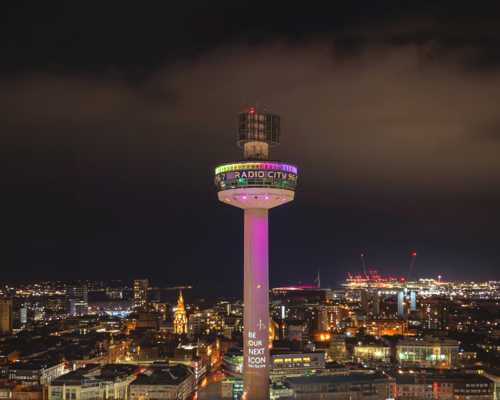
An opportunity to reimagine one of the UK’s most recognisable towers has been formally
opened by Rivington Hark, as St Johns Beacon invites operators and partners to shape its
next phase. [more...]