Despite rising labour costs, hotel spa revenue is showing strong growth, according to the latest research from CBRE. Mark VanStekelenburg outlines the key findings
For the first time in ten years, hotel spa department revenue grew at a faster pace compared to other sources of hotel revenue, according to the recently released 2016 edition of CBRE’s Trends® in the Hotel Spa Industry. The report shows that US hotel spa departments were able to increase their revenue by 5.6 per cent from 2014 to 2015. This compares favourably to a 3.3 per cent rise in rooms revenue for the properties in the survey sample, and a 5.5 per cent increase in total hotel revenue. This is the first time since the 2007 edition of the publication that spa revenue growth surpassed rooms revenue growth.
CBRE Hotels’ Americas Research is projecting modest gains in rooms revenue for the next few years, as the US lodging industry operates at the top of the business cycle. Therefore, hotel operators will need to look at other operated departments – like spa – to accelerate total hotel revenue growth.
Health and wellness is also becoming an increasingly important component of everyday life. Though historically considered as an exclusively high-end hotel amenity, the integration of health and travel is now expected.
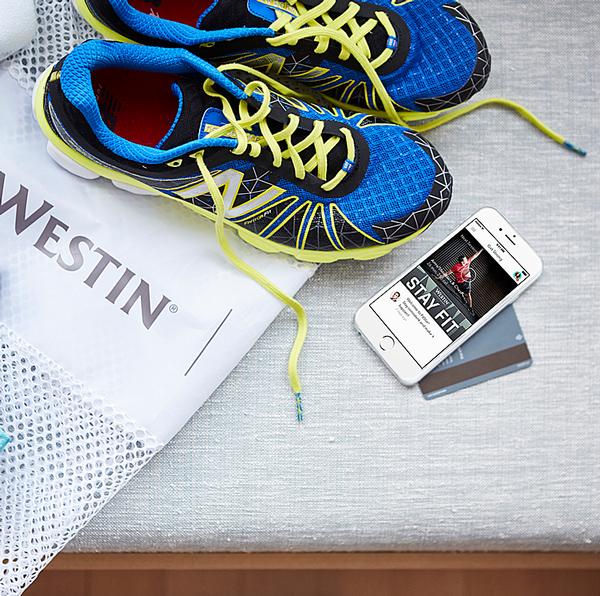
For example, Westin has recently partnered with both Fitbit and New Balance to help its guests continue their fitness routines when they travel, while Fairmont has teamed up with Reebok. Intercontinental’s new wellness-oriented brand, Even Hotels, has seven properties in the development pipeline, and health club Equinox is branching out into the luxury lifestyle hotel market, launching its first hotel in New York City in 2019.
Integrating health and wellness into a hotel operation is a distinguishing mark to consumers as they strive to seek balance in all aspects of life, including travel.
Spa catches up During the Great Recession, spa department revenue was hit harder than other hotel revenues, extending the time needed for revenue to recover. It wasn’t until 2015 that spa revenue growth exceeded the pace of rooms revenue growth, signalling that the spa department is catching up in its recovery following the 2008 recession. Spa profits have seen double-digit growth in every year since 2010, with the exception of more modest growth in 2012.
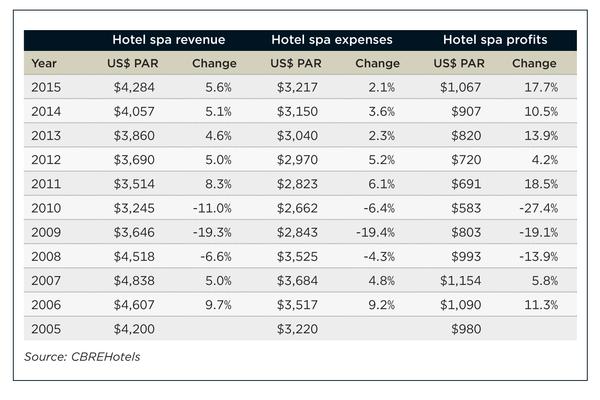
Strong Profit Growth While hotel spa revenue is showing relatively strong growth, hotel spa department profits are increasing at an even greater pace. In 2015, hotel spa department managers were able to convert the 5.6 per cent increase in revenues into a strong 17.7 per cent boost in department profits. Spa managers were able to achieve such strong gains in profits because they controlled their expenses; from 2014 to 2015, the combination of cost of goods sold, labour costs, and other operating expenses increased by just 2.1 per cent. Labour costs comprise approximately three quarters of operating expenses for a hotel spa. Given the surge in hotel labour costs that we have seen in recent years, spa managers should be commended for achieving such strong flow-through within their departments. In fact, it was a reduction in other operating expenses that offset the 5.8 per cent increase in labour costs and allowed hotel spa departments to achieve the strong growth in profits.
A Bright Future Recent economic reports have indicated increases in retail sales, car sales, building materials and health and beauty products. This is an indication that people are spending on themselves and bodes well for travel.
Additional research shows that travellers are mindful of their wellbeing when it comes to choosing their lodging. Hotels have an opportunity to take advantage of this trend, not just by promoting their spas, but also by offering other health and wellness amenities and services throughout the hotel.
As more people travel, the demographics of travellers are also changing, causing hotel companies to refocus their offerings to ensure they meet the needs of their guests. Leisure and group travel are growing, and hotels continue to strive to make sure that the health and wellness needs of these different guests are addressed. Hotel companies are creating programmes and even entire brands – with a focus on providing the consumer with the basics of health and wellness. The future looks bright for the hotel spa industry.
Read more from this issue of Attractions Management magazine
View contents of Attractions Management 2017 issue 1
Interview: Jeremy McCarthy
Mandarin Oriental’s group director
of spa and wellness discusses mental
wellness, spas and technology
Promotional feature: Beautyworld Middle East
Set to take place May 14-16, 2017 in Dubai, Beautyworld Middle East is billed as “three days to rediscover wellness and shake up the industry.”
Promotional feature: ESPA
ESPA has been a leader in the field of therapeutic skincare and luxury spa design and management for 25 years. Founder Susan Harmsworth explains how the company’s recent brand evolution will make ESPA even more relevant to the future of wellness
Promotional feature: Riceforce
Rice Force is set to make further inroads into the spa market in 2017 with the
launch of its new aromatic oils and treatment protocol
Promotional feature: Oakworks
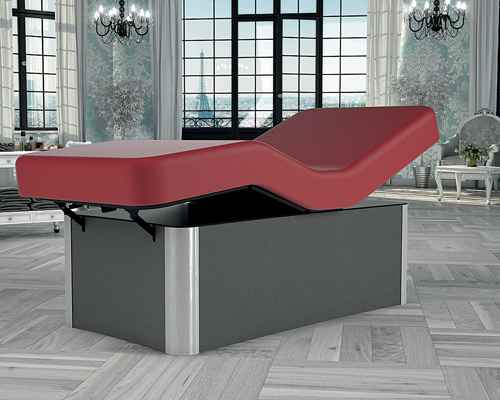
Oakworks’ new Masters’ Collection range, which will consist of over 15 models by the end of 2017, has been designed to offer spa operators the ultimate in modern styling, with solutions and functionality that address each spa’s practical needs
Historical Performance For 2015, spa department revenue averaged US$4,284 per available room (PAR), surpassing the 2005 average of US$4,200 PAR, but still below the peak in 2007 of US$4,838. Spa department expenses averaged US$3,217 PAR, close to the 2005 average of US$3,220 PAR. The trend is similar for spa department profits, which averaged US$1,067 PAR, above 2005’s average of US$980 PAR and close to 2006’s average of US$1,090 PAR
shutterstock
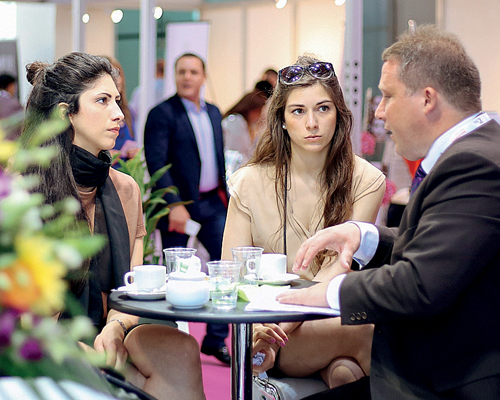
Given the surge in labour costs in recent years, spa managers should be commended for growth in profits
CBRE Hotels - Trends® in the Hotel Spa Industry
Mark VanStekelenburg
Mark VanStekelenburg is managing director at CBRE Hotels Spa Consulting Practice
Twitter: @cbre
l Hotel brands are racing to tie up with consumer fitness brands. Westin has partnered with FitBit and New Balance, while Fairmont has teamed up with Reebok
COMPANY PROFILES
Sally Corporation
Our services include: Dark ride design & build; Redevelopment of existing attractions; High-quality [more...]
Taylor Made Designs
Founded in 1993, Taylor Made
Designs supply corporate clothing
and brand-enhancing merchandise
to [more...]
instantprint
We’re a Yorkshire-based online printer, founded
in 2009 by Adam Carnell and James Kinsella. [more...]
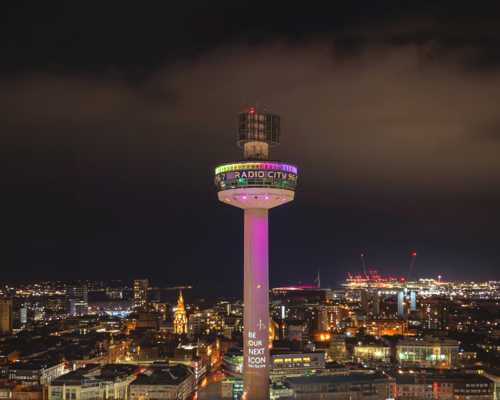
An opportunity to reimagine one of the UK’s most recognisable towers has been formally
opened by Rivington Hark, as St Johns Beacon invites operators and partners to shape its
next phase. [more...]
Despite rising labour costs, hotel spa revenue is showing strong growth, according to the latest research from CBRE. Mark VanStekelenburg outlines the key findings
For the first time in ten years, hotel spa department revenue grew at a faster pace compared to other sources of hotel revenue, according to the recently released 2016 edition of CBRE’s Trends® in the Hotel Spa Industry. The report shows that US hotel spa departments were able to increase their revenue by 5.6 per cent from 2014 to 2015. This compares favourably to a 3.3 per cent rise in rooms revenue for the properties in the survey sample, and a 5.5 per cent increase in total hotel revenue. This is the first time since the 2007 edition of the publication that spa revenue growth surpassed rooms revenue growth.
CBRE Hotels’ Americas Research is projecting modest gains in rooms revenue for the next few years, as the US lodging industry operates at the top of the business cycle. Therefore, hotel operators will need to look at other operated departments – like spa – to accelerate total hotel revenue growth.
Health and wellness is also becoming an increasingly important component of everyday life. Though historically considered as an exclusively high-end hotel amenity, the integration of health and travel is now expected.
For example, Westin has recently partnered with both Fitbit and New Balance to help its guests continue their fitness routines when they travel, while Fairmont has teamed up with Reebok. Intercontinental’s new wellness-oriented brand, Even Hotels, has seven properties in the development pipeline, and health club Equinox is branching out into the luxury lifestyle hotel market, launching its first hotel in New York City in 2019.
Integrating health and wellness into a hotel operation is a distinguishing mark to consumers as they strive to seek balance in all aspects of life, including travel.
Spa catches up During the Great Recession, spa department revenue was hit harder than other hotel revenues, extending the time needed for revenue to recover. It wasn’t until 2015 that spa revenue growth exceeded the pace of rooms revenue growth, signalling that the spa department is catching up in its recovery following the 2008 recession. Spa profits have seen double-digit growth in every year since 2010, with the exception of more modest growth in 2012.
Strong Profit Growth While hotel spa revenue is showing relatively strong growth, hotel spa department profits are increasing at an even greater pace. In 2015, hotel spa department managers were able to convert the 5.6 per cent increase in revenues into a strong 17.7 per cent boost in department profits. Spa managers were able to achieve such strong gains in profits because they controlled their expenses; from 2014 to 2015, the combination of cost of goods sold, labour costs, and other operating expenses increased by just 2.1 per cent. Labour costs comprise approximately three quarters of operating expenses for a hotel spa. Given the surge in hotel labour costs that we have seen in recent years, spa managers should be commended for achieving such strong flow-through within their departments. In fact, it was a reduction in other operating expenses that offset the 5.8 per cent increase in labour costs and allowed hotel spa departments to achieve the strong growth in profits.
A Bright Future Recent economic reports have indicated increases in retail sales, car sales, building materials and health and beauty products. This is an indication that people are spending on themselves and bodes well for travel.
Additional research shows that travellers are mindful of their wellbeing when it comes to choosing their lodging. Hotels have an opportunity to take advantage of this trend, not just by promoting their spas, but also by offering other health and wellness amenities and services throughout the hotel.
As more people travel, the demographics of travellers are also changing, causing hotel companies to refocus their offerings to ensure they meet the needs of their guests. Leisure and group travel are growing, and hotels continue to strive to make sure that the health and wellness needs of these different guests are addressed. Hotel companies are creating programmes and even entire brands – with a focus on providing the consumer with the basics of health and wellness. The future looks bright for the hotel spa industry.
Read more from this issue of Attractions Management magazine
View contents of Attractions Management 2017 issue 1
Interview: Jeremy McCarthy
Mandarin Oriental’s group director
of spa and wellness discusses mental
wellness, spas and technology
Promotional feature: Beautyworld Middle East
Set to take place May 14-16, 2017 in Dubai, Beautyworld Middle East is billed as “three days to rediscover wellness and shake up the industry.”
Promotional feature: ESPA
ESPA has been a leader in the field of therapeutic skincare and luxury spa design and management for 25 years. Founder Susan Harmsworth explains how the company’s recent brand evolution will make ESPA even more relevant to the future of wellness
Promotional feature: Riceforce
Rice Force is set to make further inroads into the spa market in 2017 with the
launch of its new aromatic oils and treatment protocol
Promotional feature: Oakworks
Oakworks’ new Masters’ Collection range, which will consist of over 15 models by the end of 2017, has been designed to offer spa operators the ultimate in modern styling, with solutions and functionality that address each spa’s practical needs
Historical Performance For 2015, spa department revenue averaged US$4,284 per available room (PAR), surpassing the 2005 average of US$4,200 PAR, but still below the peak in 2007 of US$4,838. Spa department expenses averaged US$3,217 PAR, close to the 2005 average of US$3,220 PAR. The trend is similar for spa department profits, which averaged US$1,067 PAR, above 2005’s average of US$980 PAR and close to 2006’s average of US$1,090 PAR
shutterstock
Given the surge in labour costs in recent years, spa managers should be commended for growth in profits
CBRE Hotels - Trends® in the Hotel Spa Industry
Mark VanStekelenburg
Mark VanStekelenburg is managing director at CBRE Hotels Spa Consulting Practice
Twitter: @cbre
l Hotel brands are racing to tie up with consumer fitness brands. Westin has partnered with FitBit and New Balance, while Fairmont has teamed up with Reebok
Hotel de France, located on the British Isle of Jersey, has created a wellness retreat package
that includes a hot yoga session that will take place in Jersey Zoo’s butterfly sanctuary.
A new immersive attraction designed to transport visitors into the final hours of ancient Pompeii
is preparing to open near the world-famous archaeological site in southern Italy.
Experience design company, BRC Imagination Arts, has completed a transition that sees founder
Bob Rogers pass ownership of the business to four long-serving senior executives, while
remaining actively involved with the company.
Movie Park Germany has opened a new Paramount Pictures-themed attraction as part of its 30th
anniversary celebrations, using immersive storytelling and adaptive reuse to reinforce the park’s
longstanding “Hollywood in Germany” positioning.
Therme Manchester’s 28-acre development, which will include interconnected glass pavilions
that measure 65,000sq m, will be the largest bathing and wellbeing attraction in the world once
complete, according to prof David Russell, CEO of Therme UK.
Efteling has opened Hooghmoed, a new family drop tower designed to broaden the appeal of its
recently launched Sirene Island themed area and introduce younger visitors to thrill attractions.
A proposed Puy du Fou development near Bicester and Universal Destinations and Experiences’
planned resort in Bedford are emerging as part of a wider transformation of the Oxford–
Cambridge Growth Corridor into a major centre for UK leisure and tourism inv
Shedd Aquarium has opened the Immersion Theater developed in partnership with SimEx-
Iwerks, as part of a wider strategy to enhance the guest experience and create additional
revenue opportunities.
The UK government has announced a temporary reduction in VAT on visitor attractions and
children’s meals as part of a summer cost-of-living support package designed to stimulate the
visitor economy and encourage family days out.
As designer Yinka Ilori prepares for his first solo gallery show in London, he speaks exclusively
to CLADmag about his mission to spread joy, the power of play, and his bold approach to using
colour (including the colours you won’t see in his work).
The government of Thailand is exploring plans for a THB300bn (£6.3bn, US$8.3bn)
entertainment complex in the country’s Eastern Economic Corridor (EEC), with officials
proposing a large-scale theme park and sports destination as part of a broader tourism and
economic development strategy.
+ More news
COMPANY PROFILES
Sally Corporation Our services include: Dark ride design & build; Redevelopment of existing attractions; High-quality [more...]
Taylor Made Designs Founded in 1993, Taylor Made
Designs supply corporate clothing
and brand-enhancing merchandise
to [more...]
instantprint We’re a Yorkshire-based online printer, founded
in 2009 by Adam Carnell and James Kinsella. [more...]
An opportunity to reimagine one of the UK’s most recognisable towers has been formally
opened by Rivington Hark, as St Johns Beacon invites operators and partners to shape its
next phase. [more...]