The spa industry has seen a growing interest in wellness in recent years, but what does the concept actually mean, where do consumers go to get it – and do mainstream spas know what they’re getting into? Kate Parker asks the experts
By Kate Parker | Published in Spa Business 2017 issue 1
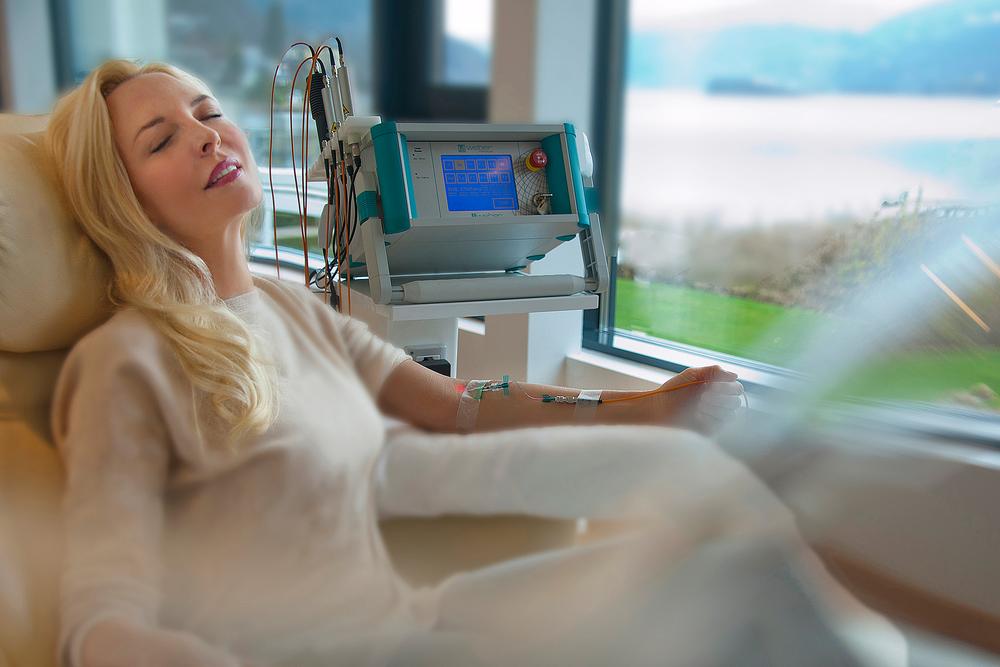
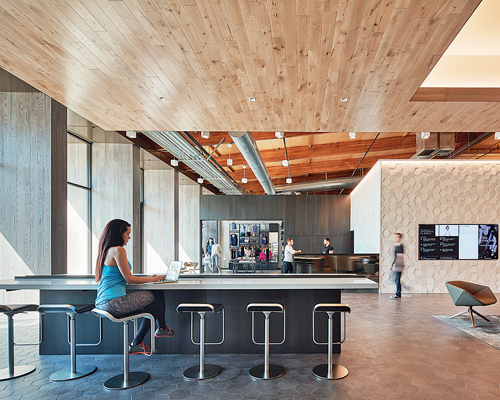
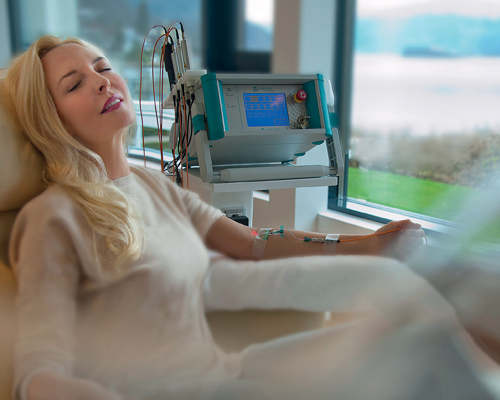
Wellness offerings, such as vitamin infusions, are making their way into spas
Within the last decade, there’s been a growing trend for spas worldwide to focus on wellness. Recession-hit marketing departments – keen to move away from the connotations of unnecessary luxury that ‘pampering’ conveys – were eager to sell the idea of wellness-based treatments, as consumer interest gained pace.
Generally perceived to mean an offering combining a range of treatments and services that will improve health and balance the mind, body and spirit, wellness is a term that’s not clearly defined, and the growth of all things ‘wellness’ in spas around the world has seen the offering interpreted in a variety of ways.
From the delivery of spa staples like massage, to the inclusion of complementary therapies such as acupuncture, to full-on medical checks and diagnostics – consumers may be confused at the range of wellness options available to them.
Additionally, spas may not fully understand the challenges of adding wellness services. Aside from the cost of staff and equipment, there’s also the matter of insurance and licences to consider – and that’s before considering the challenge of having the specialist knowledge in place to select and build the right team.
Is there a distinction to be made between traditional medical wellness and an integrative wellness approach? If so, where do we draw the line, and how can spas navigate this complex field? We ask the experts…
Read more from this issue of Attractions Management magazine
View contents of Attractions Management 2017 issue 1
Interview: Jeremy McCarthy
Mandarin Oriental’s group director
of spa and wellness discusses mental
wellness, spas and technology
Promotional feature: Beautyworld Middle East
Set to take place May 14-16, 2017 in Dubai, Beautyworld Middle East is billed as “three days to rediscover wellness and shake up the industry.”
Promotional feature: ESPA
ESPA has been a leader in the field of therapeutic skincare and luxury spa design and management for 25 years. Founder Susan Harmsworth explains how the company’s recent brand evolution will make ESPA even more relevant to the future of wellness
Promotional feature: Riceforce
Rice Force is set to make further inroads into the spa market in 2017 with the
launch of its new aromatic oils and treatment protocol
Promotional feature: Oakworks
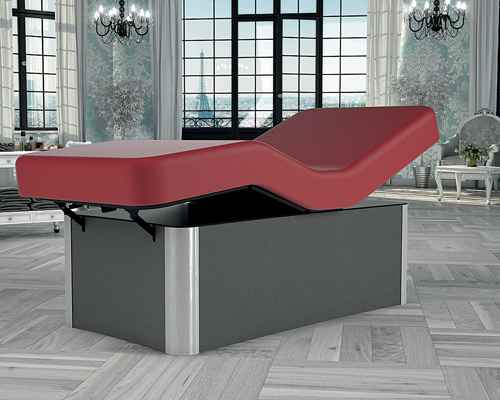
Oakworks’ new Masters’ Collection range, which will consist of over 15 models by the end of 2017, has been designed to offer spa operators the ultimate in modern styling, with solutions and functionality that address each spa’s practical needs
Wellness can mean many things to many people, depending on the type of facility, its geographical location and the wider culture. It’s difficult for the consumer to differentiate between the many meanings of a word that is not clearly defined.
Historically, ‘wellness’ is a very Germanic word, which in Germany, Switzerland and Austria, is much more about the medical aspect of treatment. Today’s consumers are educated, and their expectations are very high, so you can’t afford to play around with wellness.
Consumer confusion is dangerous for the industry, and if you’re going to deliver a product or a treatment, it has to be delivered with integrity. Personally, I prefer the word ‘wellbeing’: a combination of lifestyle and prevention delivered through traditional spa, health and beauty treatments, together with complementary therapies like acupuncture and ayurveda, and nutrition and fitness.
I think there’s a distinction to be made between the offering of traditional wellness destinations with doctors on staff, as opposed to the integrative wellbeing approach that’s growing within the spa industry. When working with complementary practitioners, it’s important to define what modalities are accepted and insurable within each country of operation. Every geographic area of the world is different, so before you start putting together programmes that require specific practitioners, you need to know whether those practitioners can be licenced and insured there. The higher up the medical ladder you go, the harder it is to obtain the right insurance.
Another challenge is in having the management in place with the knowledge and experience to select and understand the various complementary practitioners’ modalities. You’ll need a spa director or lead therapist who has the capability to select and build the right team for your destination, as well as having the skillset to manage the knowledge and personalities involved.
My advice to mainstream spas looking to deliver a wellness offering is to really think about who you are, what you’re trying to do, what your commercial equation is – and ultimately, if you can’t do wellness well, then don’t do it at all!
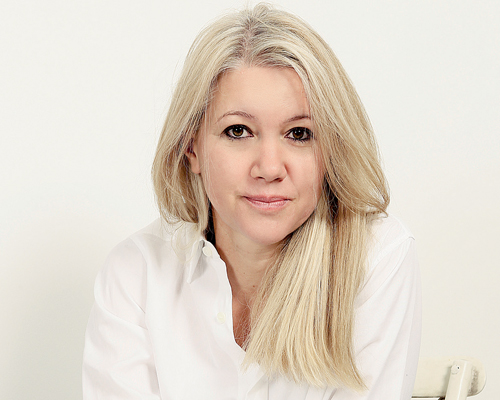
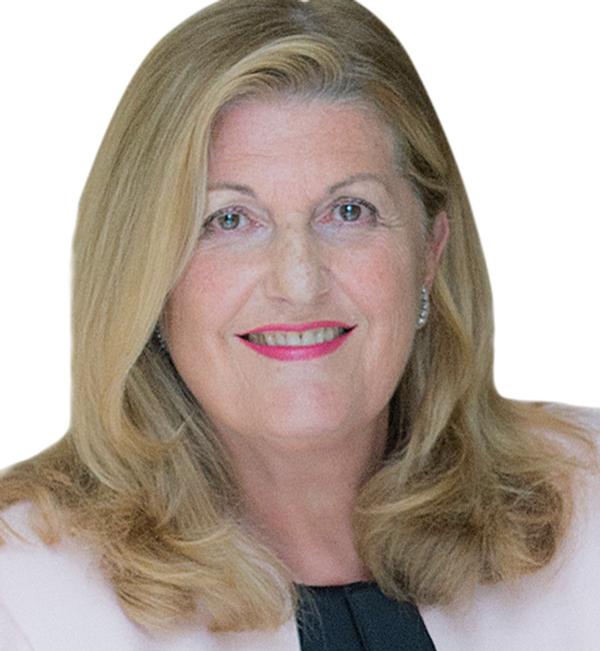
Susan Harmsworth is the founder of the ESPA brand, with a portfolio of some 600 spas across 60 countries.
Details: www.espaskincare.com
"If you can’t do wellness well, then don’t do it at all'
Alfredo Bataller Pineda CEOSHA Wellness Clinic
Alfredo Bataller Pineda
For us, the concept of wellness is when the body, mind, and spirit are in harmony. Health is not simply the absence of illness, but a person’s optimal state of physical, mental and spiritual wellbeing.
There is a growing interest in wellness in our industry, and while the impact of this on the individual is generally positive, it is a difficult journey for mainstream spas to take. It’s hard to find expert professionals, especially when there’s sometimes a disparity between Oriental and occidental medicine.
There can be problems in making East and West work together in harmony, with doctors and practitioners not used to accepting alternative therapies to what they have studied.
It can also be much more difficult for a spa to break even in wellness; from our experience, you have to be prepared to lose money in the first three years of operation. There aren’t enough specialist channels or agencies for this segment, so wellness destinations are competing for a small pool of top talent; as an example, at our clinic we have 93 suites, catered by a team of 300 experts from across 38 different nationalities, working to ensure guests achieve their health targets.
For us, wellbeing is individual – a holistic approach customised to the needs of each guest. We significantly improve people’s lives by addressing their complete, long-term health – an approach with which mainstream spas may struggle.
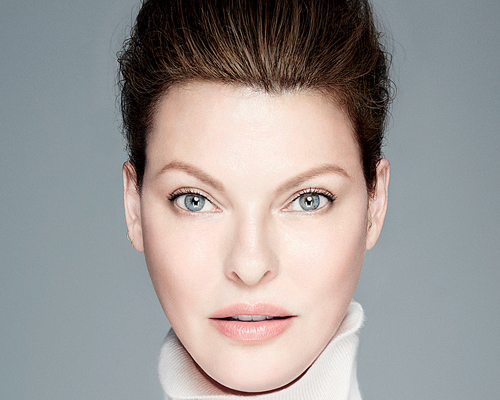
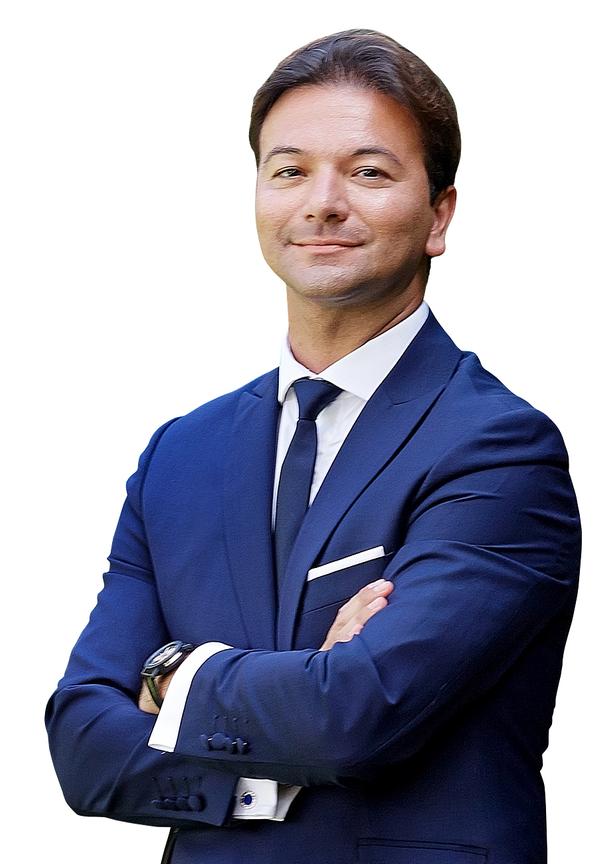
Alfredo Bataller Pineda joined the family company SHA in 2006, becoming CEO of SHA Wellness Clinic, a 5* medical wellness clinic in Alicante, Spain, in 2008.
Details: www.shawellnessclinic.com
"We significantly improve people’s lives by addressing their complete, long-term health "
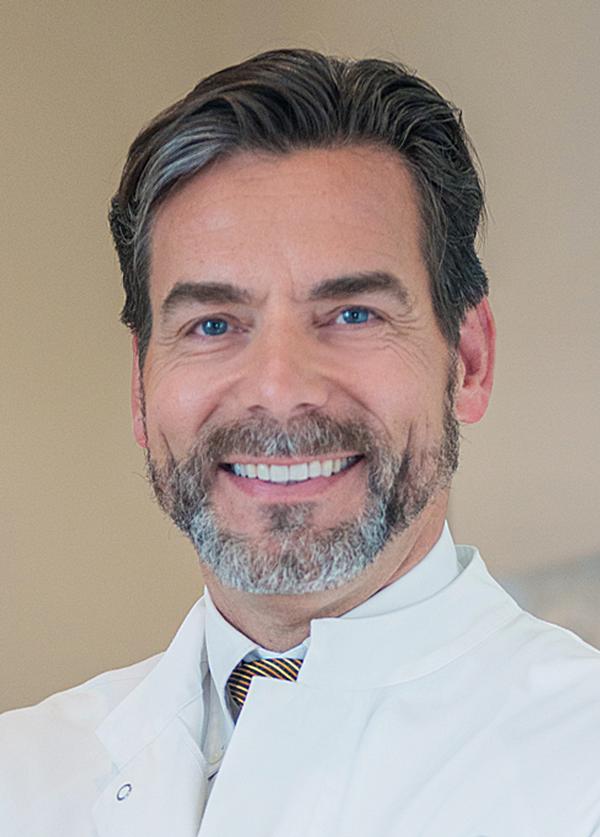
Dr Harry F. König Head of medical carBrenners Park Hotel & Spa
Dr Harry F. König
In the context of Brenners Medical Care, wellness reflects the idea that medical diagnostics and treatment can be performed in the ambience and quality of a 5-star grand hotel.
We believe that in order to be taken seriously in supplying such a medical wellness-orientated service, we need to perform to the highest level of quality. Dealing with lifestyle medicine, diagnostics and therapeutic medical procedures obviously requires specific skills and specialist knowledge, as well as meeting legal requirements and the understanding that medical treatments are not comparable to those offered in a spa surrounding.
Brenners has medical professionals who are self-employed, in their own premises, working closely together with a team of doctors as well as staff from the hotel and spa. This requires a much smaller investment and financial risk for the hotel and spa than trying to build up a medical wellness service of which the hotel management has no solid knowledge.
Nevertheless, understanding the needs of all involved – as well as the exchange of necessary information and skills – is crucial for its success. Before considering a wellness service, mainstream spas must fully understand what the concept entails. I don’t think that spas can deliver a combined approach if they don’t have the required medical skills on-site. Neither can they achieve it if they don’t have the specialist knowledge in place to select the right partner for the concept, or have the right location to be able to work together in structuring ideas and programmes.
I think there’s a difference between medical wellness and giving wellness a ‘medical touch.’ For spas to be able to do the latter credibly – and also to a high level of competence – they will need to partner with medical services like physiotherapists and osteopathic-orientated therapists, and to include things like nutrition counselling and lifestyle management education, as well as programmes like yoga and Pilates. This will lift their wellness facilities into medical wellness institutions.
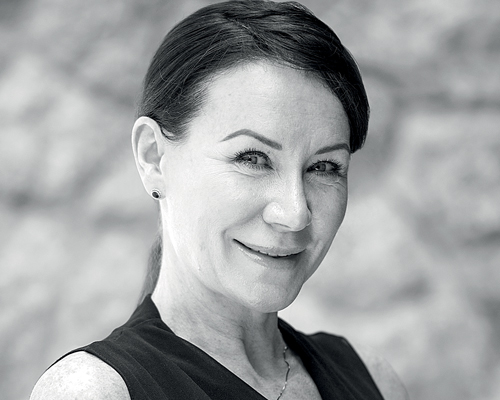
Dr Harry F. König is head of medical care at Brenners Park Hotel & Spa, a renowned spa and healthcare destination in Baden-Baden, Germany, with a focus on preventative healthcare.
Details: www.brenners.com
"There’s a difference between medical wellness and giving wellness a ‘medical touch’ "
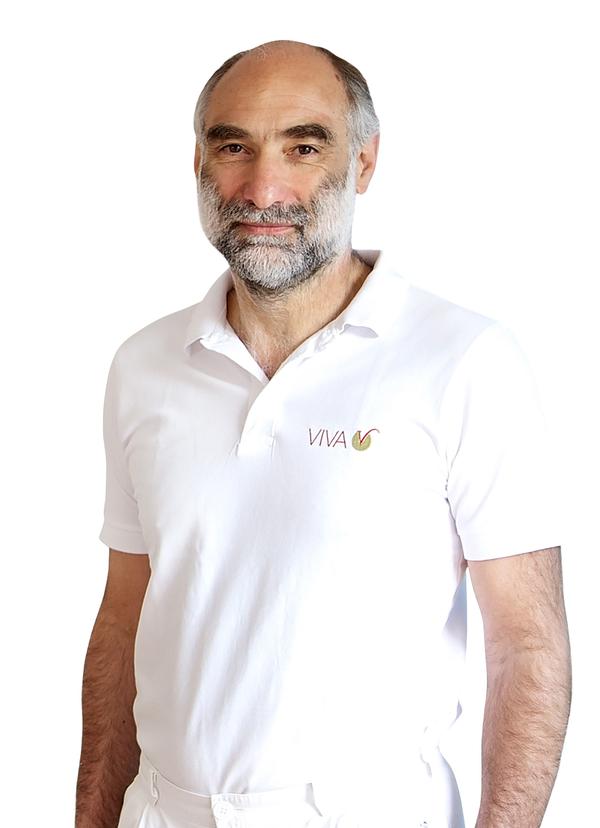
Dr Harald StossierMedical directorVivamayr Medical Clinic
Dr Harald Stossier
Wellness is a balance between the psychological, emotional, physical and social aspect of a person. Keeping all of these in balance paves the way to feeling and staying healthy. Facilities like ours strive to provide the surroundings to deliver this feeling of balance. We offer the traditional spa staples, but we are also able to diagnose and treat people’s health problems within our medical facilities.
We’re seeing a shift from a chemical stance within medicine, with its use of different drugs and orthomolecular substances, to the more physical side of treatments. In keeping with this, treatments and strategies like biofeedback and bio-resonance systems are increasingly available. I think it will take a few more years of research to establish such systems as standard in spas, as well as wellness institutions.
Wellness means much more than just the offering of a pampering treatment. Having the specialist knowledge and a thorough training in the philosophy of the approach is vitally important. In addition, the treatment environment and the wider facility have to be built around the philosophy of wellness.
Another challenge is the lack of enough qualified medical doctors prepared to head-up medical wellness facilities. Most doctors are trained in treating disease, but not necessarily in its prevention or with a holistic approach. The more we train doctors in preventative medicine, the more qualified medical wellness facilities we will see.
Dr Harald Stossier is medical director at the Vivamayr Medical Clinic in Austria, combining Mayr medicine with advanced diagnostics, holistic medical treatments, orthomolecular medicine and meticulous diet plans.
Details: www.vivamayr.com
"Most doctors are trained in treating disease, but not necessarily in its prevention"
COMPANY PROFILES
Sally Corporation
Our services include: Dark ride design & build; Redevelopment of existing attractions; High-quality [more...]
IDEATTACK
IDEATTACK is a full-service planning and
design company with headquarters in
Los Angeles. [more...]
RMA Ltd
RMA Ltd is a one-stop global company
that can design, build and produce from a
greenfield site upw [more...]
Holovis
Holovis is a privately owned company
established in 2004 by CEO Stuart
Hetherington. [more...]
An opportunity to reimagine one of the UK’s most recognisable towers has been formally
opened by Rivington Hark, as St Johns Beacon invites operators and partners to shape its
next phase. [more...]
The spa industry has seen a growing interest in wellness in recent years, but what does the concept actually mean, where do consumers go to get it – and do mainstream spas know what they’re getting into? Kate Parker asks the experts
By Kate Parker | Published in Spa Business 2017 issue 1
Wellness offerings, such as vitamin infusions, are making their way into spas
Within the last decade, there’s been a growing trend for spas worldwide to focus on wellness. Recession-hit marketing departments – keen to move away from the connotations of unnecessary luxury that ‘pampering’ conveys – were eager to sell the idea of wellness-based treatments, as consumer interest gained pace.
Generally perceived to mean an offering combining a range of treatments and services that will improve health and balance the mind, body and spirit, wellness is a term that’s not clearly defined, and the growth of all things ‘wellness’ in spas around the world has seen the offering interpreted in a variety of ways.
From the delivery of spa staples like massage, to the inclusion of complementary therapies such as acupuncture, to full-on medical checks and diagnostics – consumers may be confused at the range of wellness options available to them.
Additionally, spas may not fully understand the challenges of adding wellness services. Aside from the cost of staff and equipment, there’s also the matter of insurance and licences to consider – and that’s before considering the challenge of having the specialist knowledge in place to select and build the right team.
Is there a distinction to be made between traditional medical wellness and an integrative wellness approach? If so, where do we draw the line, and how can spas navigate this complex field? We ask the experts…
Read more from this issue of Attractions Management magazine
View contents of Attractions Management 2017 issue 1
Interview: Jeremy McCarthy
Mandarin Oriental’s group director
of spa and wellness discusses mental
wellness, spas and technology
Promotional feature: Beautyworld Middle East
Set to take place May 14-16, 2017 in Dubai, Beautyworld Middle East is billed as “three days to rediscover wellness and shake up the industry.”
Promotional feature: ESPA
ESPA has been a leader in the field of therapeutic skincare and luxury spa design and management for 25 years. Founder Susan Harmsworth explains how the company’s recent brand evolution will make ESPA even more relevant to the future of wellness
Promotional feature: Riceforce
Rice Force is set to make further inroads into the spa market in 2017 with the
launch of its new aromatic oils and treatment protocol
Promotional feature: Oakworks
Oakworks’ new Masters’ Collection range, which will consist of over 15 models by the end of 2017, has been designed to offer spa operators the ultimate in modern styling, with solutions and functionality that address each spa’s practical needs
Wellness can mean many things to many people, depending on the type of facility, its geographical location and the wider culture. It’s difficult for the consumer to differentiate between the many meanings of a word that is not clearly defined.
Historically, ‘wellness’ is a very Germanic word, which in Germany, Switzerland and Austria, is much more about the medical aspect of treatment. Today’s consumers are educated, and their expectations are very high, so you can’t afford to play around with wellness.
Consumer confusion is dangerous for the industry, and if you’re going to deliver a product or a treatment, it has to be delivered with integrity. Personally, I prefer the word ‘wellbeing’: a combination of lifestyle and prevention delivered through traditional spa, health and beauty treatments, together with complementary therapies like acupuncture and ayurveda, and nutrition and fitness.
I think there’s a distinction to be made between the offering of traditional wellness destinations with doctors on staff, as opposed to the integrative wellbeing approach that’s growing within the spa industry. When working with complementary practitioners, it’s important to define what modalities are accepted and insurable within each country of operation. Every geographic area of the world is different, so before you start putting together programmes that require specific practitioners, you need to know whether those practitioners can be licenced and insured there. The higher up the medical ladder you go, the harder it is to obtain the right insurance.
Another challenge is in having the management in place with the knowledge and experience to select and understand the various complementary practitioners’ modalities. You’ll need a spa director or lead therapist who has the capability to select and build the right team for your destination, as well as having the skillset to manage the knowledge and personalities involved.
My advice to mainstream spas looking to deliver a wellness offering is to really think about who you are, what you’re trying to do, what your commercial equation is – and ultimately, if you can’t do wellness well, then don’t do it at all!
Susan Harmsworth is the founder of the ESPA brand, with a portfolio of some 600 spas across 60 countries.
Details: www.espaskincare.com
"If you can’t do wellness well, then don’t do it at all'
Alfredo Bataller Pineda CEOSHA Wellness Clinic
Alfredo Bataller Pineda
For us, the concept of wellness is when the body, mind, and spirit are in harmony. Health is not simply the absence of illness, but a person’s optimal state of physical, mental and spiritual wellbeing.
There is a growing interest in wellness in our industry, and while the impact of this on the individual is generally positive, it is a difficult journey for mainstream spas to take. It’s hard to find expert professionals, especially when there’s sometimes a disparity between Oriental and occidental medicine.
There can be problems in making East and West work together in harmony, with doctors and practitioners not used to accepting alternative therapies to what they have studied.
It can also be much more difficult for a spa to break even in wellness; from our experience, you have to be prepared to lose money in the first three years of operation. There aren’t enough specialist channels or agencies for this segment, so wellness destinations are competing for a small pool of top talent; as an example, at our clinic we have 93 suites, catered by a team of 300 experts from across 38 different nationalities, working to ensure guests achieve their health targets.
For us, wellbeing is individual – a holistic approach customised to the needs of each guest. We significantly improve people’s lives by addressing their complete, long-term health – an approach with which mainstream spas may struggle.
Alfredo Bataller Pineda joined the family company SHA in 2006, becoming CEO of SHA Wellness Clinic, a 5* medical wellness clinic in Alicante, Spain, in 2008.
Details: www.shawellnessclinic.com
"We significantly improve people’s lives by addressing their complete, long-term health "
Dr Harry F. König Head of medical carBrenners Park Hotel & Spa
Dr Harry F. König
In the context of Brenners Medical Care, wellness reflects the idea that medical diagnostics and treatment can be performed in the ambience and quality of a 5-star grand hotel.
We believe that in order to be taken seriously in supplying such a medical wellness-orientated service, we need to perform to the highest level of quality. Dealing with lifestyle medicine, diagnostics and therapeutic medical procedures obviously requires specific skills and specialist knowledge, as well as meeting legal requirements and the understanding that medical treatments are not comparable to those offered in a spa surrounding.
Brenners has medical professionals who are self-employed, in their own premises, working closely together with a team of doctors as well as staff from the hotel and spa. This requires a much smaller investment and financial risk for the hotel and spa than trying to build up a medical wellness service of which the hotel management has no solid knowledge.
Nevertheless, understanding the needs of all involved – as well as the exchange of necessary information and skills – is crucial for its success. Before considering a wellness service, mainstream spas must fully understand what the concept entails. I don’t think that spas can deliver a combined approach if they don’t have the required medical skills on-site. Neither can they achieve it if they don’t have the specialist knowledge in place to select the right partner for the concept, or have the right location to be able to work together in structuring ideas and programmes.
I think there’s a difference between medical wellness and giving wellness a ‘medical touch.’ For spas to be able to do the latter credibly – and also to a high level of competence – they will need to partner with medical services like physiotherapists and osteopathic-orientated therapists, and to include things like nutrition counselling and lifestyle management education, as well as programmes like yoga and Pilates. This will lift their wellness facilities into medical wellness institutions.
Dr Harry F. König is head of medical care at Brenners Park Hotel & Spa, a renowned spa and healthcare destination in Baden-Baden, Germany, with a focus on preventative healthcare.
Details: www.brenners.com
"There’s a difference between medical wellness and giving wellness a ‘medical touch’ "
Dr Harald StossierMedical directorVivamayr Medical Clinic
Dr Harald Stossier
Wellness is a balance between the psychological, emotional, physical and social aspect of a person. Keeping all of these in balance paves the way to feeling and staying healthy. Facilities like ours strive to provide the surroundings to deliver this feeling of balance. We offer the traditional spa staples, but we are also able to diagnose and treat people’s health problems within our medical facilities.
We’re seeing a shift from a chemical stance within medicine, with its use of different drugs and orthomolecular substances, to the more physical side of treatments. In keeping with this, treatments and strategies like biofeedback and bio-resonance systems are increasingly available. I think it will take a few more years of research to establish such systems as standard in spas, as well as wellness institutions.
Wellness means much more than just the offering of a pampering treatment. Having the specialist knowledge and a thorough training in the philosophy of the approach is vitally important. In addition, the treatment environment and the wider facility have to be built around the philosophy of wellness.
Another challenge is the lack of enough qualified medical doctors prepared to head-up medical wellness facilities. Most doctors are trained in treating disease, but not necessarily in its prevention or with a holistic approach. The more we train doctors in preventative medicine, the more qualified medical wellness facilities we will see.
Dr Harald Stossier is medical director at the Vivamayr Medical Clinic in Austria, combining Mayr medicine with advanced diagnostics, holistic medical treatments, orthomolecular medicine and meticulous diet plans.
Details: www.vivamayr.com
"Most doctors are trained in treating disease, but not necessarily in its prevention"
The Toverland theme park in the Netherlands has announced a €98m expansion programme
that will add a resort, new attractions and staff facilities as it pursues plans to become a multi-
day destination.
Hotel de France, located on the British Isle of Jersey, has created a wellness retreat package
that includes a hot yoga session that will take place in Jersey Zoo’s butterfly sanctuary.
A new immersive attraction designed to transport visitors into the final hours of ancient Pompeii
is preparing to open near the world-famous archaeological site in southern Italy.
Experience design company, BRC Imagination Arts, has completed a transition that sees founder
Bob Rogers pass ownership of the business to four long-serving senior executives, while
remaining actively involved with the company.
Movie Park Germany has opened a new Paramount Pictures-themed attraction as part of its 30th
anniversary celebrations, using immersive storytelling and adaptive reuse to reinforce the park’s
longstanding “Hollywood in Germany” positioning.
Therme Manchester’s 28-acre development, which will include interconnected glass pavilions
that measure 65,000sq m, will be the largest bathing and wellbeing attraction in the world once
complete, according to prof David Russell, CEO of Therme UK.
Efteling has opened Hooghmoed, a new family drop tower designed to broaden the appeal of its
recently launched Sirene Island themed area and introduce younger visitors to thrill attractions.
A proposed Puy du Fou development near Bicester and Universal Destinations and Experiences’
planned resort in Bedford are emerging as part of a wider transformation of the Oxford–
Cambridge Growth Corridor into a major centre for UK leisure and tourism inv
Shedd Aquarium has opened the Immersion Theater developed in partnership with SimEx-
Iwerks, as part of a wider strategy to enhance the guest experience and create additional
revenue opportunities.
The UK government has announced a temporary reduction in VAT on visitor attractions and
children’s meals as part of a summer cost-of-living support package designed to stimulate the
visitor economy and encourage family days out.
+ More news
COMPANY PROFILES
Sally Corporation Our services include: Dark ride design & build; Redevelopment of existing attractions; High-quality [more...]
IDEATTACK IDEATTACK is a full-service planning and
design company with headquarters in
Los Angeles. [more...]
RMA Ltd RMA Ltd is a one-stop global company
that can design, build and produce from a
greenfield site upw [more...]
Holovis Holovis is a privately owned company
established in 2004 by CEO Stuart
Hetherington. [more...]
An opportunity to reimagine one of the UK’s most recognisable towers has been formally
opened by Rivington Hark, as St Johns Beacon invites operators and partners to shape its
next phase. [more...]