After receiving the first-ever Debra Simon Award for Leader in Furthering Mental Wellness, Mandarin Oriental’s group director of spa and wellness talks to Jane Kitchen about positive psychology, our need for quiet reflection – and what role spas can play
By Jane Kitchen | Published in Spa Business 2017 issue 1
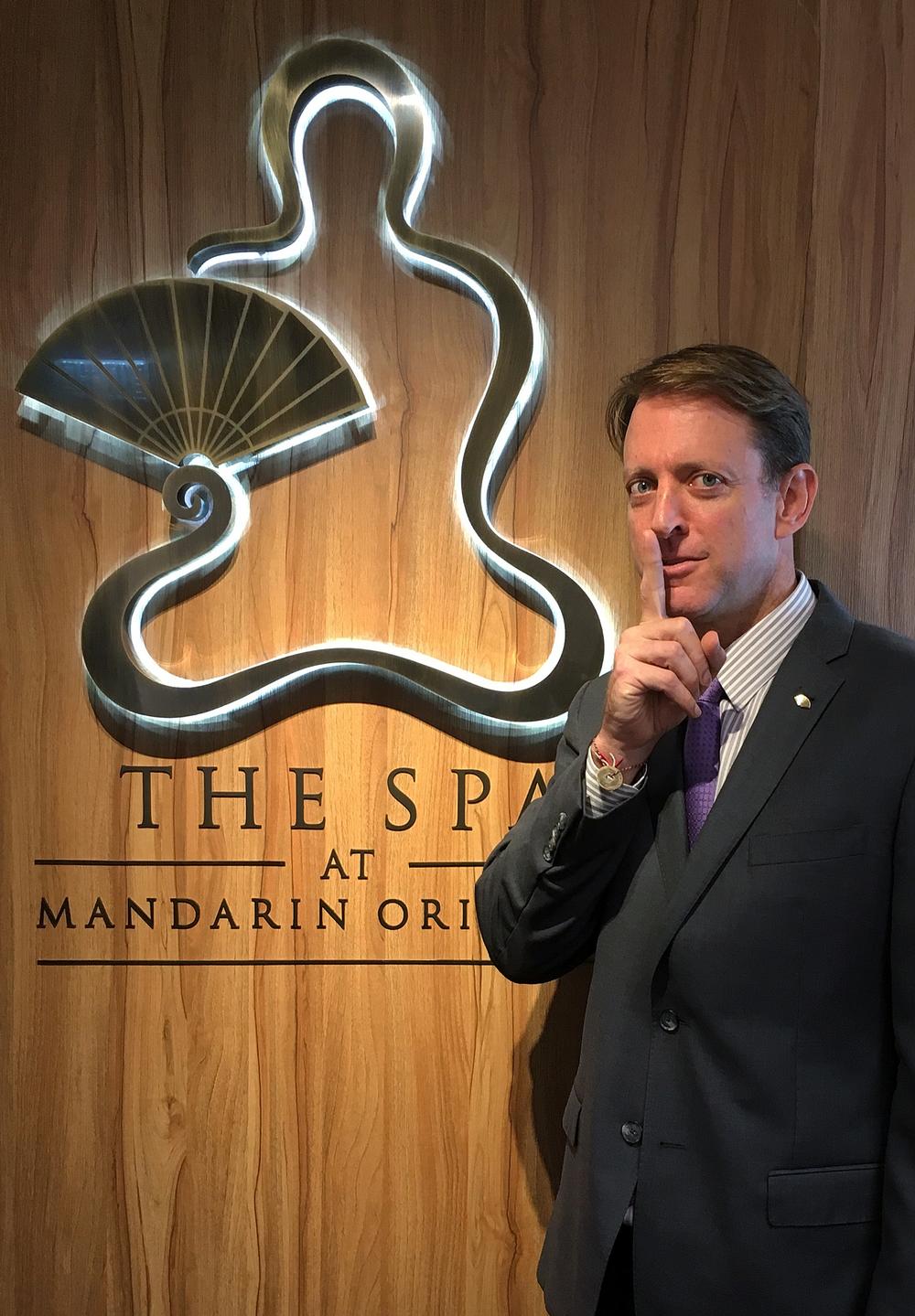
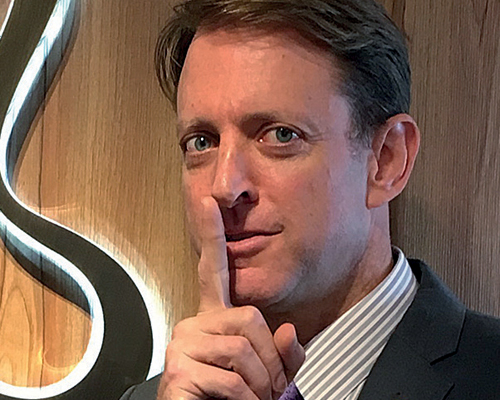
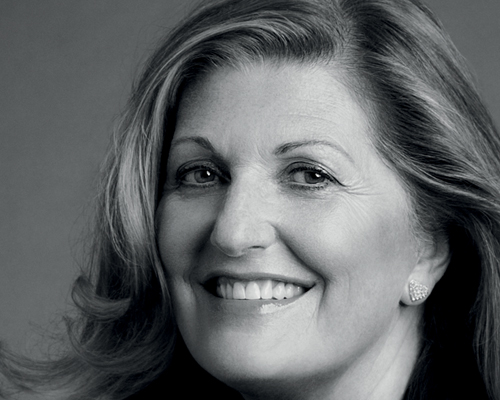
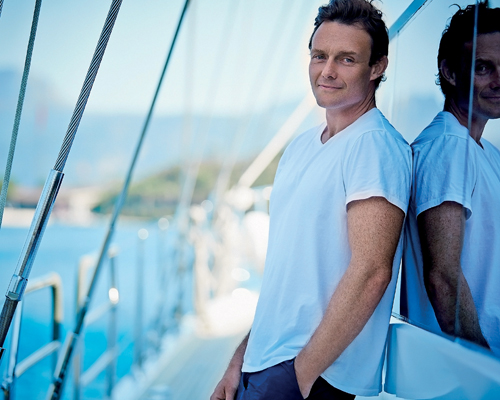
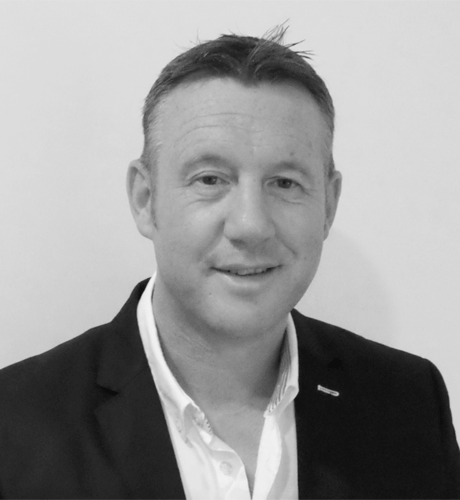
McCarthy is the brains behind Mandarin Oriental’s successful Silent Night programme
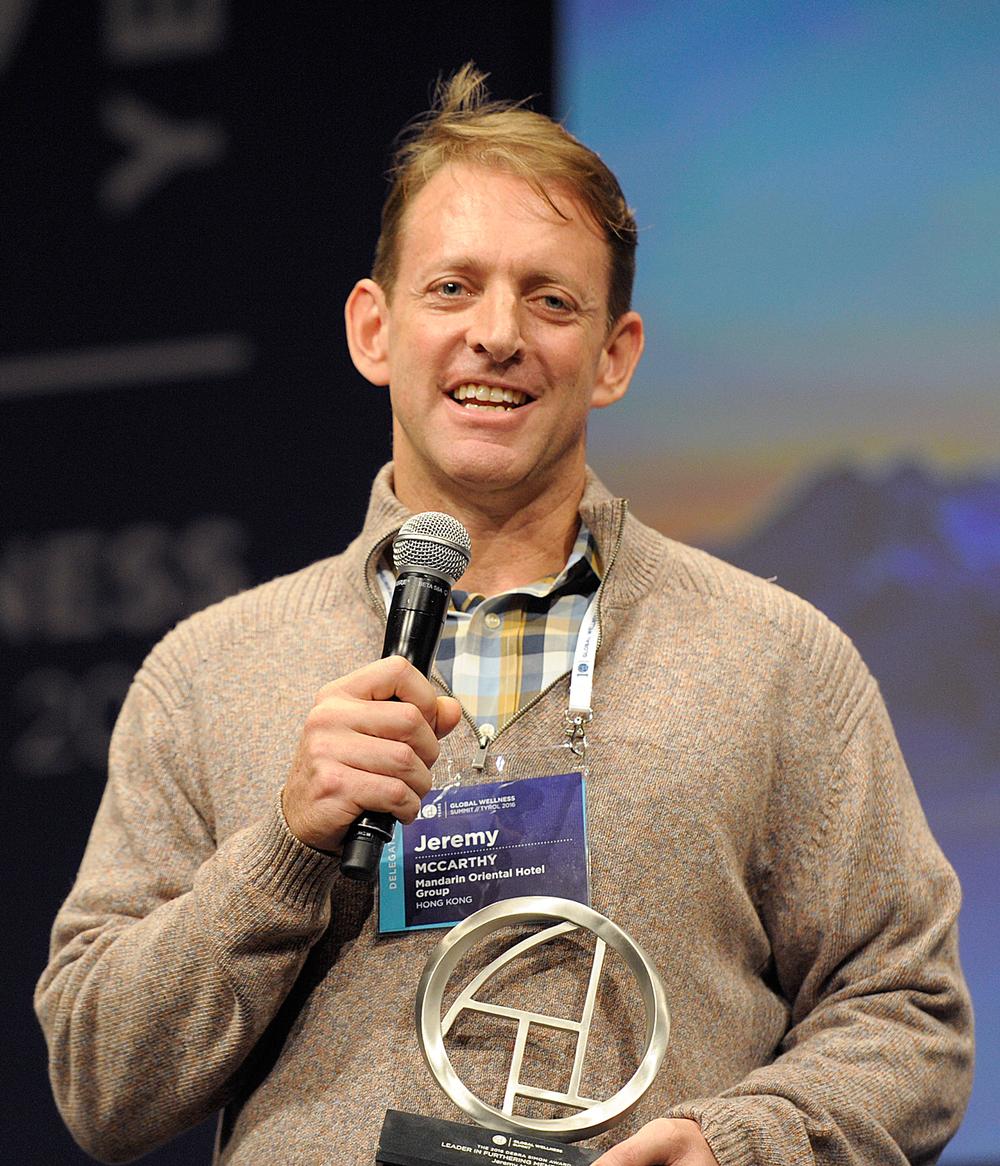
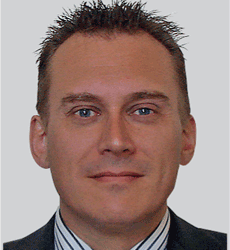
Jeremy McCarthy might just be the picture of wellness: he swims, he surfs, he runs, he does yoga – and for the past two and a half years, he’s headed up Mandarin Oriental’s spa division, overseeing the company’s 29 spas worldwide.
The blue-eyed California native got his start with Four Seasons more than 20 years ago as a student in Santa Barbara, when he took a job as a lifeguard. He soon became pool manager, then recreation manager, and when the hotel decided to put in a spa, he took that on too – which turned into a 14-year career opening Four Seasons spas around the world.
A stint at the iconic La Costa in California followed, then a move to Starwood – where McCarthy was corporate director of spa for eight years – before he joined Mandarin Oriental as group director of spa and wellness in 2014. During his time with Mandarin Oriental, he has launched some of the most innovative programming in the industry, tackling everything from our relationship with technology to our need for quiet reflection – and how spas can help us lead more psychologically fulfilling lives.
Now, the Global Wellness Institute has awarded him the first-ever Debra Simon Award for Leader in Furthering Mental Wellness. Here, he talks about technology, mental health, and the role that spas can play in the wider world of wellness.
When you first joined Mandarin Oriental, what appealed to you about the job? Starwood was an amazing company with a diverse portfolio of different brands. But when the opportunity to join Mandarin came along, it was a very different opportunity to work with a small collection of less than 30 hotels – but the nicest hotels in the world, with the best spas. So it was moving from a job that was about quantity and managing diverse operations, to a very exclusive group of the highest quality spas in the world.
What do you think really makes Mandarin Oriental stand out from other spas? We have a clear vision of what each of our spas should be, but at the same time, each is unique and true to the local environment. We also provide a lot of guidance and support. There’s a balance to be found between having a concept that’s very strong and very well-supported, but at the same time being very fluid and not being locked into a specific box.
Can you tell me a bit about your background in positive psychology? I originally studied psychology as an undergraduate, but it wasn’t covering what I was really interested in. In 2008, I learned about the field of positive psychology; it was really more about the elements of human performance: motivation, happiness, purpose and accomplishment. Almost immediately I went and applied to get my Master’s degree at the University of Pennsylvania.
Even before discovering positive psychology, I’d always thought about the spa experience as being a psychological one, and I was always thinking about the things we’re doing in our spas – about the impacts on people’s mindsets, or the ways that people are feeling and the thoughts that they’re having. It’s not just around how you provide someone with a great experience that feels physically good.
Most people don’t see psychology and spa as inherently going together, but I always have. If you think about how most spas market themselves, it’s all very focused on the physical aspects of the experience. But really, our business is about how we make people feel when they leave the spa – how they feel about themselves and how at ease they are in their mind – not just in their body. Spa is one of the only healing institutions in our society that people actually look forward to going to, enjoy while they’re there, and remember fondly afterwards.
Programmes like Mandarin Oriental’s Silent Night or Digital Detox really seem to focus on how we wrestle with the modern world. Where did the inspiration for these programmes come from, and how successful have they been? One of the greatest benefits of spa is just having a place to go to separate yourself from technology and spend some time in silence alone with your own mind. We decided that this kind of digital wellness concept was something the world really needs right now. To be clear, I don’t have anything against technology – in fact, the problem with technology is not that it’s bad, it’s that it’s too good. We love our technology, but we have to think about the sacrifices that we’re making in exchange for all the benefits that we’re getting. I think encouraging people to just reflect on the impact that technology may be having on their wellbeing, or how they can put some boundaries on their technology to help protect and maintain some of their non-digital humanity is something that we all need to think about right now.
Everybody that I come in contact with on some level is struggling with their relationship with technology: how to manage it in a healthy way, and how to balance the pace of modern life and the stress of hyperproductivity with the need to move your body, the need to rest your mind, and the need to connect with your closest relationships in real life.
For the first time in human history, there is no downtime built into our days. It’s never happened before; there have always been moments where you just couldn’t do anything – waiting in line or sitting on the bus – and you just had to sit and be with yourself. Today, we can fill every lull in our schedule with technology, and it’s great – we have these opportunities to learn and to be productive and to be entertained, but I think there’s also a growing awareness that we do need downtime, and that we do need to take breaks from processing too much information. I think that in the future, this could be a primary reason why people go to spas: to take a break from technology.
The Silent Night programme plays into that as well, where it’s not just a digital detox you’re offering, but a night of absolute silence. How has that been received? I don’t for a minute think that everyone’s going to line up to go to a spa just because it’s going to be more quiet than normal, but I think that the message we’re trying to send out is that we all need quiet time, and it’s increasingly a scarcity or a luxury in modern life. And spas are a place that you can go to experience some of this quiet time. In that sense, Silent Night has been hugely successful – it makes people think, and it makes people appreciate what spas bring to our society. Spas are one of the last safe havens where people can go to have this quiet time away from technology, and the reaction we get from our guests is very positive.
You recently received the first-ever Debra Simon Award for Leadership in Furthering Mental Wellness – what do you hope to do in the future to continue to honour the memory of Debra Simon? I’m part of the task force on mental wellness that is being organised under the umbrella of the Global Wellness Institute, to think about how we, in the wellness industry, can have the greatest impact in helping people live more psychologically fulfilling lives. I think there’s still a lot of work that needs to be done, and a lot of thought to go into the kind of societies and communities that we create, and how we live with one another in a way that helps everybody to flourish.
What are the future plans in spa at Mandarin Oriental? We’re focused on three things: first, helping our therapists to be the best that they can be by putting them front and centre of everything that we do; second, continuing to develop and evolve our Digital Wellness offerings; and third, expanding our wellness offerings, including developing innovative fitness concepts. We have new projects underway in Doha, Beijing, Bali and Dubai, and we’ve just announced an exciting new hotel development in Hawaii. Doha is our first property in the Middle East, and we hope to see more there in the future. I’d also like to see us continue to grow our resort portfolio. We’re open to opportunities, but we are also very selective – it’s always about finding the right location with the right partners that share our vision for quality, service and wellness.
What are you most proud of in your career? I’m proud of bringing these ideas of mental wellness to the spa industry, and elevating that discussion. I also teach courses through the UC Irvine programme, and I enjoy working with the teams in our spas and watching people grow and develop in the industry. I’m very proud of the influence that I’ve had by mentoring and working with different people at different points in their careers, and helping the spa professionals of the future take our industry to the next level. I’d like to be teaching more, and I’d like to be writing more – eventually I’d like to write another book. But my philosophy is that I don’t necessarily focus on specific long-term goals; I always focus on incremental improvement and getting better and doing more. That’s what’s gotten me where I am today, and that continues to be my approach to the future.
Read more from this issue of Attractions Management magazine
View contents of Attractions Management 2017 issue 1
Interview: Jeremy McCarthy
Mandarin Oriental’s group director
of spa and wellness discusses mental
wellness, spas and technology
Promotional feature: Beautyworld Middle East
Set to take place May 14-16, 2017 in Dubai, Beautyworld Middle East is billed as “three days to rediscover wellness and shake up the industry.”
Promotional feature: ESPA
ESPA has been a leader in the field of therapeutic skincare and luxury spa design and management for 25 years. Founder Susan Harmsworth explains how the company’s recent brand evolution will make ESPA even more relevant to the future of wellness
Promotional feature: Riceforce
Rice Force is set to make further inroads into the spa market in 2017 with the
launch of its new aromatic oils and treatment protocol
Promotional feature: Oakworks
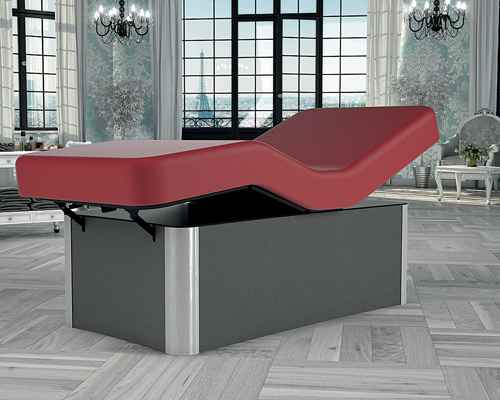
Oakworks’ new Masters’ Collection range, which will consist of over 15 models by the end of 2017, has been designed to offer spa operators the ultimate in modern styling, with solutions and functionality that address each spa’s practical needs
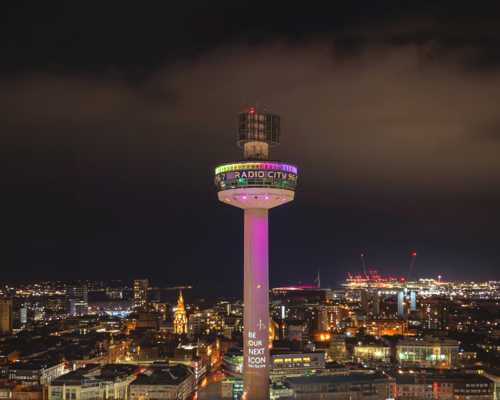
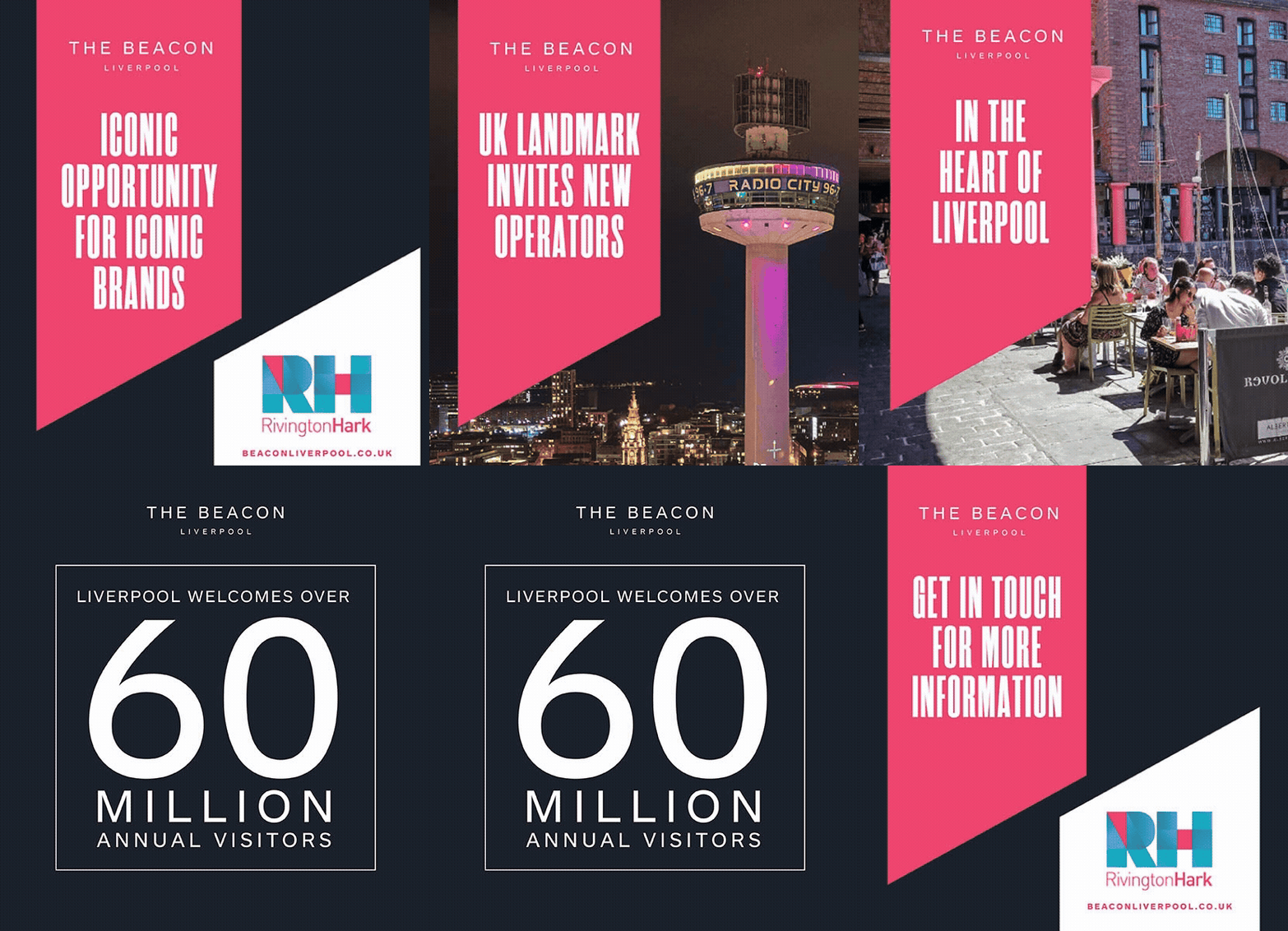
An opportunity to reimagine one of the UK’s most recognisable towers has been formally
opened by Rivington Hark, as St Johns Beacon invites operators and partners to shape its
next phase. [more...]
After receiving the first-ever Debra Simon Award for Leader in Furthering Mental Wellness, Mandarin Oriental’s group director of spa and wellness talks to Jane Kitchen about positive psychology, our need for quiet reflection – and what role spas can play
By Jane Kitchen | Published in Spa Business 2017 issue 1
McCarthy is the brains behind Mandarin Oriental’s successful Silent Night programme
Jeremy McCarthy might just be the picture of wellness: he swims, he surfs, he runs, he does yoga – and for the past two and a half years, he’s headed up Mandarin Oriental’s spa division, overseeing the company’s 29 spas worldwide.
The blue-eyed California native got his start with Four Seasons more than 20 years ago as a student in Santa Barbara, when he took a job as a lifeguard. He soon became pool manager, then recreation manager, and when the hotel decided to put in a spa, he took that on too – which turned into a 14-year career opening Four Seasons spas around the world.
A stint at the iconic La Costa in California followed, then a move to Starwood – where McCarthy was corporate director of spa for eight years – before he joined Mandarin Oriental as group director of spa and wellness in 2014. During his time with Mandarin Oriental, he has launched some of the most innovative programming in the industry, tackling everything from our relationship with technology to our need for quiet reflection – and how spas can help us lead more psychologically fulfilling lives.
Now, the Global Wellness Institute has awarded him the first-ever Debra Simon Award for Leader in Furthering Mental Wellness. Here, he talks about technology, mental health, and the role that spas can play in the wider world of wellness.
When you first joined Mandarin Oriental, what appealed to you about the job? Starwood was an amazing company with a diverse portfolio of different brands. But when the opportunity to join Mandarin came along, it was a very different opportunity to work with a small collection of less than 30 hotels – but the nicest hotels in the world, with the best spas. So it was moving from a job that was about quantity and managing diverse operations, to a very exclusive group of the highest quality spas in the world.
What do you think really makes Mandarin Oriental stand out from other spas? We have a clear vision of what each of our spas should be, but at the same time, each is unique and true to the local environment. We also provide a lot of guidance and support. There’s a balance to be found between having a concept that’s very strong and very well-supported, but at the same time being very fluid and not being locked into a specific box.
Can you tell me a bit about your background in positive psychology? I originally studied psychology as an undergraduate, but it wasn’t covering what I was really interested in. In 2008, I learned about the field of positive psychology; it was really more about the elements of human performance: motivation, happiness, purpose and accomplishment. Almost immediately I went and applied to get my Master’s degree at the University of Pennsylvania.
Even before discovering positive psychology, I’d always thought about the spa experience as being a psychological one, and I was always thinking about the things we’re doing in our spas – about the impacts on people’s mindsets, or the ways that people are feeling and the thoughts that they’re having. It’s not just around how you provide someone with a great experience that feels physically good.
Most people don’t see psychology and spa as inherently going together, but I always have. If you think about how most spas market themselves, it’s all very focused on the physical aspects of the experience. But really, our business is about how we make people feel when they leave the spa – how they feel about themselves and how at ease they are in their mind – not just in their body. Spa is one of the only healing institutions in our society that people actually look forward to going to, enjoy while they’re there, and remember fondly afterwards.
Programmes like Mandarin Oriental’s Silent Night or Digital Detox really seem to focus on how we wrestle with the modern world. Where did the inspiration for these programmes come from, and how successful have they been? One of the greatest benefits of spa is just having a place to go to separate yourself from technology and spend some time in silence alone with your own mind. We decided that this kind of digital wellness concept was something the world really needs right now. To be clear, I don’t have anything against technology – in fact, the problem with technology is not that it’s bad, it’s that it’s too good. We love our technology, but we have to think about the sacrifices that we’re making in exchange for all the benefits that we’re getting. I think encouraging people to just reflect on the impact that technology may be having on their wellbeing, or how they can put some boundaries on their technology to help protect and maintain some of their non-digital humanity is something that we all need to think about right now.
Everybody that I come in contact with on some level is struggling with their relationship with technology: how to manage it in a healthy way, and how to balance the pace of modern life and the stress of hyperproductivity with the need to move your body, the need to rest your mind, and the need to connect with your closest relationships in real life.
For the first time in human history, there is no downtime built into our days. It’s never happened before; there have always been moments where you just couldn’t do anything – waiting in line or sitting on the bus – and you just had to sit and be with yourself. Today, we can fill every lull in our schedule with technology, and it’s great – we have these opportunities to learn and to be productive and to be entertained, but I think there’s also a growing awareness that we do need downtime, and that we do need to take breaks from processing too much information. I think that in the future, this could be a primary reason why people go to spas: to take a break from technology.
The Silent Night programme plays into that as well, where it’s not just a digital detox you’re offering, but a night of absolute silence. How has that been received? I don’t for a minute think that everyone’s going to line up to go to a spa just because it’s going to be more quiet than normal, but I think that the message we’re trying to send out is that we all need quiet time, and it’s increasingly a scarcity or a luxury in modern life. And spas are a place that you can go to experience some of this quiet time. In that sense, Silent Night has been hugely successful – it makes people think, and it makes people appreciate what spas bring to our society. Spas are one of the last safe havens where people can go to have this quiet time away from technology, and the reaction we get from our guests is very positive.
You recently received the first-ever Debra Simon Award for Leadership in Furthering Mental Wellness – what do you hope to do in the future to continue to honour the memory of Debra Simon? I’m part of the task force on mental wellness that is being organised under the umbrella of the Global Wellness Institute, to think about how we, in the wellness industry, can have the greatest impact in helping people live more psychologically fulfilling lives. I think there’s still a lot of work that needs to be done, and a lot of thought to go into the kind of societies and communities that we create, and how we live with one another in a way that helps everybody to flourish.
What are the future plans in spa at Mandarin Oriental? We’re focused on three things: first, helping our therapists to be the best that they can be by putting them front and centre of everything that we do; second, continuing to develop and evolve our Digital Wellness offerings; and third, expanding our wellness offerings, including developing innovative fitness concepts. We have new projects underway in Doha, Beijing, Bali and Dubai, and we’ve just announced an exciting new hotel development in Hawaii. Doha is our first property in the Middle East, and we hope to see more there in the future. I’d also like to see us continue to grow our resort portfolio. We’re open to opportunities, but we are also very selective – it’s always about finding the right location with the right partners that share our vision for quality, service and wellness.
What are you most proud of in your career? I’m proud of bringing these ideas of mental wellness to the spa industry, and elevating that discussion. I also teach courses through the UC Irvine programme, and I enjoy working with the teams in our spas and watching people grow and develop in the industry. I’m very proud of the influence that I’ve had by mentoring and working with different people at different points in their careers, and helping the spa professionals of the future take our industry to the next level. I’d like to be teaching more, and I’d like to be writing more – eventually I’d like to write another book. But my philosophy is that I don’t necessarily focus on specific long-term goals; I always focus on incremental improvement and getting better and doing more. That’s what’s gotten me where I am today, and that continues to be my approach to the future.
Read more from this issue of Attractions Management magazine
View contents of Attractions Management 2017 issue 1
Interview: Jeremy McCarthy
Mandarin Oriental’s group director
of spa and wellness discusses mental
wellness, spas and technology
Promotional feature: Beautyworld Middle East
Set to take place May 14-16, 2017 in Dubai, Beautyworld Middle East is billed as “three days to rediscover wellness and shake up the industry.”
Promotional feature: ESPA
ESPA has been a leader in the field of therapeutic skincare and luxury spa design and management for 25 years. Founder Susan Harmsworth explains how the company’s recent brand evolution will make ESPA even more relevant to the future of wellness
Promotional feature: Riceforce
Rice Force is set to make further inroads into the spa market in 2017 with the
launch of its new aromatic oils and treatment protocol
Promotional feature: Oakworks
Oakworks’ new Masters’ Collection range, which will consist of over 15 models by the end of 2017, has been designed to offer spa operators the ultimate in modern styling, with solutions and functionality that address each spa’s practical needs
Hotel de France, located on the British Isle of Jersey, has created a wellness retreat package
that includes a hot yoga session that will take place in Jersey Zoo’s butterfly sanctuary.
A new immersive attraction designed to transport visitors into the final hours of ancient Pompeii
is preparing to open near the world-famous archaeological site in southern Italy.
Experience design company, BRC Imagination Arts, has completed a transition that sees founder
Bob Rogers pass ownership of the business to four long-serving senior executives, while
remaining actively involved with the company.
Movie Park Germany has opened a new Paramount Pictures-themed attraction as part of its 30th
anniversary celebrations, using immersive storytelling and adaptive reuse to reinforce the park’s
longstanding “Hollywood in Germany” positioning.
Therme Manchester’s 28-acre development, which will include interconnected glass pavilions
that measure 65,000sq m, will be the largest bathing and wellbeing attraction in the world once
complete, according to prof David Russell, CEO of Therme UK.
Efteling has opened Hooghmoed, a new family drop tower designed to broaden the appeal of its
recently launched Sirene Island themed area and introduce younger visitors to thrill attractions.
A proposed Puy du Fou development near Bicester and Universal Destinations and Experiences’
planned resort in Bedford are emerging as part of a wider transformation of the Oxford–
Cambridge Growth Corridor into a major centre for UK leisure and tourism inv
Shedd Aquarium has opened the Immersion Theater developed in partnership with SimEx-
Iwerks, as part of a wider strategy to enhance the guest experience and create additional
revenue opportunities.
The UK government has announced a temporary reduction in VAT on visitor attractions and
children’s meals as part of a summer cost-of-living support package designed to stimulate the
visitor economy and encourage family days out.
As designer Yinka Ilori prepares for his first solo gallery show in London, he speaks exclusively
to CLADmag about his mission to spread joy, the power of play, and his bold approach to using
colour (including the colours you won’t see in his work).
The government of Thailand is exploring plans for a THB300bn (£6.3bn, US$8.3bn)
entertainment complex in the country’s Eastern Economic Corridor (EEC), with officials
proposing a large-scale theme park and sports destination as part of a broader tourism and
economic development strategy.
+ More news
COMPANY PROFILES
Simworx Ltd The company was initially established
in 1997. Terry Monkton and Andrew
Roberts are the key stakeh [more...]
An opportunity to reimagine one of the UK’s most recognisable towers has been formally
opened by Rivington Hark, as St Johns Beacon invites operators and partners to shape its
next phase. [more...]