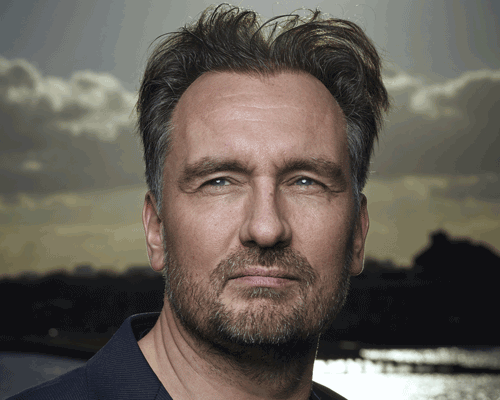
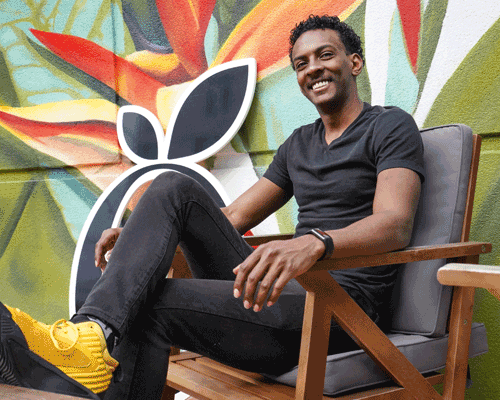
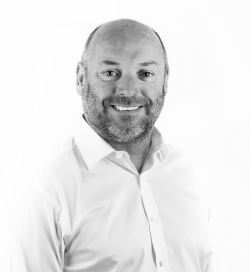
Kyle Morrand founded video game development studio 302 Interactive in 2014 / Photo: 302 Interactive
You started out as a game designer. How does the world of game design impact immersive attractions? Game design is all about giving people agency — creating spaces where they can make choices and do things they wouldn’t normally get to do in real life. It’s like opening a door to a whole new set of actions and experiences.
By bringing game design principles into attractions, we shift the experience from something you just watch into something you’re fully a part of. Instead of being a passive viewer in a themed show or exhibit, you get to interact with the space, make decisions, and feel like you’re really in the middle of the action. It’s like taking the excitement and immersion of games and dropping it into real-world environments. So, instead of just experiencing an attraction, visitors get to live it. It’s a whole new level of fun and engagement.
What attractions work do you do at 302 Interactive? At 302 Interactive, a lot of our work in attractions is about creating intuitive, interactive experiences by blending traditional game design with emerging technology. We’re always looking for ways to bridge that gap and give guests something that feels natural and fun to engage with. We’ve worked with various XR devices and combined them with physical displays and spaces to fully immerse people into an experience that makes them want to come back for more.
We’ve worked on confidential projects for some of the world’s largest theme parks and developed our own projects for independent venues such as virtual reality escape rooms.
One of the projects we’re really excited about is FanPort — a platform designed for immersive social experiences. It creates a whole new level of interaction for guests, and we’re already in talks with a few venues to activate their spaces with it. We’ve got some exciting partnerships in the works that’ll push what’s possible in attractions.
How is 4DX revolutionizing attractions? How might the use of 4DX in the attractions market evolve? 4DX changes the game by activating more of your senses while you’re watching a story unfold. Instead of just seeing and hearing the action, you can feel it—through things like motion, scents, and even changes in the environment around you. This makes the experience feel way more immersive overall.
We’ve already seen larger attractions like Disney and Universal play around with smells, motion, and other sensory effects to pull you deeper into the experience. The exciting part is that as 4DX tech evolves, we’ll likely see these kinds of experiences become more accessible for smaller attractions too. That means more venues will be able to offer these multi-sensory adventures, taking the idea of immersive attractions to a new level across the wider industry.
What other immersive technologies do you see revolutionising attractions? One area I’m really excited about is using technology to create more connected and personalised experiences in attractions. Instead of going bigger and flashier, I’d love to see experiences that carry over from one attraction to the next, where your past interactions actually influence the story you’re a part of. Imagine an attraction where the choices you made or the things you did earlier stick with you, and the story evolves based on your personal journey — kind of like how progression works in video games.
This would make themed entertainment feel a lot more dynamic and personal, blurring the line between real-world experiences and video game adventures. It opens up a whole new way of engaging with themed entertainment that feels more meaningful and less like a one-time event.
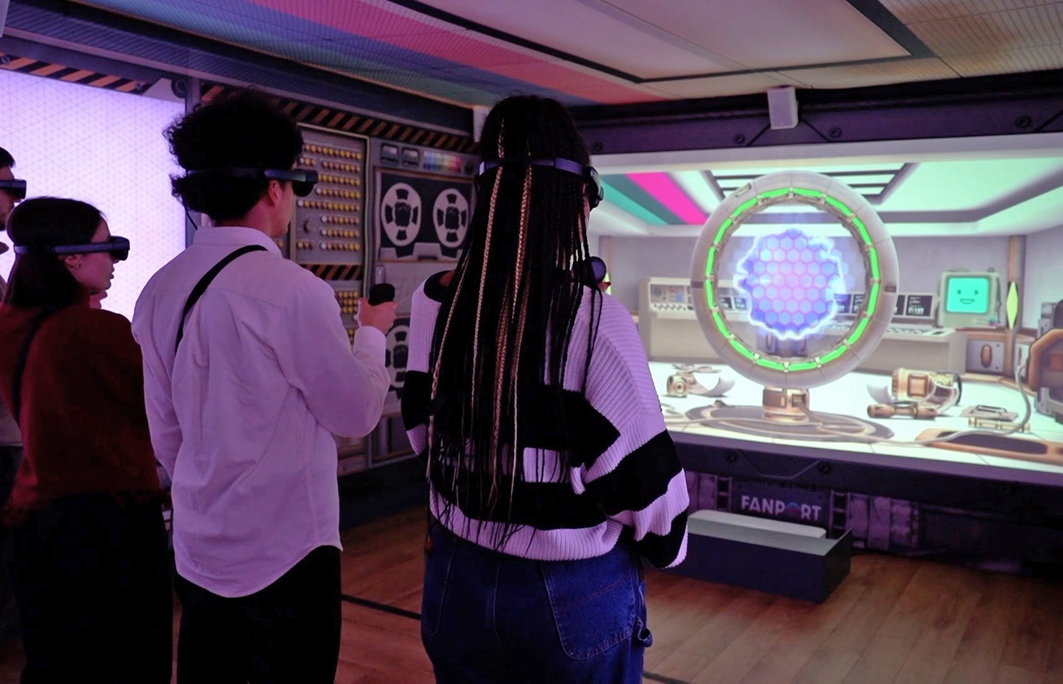
Can you tell us more about FanPort? FanPort is a social attraction that fuses the deep immersion of mixed reality with the accessibility and social connection of an open immersive space. FanPort is a customisable and scalable spatial platform for location-based entertainment venues to create experiences for audiences of between four and 16 people, allowing them to see the real world around them while interacting with incredible 3D scenes. The FanPort platform provides the portable and modular infrastructure for branded extended reality experiences within sports venues, museums, theme parks, and more.
Using mixed reality glasses, dynamic lighting, and spatial audio, FanPort allows attraction operators to take VR/AR technology and create immersive experiences that can exist anywhere. Museums, for example, can incorporate interactive installations that allow patrons to connect directly with the artwork, signage, and each other, while still seeing the world around them. Theme parks can reduce the strain of wait times by providing guests with AR games and trivia while standing in line. The possibilities are endless.
What excites you most about this project? For me, the most exciting part of FanPort is how it blends physical theatre with digital interactions. It’s not just about the tech – it’s about creating a seamless experience where the real world and the digital world interact in a way that feels natural. Bringing those two elements together allows people to immerse themselves in the story, while still feeling connected to the space they’re in.
What trends do you see in your sector? One big trend we’re following is how the ‘why’ behind playing games is evolving. It’s no longer just about playing for fun or killing time – people are gaming for all kinds of reasons now, like fitness, mental health, education, relaxation, and even storytelling. This shift is huge for the attractions industry because it opens up so many more opportunities to blend entertainment with everyday goals.
Now we can start thinking about how to bring playful, interactive experiences into places like the gym, the classroom, or even theatres in ways that feel natural and meaningful. It’s about making everyday life more playful and immersive, and that’s where I think the next wave of innovation is going to happen.
FANPORT
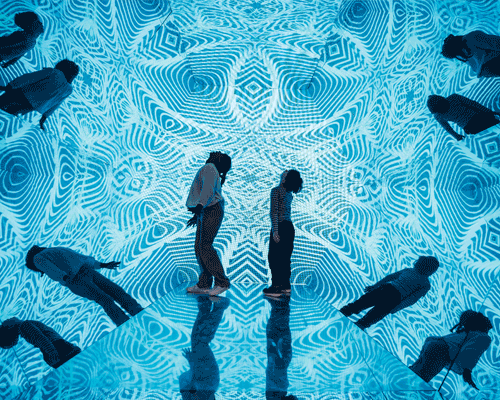
Launched by emerging technology development studios Draw & Code and 302 Interactive, FanPort combines a large LED screen or video-mapped display with AR glasses to allow holographic content to travel through portals into a shared physical experience space for four or more people.
FanPort was launched in June 2024 / Photo: Draw & Code
Read more from this issue of Attractions Management magazine
View contents of Attractions Management 2024 issue 4
People: Jess French
The children’s author sees her fantastical creations brought to life at Chester Zoo
Interview: Peter Slavenburg
As Drents Museum in the Netherlands launches a radically new collection presentation, we speak to the designer about doing things differently
Talking point: A helping hand
Attractions industry workers need support more than ever, but is enough being done? We speak to some experts putting wellness and mental health first
Planetarium: Looking up
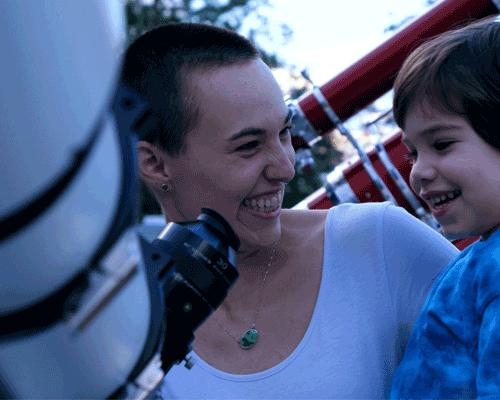
Bringing people together under the dark skies of Arizona, Lowell Observatory’s new Astronomy Discovery Center is truly unique
Waterpark: Desert Oasis: Qiddiya Aquarabia
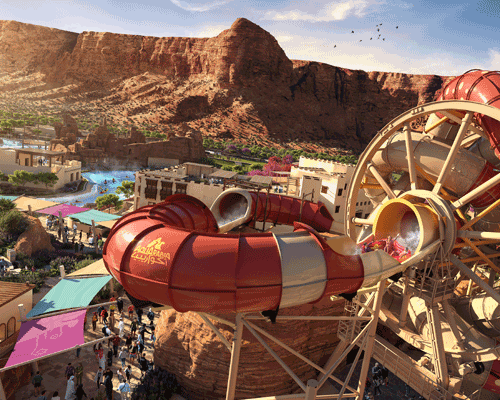
The largest waterpark in the Middle East is set to open in Saudi Arabia in 2026, and it’s going to be huge. We speak to the team behind this epic development
Museums: Nintendo Museum: Play on
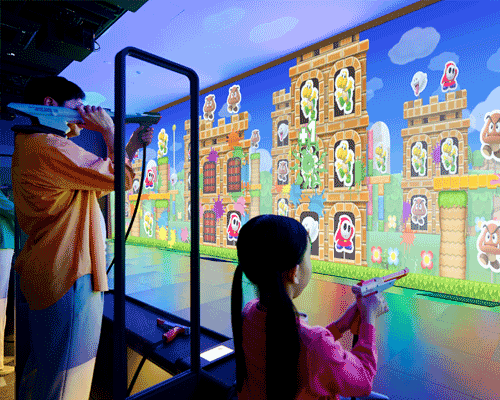
Giant controllers, consoles operated by visitors’ shadows and a game based on Japanese poems... The Nintendo Museum opens in Kyoto
Technology: Kyle Morrand: The power of play
The CEO of 302 Interactive is using AR, VR and other technologies to solve real world problems, and transform the attractions industry. He shares his game plan
Interview: Dominic Jones
From a game-changing partnership to getting creative with budget technologies, the CEO of the Mary Rose Trust is bringing his commercial nous to the museum world
Research: In the heart of it
City centre attractions are transforming to meet the needs of experience-hungry visitors, but where are they headed next?
Kyle Morrand founded video game development studio 302 Interactive in 2014 / Photo: 302 Interactive
You started out as a game designer. How does the world of game design impact immersive attractions? Game design is all about giving people agency — creating spaces where they can make choices and do things they wouldn’t normally get to do in real life. It’s like opening a door to a whole new set of actions and experiences.
By bringing game design principles into attractions, we shift the experience from something you just watch into something you’re fully a part of. Instead of being a passive viewer in a themed show or exhibit, you get to interact with the space, make decisions, and feel like you’re really in the middle of the action. It’s like taking the excitement and immersion of games and dropping it into real-world environments. So, instead of just experiencing an attraction, visitors get to live it. It’s a whole new level of fun and engagement.
What attractions work do you do at 302 Interactive? At 302 Interactive, a lot of our work in attractions is about creating intuitive, interactive experiences by blending traditional game design with emerging technology. We’re always looking for ways to bridge that gap and give guests something that feels natural and fun to engage with. We’ve worked with various XR devices and combined them with physical displays and spaces to fully immerse people into an experience that makes them want to come back for more.
We’ve worked on confidential projects for some of the world’s largest theme parks and developed our own projects for independent venues such as virtual reality escape rooms.
One of the projects we’re really excited about is FanPort — a platform designed for immersive social experiences. It creates a whole new level of interaction for guests, and we’re already in talks with a few venues to activate their spaces with it. We’ve got some exciting partnerships in the works that’ll push what’s possible in attractions.
How is 4DX revolutionizing attractions? How might the use of 4DX in the attractions market evolve? 4DX changes the game by activating more of your senses while you’re watching a story unfold. Instead of just seeing and hearing the action, you can feel it—through things like motion, scents, and even changes in the environment around you. This makes the experience feel way more immersive overall.
We’ve already seen larger attractions like Disney and Universal play around with smells, motion, and other sensory effects to pull you deeper into the experience. The exciting part is that as 4DX tech evolves, we’ll likely see these kinds of experiences become more accessible for smaller attractions too. That means more venues will be able to offer these multi-sensory adventures, taking the idea of immersive attractions to a new level across the wider industry.
What other immersive technologies do you see revolutionising attractions? One area I’m really excited about is using technology to create more connected and personalised experiences in attractions. Instead of going bigger and flashier, I’d love to see experiences that carry over from one attraction to the next, where your past interactions actually influence the story you’re a part of. Imagine an attraction where the choices you made or the things you did earlier stick with you, and the story evolves based on your personal journey — kind of like how progression works in video games.
This would make themed entertainment feel a lot more dynamic and personal, blurring the line between real-world experiences and video game adventures. It opens up a whole new way of engaging with themed entertainment that feels more meaningful and less like a one-time event.
Can you tell us more about FanPort? FanPort is a social attraction that fuses the deep immersion of mixed reality with the accessibility and social connection of an open immersive space. FanPort is a customisable and scalable spatial platform for location-based entertainment venues to create experiences for audiences of between four and 16 people, allowing them to see the real world around them while interacting with incredible 3D scenes. The FanPort platform provides the portable and modular infrastructure for branded extended reality experiences within sports venues, museums, theme parks, and more.
Using mixed reality glasses, dynamic lighting, and spatial audio, FanPort allows attraction operators to take VR/AR technology and create immersive experiences that can exist anywhere. Museums, for example, can incorporate interactive installations that allow patrons to connect directly with the artwork, signage, and each other, while still seeing the world around them. Theme parks can reduce the strain of wait times by providing guests with AR games and trivia while standing in line. The possibilities are endless.
What excites you most about this project? For me, the most exciting part of FanPort is how it blends physical theatre with digital interactions. It’s not just about the tech – it’s about creating a seamless experience where the real world and the digital world interact in a way that feels natural. Bringing those two elements together allows people to immerse themselves in the story, while still feeling connected to the space they’re in.
What trends do you see in your sector? One big trend we’re following is how the ‘why’ behind playing games is evolving. It’s no longer just about playing for fun or killing time – people are gaming for all kinds of reasons now, like fitness, mental health, education, relaxation, and even storytelling. This shift is huge for the attractions industry because it opens up so many more opportunities to blend entertainment with everyday goals.
Now we can start thinking about how to bring playful, interactive experiences into places like the gym, the classroom, or even theatres in ways that feel natural and meaningful. It’s about making everyday life more playful and immersive, and that’s where I think the next wave of innovation is going to happen.
FANPORT
Launched by emerging technology development studios Draw & Code and 302 Interactive, FanPort combines a large LED screen or video-mapped display with AR glasses to allow holographic content to travel through portals into a shared physical experience space for four or more people.
FanPort was launched in June 2024 / Photo: Draw & Code
Read more from this issue of Attractions Management magazine
View contents of Attractions Management 2024 issue 4
People: Jess French
The children’s author sees her fantastical creations brought to life at Chester Zoo
Interview: Peter Slavenburg
As Drents Museum in the Netherlands launches a radically new collection presentation, we speak to the designer about doing things differently
Talking point: A helping hand
Attractions industry workers need support more than ever, but is enough being done? We speak to some experts putting wellness and mental health first
Planetarium: Looking up
Bringing people together under the dark skies of Arizona, Lowell Observatory’s new Astronomy Discovery Center is truly unique
Waterpark: Desert Oasis: Qiddiya Aquarabia
The largest waterpark in the Middle East is set to open in Saudi Arabia in 2026, and it’s going to be huge. We speak to the team behind this epic development
Museums: Nintendo Museum: Play on
Giant controllers, consoles operated by visitors’ shadows and a game based on Japanese poems... The Nintendo Museum opens in Kyoto
Technology: Kyle Morrand: The power of play
The CEO of 302 Interactive is using AR, VR and other technologies to solve real world problems, and transform the attractions industry. He shares his game plan
Interview: Dominic Jones
From a game-changing partnership to getting creative with budget technologies, the CEO of the Mary Rose Trust is bringing his commercial nous to the museum world
Research: In the heart of it
City centre attractions are transforming to meet the needs of experience-hungry visitors, but where are they headed next?
Expo 2030 Riyadh is being planned as a permanent visitor destination, with organisers
confirming the six-million-square-metre site will become a Global Village after the event closes.
The owner of one of Australia's best-known waterparks has acquired a major competitor,
creating a new attractions business spanning two of the country's largest visitor destinations.
The Toverland theme park in the Netherlands has announced a €98m expansion programme
that will add a resort, new attractions and staff facilities as it pursues plans to become a multi-
day destination.
Hotel de France, located on the British Isle of Jersey, has created a wellness retreat package
that includes a hot yoga session that will take place in Jersey Zoo’s butterfly sanctuary.
A new immersive attraction designed to transport visitors into the final hours of ancient Pompeii
is preparing to open near the world-famous archaeological site in southern Italy.
Experience design company, BRC Imagination Arts, has completed a transition that sees founder
Bob Rogers pass ownership of the business to four long-serving senior executives, while
remaining actively involved with the company.
Movie Park Germany has opened a new Paramount Pictures-themed attraction as part of its 30th
anniversary celebrations, using immersive storytelling and adaptive reuse to reinforce the park’s
longstanding “Hollywood in Germany” positioning.
Therme Manchester’s 28-acre development, which will include interconnected glass pavilions
that measure 65,000sq m, will be the largest bathing and wellbeing attraction in the world once
complete, according to prof David Russell, CEO of Therme UK.
Efteling has opened Hooghmoed, a new family drop tower designed to broaden the appeal of its
recently launched Sirene Island themed area and introduce younger visitors to thrill attractions.
A proposed Puy du Fou development near Bicester and Universal Destinations and Experiences’
planned resort in Bedford are emerging as part of a wider transformation of the Oxford–
Cambridge Growth Corridor into a major centre for UK leisure and tourism inv
+ More news
COMPANY PROFILES
Holovis Holovis is a privately owned company
established in 2004 by CEO Stuart
Hetherington. [more...]
Clip 'n Climb Clip ‘n Climb currently offers facility owners and
investors more than 40 colourful and unique
Cha [more...]
instantprint We’re a Yorkshire-based online printer, founded
in 2009 by Adam Carnell and James Kinsella. [more...]
Taylor Made Designs Founded in 1993, Taylor Made
Designs supply corporate clothing
and brand-enhancing merchandise
to [more...]