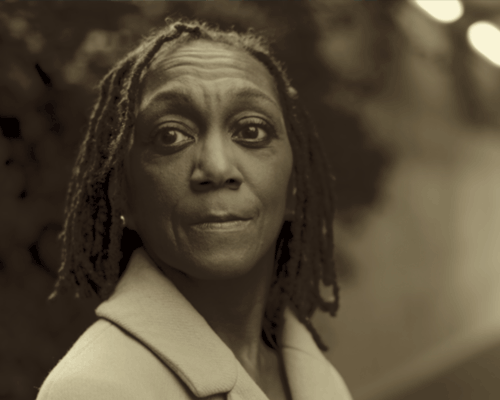
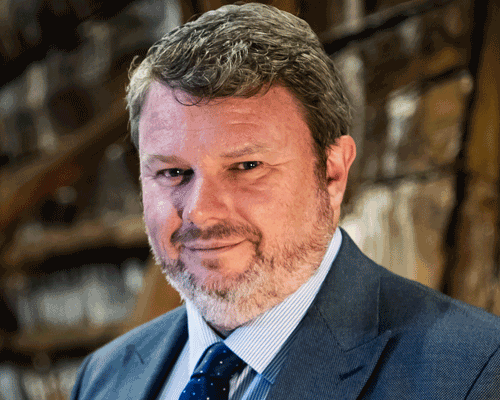
Here museum director Denize Ledeatte
speaks to Attractions Management
about the plans for the museum
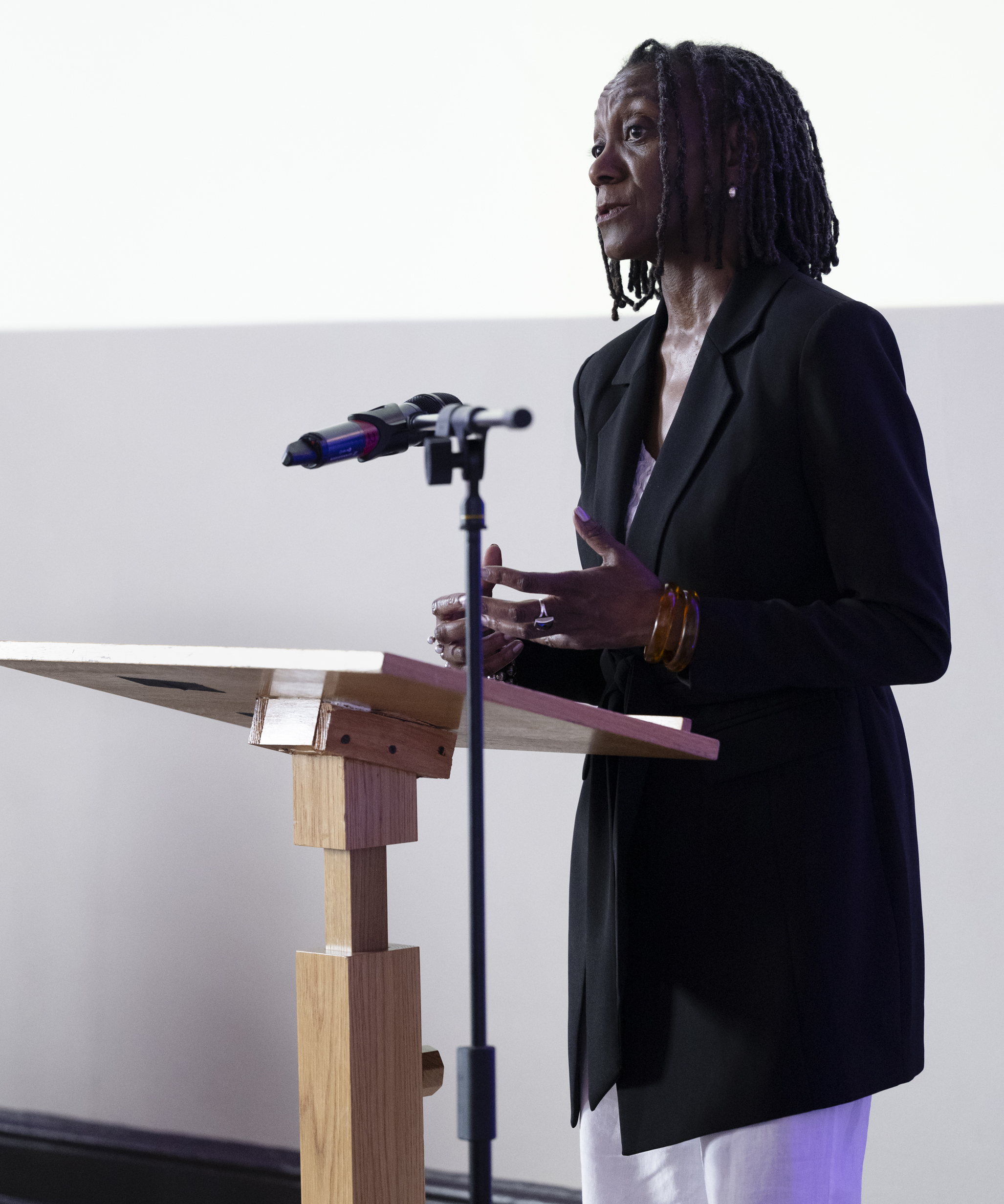
Photo: @National Maritime Museum, Greenwich, London
Why is it so important to have a museum dedicated to the Windrush experience?
In 2021, we undertook a feasibility study, and found that while there are more than 2,500 museums in the UK, there are none dedicated to Windrush, or which permanently document Windrush. That means that there are 2,500 ways for the nation to tell its story about who it is, and who it thinks it is. That does something for a nation and its identity. We had none of that – we just had this huge void.
Windrush history is British history, so the fact that it is absent from all of those narratives means that a really important part of the story is missing.
How is the National Windrush Museum organised?
The museum has four pillars: An international conference, a festival, awards and a memorial. The rationale behind these four pillars is that in 10 years we’ll have footage and coverage of 10 conferences and festivals, so we’re in effect creating our own archival material through the events that we’re delivering.
This summer we also ran a series of lectures as part of the International Windrush Conference at Royal Museums Greenwich, with entrepreneur Levi Roots and former Royal College of Nursing CEO Dame Donna Kinnair giving the inaugural lectures.
Events are central to what we do – they unlock stories and contributions, and then we can collate and preserve those stories. After the lectures, many people came up to us and said they wanted to tell their stories. Before that, they thought no-one would be interested in what they had to say.
Our headquarters are based at the Royal Maritime Museum in Greenwich, London. We’re currently working on our first major exhibition, which will take place within the National Maritime Museum. We’re also exploring how we can embed the Windrush narrative across the existing Royal Museums Greenwich sites – the Observatory, the Cutty Sark, the National Maritime Museum, Queen’s House and Prince Philip’s Collection Centre – to give a more representative view of British maritime history.
In the longer term, we plan to have our own permanent standalone museum.
How do you plan to tell the stories?
Collections will be a key element of the museum. We’re focusing on building the collection at the moment. Right now, there’s a lot of infrastructure building – engaging with people who have artefacts at home.
We’re also working on a National Windrush Museum road tour, which will take place next year across the UK.
Why was the signing of the Memorandum of Understanding with Royal Museums Greenwich important?
That partnership is really significant because it allows us to grow and be mentored by an established national museum. It also allows us access to their resources and curators, and helps us build the infrastructure behind the scenes.
Royal Museums Greenwich is a good partner for us, because Windrush history is all about water and boats. From Africa to the Caribbean, and from the Caribbean to the UK – it’s all maritime history.
Windrush history is just British history. It’s part of the story of Britain.
In the longer term, we plan
to have our own permanent
standalone museum