Creative thinkers are changing the face of city centre
attractions to meet the needs of tech-savvy, experience-hungry visitors. Mikkel Sonne and Lesley Morisetti explore the past, present and future for urban offers
Experiences like the Museum of Illusions are changing the face of city centre attractions / Photo: Museum of Illusions
Our journey with city centre attractions started when we both joined Madame Tussauds in London four decades ago, and throughout the years we have not only planned, developed and marketed these attractions, we’ve also visited a lot of them.
Over that time, visitors’ behaviour and expectations of city centre attractions have changed in many ways, and these changes have shaped today’s city centre attractions.
Audiences today are not passive viewers – they expect to be an integral part of the experience. They want to take control and tailor their visits to their own individual wants.
This need for agency covers all aspects of the experience: the booking procedure should be flexible, the design of the attraction should give a sense of exploration and discovery. This flexibility might come in the form of digital touchpoints where visitors choose between A and B, or immersive theatre where no two visits will be the same. Customisable merchandise or unique photo opportunities complete the experience.
Visitors’ attention spans have diminished dramatically in the last 15 years, and even the most serious of historical sites and museums are incorporating elements from theme parks in their offer – such as storytelling, humour and drama – to keep their audiences’ attention.
Today, some city centre attractions have become competition for bars and pubs, with the desire to do more than drink when meeting friends giving rise to a whole new genre of visitor experiences. These include competitive socialising venues such as Swingers indoor mini-golf, technology-led attractions like the Van Gogh Immersive exhibitions and illusion attractions like Twist in London, or the multi-site Museum of Illusions.
A new breed of entrepreneurs Many of these newer concepts have been driven by developers from outside of the established attraction industry. MOCO’s three museums of modern art were started by art dealers, others have been developed by entrepreneurs who started in other sectors, such as Layered Reality’s Andrew McGuinness, who spent most of his career working in marketing communications before launching Jeff Wayne’s The War of the Worlds: The Immersive Experience and The Gunpowder Plot in London.
These new entrants are highly aware of the growing power of social media and tend to start out as small, non-hierarchical organisations, able to move fast, gather feedback, and make rapid decisions, continuously adjusting and improving their offer to meet consumer demand.
So where does this rapid expansion in the number of city centre attractions leave the established attractions, the ‘must sees’ of each city? We looked at examples from our home cities of London and Copenhagen.
As the table on the left shows, both the Rundetaarn in Copenhagen and the Tower of London in London have grown attendance substantially over time (and both are showing strong recovery post-COVID-19). The reason for that growth is the correlation between how many tourists visit a city and how well their ‘must see’ attractions do. When London does well, the Tower of London does too and similarly for Copenhagen and the Rundetaarn.
So no, we don’t think that ‘must see attractions’ have had their day, although the market is tougher than it used to be, and their enduring success also relies on their ability to keep their offer relevant to new audiences.
The role of location In the past, when tourists tended to stick to the centre of a city armed with physical guidebooks, the mantra for attraction development was ‘location, location, location’. Has the availability of real time city mapping on our phones has changed that?
Well, tourists are definitely more adventurous. We were two of the thousands who made their way out to the east of Paris to visit the immersive Van Gogh: Starry Night exhibition at Atelier des Lumiere in 2019, a location which a few years previously we’d have been wary of finding. The old drivers of depth of appeal and uniqueness of concept remain as important as ever, but the importance of location has perhaps dimmed a bit for all but those impulse attractions which need to be highly visible in order to convert passing tourists.
A different kind of growth Growth isn’t just about visitor numbers. We’ve seen some attractions intentionally aiming for fewer visitors by experimenting with their prices in order to achieve a higher profit margin per guest. Fewer visitors can mean less maintenance and higher guest satisfaction – combined with higher visitor spends, this has delivered a successful business model for many attractions.
This trend of focusing on value over volume accelerated during the COVID-19 pandemic, when attractions had to restrict visitor numbers and experienced improvements in visitor satisfaction as a result. Since then, an increasing number have shifted from static pricing to variable pricing in order to optimise income from admissions.
The growth of online retail and decline of in-store shopping has been another factor in the rapid growth in new visitor attractions over the past few years, with more centrally located retail units available at somewhat more affordable rents. We’ve seen retail developers and city planners become more receptive to adding visitor experiences to the mix, at least in some cities.
Key challenges The biggest challenges facing city centre attractions right now include availability of staff. The post pandemic desire for more flexible working conditions is challenging for an industry that relies on on-site staff to deliver guest experiences.
Some city centre attractions are also facing a new security challenge, with political protesters looking for high profile locations to get their messages across. The impact can be to further add to operating costs due to the need for increased security.
Cost of living challenges are affecting the industry, making it hard for operators to offset increasing operating costs through price increases, with visitors having to pay more for travel, catering and accommodation.
For city centre attractions reliant on international tourism, the impact of travel cost inflation is expected to be exacerbated over time by increased awareness of the social and environmental costs of tourism and a growth in ‘flight shame’ hitting short break visits in particular.
Add to these factors the growing number of alternative visitor experiences available in city centres, and the challenges for the attractions industry seem rather daunting.
The future We believe that visitor experiences will continue to grow in importance as a key driver of destinations, and an increasingly vital part of the mix, alongside retail and gastronomy.
But some consolidation of the industry is expected. Truly authentic attractions should do better than generic chains of attractions and museums, which could have a difficult time going forward. The demand for authentic, location-relevant attractions like Berlin’s Spy Museum and the ABBA museum in Stockholm – those you could only find in the host city – is expected to be strong, as long as they remain relevant and up-to date.
The appeal of competitive socialising is expected to remain high, as young adults in particular continue to seek active leisure. And whilst the popularity of individual IP-led visitor experiences may shift over time, the concept of developing visitor experiences based on IPs is expected to continue. Similarly, the desire of brands to drive a deeper engagement with audiences in order to build advocacy, is expected to result in further development of brand homes, building on the success of existing brand homes such as Guinness Storehouse in Dublin, Heineken Experience in Amsterdam and Le Galerie Dior in Paris.
We’re also likely to see more attractions based around food and drink evolve in the future, either as brand homes or as experiences where local food plays a main role.
Other directions of growth are expected to be influenced by aspects such as the desire for green spaces and outdoor communal venues, with the potential for greater audience participation in the upkeep and the ability to add educational stories to physical activity. Personal technology such as mobile phones is expected to shift further from being a distraction during visits to being an integral part of the experience (pre- and post-visit as well as during the visit).
A bright future So, in conclusion, we remain positive about the future of the city centre attraction sector and its ability to rise to the challenges that we are seeing today.
Attractions must focus on staying relevant and maintaining appeal over time, ensuring that the visitor offer is authentic to the city, differentiated from the competition, and on clearly communicating their USPs.
"These new entrants are highly aware of the growing power of social media and tend to start out as small, non-hierarchical organisations, able to move fast, gather feedback, and make rapid decisions, continuously adjusting and improving their offer to meet consumer demand."
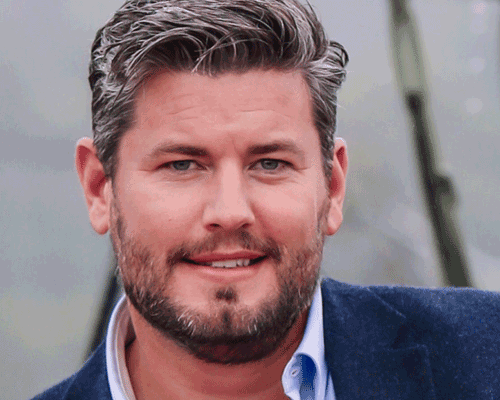
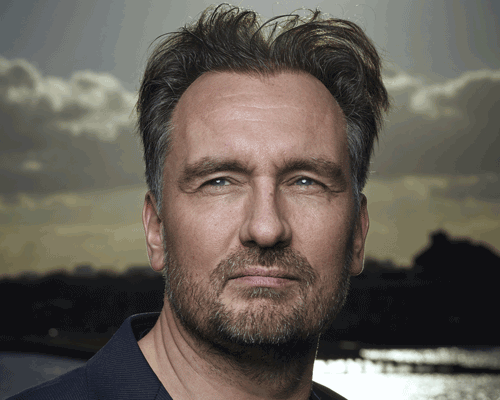
Lesley Morisetti and Mikkel Sonne / Photos by Andrea Horth and Lisbeth Holten
Read more from this issue of Attractions Management magazine
View contents of Attractions Management 2024 issue 4
People: Jess French
The children’s author sees her fantastical creations brought to life at Chester Zoo
Interview: Peter Slavenburg
As Drents Museum in the Netherlands launches a radically new collection presentation, we speak to the designer about doing things differently
Talking point: A helping hand
Attractions industry workers need support more than ever, but is enough being done? We speak to some experts putting wellness and mental health first
Planetarium: Looking up
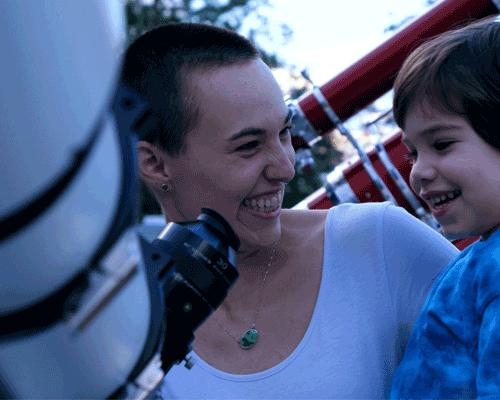
Bringing people together under the dark skies of Arizona, Lowell Observatory’s new Astronomy Discovery Center is truly unique
Waterpark: Desert Oasis: Qiddiya Aquarabia
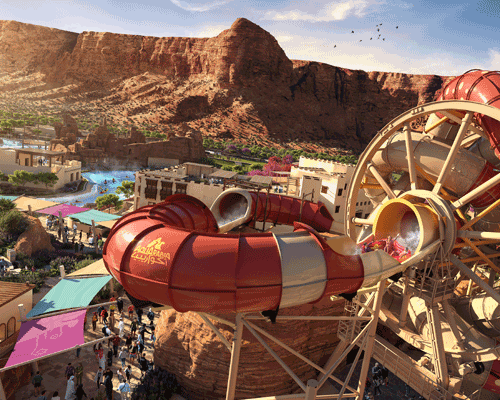
The largest waterpark in the Middle East is set to open in Saudi Arabia in 2026, and it’s going to be huge. We speak to the team behind this epic development
Museums: Nintendo Museum: Play on
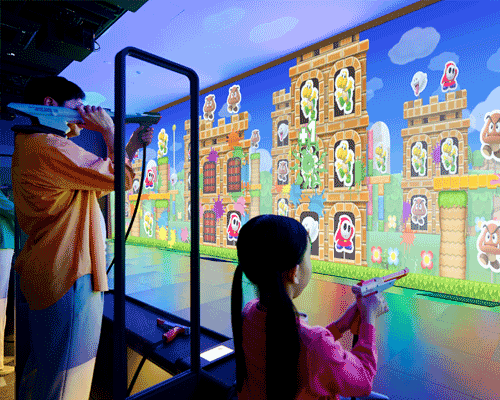
Giant controllers, consoles operated by visitors’ shadows and a game based on Japanese poems... The Nintendo Museum opens in Kyoto
Technology: Kyle Morrand: The power of play
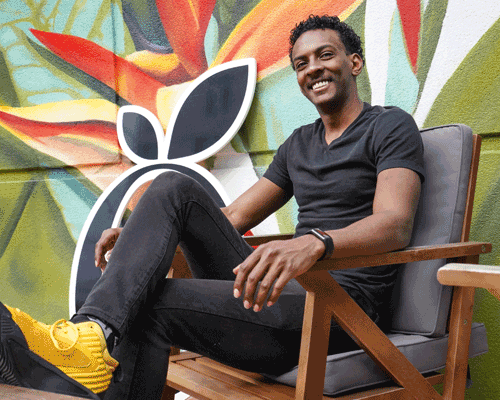
The CEO of 302 Interactive is using AR, VR and other technologies to solve real world problems, and transform the attractions industry. He shares his game plan
Interview: Dominic Jones
From a game-changing partnership to getting creative with budget technologies, the CEO of the Mary Rose Trust is bringing his commercial nous to the museum world
Research: In the heart of it
City centre attractions are transforming to meet the needs of experience-hungry visitors, but where are they headed next?
Creative thinkers are changing the face of city centre
attractions to meet the needs of tech-savvy, experience-hungry visitors. Mikkel Sonne and Lesley Morisetti explore the past, present and future for urban offers
Experiences like the Museum of Illusions are changing the face of city centre attractions / Photo: Museum of Illusions
Our journey with city centre attractions started when we both joined Madame Tussauds in London four decades ago, and throughout the years we have not only planned, developed and marketed these attractions, we’ve also visited a lot of them.
Over that time, visitors’ behaviour and expectations of city centre attractions have changed in many ways, and these changes have shaped today’s city centre attractions.
Audiences today are not passive viewers – they expect to be an integral part of the experience. They want to take control and tailor their visits to their own individual wants.
This need for agency covers all aspects of the experience: the booking procedure should be flexible, the design of the attraction should give a sense of exploration and discovery. This flexibility might come in the form of digital touchpoints where visitors choose between A and B, or immersive theatre where no two visits will be the same. Customisable merchandise or unique photo opportunities complete the experience.
Visitors’ attention spans have diminished dramatically in the last 15 years, and even the most serious of historical sites and museums are incorporating elements from theme parks in their offer – such as storytelling, humour and drama – to keep their audiences’ attention.
Today, some city centre attractions have become competition for bars and pubs, with the desire to do more than drink when meeting friends giving rise to a whole new genre of visitor experiences. These include competitive socialising venues such as Swingers indoor mini-golf, technology-led attractions like the Van Gogh Immersive exhibitions and illusion attractions like Twist in London, or the multi-site Museum of Illusions.
A new breed of entrepreneurs Many of these newer concepts have been driven by developers from outside of the established attraction industry. MOCO’s three museums of modern art were started by art dealers, others have been developed by entrepreneurs who started in other sectors, such as Layered Reality’s Andrew McGuinness, who spent most of his career working in marketing communications before launching Jeff Wayne’s The War of the Worlds: The Immersive Experience and The Gunpowder Plot in London.
These new entrants are highly aware of the growing power of social media and tend to start out as small, non-hierarchical organisations, able to move fast, gather feedback, and make rapid decisions, continuously adjusting and improving their offer to meet consumer demand.
So where does this rapid expansion in the number of city centre attractions leave the established attractions, the ‘must sees’ of each city? We looked at examples from our home cities of London and Copenhagen.
As the table on the left shows, both the Rundetaarn in Copenhagen and the Tower of London in London have grown attendance substantially over time (and both are showing strong recovery post-COVID-19). The reason for that growth is the correlation between how many tourists visit a city and how well their ‘must see’ attractions do. When London does well, the Tower of London does too and similarly for Copenhagen and the Rundetaarn.
So no, we don’t think that ‘must see attractions’ have had their day, although the market is tougher than it used to be, and their enduring success also relies on their ability to keep their offer relevant to new audiences.
The role of location In the past, when tourists tended to stick to the centre of a city armed with physical guidebooks, the mantra for attraction development was ‘location, location, location’. Has the availability of real time city mapping on our phones has changed that?
Well, tourists are definitely more adventurous. We were two of the thousands who made their way out to the east of Paris to visit the immersive Van Gogh: Starry Night exhibition at Atelier des Lumiere in 2019, a location which a few years previously we’d have been wary of finding. The old drivers of depth of appeal and uniqueness of concept remain as important as ever, but the importance of location has perhaps dimmed a bit for all but those impulse attractions which need to be highly visible in order to convert passing tourists.
A different kind of growth Growth isn’t just about visitor numbers. We’ve seen some attractions intentionally aiming for fewer visitors by experimenting with their prices in order to achieve a higher profit margin per guest. Fewer visitors can mean less maintenance and higher guest satisfaction – combined with higher visitor spends, this has delivered a successful business model for many attractions.
This trend of focusing on value over volume accelerated during the COVID-19 pandemic, when attractions had to restrict visitor numbers and experienced improvements in visitor satisfaction as a result. Since then, an increasing number have shifted from static pricing to variable pricing in order to optimise income from admissions.
The growth of online retail and decline of in-store shopping has been another factor in the rapid growth in new visitor attractions over the past few years, with more centrally located retail units available at somewhat more affordable rents. We’ve seen retail developers and city planners become more receptive to adding visitor experiences to the mix, at least in some cities.
Key challenges The biggest challenges facing city centre attractions right now include availability of staff. The post pandemic desire for more flexible working conditions is challenging for an industry that relies on on-site staff to deliver guest experiences.
Some city centre attractions are also facing a new security challenge, with political protesters looking for high profile locations to get their messages across. The impact can be to further add to operating costs due to the need for increased security.
Cost of living challenges are affecting the industry, making it hard for operators to offset increasing operating costs through price increases, with visitors having to pay more for travel, catering and accommodation.
For city centre attractions reliant on international tourism, the impact of travel cost inflation is expected to be exacerbated over time by increased awareness of the social and environmental costs of tourism and a growth in ‘flight shame’ hitting short break visits in particular.
Add to these factors the growing number of alternative visitor experiences available in city centres, and the challenges for the attractions industry seem rather daunting.
The future We believe that visitor experiences will continue to grow in importance as a key driver of destinations, and an increasingly vital part of the mix, alongside retail and gastronomy.
But some consolidation of the industry is expected. Truly authentic attractions should do better than generic chains of attractions and museums, which could have a difficult time going forward. The demand for authentic, location-relevant attractions like Berlin’s Spy Museum and the ABBA museum in Stockholm – those you could only find in the host city – is expected to be strong, as long as they remain relevant and up-to date.
The appeal of competitive socialising is expected to remain high, as young adults in particular continue to seek active leisure. And whilst the popularity of individual IP-led visitor experiences may shift over time, the concept of developing visitor experiences based on IPs is expected to continue. Similarly, the desire of brands to drive a deeper engagement with audiences in order to build advocacy, is expected to result in further development of brand homes, building on the success of existing brand homes such as Guinness Storehouse in Dublin, Heineken Experience in Amsterdam and Le Galerie Dior in Paris.
We’re also likely to see more attractions based around food and drink evolve in the future, either as brand homes or as experiences where local food plays a main role.
Other directions of growth are expected to be influenced by aspects such as the desire for green spaces and outdoor communal venues, with the potential for greater audience participation in the upkeep and the ability to add educational stories to physical activity. Personal technology such as mobile phones is expected to shift further from being a distraction during visits to being an integral part of the experience (pre- and post-visit as well as during the visit).
A bright future So, in conclusion, we remain positive about the future of the city centre attraction sector and its ability to rise to the challenges that we are seeing today.
Attractions must focus on staying relevant and maintaining appeal over time, ensuring that the visitor offer is authentic to the city, differentiated from the competition, and on clearly communicating their USPs.
"These new entrants are highly aware of the growing power of social media and tend to start out as small, non-hierarchical organisations, able to move fast, gather feedback, and make rapid decisions, continuously adjusting and improving their offer to meet consumer demand."
Lesley Morisetti and Mikkel Sonne / Photos by Andrea Horth and Lisbeth Holten
Read more from this issue of Attractions Management magazine
View contents of Attractions Management 2024 issue 4
People: Jess French
The children’s author sees her fantastical creations brought to life at Chester Zoo
Interview: Peter Slavenburg
As Drents Museum in the Netherlands launches a radically new collection presentation, we speak to the designer about doing things differently
Talking point: A helping hand
Attractions industry workers need support more than ever, but is enough being done? We speak to some experts putting wellness and mental health first
Planetarium: Looking up
Bringing people together under the dark skies of Arizona, Lowell Observatory’s new Astronomy Discovery Center is truly unique
Waterpark: Desert Oasis: Qiddiya Aquarabia
The largest waterpark in the Middle East is set to open in Saudi Arabia in 2026, and it’s going to be huge. We speak to the team behind this epic development
Museums: Nintendo Museum: Play on
Giant controllers, consoles operated by visitors’ shadows and a game based on Japanese poems... The Nintendo Museum opens in Kyoto
Technology: Kyle Morrand: The power of play
The CEO of 302 Interactive is using AR, VR and other technologies to solve real world problems, and transform the attractions industry. He shares his game plan
Interview: Dominic Jones
From a game-changing partnership to getting creative with budget technologies, the CEO of the Mary Rose Trust is bringing his commercial nous to the museum world
Research: In the heart of it
City centre attractions are transforming to meet the needs of experience-hungry visitors, but where are they headed next?
Expo 2030 Riyadh is being planned as a permanent visitor destination, with organisers
confirming the six-million-square-metre site will become a Global Village after the event closes.
The owner of one of Australia's best-known waterparks has acquired a major competitor,
creating a new attractions business spanning two of the country's largest visitor destinations.
The Toverland theme park in the Netherlands has announced a €98m expansion programme
that will add a resort, new attractions and staff facilities as it pursues plans to become a multi-
day destination.
Hotel de France, located on the British Isle of Jersey, has created a wellness retreat package
that includes a hot yoga session that will take place in Jersey Zoo’s butterfly sanctuary.
A new immersive attraction designed to transport visitors into the final hours of ancient Pompeii
is preparing to open near the world-famous archaeological site in southern Italy.
Experience design company, BRC Imagination Arts, has completed a transition that sees founder
Bob Rogers pass ownership of the business to four long-serving senior executives, while
remaining actively involved with the company.
Movie Park Germany has opened a new Paramount Pictures-themed attraction as part of its 30th
anniversary celebrations, using immersive storytelling and adaptive reuse to reinforce the park’s
longstanding “Hollywood in Germany” positioning.
Therme Manchester’s 28-acre development, which will include interconnected glass pavilions
that measure 65,000sq m, will be the largest bathing and wellbeing attraction in the world once
complete, according to prof David Russell, CEO of Therme UK.
Efteling has opened Hooghmoed, a new family drop tower designed to broaden the appeal of its
recently launched Sirene Island themed area and introduce younger visitors to thrill attractions.
A proposed Puy du Fou development near Bicester and Universal Destinations and Experiences’
planned resort in Bedford are emerging as part of a wider transformation of the Oxford–
Cambridge Growth Corridor into a major centre for UK leisure and tourism inv
+ More news
COMPANY PROFILES
RMA Ltd RMA Ltd is a one-stop global company
that can design, build and produce from a
greenfield site upw [more...]
Polin Waterparks Polin was founded in Istanbul in 1976. Polin
has since grown into a leading company in
the waterpa [more...]
Holovis Holovis is a privately owned company
established in 2004 by CEO Stuart
Hetherington. [more...]
Simworx Ltd The company was initially established
in 1997. Terry Monkton and Andrew
Roberts are the key stakeh [more...]