Genell Zuciya has worked for Disney and Meow Wolf, crafting
immersive experiences using multiple forms of light. The
self-described ‘photon wrangler’ talks to Magali Robathan
about emotion, AI and looking to nature for inspiration
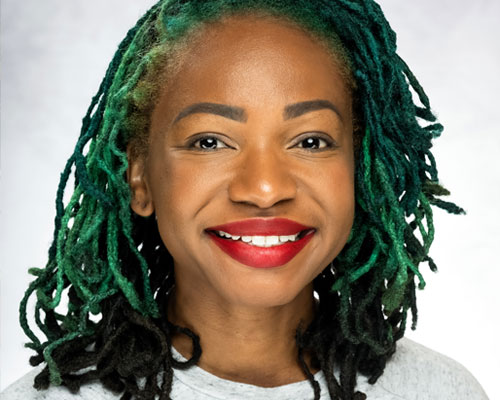
Genell Zuciya is fascinated by light in all its forms / Photo: Dham Khalsa
One of the key elements in attractions and immersive experiences, light is a powerful tool that can create atmosphere and a sense of journey, engage visitors, impact their emotions and so much more.
With a career that has encompassed the design of firework and laser shows and special effects, as well as illusions and animations for Disney, and immersive experiences for Meow Wolf, Genell Zuciya is fascinated by light in all its forms.
“I started calling myself the photon wrangler a few years ago when I realised that my professional work revolves almost entirely around controlling light,” Zuciya tells Attractions Management. “This includes managing its colour, timing and the various formats it can be presented through – such as lasers, video, and pyrotechnics – and fabricating the mediums it passes through, like fibre-optics and lenses.”
Zuciya is currently working for experiential design and technology company Art Processors, focusing on the expansion of the National Civil Rights Museum in Memphis and the development of the Louisiana Music Museum, both in the US.
Here she tells us what she’s learned about using light to create powerful experiences. How can lighting design contribute to shaping the atmosphere and storytelling within a space? Lighting is my favourite tool to create a sense of authenticity in storytelling. When used the right way, it sets the mood, directs focus, creates visual depth and dimension, establishes context, and it’s so malleable.
During my career, I’ve worked with lighting outdoors and indoors, in daylight and in fully controlled dark spaces. There is always a fun way to bring in a lighting element to help drive the tempo or the story or experience.
Can you think of a project you’ve worked on that used light in a particularly innovative way? In the newest Meow Wolf attraction, Radio Tave in Houston, I had the privilege of serving as the creative director for the music venue. The space needed to be exploratory and engaging during exhibition hours, while also functioning as a performance venue.
I collaborated with an incredible team of conceptual and graphic designers to innovate a blacklight print colour space and palette system that would allow the venue to completely transform and take on a new character under the transition from white light to black light.
Invisible elements hidden under white light create an air of discovery, while the transformation under black light reshapes and reveals a hidden story – immersing guests in a vibrant, dual-world narrative. This magical reveal and interplay between light, colour, and design embodies the innovation, collaboration and sense of wonder I strive to achieve in every project I lead.
How do you use lighting and technology to influence the emotions of visitors? Emotion is at the very core of my design work. Through carefully designed lighting setups, we evoke specific feelings, highlight key elements, and guide visitors’ attention.
When creating a specific mood, I usually animate the light with fast or gradual colour transitions or rotating textures. A laser beam might slowly spread into a sheet of light over the crowd, covering the guests in a blanket of illumination while comforting music plays. A barrage of fireworks could mark the finale of a show with upbeat music.
Video mapping immerses visitors in various environments, each evoking a distinct emotion. Depending on the context of the show, the emotional shifts might be varied and back-to-back, or they might require more incremental shifts and a smaller variety of emotions.
There’s also the element of a guest-guided experience or a time locked experience (such as rides or fireworks displays). I must keep all of this in mind when thinking of the ways in which I should wrangle the photons.
What are the biggest challenges of creating the lighting for the projects you’ve worked on? When it comes to working with the variety of photons in my projects, each medium brings its own set of challenges.
For pyrotechnic displays, the biggest hurdle is always the weather – it’s crucial to constantly monitor wind speed, humidity, rain, lightning and other environmental factors. I relied on various apps and manual tracking to determine whether to proceed or delay, often making ‘go or no-go’ decisions right in the moment.
For laser displays, modulating the flow of haze is a big challenge. The visibility of laser beams depends on striking the perfect balance – too much or too little haze can completely diminish the effect.
For large-scale video-mapped displays on buildings, the primary obstacle is usually the surface itself. Dark-coloured or red-brick facades absorb light, making projections less vivid. Achieving optimal results requires exceptionally high lumens, as neutral-coloured surfaces are rarely available for mapping.
When combining all these elements into a single synchronised display, there are many variables at play. Ensuring that pyrotechnics, lasers, and video projections align perfectly with music or a triggered cue requires absolute precision. Latency must be imperceptible to the human eye, as even a fraction of a second’s delay disrupts the magic. The real artistry lies in making all these elements ‘dance’ together in flawless harmony, creating an awe-inspiring spectacle.
What are the biggest lessons you learned from working for Disney Imagineering and Meow Wolf? At Disney I learned about very tight precision with lighting effects. This was usually linked to timing and colour. I was deep into colour science, creating colour lookup tables used in visual effects and making sure that all lighting instruments could achieve the illusion desired for the ride experience.
At Meow Wolf, I learned how to use lighting so that the guest would have the power to transform a space. So basically, we hand over the magic wand or major reveals to the guest for discovery. I learned how to hide these triggers in fun yet discoverable ways.
How would you describe the philosophy of Art Processors? What does your job involve? Art Processors partners with cultural and tourism organisations to create transformative storytelling experiences. I was drawn to Art Processors for its commitment to blending immersive experiences with interpretive storytelling.
Growing up in the DC area, I always dreamed of a museum experience that would push beyond the traditional object on display and simple interpretive signage next to it. As a creative director, my role involves conceptualising, designing, and directing projects that create meaningful connections with audiences, while pushing creative and technical boundaries in service of more impactful storytelling.
What technological advances have had the biggest impact on your work over the past couple of years? Specifically with technology, I’d say automation and AI. Not everything has to be done manually if you have very clear inputs and a good idea of the desired output. With 3D models, prototyping, mood boards, collaboration and more, automation and AI have sped up and democratised the pre-production process.
What trends do you see in the area of museums and immersive attractions? Museums are starting to think more about the pre- and post-visit experience, asking questions like: What does the museum experience look like outside of the museum itself? How do we make the experience accessible, memorable and individualised?
I’ve also noticed a trend towards AI-driven personalisation allowing visitors to curate their journeys based on interests, creating deeper connections with the content. For non-interpretive immersive experiences, I’m noticing more of a variety in the length of the experience, with some being 30 minutes or less, others two hours, and some half a day.
Can you think of any other attractions that have used lighting in a way that has impressed you? I’ve been particularly impressed by the innovative use of lighting in teamLab Planets and teamLab Borderless, where immersive light installations create mesmerising, dynamic environments.
I’m also a big fan of Moment Factory and their recent project Les Abysses de Lumière at Aquascope, which beautifully blends immersive lighting within an aquatic setting.
Concert lighting specialist Tait consistently produces stunning set designs and lighting, and I love artist Mareo Rodriguez’s Portal Danube installation [Rodriguez transformed an industrial cooling tower in a power plant in Hungary into a ‘luminous portal’]. I’m drawn to projects that explore innovative relationships between nature, architecture and human perception.
What are you working on now? At Art Processors, I’m fortunate to be working on two ground-breaking projects: the expansion and renovation of the National Civil Rights Museum in Memphis and the development of the newly announced Louisiana Music Museum. In the field of interpretive design, it’s rewarding to create immersive experiences that meaningfully connect people to history and culture.
This year I’m also completing my graduate degree in biomimicry, exploring the wonders of the natural world with a particular focus on the way structural colour is created at a microscopic level through the interplay of light, reflectance and transmittance.
My studies have also focused on applying nature’s design principles to inspire innovative systems for social change, merging science, creativity and sustainability to address real-world challenges.
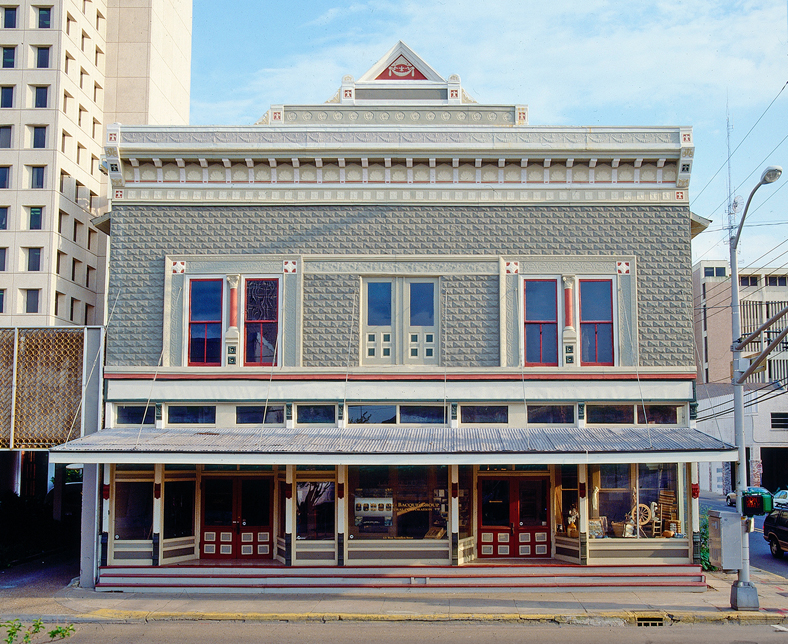
Louisiana Music Museum
Announced in December 2021, the Louisiana Music Museum is a project by non profit arts organisation Acadiana Center for the Arts (AcA) to create a nationally significant museum dedicated to Louisiana music, musicians and musical culture.
The 10,000sq ft museum will be housed in a 130-year-old building known as the Lafayette Hardware Store in Lafayatte, Louisiana, which was bought by AcA in 2021. AcA recently announced the selection of global experiential design and technology company Art Processors, museum designer Thomaz Regatos and architecture firm Moliere Chappuis Architects to lead the design of the Louisiana Music Museum.
The Louisiana Music Museum will feature an interactive permanent exhibit hall exploring Louisiana’s diverse music genres. It will feature rotating temporary exhibitions, and programming and workshops will provide opportunities for participation in Cajun and Creole dances, talks, jam sessions and educational offerings.
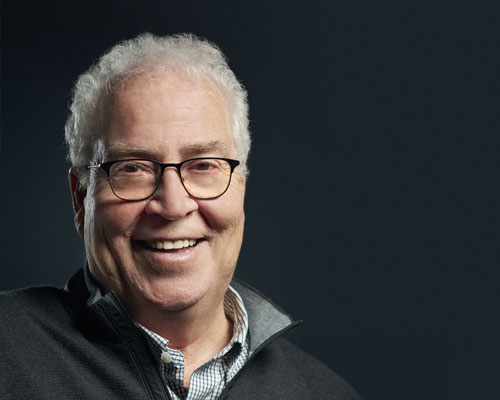
Grammy nominated musician Jane Vidrine was appointed director of the museum in August 2024.
Photo courtesy of Aca/Philip Gould
Read more from this issue of Attractions Management magazine
View contents of Attractions Management 2025 issue 1
Editor's letter: A fresh perspective
As a new report argues that silence can help visitors better appreciate zoos, Magali Robathan explores a different way of operating
People: Marian Lee
As Netflix announces the launch of immersive attraction Netflix House, we hear about the plans from the company’s CMO
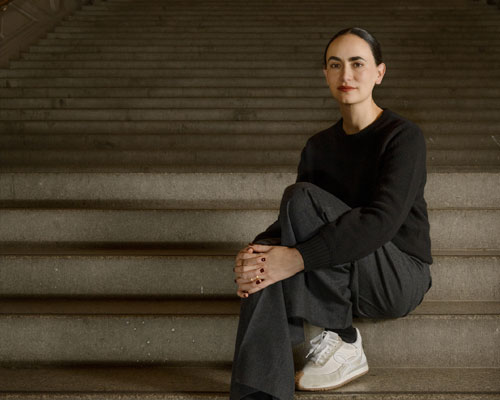
People: Frida Escobedo
The first woman to design a wing at the Metropolitan Museum of Art shares her vision for a more usable and welcoming space for modern and contemporary art
People: Delta Kay
Indigenous experiences are important for fostering respect, and must not be co-opted by non Indigenous operators, says Aboriginal tour guide Delta Kay
Theme parks: Bob Weis
The former president of Imagineering pulls back the curtain to give a behind the scenes look at how some of Disney’s biggest projects took shape
Museums: Space to learn
From the world’s first AI art museum to the latest cultural institution transforming a rural Japanese island... We check out some intriguing museums taking shape across the globe
Technology: Guiding light
Genell Zuciya, creator of attractions for Disney and Meow Wolf, explores the transformative power of lighting
Theme parks: Block party
Merlin meets Minecraft in a $85m deal set to bring the world’s biggest selling video game to life. Could this be Merlin’s most significant partnership?
Museums: A new dawn
The first phase of a ground-breaking new museum campus has opened in Benin City, Nigeria. Is this the future for post-colonial institutions?
Research: Quiet zoos
Could a quieter zoo environment restore zoos’ original purpose as restorative retreats for overstimulated minds? The authors of a new research paper certainly think so
Genell Zuciya has worked for Disney and Meow Wolf, crafting
immersive experiences using multiple forms of light. The
self-described ‘photon wrangler’ talks to Magali Robathan
about emotion, AI and looking to nature for inspiration
Genell Zuciya is fascinated by light in all its forms / Photo: Dham Khalsa
One of the key elements in attractions and immersive experiences, light is a powerful tool that can create atmosphere and a sense of journey, engage visitors, impact their emotions and so much more.
With a career that has encompassed the design of firework and laser shows and special effects, as well as illusions and animations for Disney, and immersive experiences for Meow Wolf, Genell Zuciya is fascinated by light in all its forms.
“I started calling myself the photon wrangler a few years ago when I realised that my professional work revolves almost entirely around controlling light,” Zuciya tells Attractions Management. “This includes managing its colour, timing and the various formats it can be presented through – such as lasers, video, and pyrotechnics – and fabricating the mediums it passes through, like fibre-optics and lenses.”
Zuciya is currently working for experiential design and technology company Art Processors, focusing on the expansion of the National Civil Rights Museum in Memphis and the development of the Louisiana Music Museum, both in the US.
Here she tells us what she’s learned about using light to create powerful experiences. How can lighting design contribute to shaping the atmosphere and storytelling within a space? Lighting is my favourite tool to create a sense of authenticity in storytelling. When used the right way, it sets the mood, directs focus, creates visual depth and dimension, establishes context, and it’s so malleable.
During my career, I’ve worked with lighting outdoors and indoors, in daylight and in fully controlled dark spaces. There is always a fun way to bring in a lighting element to help drive the tempo or the story or experience.
Can you think of a project you’ve worked on that used light in a particularly innovative way? In the newest Meow Wolf attraction, Radio Tave in Houston, I had the privilege of serving as the creative director for the music venue. The space needed to be exploratory and engaging during exhibition hours, while also functioning as a performance venue.
I collaborated with an incredible team of conceptual and graphic designers to innovate a blacklight print colour space and palette system that would allow the venue to completely transform and take on a new character under the transition from white light to black light.
Invisible elements hidden under white light create an air of discovery, while the transformation under black light reshapes and reveals a hidden story – immersing guests in a vibrant, dual-world narrative. This magical reveal and interplay between light, colour, and design embodies the innovation, collaboration and sense of wonder I strive to achieve in every project I lead.
How do you use lighting and technology to influence the emotions of visitors? Emotion is at the very core of my design work. Through carefully designed lighting setups, we evoke specific feelings, highlight key elements, and guide visitors’ attention.
When creating a specific mood, I usually animate the light with fast or gradual colour transitions or rotating textures. A laser beam might slowly spread into a sheet of light over the crowd, covering the guests in a blanket of illumination while comforting music plays. A barrage of fireworks could mark the finale of a show with upbeat music.
Video mapping immerses visitors in various environments, each evoking a distinct emotion. Depending on the context of the show, the emotional shifts might be varied and back-to-back, or they might require more incremental shifts and a smaller variety of emotions.
There’s also the element of a guest-guided experience or a time locked experience (such as rides or fireworks displays). I must keep all of this in mind when thinking of the ways in which I should wrangle the photons.
What are the biggest challenges of creating the lighting for the projects you’ve worked on? When it comes to working with the variety of photons in my projects, each medium brings its own set of challenges.
For pyrotechnic displays, the biggest hurdle is always the weather – it’s crucial to constantly monitor wind speed, humidity, rain, lightning and other environmental factors. I relied on various apps and manual tracking to determine whether to proceed or delay, often making ‘go or no-go’ decisions right in the moment.
For laser displays, modulating the flow of haze is a big challenge. The visibility of laser beams depends on striking the perfect balance – too much or too little haze can completely diminish the effect.
For large-scale video-mapped displays on buildings, the primary obstacle is usually the surface itself. Dark-coloured or red-brick facades absorb light, making projections less vivid. Achieving optimal results requires exceptionally high lumens, as neutral-coloured surfaces are rarely available for mapping.
When combining all these elements into a single synchronised display, there are many variables at play. Ensuring that pyrotechnics, lasers, and video projections align perfectly with music or a triggered cue requires absolute precision. Latency must be imperceptible to the human eye, as even a fraction of a second’s delay disrupts the magic. The real artistry lies in making all these elements ‘dance’ together in flawless harmony, creating an awe-inspiring spectacle.
What are the biggest lessons you learned from working for Disney Imagineering and Meow Wolf? At Disney I learned about very tight precision with lighting effects. This was usually linked to timing and colour. I was deep into colour science, creating colour lookup tables used in visual effects and making sure that all lighting instruments could achieve the illusion desired for the ride experience.
At Meow Wolf, I learned how to use lighting so that the guest would have the power to transform a space. So basically, we hand over the magic wand or major reveals to the guest for discovery. I learned how to hide these triggers in fun yet discoverable ways.
How would you describe the philosophy of Art Processors? What does your job involve? Art Processors partners with cultural and tourism organisations to create transformative storytelling experiences. I was drawn to Art Processors for its commitment to blending immersive experiences with interpretive storytelling.
Growing up in the DC area, I always dreamed of a museum experience that would push beyond the traditional object on display and simple interpretive signage next to it. As a creative director, my role involves conceptualising, designing, and directing projects that create meaningful connections with audiences, while pushing creative and technical boundaries in service of more impactful storytelling.
What technological advances have had the biggest impact on your work over the past couple of years? Specifically with technology, I’d say automation and AI. Not everything has to be done manually if you have very clear inputs and a good idea of the desired output. With 3D models, prototyping, mood boards, collaboration and more, automation and AI have sped up and democratised the pre-production process.
What trends do you see in the area of museums and immersive attractions? Museums are starting to think more about the pre- and post-visit experience, asking questions like: What does the museum experience look like outside of the museum itself? How do we make the experience accessible, memorable and individualised?
I’ve also noticed a trend towards AI-driven personalisation allowing visitors to curate their journeys based on interests, creating deeper connections with the content. For non-interpretive immersive experiences, I’m noticing more of a variety in the length of the experience, with some being 30 minutes or less, others two hours, and some half a day.
Can you think of any other attractions that have used lighting in a way that has impressed you? I’ve been particularly impressed by the innovative use of lighting in teamLab Planets and teamLab Borderless, where immersive light installations create mesmerising, dynamic environments.
I’m also a big fan of Moment Factory and their recent project Les Abysses de Lumière at Aquascope, which beautifully blends immersive lighting within an aquatic setting.
Concert lighting specialist Tait consistently produces stunning set designs and lighting, and I love artist Mareo Rodriguez’s Portal Danube installation [Rodriguez transformed an industrial cooling tower in a power plant in Hungary into a ‘luminous portal’]. I’m drawn to projects that explore innovative relationships between nature, architecture and human perception.
What are you working on now? At Art Processors, I’m fortunate to be working on two ground-breaking projects: the expansion and renovation of the National Civil Rights Museum in Memphis and the development of the newly announced Louisiana Music Museum. In the field of interpretive design, it’s rewarding to create immersive experiences that meaningfully connect people to history and culture.
This year I’m also completing my graduate degree in biomimicry, exploring the wonders of the natural world with a particular focus on the way structural colour is created at a microscopic level through the interplay of light, reflectance and transmittance.
My studies have also focused on applying nature’s design principles to inspire innovative systems for social change, merging science, creativity and sustainability to address real-world challenges.
Louisiana Music Museum
Announced in December 2021, the Louisiana Music Museum is a project by non profit arts organisation Acadiana Center for the Arts (AcA) to create a nationally significant museum dedicated to Louisiana music, musicians and musical culture.
The 10,000sq ft museum will be housed in a 130-year-old building known as the Lafayette Hardware Store in Lafayatte, Louisiana, which was bought by AcA in 2021. AcA recently announced the selection of global experiential design and technology company Art Processors, museum designer Thomaz Regatos and architecture firm Moliere Chappuis Architects to lead the design of the Louisiana Music Museum.
The Louisiana Music Museum will feature an interactive permanent exhibit hall exploring Louisiana’s diverse music genres. It will feature rotating temporary exhibitions, and programming and workshops will provide opportunities for participation in Cajun and Creole dances, talks, jam sessions and educational offerings.
Grammy nominated musician Jane Vidrine was appointed director of the museum in August 2024.
Photo courtesy of Aca/Philip Gould
Read more from this issue of Attractions Management magazine
View contents of Attractions Management 2025 issue 1
Editor's letter: A fresh perspective
As a new report argues that silence can help visitors better appreciate zoos, Magali Robathan explores a different way of operating
People: Marian Lee
As Netflix announces the launch of immersive attraction Netflix House, we hear about the plans from the company’s CMO
People: Frida Escobedo
The first woman to design a wing at the Metropolitan Museum of Art shares her vision for a more usable and welcoming space for modern and contemporary art
People: Delta Kay
Indigenous experiences are important for fostering respect, and must not be co-opted by non Indigenous operators, says Aboriginal tour guide Delta Kay
Theme parks: Bob Weis
The former president of Imagineering pulls back the curtain to give a behind the scenes look at how some of Disney’s biggest projects took shape
Museums: Space to learn
From the world’s first AI art museum to the latest cultural institution transforming a rural Japanese island... We check out some intriguing museums taking shape across the globe
Technology: Guiding light
Genell Zuciya, creator of attractions for Disney and Meow Wolf, explores the transformative power of lighting
Theme parks: Block party
Merlin meets Minecraft in a $85m deal set to bring the world’s biggest selling video game to life. Could this be Merlin’s most significant partnership?
Museums: A new dawn
The first phase of a ground-breaking new museum campus has opened in Benin City, Nigeria. Is this the future for post-colonial institutions?
Research: Quiet zoos
Could a quieter zoo environment restore zoos’ original purpose as restorative retreats for overstimulated minds? The authors of a new research paper certainly think so
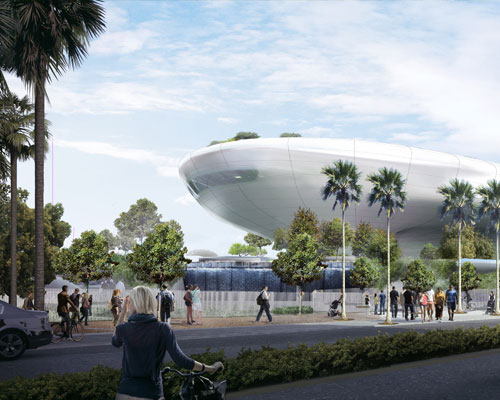
OMA has completed a major transformation of New York's New Museum, creating a larger
cultural campus that combines expanded exhibition spaces with learning, performance,
hospitality and public programming.
A US$50 million (£44.2 million, €51.2 million) transformation of Chicago's historic McCormick
Mansion has created a new destination that combines live magic, immersive theatre, dining and
private membership under one roof.
The Montana Historical Society has officially celebrated the opening of its new Montana
Heritage
Center, a US$107 million (£79 million, €92 million) destination that combines immersive
storytelling with cutting-edge audiovisual technology to bring the sta
San Antonio Zoo has reported a US$283 million economic impact for 2025, following a decade-
long transformation programme that has seen almost US$200 million invested into the Texas
attraction.
Plans for the AU$180 million redevelopment of Reef HQ Aquarium in Townsville, Australia, are
progressing, with the project set to transform the attraction into a global centre for reef
education and conservation.
Abu Dhabi-based investment firm Mubadala Capital has made a binding, fully financed
€1 billion
offer to acquire Pierre and Vacances SA, the European holiday resort operator behind the
continental European Center Parcs business.
Disney has reaffirmed its commitment to investing US$30 billion in its US parks and cruise
business by 2033, using new America250 celebrations to underline the role its attractions play
in supporting jobs, tourism and economic growth.
Expo 2030 Riyadh is being planned as a permanent visitor destination, with organisers
confirming the six-million-square-metre site will become a Global Village after the event closes.
The owner of one of Australia's best-known waterparks has acquired a major competitor,
creating a new attractions business spanning two of the country's largest visitor destinations.
The Toverland theme park in the Netherlands has announced a €98m expansion programme
that will add a resort, new attractions and staff facilities as it pursues plans to become a multi-
day destination.
+ More news
COMPANY PROFILES
Painting With Light By combining lighting, video, scenic and architectural elements, sound and special effects we tell s [more...]
Polin Waterparks Polin was founded in Istanbul in 1976. Polin
has since grown into a leading company in
the waterpa [more...]
instantprint We’re a Yorkshire-based online printer, founded
in 2009 by Adam Carnell and James Kinsella. [more...]
Alterface Alterface’s Creative Division team is
seasoned in concept and ride development,
as well as storyte [more...]