Here James speaks to Attractions Management about harnessing the power of sound to tell stories and engage visitors.

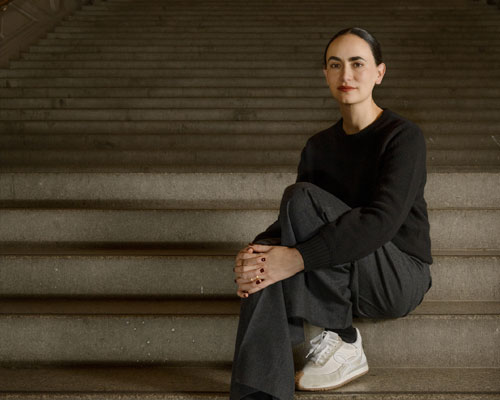
Photo: Sam Bénard
How would you sum up the role of music in an immersive experience or attraction?
Music is a secret power when it comes to creating amazing immersive experiences.
Music has immense power – it has the potential to change people’s emotions in a split second. It also has a magical quality, in that it’s invisible, and people often don’t notice the effect it’s having on them.
When you have matchless technical support with a quality sound experience, you can reach totally different levels of engagement with people.
How do you approach the creation of music and sound design for attractions?
It’s a very collaborative process. I spend half my time writing music for TV and film and half writing music for immersive experiences, but the process works in very similar ways in both cases.
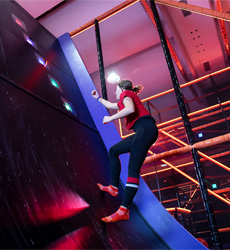
There’s the odd time when the brief is very simple. I worked with Bompas and Parr on the creation of the Mount Rocky chocolate-themed climbing wall for Alton Towers, for example, where they wanted an epic brass fanfare when climbers reached the top. That was a very straightforward request, but the majority of the time, it’s a lot more subtle.
In general, the people I’m working with aren’t experts when it comes to the nuts and bolts of making music, so we talk about feelings and emotions – basically anything that’s not directly musical. We might talk about temperatures, colours, smells, or tactile elements. I was in a session recently where we told the string players that we wanted a particular part of the music to sound ‘dusty’. That’s not a musical term, obviously, but the musicians instantly had a feeling of how they might approach that – it basically opened up a conversation.
That’s a very typical conversation that you have when you’re making music for an experience. It’s all about creating an atmosphere and eliciting emotion and reaction in visitors.
Are there any common mistakes attractions operators make with sound and music?
One common mistake is forgetting about sound bleed. This is something I see a lot – the set looks great, the rooms look awesome, but when we bring in the speakers, we realise that the volume has to be incredibly low because otherwise the people in the next room can hear what’s happening.
Another mistake is having spaces where the sound feels too pre-programmed; where it wouldn’t make any difference whether the visitor was there or not.
Just putting together a great space isn’t enough these days – it needs to be responsive in order to really engage people. That can be done in very simple ways – having pressure sensors or walk past devices that activate sound – or you could add a live element and get people to take part.
Can you think of an attraction that uses sound and music in a particularly impressive way?
Star Wars: Galaxy’s Edge at the Disneyland Resort in Anaheim, California. It’s successful on every level. There’s nothing that doesn’t work. It messes with your emotions, it’s arousing, it’s thrilling. It just kind of does everything, and what it sits on is some great creative ideas and flawless technical achievements.
What makes it work so well? Star Wars: Galaxy’s Edge obviously has the gift of John William’s incredible score, so that’s the music taken care of. In terms of sound design, the cleverest aspect is the feeling of space that the false acoustic delivers. This means that when you’re in the docking station of the Death Star, the feeling is of epic scale, even though you’re simply stood in a black box of moderate proportions.
The sound is excellent throughout, from the sound design and music through to the actual application of it within the space. It’s just an incredibly well designed space.
What are you working on now?
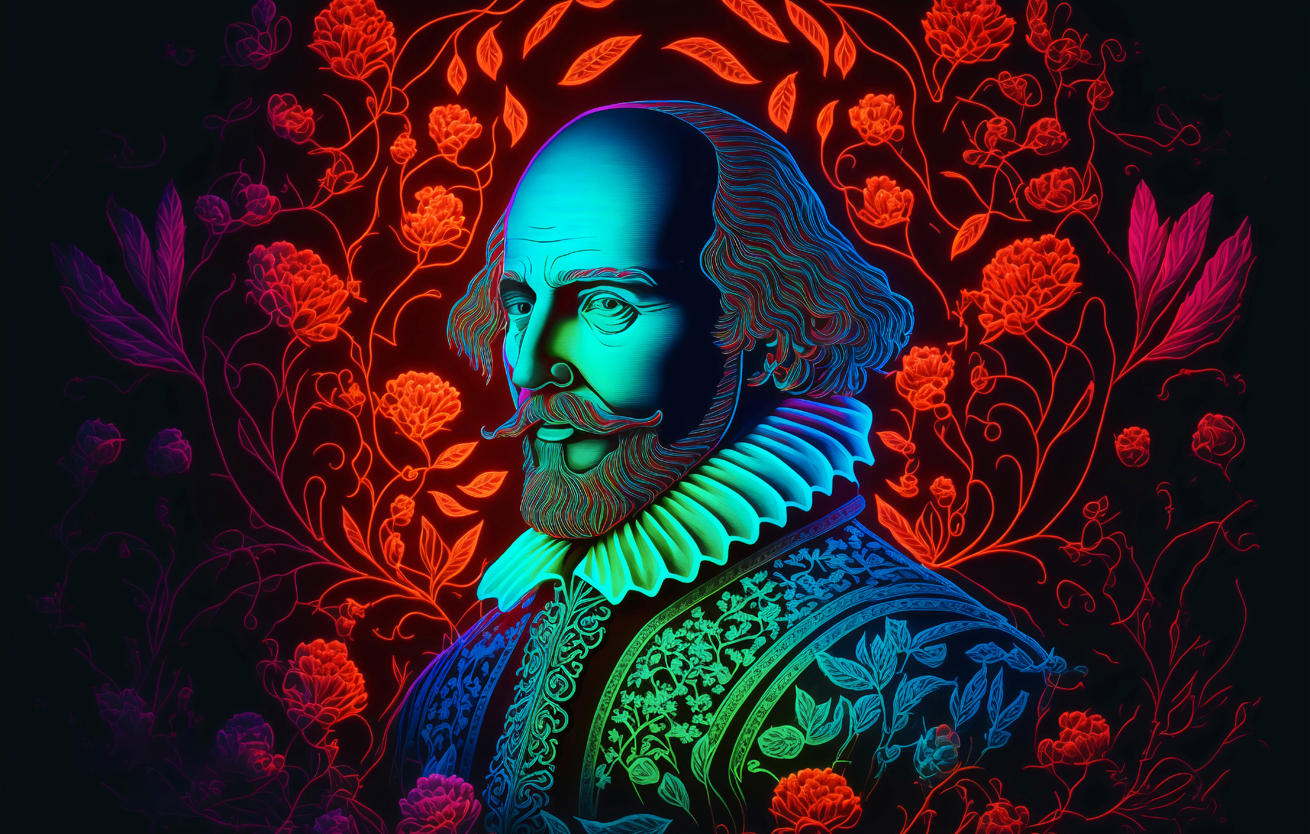
I’m working with Sam Bompas and Harry Parr on the Museum of Shakespeare, which is due to open in Shoreditch, London in 2025. It’s early days from a creative point of view, but hopefully there will be a lot of music and sound involved. It will be all original and it’ll be presented in all kinds of different ways and experienced in different formats. It should be a lot of fun.
I also have a new band coming together. It’s very important for me to keep playing live because it reminds me about people’s relationship with music, and enables me to see their reactions and feel what really grabs them.
What trends are you seeing in your work?
I think there are two trends, and they’re at the opposite end of the spectrum. There’s a move towards more and more technically incredible epic stadium gigs. They’re interesting from a sound point of view because the quality of the sound and the number of speakers means that you can feel very close to the stage even if you’re not.
At the other end of the scale, I see a desire to go to very small venues to have intimate, highly personalised experiences. There’s a real strength in providing something that feels unique and special for each person.
Whatever you do, you want people to be wowed and think, Thank God I didn’t stay at home.