Spectacular animals and a variety
of species boost zoo visitor
numbers, but there are other more
unusual ways to drive footfall,
finds this study by Trinity College
Dublin’s Yvonne Buckley
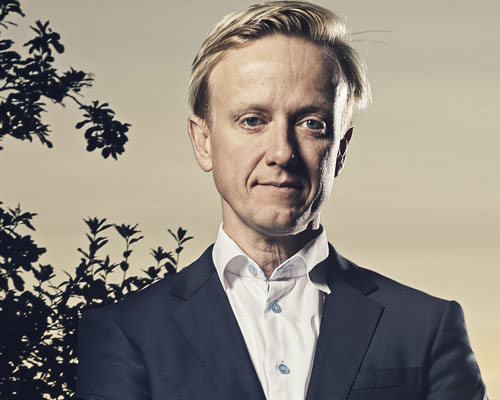
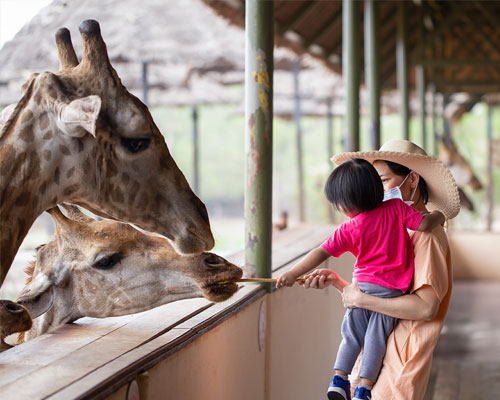
Buckley set out to identify ways for zoos to attract more visitors and enhance conservation / Photo: Vivien Buckley
What drives zoo attendance? How does variety in animal collections affect footfall? How do high zoo visitor numbers boost conservation activity in the wild? Scientists from Trinity College Dublin teamed up last year with Species360 and NUI Galway to carry out a study to answer these questions and found that a range of strategies can be used to boost zoo attendances.
Led by Yvonne Buckley, professor of zoology at Trinity College Dublin, the research analysed data from zoos in 58 countries – headline findings include the fact that zoos with large animals such as elephants, tigers and pandas attract higher numbers of visitors and also that unusual species and zoos that are very different from others are also more attractive.
We spoke to Yvonne Buckley about what the findings mean for operators looking to drive up their visitor numbers, and how she hopes to see operators displaying smaller and more unusual species that can sometimes be overlooked.
With this study, you assessed how variations in animal collections affect zoo attendance. Can you briefly describe how this was measured? Crucial to our research was the availability of data on the species and number of animals kept in over 450 zoos worldwide. We worked with data from Species360 member organisations – Species360 facilitates international collaboration in the collection, sharing and analysis of data compiled by zoos on their collections.
We combined knowledge of zoo collections with attendance data from the International Zoo Yearbook to look at whether the number of species, number of animals or the size of the animals influenced how many people visit the zoo.
What were the most significant findings? It was particularly interesting to see that across the 450 zoos there were several features of a zoo collection that consistently boosted visitor attendance. Large animals, lots of different species (particularly mammals) and large numbers of animals were all positively correlated with attendance. Surprisingly, how different a zoo was from other zoos also had a positive effect on attendance. These different animal collection effects were just as strong, if not stronger than the socio-economic context of the zoo (GDP and population density).
For smaller zoos, or for zoos that have made a decision not to keep larger animals, were there any alternative strategies to boosting attendance? It was interesting to see that there were many ways in which visitor attendance could be boosted, particularly because many zoos are limited in the amount of space they have available, which means they might not be able to keep large animals.
An alternative strategy is to keep unusual animals or greater numbers of smaller animals.
Why is it important to attract higher numbers of visitors from a conservation perspective? Zoos contribute more than $350m a year to wildlife conservation projects in the wild which makes them collectively the third largest conservation organisation contributor globally. We found that higher visitor attendance numbers are associated with greater numbers of conservation projects in the natural habitats of animals in the wild that zoos are involved with.
Zoos are increasingly playing an important conservation education role as well, so being able to reach wide audiences can increase public awareness of conservation issues and promote beneficial behaviours.
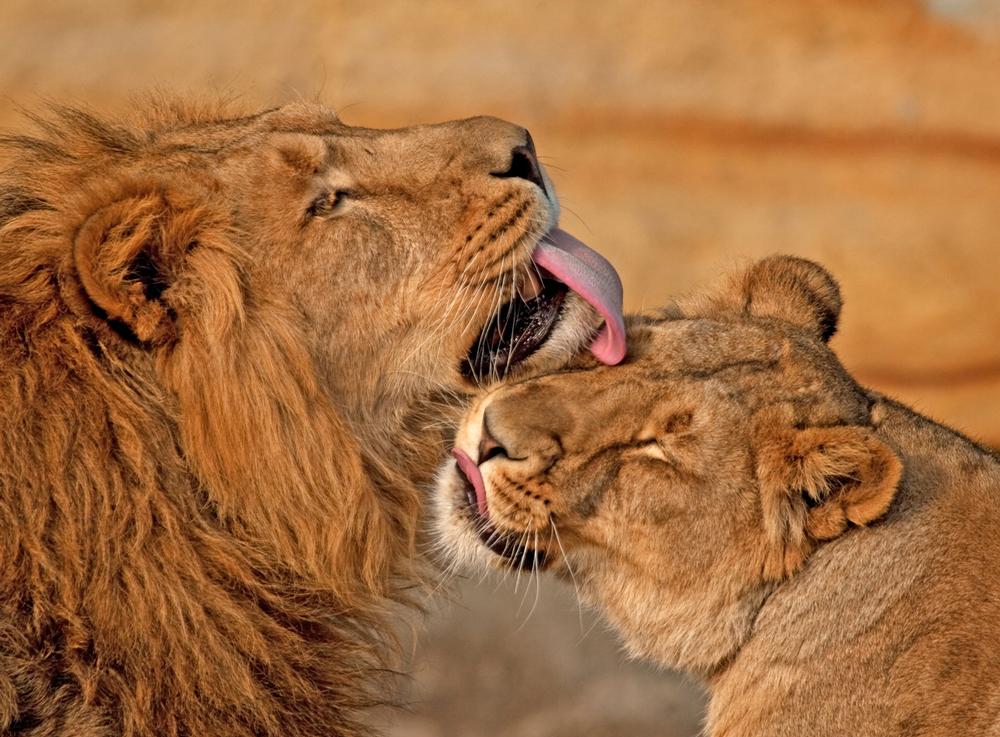
Were there any other interesting findings? We were able to look at the complex ways in which different zoo collection features affect visitor attendance. For example, there are a limited number of large charismatic animals kept in zoos (such as lions, elephants and rhinos), so zoos with large animals tend to be similar to each other, but zoos which are different are associated with larger visitor numbers. So there’s a decision to be made by zoos about whether they try to boost visitor numbers with a conventional collection or differentiate their collections and attract people that way.
Zoo collections need to fulfil several objectives and with our study we provide several different collection options for managers.
There’s a lot of discussion about the ethics of keeping large animals in zoos. How do the findings of this study contribute to that debate? Animal welfare is very important and always needs to be part of collection planning, regardless of studies like ours. We did find that large animals were associated with higher visitor numbers, but there are trade-offs a collection manager must make, as often there is not a lot of room for many large animals.
I think the most important finding we made was that there are several different kinds of collections that can be successful from a visitation point of view so if welfare issues limit the type or number of animals that can be kept there are other options for zoo managers.
How could the findings from this research be used by the people running zoos and aquaria to boost attendances? I hope the findings will give reassurance to zoo managers that there isn’t a single formula for what a collection should look like and that there’s room for many different kinds of zoos. I hope this will give them some ‘wriggle room’ with their collections to fulfil other conservation activities such as including threatened species within management plans, or paying attention to smaller species that can sometimes be overlooked.
You said that the study provides evidence to suggest that zoos don’t need to compromise their economic viability in order to have a significant value to conservation. Could you expand on this? If you have limited space you can hold a few large species or many small ones.
Zoos play an important role in the breeding management of zoo populations of threatened species to maintain genetic diversity and perhaps for reintroduction back into the wild.
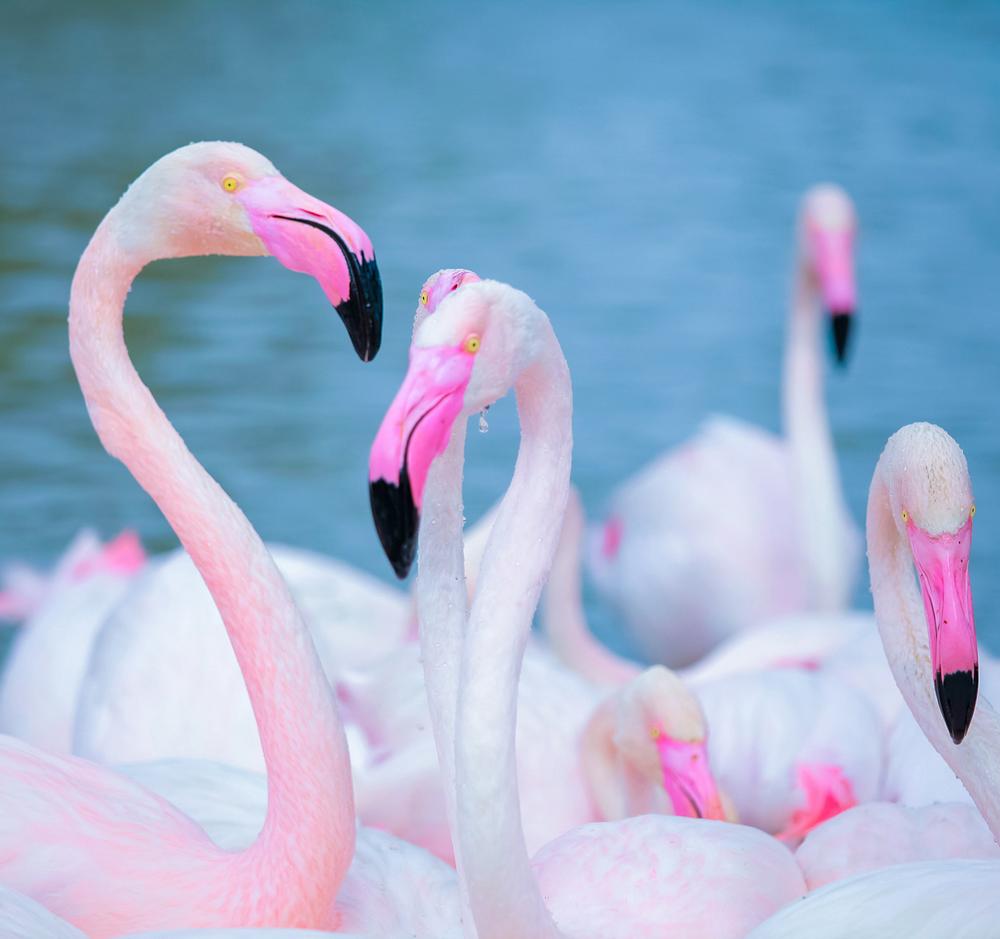
Breeding programmes often require several individuals of the same species to be kept together – flamingos will not breed successfully unless they live in a large flock, for example.
We show that by keeping larger numbers of animals for conservation breeding programmes you can still maintain visitor numbers while also driving your conservation work.
Have you done any research into the effects of the pandemic on zoos? No we haven’t. Zoos have undoubtedly suffered from a lack of revenue over the past year or so and it’s important for conservation projects that they get up and running safely as soon as possible.
I was delighted to get tickets for my own local zoo and am looking forward to going back there to see how the animals are getting on.
Read more from this issue of Attractions Management magazine
View contents of Attractions Management 2021 issue 2
Museums: Museum of everything
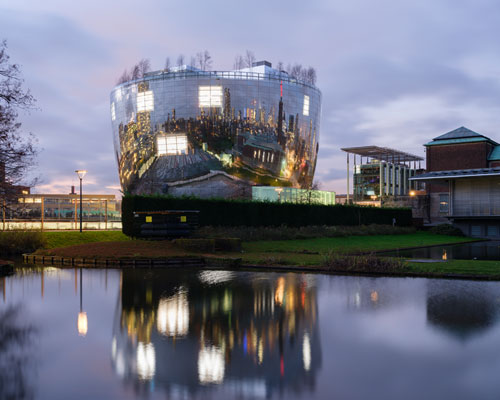
At Depot Van Beuningen, a new kind of museum is taking shape, with the whole collection on show
Interview: Joe Pine
From mass customised itineraries to hybrid experiences, the pandemic is influencing attractions trends, says thought leader, Joe Pine
Disney: The Art of Marvel
Disneyland Paris has opened its new Marvel-inspired hotel. Art director Caroline May tells us what made it such a special project to work on
Interview: Nicolas de Villiers
As Puy du Fou opens its first park outside France, its president tells Attractions Management about his ambitious global plans and why China is next on his radar
Research: All creatures great and small
Large, charismatic animals drive footfall to zoos, but there are more unusual ways of boosting attendance, says Yvonne Buckley
Research: Power of youth
Teenage volunteers can help tween visitors get more out of their visits to science centres, new research shows
Disney: Reach for the stars
Dreamed up by Star Wars fans and brought to life by Disney Imagineers – a sneak peek at the Star Wars Galactic Starcruiser hotel experience
Research: Animal magic
A national study in Japan has shown how partnering with entertainment companies can help drive visits and donations to zoos
Museums: The way we live
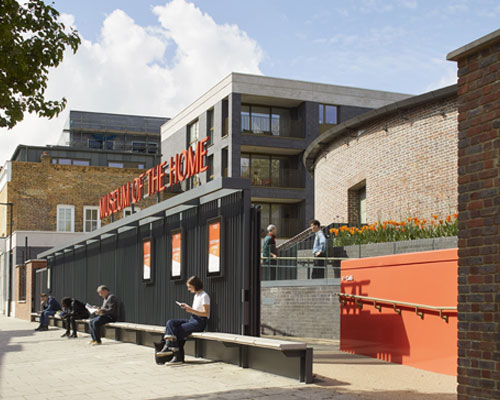
London’s Museum of the Home has reopened after a major refurbishment. We hear from the architects and museum director
Spectacular animals and a variety
of species boost zoo visitor
numbers, but there are other more
unusual ways to drive footfall,
finds this study by Trinity College
Dublin’s Yvonne Buckley
Buckley set out to identify ways for zoos to attract more visitors and enhance conservation / Photo: Vivien Buckley
What drives zoo attendance? How does variety in animal collections affect footfall? How do high zoo visitor numbers boost conservation activity in the wild? Scientists from Trinity College Dublin teamed up last year with Species360 and NUI Galway to carry out a study to answer these questions and found that a range of strategies can be used to boost zoo attendances.
Led by Yvonne Buckley, professor of zoology at Trinity College Dublin, the research analysed data from zoos in 58 countries – headline findings include the fact that zoos with large animals such as elephants, tigers and pandas attract higher numbers of visitors and also that unusual species and zoos that are very different from others are also more attractive.
We spoke to Yvonne Buckley about what the findings mean for operators looking to drive up their visitor numbers, and how she hopes to see operators displaying smaller and more unusual species that can sometimes be overlooked.
With this study, you assessed how variations in animal collections affect zoo attendance. Can you briefly describe how this was measured? Crucial to our research was the availability of data on the species and number of animals kept in over 450 zoos worldwide. We worked with data from Species360 member organisations – Species360 facilitates international collaboration in the collection, sharing and analysis of data compiled by zoos on their collections.
We combined knowledge of zoo collections with attendance data from the International Zoo Yearbook to look at whether the number of species, number of animals or the size of the animals influenced how many people visit the zoo.
What were the most significant findings? It was particularly interesting to see that across the 450 zoos there were several features of a zoo collection that consistently boosted visitor attendance. Large animals, lots of different species (particularly mammals) and large numbers of animals were all positively correlated with attendance. Surprisingly, how different a zoo was from other zoos also had a positive effect on attendance. These different animal collection effects were just as strong, if not stronger than the socio-economic context of the zoo (GDP and population density).
For smaller zoos, or for zoos that have made a decision not to keep larger animals, were there any alternative strategies to boosting attendance? It was interesting to see that there were many ways in which visitor attendance could be boosted, particularly because many zoos are limited in the amount of space they have available, which means they might not be able to keep large animals.
An alternative strategy is to keep unusual animals or greater numbers of smaller animals.
Why is it important to attract higher numbers of visitors from a conservation perspective? Zoos contribute more than $350m a year to wildlife conservation projects in the wild which makes them collectively the third largest conservation organisation contributor globally. We found that higher visitor attendance numbers are associated with greater numbers of conservation projects in the natural habitats of animals in the wild that zoos are involved with.
Zoos are increasingly playing an important conservation education role as well, so being able to reach wide audiences can increase public awareness of conservation issues and promote beneficial behaviours.
Were there any other interesting findings? We were able to look at the complex ways in which different zoo collection features affect visitor attendance. For example, there are a limited number of large charismatic animals kept in zoos (such as lions, elephants and rhinos), so zoos with large animals tend to be similar to each other, but zoos which are different are associated with larger visitor numbers. So there’s a decision to be made by zoos about whether they try to boost visitor numbers with a conventional collection or differentiate their collections and attract people that way.
Zoo collections need to fulfil several objectives and with our study we provide several different collection options for managers.
There’s a lot of discussion about the ethics of keeping large animals in zoos. How do the findings of this study contribute to that debate? Animal welfare is very important and always needs to be part of collection planning, regardless of studies like ours. We did find that large animals were associated with higher visitor numbers, but there are trade-offs a collection manager must make, as often there is not a lot of room for many large animals.
I think the most important finding we made was that there are several different kinds of collections that can be successful from a visitation point of view so if welfare issues limit the type or number of animals that can be kept there are other options for zoo managers.
How could the findings from this research be used by the people running zoos and aquaria to boost attendances? I hope the findings will give reassurance to zoo managers that there isn’t a single formula for what a collection should look like and that there’s room for many different kinds of zoos. I hope this will give them some ‘wriggle room’ with their collections to fulfil other conservation activities such as including threatened species within management plans, or paying attention to smaller species that can sometimes be overlooked.
You said that the study provides evidence to suggest that zoos don’t need to compromise their economic viability in order to have a significant value to conservation. Could you expand on this? If you have limited space you can hold a few large species or many small ones.
Zoos play an important role in the breeding management of zoo populations of threatened species to maintain genetic diversity and perhaps for reintroduction back into the wild.
Breeding programmes often require several individuals of the same species to be kept together – flamingos will not breed successfully unless they live in a large flock, for example.
We show that by keeping larger numbers of animals for conservation breeding programmes you can still maintain visitor numbers while also driving your conservation work.
Have you done any research into the effects of the pandemic on zoos? No we haven’t. Zoos have undoubtedly suffered from a lack of revenue over the past year or so and it’s important for conservation projects that they get up and running safely as soon as possible.
I was delighted to get tickets for my own local zoo and am looking forward to going back there to see how the animals are getting on.
Read more from this issue of Attractions Management magazine
View contents of Attractions Management 2021 issue 2
Museums: Museum of everything
At Depot Van Beuningen, a new kind of museum is taking shape, with the whole collection on show
Interview: Joe Pine
From mass customised itineraries to hybrid experiences, the pandemic is influencing attractions trends, says thought leader, Joe Pine
Disney: The Art of Marvel
Disneyland Paris has opened its new Marvel-inspired hotel. Art director Caroline May tells us what made it such a special project to work on
Interview: Nicolas de Villiers
As Puy du Fou opens its first park outside France, its president tells Attractions Management about his ambitious global plans and why China is next on his radar
Research: All creatures great and small
Large, charismatic animals drive footfall to zoos, but there are more unusual ways of boosting attendance, says Yvonne Buckley
Research: Power of youth
Teenage volunteers can help tween visitors get more out of their visits to science centres, new research shows
Disney: Reach for the stars
Dreamed up by Star Wars fans and brought to life by Disney Imagineers – a sneak peek at the Star Wars Galactic Starcruiser hotel experience
Research: Animal magic
A national study in Japan has shown how partnering with entertainment companies can help drive visits and donations to zoos
Museums: The way we live
London’s Museum of the Home has reopened after a major refurbishment. We hear from the architects and museum director
OMA has completed a major transformation of New York's New Museum, creating a larger
cultural campus that combines expanded exhibition spaces with learning, performance,
hospitality and public programming.
A US$50 million (£44.2 million, €51.2 million) transformation of Chicago's historic McCormick
Mansion has created a new destination that combines live magic, immersive theatre, dining and
private membership under one roof.
The Montana Historical Society has officially celebrated the opening of its new Montana
Heritage
Center, a US$107 million (£79 million, €92 million) destination that combines immersive
storytelling with cutting-edge audiovisual technology to bring the sta
San Antonio Zoo has reported a US$283 million economic impact for 2025, following a decade-
long transformation programme that has seen almost US$200 million invested into the Texas
attraction.
Plans for the AU$180 million redevelopment of Reef HQ Aquarium in Townsville, Australia, are
progressing, with the project set to transform the attraction into a global centre for reef
education and conservation.
Abu Dhabi-based investment firm Mubadala Capital has made a binding, fully financed
€1 billion
offer to acquire Pierre and Vacances SA, the European holiday resort operator behind the
continental European Center Parcs business.
Disney has reaffirmed its commitment to investing US$30 billion in its US parks and cruise
business by 2033, using new America250 celebrations to underline the role its attractions play
in supporting jobs, tourism and economic growth.
Expo 2030 Riyadh is being planned as a permanent visitor destination, with organisers
confirming the six-million-square-metre site will become a Global Village after the event closes.
The owner of one of Australia's best-known waterparks has acquired a major competitor,
creating a new attractions business spanning two of the country's largest visitor destinations.
The Toverland theme park in the Netherlands has announced a €98m expansion programme
that will add a resort, new attractions and staff facilities as it pursues plans to become a multi-
day destination.
+ More news
COMPANY PROFILES
IDEATTACK IDEATTACK is a full-service planning and
design company with headquarters in
Los Angeles. [more...]
TechnoAlpin Indoor TechnoAlpin is the world leader for snowmaking systems. With the Indoor snow division, TechnoAlpin c [more...]
QubicaAMF UK QubicaAMF is the largest and most
innovative bowling equipment provider with
600 employees worldwi [more...]
Clip 'n Climb Clip ‘n Climb currently offers facility owners and
investors more than 40 colourful and unique
Cha [more...]