A national study in Japan shows the potential for entertainment
conservation partnerships to increase public interest in animals
and boost donations to zoo conservation programmes.
Magali Robathan finds out more from ecologist Yuya Fukano
Animated TV shows featuring animals can increase interest in real animals and lead to higher numbers of zoo visits and donations to conservation programmes, according to a study carried out in Japan by researchers at the University of Tokyo Institute for Sustainable Agro-ecosystem Services.
When an intense summer heatwave made fieldwork impossible, assistant professor Yuya Fukano from the University of Tokyo Institute teamed up with zookeeper Yosuke Tanaka and colleague Masashi Soga – an assistant professor at the University of Tokyo specialising in human-nature interactions – to carry out an office-based research project.
The team analysed data from Google Trends and Wikipedia page views to measure the impact of zoos on public interest in conservation and wildlife. They found an increased number of internet searches for specific animal species within prefectures that have zoos caring for those animals, suggesting that visiting zoos motivates people to learn more about the species they see there.
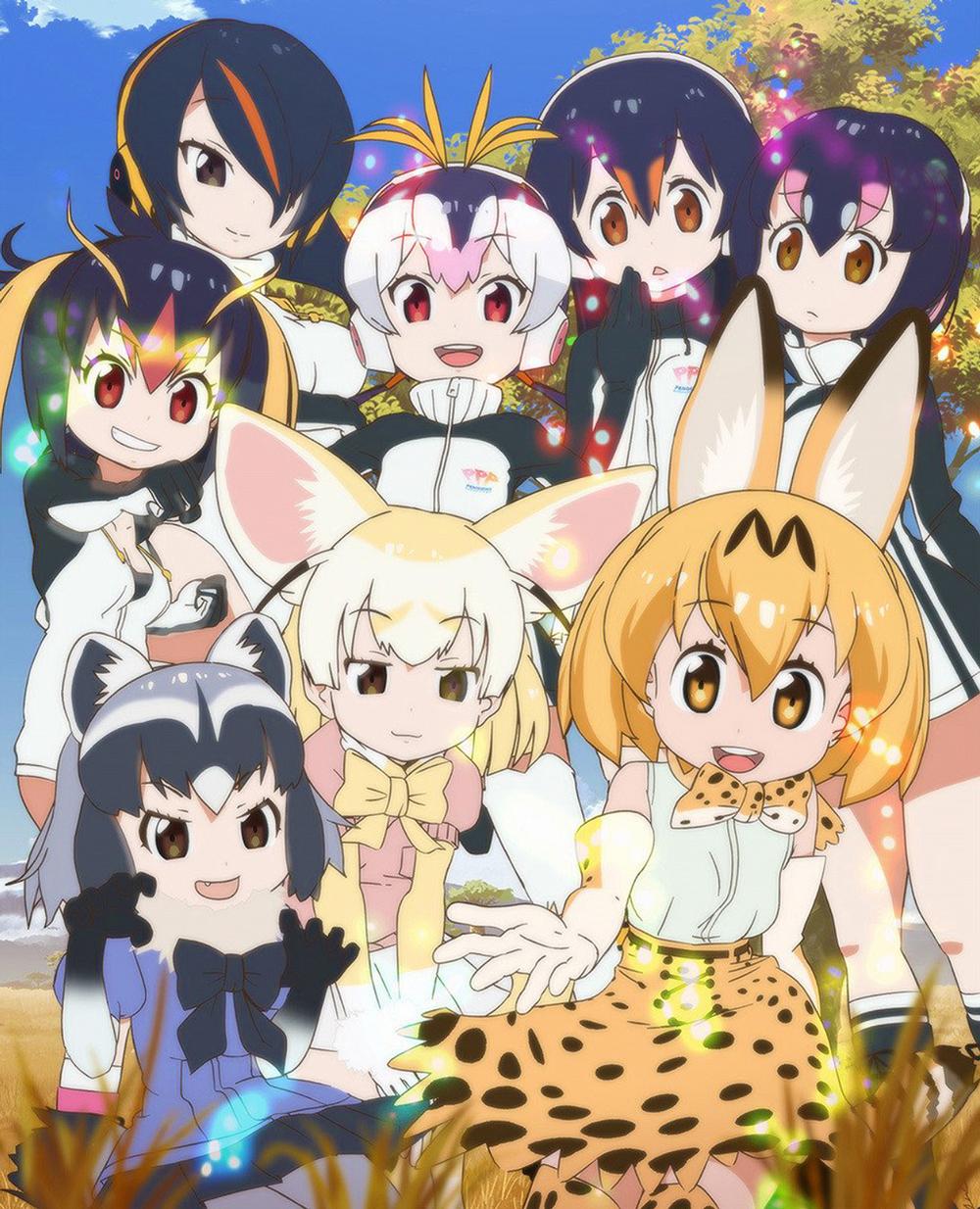
They also spotted a dramatic increase in the number of online searches for certain animals and realised that they tallied with the first broadcast of the hugely popular animated series Kemono Friends which features a child who becomes lost in an enormous zoo and befriends various animals who help her navigate their habitats and try to find her way home.
In the year and a half during and following the original Kemono Friends broadcast, there was an increase of 4.66 million Google searches and 1 million Wikipedia page views for the species featured as characters in the programme, compared to the 18 months before it was broadcast. The researchers also found an increase in donations to three Tokyo zoos, and found that the animal species featured as characters in Kemono Friends attracted larger increases in donations.
We speak to Yuya Fukano to discover more about the findings overleaf.
What prompted this research? Anime and manga are very popular forms of entertainment in Japan and are widely enjoyed by children and adults. However, since they’re often perceived as subcultures, there have been few studies that have seriously attempted to investigate their influence on the real world. We thought that because there are so many animals in anime and manga, the interest in real animals might spill over.
You measured the impact of zoos on public interest in wildlife. What did you find? It is not easy to measure people’s interest. We estimated the dynamics of interest using a variety of indicators, including online search behaviour, donation behaviour, online questionnaires and social media activity.
We found zoo animal exhibits, collaboration with TV anime series and special events significantly increase people’s interest.
Online searches for certain animals increased dramatically when Kemono Friends was broadcast. Were you surprised? Very surprised. The biggest reason for such significant impact, I think, is that this anime became a huge topic of conversation, not only among anime geeks but also ‘ordinary’ people. Another reason is the fact that the anime was produced with respect for zoos and wildlife.
How can zoos take advantage of this trend? The most significant finding was that it attracted people who had not previously been interested in zoos, particularly young adult males. My co-researcher at the zoo told me, “After the anime broadcast, I saw that the number of adult male visitors increased; not only those with children. Young adult males are a demographic that’s difficult for zoo PR to reach”.
I believe that by working with entertainment companies in the future, zoos and conservation centres will be able to deliver important information to and get support from people who have historically been difficult to reach.
Does this interest translate into behaviour that supports endangered species? It translates to an increase in donations. It would be nice if there were more opportunities to directly engage in conservation, such as participating in habitat conservation programmes for endangered species.
Would you like to see zookeepers, conservationists and entertainers working together to help support endangered animals? Yes, that would be wonderful. As an interesting example, Kemono Friends Projects has done a lot of collaboration with WWF. I also heard that they are allowing the use of their anime characters for free for use on information boards at zoos.
You carried out the study in Japan. Do you think the findings are relevant elsewhere? Japan may be a unique country in relation to Europe. Most adults in Japan enjoy manga, and there are many anime targeted at adults. So, it may be unique to Japan or other Asian countries that anime has such a strong influence. However, each country has its own popular subcultures and high cultures including music, sports and movies. I think that by linking with such cultural activities, zoos and conservation centres could become more effective.
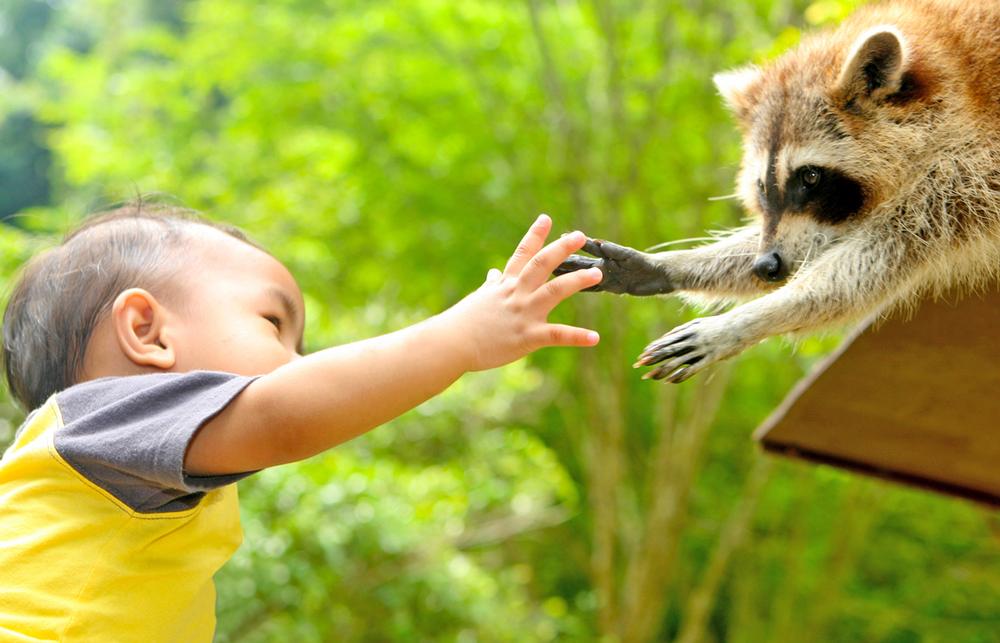
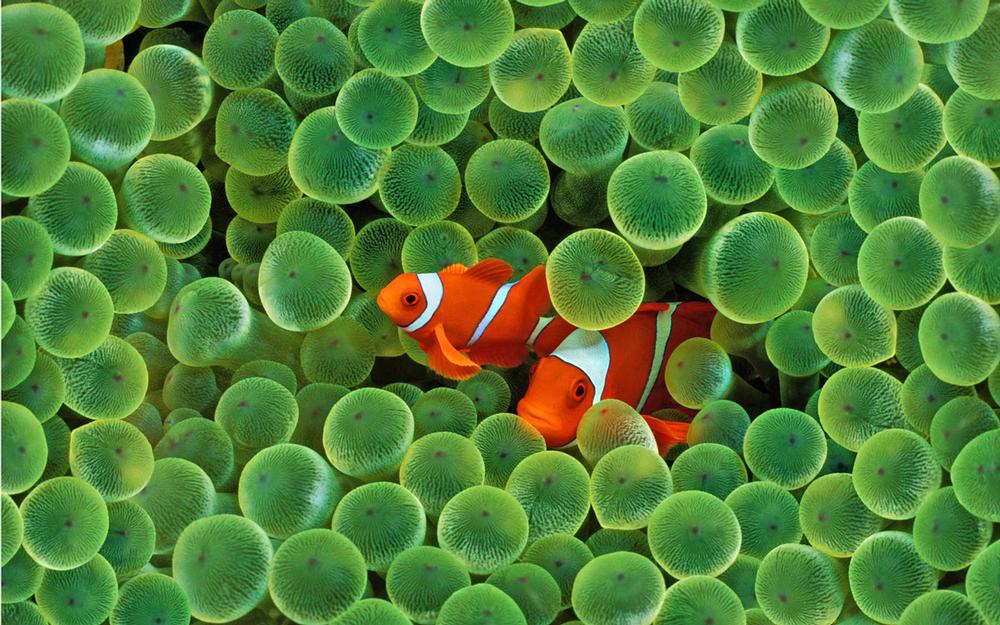
Are there any risks? Could boosting interest in this way lead to negative outcomes for wildlife? There is a risk. As mentioned in our paper (Fukano et al. 2019), the film Finding Nemo increased poaching of the clownfish, and a Japanese anime called Rascal the Raccoon is thought to be responsible for the colonisation of invasive raccoons that’s happening in Japan, because the anime increased the number of people keeping raccoons as pets.
In order to prevent this happening, those involved in the entertainment industry must take advice from appropriate expert supervisors.
I hope they will try to turn people’s attention to the sustainability of animals in the wild, rather than to their desire to keep them as pets and I’d like to see programmes and films featuring wild animals and plants contributing to the sustainability of wildlife and ecosystems through their entertainment.
You recently carried out a study assessing the impact of the debut of an endangered Japanese rock ptarmigan at a zoo on public interest in the species. What did you find? We showed that the debut of an endangered bird in a zoo triggered a large increase in public interest, awareness, conservation knowledge and motivation for conservation of the species, using various metrics. This kind of quantitative data will make it easier for zoos to gain support from the general public and government.
What role do zoos play in protecting endangered species? Zoos contribute to the conservation of endangered species in a variety of ways; I still think that the role of public awareness is the most unique and important. Zoos are almost the only place where we can see endangered species.
At least in Japan, many people who come to zoos don’t have a great interest in conservation – zoos are often run by the government and admission fees are very low. I believe this is a strong point, and zoos have a great potential to reach out to such people.
"I hope the
entertainment
industry will try
to turn people’s
attention to the
sustainability of
animals in the
wild, rather than
their desire to
keep them as pets" – Yuya Fukano
About Kemono Friends
The manga, TV show and video game, with characters conceived by manga artist Mine Yoshizaki, is based on the idea of Japari Park, a large zoo which is home to extinct and endangered species and some legendary creatures.
In the manga (graphic novel), a ‘mysterious substance’ known as ‘sandstar’, enables many of the animals to be anthropomorphised into girls who are known as Friends. The tale follows a park keeper named Nana who looks after the Friends in Japari Park.
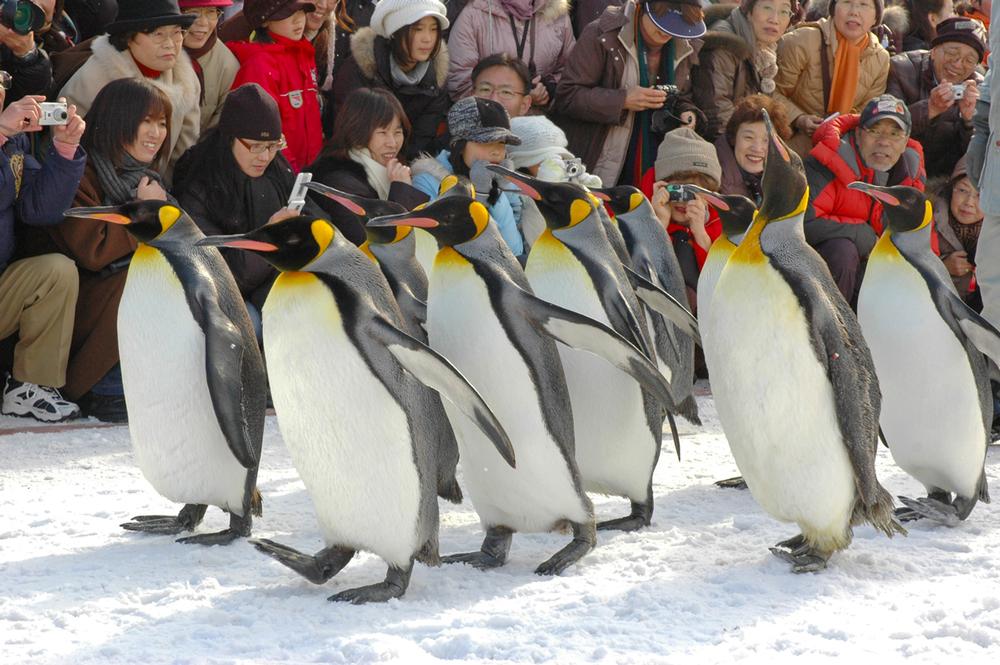
Animals in the park include a serval cat, a northern white-faced owl, a raccoon, penguins, a red fox and a Fennec Fox as well as a giant pangolin and a giant armadillo.
Read more from this issue of Attractions Management magazine
View contents of Attractions Management 2021 issue 2
Museums: Museum of everything
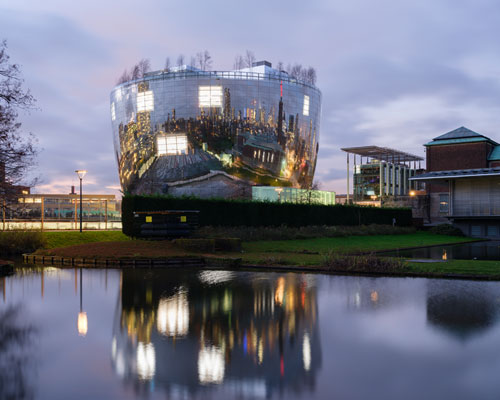
At Depot Van Beuningen, a new kind of museum is taking shape, with the whole collection on show
Interview: Joe Pine
From mass customised itineraries to hybrid experiences, the pandemic is influencing attractions trends, says thought leader, Joe Pine
Disney: The Art of Marvel
Disneyland Paris has opened its new Marvel-inspired hotel. Art director Caroline May tells us what made it such a special project to work on
Interview: Nicolas de Villiers
As Puy du Fou opens its first park outside France, its president tells Attractions Management about his ambitious global plans and why China is next on his radar
Research: All creatures great and small
Large, charismatic animals drive footfall to zoos, but there are more unusual ways of boosting attendance, says Yvonne Buckley
Research: Power of youth
Teenage volunteers can help tween visitors get more out of their visits to science centres, new research shows
Disney: Reach for the stars
Dreamed up by Star Wars fans and brought to life by Disney Imagineers – a sneak peek at the Star Wars Galactic Starcruiser hotel experience
Research: Animal magic
A national study in Japan has shown how partnering with entertainment companies can help drive visits and donations to zoos
Museums: The way we live
London’s Museum of the Home has reopened after a major refurbishment. We hear from the architects and museum director
A national study in Japan shows the potential for entertainment
conservation partnerships to increase public interest in animals
and boost donations to zoo conservation programmes.
Magali Robathan finds out more from ecologist Yuya Fukano
Animated TV shows featuring animals can increase interest in real animals and lead to higher numbers of zoo visits and donations to conservation programmes, according to a study carried out in Japan by researchers at the University of Tokyo Institute for Sustainable Agro-ecosystem Services.
When an intense summer heatwave made fieldwork impossible, assistant professor Yuya Fukano from the University of Tokyo Institute teamed up with zookeeper Yosuke Tanaka and colleague Masashi Soga – an assistant professor at the University of Tokyo specialising in human-nature interactions – to carry out an office-based research project.
The team analysed data from Google Trends and Wikipedia page views to measure the impact of zoos on public interest in conservation and wildlife. They found an increased number of internet searches for specific animal species within prefectures that have zoos caring for those animals, suggesting that visiting zoos motivates people to learn more about the species they see there.
They also spotted a dramatic increase in the number of online searches for certain animals and realised that they tallied with the first broadcast of the hugely popular animated series Kemono Friends which features a child who becomes lost in an enormous zoo and befriends various animals who help her navigate their habitats and try to find her way home.
In the year and a half during and following the original Kemono Friends broadcast, there was an increase of 4.66 million Google searches and 1 million Wikipedia page views for the species featured as characters in the programme, compared to the 18 months before it was broadcast. The researchers also found an increase in donations to three Tokyo zoos, and found that the animal species featured as characters in Kemono Friends attracted larger increases in donations.
We speak to Yuya Fukano to discover more about the findings overleaf.
What prompted this research? Anime and manga are very popular forms of entertainment in Japan and are widely enjoyed by children and adults. However, since they’re often perceived as subcultures, there have been few studies that have seriously attempted to investigate their influence on the real world. We thought that because there are so many animals in anime and manga, the interest in real animals might spill over.
You measured the impact of zoos on public interest in wildlife. What did you find? It is not easy to measure people’s interest. We estimated the dynamics of interest using a variety of indicators, including online search behaviour, donation behaviour, online questionnaires and social media activity.
We found zoo animal exhibits, collaboration with TV anime series and special events significantly increase people’s interest.
Online searches for certain animals increased dramatically when Kemono Friends was broadcast. Were you surprised? Very surprised. The biggest reason for such significant impact, I think, is that this anime became a huge topic of conversation, not only among anime geeks but also ‘ordinary’ people. Another reason is the fact that the anime was produced with respect for zoos and wildlife.
How can zoos take advantage of this trend? The most significant finding was that it attracted people who had not previously been interested in zoos, particularly young adult males. My co-researcher at the zoo told me, “After the anime broadcast, I saw that the number of adult male visitors increased; not only those with children. Young adult males are a demographic that’s difficult for zoo PR to reach”.
I believe that by working with entertainment companies in the future, zoos and conservation centres will be able to deliver important information to and get support from people who have historically been difficult to reach.
Does this interest translate into behaviour that supports endangered species? It translates to an increase in donations. It would be nice if there were more opportunities to directly engage in conservation, such as participating in habitat conservation programmes for endangered species.
Would you like to see zookeepers, conservationists and entertainers working together to help support endangered animals? Yes, that would be wonderful. As an interesting example, Kemono Friends Projects has done a lot of collaboration with WWF. I also heard that they are allowing the use of their anime characters for free for use on information boards at zoos.
You carried out the study in Japan. Do you think the findings are relevant elsewhere? Japan may be a unique country in relation to Europe. Most adults in Japan enjoy manga, and there are many anime targeted at adults. So, it may be unique to Japan or other Asian countries that anime has such a strong influence. However, each country has its own popular subcultures and high cultures including music, sports and movies. I think that by linking with such cultural activities, zoos and conservation centres could become more effective.
Are there any risks? Could boosting interest in this way lead to negative outcomes for wildlife? There is a risk. As mentioned in our paper (Fukano et al. 2019), the film Finding Nemo increased poaching of the clownfish, and a Japanese anime called Rascal the Raccoon is thought to be responsible for the colonisation of invasive raccoons that’s happening in Japan, because the anime increased the number of people keeping raccoons as pets.
In order to prevent this happening, those involved in the entertainment industry must take advice from appropriate expert supervisors.
I hope they will try to turn people’s attention to the sustainability of animals in the wild, rather than to their desire to keep them as pets and I’d like to see programmes and films featuring wild animals and plants contributing to the sustainability of wildlife and ecosystems through their entertainment.
You recently carried out a study assessing the impact of the debut of an endangered Japanese rock ptarmigan at a zoo on public interest in the species. What did you find? We showed that the debut of an endangered bird in a zoo triggered a large increase in public interest, awareness, conservation knowledge and motivation for conservation of the species, using various metrics. This kind of quantitative data will make it easier for zoos to gain support from the general public and government.
What role do zoos play in protecting endangered species? Zoos contribute to the conservation of endangered species in a variety of ways; I still think that the role of public awareness is the most unique and important. Zoos are almost the only place where we can see endangered species.
At least in Japan, many people who come to zoos don’t have a great interest in conservation – zoos are often run by the government and admission fees are very low. I believe this is a strong point, and zoos have a great potential to reach out to such people.
"I hope the
entertainment
industry will try
to turn people’s
attention to the
sustainability of
animals in the
wild, rather than
their desire to
keep them as pets" – Yuya Fukano
About Kemono Friends
The manga, TV show and video game, with characters conceived by manga artist Mine Yoshizaki, is based on the idea of Japari Park, a large zoo which is home to extinct and endangered species and some legendary creatures.
In the manga (graphic novel), a ‘mysterious substance’ known as ‘sandstar’, enables many of the animals to be anthropomorphised into girls who are known as Friends. The tale follows a park keeper named Nana who looks after the Friends in Japari Park.
Animals in the park include a serval cat, a northern white-faced owl, a raccoon, penguins, a red fox and a Fennec Fox as well as a giant pangolin and a giant armadillo.
Read more from this issue of Attractions Management magazine
View contents of Attractions Management 2021 issue 2
Museums: Museum of everything
At Depot Van Beuningen, a new kind of museum is taking shape, with the whole collection on show
Interview: Joe Pine
From mass customised itineraries to hybrid experiences, the pandemic is influencing attractions trends, says thought leader, Joe Pine
Disney: The Art of Marvel
Disneyland Paris has opened its new Marvel-inspired hotel. Art director Caroline May tells us what made it such a special project to work on
Interview: Nicolas de Villiers
As Puy du Fou opens its first park outside France, its president tells Attractions Management about his ambitious global plans and why China is next on his radar
Research: All creatures great and small
Large, charismatic animals drive footfall to zoos, but there are more unusual ways of boosting attendance, says Yvonne Buckley
Research: Power of youth
Teenage volunteers can help tween visitors get more out of their visits to science centres, new research shows
Disney: Reach for the stars
Dreamed up by Star Wars fans and brought to life by Disney Imagineers – a sneak peek at the Star Wars Galactic Starcruiser hotel experience
Research: Animal magic
A national study in Japan has shown how partnering with entertainment companies can help drive visits and donations to zoos
Museums: The way we live
London’s Museum of the Home has reopened after a major refurbishment. We hear from the architects and museum director
Abu Dhabi-based investment firm Mubadala Capital has made a binding, fully financed
€1 billion
offer to acquire Pierre and Vacances SA, the European holiday resort operator behind the
continental European Center Parcs business.
Disney has reaffirmed its commitment to investing US$30 billion in its US parks and cruise
business by 2033, using new America250 celebrations to underline the role its attractions play
in supporting jobs, tourism and economic growth.
Expo 2030 Riyadh is being planned as a permanent visitor destination, with organisers
confirming the six-million-square-metre site will become a Global Village after the event closes.
The owner of one of Australia's best-known waterparks has acquired a major competitor,
creating a new attractions business spanning two of the country's largest visitor destinations.
The Toverland theme park in the Netherlands has announced a €98m expansion programme
that will add a resort, new attractions and staff facilities as it pursues plans to become a multi-
day destination.
Hotel de France, located on the British Isle of Jersey, has created a wellness retreat package
that includes a hot yoga session that will take place in Jersey Zoo’s butterfly sanctuary.
A new immersive attraction designed to transport visitors into the final hours of ancient Pompeii
is preparing to open near the world-famous archaeological site in southern Italy.
Experience design company, BRC Imagination Arts, has completed a transition that sees founder
Bob Rogers pass ownership of the business to four long-serving senior executives, while
remaining actively involved with the company.
Movie Park Germany has opened a new Paramount Pictures-themed attraction as part of its 30th
anniversary celebrations, using immersive storytelling and adaptive reuse to reinforce the park’s
longstanding “Hollywood in Germany” positioning.
Therme Manchester’s 28-acre development, which will include interconnected glass pavilions
that measure 65,000sq m, will be the largest bathing and wellbeing attraction in the world once
complete, according to prof David Russell, CEO of Therme UK.
+ More news
COMPANY PROFILES
Sally Corporation Our services include: Dark ride design & build; Redevelopment of existing attractions; High-quality [more...]
QubicaAMF UK QubicaAMF is the largest and most
innovative bowling equipment provider with
600 employees worldwi [more...]
Polin Waterparks Polin was founded in Istanbul in 1976. Polin
has since grown into a leading company in
the waterpa [more...]