"This is a temple to the people’s art.”
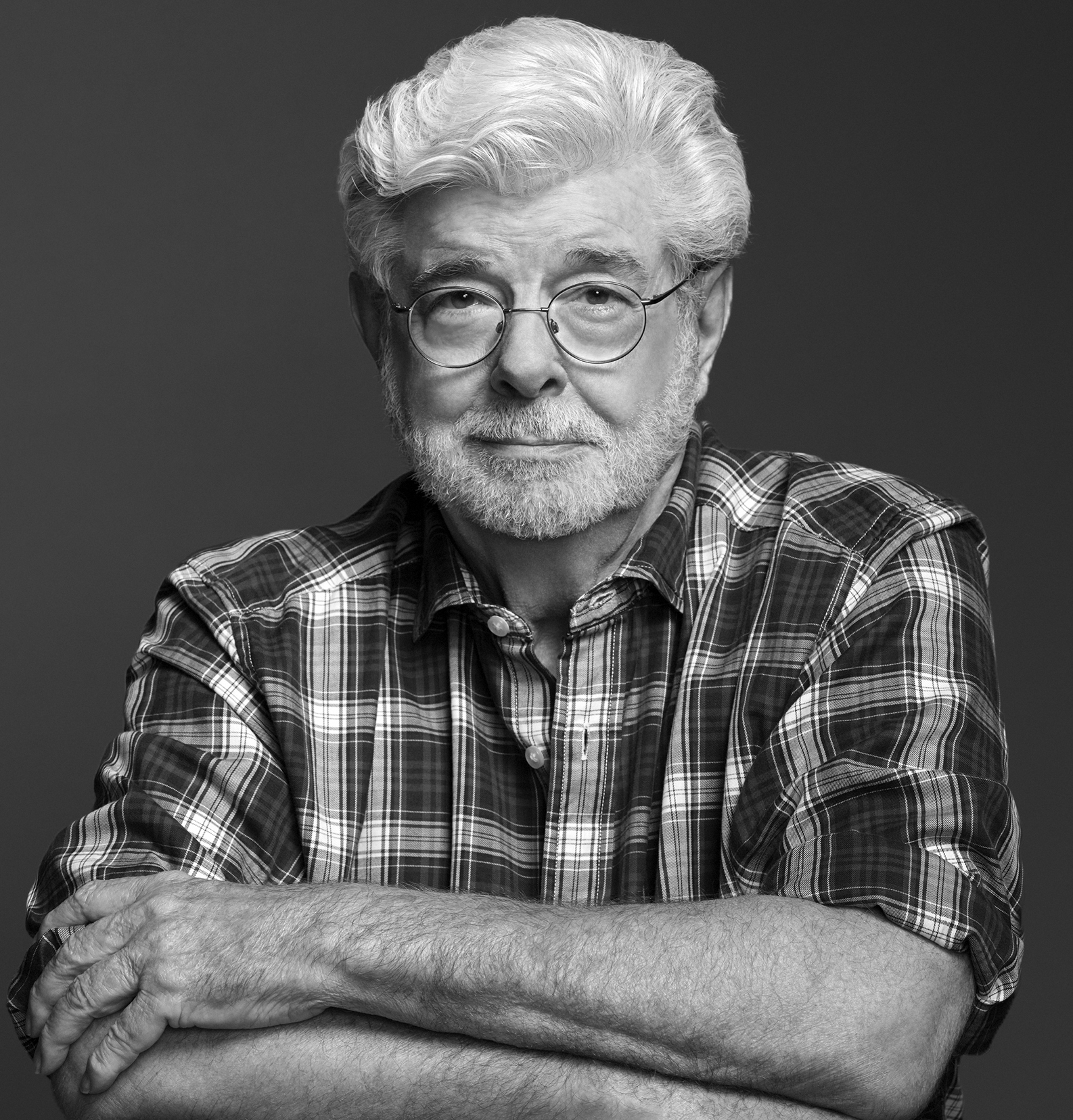
So said filmmaker George Lucas, speaking at San Diego Comic-Con in California, US, about his aims for the long-anticipated Lucas Museum of Narrative Art.
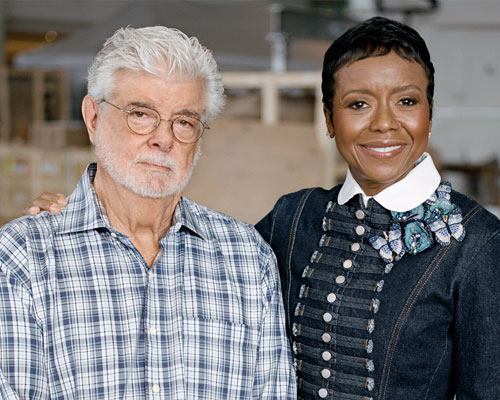
Co-founded by Lucas and his wife Mellody Hobson, the $1bn museum is due to open in Los Angeles, US, on 22 September 2026, and will celebrate narrative art across the ages, including cave art, comic book art, digital media and film, as well as paintings, illustrations and photography. It is rooted in Lucas and Hobson’s deep belief in illustrated stories and their power to connect people across cultures and through time.
“This museum is dedicated to the idea that stories and mythology are extremely important to society in creating community,” Lucas told the San Diego Comic-Con audience last summer. “Art illustrates that story – you need the art to make it seem real.”
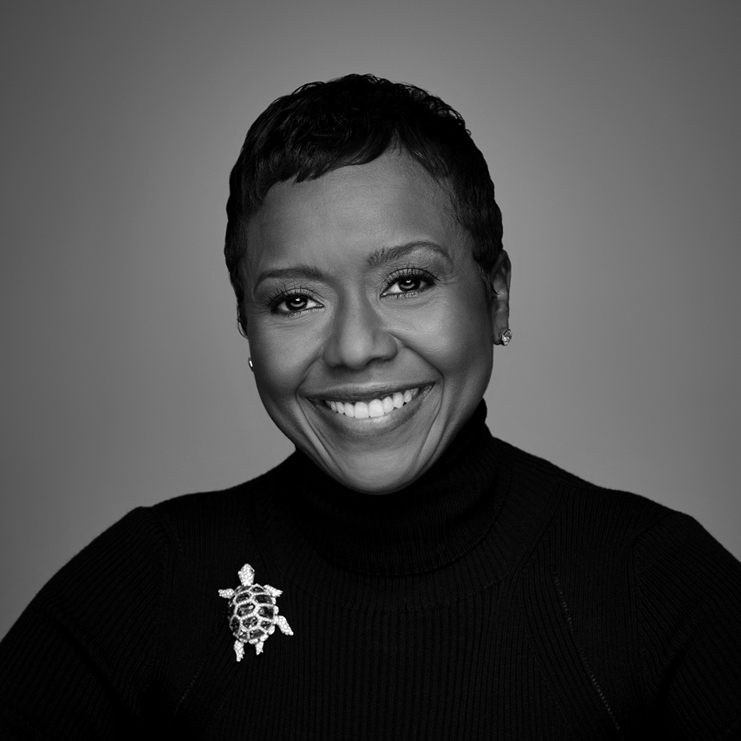
“The images are illustrations of beliefs we live with every day,” said Mellody Hobson, who has been working on the museum with George Lucas for more than 10 years. “For that reason, this art belongs to everyone. Our hope is that as people move through the galleries, they will see themselves, and their humanity, reflected back.”
A vast collection
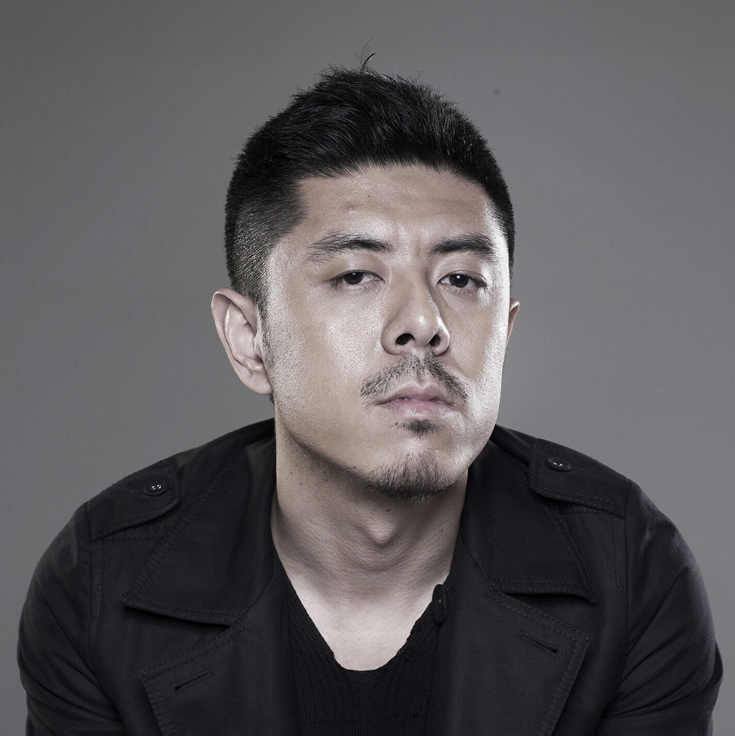
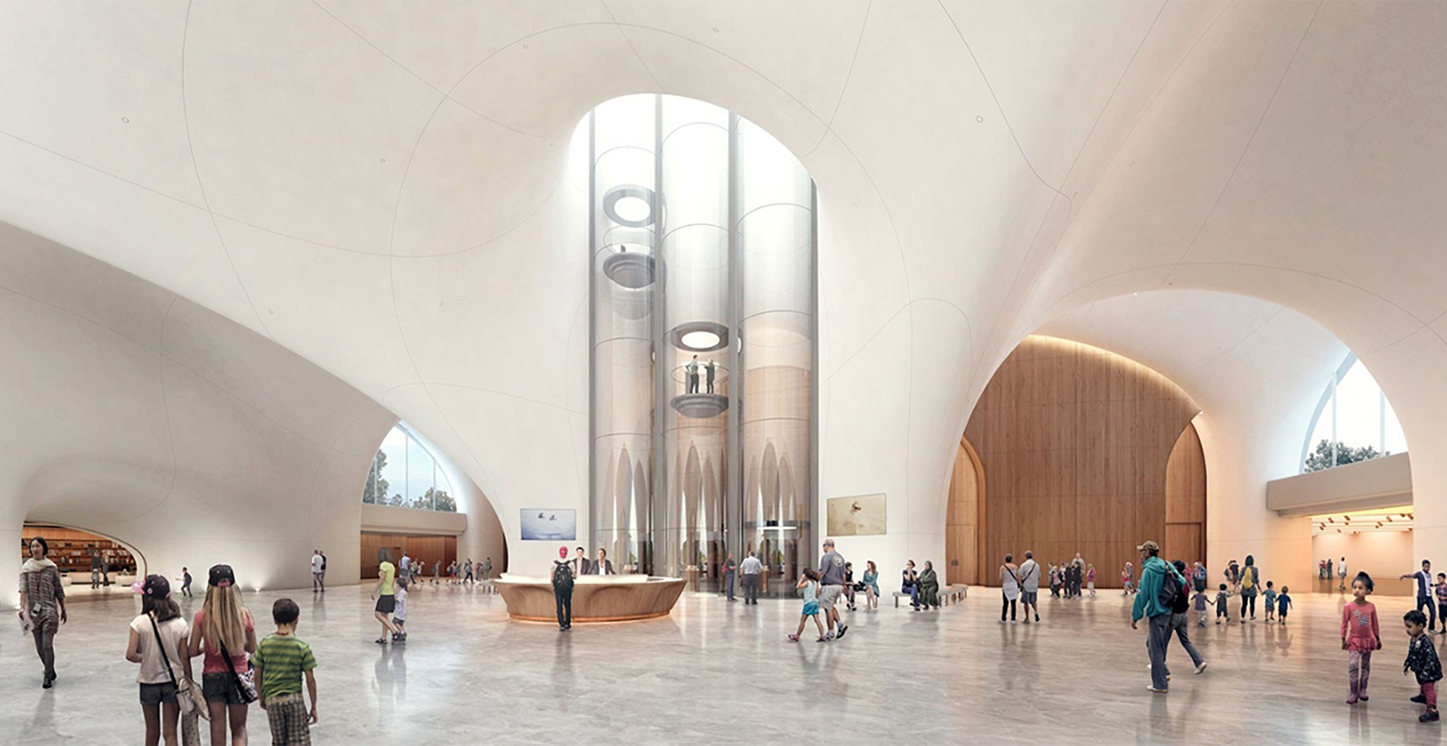
The museum, which was designed by architect Ma Yansong, will feature more than 40,000 artworks from Lucas and Hobson’s vast collection, exhibited in 35 galleries spread across 100,000 square feet. As well as the galleries, the building will also contain two state-of-the-art cinema theatres, classrooms, shops, a cafe and a rooftop restaurant.
Stories are mythology, and when illustrated, they help humans understand the mysteries of life
Rather than grouping artworks by period as per the traditional art museum model, Lucas and Hobson have chosen to group them by human experience, with galleries covering universal themes including love, family, community, work, play, childhood and adventure.
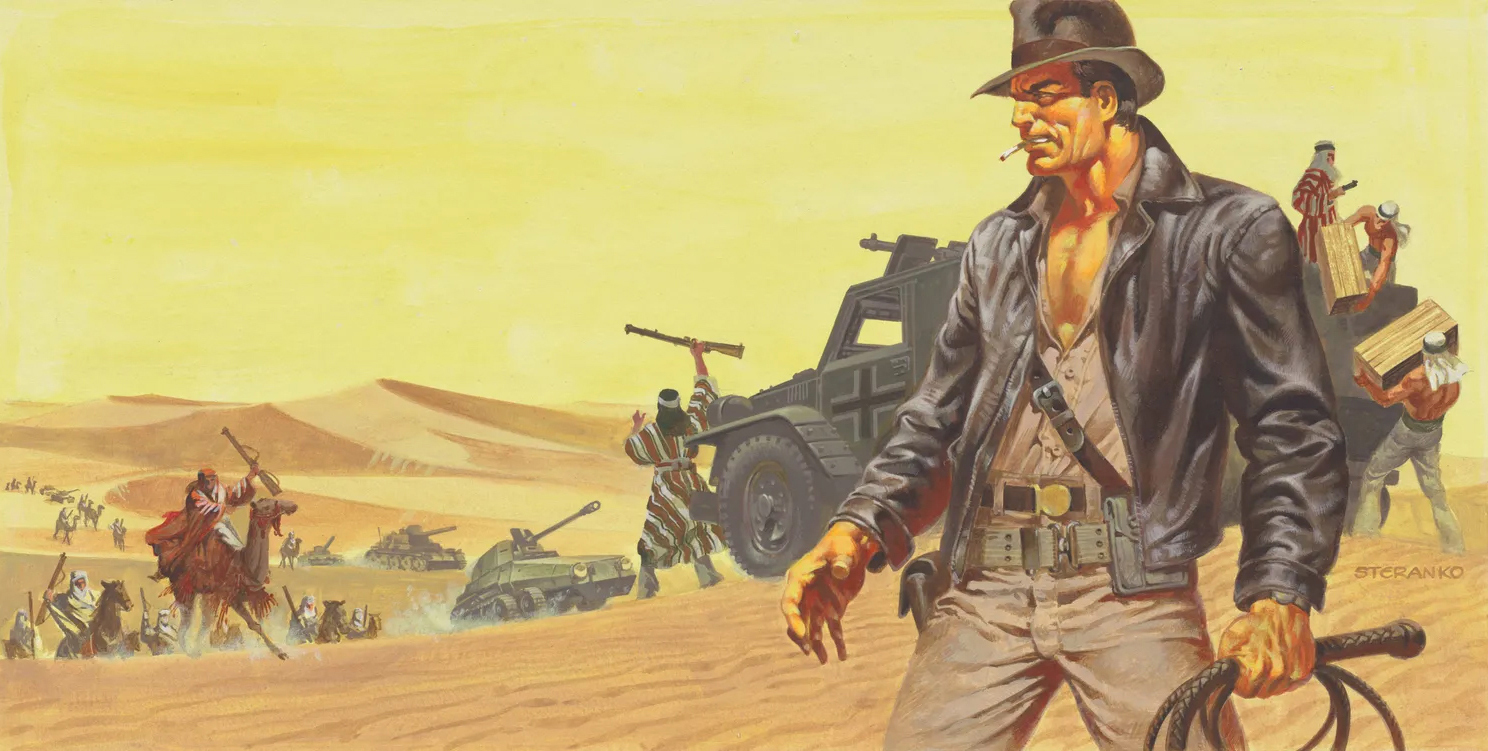
The collection includes works by painter and illustrator Norman Rockwell, contemporary artists including Frida Kahlo and Diego Riviera, and comic artists like Frank Frazetta and Winsor McKay. As you might expect, it will also display a wide range of movie-related artefacts, including props, costumes, storyboards and posters, and it houses the complete Lucas Archives (1971 - 2012).
A love affair with art
Lucas’ passion for collecting art began when he was a college student, and he started buying original comic book artwork.
“Back when I was in college, I couldn’t afford real art, but I could afford comic art,” he said. “I’ve been collecting narrative art since then.”
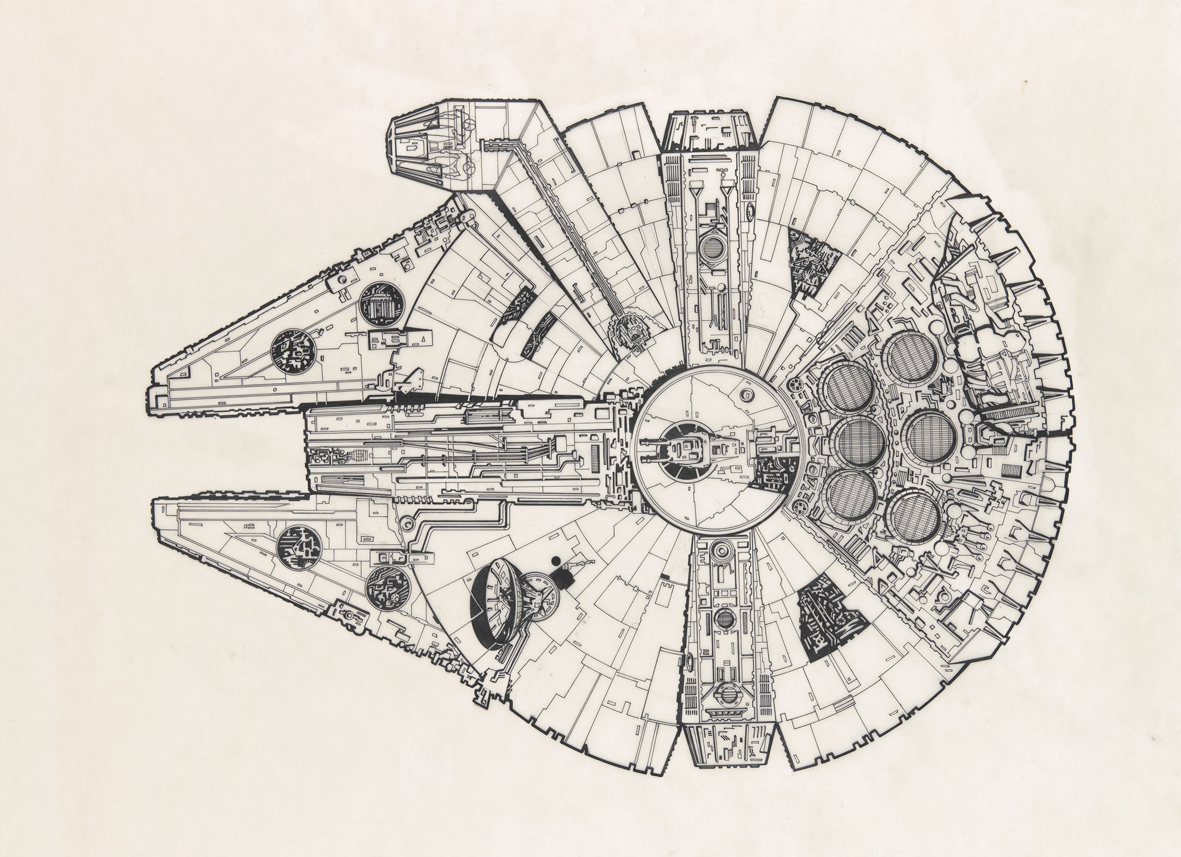
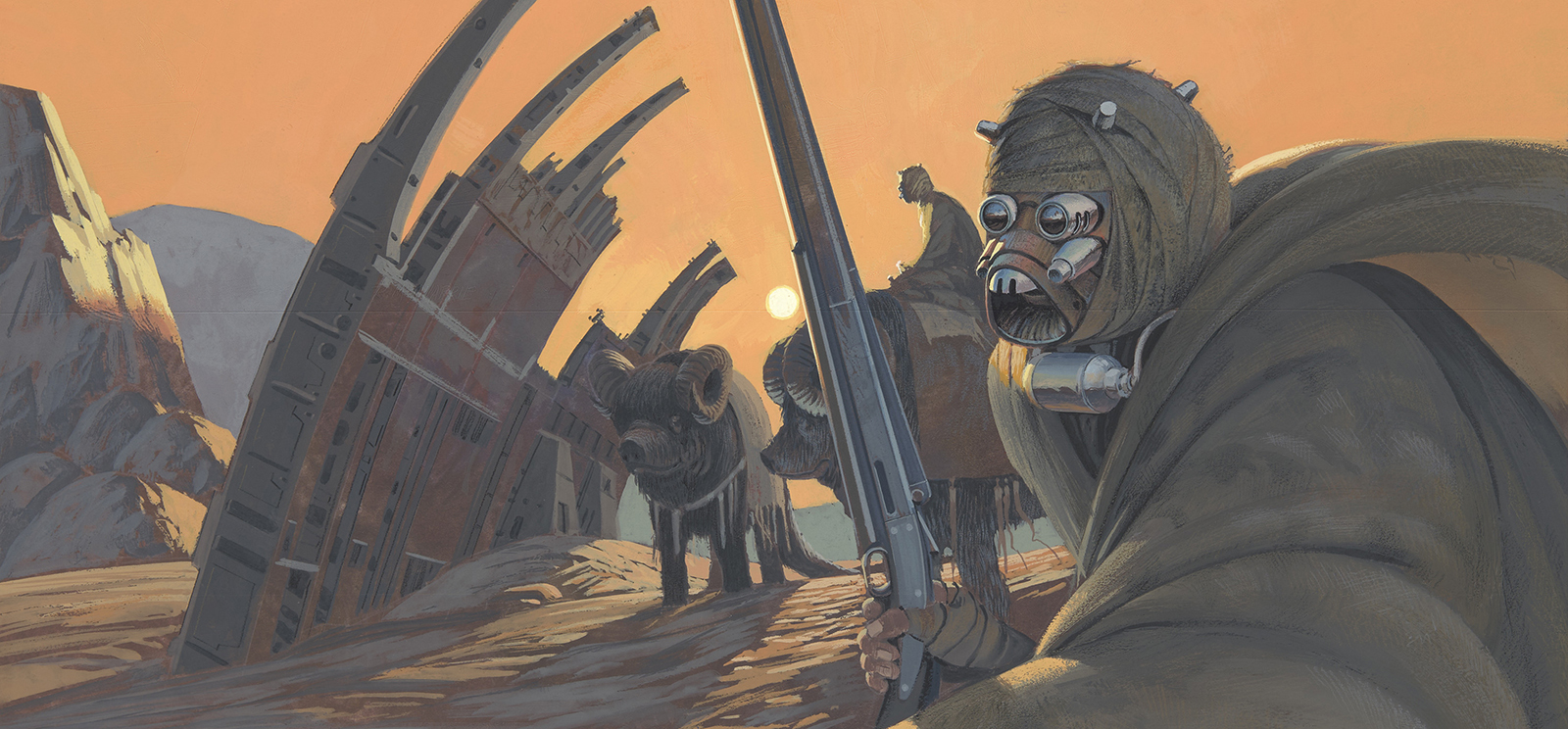
Since his early days as a filmmaker, Lucas has always relied on visual artists to translate his ideas into reality. Back in the 1970s, when he began pitching his idea for a ‘modern space opera,’ studio executives struggled to understand his vision. Lucas hired illustrator Ralph McQuarrie to produce a series of concept artwork, which proved instrumental in getting Twentieth Century Fox to approve funding for the original Star Wars film.
This art belongs to everyone
“People can’t understand what I’m talking about because they’ve never seen it before,” said Lucas, speaking to the Wall Street Journal. “That’s why I had so many illustrators working for me. I relied on them to help people get the picture.
“I’ve worked with hundreds of illustrators in my life. They’re all great, but they don’t get recognised.”
One of the key aims of the Lucas Museum of Narrative Art is to champion creators overlooked by the elite art world by affording illustration, comic book and populist art the same status as fine art. By focusing on the storytelling aspect of art, the museum bridges the gap between high art and popular art, with the hope that it will cater to a broader audience than elite institutions.
A long road
The idea for a museum celebrating narrative art began in the early 2010s, following George Lucas’ 2012 sale of Lucasfilm to Disney. Lucas turned his attention to the creation of a museum which would display his vast collection of art, with the aim of exploring how images shape culture and collective imagination.
“I have been [collecting art] for 50 years now, and it occurred to me, What am I going to do with it all?” he said. “I refuse to sell it.”
The museum – then called the Lucas Cultural Arts Museum – was initially planned for a site in San Francisco’s Presidio. Concept designs were created by the Urban Design Group, but the proposal was ultimately rejected by the Presidio Trust. After exploring a different site in San Francisco, Lucas and his wife turned their attention to Hobson’s home city of Chicago. A lakefront site was chosen and in 2014, Lucas hired architect Ma Yansong to design the museum, before deciding to pull out of Chicago in response to legal challenges by preservationist group Friends of the Park.
I’ve worked with hundreds of illustrators in my life. They’re all great, but they don’t get recognised
In 2017, the current site in Los Angeles’ Exposition Park was secured, and Ma Yansong designed the final version of the museum.
The architecture
A museum launched by the creator of Star Wars about the power of narrative art was never going to be housed in a boring, conventional building. The building itself needed to inspire curiosity and tell a story – that everyone is welcome and that important and interesting things are contained within its walls.
As Lucas said: “This art is important. Lets put it in an important building.”
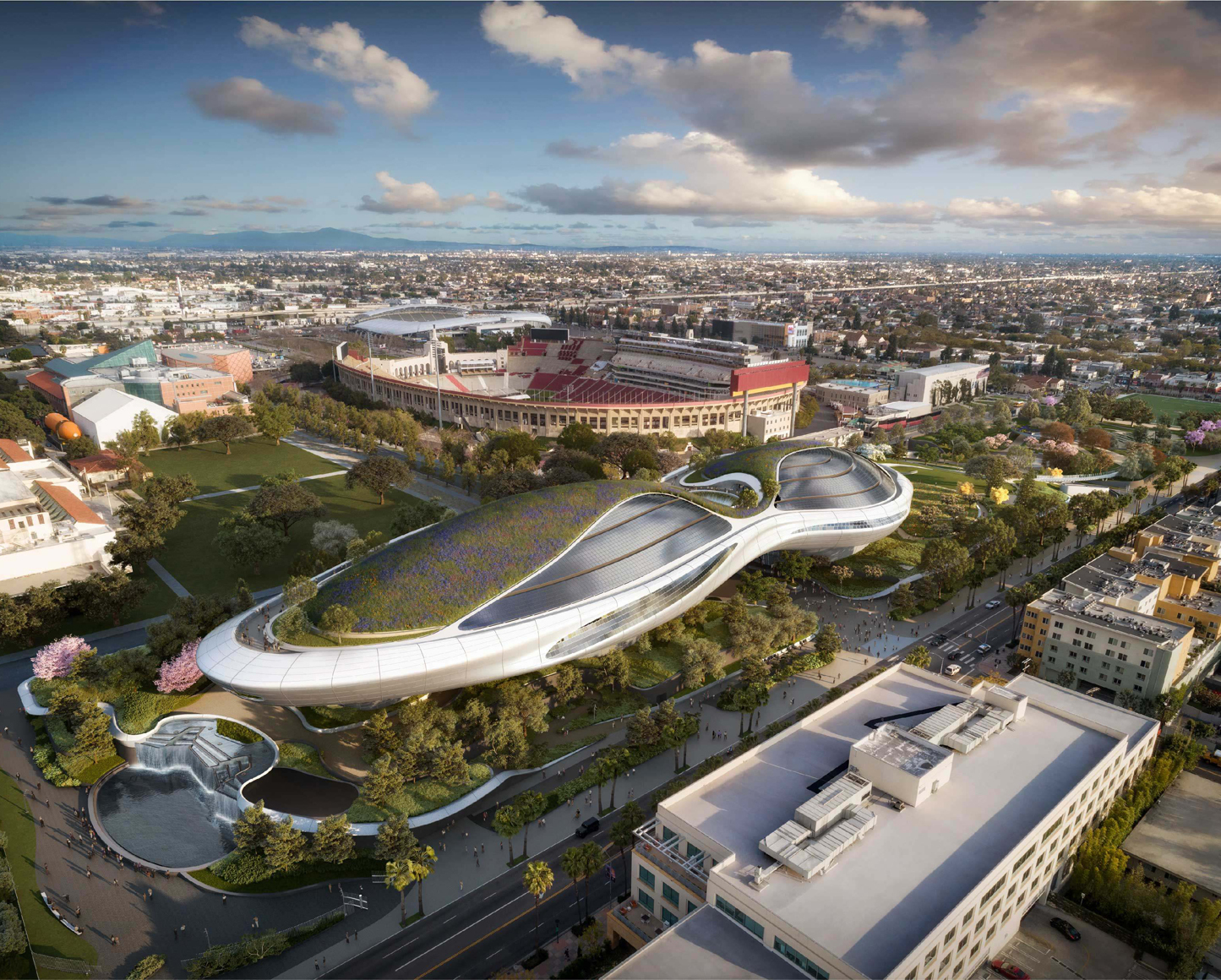
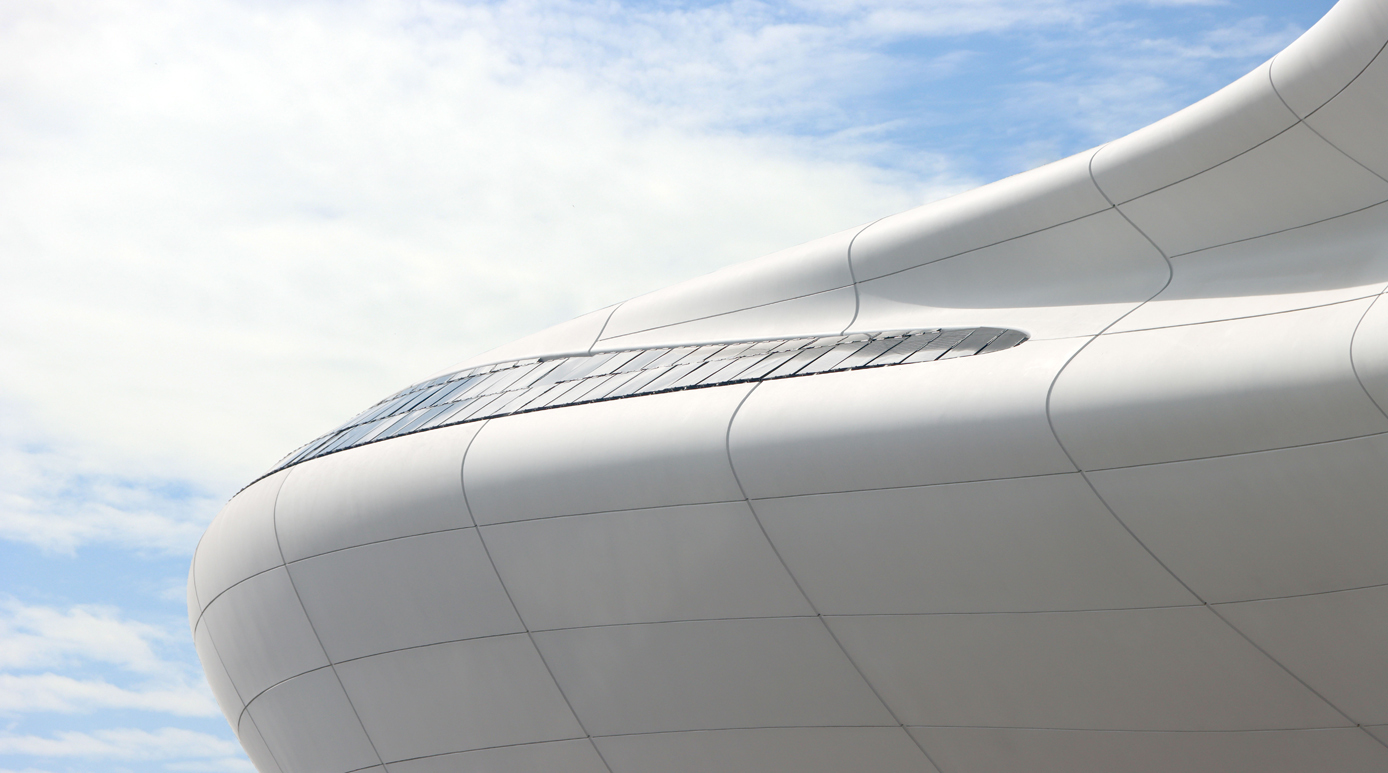
Yansong’s building is a futuristic, spaceship-like structure, designed to look as though it is floating above the gardens and paths at its base. It is wrapped in a pale, matte, fibreglass-reinforced polymer (FRP) skin.
“I have been a fan of architect Ma Yansong from his earliest works. His designs never cease to amaze and inspire me,” said Lucas. “It’s why I was so excited to collaborate with him on the Lucas Museum of Narrative Art. I believe visitors will come not just for the collection, but also the building – it’s a work of art in and of itself.”
The former parking lots around the museum have been transformed by landscape architect Mia Lehrer and her team at Studio-MLA into a new green space featuring native and drought-tolerant plants, more than 200 new trees, paths, meadows and shaded areas for people to gather.
We’ve always said we’re holding society’s money, which we fully intend to give back. This is how we’re doing it
In 2010, George Lucas and Mellody Hobson signed the Giving Pledge – a promise by some of the world’s wealthiest people to give the majority of their wealth to charitable causes. The couple have pledged to use their money to improve education, with a focus on storytelling and the arts.
“We’ve always said we’re holding society’s money, which we fully intend to give back,” says Hobson. “This is how we’re doing it.”