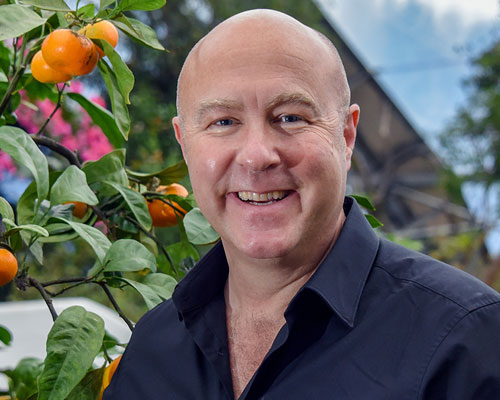
After a decades-long career in immunology and science education, the president and CEO of the COSI science centre in Columbus, Ohio, US has been awarded the Themed Entertainment Association’s Thea Catalyst Award.
Dr Bertley (known as Dr B) has been recognised for his innovative approach to democratising access to science, technology, engineering, arts and math.
Since becoming president of COSI in 2017, Dr B has grown the institution from a small regional science centre into a globally recognised leader in STEM eduction. His initiatives, including the COSI Science Festival, the STEM kit programme and COSI’s Learning Lunchbox kits - filled with at-home experiments - have helped make science accessible for people of all ages.
COSI now reaches more than one million learners annually through immersive exhibits, hands-on outreach, and a range of media programmes including Bertley’s video series, Dr B in 3, which breaks down complex topics in three-minute segments.
Bertley is also the CEO of the National Veterans Memorial and Museum (NVMM), where he is leading the museum through a transformational phase.
Dr B spoke to Attractions Management about winning the Thea award, his passion for science, and the challenges of running a science institution in the current climate
What does it mean to you to win the Thea Catalyst Award?
While we work in education because we believe deeply in its importance for humanity – not for awards or recognition – receiving the Thea Catalyst Award is an incredible honour for me.
As the president and CEO of COSI, I have always believed that science is not just information or a series of facts, but it is an experience that can spark wonder, ignite imagination, and change lives.
For me, the Thea Catalyst Award is not just a personal milestone – it is a tribute to the incredible teams, partners, educators, and community members whom I had the pleasure to work with to make this vocation possible. I’m honoured, humbled, and energised to continue this journey.
It’s important to recognise the rich legacy of past and present scientific genius from women & minority populations
Do you have an achievement that you’re proudest of?
Aside from the distinguished honour of being awarded the THEA Catalyst Award, there is a tie for two really cool things.
Being awarded the McGraw Hill Jr Prize in education in 2025 was a little overwhelming. Sharing this honour with past luminaries like Claiborne Pell, Barbara Bush, Sal Kahn, Reshma Saujani, and John Merrow, selected by an international selection committee of experts, was an unanticipated, humbling honour.
In 2024 I was awarded an honorary degree from McGill University and asked to deliver the Commencement Address to thousands of graduating students. My parents hailed from the Caribbean, and they met at McGill University. All three of my siblings and me graduated from McGill University with several degrees each. To be honoured by McGill more than two decades later was a uniquely defining moment in my professional career and personal life.
Why are science institutions so important right now?
The world we live in and how we navigate it is completely dependent on science and its cousin, engineering… This is how we survive, thrive and vibe. Science institutions strive to make sure this is not only understood but appreciated.
You launched the Color of Science initiative in 2024. What are its aims?
The US is approximately 50 per cent female and 38-43 per cent non-White. As such, it’s important to recognize the rich legacy of past and present scientific genius from women and minority populations.
The Color of Science programme highlights the vast scientific and engineering contributions of these under-represented groups. It’s a comprehensive science interest and literacy programme that invites the public to engage with the stories of remarkable individuals who have impacted our society through their scientific work and achievements. These industrious and creative individuals include women, persons of African American, Latinx/Hispanic, Asian Pacific, and Native American heritages, members of the LGBTQ+ community, and persons with disabilities. The Color of Science programme showcases them to the wider community.
COSI recently announced it is laying off staff in response to economic pressures. How difficult has this time been? Do you have anything to say about this?
The non-profit sector across the United States faced significant financial headwinds in 2025 – particularly museums. All three major revenue streams – ticket sales, philanthropy, and public grants – declined at the same time.
Despite these pressures, we continued working to advance COSI’s mission of ubiquitous engagement, international inspiration, and meaningful local and global impact. Still, in the face of these challenges, we were forced to make the incredibly difficult decision to reduce the size of our team.
My heart goes out to the talented individuals who contributed so much to the COSI brand and mission and were ultimately affected by these changes.
What will the next year bring for COSI? And the next five years?
COSI has been named the nation’s number one science museum six of the last seven years. We fully expect to extend this powerful STEM impact in the next year, and continue our positive impact in science education, engagement, excitement, and appreciation locally and globally.