The report says female travellers are the most important segment driving wellness tourism globally
According to a World Tourism Organization report, outbound Asia-Pacific travellers now represent 37 per cent of the world’s total, with international travel spending doubling in the last decade. Asia-Pacific is also the fastest-growing wellness tourism market: wellness trips jumped 33 per cent in the last two years, and the market will essentially double from 2017–2022: from US$137bn to US$252bn.
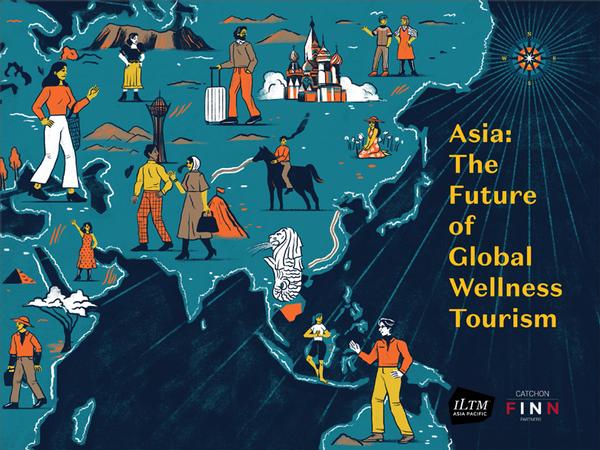
To understand this fast-growing market, Asia brand consultancy CatchOn has released a report – Asia: The Future of Global Wellness Tourism. It conducted more than 50 interviews with travellers, luxury tour operators, spa consultants, travel journalists, wellness destination resorts and hospitality brands to arrive at three main consumer archetypes driving growth.
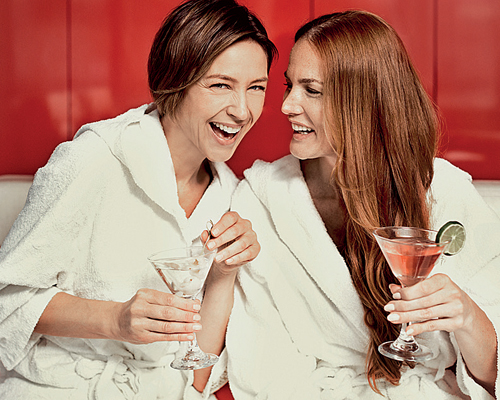
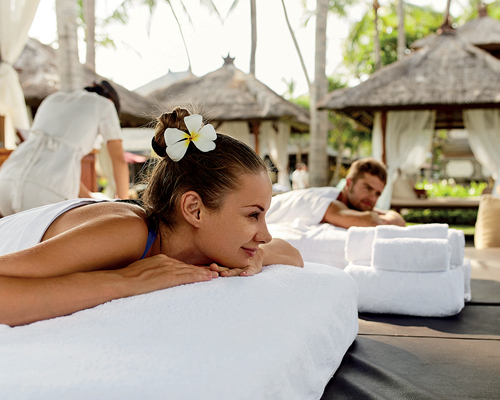
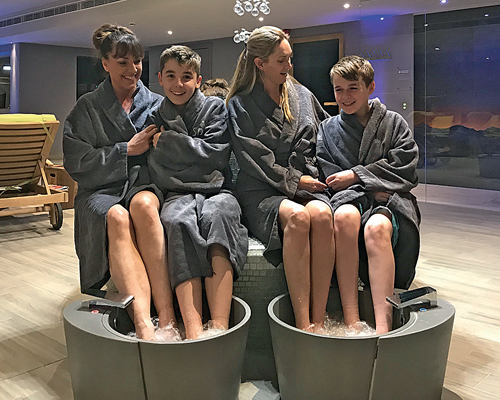
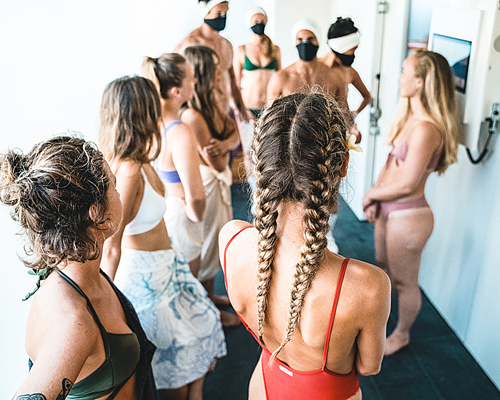
Female travellers Women – travelling with other women or alone – are a force unto themselves, and will become the most important market segment driving the wellness tourism boom worldwide. Women-only vacations have soared in popularity in the last decade, with some tour companies reporting over 200 per cent growth in the last few years alone, and wellness activities are at the heart of the experience. More women are also putting solo trips on their bucket list – solo, but in the company of others.
Affluent new agers The fastest growth in wealth creation is in Asia, and Hong Kong has now overtaken New York to become the world’s largest ultra-high net worth city. With the combined factors of longer life expectancy and having the means to pursue wellness at a younger age, Asians who are approaching mid-life are recontextualising ageing as aspirational. They’re not postponing living well until after retirement, but are embracing a life-well-lived mindset in their 40s, because they can afford it. They are willing to spend on travel and wellness, with the goal of indulging in bucket-list activities while they can.
Chinese millennial millionaires As the middle class grows and incomes rise, producing more millionaires and billionaires at an exponential rate, so too does their appetite for travel and wellness experiences. The growing importance of health in the lives of Chinese millennials is reflected in wellness tourism, with a strong focus on mental health, as well as intellectual and social wellness. For Chinese millennials, wellness travel often means stepping out of a comfort zone and pushing boundaries, and is perceived as a life-enriching experience. This means holidays in which they can explore new cultures, engage in adventure sports, immerse themselves in the wonders of wildlife, and sign up for a healthy cooking class or mindful living workshop.
Read more from this issue of Attractions Management magazine
View contents of Attractions Management 2019 issue 3
Spa Programmes: On the menu
Energy medicine at Six Senses; aroma retreat on Croatia’s Island of Vitality and menopause programming all feature in our spa menu round-up
Top team: Rosewood
Jane Kitchen talks to the wellness team behind Rosewood, and its forward-thinking spa concepts, as CEO Sonia Cheng leads a vigorous global rollout
Everyone’s talking about: CBD
Are CBD treatments and products an unregulated fad, or a serious business proposition? Spa Business investigates
Promotional feature: The Madison Collection
Innovation of form and function in robes and towels is a vital part of attracting the next generation of wellness consumers. Charmaine T Lang from The Madison Collection explains how her company consistently maintains its successful point of difference
Interview: Markus Engel
The CEO of Asia’s Urban Resort Concepts talks to Spa Business about positive disruption in the hospitality and spa sector
Promotional feature: The Wellness
A beautiful pool can be the standout feature that draws new customers. It can also cut your running costs if it’s designed to be sustainable. Mohammed Ibrahim, CEO of The Wellness, explains
Interview: Davide Bollati
Liz Terry speaks to the founder of Comfort Zone about the group’s new botanical garden and ongoing commitment to environmentalism
Research: Generation gap
A new consumer study by ISPA uncovers spa-goer preferences and habits across different age groups
Promotional feature: Phytomer
Formulating the ultimate universal product to heal and defend the skin has taken three years of R&D for Phytomer, the French luxury marine skincare brand. The company’s scientific director tells Spa Business about the launch of the groundbreaking Prebioforce serum
Event Report: APSWC Round Table
Industry leaders contribute to APSWC’s third white paper at annual gathering. Catharine Nicol reports from Malaysia
Family spa: Play time
Spa Business takes a look at innovative spa programmes for children and families
Eco spa: Going green
Joanna Roche and Bonnie Baker share their ambitions for the Green Spa Network
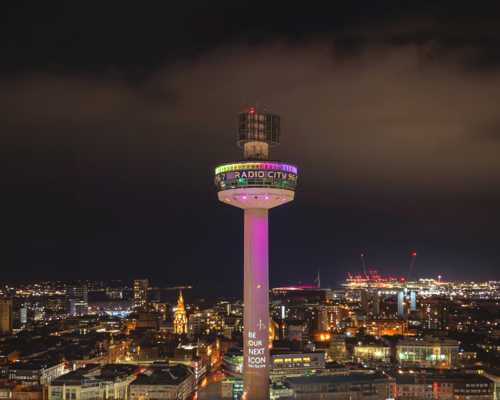
An opportunity to reimagine one of the UK’s most recognisable towers has been formally
opened by Rivington Hark, as St Johns Beacon invites operators and partners to shape its
next phase. [more...]
The report says female travellers are the most important segment driving wellness tourism globally
According to a World Tourism Organization report, outbound Asia-Pacific travellers now represent 37 per cent of the world’s total, with international travel spending doubling in the last decade. Asia-Pacific is also the fastest-growing wellness tourism market: wellness trips jumped 33 per cent in the last two years, and the market will essentially double from 2017–2022: from US$137bn to US$252bn.
To understand this fast-growing market, Asia brand consultancy CatchOn has released a report – Asia: The Future of Global Wellness Tourism. It conducted more than 50 interviews with travellers, luxury tour operators, spa consultants, travel journalists, wellness destination resorts and hospitality brands to arrive at three main consumer archetypes driving growth.
Female travellers Women – travelling with other women or alone – are a force unto themselves, and will become the most important market segment driving the wellness tourism boom worldwide. Women-only vacations have soared in popularity in the last decade, with some tour companies reporting over 200 per cent growth in the last few years alone, and wellness activities are at the heart of the experience. More women are also putting solo trips on their bucket list – solo, but in the company of others.
Affluent new agers The fastest growth in wealth creation is in Asia, and Hong Kong has now overtaken New York to become the world’s largest ultra-high net worth city. With the combined factors of longer life expectancy and having the means to pursue wellness at a younger age, Asians who are approaching mid-life are recontextualising ageing as aspirational. They’re not postponing living well until after retirement, but are embracing a life-well-lived mindset in their 40s, because they can afford it. They are willing to spend on travel and wellness, with the goal of indulging in bucket-list activities while they can.
Chinese millennial millionaires As the middle class grows and incomes rise, producing more millionaires and billionaires at an exponential rate, so too does their appetite for travel and wellness experiences. The growing importance of health in the lives of Chinese millennials is reflected in wellness tourism, with a strong focus on mental health, as well as intellectual and social wellness. For Chinese millennials, wellness travel often means stepping out of a comfort zone and pushing boundaries, and is perceived as a life-enriching experience. This means holidays in which they can explore new cultures, engage in adventure sports, immerse themselves in the wonders of wildlife, and sign up for a healthy cooking class or mindful living workshop.
Read more from this issue of Attractions Management magazine
View contents of Attractions Management 2019 issue 3
Spa Programmes: On the menu
Energy medicine at Six Senses; aroma retreat on Croatia’s Island of Vitality and menopause programming all feature in our spa menu round-up
Top team: Rosewood
Jane Kitchen talks to the wellness team behind Rosewood, and its forward-thinking spa concepts, as CEO Sonia Cheng leads a vigorous global rollout
Everyone’s talking about: CBD
Are CBD treatments and products an unregulated fad, or a serious business proposition? Spa Business investigates
Promotional feature: The Madison Collection
Innovation of form and function in robes and towels is a vital part of attracting the next generation of wellness consumers. Charmaine T Lang from The Madison Collection explains how her company consistently maintains its successful point of difference
Interview: Markus Engel
The CEO of Asia’s Urban Resort Concepts talks to Spa Business about positive disruption in the hospitality and spa sector
Promotional feature: The Wellness
A beautiful pool can be the standout feature that draws new customers. It can also cut your running costs if it’s designed to be sustainable. Mohammed Ibrahim, CEO of The Wellness, explains
Interview: Davide Bollati
Liz Terry speaks to the founder of Comfort Zone about the group’s new botanical garden and ongoing commitment to environmentalism
Research: Generation gap
A new consumer study by ISPA uncovers spa-goer preferences and habits across different age groups
Promotional feature: Phytomer
Formulating the ultimate universal product to heal and defend the skin has taken three years of R&D for Phytomer, the French luxury marine skincare brand. The company’s scientific director tells Spa Business about the launch of the groundbreaking Prebioforce serum
Event Report: APSWC Round Table
Industry leaders contribute to APSWC’s third white paper at annual gathering. Catharine Nicol reports from Malaysia
Family spa: Play time
Spa Business takes a look at innovative spa programmes for children and families
Eco spa: Going green
Joanna Roche and Bonnie Baker share their ambitions for the Green Spa Network
The Toverland theme park in the Netherlands has announced a €98m expansion programme
that will add a resort, new attractions and staff facilities as it pursues plans to become a multi-
day destination.
Hotel de France, located on the British Isle of Jersey, has created a wellness retreat package
that includes a hot yoga session that will take place in Jersey Zoo’s butterfly sanctuary.
A new immersive attraction designed to transport visitors into the final hours of ancient Pompeii
is preparing to open near the world-famous archaeological site in southern Italy.
Experience design company, BRC Imagination Arts, has completed a transition that sees founder
Bob Rogers pass ownership of the business to four long-serving senior executives, while
remaining actively involved with the company.
Movie Park Germany has opened a new Paramount Pictures-themed attraction as part of its 30th
anniversary celebrations, using immersive storytelling and adaptive reuse to reinforce the park’s
longstanding “Hollywood in Germany” positioning.
Therme Manchester’s 28-acre development, which will include interconnected glass pavilions
that measure 65,000sq m, will be the largest bathing and wellbeing attraction in the world once
complete, according to prof David Russell, CEO of Therme UK.
Efteling has opened Hooghmoed, a new family drop tower designed to broaden the appeal of its
recently launched Sirene Island themed area and introduce younger visitors to thrill attractions.
A proposed Puy du Fou development near Bicester and Universal Destinations and Experiences’
planned resort in Bedford are emerging as part of a wider transformation of the Oxford–
Cambridge Growth Corridor into a major centre for UK leisure and tourism inv
Shedd Aquarium has opened the Immersion Theater developed in partnership with SimEx-
Iwerks, as part of a wider strategy to enhance the guest experience and create additional
revenue opportunities.
The UK government has announced a temporary reduction in VAT on visitor attractions and
children’s meals as part of a summer cost-of-living support package designed to stimulate the
visitor economy and encourage family days out.
+ More news
COMPANY PROFILES
Polin Waterparks Polin was founded in Istanbul in 1976. Polin
has since grown into a leading company in
the waterpa [more...]
Sally Corporation Our services include: Dark ride design & build; Redevelopment of existing attractions; High-quality [more...]
TechnoAlpin Indoor TechnoAlpin is the world leader for snowmaking systems. With the Indoor snow division, TechnoAlpin c [more...]
Alterface Alterface’s Creative Division team is
seasoned in concept and ride development,
as well as storyte [more...]
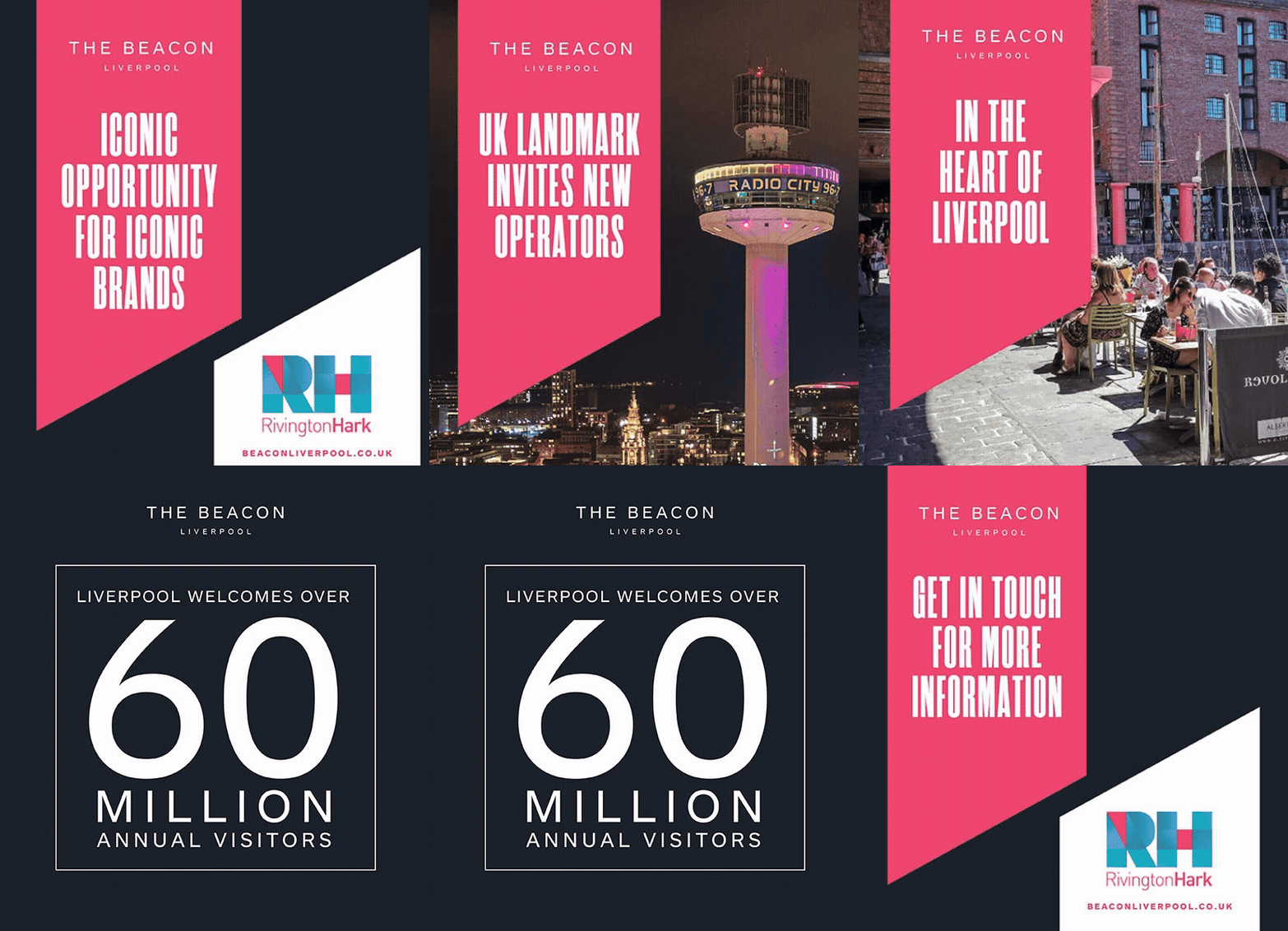
An opportunity to reimagine one of the UK’s most recognisable towers has been formally
opened by Rivington Hark, as St Johns Beacon invites operators and partners to shape its
next phase. [more...]