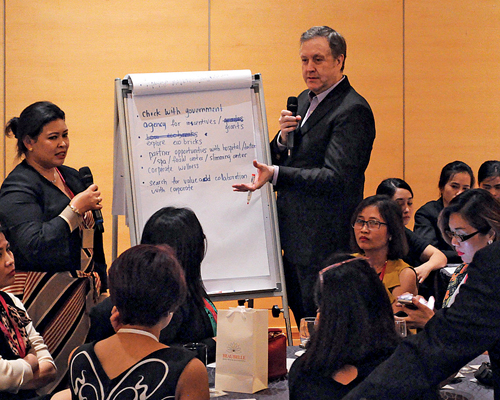
Over 50 delegates from 10 countries contributed to the Asia spa white paper which was released in June
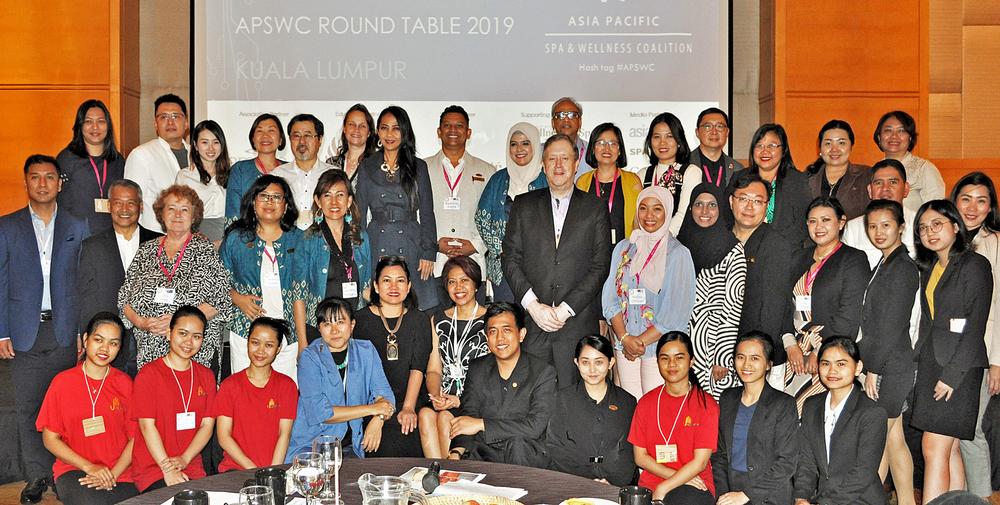
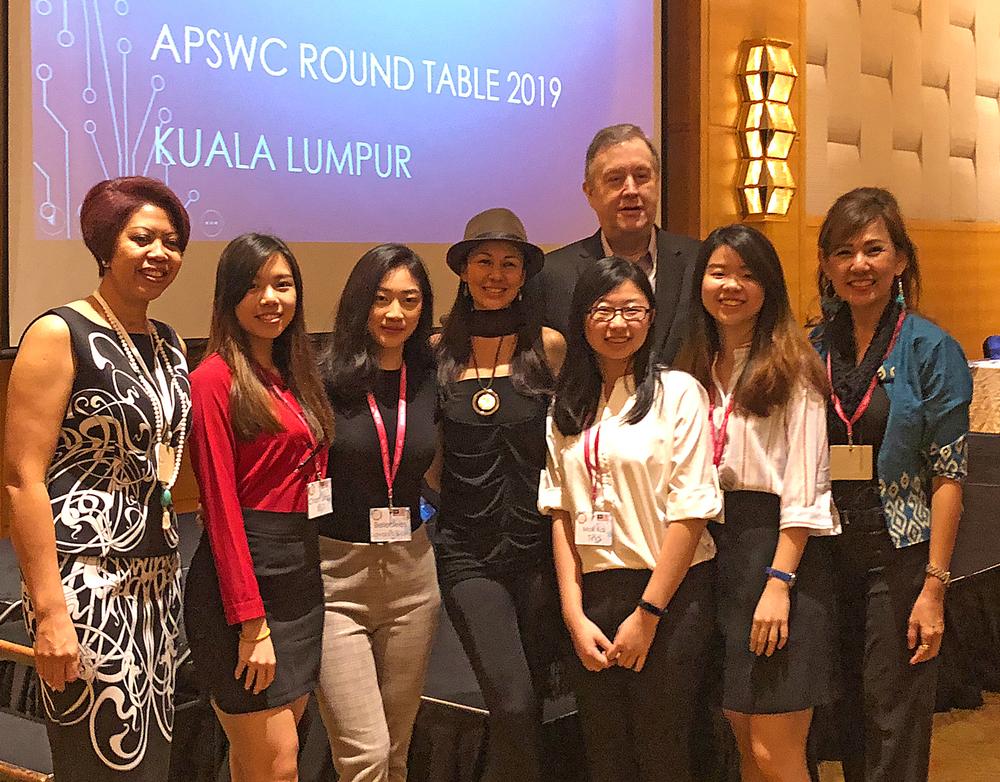
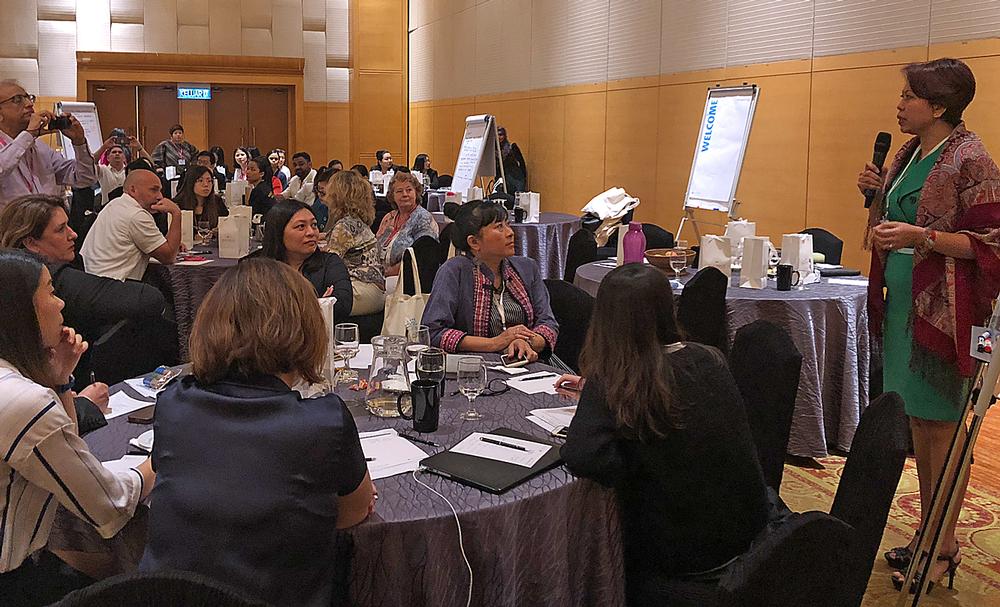
The Asia Pacific Spa & Wellness Coalition (APSWC), an umbrella organisation for spa associations and businesses across Asia, welcomed over 50 delegates to its annual round table gathering this year. Their mission? To create the region’s third spa industry white paper which pinpoints on-going sector issues and potential solutions.
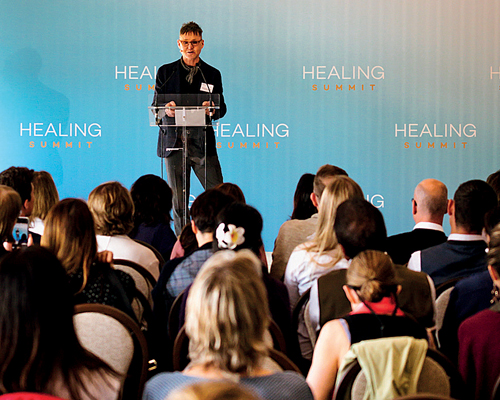
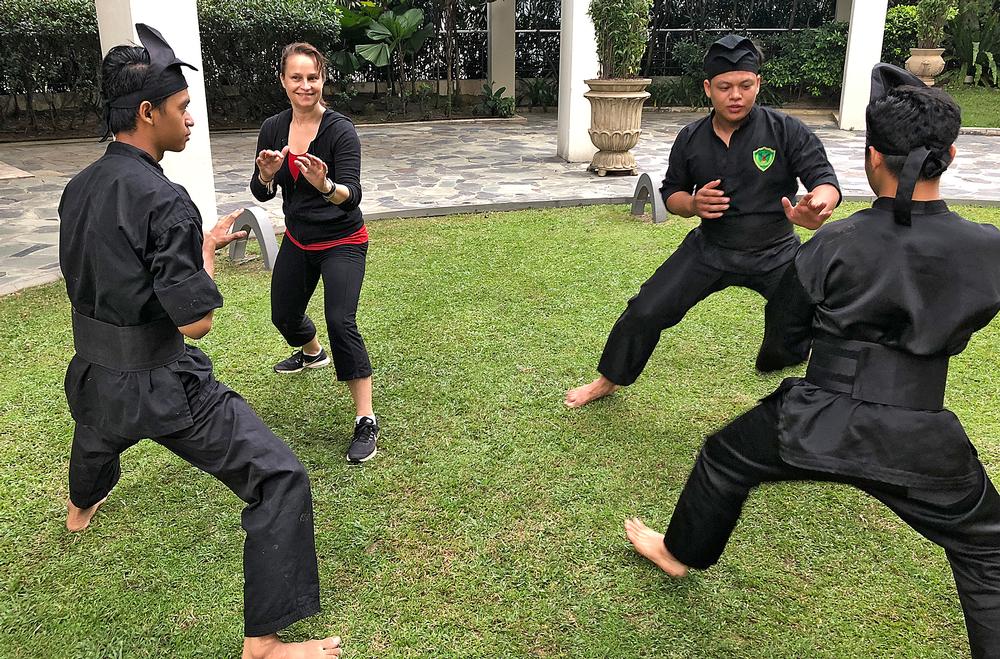
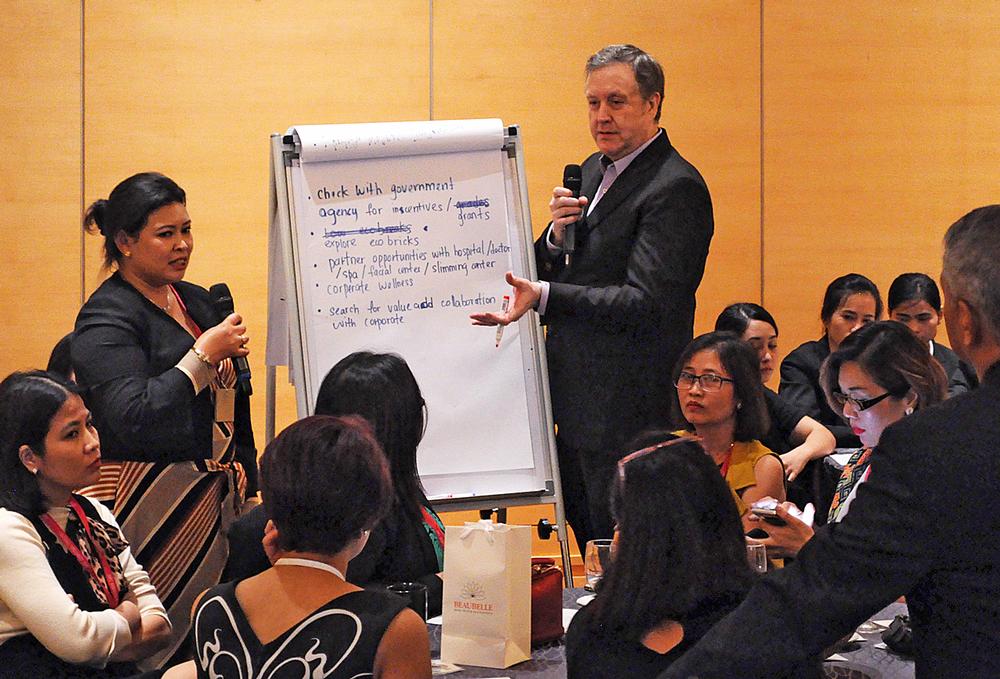
Association chairs, spa managers, consultants and specialists representing 10 countries in the region all convened at the Pullman Hotel City Centre Kuala Lumpur in March to contribute their ideas. The two-day event followed its tried-and-tested format of four main presentations to frame the topics, followed by breakout discussions and solution brainstorming. Bringing a Malaysian touch to the event, days started with silat melayu (an indigenous martial art), local snacks punctuated discussions and evening events celebrated the community over feasts of Malaysian cuisine.
Topic by topic, table by table, APSWC’s 2019 White Paper gradually came to fruition and was officially released in June.
Employee empowerment Andrew Jacka, APSWC chair, initiated the organisation’s inaugural round table event in Bangkok, 2017, with the goal of creating its first white paper. He describes the release of the paper, with input from 20 countries, as a “watershed moment – never before has it been attempted to bring industry leaders together with a singular objective of facing up to some home truths”.
Florence Jaffre, founder of Ytsara spa products, was at her second APSWC event. She said: “I attended this year to get a sense of where the wellness world is moving, for the insights and connections, and also to participate. What I really appreciated was the friendship, the lack of competition, and the common belief and wish to move in the same direction.”
Unsurprisingly, workforce issues and the lack of trained therapists has dominated previous white papers with suggested solutions focusing on career journeys and mentors. This year the topic was tackled at grassroots level, focusing specifically on recruiting and talent empowerment.
Spa consultant Barry White, founder of White Living and an APSWC board member, kicked off the first panel on Team Empowerment, discussing approaches that could be used to instil therapists with a sense of passion and pride in their job.
Panellist Patrick Wee, CEO of True Yoga in Singapore, and Healthland Family Wellness Centre in Kuala Lumpur, is widening the scope of the traditional models by collating various wellness providers under one roof. He commented about industry recruitment, “We must make changes [to the traditional spa format] to see how we can collaborate with our resources and our talents to achieve a win-win-win.”
Resulting table discussions looked at new business models such as his, which offers exciting career pathways and fairer salaries to attract and empower talent. The continuation of government-led therapist qualification requirements to ensure standards and insurance for therapists (to raise credibility) were suggested, and it was noted that all these could support turning around the still pervasive negative reputation of a therapist’s job among some countries and therapists’ families.
Faheem Ebrahim, founder of Xin Performance, which collates data for spa and wellness intelligence, attended to reconnect with the industry and understand its current needs. He said: “Team empowerment is a constant struggle but so fundamental. I believe relationship is the core value for success in this industry.”
Ayu Mudiasih, founder of spa supply company Cemara Ayu and APSWC board member, said: “The discussions increased awareness of the recruitment problems being faced by many of us and provided a useful stepping stone for future discussions.”
Additional solutions include: adhering to spa service standards outlined by pan-Asian body ASEAN; committing to minimum therapist qualifications set by government bodies, encouraging professional knowledge, self-pride and respect; and committing to open-door communications across borders to share best practices, recruitment flow and overall industry intel.
Energy healing Leading on from therapist empowerment, practitioner Lisa Hare gave an overview of energy modalities, such as chiron, kinergetics and sufi. “Energy healing heals the parts hands cannot reach. It’s not about products, it’s about the healer’s relationship with the client. The essence of who you are as a healer is the core of the business, the whole foundation for success,” she said.
Her talk provided insight for the white paper about energy healing – seen as the next wave in wellness – and how it can bring added respect to therapists and value for customers. In turn this could feed into spa marketing campaigns and the bottom line. Yet, Hare warned that because of its potential power, energy healing should be properly introduced – no adding reiki to a massage without informed client consent.
Marketing 2.0 Following a short talk on what influencers, micro and macro, could do to help industry businesses, Jojo Struys (@jojostruys), a renowned wellness personality and lifestyle influencer, spoke about her experience working with wellness entities. The crowd proved hesitant to embrace influencer marketing – while table reviews expressed cautious interest, discussions revealed there was a marked preference for the known quantities of traditional and direct marketing.
APSWC’s 2019 White Paper suggests influencers could be extensions to rather than replacements of traditional marketing, noting creating genuine relationships with influencers is key. For smaller businesses, micro influencers are likely to be more useful for targeted organic reach, and the influence of existing customers and their personal social media status can also bring local exposure marketing wins.
Synergies and partnerships Lastly, partnerships and strategies for the wellness industry came under the spotlight. Jacka said his “personal highlight” was listening to insights from Centro Holistico in Manilla and the Agricultural and Food Marketing Association for Asia Pacific (AFMA) about possible endorsement for industry operators who comply with the UN’s Sustainable Development Goals.
Jacka himself has been instrumental in linking the APSWC with companies for mutual benefit. Expo company Cosmobeauté’s, sponsorship of the 2019 round table, for example, is balanced by a schedule of on-going industry education by APSWC members at seven of its events across the region, resulting in mutual exposure and goodwill.
White paper directives on the subject include suggest industry operators look to leverage mutual strengths for branding and marketing awareness, and revenue enhancement.
Discussions also suggested spas look local to create interesting partnerships across industries, while government ‘partnerships’ may offer tax incentives or funding of which companies were previously unaware.
Looking forward Jacka reports scant accountability or concrete action following the 2017 and 2018 white papers. After all, volunteer-run organisations are only as proactive as their members. White has also called for more participation, especially from the bigger spa operators and suppliers.
Recent APSWC partnerships are, however, already beauty fruit including discussions with AFMA for SDG endorsement and the use of insurance providers to raise credibility of therapists throughout the region.
APSWC will also be involved at VietBeauty in August, Termatalia in Spain in September, Malaysia’s Beauty Expo in October, Cosmoprof Asia in Hong Kong in November, World Spa & Wellness Asia in Phuket next May and many more regional and global events.
“In an ever changing industry on-going education is vital, and the educational involvement of the APSWC in an increasing number of industry events is essential to ensure all segments of the industry are afforded every opportunity,” concludes Jacka.
HCatharine Nicol
Catharine Nicol is an Asia-based spa, travel and hospitality writer and editor [email protected]
Read more from this issue of Attractions Management magazine
View contents of Attractions Management 2019 issue 3
Spa Programmes: On the menu
Energy medicine at Six Senses; aroma retreat on Croatia’s Island of Vitality and menopause programming all feature in our spa menu round-up
Top team: Rosewood
Jane Kitchen talks to the wellness team behind Rosewood, and its forward-thinking spa concepts, as CEO Sonia Cheng leads a vigorous global rollout
Everyone’s talking about: CBD
Are CBD treatments and products an unregulated fad, or a serious business proposition? Spa Business investigates
Promotional feature: The Madison Collection
Innovation of form and function in robes and towels is a vital part of attracting the next generation of wellness consumers. Charmaine T Lang from The Madison Collection explains how her company consistently maintains its successful point of difference
Interview: Markus Engel
The CEO of Asia’s Urban Resort Concepts talks to Spa Business about positive disruption in the hospitality and spa sector
Promotional feature: The Wellness
A beautiful pool can be the standout feature that draws new customers. It can also cut your running costs if it’s designed to be sustainable. Mohammed Ibrahim, CEO of The Wellness, explains
Interview: Davide Bollati
Liz Terry speaks to the founder of Comfort Zone about the group’s new botanical garden and ongoing commitment to environmentalism
Research: Generation gap
A new consumer study by ISPA uncovers spa-goer preferences and habits across different age groups
Promotional feature: Phytomer
Formulating the ultimate universal product to heal and defend the skin has taken three years of R&D for Phytomer, the French luxury marine skincare brand. The company’s scientific director tells Spa Business about the launch of the groundbreaking Prebioforce serum
Event Report: APSWC Round Table
Industry leaders contribute to APSWC’s third white paper at annual gathering. Catharine Nicol reports from Malaysia
Family spa: Play time
Spa Business takes a look at innovative spa programmes for children and families
Eco spa: Going green
Joanna Roche and Bonnie Baker share their ambitions for the Green Spa Network
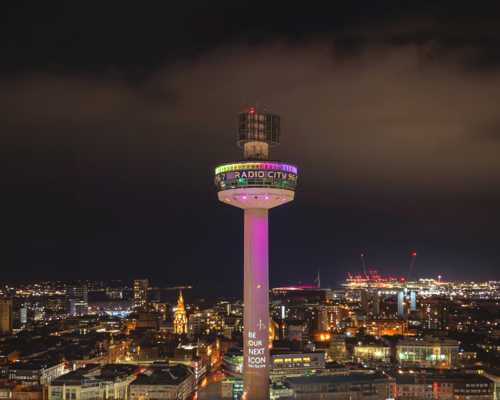
An opportunity to reimagine one of the UK’s most recognisable towers has been formally
opened by Rivington Hark, as St Johns Beacon invites operators and partners to shape its
next phase. [more...]
Over 50 delegates from 10 countries contributed to the Asia spa white paper which was released in June
The Asia Pacific Spa & Wellness Coalition (APSWC), an umbrella organisation for spa associations and businesses across Asia, welcomed over 50 delegates to its annual round table gathering this year. Their mission? To create the region’s third spa industry white paper which pinpoints on-going sector issues and potential solutions.
Association chairs, spa managers, consultants and specialists representing 10 countries in the region all convened at the Pullman Hotel City Centre Kuala Lumpur in March to contribute their ideas. The two-day event followed its tried-and-tested format of four main presentations to frame the topics, followed by breakout discussions and solution brainstorming. Bringing a Malaysian touch to the event, days started with silat melayu (an indigenous martial art), local snacks punctuated discussions and evening events celebrated the community over feasts of Malaysian cuisine.
Topic by topic, table by table, APSWC’s 2019 White Paper gradually came to fruition and was officially released in June.
Employee empowerment Andrew Jacka, APSWC chair, initiated the organisation’s inaugural round table event in Bangkok, 2017, with the goal of creating its first white paper. He describes the release of the paper, with input from 20 countries, as a “watershed moment – never before has it been attempted to bring industry leaders together with a singular objective of facing up to some home truths”.
Florence Jaffre, founder of Ytsara spa products, was at her second APSWC event. She said: “I attended this year to get a sense of where the wellness world is moving, for the insights and connections, and also to participate. What I really appreciated was the friendship, the lack of competition, and the common belief and wish to move in the same direction.”
Unsurprisingly, workforce issues and the lack of trained therapists has dominated previous white papers with suggested solutions focusing on career journeys and mentors. This year the topic was tackled at grassroots level, focusing specifically on recruiting and talent empowerment.
Spa consultant Barry White, founder of White Living and an APSWC board member, kicked off the first panel on Team Empowerment, discussing approaches that could be used to instil therapists with a sense of passion and pride in their job.
Panellist Patrick Wee, CEO of True Yoga in Singapore, and Healthland Family Wellness Centre in Kuala Lumpur, is widening the scope of the traditional models by collating various wellness providers under one roof. He commented about industry recruitment, “We must make changes [to the traditional spa format] to see how we can collaborate with our resources and our talents to achieve a win-win-win.”
Resulting table discussions looked at new business models such as his, which offers exciting career pathways and fairer salaries to attract and empower talent. The continuation of government-led therapist qualification requirements to ensure standards and insurance for therapists (to raise credibility) were suggested, and it was noted that all these could support turning around the still pervasive negative reputation of a therapist’s job among some countries and therapists’ families.
Faheem Ebrahim, founder of Xin Performance, which collates data for spa and wellness intelligence, attended to reconnect with the industry and understand its current needs. He said: “Team empowerment is a constant struggle but so fundamental. I believe relationship is the core value for success in this industry.”
Ayu Mudiasih, founder of spa supply company Cemara Ayu and APSWC board member, said: “The discussions increased awareness of the recruitment problems being faced by many of us and provided a useful stepping stone for future discussions.”
Additional solutions include: adhering to spa service standards outlined by pan-Asian body ASEAN; committing to minimum therapist qualifications set by government bodies, encouraging professional knowledge, self-pride and respect; and committing to open-door communications across borders to share best practices, recruitment flow and overall industry intel.
Energy healing Leading on from therapist empowerment, practitioner Lisa Hare gave an overview of energy modalities, such as chiron, kinergetics and sufi. “Energy healing heals the parts hands cannot reach. It’s not about products, it’s about the healer’s relationship with the client. The essence of who you are as a healer is the core of the business, the whole foundation for success,” she said.
Her talk provided insight for the white paper about energy healing – seen as the next wave in wellness – and how it can bring added respect to therapists and value for customers. In turn this could feed into spa marketing campaigns and the bottom line. Yet, Hare warned that because of its potential power, energy healing should be properly introduced – no adding reiki to a massage without informed client consent.
Marketing 2.0 Following a short talk on what influencers, micro and macro, could do to help industry businesses, Jojo Struys (@jojostruys), a renowned wellness personality and lifestyle influencer, spoke about her experience working with wellness entities. The crowd proved hesitant to embrace influencer marketing – while table reviews expressed cautious interest, discussions revealed there was a marked preference for the known quantities of traditional and direct marketing.
APSWC’s 2019 White Paper suggests influencers could be extensions to rather than replacements of traditional marketing, noting creating genuine relationships with influencers is key. For smaller businesses, micro influencers are likely to be more useful for targeted organic reach, and the influence of existing customers and their personal social media status can also bring local exposure marketing wins.
Synergies and partnerships Lastly, partnerships and strategies for the wellness industry came under the spotlight. Jacka said his “personal highlight” was listening to insights from Centro Holistico in Manilla and the Agricultural and Food Marketing Association for Asia Pacific (AFMA) about possible endorsement for industry operators who comply with the UN’s Sustainable Development Goals.
Jacka himself has been instrumental in linking the APSWC with companies for mutual benefit. Expo company Cosmobeauté’s, sponsorship of the 2019 round table, for example, is balanced by a schedule of on-going industry education by APSWC members at seven of its events across the region, resulting in mutual exposure and goodwill.
White paper directives on the subject include suggest industry operators look to leverage mutual strengths for branding and marketing awareness, and revenue enhancement.
Discussions also suggested spas look local to create interesting partnerships across industries, while government ‘partnerships’ may offer tax incentives or funding of which companies were previously unaware.
Looking forward Jacka reports scant accountability or concrete action following the 2017 and 2018 white papers. After all, volunteer-run organisations are only as proactive as their members. White has also called for more participation, especially from the bigger spa operators and suppliers.
Recent APSWC partnerships are, however, already beauty fruit including discussions with AFMA for SDG endorsement and the use of insurance providers to raise credibility of therapists throughout the region.
APSWC will also be involved at VietBeauty in August, Termatalia in Spain in September, Malaysia’s Beauty Expo in October, Cosmoprof Asia in Hong Kong in November, World Spa & Wellness Asia in Phuket next May and many more regional and global events.
“In an ever changing industry on-going education is vital, and the educational involvement of the APSWC in an increasing number of industry events is essential to ensure all segments of the industry are afforded every opportunity,” concludes Jacka.
HCatharine Nicol
Catharine Nicol is an Asia-based spa, travel and hospitality writer and editor [email protected]
Read more from this issue of Attractions Management magazine
View contents of Attractions Management 2019 issue 3
Spa Programmes: On the menu
Energy medicine at Six Senses; aroma retreat on Croatia’s Island of Vitality and menopause programming all feature in our spa menu round-up
Top team: Rosewood
Jane Kitchen talks to the wellness team behind Rosewood, and its forward-thinking spa concepts, as CEO Sonia Cheng leads a vigorous global rollout
Everyone’s talking about: CBD
Are CBD treatments and products an unregulated fad, or a serious business proposition? Spa Business investigates
Promotional feature: The Madison Collection
Innovation of form and function in robes and towels is a vital part of attracting the next generation of wellness consumers. Charmaine T Lang from The Madison Collection explains how her company consistently maintains its successful point of difference
Interview: Markus Engel
The CEO of Asia’s Urban Resort Concepts talks to Spa Business about positive disruption in the hospitality and spa sector
Promotional feature: The Wellness
A beautiful pool can be the standout feature that draws new customers. It can also cut your running costs if it’s designed to be sustainable. Mohammed Ibrahim, CEO of The Wellness, explains
Interview: Davide Bollati
Liz Terry speaks to the founder of Comfort Zone about the group’s new botanical garden and ongoing commitment to environmentalism
Research: Generation gap
A new consumer study by ISPA uncovers spa-goer preferences and habits across different age groups
Promotional feature: Phytomer
Formulating the ultimate universal product to heal and defend the skin has taken three years of R&D for Phytomer, the French luxury marine skincare brand. The company’s scientific director tells Spa Business about the launch of the groundbreaking Prebioforce serum
Event Report: APSWC Round Table
Industry leaders contribute to APSWC’s third white paper at annual gathering. Catharine Nicol reports from Malaysia
Family spa: Play time
Spa Business takes a look at innovative spa programmes for children and families
Eco spa: Going green
Joanna Roche and Bonnie Baker share their ambitions for the Green Spa Network
A new immersive attraction designed to transport visitors into the final hours of ancient Pompeii
is preparing to open near the world-famous archaeological site in southern Italy.
Experience design company, BRC Imagination Arts, has completed a transition that sees founder
Bob Rogers pass ownership of the business to four long-serving senior executives, while
remaining actively involved with the company.
Movie Park Germany has opened a new Paramount Pictures-themed attraction as part of its 30th
anniversary celebrations, using immersive storytelling and adaptive reuse to reinforce the park’s
longstanding “Hollywood in Germany” positioning.
Therme Manchester’s 28-acre development, which will include interconnected glass pavilions
that measure 65,000sq m, will be the largest bathing and wellbeing attraction in the world once
complete, according to prof David Russell, CEO of Therme UK.
Efteling has opened Hooghmoed, a new family drop tower designed to broaden the appeal of its
recently launched Sirene Island themed area and introduce younger visitors to thrill attractions.
A proposed Puy du Fou development near Bicester and Universal Destinations and Experiences’
planned resort in Bedford are emerging as part of a wider transformation of the Oxford–
Cambridge Growth Corridor into a major centre for UK leisure and tourism inv
Shedd Aquarium has opened the Immersion Theater developed in partnership with SimEx-
Iwerks, as part of a wider strategy to enhance the guest experience and create additional
revenue opportunities.
The UK government has announced a temporary reduction in VAT on visitor attractions and
children’s meals as part of a summer cost-of-living support package designed to stimulate the
visitor economy and encourage family days out.
As designer Yinka Ilori prepares for his first solo gallery show in London, he speaks exclusively
to CLADmag about his mission to spread joy, the power of play, and his bold approach to using
colour (including the colours you won’t see in his work).
The government of Thailand is exploring plans for a THB300bn (£6.3bn, US$8.3bn)
entertainment complex in the country’s Eastern Economic Corridor (EEC), with officials
proposing a large-scale theme park and sports destination as part of a broader tourism and
economic development strategy.
An opportunity to reimagine one of the UK’s most recognisable towers has been formally
opened by Rivington Hark, as St Johns Beacon invites operators and partners to shape its
next phase. [more...]