Consumers have a shorter online attention span than ever before.
So how are software companies helping spa operators to give
their website that initial appeal and make them ‘stickier’?
By Kate Parker | Published in Spa Business 2019 issue 3
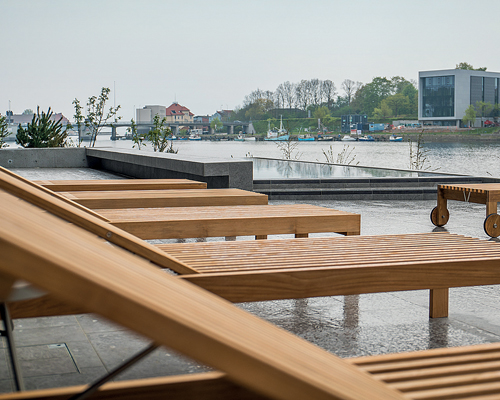
Spas have less than 15 seconds to capture someone’s attention online / WAYHOME studio/SHUTTERSTOCK
According to website analytics platform Crazy Egg you have less than 15 seconds to capture someone’s attention online. Understanding how customers interact with technology and identifying their preferences for booking is therefore crucial. So how are software suppliers helping spas entice customers onto their site and keep them there? More importantly, how are they helping them to strike the right balance between stimulating their curiosity without overloading their online attention span, turning brief visits into those all-important conversions?
Dwell time Experts agree it’s less about the bounce rate and more about the dwell time: focus on getting your content and presentation right and the fleeting visit will turn into a longer stay. Jeff Dickerson, CEO of DaySmart Software, says: “It’s important to break up copy blocks, improve layout and optimise the site for mobile users.”
Dickerson also believes it’s essential to make the content easily relatable. “Don’t just talk about the spa and its services, spend time describing the ways a visitor benefits from its services. Consider short videos and don’t worry about production quality, handheld is OK, especially if it shows off the spa’s environment or personality. Give people a reason to care!”
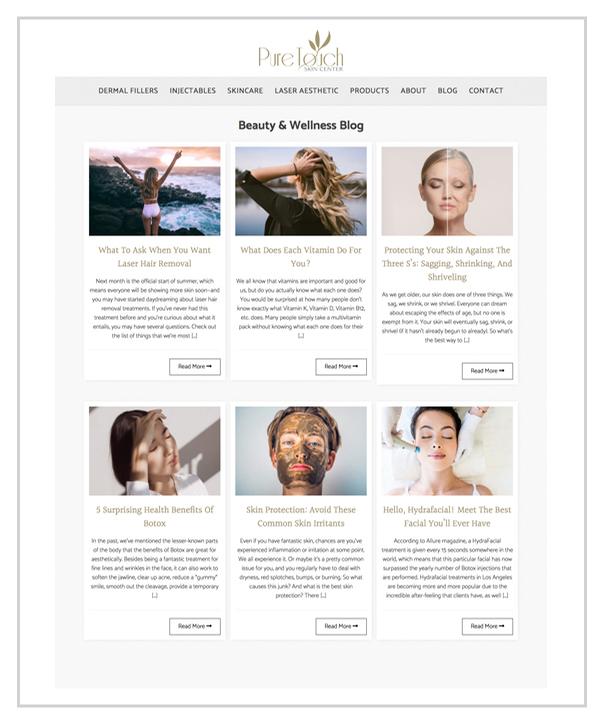
Katherine Juarez, director of operations at California-based Pure Touch Skin Center, a DaySmart client, says: “Our blog plays a large role in keeping clients on our site, as it contains best practices for skincare, upcoming deals and beauty tips.”
Leonie Wileman, COO of Premier Software, maintains that the easier the website is to navigate, the better the customer experience. She adds: “Engaging and relevant content hold’s a customer’s attention. Google Analytics can provide basic information as to how many people are visiting the website and which pages are popular, and provide great insights into what is and isn’t working.”
According to a survey conducted by content marketing provider Brafton, the length of the average site visit is 2 minutes, 17 seconds. To increase this time Amaya Weddle, senior director, research and product marketing at Mindbody, recommends optimising your website. “You can accomplish this by using basic UX research studies, such as ‘true intent testing’ (surveying visitors about what they are looking for and whether they can find it) or usability testing (having customers try to accomplish everyday tasks, and finding where that breaks down).”
This mindset is taken up by Mindbody client Rossli DeLorey, co-owner of New Hampshire-based Lashbar Aesthetics: “Our website is simple and well designed, providing succinct information, leading our customers directly to our booking page.” DeLorey reveals that, based on Google Analytics, customers stay on her website for an average of two mintues. “About 40 per cent of our website traffic comes from millennials and 65 per cent from a mobile device or tablet. These statistics made adding a branded app through Mindbody an easy decision, as we knew our customers would appreciate an even easier booking process.”
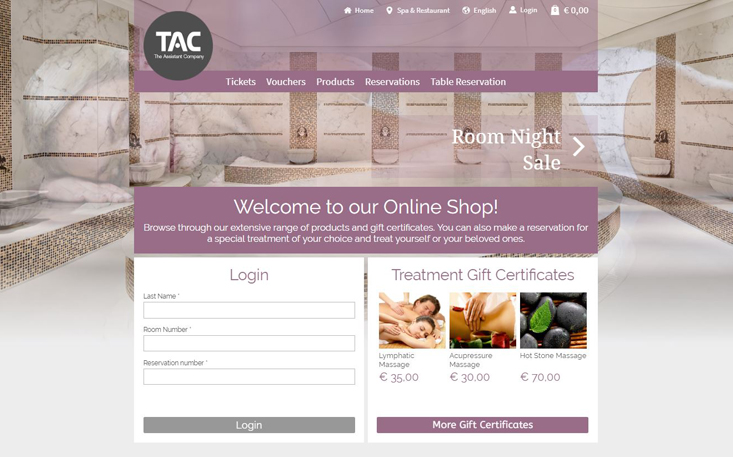
How sticky is your website? You’ve enticed them onto your website and they haven’t bounced away; what makes them stick around long enough to get a conversion? According to Günther Pöllabauer, MD of The Assistant Company (TAC), the software must take into account every digital point of contact between a spa and its customers: “Our TAC software is like a toolbox. Depending on a spa’s needs, different options for maintaining each relationship with its customers are possible, such as membership cards, special rewards or gift certificates.”
Frank Pitsikalis, founder and CEO of ResortSuite, adds: “When guests feel that they can explore and effortlessly book everything that the spa has to offer using only a single online booking engine and with a single electronic payment, guests are more likely to feel intrigued about what else they can do during their visit to the property.”
Software company Personal Beauty & Wellness (PBW) offers a free, fully hosted, multipurpose business website, PBW Pro. For CEO and co-founder Andre Wouansi, a good spa website can be qualified as ‘sticky’ if it satisfies certain prerequisites: “It should be easy and convenient to use, concise and to the point, but with sufficient information that helps users gain trust in the website. Users must have the ability to book a service from anywhere, at any time, using any device; and be able to search by provider or service, and filter by distance, cost or ratings.”
Using PBW Pro, Jenny A Sabrian, a massage therapist at Somatic Massage Therapy & Spa, New York, has seen an uptake in her clientele. She says: “We use the website as an interactive space where our customers can schedule appointments, see our working hours and get to know our consultants. Moreover, the website allows customers to gain detailed information about each of our services and they can see other customers’ reviews and ratings.”
Tantalising touchpoints So what strategies and features do spas employ on their sites to engage with and hold the interest of consumers? For Concept Software’s sales and marketing manager Malcolm Rennie, the defining feature of the company’s offering is that it’s an open platform: “Our system talks to other products, whether that’s third parties, apps, PMS systems, retail products, CRM or guest self-service platforms. Each of these have different touchpoints with customers that benefit their guest journey.”
For iSalon Software, it’s all about communication. The company offers spas their own purpose-built bespoke app, YourApp, allowing spa customers to set up an account and log in, recording their appointments, account details, gift vouchers and online booking. Likewise, its web browser iBookings allows a spa to record everything about the customer necessary to enhance the relationship going forward. Darren Pick, iSalon’s MD, explains: “From the client’s birthday, appointment history, favourite products, preferred refreshment, personal notes and many more, we ensure the spa has the facilities to make the client’s experience exceptional.”
UK iSalon client Aesthetics Hair & Beauty Solihull says the software’s 24/7 online booking has helped grow business as co-owner Sarah Bowron explains: “Our ‘Book Online’ and ‘Mailing List’ tabs are two of the most important touchpoints on our website. Situated at the top of the page, they’re clearly visible at eye level and we find that in the first 45-60 seconds, 72 per cent of clients click one of these options.”
ResortSuite’s Pitsikalis believes spa memberships and loyalty programmes can serve as powerful motivators, driving customer engagement: “When guests become members, they feel that they belong to a brand. This exclusivity elicits a strong sense of belonging and community that gives guests a place to connect, just as earning points with bookings keeps their interest in the spa, providing an opportunity to establish long-lasting relationships with guests.”
And it’s here at the point of connection that the greatest incentive exists for getting your bounce rates and dwell times just right: a software system founded on a guest-centric technology platform not only helps forge those all-important, enduring customer relationships, it also generates increased spa business revenues, streamlined operations and exceptional service. A win-win all round.
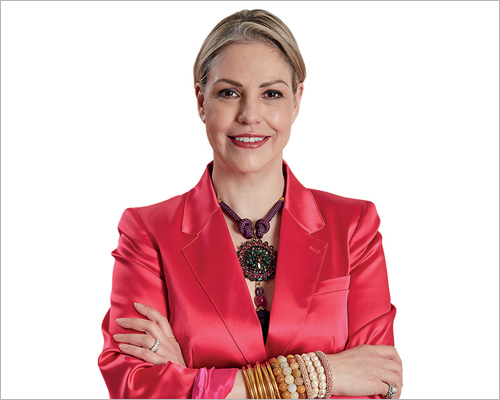
Rossli DeLorey, Lashbar Aesthetics
"About 40 per cent of our website traffic comes from millennials and 65 per cent from a mobile device or tablet" - Rossli DeLorey, Lashbar Aesthetics
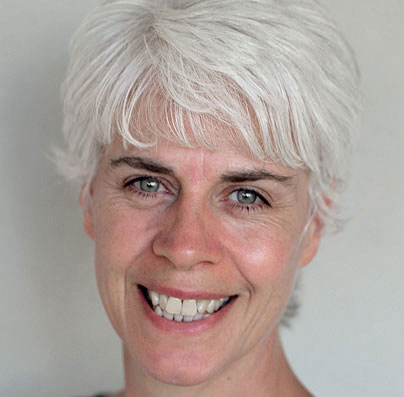
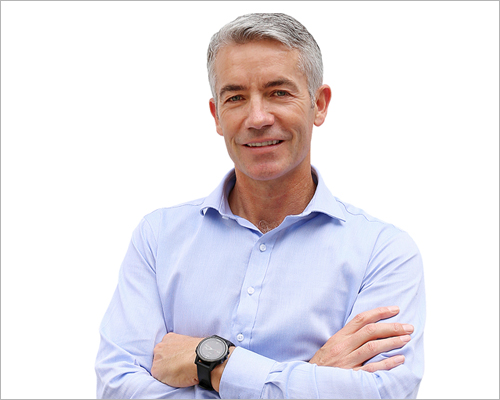
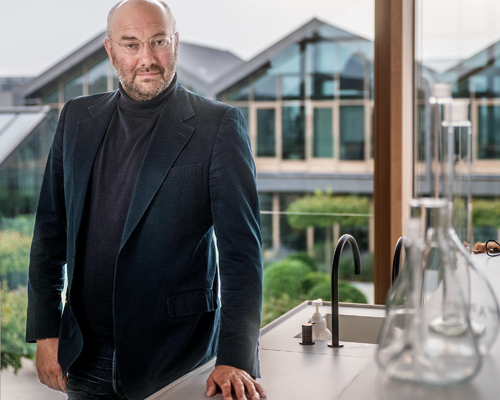
Günther Pöllabauer
"Think about every digital touchpoint" says TAC’s Günther Pöllabauer
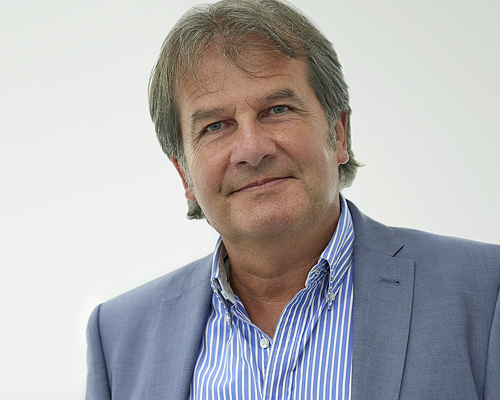
Malcolm Rennie
Concept Software’s Malcolm Rennie says systems need to talk to other products
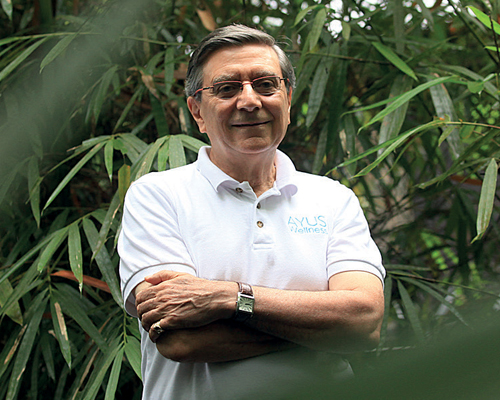
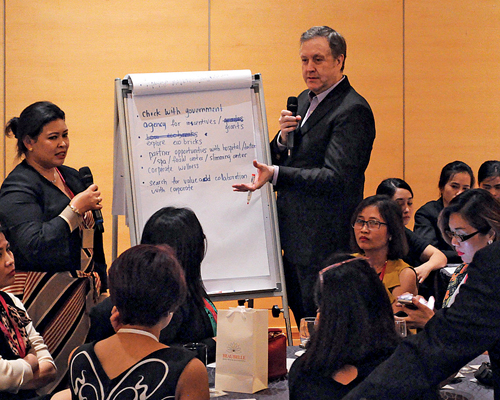
Darren Pick, iSalon
"We ensure the spa has the facilities to make the client’s experience exceptional" - Darren Pick, iSalon
Read more from this issue of Attractions Management magazine
View contents of Attractions Management 2019 issue 3
Spa Programmes: On the menu
Energy medicine at Six Senses; aroma retreat on Croatia’s Island of Vitality and menopause programming all feature in our spa menu round-up
Top team: Rosewood
Jane Kitchen talks to the wellness team behind Rosewood, and its forward-thinking spa concepts, as CEO Sonia Cheng leads a vigorous global rollout
Everyone’s talking about: CBD
Are CBD treatments and products an unregulated fad, or a serious business proposition? Spa Business investigates
Promotional feature: The Madison Collection
Innovation of form and function in robes and towels is a vital part of attracting the next generation of wellness consumers. Charmaine T Lang from The Madison Collection explains how her company consistently maintains its successful point of difference
Interview: Markus Engel
The CEO of Asia’s Urban Resort Concepts talks to Spa Business about positive disruption in the hospitality and spa sector
Promotional feature: The Wellness
A beautiful pool can be the standout feature that draws new customers. It can also cut your running costs if it’s designed to be sustainable. Mohammed Ibrahim, CEO of The Wellness, explains
Interview: Davide Bollati
Liz Terry speaks to the founder of Comfort Zone about the group’s new botanical garden and ongoing commitment to environmentalism
Research: Generation gap
A new consumer study by ISPA uncovers spa-goer preferences and habits across different age groups
Promotional feature: Phytomer
Formulating the ultimate universal product to heal and defend the skin has taken three years of R&D for Phytomer, the French luxury marine skincare brand. The company’s scientific director tells Spa Business about the launch of the groundbreaking Prebioforce serum
Event Report: APSWC Round Table
Industry leaders contribute to APSWC’s third white paper at annual gathering. Catharine Nicol reports from Malaysia
Family spa: Play time
Spa Business takes a look at innovative spa programmes for children and families
Eco spa: Going green
Joanna Roche and Bonnie Baker share their ambitions for the Green Spa Network
An opportunity to reimagine one of the UK’s most recognisable towers has been formally
opened by Rivington Hark, as St Johns Beacon invites operators and partners to shape its
next phase. [more...]
Consumers have a shorter online attention span than ever before.
So how are software companies helping spa operators to give
their website that initial appeal and make them ‘stickier’?
By Kate Parker | Published in Spa Business 2019 issue 3
Spas have less than 15 seconds to capture someone’s attention online / WAYHOME studio/SHUTTERSTOCK
According to website analytics platform Crazy Egg you have less than 15 seconds to capture someone’s attention online. Understanding how customers interact with technology and identifying their preferences for booking is therefore crucial. So how are software suppliers helping spas entice customers onto their site and keep them there? More importantly, how are they helping them to strike the right balance between stimulating their curiosity without overloading their online attention span, turning brief visits into those all-important conversions?
Dwell time Experts agree it’s less about the bounce rate and more about the dwell time: focus on getting your content and presentation right and the fleeting visit will turn into a longer stay. Jeff Dickerson, CEO of DaySmart Software, says: “It’s important to break up copy blocks, improve layout and optimise the site for mobile users.”
Dickerson also believes it’s essential to make the content easily relatable. “Don’t just talk about the spa and its services, spend time describing the ways a visitor benefits from its services. Consider short videos and don’t worry about production quality, handheld is OK, especially if it shows off the spa’s environment or personality. Give people a reason to care!”
Katherine Juarez, director of operations at California-based Pure Touch Skin Center, a DaySmart client, says: “Our blog plays a large role in keeping clients on our site, as it contains best practices for skincare, upcoming deals and beauty tips.”
Leonie Wileman, COO of Premier Software, maintains that the easier the website is to navigate, the better the customer experience. She adds: “Engaging and relevant content hold’s a customer’s attention. Google Analytics can provide basic information as to how many people are visiting the website and which pages are popular, and provide great insights into what is and isn’t working.”
According to a survey conducted by content marketing provider Brafton, the length of the average site visit is 2 minutes, 17 seconds. To increase this time Amaya Weddle, senior director, research and product marketing at Mindbody, recommends optimising your website. “You can accomplish this by using basic UX research studies, such as ‘true intent testing’ (surveying visitors about what they are looking for and whether they can find it) or usability testing (having customers try to accomplish everyday tasks, and finding where that breaks down).”
This mindset is taken up by Mindbody client Rossli DeLorey, co-owner of New Hampshire-based Lashbar Aesthetics: “Our website is simple and well designed, providing succinct information, leading our customers directly to our booking page.” DeLorey reveals that, based on Google Analytics, customers stay on her website for an average of two mintues. “About 40 per cent of our website traffic comes from millennials and 65 per cent from a mobile device or tablet. These statistics made adding a branded app through Mindbody an easy decision, as we knew our customers would appreciate an even easier booking process.”
How sticky is your website? You’ve enticed them onto your website and they haven’t bounced away; what makes them stick around long enough to get a conversion? According to Günther Pöllabauer, MD of The Assistant Company (TAC), the software must take into account every digital point of contact between a spa and its customers: “Our TAC software is like a toolbox. Depending on a spa’s needs, different options for maintaining each relationship with its customers are possible, such as membership cards, special rewards or gift certificates.”
Frank Pitsikalis, founder and CEO of ResortSuite, adds: “When guests feel that they can explore and effortlessly book everything that the spa has to offer using only a single online booking engine and with a single electronic payment, guests are more likely to feel intrigued about what else they can do during their visit to the property.”
Software company Personal Beauty & Wellness (PBW) offers a free, fully hosted, multipurpose business website, PBW Pro. For CEO and co-founder Andre Wouansi, a good spa website can be qualified as ‘sticky’ if it satisfies certain prerequisites: “It should be easy and convenient to use, concise and to the point, but with sufficient information that helps users gain trust in the website. Users must have the ability to book a service from anywhere, at any time, using any device; and be able to search by provider or service, and filter by distance, cost or ratings.”
Using PBW Pro, Jenny A Sabrian, a massage therapist at Somatic Massage Therapy & Spa, New York, has seen an uptake in her clientele. She says: “We use the website as an interactive space where our customers can schedule appointments, see our working hours and get to know our consultants. Moreover, the website allows customers to gain detailed information about each of our services and they can see other customers’ reviews and ratings.”
Tantalising touchpoints So what strategies and features do spas employ on their sites to engage with and hold the interest of consumers? For Concept Software’s sales and marketing manager Malcolm Rennie, the defining feature of the company’s offering is that it’s an open platform: “Our system talks to other products, whether that’s third parties, apps, PMS systems, retail products, CRM or guest self-service platforms. Each of these have different touchpoints with customers that benefit their guest journey.”
For iSalon Software, it’s all about communication. The company offers spas their own purpose-built bespoke app, YourApp, allowing spa customers to set up an account and log in, recording their appointments, account details, gift vouchers and online booking. Likewise, its web browser iBookings allows a spa to record everything about the customer necessary to enhance the relationship going forward. Darren Pick, iSalon’s MD, explains: “From the client’s birthday, appointment history, favourite products, preferred refreshment, personal notes and many more, we ensure the spa has the facilities to make the client’s experience exceptional.”
UK iSalon client Aesthetics Hair & Beauty Solihull says the software’s 24/7 online booking has helped grow business as co-owner Sarah Bowron explains: “Our ‘Book Online’ and ‘Mailing List’ tabs are two of the most important touchpoints on our website. Situated at the top of the page, they’re clearly visible at eye level and we find that in the first 45-60 seconds, 72 per cent of clients click one of these options.”
ResortSuite’s Pitsikalis believes spa memberships and loyalty programmes can serve as powerful motivators, driving customer engagement: “When guests become members, they feel that they belong to a brand. This exclusivity elicits a strong sense of belonging and community that gives guests a place to connect, just as earning points with bookings keeps their interest in the spa, providing an opportunity to establish long-lasting relationships with guests.”
And it’s here at the point of connection that the greatest incentive exists for getting your bounce rates and dwell times just right: a software system founded on a guest-centric technology platform not only helps forge those all-important, enduring customer relationships, it also generates increased spa business revenues, streamlined operations and exceptional service. A win-win all round.
Rossli DeLorey, Lashbar Aesthetics
"About 40 per cent of our website traffic comes from millennials and 65 per cent from a mobile device or tablet" - Rossli DeLorey, Lashbar Aesthetics
Günther Pöllabauer
"Think about every digital touchpoint" says TAC’s Günther Pöllabauer
Malcolm Rennie
Concept Software’s Malcolm Rennie says systems need to talk to other products
Darren Pick, iSalon
"We ensure the spa has the facilities to make the client’s experience exceptional" - Darren Pick, iSalon
Read more from this issue of Attractions Management magazine
View contents of Attractions Management 2019 issue 3
Spa Programmes: On the menu
Energy medicine at Six Senses; aroma retreat on Croatia’s Island of Vitality and menopause programming all feature in our spa menu round-up
Top team: Rosewood
Jane Kitchen talks to the wellness team behind Rosewood, and its forward-thinking spa concepts, as CEO Sonia Cheng leads a vigorous global rollout
Everyone’s talking about: CBD
Are CBD treatments and products an unregulated fad, or a serious business proposition? Spa Business investigates
Promotional feature: The Madison Collection
Innovation of form and function in robes and towels is a vital part of attracting the next generation of wellness consumers. Charmaine T Lang from The Madison Collection explains how her company consistently maintains its successful point of difference
Interview: Markus Engel
The CEO of Asia’s Urban Resort Concepts talks to Spa Business about positive disruption in the hospitality and spa sector
Promotional feature: The Wellness
A beautiful pool can be the standout feature that draws new customers. It can also cut your running costs if it’s designed to be sustainable. Mohammed Ibrahim, CEO of The Wellness, explains
Interview: Davide Bollati
Liz Terry speaks to the founder of Comfort Zone about the group’s new botanical garden and ongoing commitment to environmentalism
Research: Generation gap
A new consumer study by ISPA uncovers spa-goer preferences and habits across different age groups
Promotional feature: Phytomer
Formulating the ultimate universal product to heal and defend the skin has taken three years of R&D for Phytomer, the French luxury marine skincare brand. The company’s scientific director tells Spa Business about the launch of the groundbreaking Prebioforce serum
Event Report: APSWC Round Table
Industry leaders contribute to APSWC’s third white paper at annual gathering. Catharine Nicol reports from Malaysia
Family spa: Play time
Spa Business takes a look at innovative spa programmes for children and families
Eco spa: Going green
Joanna Roche and Bonnie Baker share their ambitions for the Green Spa Network
A new immersive attraction designed to transport visitors into the final hours of ancient Pompeii
is preparing to open near the world-famous archaeological site in southern Italy.
Experience design company, BRC Imagination Arts, has completed a transition that sees founder
Bob Rogers pass ownership of the business to four long-serving senior executives, while
remaining actively involved with the company.
Movie Park Germany has opened a new Paramount Pictures-themed attraction as part of its 30th
anniversary celebrations, using immersive storytelling and adaptive reuse to reinforce the park’s
longstanding “Hollywood in Germany” positioning.
Therme Manchester’s 28-acre development, which will include interconnected glass pavilions
that measure 65,000sq m, will be the largest bathing and wellbeing attraction in the world once
complete, according to prof David Russell, CEO of Therme UK.
Efteling has opened Hooghmoed, a new family drop tower designed to broaden the appeal of its
recently launched Sirene Island themed area and introduce younger visitors to thrill attractions.
A proposed Puy du Fou development near Bicester and Universal Destinations and Experiences’
planned resort in Bedford are emerging as part of a wider transformation of the Oxford–
Cambridge Growth Corridor into a major centre for UK leisure and tourism inv
Shedd Aquarium has opened the Immersion Theater developed in partnership with SimEx-
Iwerks, as part of a wider strategy to enhance the guest experience and create additional
revenue opportunities.
The UK government has announced a temporary reduction in VAT on visitor attractions and
children’s meals as part of a summer cost-of-living support package designed to stimulate the
visitor economy and encourage family days out.
As designer Yinka Ilori prepares for his first solo gallery show in London, he speaks exclusively
to CLADmag about his mission to spread joy, the power of play, and his bold approach to using
colour (including the colours you won’t see in his work).
The government of Thailand is exploring plans for a THB300bn (£6.3bn, US$8.3bn)
entertainment complex in the country’s Eastern Economic Corridor (EEC), with officials
proposing a large-scale theme park and sports destination as part of a broader tourism and
economic development strategy.
An opportunity to reimagine one of the UK’s most recognisable towers has been formally
opened by Rivington Hark, as St Johns Beacon invites operators and partners to shape its
next phase. [more...]