Whether it’s museum staff grappling with tough
topics or themed entertainment professionals dealing
with the pressures of the industry, attractions
workers need support. Magali Robathan speaks to
some experts grappling with these issues
How can attractions companies support the wellbeing of their staff? / Shutterstock:PeopleImages.com - Yuri A
For those who work in the attractions industry, thinking about visitors’ emotions and wellbeing is key. But what about the wellbeing of staff? How does the industry affect their mental health? How should they be supported?
The themed attractions industry is high-paced and fun, but also potentially unstable and stressful. Museums and heritage attractions provide a key role in society, but dealing with tough subjects and supporting visitors can take its toll.
As discussions around mental health and wellbeing become more common, we ask whether the industry could do more to support workers, and look for some ideas about how best that can be done.
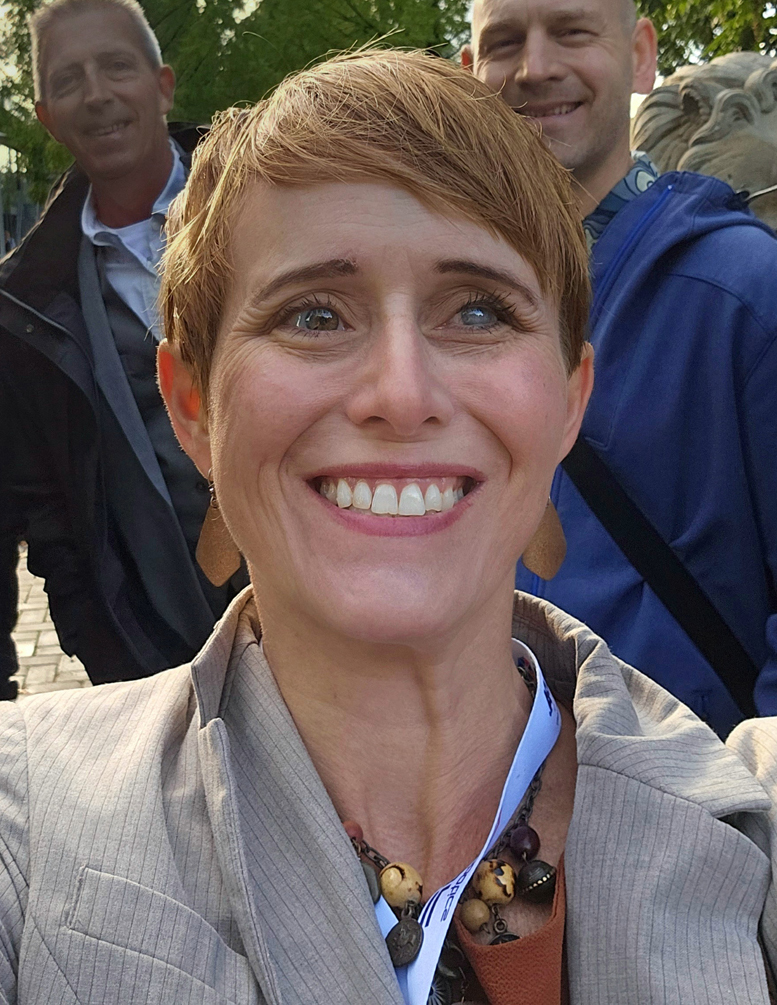
Clara Rice
Director of global marketing, Adirondack Studios
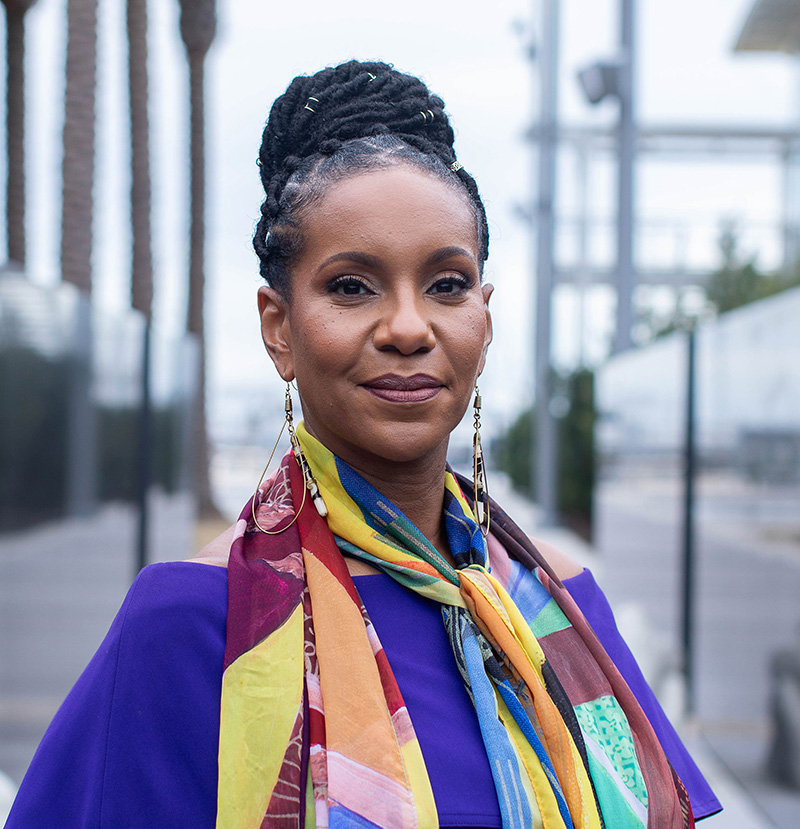
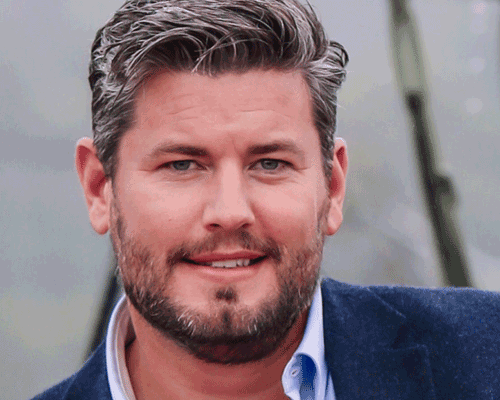
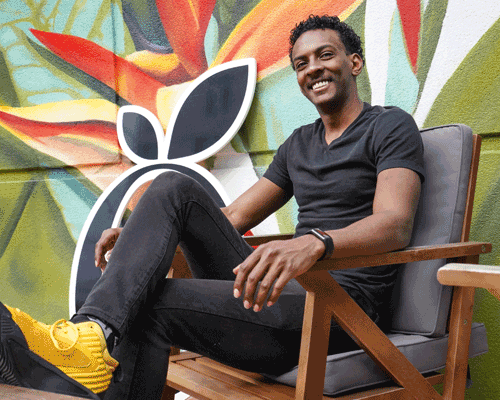
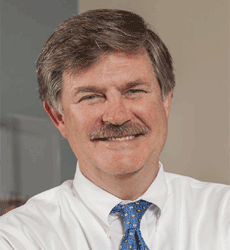
Rice’s personal experience with mental health challenges informs her work / Photo: Clara Rice
What aspects of the attractions industry can be challenging for staff and their mental health?
The cyclical and gig-economy nature of this industry is extremely challenging. For contract workers, there’s that nagging question of ‘what will my next project be’, which is incredibly stressful.
There are also the ebbs and flows of the economy, which affect cash flows and the pace of projects. The last few years have seen attractions operators struggling to make up for time lost during the pandemic, which means reigniting projects at breakneck paces. Now people are reining in their discretionary spending, it will be interesting to see how decreased demand will affect employment. Already we’re seeing substantial layoffs, which of course have a negative impact on mental health.
Themed entertainment has another challenge right in its name. Entertainment inherently means flamboyant, social, extroverted – traits that usually go hand-in-hand with alcohol consumption. When you mix financial insecurity and social anxiety with conference open bars, it’s not a recipe for wellness success.
You’ve been open about your own challenges. Can you share your experience?
I’m a lifelong perfectionist prone to imposter syndrome and insecurities related to my visual disability. Having two children 20 months apart meant post-partum depression was added to that unfortunate mix.
In the early 2020s, my role expanded, as did the demands on my time and expectations on my performance. Forty hours per week became 50 then 70, and my obsessive need to prove myself didn’t help my boundary-setting.
My children were toddlers, so between work and home I was always in demand. I was overwhelmed, leading to a vicious cycle of accelerating burnout.
What changes did you make?
I’ve removed alcohol from my life, am now in a work environment where I feel supported, valued and empowered, and am more present with my family and friends.
I use various techniques to safeguard my physical, emotional and mental wellbeing. I exercise daily and try to eat better. I close my computer on Friday at 5pm and (usually) don’t open it again until Monday. I turn off my mobile work apps on holiday. There’s no such thing as true work-life balance, so I try to practice work-life integration as much as possible.
Whether at home, at the office, or on the show floor, people need to find the healthy coping mechanisms that work best for them.
What advice would you give employers wanting to support their staff better?
Ultimately, it’s the responsibility of the individual to safeguard their own wellbeing. That being said, there are a variety of ways that employers can create a positive, wellness-centered culture, including flexible working hours, generous PTO and maternity leave, quiet work spaces, and communication and leadership training for supervisors.
There are also easy ways to create healthy work environments that cost nothing. Be transparent about upcoming layoffs, reassignments or structural changes. Avoid sending messages outside of work hours. Plan for and then respect peoples’ holiday time. Offer palatable mocktails at company happy hours.
Probably the easiest place to start is just to say ‘thank you’ – early and often.
I was overwhelmed,
leading to a vicious cycle
of accelerating burnout
Richard Josey
Director of DEAI, Virginia Association of Museums
founder and principal consultant, Collective Journeys
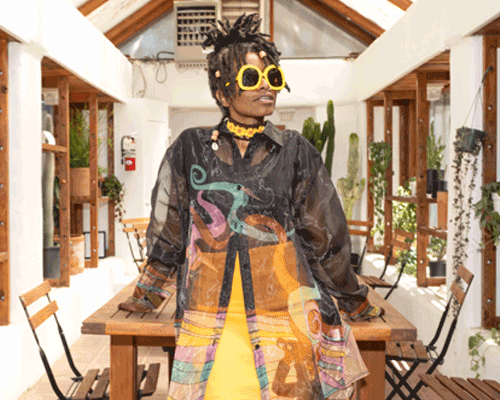
Photo: Jonathan Conklin Photogra
What does your job involve?
I’m a facilitator, trainer and equity and inclusion consultant, with a focus on museums and historical sites. I work with operators, looking at how to tell powerful stories that include everyone, and how to take care of staff and visitors. Through workshops, events and other resources, I try to create space where people can talk openly about inclusivity, belonging and wellness. My work also focuses on programming and exhibit design, looking at how we can design with these issues in mind.
I have a team of therapists and coaches that work with me, so when I’m working with a client, I can connect them if they need extra support.
Why is it important to support the mental health of museum staff?
I don’t hear a lot of people talking about the connection between mental health and museum work, but I know from my own experience that it can be emotional and tough work.
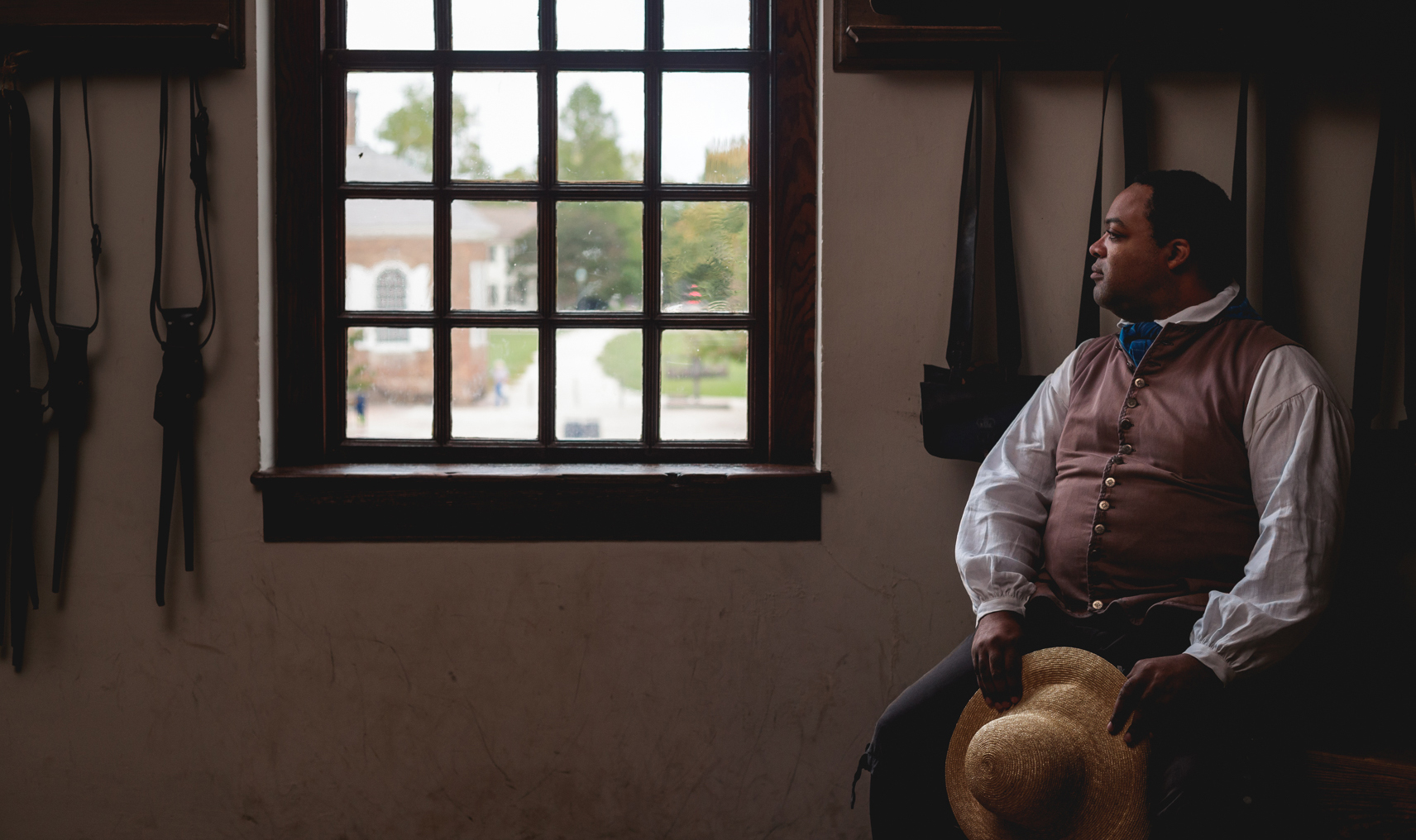
I have worked as a historical interpreter at the Colonial Williamsburg Foundation in Virginia, US, interpreting African American histories, including those of enslaved people, and I found myself dealing with difficult encounters.
I’ve been walking down the street in costume, and I’ve had people call me the N word. It’s not an everyday occurrence, but if it happens once, that’s enough to get you down.
I’ve also had experiences with visitors who were simply unaware of how to interact with a black man portraying an enslaved person. I had times when people said things that offended me, but they had no idea. Now I look back as an older man, I recognise the degree to which that impacted me and the way that I saw myself.
How should staff be supported in the work that they do?
Training in how to deal with difficult encounters and how to regulate emotions is important as part of a suite of resources. It’s vital to have a good support system in place – to have a space staff members can go to when they’re overwhelmed, and to have other staff members who can take over when needed. Operationalising the care of staff is key.
I’d also love to see more organisations embracing healing methods, and creating time for them during the working day. A former client of mine, the Penumbra Centre for Racial Healing in Minnesota, US, offers meditations and singing bowl sessions for staff during work hours. That’s a beautiful example of management operationalising healing because they recognise that the work can be difficult.
If leaders want to support staff, they need to support themselves. I keep finding leaders suffering from anxiety or depression, and I can see the impact that has on the staff. I’m asking leaders to be self-aware, to seek out coaching and therapy, and to offer those opportunities to their staff.
If leaders want to support staff, the first
thing they need to do is support themselves
Operationalising the care of staff is key to ensuring they feel properly supported / Photo: Darnell Vennie/Colonial Williamsburg Foundation
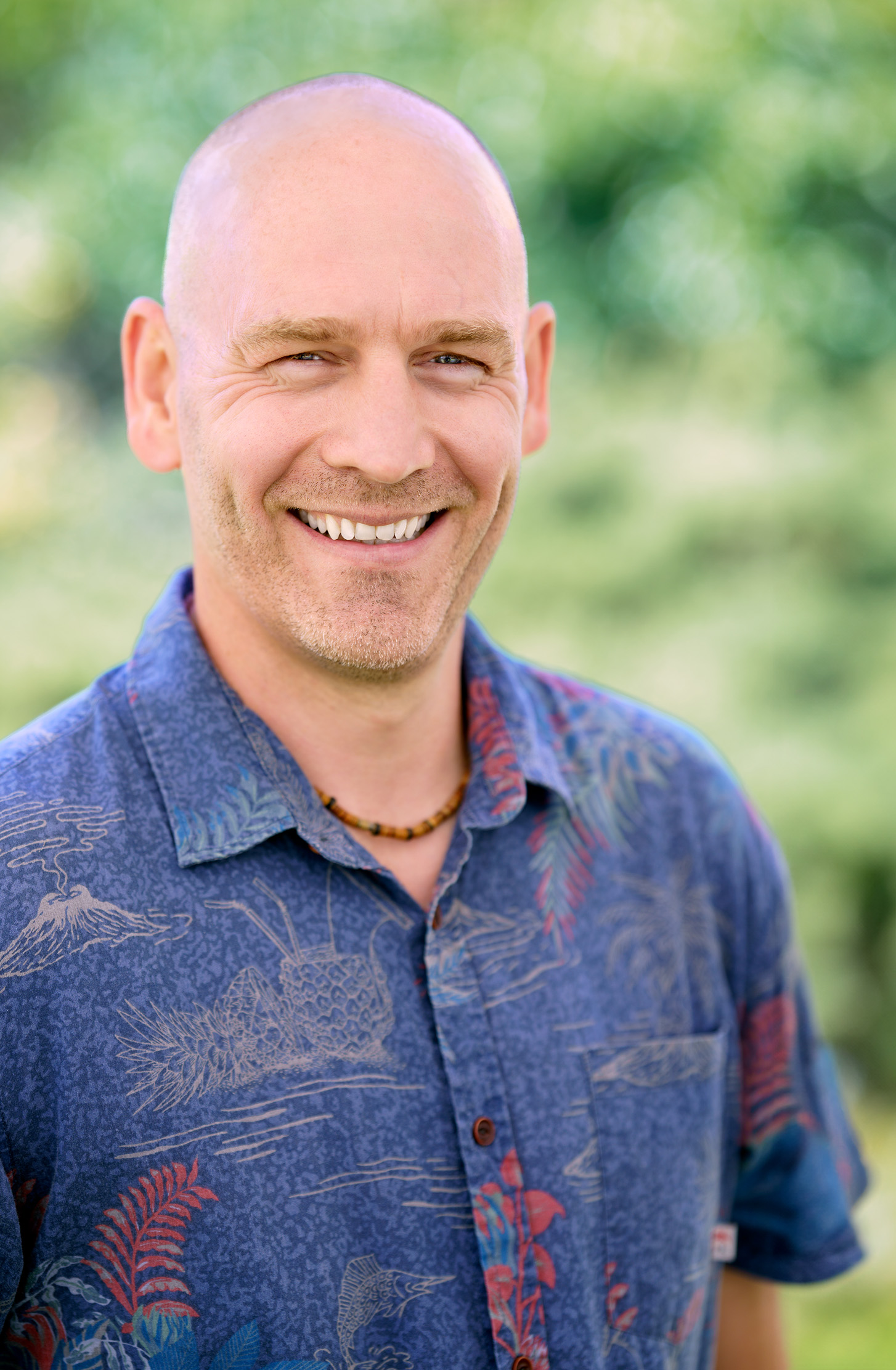
Matt Barton
President elect, Themed Entertainment Association
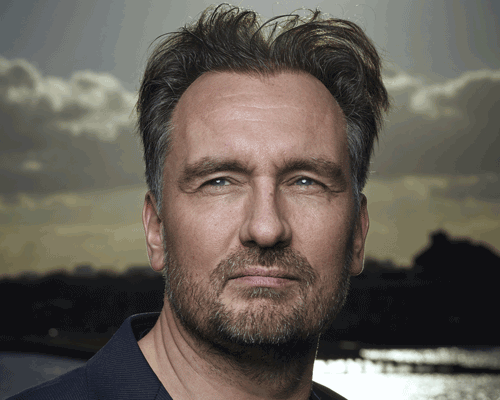
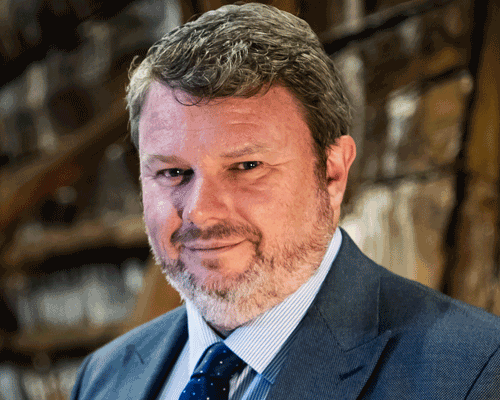
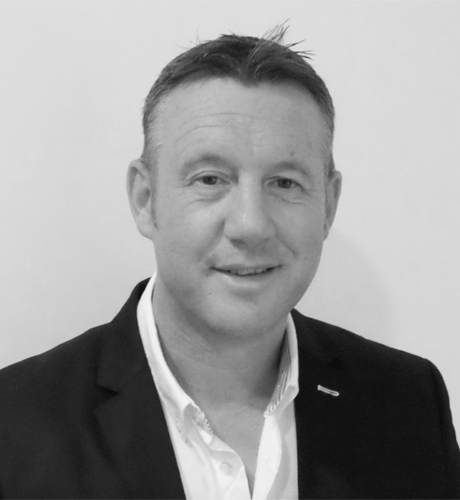
Matt Barton is president elect of TEA and will become president in January 2025 / Photo: www.christopherandreou.com
What issues relating to mental health are you finding TEA members approaching you about?
What I’ve witnessed is not so much members raising issues regarding mental health and wellness but the powerful reaction to the programming the TEA has provided on those subjects. This highlights to me the importance of TEA taking the lead in talking about these things as when we start discussing these subjects openly, people who might otherwise keep their challenges and experiences to themselves find a safe place to share, learn and to educate each other.
Why are you so passionate about the topic of mental health?
I love the industry in which we work but the irony is not lost on me that this industry that prides itself on bringing magic, happiness and wonder to so many guests can also bring incredible pressure, stress and in some cases misery to the people working so hard to create those experiences.
I’ve had my own challenges in this respect, and the conversation prompted by the TEA programming on the subject quickly helped me to appreciate that I was far from alone. Only when we start talking and sharing, can we start making positive change for ourselves, our companies and I hope ultimately, our industry.
What are the biggest advantages for companies in addressing the mental health of their employees?
As a company owner, it seems obvious to me that the wellbeing of my staff is directly linked to the performance of the business. Investing as a business in promoting a healthy and happy workforce is a win-win equation.
As company leaders, it can be extremely difficult, financially and emotionally to protect our workforce from the highs and lows of our project-based industry but we have found successes from small steps; more flexibility around working hours, proactive staff recognition schemes and more management face time all help.
There are no silver bullets, but just showing recognition of the importance of valuing our teams is a great first step, as long as we back up our words with action.
Do you have any advice for leaders looking to improve their provision in this area?
You’re not alone! Most strong leaders want to do the best for their teams, but leadership is an art not a science and there is no binary equation that will help us deliver team harmony and euphoria.
Use your connections, talk with other leaders and team members from other organisations, hear what has and hasn’t worked for them and try things out. It’s important to find out what works for you and for your team.
This is why I’m so excited that the TEA is launching the Wellness Council to help facilitate and promote discussion and idea sharing in this area.
Launch of the TEA Wellness Council
In September 2024, the Themed Entertainment Association (TEA) announced the launch of a new Wellness Council in order to better support TEA members. The Council aims to encourage the association’s standing committees and divisional boards to centre wellness in their programmes and initiatives through meaningful content, inclusive logistics, and increased awareness.
The creation of the Wellness Council was inspired by a panel led by TEA members at the 2024 INSPIRE Conference entitled When Things Go Wrong: A Candid Conversation. Topics included perfectionism, addiction, anxiety, depression, and the tendency for members to have to repress all of the above to ascend in leadership and in some cases, retain their positions at all. The panellists were approached afterwards with multiple requests from members keen for more discussions and support.
“It seemed crazy to us that such important topics as workplace culture, quiet quitting, and burnout were only being formally discussed at a couple of 20 or 30-minute sessions per year,” says Clara Rice, director of global marketing at Adirondack Studios and Wellness Council chair. “Creating the Wellness Council means that we can work with TEA staff, international boards and divisions to create a suite of coordinated initiatives around mental and physical wellbeing.”
Initiatives include ‘net-walking mixers’, non-alcoholic alternatives at events, ‘success guides’ for conferences, and guidance on wellness content for in-person sessions.
TEA members are being asked to fill out a short wellness survey assessing where they are in their wellness journey, how their work environment is supporting that journey, and what the council can do to provide additional support.
This industry that prides itself on
bringing magic, happiness and wonder
to so many can also bring incredible
stress – and in some cases misery – to
the people creating those experiences
The TEA has pledged to put wellness at the heart of its programmes and initiatives / Photo: Colin Welch
Photo: Eric Cantrell
Dr Tonya Matthews
President, International African American Museum
Support for staff needs to be very intentional, says Dr Tonya Matthews / Photo courtesy of International African American Museum
Why is it so important to support your staff and their mental health?
The mission of the International African American Museum is to honour the untold stories of the African American journey. We talk through truth, triumph and trauma.
It’s important to acknowledge that this is tough and sometimes stressful work. Our staff have to deal with the emotion of the tough stories that we tell, and with the immense pressure to get this right at a time when people are debating whether we should even be having these conversations in the first place.
Obviously the topics that we deal with are critical here, but I think this arguably applies across the museum, art and culture world. Most museums – certainly history museums – are likely to be in the crosshairs of some very challenging conversations right now.
We’re still thought of as spaces for open conversations; we’re still seen as trusted institutions. This is a privilege, but it’s a privilege that comes with a lot of weight. We’ve got to bear that weight.
What are the implications of not taking care of employee’s mental health?
If we don’t support our staff properly, they will leave us – it’s as simple as that.
Also, if you don’t take care of your team, they can’t take care of visitors. We’re a front facing sector, so we can’t hide. Our emotions and mental state permeate our walls, our exhibitions, and affect visitor’s abilities to get through our spaces. Visitors feel something of what staff feel – you can always tell how good a culture is at an organisation by the way its team members interact with its customers.
How do you support staff at the IAAM?
We’ve been very intentional about preparing staff in supporting visitors to the museum, and in thinking about what staff need. Our training falls into three categories: Cultural competency, self-awareness and self-care. All staff members undergo cultural competency and empathy training so that they can welcome visitors with different emotions and experiences to the museum. We explore our biases, and discuss why our communication styles matter and how to recognise when someone is stressed out. Staff are trained in how to recognise when visitors or their colleagues are on their edge.
We’ve done lots of work on communication and how to support visitors. Now we’re at the stage of investigating what we can do to support staff in their self-care. It can be simple things, like reminding staff to stop and take several deep breaths. I’m in talks with my HR manager about whether we might run yoga classes for staff. It’s an ongoing process.
Our visitors look to us as steadying the rudder in the storm, much as my staff look to me. Being able to be steady does require a certain amount of constant work.
How common is it to go into this level of depth in terms of supporting staff?
In my experience, it’s not common, although recently there’s been a lot more attention paid to this topic. I think this is one of the expectations and requirements of the newest generations in the workforce.
We’re having more robust conversations and trying to figure out how to put structures around the support given to staff. It doesn’t take much to convince management that this is important –the difficult part is in the work and the doing.
Our emotions permeate
our walls and exhibitions,
and affect visitors’ abilities
to get through our spaces
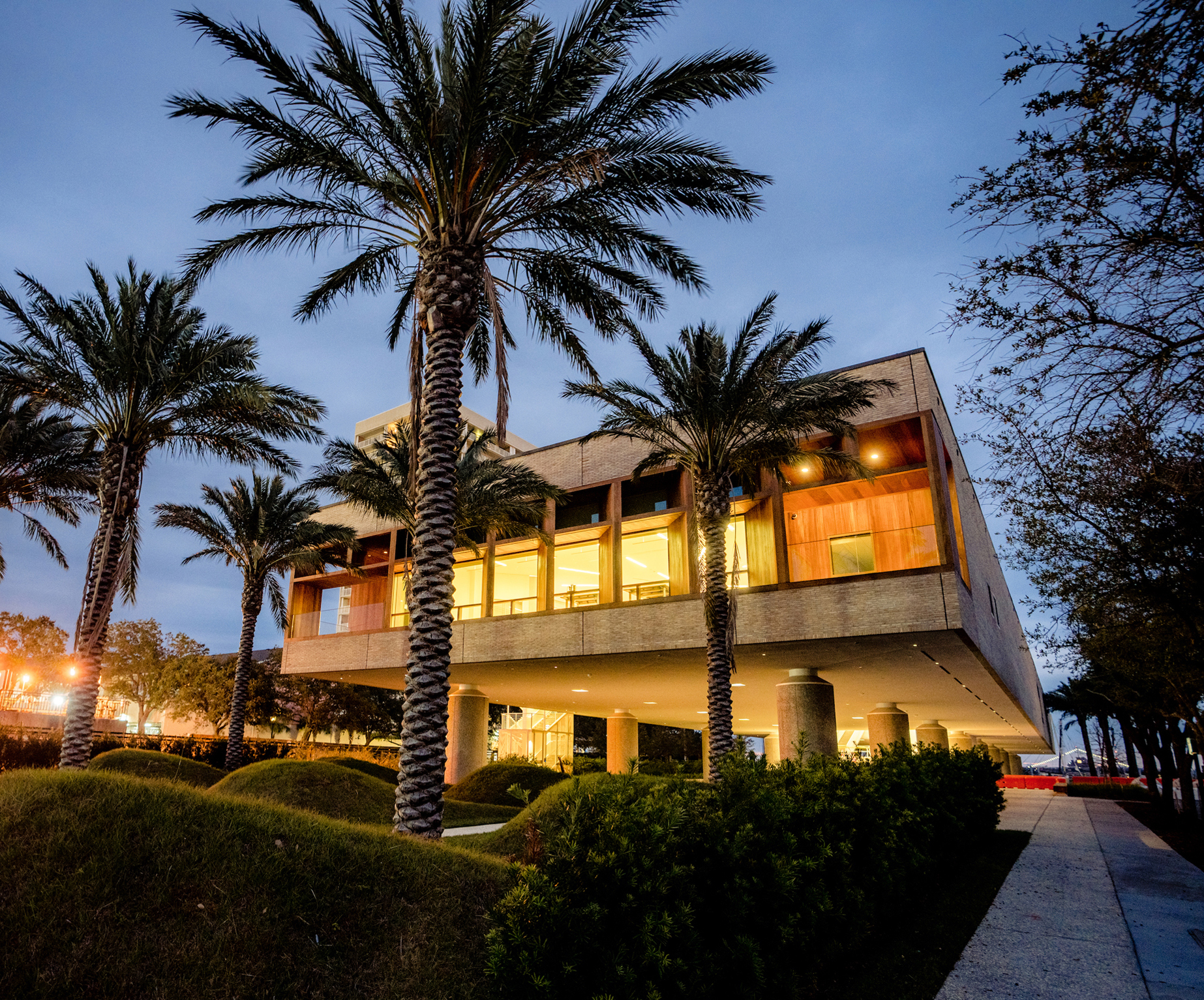
The IAAM museum tells the ‘unvarnished stories of the African American experience’ / Greg Noire
Read more from this issue of Attractions Management magazine
View contents of Attractions Management 2024 issue 4
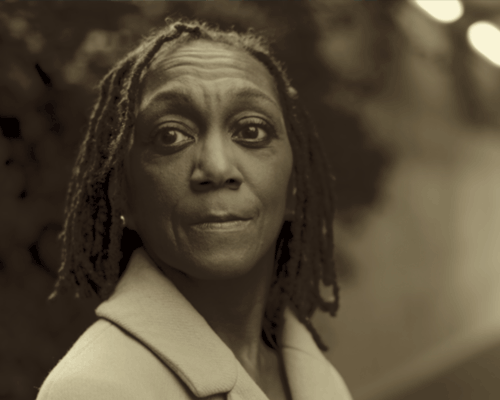
People: Jess French
The children’s author sees her fantastical creations brought to life at Chester Zoo
Interview: Peter Slavenburg
As Drents Museum in the Netherlands launches a radically new collection presentation, we speak to the designer about doing things differently
Talking point: A helping hand
Attractions industry workers need support more than ever, but is enough being done? We speak to some experts putting wellness and mental health first
Planetarium: Looking up
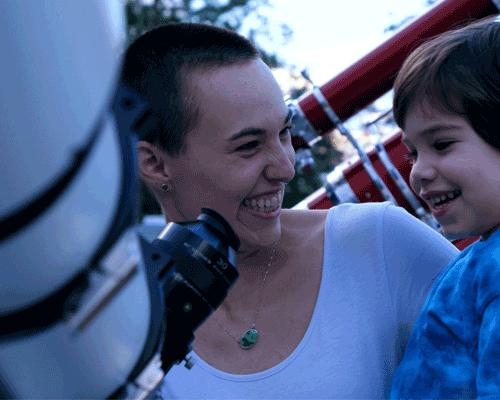
Bringing people together under the dark skies of Arizona, Lowell Observatory’s new Astronomy Discovery Center is truly unique
Waterpark: Desert Oasis: Qiddiya Aquarabia
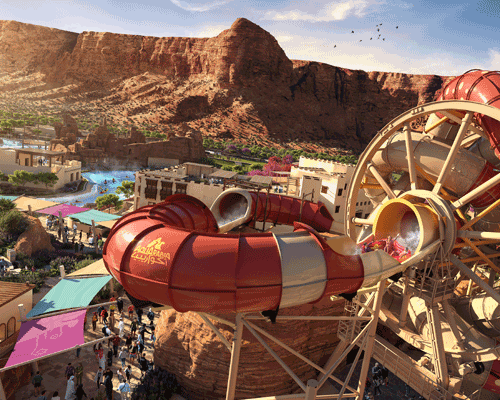
The largest waterpark in the Middle East is set to open in Saudi Arabia in 2026, and it’s going to be huge. We speak to the team behind this epic development
Museums: Nintendo Museum: Play on
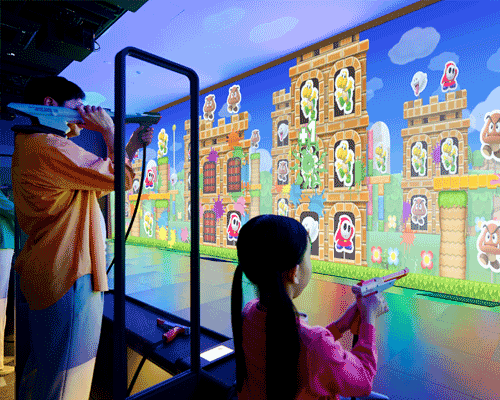
Giant controllers, consoles operated by visitors’ shadows and a game based on Japanese poems... The Nintendo Museum opens in Kyoto
Technology: Kyle Morrand: The power of play
The CEO of 302 Interactive is using AR, VR and other technologies to solve real world problems, and transform the attractions industry. He shares his game plan
Interview: Dominic Jones
From a game-changing partnership to getting creative with budget technologies, the CEO of the Mary Rose Trust is bringing his commercial nous to the museum world
Research: In the heart of it
City centre attractions are transforming to meet the needs of experience-hungry visitors, but where are they headed next?
Whether it’s museum staff grappling with tough
topics or themed entertainment professionals dealing
with the pressures of the industry, attractions
workers need support. Magali Robathan speaks to
some experts grappling with these issues
How can attractions companies support the wellbeing of their staff? / Shutterstock:PeopleImages.com - Yuri A
For those who work in the attractions industry, thinking about visitors’ emotions and wellbeing is key. But what about the wellbeing of staff? How does the industry affect their mental health? How should they be supported?
The themed attractions industry is high-paced and fun, but also potentially unstable and stressful. Museums and heritage attractions provide a key role in society, but dealing with tough subjects and supporting visitors can take its toll.
As discussions around mental health and wellbeing become more common, we ask whether the industry could do more to support workers, and look for some ideas about how best that can be done.
Clara Rice
Director of global marketing, Adirondack Studios
Rice’s personal experience with mental health challenges informs her work / Photo: Clara Rice
What aspects of the attractions industry can be challenging for staff and their mental health?
The cyclical and gig-economy nature of this industry is extremely challenging. For contract workers, there’s that nagging question of ‘what will my next project be’, which is incredibly stressful.
There are also the ebbs and flows of the economy, which affect cash flows and the pace of projects. The last few years have seen attractions operators struggling to make up for time lost during the pandemic, which means reigniting projects at breakneck paces. Now people are reining in their discretionary spending, it will be interesting to see how decreased demand will affect employment. Already we’re seeing substantial layoffs, which of course have a negative impact on mental health.
Themed entertainment has another challenge right in its name. Entertainment inherently means flamboyant, social, extroverted – traits that usually go hand-in-hand with alcohol consumption. When you mix financial insecurity and social anxiety with conference open bars, it’s not a recipe for wellness success.
You’ve been open about your own challenges. Can you share your experience?
I’m a lifelong perfectionist prone to imposter syndrome and insecurities related to my visual disability. Having two children 20 months apart meant post-partum depression was added to that unfortunate mix.
In the early 2020s, my role expanded, as did the demands on my time and expectations on my performance. Forty hours per week became 50 then 70, and my obsessive need to prove myself didn’t help my boundary-setting.
My children were toddlers, so between work and home I was always in demand. I was overwhelmed, leading to a vicious cycle of accelerating burnout.
What changes did you make?
I’ve removed alcohol from my life, am now in a work environment where I feel supported, valued and empowered, and am more present with my family and friends.
I use various techniques to safeguard my physical, emotional and mental wellbeing. I exercise daily and try to eat better. I close my computer on Friday at 5pm and (usually) don’t open it again until Monday. I turn off my mobile work apps on holiday. There’s no such thing as true work-life balance, so I try to practice work-life integration as much as possible.
Whether at home, at the office, or on the show floor, people need to find the healthy coping mechanisms that work best for them.
What advice would you give employers wanting to support their staff better?
Ultimately, it’s the responsibility of the individual to safeguard their own wellbeing. That being said, there are a variety of ways that employers can create a positive, wellness-centered culture, including flexible working hours, generous PTO and maternity leave, quiet work spaces, and communication and leadership training for supervisors.
There are also easy ways to create healthy work environments that cost nothing. Be transparent about upcoming layoffs, reassignments or structural changes. Avoid sending messages outside of work hours. Plan for and then respect peoples’ holiday time. Offer palatable mocktails at company happy hours.
Probably the easiest place to start is just to say ‘thank you’ – early and often.
I was overwhelmed,
leading to a vicious cycle
of accelerating burnout
Richard Josey
Director of DEAI, Virginia Association of Museums
founder and principal consultant, Collective Journeys
Photo: Jonathan Conklin Photogra
What does your job involve?
I’m a facilitator, trainer and equity and inclusion consultant, with a focus on museums and historical sites. I work with operators, looking at how to tell powerful stories that include everyone, and how to take care of staff and visitors. Through workshops, events and other resources, I try to create space where people can talk openly about inclusivity, belonging and wellness. My work also focuses on programming and exhibit design, looking at how we can design with these issues in mind.
I have a team of therapists and coaches that work with me, so when I’m working with a client, I can connect them if they need extra support.
Why is it important to support the mental health of museum staff?
I don’t hear a lot of people talking about the connection between mental health and museum work, but I know from my own experience that it can be emotional and tough work.
I have worked as a historical interpreter at the Colonial Williamsburg Foundation in Virginia, US, interpreting African American histories, including those of enslaved people, and I found myself dealing with difficult encounters.
I’ve been walking down the street in costume, and I’ve had people call me the N word. It’s not an everyday occurrence, but if it happens once, that’s enough to get you down.
I’ve also had experiences with visitors who were simply unaware of how to interact with a black man portraying an enslaved person. I had times when people said things that offended me, but they had no idea. Now I look back as an older man, I recognise the degree to which that impacted me and the way that I saw myself.
How should staff be supported in the work that they do?
Training in how to deal with difficult encounters and how to regulate emotions is important as part of a suite of resources. It’s vital to have a good support system in place – to have a space staff members can go to when they’re overwhelmed, and to have other staff members who can take over when needed. Operationalising the care of staff is key.
I’d also love to see more organisations embracing healing methods, and creating time for them during the working day. A former client of mine, the Penumbra Centre for Racial Healing in Minnesota, US, offers meditations and singing bowl sessions for staff during work hours. That’s a beautiful example of management operationalising healing because they recognise that the work can be difficult.
If leaders want to support staff, they need to support themselves. I keep finding leaders suffering from anxiety or depression, and I can see the impact that has on the staff. I’m asking leaders to be self-aware, to seek out coaching and therapy, and to offer those opportunities to their staff.
If leaders want to support staff, the first
thing they need to do is support themselves
Operationalising the care of staff is key to ensuring they feel properly supported / Photo: Darnell Vennie/Colonial Williamsburg Foundation
Matt Barton
President elect, Themed Entertainment Association
Matt Barton is president elect of TEA and will become president in January 2025 / Photo: www.christopherandreou.com
What issues relating to mental health are you finding TEA members approaching you about?
What I’ve witnessed is not so much members raising issues regarding mental health and wellness but the powerful reaction to the programming the TEA has provided on those subjects. This highlights to me the importance of TEA taking the lead in talking about these things as when we start discussing these subjects openly, people who might otherwise keep their challenges and experiences to themselves find a safe place to share, learn and to educate each other.
Why are you so passionate about the topic of mental health?
I love the industry in which we work but the irony is not lost on me that this industry that prides itself on bringing magic, happiness and wonder to so many guests can also bring incredible pressure, stress and in some cases misery to the people working so hard to create those experiences.
I’ve had my own challenges in this respect, and the conversation prompted by the TEA programming on the subject quickly helped me to appreciate that I was far from alone. Only when we start talking and sharing, can we start making positive change for ourselves, our companies and I hope ultimately, our industry.
What are the biggest advantages for companies in addressing the mental health of their employees?
As a company owner, it seems obvious to me that the wellbeing of my staff is directly linked to the performance of the business. Investing as a business in promoting a healthy and happy workforce is a win-win equation.
As company leaders, it can be extremely difficult, financially and emotionally to protect our workforce from the highs and lows of our project-based industry but we have found successes from small steps; more flexibility around working hours, proactive staff recognition schemes and more management face time all help.
There are no silver bullets, but just showing recognition of the importance of valuing our teams is a great first step, as long as we back up our words with action.
Do you have any advice for leaders looking to improve their provision in this area?
You’re not alone! Most strong leaders want to do the best for their teams, but leadership is an art not a science and there is no binary equation that will help us deliver team harmony and euphoria.
Use your connections, talk with other leaders and team members from other organisations, hear what has and hasn’t worked for them and try things out. It’s important to find out what works for you and for your team.
This is why I’m so excited that the TEA is launching the Wellness Council to help facilitate and promote discussion and idea sharing in this area.
Launch of the TEA Wellness Council
In September 2024, the Themed Entertainment Association (TEA) announced the launch of a new Wellness Council in order to better support TEA members. The Council aims to encourage the association’s standing committees and divisional boards to centre wellness in their programmes and initiatives through meaningful content, inclusive logistics, and increased awareness.
The creation of the Wellness Council was inspired by a panel led by TEA members at the 2024 INSPIRE Conference entitled When Things Go Wrong: A Candid Conversation. Topics included perfectionism, addiction, anxiety, depression, and the tendency for members to have to repress all of the above to ascend in leadership and in some cases, retain their positions at all. The panellists were approached afterwards with multiple requests from members keen for more discussions and support.
“It seemed crazy to us that such important topics as workplace culture, quiet quitting, and burnout were only being formally discussed at a couple of 20 or 30-minute sessions per year,” says Clara Rice, director of global marketing at Adirondack Studios and Wellness Council chair. “Creating the Wellness Council means that we can work with TEA staff, international boards and divisions to create a suite of coordinated initiatives around mental and physical wellbeing.”
Initiatives include ‘net-walking mixers’, non-alcoholic alternatives at events, ‘success guides’ for conferences, and guidance on wellness content for in-person sessions.
TEA members are being asked to fill out a short wellness survey assessing where they are in their wellness journey, how their work environment is supporting that journey, and what the council can do to provide additional support.
This industry that prides itself on
bringing magic, happiness and wonder
to so many can also bring incredible
stress – and in some cases misery – to
the people creating those experiences
The TEA has pledged to put wellness at the heart of its programmes and initiatives / Photo: Colin Welch
Photo: Eric Cantrell
Dr Tonya Matthews
President, International African American Museum
Support for staff needs to be very intentional, says Dr Tonya Matthews / Photo courtesy of International African American Museum
Why is it so important to support your staff and their mental health?
The mission of the International African American Museum is to honour the untold stories of the African American journey. We talk through truth, triumph and trauma.
It’s important to acknowledge that this is tough and sometimes stressful work. Our staff have to deal with the emotion of the tough stories that we tell, and with the immense pressure to get this right at a time when people are debating whether we should even be having these conversations in the first place.
Obviously the topics that we deal with are critical here, but I think this arguably applies across the museum, art and culture world. Most museums – certainly history museums – are likely to be in the crosshairs of some very challenging conversations right now.
We’re still thought of as spaces for open conversations; we’re still seen as trusted institutions. This is a privilege, but it’s a privilege that comes with a lot of weight. We’ve got to bear that weight.
What are the implications of not taking care of employee’s mental health?
If we don’t support our staff properly, they will leave us – it’s as simple as that.
Also, if you don’t take care of your team, they can’t take care of visitors. We’re a front facing sector, so we can’t hide. Our emotions and mental state permeate our walls, our exhibitions, and affect visitor’s abilities to get through our spaces. Visitors feel something of what staff feel – you can always tell how good a culture is at an organisation by the way its team members interact with its customers.
How do you support staff at the IAAM?
We’ve been very intentional about preparing staff in supporting visitors to the museum, and in thinking about what staff need. Our training falls into three categories: Cultural competency, self-awareness and self-care. All staff members undergo cultural competency and empathy training so that they can welcome visitors with different emotions and experiences to the museum. We explore our biases, and discuss why our communication styles matter and how to recognise when someone is stressed out. Staff are trained in how to recognise when visitors or their colleagues are on their edge.
We’ve done lots of work on communication and how to support visitors. Now we’re at the stage of investigating what we can do to support staff in their self-care. It can be simple things, like reminding staff to stop and take several deep breaths. I’m in talks with my HR manager about whether we might run yoga classes for staff. It’s an ongoing process.
Our visitors look to us as steadying the rudder in the storm, much as my staff look to me. Being able to be steady does require a certain amount of constant work.
How common is it to go into this level of depth in terms of supporting staff?
In my experience, it’s not common, although recently there’s been a lot more attention paid to this topic. I think this is one of the expectations and requirements of the newest generations in the workforce.
We’re having more robust conversations and trying to figure out how to put structures around the support given to staff. It doesn’t take much to convince management that this is important –the difficult part is in the work and the doing.
Our emotions permeate
our walls and exhibitions,
and affect visitors’ abilities
to get through our spaces
The IAAM museum tells the ‘unvarnished stories of the African American experience’ / Greg Noire
Read more from this issue of Attractions Management magazine
View contents of Attractions Management 2024 issue 4
People: Jess French
The children’s author sees her fantastical creations brought to life at Chester Zoo
Interview: Peter Slavenburg
As Drents Museum in the Netherlands launches a radically new collection presentation, we speak to the designer about doing things differently
Talking point: A helping hand
Attractions industry workers need support more than ever, but is enough being done? We speak to some experts putting wellness and mental health first
Planetarium: Looking up
Bringing people together under the dark skies of Arizona, Lowell Observatory’s new Astronomy Discovery Center is truly unique
Waterpark: Desert Oasis: Qiddiya Aquarabia
The largest waterpark in the Middle East is set to open in Saudi Arabia in 2026, and it’s going to be huge. We speak to the team behind this epic development
Museums: Nintendo Museum: Play on
Giant controllers, consoles operated by visitors’ shadows and a game based on Japanese poems... The Nintendo Museum opens in Kyoto
Technology: Kyle Morrand: The power of play
The CEO of 302 Interactive is using AR, VR and other technologies to solve real world problems, and transform the attractions industry. He shares his game plan
Interview: Dominic Jones
From a game-changing partnership to getting creative with budget technologies, the CEO of the Mary Rose Trust is bringing his commercial nous to the museum world
Research: In the heart of it
City centre attractions are transforming to meet the needs of experience-hungry visitors, but where are they headed next?
Expo 2030 Riyadh is being planned as a permanent visitor destination, with organisers
confirming the six-million-square-metre site will become a Global Village after the event closes.
The owner of one of Australia's best-known waterparks has acquired a major competitor,
creating a new attractions business spanning two of the country's largest visitor destinations.
The Toverland theme park in the Netherlands has announced a €98m expansion programme
that will add a resort, new attractions and staff facilities as it pursues plans to become a multi-
day destination.
Hotel de France, located on the British Isle of Jersey, has created a wellness retreat package
that includes a hot yoga session that will take place in Jersey Zoo’s butterfly sanctuary.
A new immersive attraction designed to transport visitors into the final hours of ancient Pompeii
is preparing to open near the world-famous archaeological site in southern Italy.
Experience design company, BRC Imagination Arts, has completed a transition that sees founder
Bob Rogers pass ownership of the business to four long-serving senior executives, while
remaining actively involved with the company.
Movie Park Germany has opened a new Paramount Pictures-themed attraction as part of its 30th
anniversary celebrations, using immersive storytelling and adaptive reuse to reinforce the park’s
longstanding “Hollywood in Germany” positioning.
Therme Manchester’s 28-acre development, which will include interconnected glass pavilions
that measure 65,000sq m, will be the largest bathing and wellbeing attraction in the world once
complete, according to prof David Russell, CEO of Therme UK.
Efteling has opened Hooghmoed, a new family drop tower designed to broaden the appeal of its
recently launched Sirene Island themed area and introduce younger visitors to thrill attractions.
A proposed Puy du Fou development near Bicester and Universal Destinations and Experiences’
planned resort in Bedford are emerging as part of a wider transformation of the Oxford–
Cambridge Growth Corridor into a major centre for UK leisure and tourism inv
+ More news
COMPANY PROFILES
Sally Corporation Our services include: Dark ride design & build; Redevelopment of existing attractions; High-quality [more...]
Simworx Ltd The company was initially established
in 1997. Terry Monkton and Andrew
Roberts are the key stakeh [more...]
Clip 'n Climb Clip ‘n Climb currently offers facility owners and
investors more than 40 colourful and unique
Cha [more...]
RMA Ltd RMA Ltd is a one-stop global company
that can design, build and produce from a
greenfield site upw [more...]