Each September, artists,
thinkers, scientists and
digital pioneers gather in
Linz, Austria to help shape
the future. Terry Stevens
went along to experience
this unique event
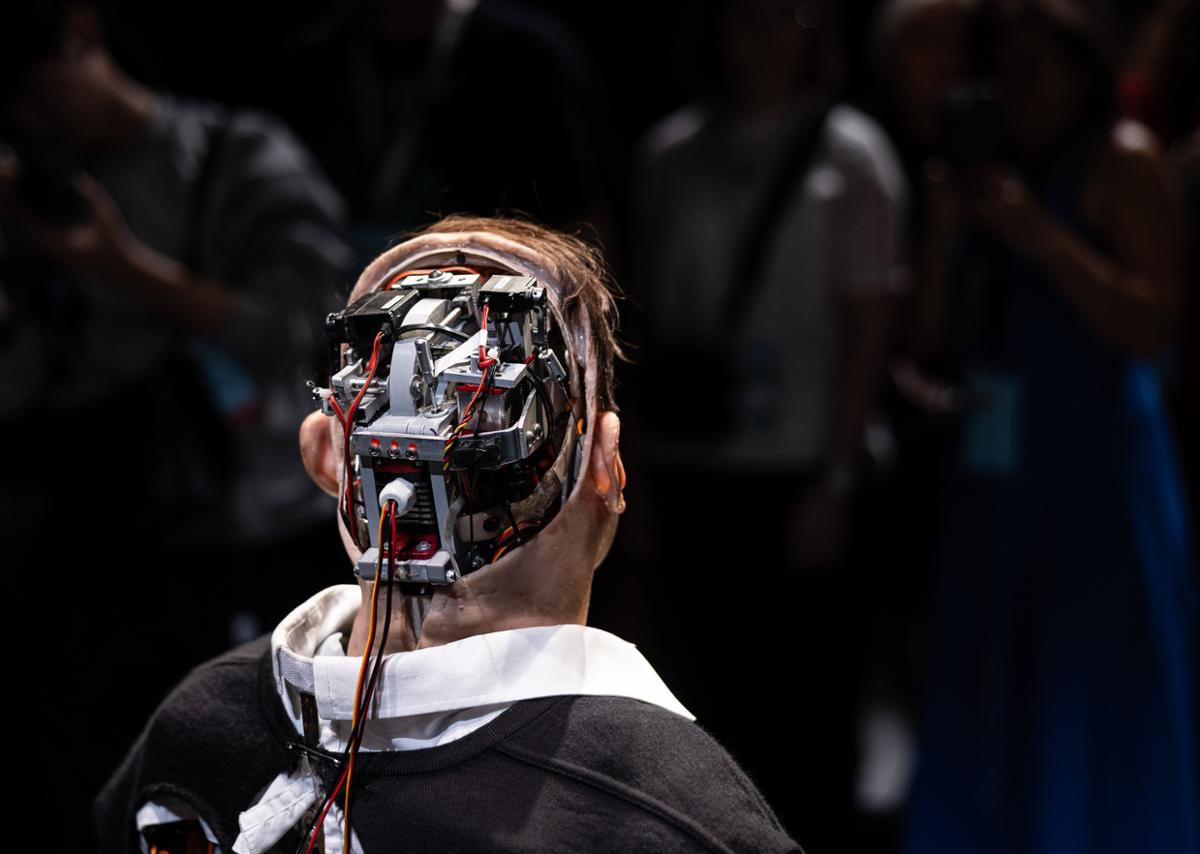
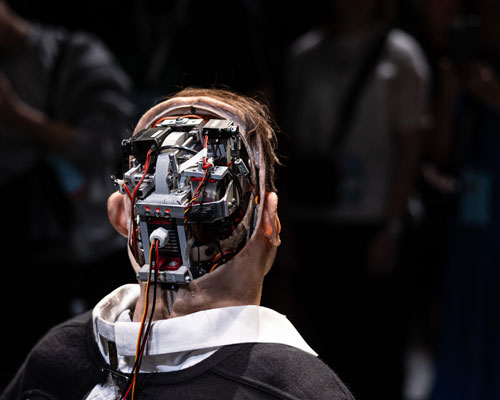
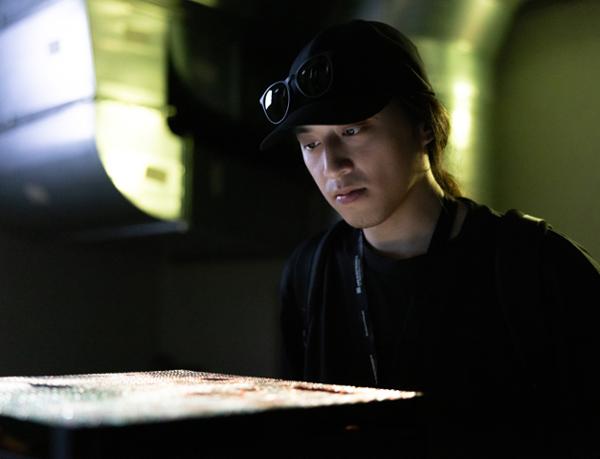
Writer Thomas Melle had an animatronic double made of himself for Uncanny Valley / Ars Electronica / vog.photo
Last year, Attractions Management reported on the remarkable transformation of the Upper Austrian city of Linz, located astride the Danube halfway between Vienna and Salzburg. From being known as ‘Linz stinks’: this was a city of heavy industry and connections to the Third Reich. For 10 years, at the end of the second world war, it was a divided city with a Soviet-occupied northern zone and a US-occupied zone south of the Danube.
After 20 years of concerted effort built around a clear vision and strong civic leadership the city is synonymous with progress, vitality founded upon new media, culture, and progressive, sustainable, urban development. Central to this metamorphosis is Ars Electronica GmbH, the city’s unique, not-for-profit, hybrid cultural, educational, and applied science organisation dedicated to being a catalyst for change in this city with such an unenviable past.
Today, the company has multiple, integrated, divisions (Ars Electronica FutureLab and Ars Electronica Solutions) that inspire one another by putting futuristic ideas to the test, finding solutions, and sharing the processes and the outcomes with the public at the Ars Electronica Center and at the festival.
Exploring art, technology & society Conceived by four Linz citizens (a journalist, a physicist, a music producer, and a musician), the first step taken by the embryonic Ars Electronica Institute was to organise a festival in 1979 exploring the confluence of art, technology, and society. The Ars Electronica Festival soon became an annual event, held in early September, adopting the title as The Festival of Art, Technology and Society.
It is a crucible for new talent to confront contemporary themes by exploring and testing the potential solutions in experimental, interdisciplinary settings working with artists, musicians, gamers, coders, and investors from all over the world. In recent years the themes have included Radical Atoms (2016), AI (2017), ERROR – the art of Imperfection (2018), A New Digital Deal (2021) Welcome to Planet B (2022), and this year the highly prescient and provocative theme was Who owns the truth?
The pure statistics of this year’s festival are impressive: 88,000 unique visitors; over 1,500 artists, scientists, designers, and activists from 88 countries presenting their ideas and inventions at 650 exhibits and 575 events; 338 sponsors and partners; and almost 500 employees. This only tells part of the story of this extraordinary few days in Linz where all dimensions of the theme Who Owns the Truth? were exposed and analysed.
Radical thinking The rallying call of the festival organisers was that, “the world is on the cusp of a rare opportunity to dramatically shift our systems and ways of thinking, planning, and acting as a mood is emerging to make this possible. Solutions are in the air. We need to harness our collective imagination to rethink relationships. Creative and cultural sectors blending with scientific, technological, and artistic knowledge can be catalytic drivers to imagine a new future and make it happen.”
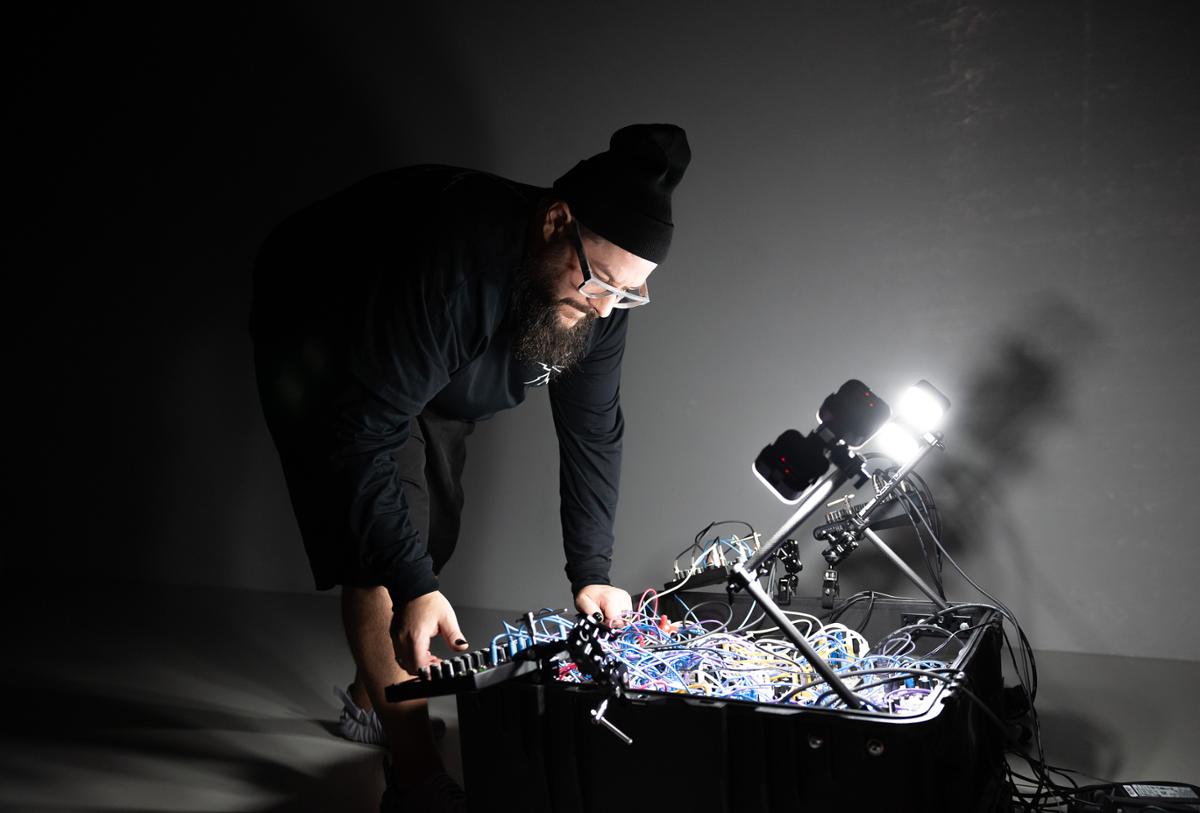
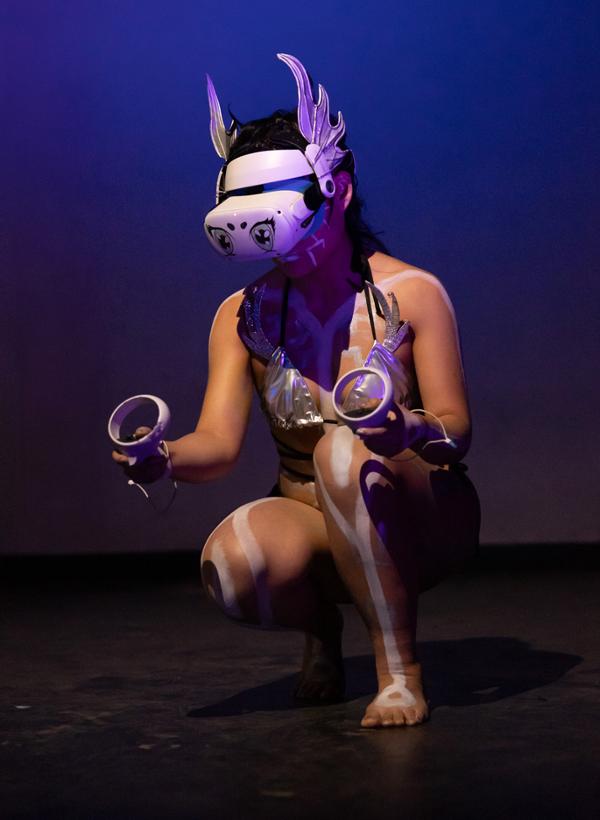
Participants and visitors were able to experience first-hand how new technologies are changing our lives through machine learning, VR, robotics, and biotech to contribute to socially and ecologically sustainable progress. Lectures, conferences, and debates provoked discussion about rights and obligations for digital citizens. A fixed point in the program of every Ars Electronica is the unique mix of concerts, performances, and DJ sets.
A particular highlight, since 1987, is the Prix Ars Electronica media art competition. A selection of the best submissions are on show at Ars Electronica at the Animation Festival held at Ars Electronica Center‘s Deep Space 8K 3D theatre. The Prix Ars Electronica’s equivalent of the Oscars is the Golden Nica’s awards presented at a gala event – this year’s Golden Nica award went to Ayoung Kim from Korea for Delivery Dancer Sphere.
Expect the unexpected As the organisers state very clearly: “When you visit be prepared. This is not like a conventional festival in any way. Why would it be? You wouldn’t expect the city of Linz and the team at Ars Electronica to be conventional.”
Elements of the festival can be quite gritty, there is an air of rebellion, it challenges perceptions at every level. It addresses head-on uncomfortable questions affecting society then provides a platform for creating innovative, radical, solutions to these issues.
Even the main venue is a revelation. This is POSTCITY, the region’s former post distribution centre, with 80,000sq m of usable space spread over several levels, a 4,000m-long parcel distribution facility, a storage unit for 10,000 packages, an entire battery of 12m-high spiral chutes, and a rail track hall that is around 240m-long made for both incoming and outgoing railways. This enormous post-industrial icon of the city was abandoned in 2014 but offers almost limitless opportunities for artistic stagings. Festival events are staged across the city – public buildings, parks, old factories and in the most unusual of settings such as the Mariendom cathedral.
So how would you describe the Ars Festival? It’s eclectic, it’s full-on, it’s full of serendipity. It always inspires. At times the range of activities is simply overwhelming. You need to be well-organised and selective to get the most out of it. It’s an edgy version of Glastonbury meets POP Brixton or Borough Market, meets the Lake Como Design Festival meets Creamfields, meets the Sundance Film Festival meets the Adams Project, meets George Orwell’s 1984, meets Tomorrow’s World.
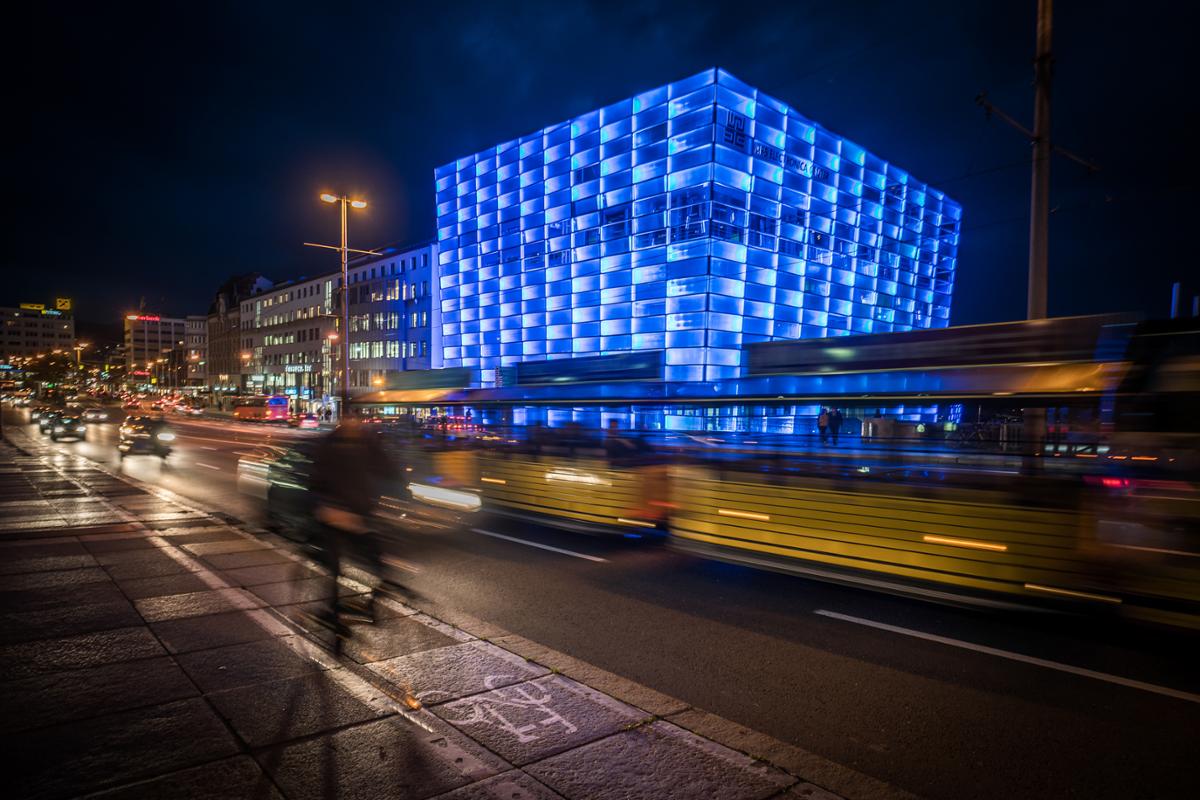
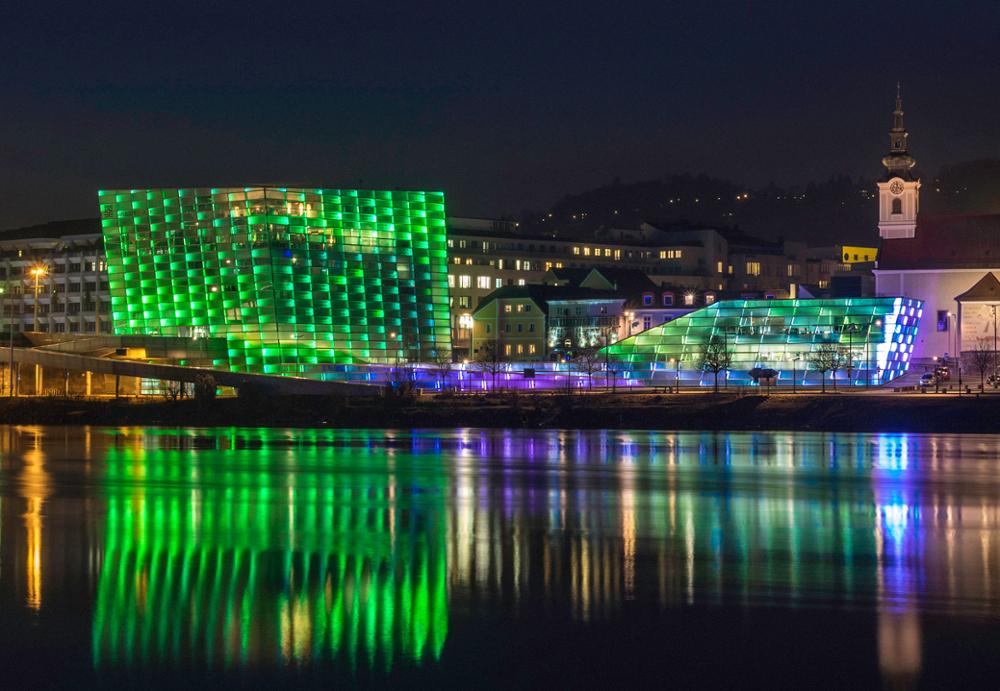
Taking over the city Just as the Ars Electronica Festival takes over the city for four days filling the beer gardens of Gasthaus Tramway and Stiegel-Klosterhof with animated debate, so the spirit of Ars Electronica permeates many aspects of the city – the Mural Gallery at the old Harbour, the Voestalpine Stahlweit (steelworks visitor centre), Donaupark and the Bruckner Haus Concert Hall, the LENTOS Contemporary Art Centre and Tabakafabrik, a converted 340-year-old former tobacco factory into a centre for creative industry.
Capturing the wave of edgy creativity now sweeping through Linz, is the re-imagining of the Domplatz Square – the public space in front of the neo-gothic Mariendom cathedral. Planning of the square originally commenced in 1855, with the so-called ‘New Cathedral’ consecrated in 1924. However, Domplatz Square itself was always regarded as unfinished until a bold scheme was agreed to create a new urban planning solution with a generous, neutral space that permits a rich variety of uses. To the southwest of the square a cluster of existing baroque heritage buildings was enlarged to create an ensemble of mini-squares and alleys anchored by the Hotel Domplatz, which opened in 2009.
A hotel with a difference The Hotel Domplatz was developed by a young tourism enterprise called Severin Holding GmbH who, mirroring the ethos of the Linz and of Ars Electronica, saw the opportunity to create a hotel that “was not business as usual”. Their approach was to envisage the hotel as ‘Kunst am Bau’ – architectural art. Unique artworks flow through the entire hotel: its public areas, the spa, the toilets, and the bedrooms.
It is within the bedrooms that spirit of the age is revealed. In every room is a wooden casket in which you will find a gift – look into the casket and be surprised what the previous guest left for you. Guests are invited to accept this gift and leave something for the next person.
According to the hotel management, the purpose of this activity is to encourage, “mutual perception through giving and taking, through active participation in an artistic event.”
Next year’s Ars Electronica Festival takes place 4-8 September. Register your interest now and prepare for days of enlightenment, wonderment and encounters that will shift the way you think about the world of tomorrow.
Highlights
The highlights for this non-technical but interested observer were undoubtedly:
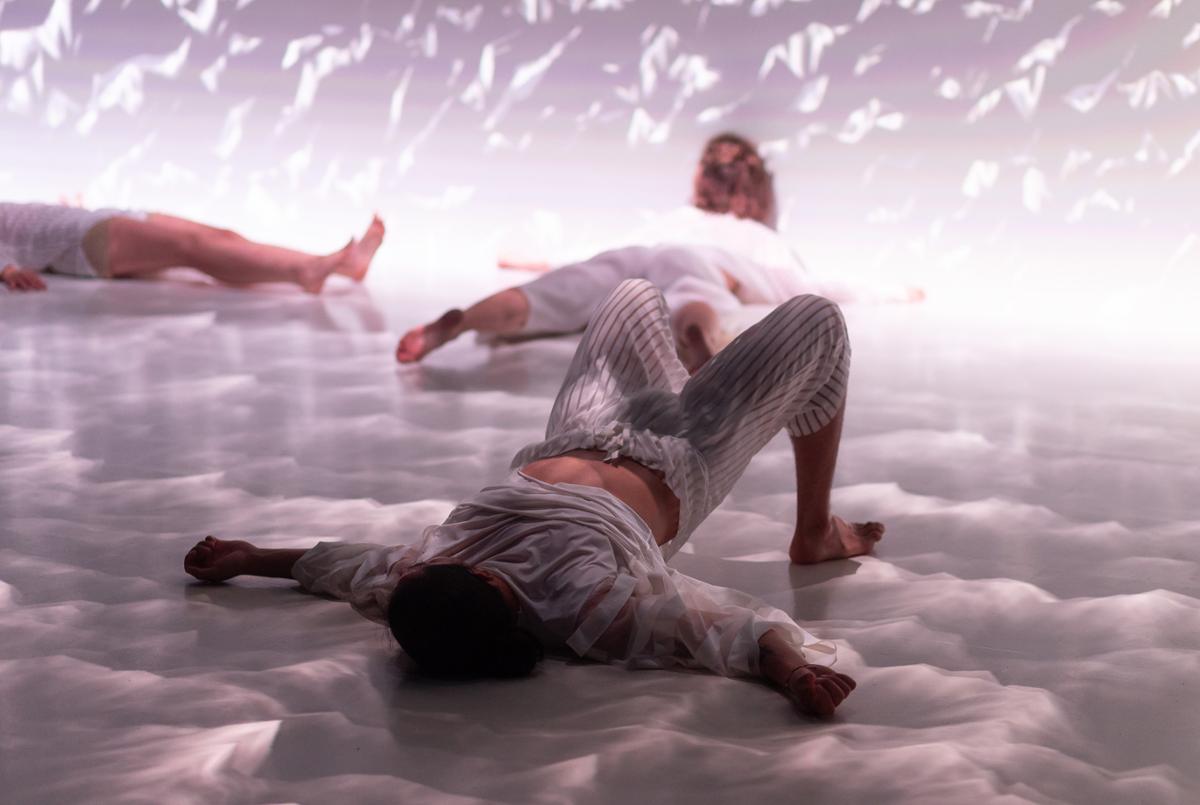
• Yen-Tzu Cheng’s dance performance in the Mariendom Cathedral
• Ars Electronica Center’s pop-up exhibition for children by MISSIMO and designed by Ars Electronica’s FutureLab in the main city square
• The Circus of Knowledge at Johannes Kepler University
• The Future of Tourism led by Austrian Tourism
• The Breaking Clouds Kinetic Sculpture
• Venice Revealed by Fondazione Musei Civici di Venezia/p>
• The Last Supper Interactive by Franz Fischnaller
• The European Space Agency ‘Earth From Space’ project
• The European Union Prize for Citizen Science Exhibition
ARS ELECTRONICA FESTIVAL 2024 – WHAT TO EXPECT
Commissioned projects
Throughout the year, Ars Electronica collaborates with partners worldwide to promote artists, launches Open Calls, curates exhibitions and conferences, and more. These commissioned activities culminate in the presentation of their outcomes at the Ars Electronica Festival in September.
Concerts and performances
Over the five days of the festival, Ars Electronica features a unique mix of concerts, performances and DJ sets.
Screenings
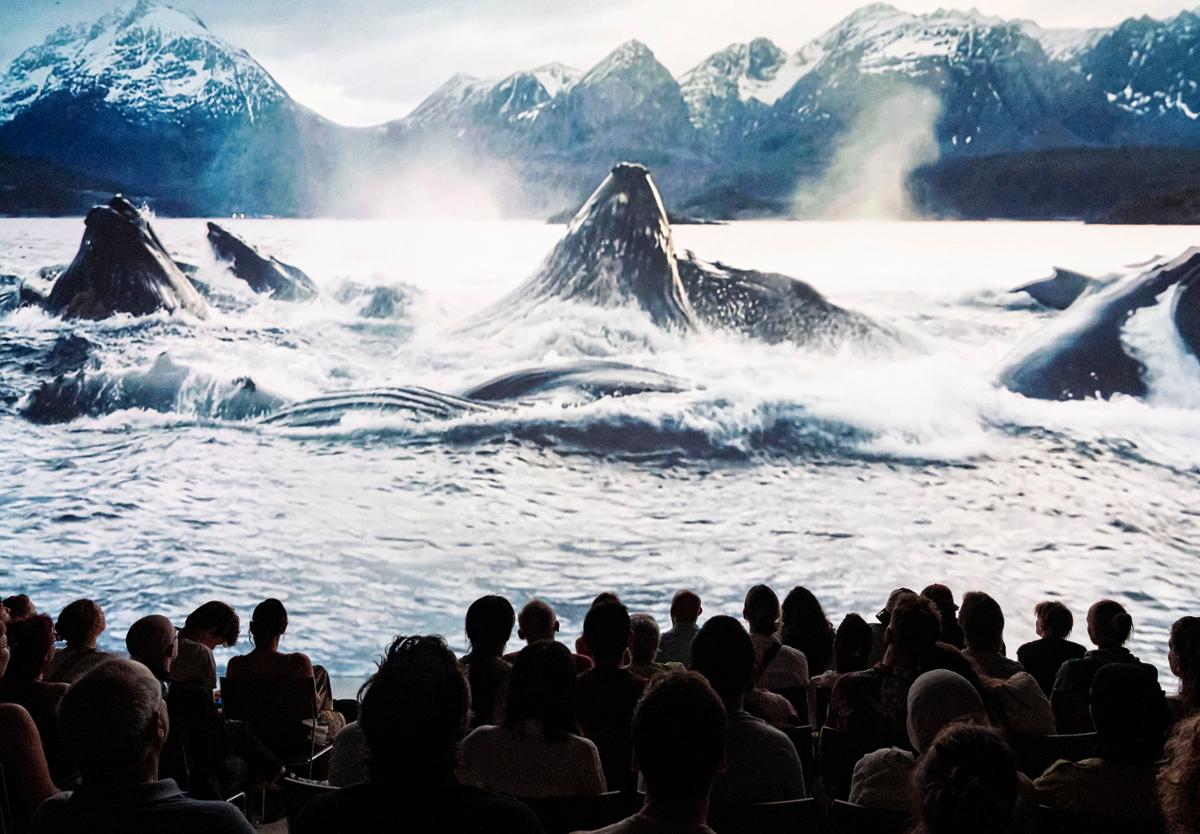
Visitors can watch a selection of the world’s best computer animations at the curated Animation Festival. Ars Electronica Center‘s theatre showcases 8K-resolution visual worlds by international artists via 16m-by-9m projections on the walls and floor.
Conferences
Ars Electronica offers range of talks, lectures and conferences, including a two-day symposium on the festival’s annual theme, which brings together experts and pioneers from the fields of science, art, design and technology.
Exhibitions
Exhibitions celebrate the best of the international media art scene as well as up and coming young artists. The Prix Ars Electronica Exhibition showcases the winners of the world’s longest-running media art competition.
Open labs and workshops
The festival is very hands on – open labs and workshops offer visitors the chance to watch artificial intelligence ‘think’, train self-driving cars, program robots, 3D print, edit their own DNA with genetic scissors and more.
Interview: Fons Jurgens
Big changes are coming for much-loved Dutch theme park Efteling, with the launch of a Grand Hotel and major new attraction. Its CEO lets us into the plans
Museums: Ones to watch
Some seriously exciting new museums are taking shape across the globe. We highlight some of our favourites
Museums: Josh Kirk
As Copenhagen’s Home of Carlsberg relaunches after a five year revamp, the project design lead tells us how ground-breaking technology was used to bring the brand to life
Technology: AI – friend or foe?
How can attractions best exploit AI technologies? What are the dangers? What does the future hold? We get an expert opinion
Technology: Future shock
What can we learn from operators currently using AI? Lesley Morisetti gets some tips from early adopters
Museums: Jacqueline Springer
V&A East Museum will celebrate Black British music in its first exhibition. Its curator tells us more
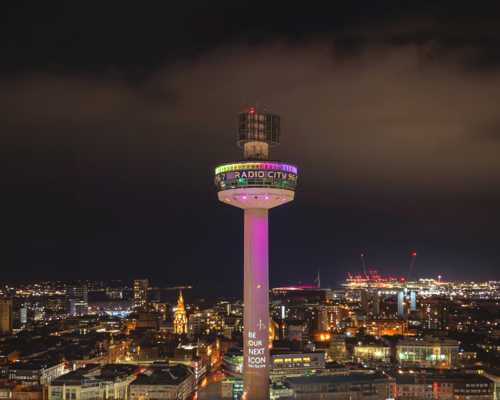
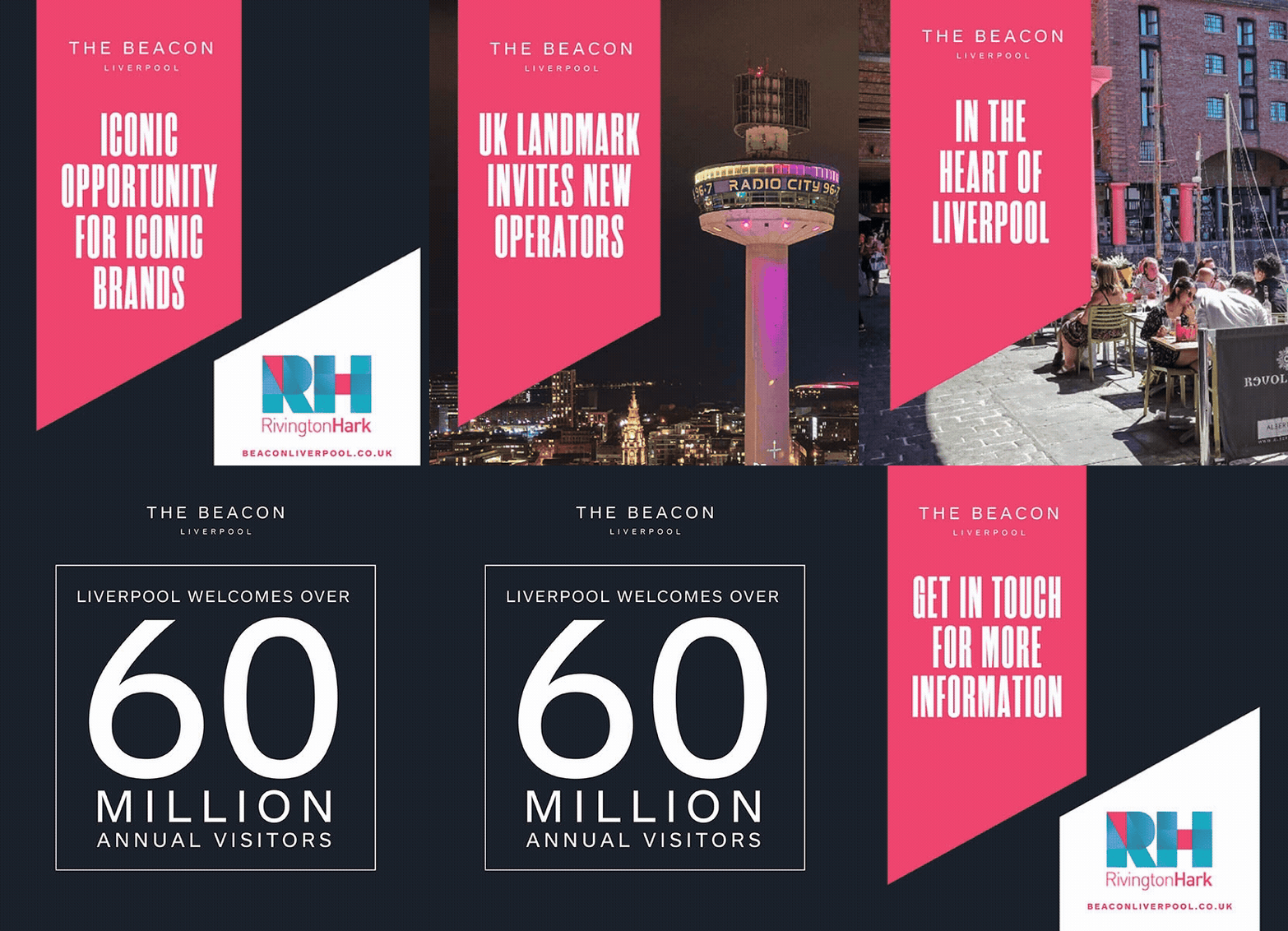
An opportunity to reimagine one of the UK’s most recognisable towers has been formally
opened by Rivington Hark, as St Johns Beacon invites operators and partners to shape its
next phase. [more...]
Each September, artists,
thinkers, scientists and
digital pioneers gather in
Linz, Austria to help shape
the future. Terry Stevens
went along to experience
this unique event
Writer Thomas Melle had an animatronic double made of himself for Uncanny Valley / Ars Electronica / vog.photo
Last year, Attractions Management reported on the remarkable transformation of the Upper Austrian city of Linz, located astride the Danube halfway between Vienna and Salzburg. From being known as ‘Linz stinks’: this was a city of heavy industry and connections to the Third Reich. For 10 years, at the end of the second world war, it was a divided city with a Soviet-occupied northern zone and a US-occupied zone south of the Danube.
After 20 years of concerted effort built around a clear vision and strong civic leadership the city is synonymous with progress, vitality founded upon new media, culture, and progressive, sustainable, urban development. Central to this metamorphosis is Ars Electronica GmbH, the city’s unique, not-for-profit, hybrid cultural, educational, and applied science organisation dedicated to being a catalyst for change in this city with such an unenviable past.
Today, the company has multiple, integrated, divisions (Ars Electronica FutureLab and Ars Electronica Solutions) that inspire one another by putting futuristic ideas to the test, finding solutions, and sharing the processes and the outcomes with the public at the Ars Electronica Center and at the festival.
Exploring art, technology & society Conceived by four Linz citizens (a journalist, a physicist, a music producer, and a musician), the first step taken by the embryonic Ars Electronica Institute was to organise a festival in 1979 exploring the confluence of art, technology, and society. The Ars Electronica Festival soon became an annual event, held in early September, adopting the title as The Festival of Art, Technology and Society.
It is a crucible for new talent to confront contemporary themes by exploring and testing the potential solutions in experimental, interdisciplinary settings working with artists, musicians, gamers, coders, and investors from all over the world. In recent years the themes have included Radical Atoms (2016), AI (2017), ERROR – the art of Imperfection (2018), A New Digital Deal (2021) Welcome to Planet B (2022), and this year the highly prescient and provocative theme was Who owns the truth?
The pure statistics of this year’s festival are impressive: 88,000 unique visitors; over 1,500 artists, scientists, designers, and activists from 88 countries presenting their ideas and inventions at 650 exhibits and 575 events; 338 sponsors and partners; and almost 500 employees. This only tells part of the story of this extraordinary few days in Linz where all dimensions of the theme Who Owns the Truth? were exposed and analysed.
Radical thinking The rallying call of the festival organisers was that, “the world is on the cusp of a rare opportunity to dramatically shift our systems and ways of thinking, planning, and acting as a mood is emerging to make this possible. Solutions are in the air. We need to harness our collective imagination to rethink relationships. Creative and cultural sectors blending with scientific, technological, and artistic knowledge can be catalytic drivers to imagine a new future and make it happen.”
Participants and visitors were able to experience first-hand how new technologies are changing our lives through machine learning, VR, robotics, and biotech to contribute to socially and ecologically sustainable progress. Lectures, conferences, and debates provoked discussion about rights and obligations for digital citizens. A fixed point in the program of every Ars Electronica is the unique mix of concerts, performances, and DJ sets.
A particular highlight, since 1987, is the Prix Ars Electronica media art competition. A selection of the best submissions are on show at Ars Electronica at the Animation Festival held at Ars Electronica Center‘s Deep Space 8K 3D theatre. The Prix Ars Electronica’s equivalent of the Oscars is the Golden Nica’s awards presented at a gala event – this year’s Golden Nica award went to Ayoung Kim from Korea for Delivery Dancer Sphere.
Expect the unexpected As the organisers state very clearly: “When you visit be prepared. This is not like a conventional festival in any way. Why would it be? You wouldn’t expect the city of Linz and the team at Ars Electronica to be conventional.”
Elements of the festival can be quite gritty, there is an air of rebellion, it challenges perceptions at every level. It addresses head-on uncomfortable questions affecting society then provides a platform for creating innovative, radical, solutions to these issues.
Even the main venue is a revelation. This is POSTCITY, the region’s former post distribution centre, with 80,000sq m of usable space spread over several levels, a 4,000m-long parcel distribution facility, a storage unit for 10,000 packages, an entire battery of 12m-high spiral chutes, and a rail track hall that is around 240m-long made for both incoming and outgoing railways. This enormous post-industrial icon of the city was abandoned in 2014 but offers almost limitless opportunities for artistic stagings. Festival events are staged across the city – public buildings, parks, old factories and in the most unusual of settings such as the Mariendom cathedral.
So how would you describe the Ars Festival? It’s eclectic, it’s full-on, it’s full of serendipity. It always inspires. At times the range of activities is simply overwhelming. You need to be well-organised and selective to get the most out of it. It’s an edgy version of Glastonbury meets POP Brixton or Borough Market, meets the Lake Como Design Festival meets Creamfields, meets the Sundance Film Festival meets the Adams Project, meets George Orwell’s 1984, meets Tomorrow’s World.
Taking over the city Just as the Ars Electronica Festival takes over the city for four days filling the beer gardens of Gasthaus Tramway and Stiegel-Klosterhof with animated debate, so the spirit of Ars Electronica permeates many aspects of the city – the Mural Gallery at the old Harbour, the Voestalpine Stahlweit (steelworks visitor centre), Donaupark and the Bruckner Haus Concert Hall, the LENTOS Contemporary Art Centre and Tabakafabrik, a converted 340-year-old former tobacco factory into a centre for creative industry.
Capturing the wave of edgy creativity now sweeping through Linz, is the re-imagining of the Domplatz Square – the public space in front of the neo-gothic Mariendom cathedral. Planning of the square originally commenced in 1855, with the so-called ‘New Cathedral’ consecrated in 1924. However, Domplatz Square itself was always regarded as unfinished until a bold scheme was agreed to create a new urban planning solution with a generous, neutral space that permits a rich variety of uses. To the southwest of the square a cluster of existing baroque heritage buildings was enlarged to create an ensemble of mini-squares and alleys anchored by the Hotel Domplatz, which opened in 2009.
A hotel with a difference The Hotel Domplatz was developed by a young tourism enterprise called Severin Holding GmbH who, mirroring the ethos of the Linz and of Ars Electronica, saw the opportunity to create a hotel that “was not business as usual”. Their approach was to envisage the hotel as ‘Kunst am Bau’ – architectural art. Unique artworks flow through the entire hotel: its public areas, the spa, the toilets, and the bedrooms.
It is within the bedrooms that spirit of the age is revealed. In every room is a wooden casket in which you will find a gift – look into the casket and be surprised what the previous guest left for you. Guests are invited to accept this gift and leave something for the next person.
According to the hotel management, the purpose of this activity is to encourage, “mutual perception through giving and taking, through active participation in an artistic event.”
Next year’s Ars Electronica Festival takes place 4-8 September. Register your interest now and prepare for days of enlightenment, wonderment and encounters that will shift the way you think about the world of tomorrow.
Highlights
The highlights for this non-technical but interested observer were undoubtedly:
• Yen-Tzu Cheng’s dance performance in the Mariendom Cathedral
• Ars Electronica Center’s pop-up exhibition for children by MISSIMO and designed by Ars Electronica’s FutureLab in the main city square
• The Circus of Knowledge at Johannes Kepler University
• The Future of Tourism led by Austrian Tourism
• The Breaking Clouds Kinetic Sculpture
• Venice Revealed by Fondazione Musei Civici di Venezia/p>
• The Last Supper Interactive by Franz Fischnaller
• The European Space Agency ‘Earth From Space’ project
• The European Union Prize for Citizen Science Exhibition
ARS ELECTRONICA FESTIVAL 2024 – WHAT TO EXPECT
Commissioned projects
Throughout the year, Ars Electronica collaborates with partners worldwide to promote artists, launches Open Calls, curates exhibitions and conferences, and more. These commissioned activities culminate in the presentation of their outcomes at the Ars Electronica Festival in September.
Concerts and performances
Over the five days of the festival, Ars Electronica features a unique mix of concerts, performances and DJ sets.
Screenings
Visitors can watch a selection of the world’s best computer animations at the curated Animation Festival. Ars Electronica Center‘s theatre showcases 8K-resolution visual worlds by international artists via 16m-by-9m projections on the walls and floor.
Conferences
Ars Electronica offers range of talks, lectures and conferences, including a two-day symposium on the festival’s annual theme, which brings together experts and pioneers from the fields of science, art, design and technology.
Exhibitions
Exhibitions celebrate the best of the international media art scene as well as up and coming young artists. The Prix Ars Electronica Exhibition showcases the winners of the world’s longest-running media art competition.
Open labs and workshops
The festival is very hands on – open labs and workshops offer visitors the chance to watch artificial intelligence ‘think’, train self-driving cars, program robots, 3D print, edit their own DNA with genetic scissors and more.
Interview: Fons Jurgens
Big changes are coming for much-loved Dutch theme park Efteling, with the launch of a Grand Hotel and major new attraction. Its CEO lets us into the plans
Museums: Ones to watch
Some seriously exciting new museums are taking shape across the globe. We highlight some of our favourites
Museums: Josh Kirk
As Copenhagen’s Home of Carlsberg relaunches after a five year revamp, the project design lead tells us how ground-breaking technology was used to bring the brand to life
Technology: AI – friend or foe?
How can attractions best exploit AI technologies? What are the dangers? What does the future hold? We get an expert opinion
Technology: Future shock
What can we learn from operators currently using AI? Lesley Morisetti gets some tips from early adopters
Museums: Jacqueline Springer
V&A East Museum will celebrate Black British music in its first exhibition. Its curator tells us more
A new immersive attraction designed to transport visitors into the final hours of ancient Pompeii
is preparing to open near the world-famous archaeological site in southern Italy.
Experience design company, BRC Imagination Arts, has completed a transition that sees founder
Bob Rogers pass ownership of the business to four long-serving senior executives, while
remaining actively involved with the company.
Movie Park Germany has opened a new Paramount Pictures-themed attraction as part of its 30th
anniversary celebrations, using immersive storytelling and adaptive reuse to reinforce the park’s
longstanding “Hollywood in Germany” positioning.
Therme Manchester’s 28-acre development, which will include interconnected glass pavilions
that measure 65,000sq m, will be the largest bathing and wellbeing attraction in the world once
complete, according to prof David Russell, CEO of Therme UK.
Efteling has opened Hooghmoed, a new family drop tower designed to broaden the appeal of its
recently launched Sirene Island themed area and introduce younger visitors to thrill attractions.
A proposed Puy du Fou development near Bicester and Universal Destinations and Experiences’
planned resort in Bedford are emerging as part of a wider transformation of the Oxford–
Cambridge Growth Corridor into a major centre for UK leisure and tourism inv
Shedd Aquarium has opened the Immersion Theater developed in partnership with SimEx-
Iwerks, as part of a wider strategy to enhance the guest experience and create additional
revenue opportunities.
The UK government has announced a temporary reduction in VAT on visitor attractions and
children’s meals as part of a summer cost-of-living support package designed to stimulate the
visitor economy and encourage family days out.
As designer Yinka Ilori prepares for his first solo gallery show in London, he speaks exclusively
to CLADmag about his mission to spread joy, the power of play, and his bold approach to using
colour (including the colours you won’t see in his work).
The government of Thailand is exploring plans for a THB300bn (£6.3bn, US$8.3bn)
entertainment complex in the country’s Eastern Economic Corridor (EEC), with officials
proposing a large-scale theme park and sports destination as part of a broader tourism and
economic development strategy.
An opportunity to reimagine one of the UK’s most recognisable towers has been formally
opened by Rivington Hark, as St Johns Beacon invites operators and partners to shape its
next phase. [more...]