The V&A is creating
two ground-breaking
institutions in east
London’s new cultural
district, with the aim of
attracting new audiences
and transforming the
museum experience
With the announcement of V&A East Museum’s first major exhibition – The Music is Black: A British Story – the V&A’s new east London outpost is beginning to feel a lot more real.
Together with the V&A East Storehouse, the V&A East Museum represents one of the UK’s biggest museum development projects for decades. Both are set to open in 2025, part of the Mayor of London’s £1.1 billion East Bank project to create a new cultural and education district on the site of the former Olympic Park. The site will also include a new Sadler’s Wells dance theatre, BBC studios and UAL’s London College of Fashion.
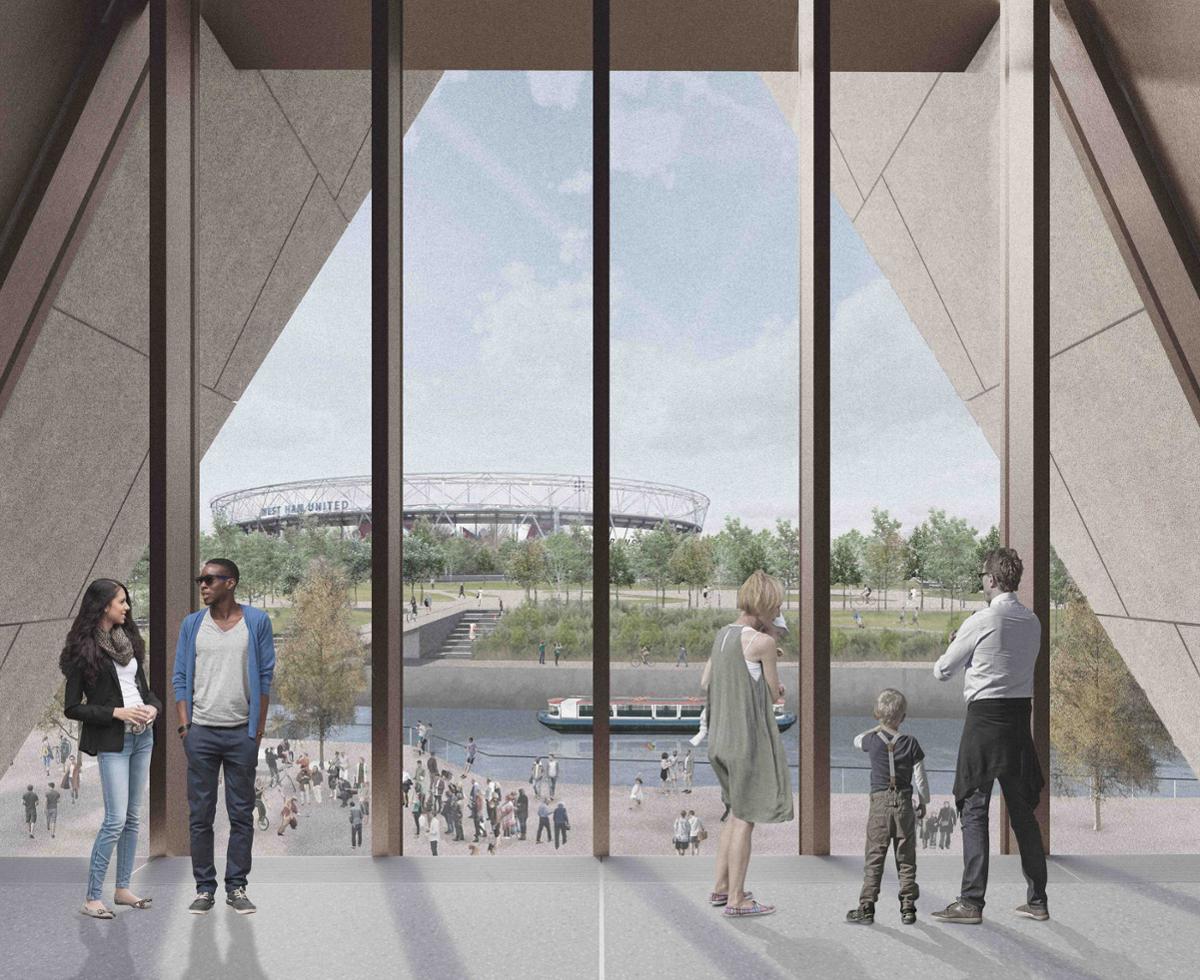
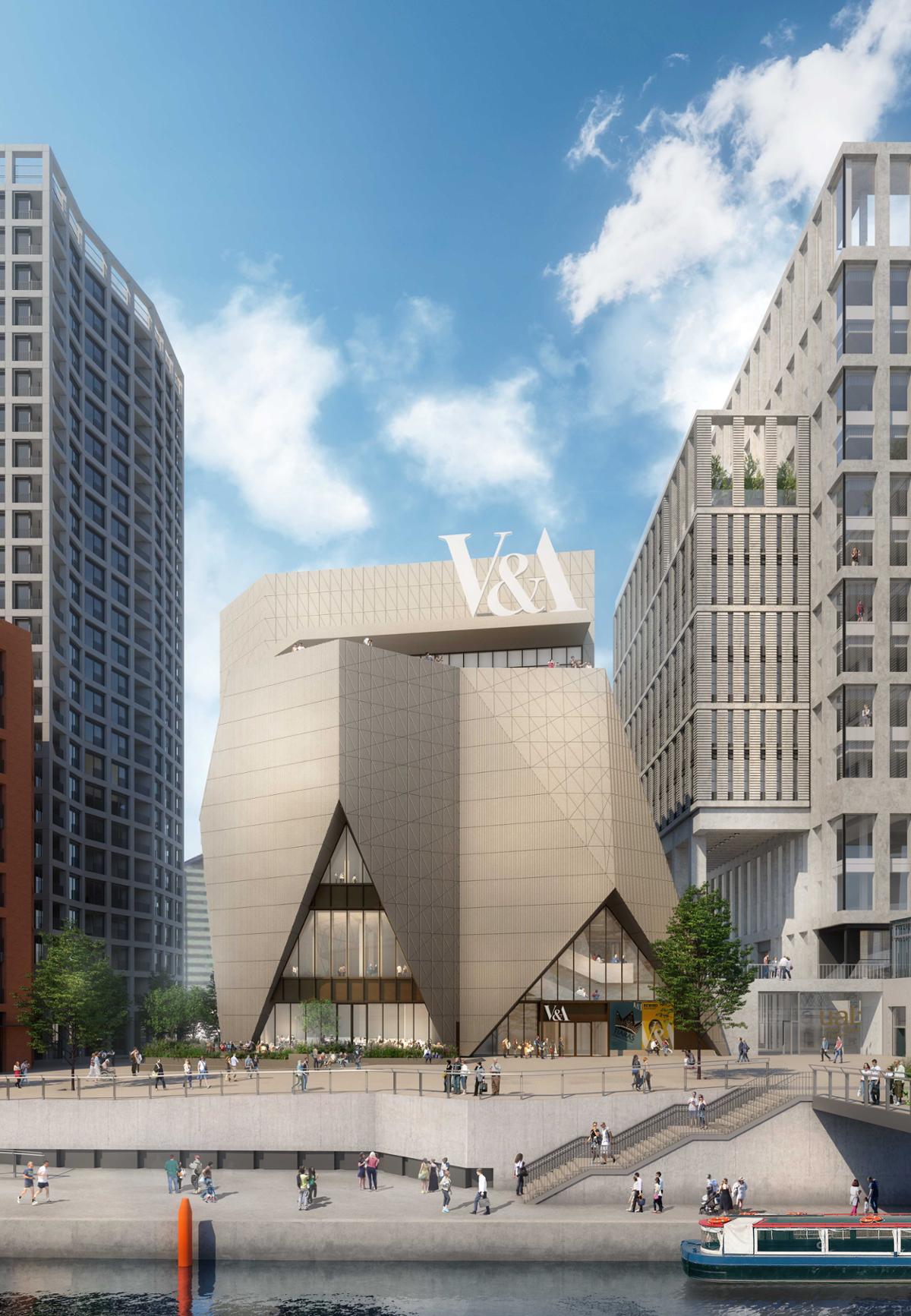
V&A East Museum V&A East Museum is set on the waterfront, in a five-storey building designed by architects O’Donnell + Tuomey inspired by a Balenciaga dress.
With a mission to make the arts accessible for all, the museum will host major exhibitions, festivals, commissions, installations, live performances, pop ups and late-night events.
With galleries designed around a central core, the building will feature two public entrances, a publicly accessible roof terrace and a cafe. The main exhibition hall will present the museum’s shows by leading artists, designers and performers, while two collection galleries will feature new acquisitions, commissions and live shows alongside collection displays. An installation and events space on the top floor will act as the focal point for V&A East’s global partnerships programme, hosting interdisciplinary collaborations, new commissions and events.
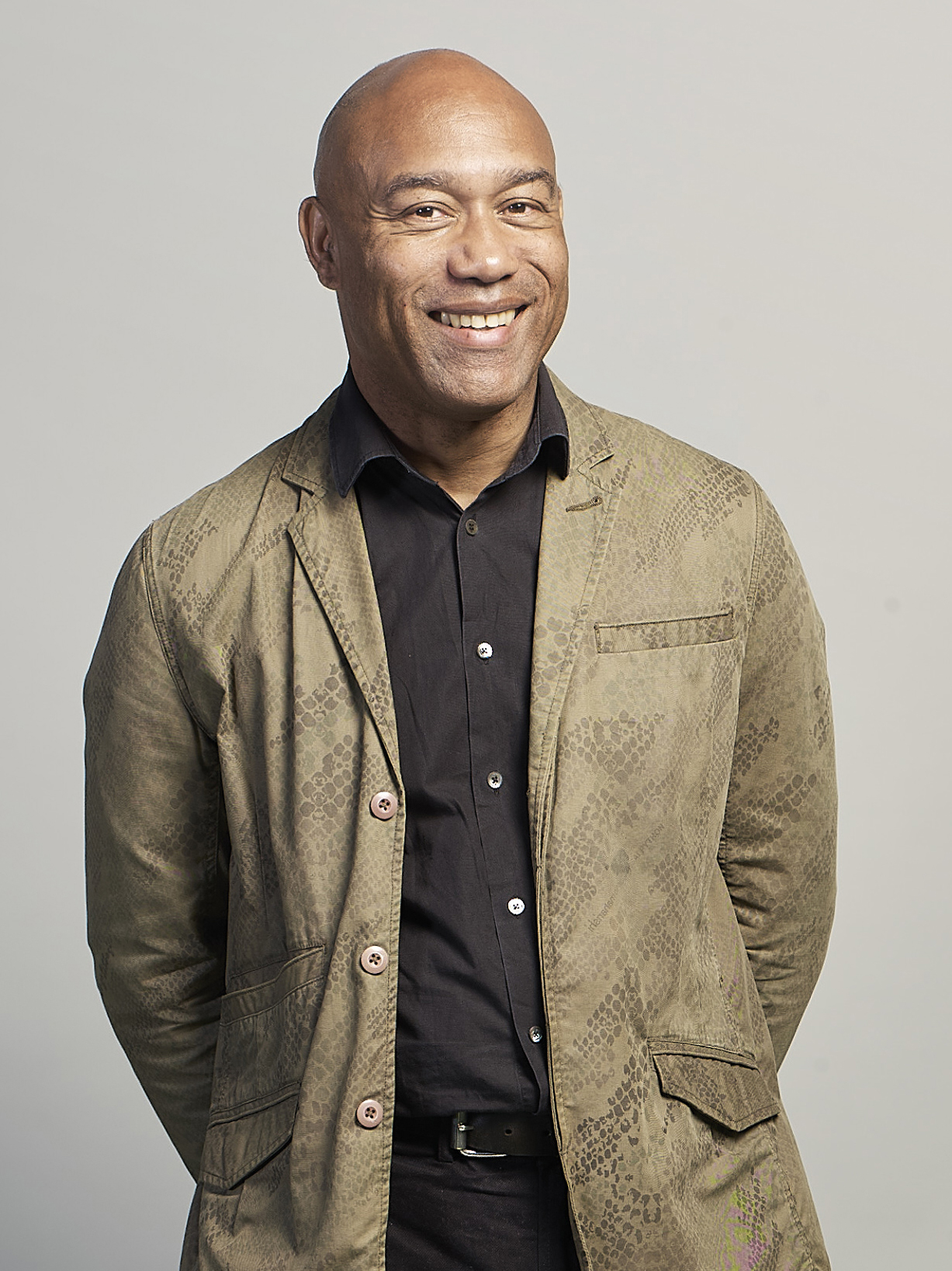
Gus Casely-Hayford, director of the V&A East, has set out plans to ensure the new museum is welcoming to those who might have previously felt excluded from museum spaces, and to reflect the diversity of the surrounding boroughs.
“We have devised a tour where we take museum objects out into schools and colleges for a series of workshops, assembly talks and handling sessions,” said Casely-Hayford, writing for the Museums Association. “We feel that this is giving these world-class objects back to the communities for which they are, ultimately, held in trust. We hope this will give local young people the chance to experience museum objects up close, learn about the stories behind them and about the careers and skills available to them in the museum sector – to inspire the next generation and future workforce.
“My early museum memories were of distance and barriers. We want to change that by building an environment in which we can expose young people to truly exceptional things, giving them the knowledge and skills to learn about context, tradition and technique, wherever possible, through hands-on contact. We want to build connections across geography and time, and perhaps inspire them in their own practice to use this vast open sourcebook as a catalyst for their dreams.”
V&A East Storehouse A 10 minute walk across the park from the V&A East Museum, the huge glass and brick V&A East Storehouse promises to be a new kind of museum collections facility.
When the government announced plans to sell Blythe House, which housed collections and archives for the Victoria and Albert Museum, as well as the British Museum and the Science Museum, the V&A saw an opportunity to bring its collections to new audiences.
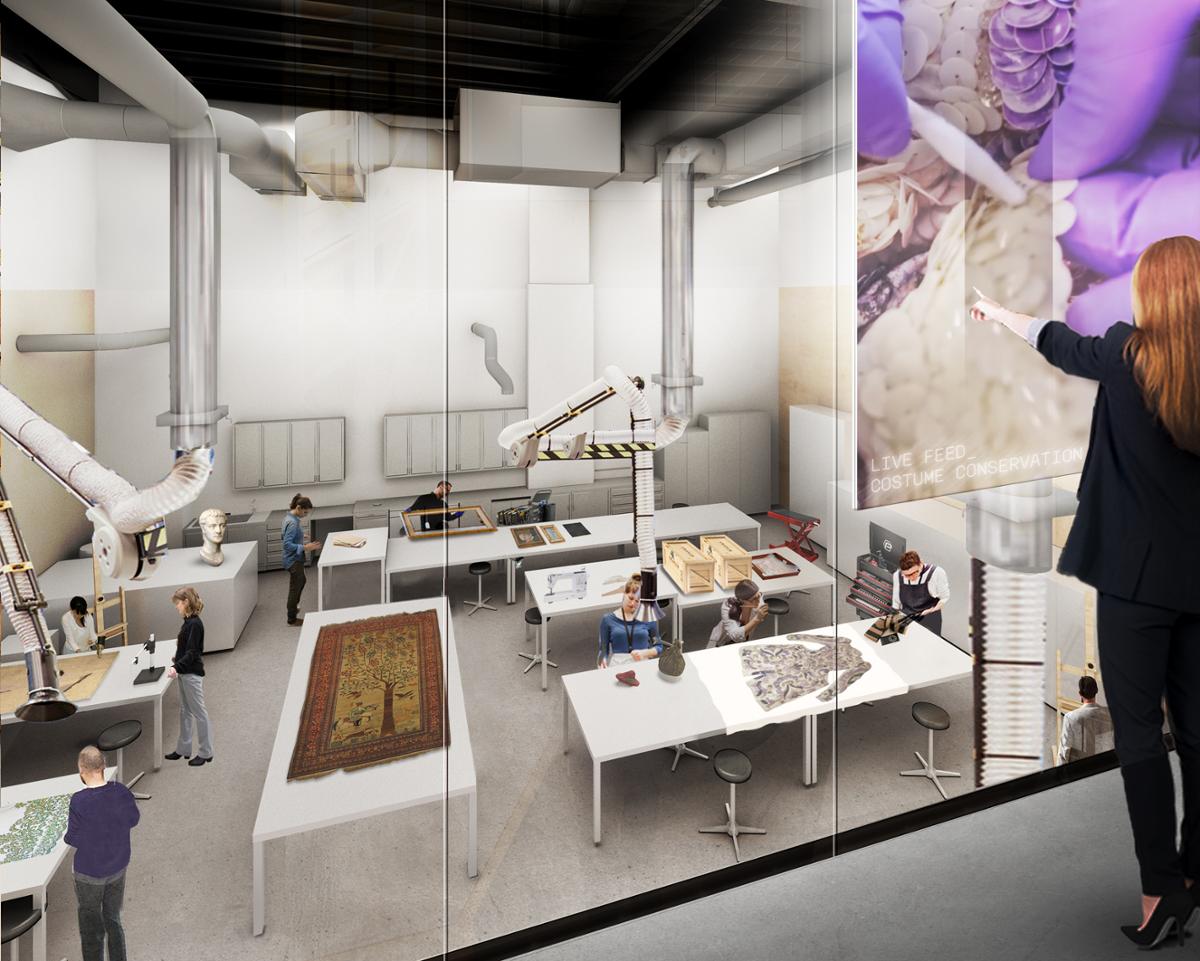
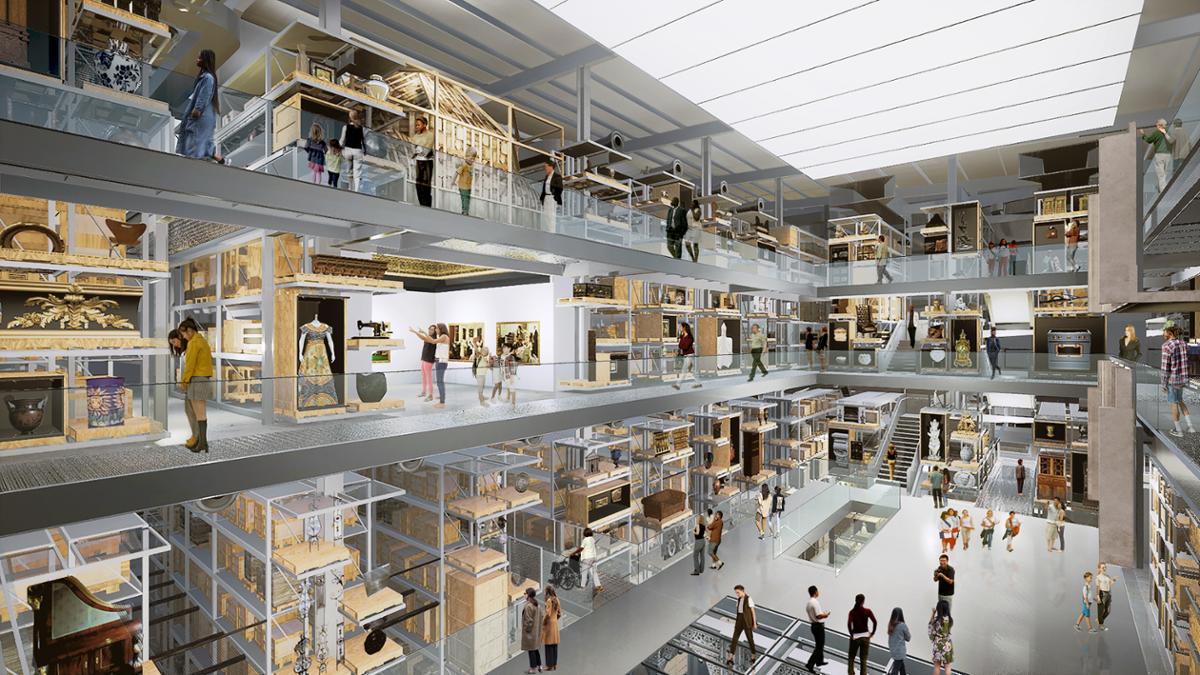
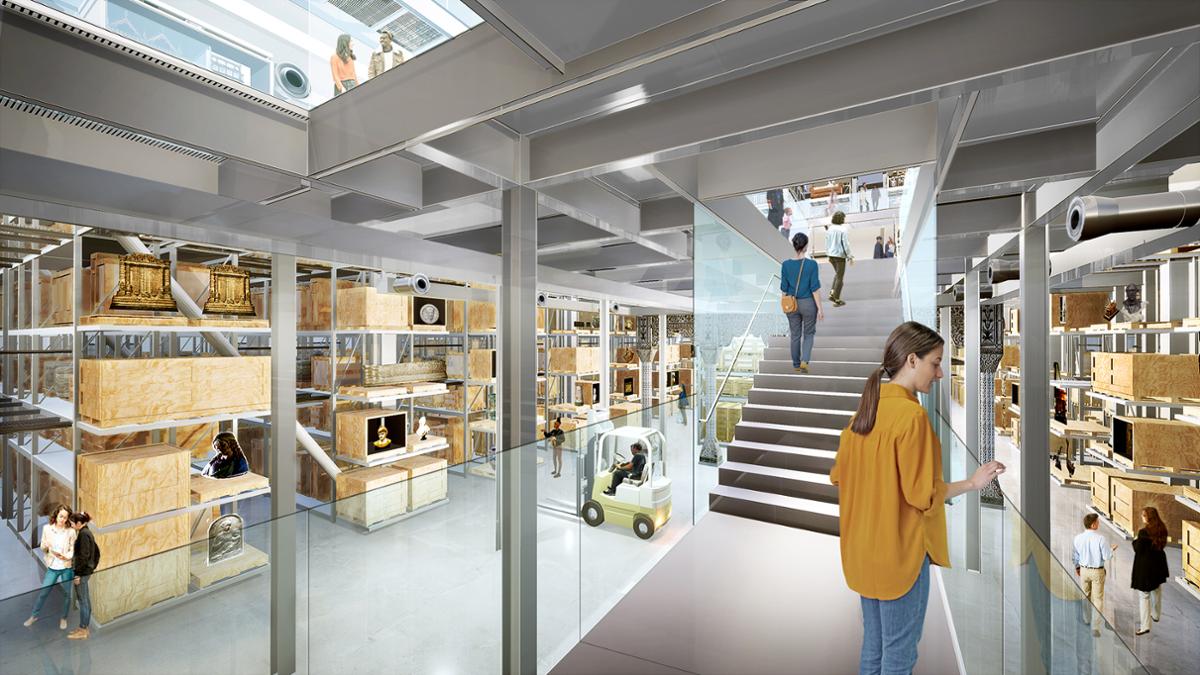
When the V&A East Storehouse opens, it will display 250,000 objects, 1,000 archives and 350,000 books in a 16,000sq m building designed by Liz Diller of Diller Scofidio + Renfro. The collection will be stored across four floors and in a cavernous central hall, while further spaces will host pop-up displays, workshops, performances and screenings.
Unusually for a museum storage facility, much of the building will be open access, meaning that the public can come in freely and view the collection. The building has been designed so that visitors will feel as though they are at the centre of the collection.
“With its open central space, and glass balustrades and floor, you will feel as if you have literally been immersed into the collection,” said Casely-Hayford. “We would like it to be a space that is loved by the academic and museum communities, but we also want the people of east London, particularly the young, to feel that this is a place that they can use and be comfortable in.
“This space will revolutionise access to our collections by providing an unprecedented platform from which to tell new stories of theatre, performance, art and design.”
Objects on display will range from a pair of ancient Egyptian woven shoes and beautiful buttons made by 20th century studio potter Lucie Rie to a 1930s Frank Lloyd Wright-designed office – the only complete Frank Lloyd Wright interior outside of the US.
The building was completed in May 2023 and is due to open to the public in spring 2025.
Image: Victoria & Albert Museum, London
"My early museum memories were of distance and barriers. We want to change that by building an environment in which we can expose young people to truly exceptional things" – Gus Casely-Hayford
Read more from this issue of Attractions Management magazine
View contents of Attractions Management 2024 issue 1
Interview: Fons Jurgens
Big changes are coming for much-loved Dutch theme park Efteling, with the launch of a Grand Hotel and major new attraction. Its CEO lets us into the plans
Museums: Ones to watch
Some seriously exciting new museums are taking shape across the globe. We highlight some of our favourites
Museums: Josh Kirk
As Copenhagen’s Home of Carlsberg relaunches after a five year revamp, the project design lead tells us how ground-breaking technology was used to bring the brand to life
Technology: AI – friend or foe?
How can attractions best exploit AI technologies? What are the dangers? What does the future hold? We get an expert opinion
Technology: Future shock
What can we learn from operators currently using AI? Lesley Morisetti gets some tips from early adopters
Museums: Jacqueline Springer
V&A East Museum will celebrate Black British music in its first exhibition. Its curator tells us more
The V&A is creating
two ground-breaking
institutions in east
London’s new cultural
district, with the aim of
attracting new audiences
and transforming the
museum experience
With the announcement of V&A East Museum’s first major exhibition – The Music is Black: A British Story – the V&A’s new east London outpost is beginning to feel a lot more real.
Together with the V&A East Storehouse, the V&A East Museum represents one of the UK’s biggest museum development projects for decades. Both are set to open in 2025, part of the Mayor of London’s £1.1 billion East Bank project to create a new cultural and education district on the site of the former Olympic Park. The site will also include a new Sadler’s Wells dance theatre, BBC studios and UAL’s London College of Fashion.
V&A East Museum V&A East Museum is set on the waterfront, in a five-storey building designed by architects O’Donnell + Tuomey inspired by a Balenciaga dress.
With a mission to make the arts accessible for all, the museum will host major exhibitions, festivals, commissions, installations, live performances, pop ups and late-night events.
With galleries designed around a central core, the building will feature two public entrances, a publicly accessible roof terrace and a cafe. The main exhibition hall will present the museum’s shows by leading artists, designers and performers, while two collection galleries will feature new acquisitions, commissions and live shows alongside collection displays. An installation and events space on the top floor will act as the focal point for V&A East’s global partnerships programme, hosting interdisciplinary collaborations, new commissions and events.
Gus Casely-Hayford, director of the V&A East, has set out plans to ensure the new museum is welcoming to those who might have previously felt excluded from museum spaces, and to reflect the diversity of the surrounding boroughs.
“We have devised a tour where we take museum objects out into schools and colleges for a series of workshops, assembly talks and handling sessions,” said Casely-Hayford, writing for the Museums Association. “We feel that this is giving these world-class objects back to the communities for which they are, ultimately, held in trust. We hope this will give local young people the chance to experience museum objects up close, learn about the stories behind them and about the careers and skills available to them in the museum sector – to inspire the next generation and future workforce.
“My early museum memories were of distance and barriers. We want to change that by building an environment in which we can expose young people to truly exceptional things, giving them the knowledge and skills to learn about context, tradition and technique, wherever possible, through hands-on contact. We want to build connections across geography and time, and perhaps inspire them in their own practice to use this vast open sourcebook as a catalyst for their dreams.”
V&A East Storehouse A 10 minute walk across the park from the V&A East Museum, the huge glass and brick V&A East Storehouse promises to be a new kind of museum collections facility.
When the government announced plans to sell Blythe House, which housed collections and archives for the Victoria and Albert Museum, as well as the British Museum and the Science Museum, the V&A saw an opportunity to bring its collections to new audiences.
When the V&A East Storehouse opens, it will display 250,000 objects, 1,000 archives and 350,000 books in a 16,000sq m building designed by Liz Diller of Diller Scofidio + Renfro. The collection will be stored across four floors and in a cavernous central hall, while further spaces will host pop-up displays, workshops, performances and screenings.
Unusually for a museum storage facility, much of the building will be open access, meaning that the public can come in freely and view the collection. The building has been designed so that visitors will feel as though they are at the centre of the collection.
“With its open central space, and glass balustrades and floor, you will feel as if you have literally been immersed into the collection,” said Casely-Hayford. “We would like it to be a space that is loved by the academic and museum communities, but we also want the people of east London, particularly the young, to feel that this is a place that they can use and be comfortable in.
“This space will revolutionise access to our collections by providing an unprecedented platform from which to tell new stories of theatre, performance, art and design.”
Objects on display will range from a pair of ancient Egyptian woven shoes and beautiful buttons made by 20th century studio potter Lucie Rie to a 1930s Frank Lloyd Wright-designed office – the only complete Frank Lloyd Wright interior outside of the US.
The building was completed in May 2023 and is due to open to the public in spring 2025.
Image: Victoria & Albert Museum, London
"My early museum memories were of distance and barriers. We want to change that by building an environment in which we can expose young people to truly exceptional things" – Gus Casely-Hayford
Read more from this issue of Attractions Management magazine
View contents of Attractions Management 2024 issue 1
Interview: Fons Jurgens
Big changes are coming for much-loved Dutch theme park Efteling, with the launch of a Grand Hotel and major new attraction. Its CEO lets us into the plans
Museums: Ones to watch
Some seriously exciting new museums are taking shape across the globe. We highlight some of our favourites
Museums: Josh Kirk
As Copenhagen’s Home of Carlsberg relaunches after a five year revamp, the project design lead tells us how ground-breaking technology was used to bring the brand to life
Technology: AI – friend or foe?
How can attractions best exploit AI technologies? What are the dangers? What does the future hold? We get an expert opinion
Technology: Future shock
What can we learn from operators currently using AI? Lesley Morisetti gets some tips from early adopters
Museums: Jacqueline Springer
V&A East Museum will celebrate Black British music in its first exhibition. Its curator tells us more
Expo 2030 Riyadh is being planned as a permanent visitor destination, with organisers
confirming the six-million-square-metre site will become a Global Village after the event closes.
The owner of one of Australia's best-known waterparks has acquired a major competitor,
creating a new attractions business spanning two of the country's largest visitor destinations.
The Toverland theme park in the Netherlands has announced a €98m expansion programme
that will add a resort, new attractions and staff facilities as it pursues plans to become a multi-
day destination.
Hotel de France, located on the British Isle of Jersey, has created a wellness retreat package
that includes a hot yoga session that will take place in Jersey Zoo’s butterfly sanctuary.
A new immersive attraction designed to transport visitors into the final hours of ancient Pompeii
is preparing to open near the world-famous archaeological site in southern Italy.
Experience design company, BRC Imagination Arts, has completed a transition that sees founder
Bob Rogers pass ownership of the business to four long-serving senior executives, while
remaining actively involved with the company.
Movie Park Germany has opened a new Paramount Pictures-themed attraction as part of its 30th
anniversary celebrations, using immersive storytelling and adaptive reuse to reinforce the park’s
longstanding “Hollywood in Germany” positioning.
Therme Manchester’s 28-acre development, which will include interconnected glass pavilions
that measure 65,000sq m, will be the largest bathing and wellbeing attraction in the world once
complete, according to prof David Russell, CEO of Therme UK.
Efteling has opened Hooghmoed, a new family drop tower designed to broaden the appeal of its
recently launched Sirene Island themed area and introduce younger visitors to thrill attractions.
A proposed Puy du Fou development near Bicester and Universal Destinations and Experiences’
planned resort in Bedford are emerging as part of a wider transformation of the Oxford–
Cambridge Growth Corridor into a major centre for UK leisure and tourism inv
+ More news
COMPANY PROFILES
QubicaAMF UK QubicaAMF is the largest and most
innovative bowling equipment provider with
600 employees worldwi [more...]
Sally Corporation Our services include: Dark ride design & build; Redevelopment of existing attractions; High-quality [more...]
Taylor Made Designs Founded in 1993, Taylor Made
Designs supply corporate clothing
and brand-enhancing merchandise
to [more...]
Simworx Ltd The company was initially established
in 1997. Terry Monkton and Andrew
Roberts are the key stakeh [more...]