How are today’s visitors reshaping
the attractions industry? New research by IAAPA and LaneTerralever throws up some intriguing findings, say Nick Dan-Bergman and Lauren Hillery
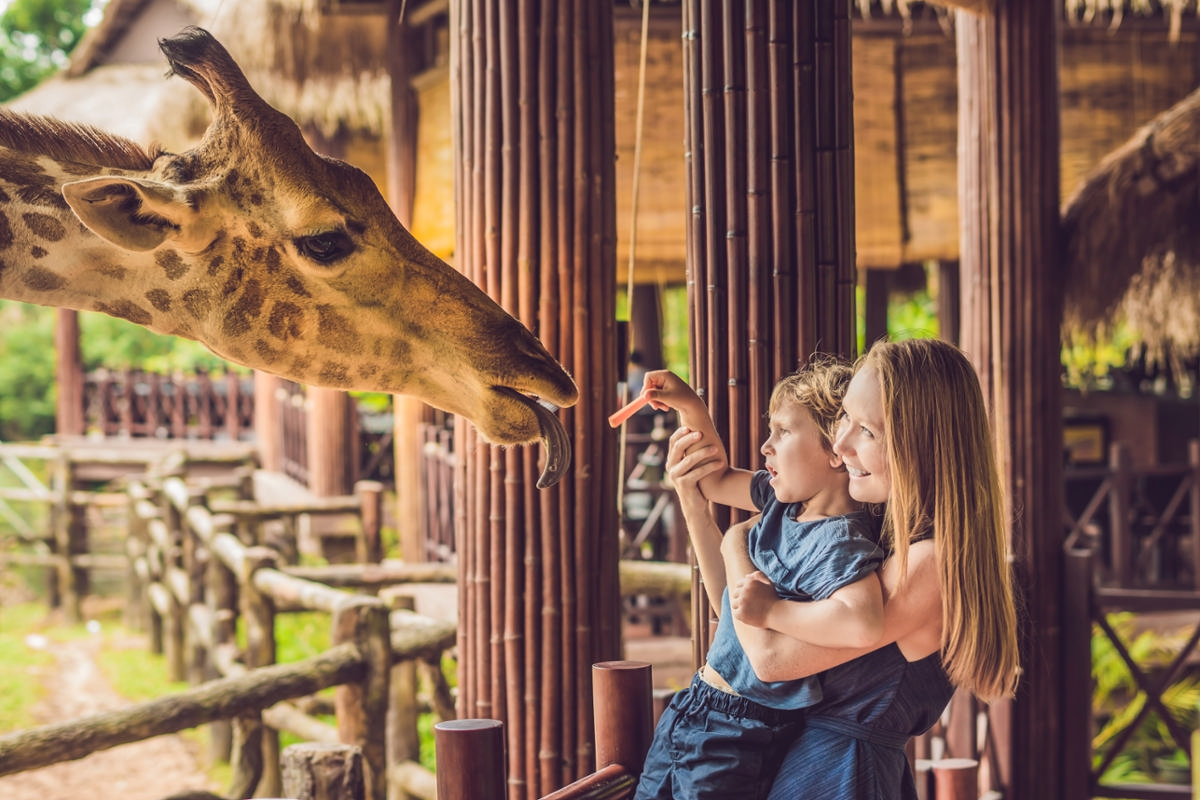
Young families value experiences with an educational component / Photo: Shutterstock/Elizaveta Galitckaia
What are today’s visitors really looking for when it comes to location-based attractions and experiences? What makes them return, and what keeps them away?
In order to better understand what drives visitors, IAAPA partnered with marketing and digital experience agency LaneTerralever to carry out a national research study in the US.
The team carried out a study of 1,497 US participants ages 18 to 70 (split equally between local attractions visitors and destination attractions visitors) and interviewed key industry executives to get a picture of the market. So what did they find?
What were the top-line consumer findings from this report? Consumer sentiment/outlook in 2024 is still strong. The research showed that a huge 93 per cent of visitors plan to visit attractions the same amount or more in 2024 compared to 2023. Fifty per cent of Gen Z and affluent visitors plan to visit attractions more in 2024, compared to 2023.
People are drawn to unique entertainment offerings, with 67 per cent of Millennials willing to pay incrementally for unique experiences, compared to 36 per cent of Boomers and 49 per cent of Gen X.
We also found that visitors’ digital experience is a key catalyst for visits, and it’s vital to get this right – 50 per cent of destination visitors surveyed said they won’t attend a particular attraction because of perceived difficulties navigating the digital experience. YouTube emerged as a critical marketing medium to reach affluent and Millennial visitors.
Finally, we found that the vast majority of visitors will pay more for less time in line – 75 per cent of destination visitors are willing to pay more to spend less time queueing, and 4 out of 5 of the top words used to describe ‘skip-the-line passes’ had a positive sentiment.
What are the main trends impacting visitor behaviours and expectations? Anything that expedites the guest experience is of significant value to visitors of all ages, affluence, and ethnicities.
Interactive and pop-up/traveling experiences captivate the attention and share of wallet of attraction visitors, which tells us the fear of missing out makes them more willing to prioritise their budget on fleeting experiences.
The infusion of sustainability and ‘edutainment’ into the positioning and messaging of attractions and entertainment brands opens the doors for long-lasting guest relationships and starts a loyalty conversation with visitors from the first interaction with the brand.
What are the main areas of good news for attractions operators in the report? People plan to visit more in the coming year than they did in the past. In addition, the spending power of older generations on entertainment, in particular, makes this visitor group an often-overlooked target for attractions and entertainment brands. However, younger generations, particularly younger Millennials, frequent attractions and entertainment venues as much as 3x more than Boomers.
And what are the biggest challenges? Staffing will continue to be challenging for attractions and entertainment brands. These challenges affect the quality of experience your team members are able to deliver, which matters significantly for guest satisfaction and loyalty. The report found that 87 per cent of all visitors are willing to give an attraction one chance to make things right after an undesirable experience with your brand. However, only 30 per cent of Boomers will give you multiple chances to make up for a bad guest experience.
Four main customer groups were identified in the research. How should operators cater to each group? The Attraction Affluent: Provide unique and convenient experiences in packages for which this group is likely to pay a premium.
The Raving Fans: Incentivise them to recommend their experience to drive loyalty.
The Smart & Sustainable Seekers: Ensure your values come through in your brand marketing, particularly when targeting younger generations.
The Socialisers: Make it easy for them to plan and experience your offerings in groups and highlight the aspects of your attraction that are social in nature.
Are there any pitfalls to watch out for when targeting particular groups? Attractions and entertainment marketing over-invests in showing young people, however, the largest share of wallet is the older generations. Older generations need to see themselves in marketing to be comfortable with the experience of your offering.
What are the main elements of an attraction that could deter visitors? The main deterrent to visiting an attraction is still cost. Although memberships and subscriptions are still highly relevant, focusing messaging on the value will help convert the largest segment of the visiting population — the budget shopper.
What were the most significant findings in relation to sustainability? Eight per cent of visitors say they’re more likely to be loyal to an attraction brand whose purpose or mission is aligned with their values. It’s important to note that it’s most often seen as a contributing factor in why someone selects a particular brand but is still not the key driver like the price might be.
Were there any other significant findings? The number of young people and the affluent who are willing to pay incrementally to save time and experience something unique blew us away. 67 per cent of Millennials are willing to pay incrementally for unique experiences, and 65 per cent of affluent Americans are willing to pay at least 10 per cent or more for expedited entry.
African-American visitation overindexes by 50 per cent at destination attractions when compared to all other attractions visitors – the only demographic that showed such a huge increase in attendance.
It’s hard to know exactly why, but this presents an opportunity for operators to invest in marketing that feels authentic and speaks to the diversity within that audience.
Four main customer groups were revealed in the research:
• The Attraction Affluent
This group has the spending power to visit both local and destination attractions. With household incomes >$100K, they should be encouraged to incorporate attractions into their travel planning and be incentivised with unique experiences.
• The Raving Fans
Although they cut across all age segments, these consumers include Gen Z and Millennials seeking unique experiences and quickly sharing their recommendations across social media. Tapping into this market can help grow your visitor base and positive word-of-mouth.
• The Smart & Sustainable Seekers
Young families value edutainment (experiences that contain an educational component). As awareness of planet-friendly practices grows, these visitors are also doing research into the waste reducing practices of attractions and may factor that into their decision-making.
• The Socialisers
These visitors seek out experiences to be enjoyed with friends. While this segment cuts across all genders and ages, it is primarily comprised of Gen Z women who have the time and interest in exploring fun moments. Group packages can help draw them in.
Interview: Fons Jurgens
Big changes are coming for much-loved Dutch theme park Efteling, with the launch of a Grand Hotel and major new attraction. Its CEO lets us into the plans
Museums: Ones to watch
Some seriously exciting new museums are taking shape across the globe. We highlight some of our favourites
Museums: Josh Kirk
As Copenhagen’s Home of Carlsberg relaunches after a five year revamp, the project design lead tells us how ground-breaking technology was used to bring the brand to life
Technology: AI – friend or foe?
How can attractions best exploit AI technologies? What are the dangers? What does the future hold? We get an expert opinion
Technology: Future shock
What can we learn from operators currently using AI? Lesley Morisetti gets some tips from early adopters
Museums: Jacqueline Springer
V&A East Museum will celebrate Black British music in its first exhibition. Its curator tells us more
How are today’s visitors reshaping
the attractions industry? New research by IAAPA and LaneTerralever throws up some intriguing findings, say Nick Dan-Bergman and Lauren Hillery
Young families value experiences with an educational component / Photo: Shutterstock/Elizaveta Galitckaia
What are today’s visitors really looking for when it comes to location-based attractions and experiences? What makes them return, and what keeps them away?
In order to better understand what drives visitors, IAAPA partnered with marketing and digital experience agency LaneTerralever to carry out a national research study in the US.
The team carried out a study of 1,497 US participants ages 18 to 70 (split equally between local attractions visitors and destination attractions visitors) and interviewed key industry executives to get a picture of the market. So what did they find?
What were the top-line consumer findings from this report? Consumer sentiment/outlook in 2024 is still strong. The research showed that a huge 93 per cent of visitors plan to visit attractions the same amount or more in 2024 compared to 2023. Fifty per cent of Gen Z and affluent visitors plan to visit attractions more in 2024, compared to 2023.
People are drawn to unique entertainment offerings, with 67 per cent of Millennials willing to pay incrementally for unique experiences, compared to 36 per cent of Boomers and 49 per cent of Gen X.
We also found that visitors’ digital experience is a key catalyst for visits, and it’s vital to get this right – 50 per cent of destination visitors surveyed said they won’t attend a particular attraction because of perceived difficulties navigating the digital experience. YouTube emerged as a critical marketing medium to reach affluent and Millennial visitors.
Finally, we found that the vast majority of visitors will pay more for less time in line – 75 per cent of destination visitors are willing to pay more to spend less time queueing, and 4 out of 5 of the top words used to describe ‘skip-the-line passes’ had a positive sentiment.
What are the main trends impacting visitor behaviours and expectations? Anything that expedites the guest experience is of significant value to visitors of all ages, affluence, and ethnicities.
Interactive and pop-up/traveling experiences captivate the attention and share of wallet of attraction visitors, which tells us the fear of missing out makes them more willing to prioritise their budget on fleeting experiences.
The infusion of sustainability and ‘edutainment’ into the positioning and messaging of attractions and entertainment brands opens the doors for long-lasting guest relationships and starts a loyalty conversation with visitors from the first interaction with the brand.
What are the main areas of good news for attractions operators in the report? People plan to visit more in the coming year than they did in the past. In addition, the spending power of older generations on entertainment, in particular, makes this visitor group an often-overlooked target for attractions and entertainment brands. However, younger generations, particularly younger Millennials, frequent attractions and entertainment venues as much as 3x more than Boomers.
And what are the biggest challenges? Staffing will continue to be challenging for attractions and entertainment brands. These challenges affect the quality of experience your team members are able to deliver, which matters significantly for guest satisfaction and loyalty. The report found that 87 per cent of all visitors are willing to give an attraction one chance to make things right after an undesirable experience with your brand. However, only 30 per cent of Boomers will give you multiple chances to make up for a bad guest experience.
Four main customer groups were identified in the research. How should operators cater to each group? The Attraction Affluent: Provide unique and convenient experiences in packages for which this group is likely to pay a premium.
The Raving Fans: Incentivise them to recommend their experience to drive loyalty.
The Smart & Sustainable Seekers: Ensure your values come through in your brand marketing, particularly when targeting younger generations.
The Socialisers: Make it easy for them to plan and experience your offerings in groups and highlight the aspects of your attraction that are social in nature.
Are there any pitfalls to watch out for when targeting particular groups? Attractions and entertainment marketing over-invests in showing young people, however, the largest share of wallet is the older generations. Older generations need to see themselves in marketing to be comfortable with the experience of your offering.
What are the main elements of an attraction that could deter visitors? The main deterrent to visiting an attraction is still cost. Although memberships and subscriptions are still highly relevant, focusing messaging on the value will help convert the largest segment of the visiting population — the budget shopper.
What were the most significant findings in relation to sustainability? Eight per cent of visitors say they’re more likely to be loyal to an attraction brand whose purpose or mission is aligned with their values. It’s important to note that it’s most often seen as a contributing factor in why someone selects a particular brand but is still not the key driver like the price might be.
Were there any other significant findings? The number of young people and the affluent who are willing to pay incrementally to save time and experience something unique blew us away. 67 per cent of Millennials are willing to pay incrementally for unique experiences, and 65 per cent of affluent Americans are willing to pay at least 10 per cent or more for expedited entry.
African-American visitation overindexes by 50 per cent at destination attractions when compared to all other attractions visitors – the only demographic that showed such a huge increase in attendance.
It’s hard to know exactly why, but this presents an opportunity for operators to invest in marketing that feels authentic and speaks to the diversity within that audience.
Four main customer groups were revealed in the research:
• The Attraction Affluent
This group has the spending power to visit both local and destination attractions. With household incomes >$100K, they should be encouraged to incorporate attractions into their travel planning and be incentivised with unique experiences.
• The Raving Fans
Although they cut across all age segments, these consumers include Gen Z and Millennials seeking unique experiences and quickly sharing their recommendations across social media. Tapping into this market can help grow your visitor base and positive word-of-mouth.
• The Smart & Sustainable Seekers
Young families value edutainment (experiences that contain an educational component). As awareness of planet-friendly practices grows, these visitors are also doing research into the waste reducing practices of attractions and may factor that into their decision-making.
• The Socialisers
These visitors seek out experiences to be enjoyed with friends. While this segment cuts across all genders and ages, it is primarily comprised of Gen Z women who have the time and interest in exploring fun moments. Group packages can help draw them in.
Interview: Fons Jurgens
Big changes are coming for much-loved Dutch theme park Efteling, with the launch of a Grand Hotel and major new attraction. Its CEO lets us into the plans
Museums: Ones to watch
Some seriously exciting new museums are taking shape across the globe. We highlight some of our favourites
Museums: Josh Kirk
As Copenhagen’s Home of Carlsberg relaunches after a five year revamp, the project design lead tells us how ground-breaking technology was used to bring the brand to life
Technology: AI – friend or foe?
How can attractions best exploit AI technologies? What are the dangers? What does the future hold? We get an expert opinion
Technology: Future shock
What can we learn from operators currently using AI? Lesley Morisetti gets some tips from early adopters
Museums: Jacqueline Springer
V&A East Museum will celebrate Black British music in its first exhibition. Its curator tells us more
A US$50 million (£44.2 million, €51.2 million) transformation of Chicago's historic McCormick
Mansion has created a new destination that combines live magic, immersive theatre, dining and
private membership under one roof.
The Montana Historical Society has officially celebrated the opening of its new Montana
Heritage
Center, a US$107 million (£79 million, €92 million) destination that combines immersive
storytelling with cutting-edge audiovisual technology to bring the sta
San Antonio Zoo has reported a US$283 million economic impact for 2025, following a decade-
long transformation programme that has seen almost US$200 million invested into the Texas
attraction.
Plans for the AU$180 million redevelopment of Reef HQ Aquarium in Townsville, Australia, are
progressing, with the project set to transform the attraction into a global centre for reef
education and conservation.
Abu Dhabi-based investment firm Mubadala Capital has made a binding, fully financed
€1 billion
offer to acquire Pierre and Vacances SA, the European holiday resort operator behind the
continental European Center Parcs business.
Disney has reaffirmed its commitment to investing US$30 billion in its US parks and cruise
business by 2033, using new America250 celebrations to underline the role its attractions play
in supporting jobs, tourism and economic growth.
Expo 2030 Riyadh is being planned as a permanent visitor destination, with organisers
confirming the six-million-square-metre site will become a Global Village after the event closes.
The owner of one of Australia's best-known waterparks has acquired a major competitor,
creating a new attractions business spanning two of the country's largest visitor destinations.
The Toverland theme park in the Netherlands has announced a €98m expansion programme
that will add a resort, new attractions and staff facilities as it pursues plans to become a multi-
day destination.
Hotel de France, located on the British Isle of Jersey, has created a wellness retreat package
that includes a hot yoga session that will take place in Jersey Zoo’s butterfly sanctuary.
+ More news
COMPANY PROFILES
instantprint We’re a Yorkshire-based online printer, founded
in 2009 by Adam Carnell and James Kinsella. [more...]
IDEATTACK IDEATTACK is a full-service planning and
design company with headquarters in
Los Angeles. [more...]