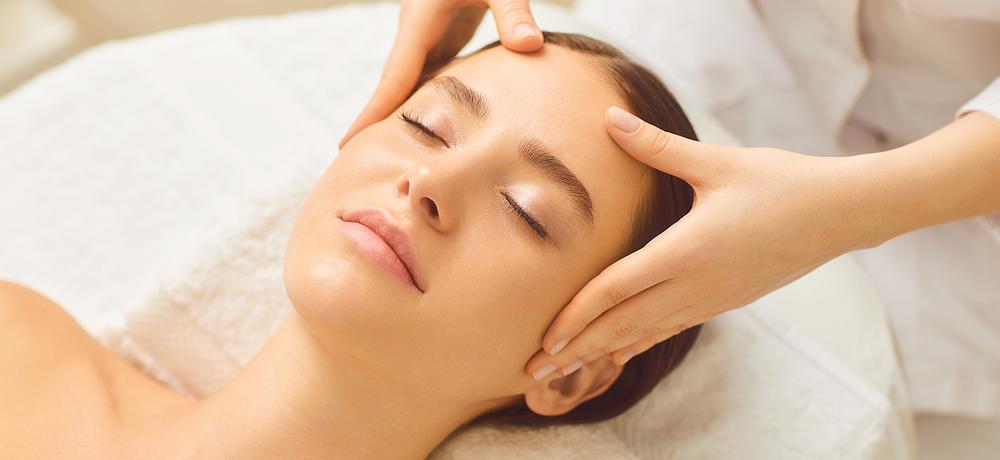
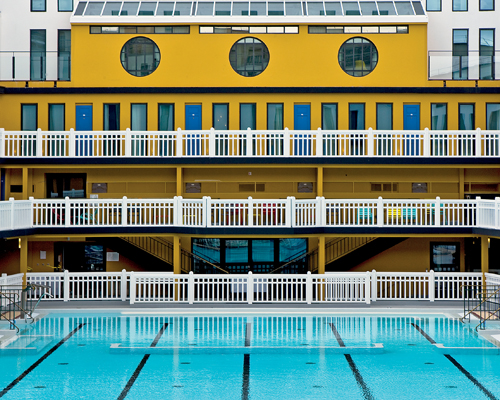
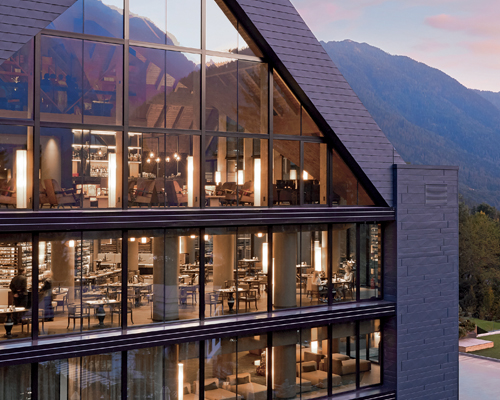
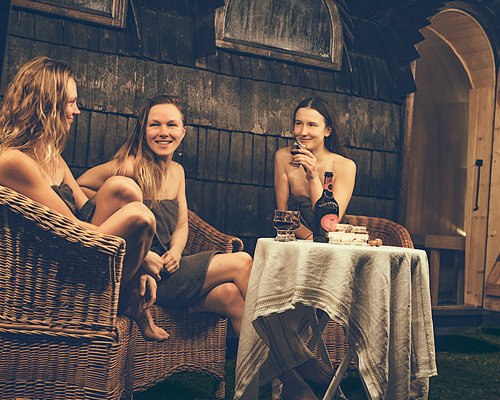
Resort spas saw a bigger revenue rise than urban hotel spas / Studio Romantic/SHUTTERSTOCK
A new report by CBRE Hotel Advisory, 2019 Trends in the Hotel Spa Industry, has revealed that total hotel revenue increased by 3.8 per cent, while spa departments reported increases of 4.8 per cent.
According to the report, which was released in December, revenues and profitability also improved in all types of hotel spas. The greatest increase was reported by hotels with less than 200 rooms, with a jump of 13.3 per cent. Hotels with more than 700 rooms increased spa revenue by 3.6 per cent, while hotels with 200-700 rooms saw the smallest increase in spa department revenue, with just 0.3 per cent, during 2018.
Resort hotels have also shown greater increases in spa department profits than urban properties for the first time in seven years.
CBRE also gives a breakdown of customer segmentation for all hotel spas in 2018, finding it was comprised of 53 per cent hotel guests, 4 per cent spa members and 43 per cent locals/others.
In urban hotel spas, the percentage of locals is higher at 61 per cent. CBRE says this indicates an opportunity for hotel owners to provide packages to entice the local community into their spas for different services and to convert these local patrons into members to provide a steady income stream to all areas of the hotel.
At resorts, 62 per cent of customers are hotel guests, 32 per cent are locals/others and 6 per cent are spa members.
Authored by Mark VanStekelenburg, division MD of CBRE Hotels Advisory and Jenna Finkelstein, director at CBRE Hotels Advisory, the report features 2018 revenue and expense data from 159 US hotels with spas. This is the 13th iteration of the report.
2019 Trends in the Hotel Spa Industry is designed to provide owners and operators with the means to compare their performance against that of similar facilities, or against industry averages, and to identify their level of operating efficiency and competitiveness.
“As in prior years, despite rising labour costs, decreases in other department operating expenses, along with revenue increases led to profit gains for all hotel spas,” say the authors.
In addition, the paper highlights major trends in the hotel industry, stating that sustainability initiatives have grown in popularity, as well as hotel partnerships with major fitness brands.
“Hotels will continue to succeed if wellness is seamlessly incorporated throughout the hotel. This includes offering healthy dining options, partnering with boutique fitness classes, providing top-of-the-line equipment, and socially responsible sourcing” says Finkelstein.
Read more from this issue of Attractions Management magazine
View contents of Attractions Management 2020 issue 1
Editor's letter: Time to shine
As spas reach peak revenues, now’s the time for our industry to act as a catalyst in working out how we measure the impact of an experience and the ‘return on wellness’ says Spa Business' editor Katie Barnes
Promotional feature: TechnoAlpin
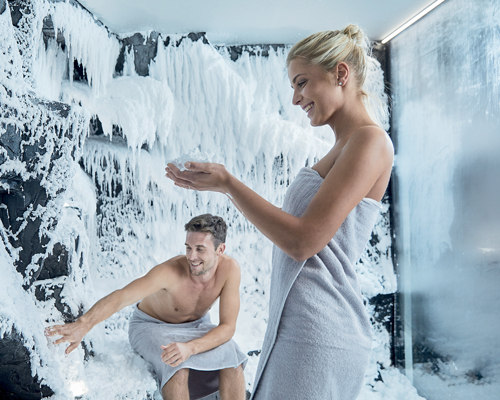
If you want to deliver a hot and cold experience as part of your wellness programme, adding a snowroom will introduce a delightful and more gentle form of cold therapy, as Sara Brenninger explains
Trends: Spa Foresight™
Climate emergency, gen alpha and brain optimisation are among Spa Business’ latest trend predictions
Promotional feature: The Wellness
Investing in children’s facilities gives a spa and wellness offering a competitive edge, as well as helping the next generation achieve their potential, explains Mohammed Ibrahim, CEO of industry design and consultancy practice, The Wellness
Promotional feature: RKF Luxury Linen
As a symbol of luxury, innovation and quality in the world of spa and hospitality, much of RKF Luxury Linen’s success comes from its highly client-centric design process, says CEO Riadh Bouaziz
Design: Heat of the moment
From giant golden eggs and converted ski lifts to rustic, hand-crafted huts, we showcase the latest in heat experience design and innovations
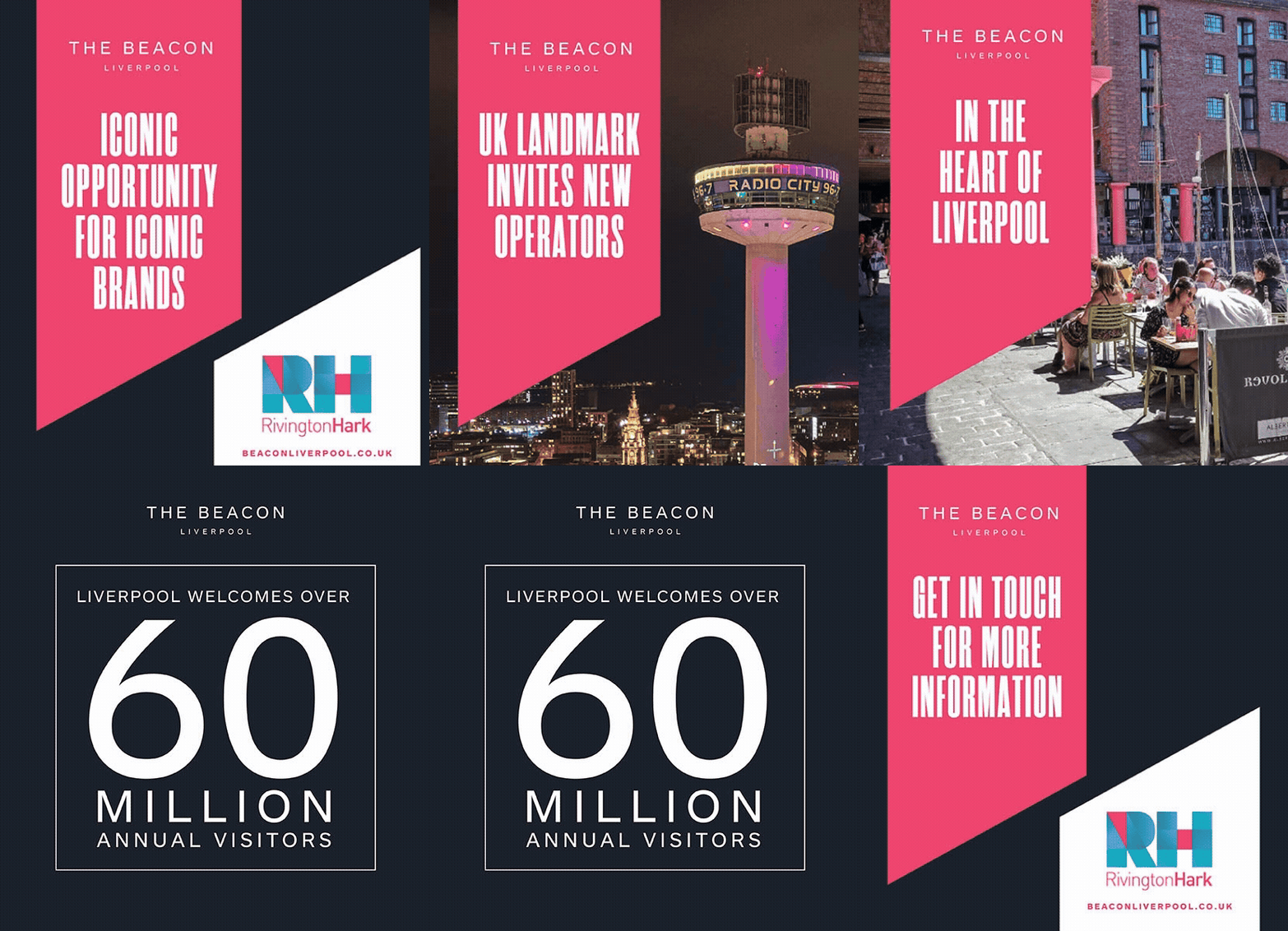
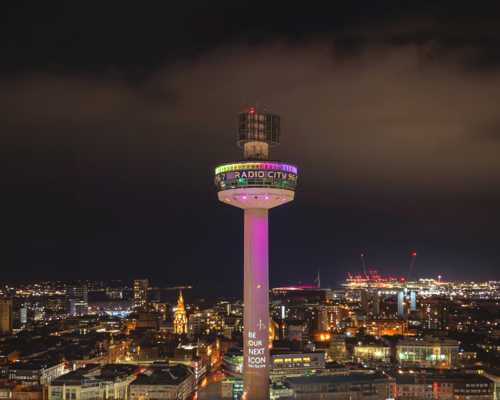
An opportunity to reimagine one of the UK’s most recognisable towers has been formally
opened by Rivington Hark, as St Johns Beacon invites operators and partners to shape its
next phase. [more...]
Resort spas saw a bigger revenue rise than urban hotel spas / Studio Romantic/SHUTTERSTOCK
A new report by CBRE Hotel Advisory, 2019 Trends in the Hotel Spa Industry, has revealed that total hotel revenue increased by 3.8 per cent, while spa departments reported increases of 4.8 per cent.
According to the report, which was released in December, revenues and profitability also improved in all types of hotel spas. The greatest increase was reported by hotels with less than 200 rooms, with a jump of 13.3 per cent. Hotels with more than 700 rooms increased spa revenue by 3.6 per cent, while hotels with 200-700 rooms saw the smallest increase in spa department revenue, with just 0.3 per cent, during 2018.
Resort hotels have also shown greater increases in spa department profits than urban properties for the first time in seven years.
CBRE also gives a breakdown of customer segmentation for all hotel spas in 2018, finding it was comprised of 53 per cent hotel guests, 4 per cent spa members and 43 per cent locals/others.
In urban hotel spas, the percentage of locals is higher at 61 per cent. CBRE says this indicates an opportunity for hotel owners to provide packages to entice the local community into their spas for different services and to convert these local patrons into members to provide a steady income stream to all areas of the hotel.
At resorts, 62 per cent of customers are hotel guests, 32 per cent are locals/others and 6 per cent are spa members.
Authored by Mark VanStekelenburg, division MD of CBRE Hotels Advisory and Jenna Finkelstein, director at CBRE Hotels Advisory, the report features 2018 revenue and expense data from 159 US hotels with spas. This is the 13th iteration of the report.
2019 Trends in the Hotel Spa Industry is designed to provide owners and operators with the means to compare their performance against that of similar facilities, or against industry averages, and to identify their level of operating efficiency and competitiveness.
“As in prior years, despite rising labour costs, decreases in other department operating expenses, along with revenue increases led to profit gains for all hotel spas,” say the authors.
In addition, the paper highlights major trends in the hotel industry, stating that sustainability initiatives have grown in popularity, as well as hotel partnerships with major fitness brands.
“Hotels will continue to succeed if wellness is seamlessly incorporated throughout the hotel. This includes offering healthy dining options, partnering with boutique fitness classes, providing top-of-the-line equipment, and socially responsible sourcing” says Finkelstein.
Read more from this issue of Attractions Management magazine
View contents of Attractions Management 2020 issue 1
Editor's letter: Time to shine
As spas reach peak revenues, now’s the time for our industry to act as a catalyst in working out how we measure the impact of an experience and the ‘return on wellness’ says Spa Business' editor Katie Barnes
Promotional feature: TechnoAlpin
If you want to deliver a hot and cold experience as part of your wellness programme, adding a snowroom will introduce a delightful and more gentle form of cold therapy, as Sara Brenninger explains
Trends: Spa Foresight™
Climate emergency, gen alpha and brain optimisation are among Spa Business’ latest trend predictions
Promotional feature: The Wellness
Investing in children’s facilities gives a spa and wellness offering a competitive edge, as well as helping the next generation achieve their potential, explains Mohammed Ibrahim, CEO of industry design and consultancy practice, The Wellness
Promotional feature: RKF Luxury Linen
As a symbol of luxury, innovation and quality in the world of spa and hospitality, much of RKF Luxury Linen’s success comes from its highly client-centric design process, says CEO Riadh Bouaziz
Design: Heat of the moment
From giant golden eggs and converted ski lifts to rustic, hand-crafted huts, we showcase the latest in heat experience design and innovations
A new immersive attraction designed to transport visitors into the final hours of ancient Pompeii
is preparing to open near the world-famous archaeological site in southern Italy.
Experience design company, BRC Imagination Arts, has completed a transition that sees founder
Bob Rogers pass ownership of the business to four long-serving senior executives, while
remaining actively involved with the company.
Movie Park Germany has opened a new Paramount Pictures-themed attraction as part of its 30th
anniversary celebrations, using immersive storytelling and adaptive reuse to reinforce the park’s
longstanding “Hollywood in Germany” positioning.
Therme Manchester’s 28-acre development, which will include interconnected glass pavilions
that measure 65,000sq m, will be the largest bathing and wellbeing attraction in the world once
complete, according to prof David Russell, CEO of Therme UK.
Efteling has opened Hooghmoed, a new family drop tower designed to broaden the appeal of its
recently launched Sirene Island themed area and introduce younger visitors to thrill attractions.
A proposed Puy du Fou development near Bicester and Universal Destinations and Experiences’
planned resort in Bedford are emerging as part of a wider transformation of the Oxford–
Cambridge Growth Corridor into a major centre for UK leisure and tourism inv
Shedd Aquarium has opened the Immersion Theater developed in partnership with SimEx-
Iwerks, as part of a wider strategy to enhance the guest experience and create additional
revenue opportunities.
The UK government has announced a temporary reduction in VAT on visitor attractions and
children’s meals as part of a summer cost-of-living support package designed to stimulate the
visitor economy and encourage family days out.
As designer Yinka Ilori prepares for his first solo gallery show in London, he speaks exclusively
to CLADmag about his mission to spread joy, the power of play, and his bold approach to using
colour (including the colours you won’t see in his work).
The government of Thailand is exploring plans for a THB300bn (£6.3bn, US$8.3bn)
entertainment complex in the country’s Eastern Economic Corridor (EEC), with officials
proposing a large-scale theme park and sports destination as part of a broader tourism and
economic development strategy.
An opportunity to reimagine one of the UK’s most recognisable towers has been formally
opened by Rivington Hark, as St Johns Beacon invites operators and partners to shape its
next phase. [more...]