3M - How multi-touch AV is bringing the museum visitor experience to life
3M Touch Systems is introducing interactive multi-touch displays to the museums
sector, helping them create engaging visitor experiences that won’t be forgotten
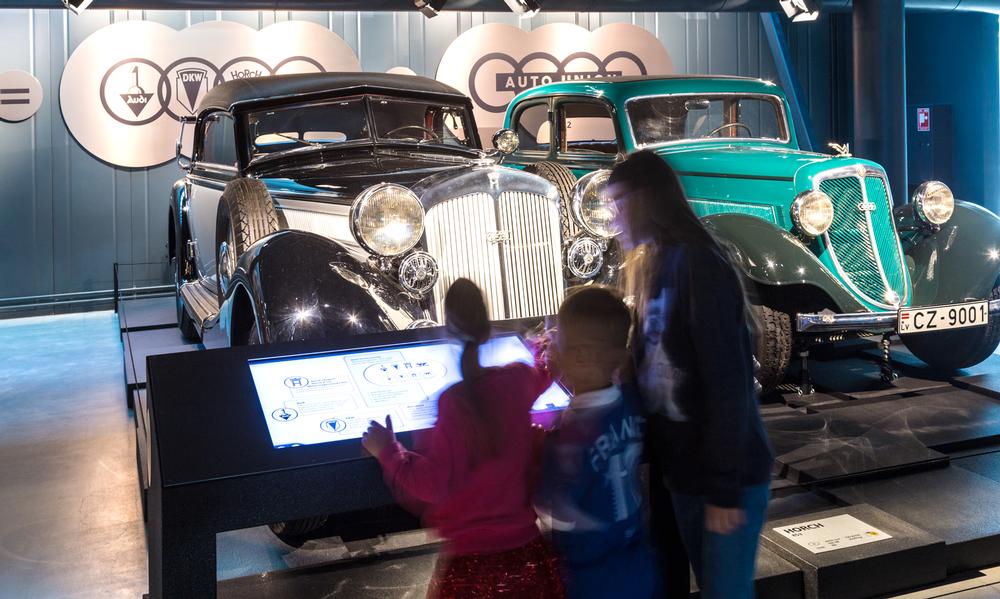
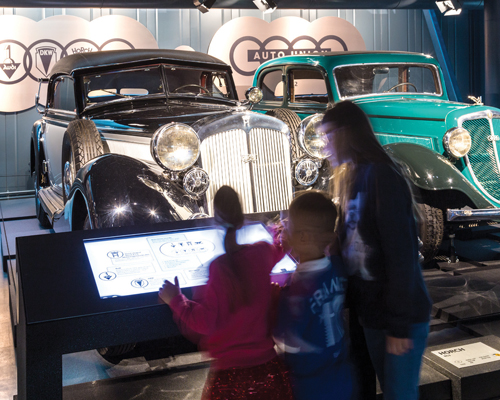
Riga Motor Museum has found children are able to use 3M’s multi-touch technology intuitively
Museums are among some of the biggest investors in the latest AV technology right now, and for good reason. Getting visitors into museums is a hard task in a market where there is so much competition, not just from other museums, but from all kinds of entertainment and learning experiences, including the digital world.
Plus, consumers – especially the younger generation – are increasingly tech savvy and have higher expectations than ever before. Let’s face it, the average youngster has more exciting, engaging information in his or her pocket than most of us could have imagined a few years back.
That’s why we’re seeing museums increasingly investing in multi-touch AV technology. This is particularly true of high-end venues such as automotive, science and art museums, but also in a wide variety of different attractions, large and small. While these are typically permanent AV installations, we’re seeing the content being updated more frequently, to reflect current themes or seasons.
Collaborative engagement By introducing interactive, multi-user elements, this technology does more than just provide wayfinding or basic information. For instance, people can compete in virtual games, perhaps ‘paint’ their own masterpiece, design a car, or find hidden treasure. Groups of people can either collaboratively engage with the same on-screen content, together or separately: the kids can be collating a ‘virtual’ puzzle or watching a video, while mum and dad work out the shortest way to the museum café.
Also, multi-touch technology can be used to generate museum revenue. Since it engages with visitors in a fun and non-confrontational way, it breaks down many of the barriers associated with more traditional sales techniques. If connected to other IT systems in the museum, it can gather visitor data and patterns of interest, either for future or immediate use. For example, if the system picks up that someone seems especially interested in Roman history, it could suggest immediate booking to get discounted tickets on relevant events, or books on that subject available for purchase in the gift-shop.
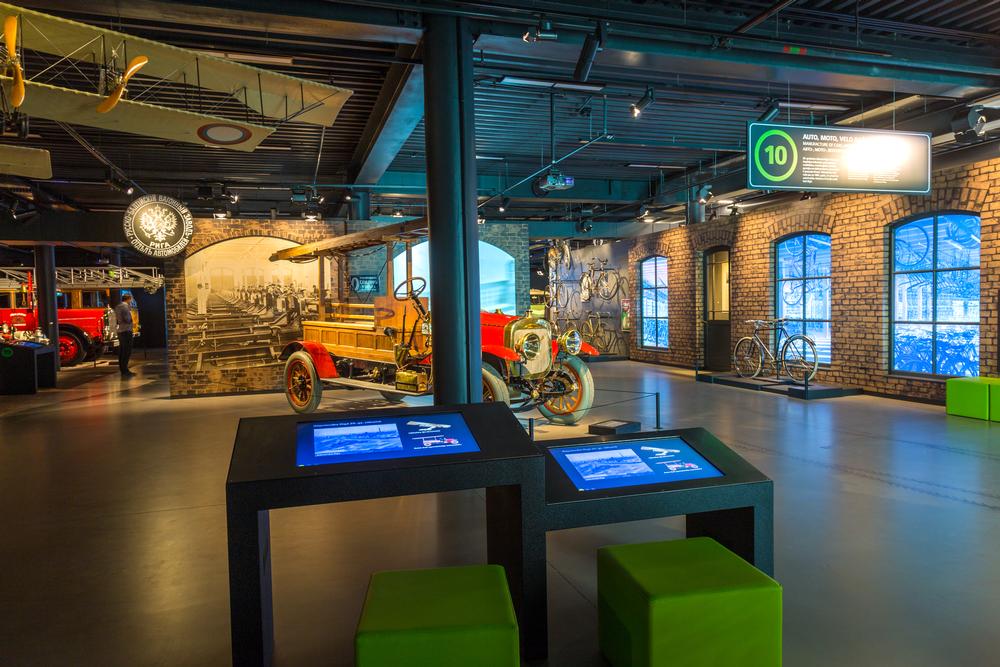
Riga Motor Museum One example of a European venue that’s making the most of multi-touch AV technology is Riga Motor Museum, located in Latvia’s capital city, which houses one of the most comprehensive and exciting collections of antique automobiles globally.
The museum, which re-opened its doors in July 2016 after an ambitious three-year redevelopment project, has put audiovisual at the heart of its exhibit strategy, with a heavy emphasis on multi-touch technology – supplied by local audio-visual technology specialist SOLAVI – to take the visitor experience to a whole new level of engagement and interaction.
“Modern technology such as multi-touch displays are essential for a museum which positions itself as a modern, knowledge sharing and educating institution,” says Aija Bauere, public relations specialist at the Riga Motor Museum. “Interactive and entertaining, multi-touch screens allow the museum to share information in a more exciting way. Also, a museum’s collection accumulates an immense amount of information: multi-touch displays make this content easily accessible.”
As with any user-facing technology, it’s imperative multi-touch systems can cope with large volumes of unsupervised use.
Exceeding expectations Ints Berzins, founder of SOLAVI, says: “It’s no longer enough to just give people a button to press. We chose 3M technology for several reasons. The displays are extremely robust, so they can cope with visitors leaning on them. 3M displays also offer plenty of touch points and the bezel-free design means that the AV experience goes right to the very edge of the screen.”
Riga Motor Museum’s positive experience of the current generation of multi-touch technology is increasingly typical, with reports that it keeps users engaged for longer periods of time, at a deeper level. All this contributes to a better overall visitor experience while creating opportunities for museums and other attractions to keep people coming back for more.
“The multi-touch displays have exceeded our expectations,” says Bauere. “It’s been particularly important for our museum, where the main audience is families; we’ve noticed that children use the displays intuitively. By choosing multi-touch displays, we have made our content more accessible and fulfilled our mission of teaching and sharing knowledge.”
Read more from this issue of Attractions Management magazine
View contents of Attractions Management 2017 issue 2
Promotional feature: IDEATTACK
IDEATTACK is working on a magical destination resort in Hunan Province, China.
Founders Natasha Varnica and Dan Thomas walk us through the fairytale experience
Science centres: Sparks Fly
The Wolf Museum of Exploration +
Innovation (MOXI) is a brand new science
centre in Santa Barbara, with a refreshing
approach. CEO Steve Hinkley tells all
Theme parks: Speed Demons
PortAventura’s COO Mark Robinson on the
company’s latest investment – Ferrari Land
Promotional feature: Simworx
UK-based attractions manufacturer Simworx is building on its global
portfolio with a range of new projects in Dubai, China and Spain
Attractions: That’s the Spirit
Jameson’s visitor experience centre has
been revamped by BRC Imagination
Arts. Tom Anstey went to Dublin and
talked to the team about the project
Promotional feature: FORREC
FORREC has worked with some of the world’s
most recognisable characters and IPs. Here Steven Rhys
shares some tips on bringing those cherished worlds to life
3M, which works closely with specialist systems integrators and designers, has developed a best practice guide and is launching an animation video, both specifically for the museum market. These resources are designed to give museums interested in multi-touch AV some inspiration and practical advice.
To find out more, please go to www.attractionsmanagement.com/3M
The museum, which re-opened in 2016,
puts AV/multimedia
at the heart of its exhibit strategy
3M - How multi-touch AV is bringing the museum visitor experience to life
3M Touch Systems is introducing interactive multi-touch displays to the museums
sector, helping them create engaging visitor experiences that won’t be forgotten
Riga Motor Museum has found children are able to use 3M’s multi-touch technology intuitively
Museums are among some of the biggest investors in the latest AV technology right now, and for good reason. Getting visitors into museums is a hard task in a market where there is so much competition, not just from other museums, but from all kinds of entertainment and learning experiences, including the digital world.
Plus, consumers – especially the younger generation – are increasingly tech savvy and have higher expectations than ever before. Let’s face it, the average youngster has more exciting, engaging information in his or her pocket than most of us could have imagined a few years back.
That’s why we’re seeing museums increasingly investing in multi-touch AV technology. This is particularly true of high-end venues such as automotive, science and art museums, but also in a wide variety of different attractions, large and small. While these are typically permanent AV installations, we’re seeing the content being updated more frequently, to reflect current themes or seasons.
Collaborative engagement By introducing interactive, multi-user elements, this technology does more than just provide wayfinding or basic information. For instance, people can compete in virtual games, perhaps ‘paint’ their own masterpiece, design a car, or find hidden treasure. Groups of people can either collaboratively engage with the same on-screen content, together or separately: the kids can be collating a ‘virtual’ puzzle or watching a video, while mum and dad work out the shortest way to the museum café.
Also, multi-touch technology can be used to generate museum revenue. Since it engages with visitors in a fun and non-confrontational way, it breaks down many of the barriers associated with more traditional sales techniques. If connected to other IT systems in the museum, it can gather visitor data and patterns of interest, either for future or immediate use. For example, if the system picks up that someone seems especially interested in Roman history, it could suggest immediate booking to get discounted tickets on relevant events, or books on that subject available for purchase in the gift-shop.
Riga Motor Museum One example of a European venue that’s making the most of multi-touch AV technology is Riga Motor Museum, located in Latvia’s capital city, which houses one of the most comprehensive and exciting collections of antique automobiles globally.
The museum, which re-opened its doors in July 2016 after an ambitious three-year redevelopment project, has put audiovisual at the heart of its exhibit strategy, with a heavy emphasis on multi-touch technology – supplied by local audio-visual technology specialist SOLAVI – to take the visitor experience to a whole new level of engagement and interaction.
“Modern technology such as multi-touch displays are essential for a museum which positions itself as a modern, knowledge sharing and educating institution,” says Aija Bauere, public relations specialist at the Riga Motor Museum. “Interactive and entertaining, multi-touch screens allow the museum to share information in a more exciting way. Also, a museum’s collection accumulates an immense amount of information: multi-touch displays make this content easily accessible.”
As with any user-facing technology, it’s imperative multi-touch systems can cope with large volumes of unsupervised use.
Exceeding expectations Ints Berzins, founder of SOLAVI, says: “It’s no longer enough to just give people a button to press. We chose 3M technology for several reasons. The displays are extremely robust, so they can cope with visitors leaning on them. 3M displays also offer plenty of touch points and the bezel-free design means that the AV experience goes right to the very edge of the screen.”
Riga Motor Museum’s positive experience of the current generation of multi-touch technology is increasingly typical, with reports that it keeps users engaged for longer periods of time, at a deeper level. All this contributes to a better overall visitor experience while creating opportunities for museums and other attractions to keep people coming back for more.
“The multi-touch displays have exceeded our expectations,” says Bauere. “It’s been particularly important for our museum, where the main audience is families; we’ve noticed that children use the displays intuitively. By choosing multi-touch displays, we have made our content more accessible and fulfilled our mission of teaching and sharing knowledge.”
Read more from this issue of Attractions Management magazine
View contents of Attractions Management 2017 issue 2
Promotional feature: IDEATTACK
IDEATTACK is working on a magical destination resort in Hunan Province, China.
Founders Natasha Varnica and Dan Thomas walk us through the fairytale experience
Science centres: Sparks Fly
The Wolf Museum of Exploration +
Innovation (MOXI) is a brand new science
centre in Santa Barbara, with a refreshing
approach. CEO Steve Hinkley tells all
Theme parks: Speed Demons
PortAventura’s COO Mark Robinson on the
company’s latest investment – Ferrari Land
Promotional feature: Simworx
UK-based attractions manufacturer Simworx is building on its global
portfolio with a range of new projects in Dubai, China and Spain
Attractions: That’s the Spirit
Jameson’s visitor experience centre has
been revamped by BRC Imagination
Arts. Tom Anstey went to Dublin and
talked to the team about the project
Promotional feature: FORREC
FORREC has worked with some of the world’s
most recognisable characters and IPs. Here Steven Rhys
shares some tips on bringing those cherished worlds to life
3M, which works closely with specialist systems integrators and designers, has developed a best practice guide and is launching an animation video, both specifically for the museum market. These resources are designed to give museums interested in multi-touch AV some inspiration and practical advice.
To find out more, please go to www.attractionsmanagement.com/3M
The museum, which re-opened in 2016,
puts AV/multimedia
at the heart of its exhibit strategy
Abu Dhabi-based investment firm Mubadala Capital has made a binding, fully financed
€1 billion
offer to acquire Pierre and Vacances SA, the European holiday resort operator behind the
continental European Center Parcs business.
Expo 2030 Riyadh is being planned as a permanent visitor destination, with organisers
confirming the six-million-square-metre site will become a Global Village after the event closes.
The owner of one of Australia's best-known waterparks has acquired a major competitor,
creating a new attractions business spanning two of the country's largest visitor destinations.
The Toverland theme park in the Netherlands has announced a €98m expansion programme
that will add a resort, new attractions and staff facilities as it pursues plans to become a multi-
day destination.
Hotel de France, located on the British Isle of Jersey, has created a wellness retreat package
that includes a hot yoga session that will take place in Jersey Zoo’s butterfly sanctuary.
A new immersive attraction designed to transport visitors into the final hours of ancient Pompeii
is preparing to open near the world-famous archaeological site in southern Italy.
Experience design company, BRC Imagination Arts, has completed a transition that sees founder
Bob Rogers pass ownership of the business to four long-serving senior executives, while
remaining actively involved with the company.
Movie Park Germany has opened a new Paramount Pictures-themed attraction as part of its 30th
anniversary celebrations, using immersive storytelling and adaptive reuse to reinforce the park’s
longstanding “Hollywood in Germany” positioning.
Therme Manchester’s 28-acre development, which will include interconnected glass pavilions
that measure 65,000sq m, will be the largest bathing and wellbeing attraction in the world once
complete, according to prof David Russell, CEO of Therme UK.
Efteling has opened Hooghmoed, a new family drop tower designed to broaden the appeal of its
recently launched Sirene Island themed area and introduce younger visitors to thrill attractions.