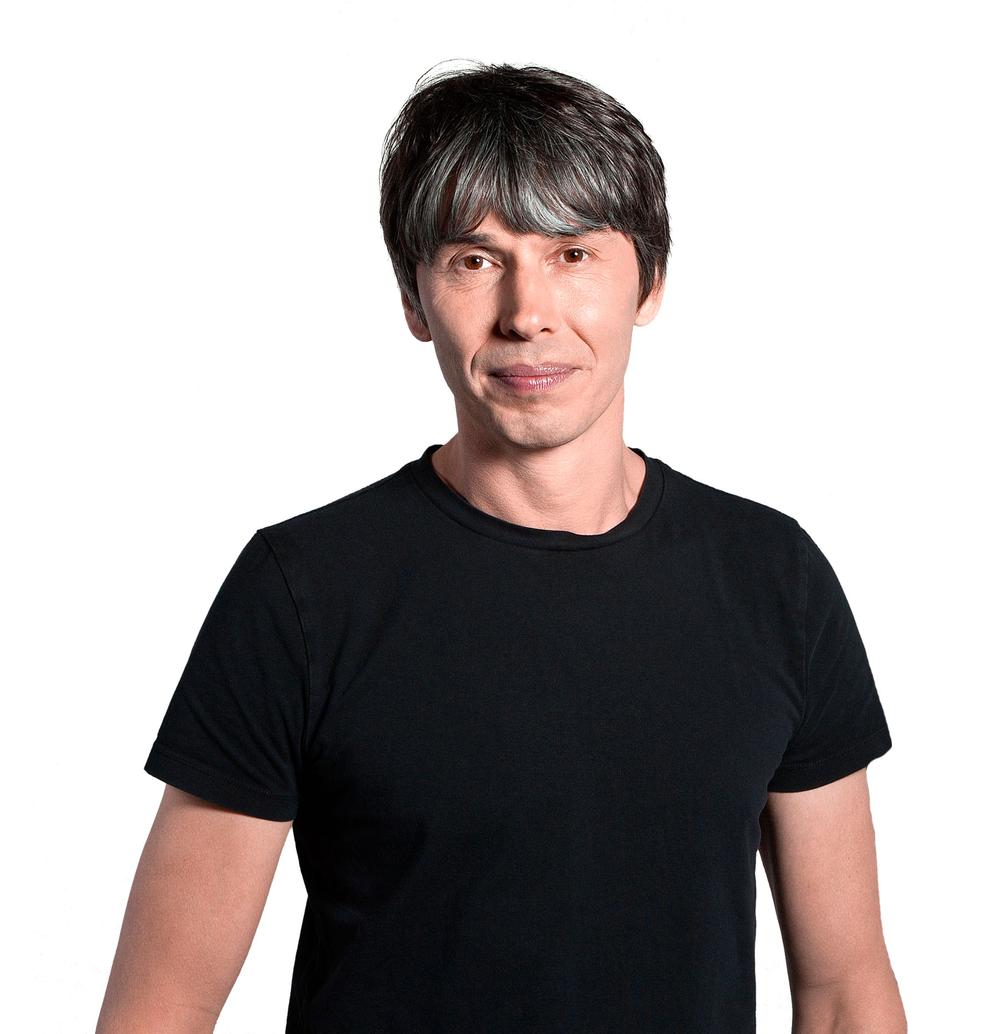
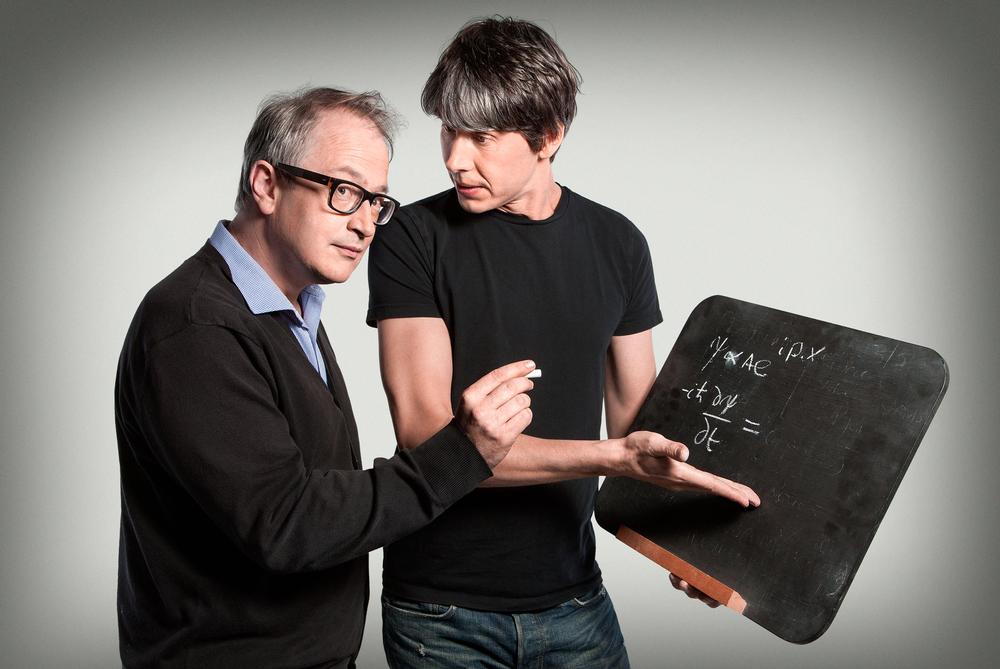
Physicist Brian Cox is a figurehead for the Tomorrow’s World campaign, which will partner science attractions
Famed scientist and TV personality Brian Cox is teaming up with the BBC and a number of UK institutions and charities to launch a year-long season of science and technology programming under the broadcaster’s iconic Tomorrow’s World banner, resurrected as the masthead for the initiative.
The Science Museum Group, Wellcome, The Royal Society and the Open University are joining the initiative, aimed at ensuring the UK remains a driving force for technology and innovation in the years to come.
The BBC will collaborate with the science-based attractions, academic institutions and personalities to produce more than 40 hours of television and radio programmes, podcasts and digital offerings under the Tomorrow’s World banner.
Cox hopes the 12-month Tomorrow’s World programming will help to address a growing distrust of science and public wariness of new technologies.
“The West, not just Britain, faces a deep crisis of confidence, which threatens to turn us backwards, to devalue knowledge, expertise and wisdom and to retreat into what I’d call a destructive relativism where all ideas are equal and freed from challenge,” he tells the Radio Times. “Who should fight for Britain to continue to be the best place in the world to do science as it’s been, I would say, for over 350 years? In my view it falls, in part, to the institutions of Britain – the partners in this endeavour – but importantly it also falls to the BBC.”
Inventions in the vaults The Science Museum Group, which consists of the London Science Museum, Museum of Science and Industry in Manchester, The National Railway Museum in York and The National Media Museum in Bradford, will air a live show titled Britain’s Greatest Invention from its venues, with a public vote determining which inventions have been of most influence and importance in their lifetime.
Among the artefacts found in the Science Museum vaults that are up for nomination are James Harrison’s fridge, Alexander Fleming’s antibiotics, John Logie Baird’s television and Frank Whittle’s jet engine. The programme will be presented by British mathematician Hannah Fry.
“The marriage of our world-class collections, expertise and rich programming with the BBC’s worldwide reach is a truly exciting prospect,” says Ian Blatchford, director of the Science Museum Group.
“The Tomorrow’s World partnership is already bearing fruit with Britain’s Greatest Inventions. BBC’s cameras have exclusive access to our stores to explore our incredible objects and reveal the stories of some of the greatest inventions in history.”
Wellcome, which runs the Wellcome Collection medical museum and library in London, is also participating in order to help improve people’s understanding of health and modern health issues.
Simon Chaplin, director of culture and society, Wellcome, says: “We’ll be working with Tomorrow’s World on a project which makes science accessible and contemporary. Wellcome will be creating original content which will bring different perspectives to themes including mental health, sleep and contagion based on current research and recent discoveries.”
Curated content and digital hub A digital hub will be at the heart of the campaign, bringing together some of the UK’s most respected science institutions for the first time. Curated daily, it will feature content from across the group, aimed at inspiring engagement with science.
BBC director general Tony Hall says: “Science is changing our world at an extraordinary rate. We want to engage and inspire on a scale that is unprecedented.”
Professor Stephen Hawking is also involved, with a BBC2 show that shares his theory that the human race needs to colonise another planet. Other programming will look at astronaut training, green energy, being transgender, superbugs and more.
Cox says: “The 21st-century Tomorrow’s World represents the institutions of Britain coming together to inspire current and future generations. It’s our commitment to convince them to embrace the opportunities that sciences brings, to foster the spirit of curiosity and tolerance and to embrace the unknown, not in fear but in wonder.”
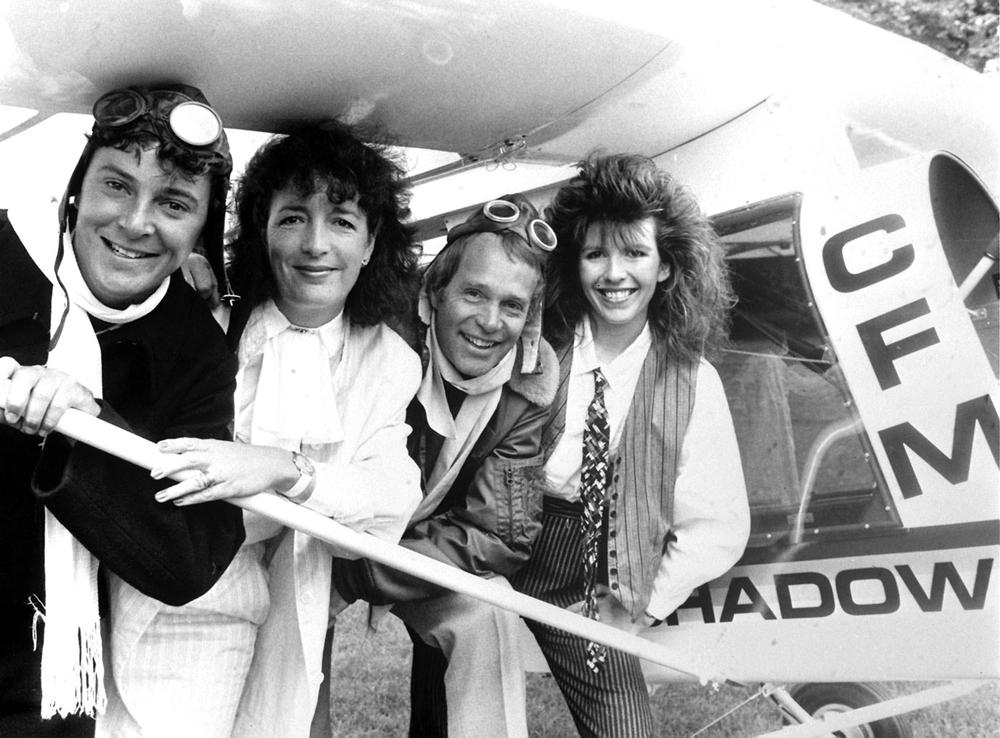
Tomorrow’s World was a popular BBC series that looked at new technologies and scientific breakthroughs. It aired for almost 40 years, from 1965 until 2003.
Read more from this issue of Attractions Management magazine
View contents of Attractions Management 2017 issue 2
Promotional feature: IDEATTACK
IDEATTACK is working on a magical destination resort in Hunan Province, China.
Founders Natasha Varnica and Dan Thomas walk us through the fairytale experience
Science centres: Sparks Fly
The Wolf Museum of Exploration +
Innovation (MOXI) is a brand new science
centre in Santa Barbara, with a refreshing
approach. CEO Steve Hinkley tells all
Theme parks: Speed Demons
PortAventura’s COO Mark Robinson on the
company’s latest investment – Ferrari Land
Promotional feature: Simworx
UK-based attractions manufacturer Simworx is building on its global
portfolio with a range of new projects in Dubai, China and Spain
Attractions: That’s the Spirit
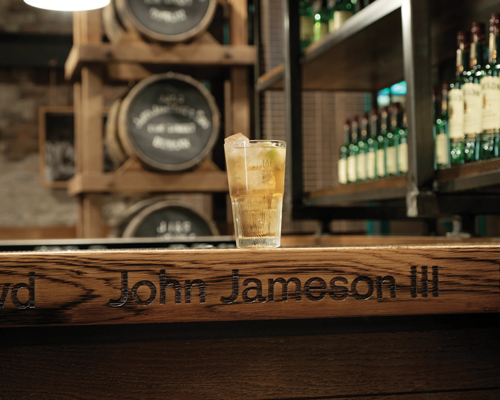
Jameson’s visitor experience centre has
been revamped by BRC Imagination
Arts. Tom Anstey went to Dublin and
talked to the team about the project
Promotional feature: FORREC
FORREC has worked with some of the world’s
most recognisable characters and IPs. Here Steven Rhys
shares some tips on bringing those cherished worlds to life
Physicist Brian Cox is a figurehead for the Tomorrow’s World campaign, which will partner science attractions
Famed scientist and TV personality Brian Cox is teaming up with the BBC and a number of UK institutions and charities to launch a year-long season of science and technology programming under the broadcaster’s iconic Tomorrow’s World banner, resurrected as the masthead for the initiative.
The Science Museum Group, Wellcome, The Royal Society and the Open University are joining the initiative, aimed at ensuring the UK remains a driving force for technology and innovation in the years to come.
The BBC will collaborate with the science-based attractions, academic institutions and personalities to produce more than 40 hours of television and radio programmes, podcasts and digital offerings under the Tomorrow’s World banner.
Cox hopes the 12-month Tomorrow’s World programming will help to address a growing distrust of science and public wariness of new technologies.
“The West, not just Britain, faces a deep crisis of confidence, which threatens to turn us backwards, to devalue knowledge, expertise and wisdom and to retreat into what I’d call a destructive relativism where all ideas are equal and freed from challenge,” he tells the Radio Times. “Who should fight for Britain to continue to be the best place in the world to do science as it’s been, I would say, for over 350 years? In my view it falls, in part, to the institutions of Britain – the partners in this endeavour – but importantly it also falls to the BBC.”
Inventions in the vaults The Science Museum Group, which consists of the London Science Museum, Museum of Science and Industry in Manchester, The National Railway Museum in York and The National Media Museum in Bradford, will air a live show titled Britain’s Greatest Invention from its venues, with a public vote determining which inventions have been of most influence and importance in their lifetime.
Among the artefacts found in the Science Museum vaults that are up for nomination are James Harrison’s fridge, Alexander Fleming’s antibiotics, John Logie Baird’s television and Frank Whittle’s jet engine. The programme will be presented by British mathematician Hannah Fry.
“The marriage of our world-class collections, expertise and rich programming with the BBC’s worldwide reach is a truly exciting prospect,” says Ian Blatchford, director of the Science Museum Group.
“The Tomorrow’s World partnership is already bearing fruit with Britain’s Greatest Inventions. BBC’s cameras have exclusive access to our stores to explore our incredible objects and reveal the stories of some of the greatest inventions in history.”
Wellcome, which runs the Wellcome Collection medical museum and library in London, is also participating in order to help improve people’s understanding of health and modern health issues.
Simon Chaplin, director of culture and society, Wellcome, says: “We’ll be working with Tomorrow’s World on a project which makes science accessible and contemporary. Wellcome will be creating original content which will bring different perspectives to themes including mental health, sleep and contagion based on current research and recent discoveries.”
Curated content and digital hub A digital hub will be at the heart of the campaign, bringing together some of the UK’s most respected science institutions for the first time. Curated daily, it will feature content from across the group, aimed at inspiring engagement with science.
BBC director general Tony Hall says: “Science is changing our world at an extraordinary rate. We want to engage and inspire on a scale that is unprecedented.”
Professor Stephen Hawking is also involved, with a BBC2 show that shares his theory that the human race needs to colonise another planet. Other programming will look at astronaut training, green energy, being transgender, superbugs and more.
Cox says: “The 21st-century Tomorrow’s World represents the institutions of Britain coming together to inspire current and future generations. It’s our commitment to convince them to embrace the opportunities that sciences brings, to foster the spirit of curiosity and tolerance and to embrace the unknown, not in fear but in wonder.”
Tomorrow’s World was a popular BBC series that looked at new technologies and scientific breakthroughs. It aired for almost 40 years, from 1965 until 2003.
Read more from this issue of Attractions Management magazine
View contents of Attractions Management 2017 issue 2
Promotional feature: IDEATTACK
IDEATTACK is working on a magical destination resort in Hunan Province, China.
Founders Natasha Varnica and Dan Thomas walk us through the fairytale experience
Science centres: Sparks Fly
The Wolf Museum of Exploration +
Innovation (MOXI) is a brand new science
centre in Santa Barbara, with a refreshing
approach. CEO Steve Hinkley tells all
Theme parks: Speed Demons
PortAventura’s COO Mark Robinson on the
company’s latest investment – Ferrari Land
Promotional feature: Simworx
UK-based attractions manufacturer Simworx is building on its global
portfolio with a range of new projects in Dubai, China and Spain
Attractions: That’s the Spirit
Jameson’s visitor experience centre has
been revamped by BRC Imagination
Arts. Tom Anstey went to Dublin and
talked to the team about the project
Promotional feature: FORREC
FORREC has worked with some of the world’s
most recognisable characters and IPs. Here Steven Rhys
shares some tips on bringing those cherished worlds to life
Abu Dhabi-based investment firm Mubadala Capital has made a binding, fully financed
€1 billion
offer to acquire Pierre and Vacances SA, the European holiday resort operator behind the
continental European Center Parcs business.
Expo 2030 Riyadh is being planned as a permanent visitor destination, with organisers
confirming the six-million-square-metre site will become a Global Village after the event closes.
The owner of one of Australia's best-known waterparks has acquired a major competitor,
creating a new attractions business spanning two of the country's largest visitor destinations.
The Toverland theme park in the Netherlands has announced a €98m expansion programme
that will add a resort, new attractions and staff facilities as it pursues plans to become a multi-
day destination.
Hotel de France, located on the British Isle of Jersey, has created a wellness retreat package
that includes a hot yoga session that will take place in Jersey Zoo’s butterfly sanctuary.
A new immersive attraction designed to transport visitors into the final hours of ancient Pompeii
is preparing to open near the world-famous archaeological site in southern Italy.
Experience design company, BRC Imagination Arts, has completed a transition that sees founder
Bob Rogers pass ownership of the business to four long-serving senior executives, while
remaining actively involved with the company.
Movie Park Germany has opened a new Paramount Pictures-themed attraction as part of its 30th
anniversary celebrations, using immersive storytelling and adaptive reuse to reinforce the park’s
longstanding “Hollywood in Germany” positioning.
Therme Manchester’s 28-acre development, which will include interconnected glass pavilions
that measure 65,000sq m, will be the largest bathing and wellbeing attraction in the world once
complete, according to prof David Russell, CEO of Therme UK.
Efteling has opened Hooghmoed, a new family drop tower designed to broaden the appeal of its
recently launched Sirene Island themed area and introduce younger visitors to thrill attractions.
+ More news
COMPANY PROFILES
Sally Corporation Our services include: Dark ride design & build; Redevelopment of existing attractions; High-quality [more...]
IAAPA EMEA IAAPA Expo Europe was established in 2006 and has grown to the largest international conference and [more...]
QubicaAMF UK QubicaAMF is the largest and most
innovative bowling equipment provider with
600 employees worldwi [more...]
Polin Waterparks Polin was founded in Istanbul in 1976. Polin
has since grown into a leading company in
the waterpa [more...]